
The Seto Inland Sea is a place of gentle light and whispered secrets. Here, where the water lies calm and silvered under a soft sky, time itself seems to slow, flowing with the quiet rhythm of the tides. Nestled along this serene coastline in Hiroshima Prefecture is a town that feels like a perfectly preserved memory, a tangible dream from a bygone era: Takehara. Known affectionately as the ‘Little Kyoto of Aki,’ its historic streets are a labyrinth of dark timber, white plaster, and the silent stories of Edo-period merchants. But for a generation of travelers, artists, and dreamers, Takehara is more than just a historical gem. It is a place of pilgrimage, the living, breathing heart of the beloved anime series, Tamayura. The show, a gentle meditation on finding beauty in the everyday through the lens of a high school photographer named Fu Sawatari, is not just set in Takehara; it is Takehara. Its soul is woven into the very fabric of the town’s sun-drenched alleys, quiet temples, and the warm smiles of its people. To walk these streets is to step into the frames of the anime, to feel the same inspiration that guided Fu’s lens, and to discover the quiet magic that turns fleeting moments into cherished photographs. It is a journey for the heart, a destination that asks you to simply slow down, look closer, and capture the light.
Embracing the allure of serene travel and timeless landscapes, many find that a visit to Naoshima’s luminous art island offers another inspiring perspective on the interplay of light, history, and nature.
Stepping into the Frame: The Preserved Townscape
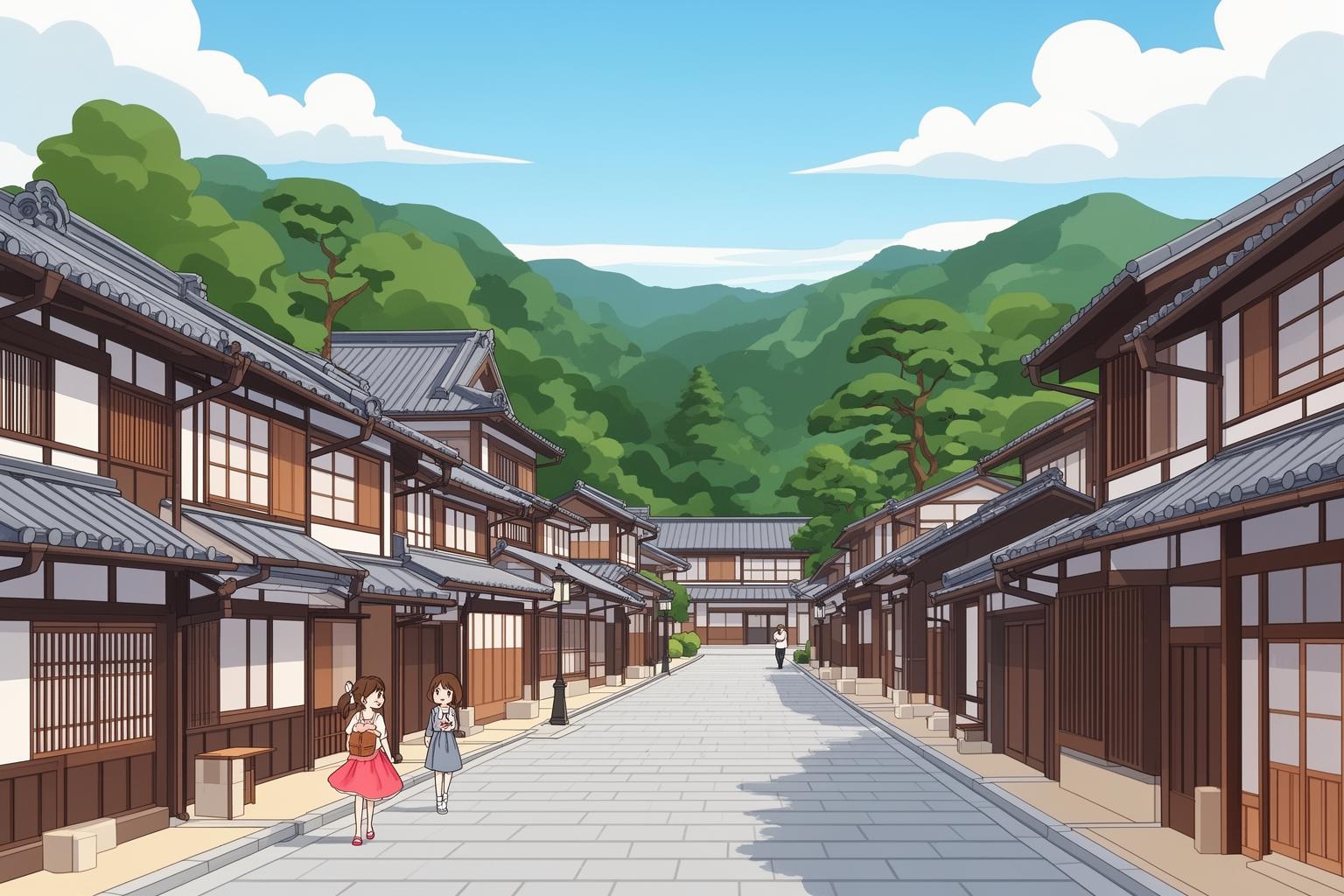
The moment you step onto the main thoroughfare of the Takehara Townscape Conservation Area, or Machinami Hozon Chiku, the modern world fades away like a distant photograph. The air grows still, softened by the quiet yet powerful presence of history. This isn’t a theme park recreation; it’s a living, breathing neighborhood where the heritage of the 18th and 19th centuries is carefully preserved. Your footsteps softly echo on the stone-paved streets, creating a rhythmic harmony with the whisper of the wind through the dark, intricate latticework of the koshi windows. These wooden facades, weathered to a deep, resonant brown, stand alongside walls of pristine white shikkui plaster, a striking and beautiful contrast that defines the town’s character. The roofs, a flowing sea of gray kawara tiles, stretch along the street, their lines occasionally interrupted by the imposing udatsu, a decorative firewall that once signified the wealth of the original merchant owner. Unlike the crowded, shoulder-to-shoulder throngs of its more famous Kyoto counterpart, Takehara offers a profound sense of intimacy and discovery. You can pause in the middle of the street for a long moment, completely alone, and simply listen. You might catch the distant chime of a temple bell, the friendly greeting of neighbors, or the soft rustle of leaves in a hidden garden. For a photographer, this quiet is a treasure. It allows you to truly observe how the light behaves here. It slants through narrow alleys, forming dramatic shafts of gold that illuminate drifting dust motes. It pools in the courtyards of old mansions, casting gentle, diffuse shadows. It reflects off polished wooden floors, bathing interiors in a warm, amber glow. Every corner reveals a new composition, a fresh study in texture, shadow, and light. It’s a place that rewards patience, inviting you to notice the subtle changes of the day and discover the extraordinary in the ordinary, a philosophy at the heart of Tamayura.
Echoes of Fu Sawatari: Iconic Locations from Tamayura
For those who have followed Fu’s journey, wandering through Takehara is a surreal and profoundly moving experience. The animated world unfolds around you, each landmark a familiar friend waiting to be rediscovered. This pilgrimage is not a checklist but a dialogue with the story—a chance to stand where the characters stood and feel what they felt. The boundary between fiction and reality blurs in the most beautiful way, creating a powerful emotional resonance that transforms the visit from a simple tour into a heartfelt encounter. These are not merely filming locations; they serve as the anchors of the narrative, places imbued with the hopes, dreams, and quiet epiphanies of its characters.
The Heart of the Story: Hinomaru Photo Studio
Although you cannot enter the building that inspired the Sawatari family’s photo studio, its presence on the main street is unmistakable and iconic. The real Hinomaru Photo Studio stands as a silent sentinel, a cornerstone of the Tamayura pilgrimage. Its classic, two-story wooden structure and traditional sign feel so perfectly preserved that you half expect to see Fu emerge, her beloved Rollei 35S camera in hand. Fans often pause here with a quiet reverence, framing their shots carefully. It’s a meta-photographic moment: capturing the image of a place that inspired a story about capturing images. The studio symbolizes home, legacy, and the continuation of a passion passed from father to daughter. It marks the beginning of Fu’s new life in Takehara, where she starts to heal and reconnect with her love of photography. Standing before it, you can almost sense the warmth and history held within its walls—a testament to the power of a single place to anchor an entire narrative.
A View from Above: The Steps of Saiho-ji Temple
Perhaps no location in Takehara is as visually emblematic of Tamayura as the commanding view from Saiho-ji Temple. The journey begins with a climb up a long, steep flight of stone steps, shaded by a canopy of trees. With each step, the sounds of the town below fade away, replaced by the chirping of cicadas in summer or the rustling of dry leaves in autumn. This ascent is a transition, a deliberate move toward a higher perspective both literally and figuratively. At the top, you are welcomed by the magnificent Fumeikaku hall, a massive wooden structure that seemingly floats above the landscape on a Kiyomizu-dera-style stage. This is the vantage point. From here, the entire town of Takehara unfurls beneath you in a breathtaking panorama. The orderly grid of the historic district, with its dark tiled roofs, yields to the modern town, and beyond that, the vast, shimmering Seto Inland Sea dotted with the soft, purple-hued silhouettes of distant islands. This view often appears in the anime during moments of introspection and revelation. It’s where the characters come to clear their minds, dream, and put their lives into perspective against the world’s immense beauty. The air here feels different—clearer, calmer. It’s a place to breathe deeply and let the magnificent view wash over you, instantly understanding why this sacred spot was chosen to represent moments of clarity and hope in the series.
A Gentle Wish: The O-kakae Jizo
Nestled at the base of the Western Fort ruins on the path to Saiho-ji is one of Takehara’s most charming and interactive landmarks: the O-kakae Jizo. This small, rounded stone statue of the Buddhist guardian deity is renowned not only for its role in Tamayura but also for a local legend. It is said that if you make a wish and manage to lift the statue, your wish will come true. The statue is surprisingly heavy, requiring considerable effort to move. This simple, physical act creates a wonderful, tangible connection to the place and its traditions. In the anime, it’s a scene filled with lighthearted fun and quiet hope among friends. For visitors, it offers a chance to share in that experience. Whether you succeed in lifting the Jizo or not, the act itself—pausing, making a silent wish, and engaging with a piece of local folklore—becomes a delightful and memorable moment. It perfectly exemplifies the small, whimsical details that make Takehara and Tamayura so endearing.
A Moment’s Respite: The Hoboro Cafe
The real-life inspiration for the cafe where Fu and her friends often gather is a place called Horikawa. This charming spot, with its nostalgic atmosphere and delightful offerings, is a must-visit for any pilgrim. Stepping inside feels like entering the anime’s cozy hangout. The warm wooden interior, mismatched chairs, and gentle clinking of porcelain immediately create a sense of comfort and welcome. The cafe serves as a narrative hub in the story—a gathering place for conversations, celebrations, and the simple, shared moments that form the foundation of friendship. For visitors, it functions much the same way. It’s the ideal spot to rest your feet after a morning of walking, to flip through your photos, and to savor a slice of cake with a cup of expertly brewed coffee. It’s in these quiet, in-between moments, just like in the anime, that the true spirit of the journey often reveals itself. Sitting in the cafe, gazing out at the historic street, you feel fully immersed in the gentle, unhurried pace of life in Takehara.
Beyond the Anime: The Soul of Takehara

While the Tamayura pilgrimage offers a wonderful narrative framework for exploring the town, fully appreciating Takehara means looking past the animation cels and immersing yourself in the rich history that shaped this remarkable place. The town’s prosperity, and indeed its preserved form today, owes much to the industries that thrived here during the Edo Period. Understanding this history adds profound depth to your visit, turning the picturesque facades from mere scenery into monuments of human ingenuity, ambition, and artistry. Once a center of power and wealth, the town’s architectural and cultural artifacts serve as evidence waiting to be discovered.
A Legacy of Salt and Sake
Takehara’s wealth was founded on two key commodities: salt and sake. Its strategic location on the Seto Inland Sea made it an ideal hub for salt production. The extensive salt fields, now long vanished, generated great wealth for the merchants who controlled the trade. This capital was then reinvested into another profitable enterprise: sake brewing. The town earned a reputation for high-quality sake, thanks to the pure water sources in the surrounding hills. This dual economic foundation powered Takehara’s golden age. As you stroll through the streets, you walk amid the direct results of this prosperity. The grand merchant houses, with their elaborate storehouses and secluded gardens, were more than just homes; they were symbols of success and status. Appreciating them means acknowledging the centuries of hard work and skilled craftsmanship that built this town. Several historic residences, including the Matsusaka Residence and the Kasai Residence, are open to visitors. Stepping inside is like traveling back in time—you can admire the intricate woodwork of the transoms, the spacious main halls, and the tranquil beauty of the private gardens, gaining a vivid sense of the lives of the families who once flourished here. The sake legacy lives on today. A visit to the Fujii Shuzo Sake Brewery, marked by its distinctive red-brick chimney, offers a direct connection to this history. There, you can often sample their products and witness a craft refined in Takehara for generations, savoring the very history of the land.
The Art of Seeing: A Photographer’s Guide
As a photographer, Takehara feels like a town made for the camera. Its visual language is one of subtle beauty, rich with textures, lines, and the skillful interplay of light and shadow. Rather than grand, sweeping landscapes, its charm is found in intimate details and a serene atmosphere. The essence of Tamayura is, at its core, about learning to appreciate this beauty in the world around you, and Takehara provides the perfect canvas for cultivating this art of mindful observation. It’s a place that encourages you to slow down, shift your focus, and discover compelling compositions in the most unexpected spots.
Chasing the “Tamayura” Light
The word tamayura itself describes the enchanting orbs of light that appear in photographs—a kind of magical, glowing dust. This effect, often referred to as bokeh, is central to the anime’s visual style and the experience of capturing the town through a lens. The light in Takehara is truly exceptional. The narrow streets of the conservation district function like a natural studio, directing and molding sunlight in captivating ways. Timing is crucial to capturing this. Early mornings hold a special magic. As the sun rises, it casts long, golden rays along the east-west streets, illuminating the edges of wooden lattices and making the white plaster walls radiate. The air is frequently calm and clear, allowing you to photograph the town as it awakens, often without a soul in sight. Late afternoon, known as the “golden hour,” is equally breathtaking. The light softens and warms, enveloping the town in a nostalgic, cinematic glow. Shadows stretch, adding depth and drama to your shots. This is the ideal moment to visit a high vantage point like Saiho-ji Temple to capture the town and the sea bathed in the warm hues of the setting sun.
Capturing the Details
While the expansive street scenes are undeniably striking, the true heart of Takehara photography lies in its details. Focus your lens on the smaller features that give the town its distinct character. Notice the intricate designs of the namako-kabe (sea cucumber wall) on the storehouses, the whimsical mushiko-mado (insect cage windows) on merchant houses’ second floors, or the family crests adorning roof tiles. The town is a composition of textures: the rough grain of weathered wood, the smoothness of worn stone steps, the glossy sheen of ceramic pottery. Observe reflections in the carp-filled canals or the windows of old shops. And naturally, there are the cats. Takehara’s feline inhabitants are numerous and photogenic, often found napping in sunlit patches or curiously watching passersby from weathered walls. These small, quiet moments perfectly embody the Tamayura spirit.
The Bamboo Path of Art
Takehara’s identity is intimately linked with bamboo. The surrounding hills are abundant with bamboo groves, and for centuries, this versatile resource has been the foundation of local craft. The town is sprinkled with workshops and shops offering exquisite bamboo products, from delicate baskets to intricate lamps. Bamboo adds another dimension of visual interest to the town. Visiting the Take-Kobo workshop offers the chance to see artisans transform simple bamboo stalks into objects of remarkable beauty. This celebration of bamboo reaches its peak each autumn during the Shokei no Michi (Path of Lanterns) festival. Over two evenings, the entire historic district is illuminated by thousands of handmade bamboo lanterns. The soft, flickering candlelight creates an ethereal, almost otherworldly ambiance, turning familiar streets into a magical wonderland. It is an unforgettable spectacle and a photographer’s dream—a real-life embodiment of the tamayura light.
Practical Frames: Planning Your Visit

Takehara’s gentle charm is complemented by its accessibility, making it a relatively easy and rewarding side trip from major hubs like Hiroshima or Onomichi. With a little planning, your pilgrimage can be as smooth and enjoyable as the town’s own unhurried pace. While it’s possible to see the main highlights in a day trip, staying overnight lets you experience the town during the quiet morning and evening hours, when its atmosphere is most vivid and the light is at its best.
Access and Orientation
The most common way to reach Takehara is by train. The town is situated on the JR Kure Line, a scenic coastal route that meanders along the Seto Inland Sea. If you’re traveling via the Shinkansen (bullet train), the nearest station is Mihara. From Mihara Station, it’s a direct 25-minute ride on the local Kure Line to Takehara Station. Alternatively, if you’re coming from Hiroshima, the Kure Line offers a direct but slower journey (about 90 minutes), which is scenic in its own right. Once you arrive at Takehara Station, the Townscape Conservation Area is a pleasant 10-15 minute walk away. The route is well-signposted, and the local tourist information center just outside the station can provide you with maps and pamphlets, many highlighting the key Tamayura locations.
When to Go
Takehara is a beautiful destination all year round, but certain seasons offer distinct experiences. Spring (March-April) is delightful, with mild temperatures and the opportunity to see cherry blossoms framing the historic buildings. Autumn (October-November) is arguably the best time to visit. The weather is crisp and comfortable, the autumn foliage adds vibrant color, and this is when the enchanting Shokei no Michi candle festival takes place. Summer (June-August) can be hot and humid, but it’s also a lively period when the greenery is at its most lush. Winter (December-February) is the quietest season. It’s colder, but the stark beauty of bare trees against the historic architecture has its own charm, and you’ll likely have the streets almost entirely to yourself.
Getting Around
The heart of Takehara—the historic district and the main anime pilgrimage sites—is very compact and easily explored on foot. Walking is the best way to absorb the atmosphere and uncover the hidden alleys and small details that make the town special. For those wishing to venture a bit farther, such as visiting the coast or some outlying shrines, renting a bicycle is an excellent choice. Rental shops near the station offer a fun and efficient way to cover more ground.
Where to Stay and Eat
Takehara provides a modest but charming range of accommodations. For a fully immersive experience, consider staying in a traditional ryokan or minshuku (guesthouse) within or near the historic district. Modern hotel options are also available closer to the station. When it comes to dining, the town is a delight for food lovers. Given its coastal location, fresh seafood is a staple. Be sure to try dishes featuring the bounty of the Seto Inland Sea. Takehara also has its own local variation of okonomiyaki, called Takehara-yaki, which includes sake lees in the batter, giving it a unique and savory flavor. While wandering through the town, you’ll find numerous quaint cafes, traditional sweet shops, and restaurants serving delicious local cuisine, providing plenty of opportunities to rest and refuel during your pilgrimage.
A Gentle Farewell: The Lingering Image
Leaving Takehara feels less like departing a place and more like waking from a beautiful dream. The town’s gentle rhythm lingers, a soft hum in the back of your mind. You take with you not only the photographs you captured but also the feeling of sunlight on aged wood, the taste of the sea in the air, and the deep peace of its quiet streets. Takehara stands as a testament to the idea that a place can be more than just the sum of its parts. It is history, art, and story intertwined so seamlessly that they become one. It perfectly reflects the spirit of Tamayura—the quiet joy of discovery, the beauty of shared moments, and the understanding that our most treasured memories often arise from the simplest days. This is a town that doesn’t demand attention; it softly whispers, inviting you to lean in closer, to see with your heart as well as your eyes, and to uncover the light all around us, waiting to be found.