

There are stories that we watch, and then there are stories that we inhabit. They slip past the screen and take root in our hearts, their characters feeling like old friends and their worlds feeling as real as our own. Makoto Shinkai’s masterpiece, Your Name, or Kimi no Na wa, is one such story. It’s a breathtaking tapestry of romance, destiny, and cosmic wonder that captured the imagination of the entire world. It painted a portrait of Japan so vivid, so emotionally resonant, that it left many of us with a profound sense of longing for places we’d never been. But what if I told you that you can go? What if I told you that the threads of Taki and Mitsuha’s tale are woven into the very fabric of modern Tokyo and the timeless landscapes of rural Japan? This isn’t just a sightseeing trip; it’s a pilgrimage. It’s a journey to find the magic of animation blooming in the real world, to stand in the very spots where their intertwined fates were drawn, and to feel the powerful, invisible connections—the musubi—that tie us all together. So, lace up your most comfortable shoes, charge your camera, and open your heart. We’re about to step into the world of Your Name, chasing the ghost of a comet across two of Japan’s most captivating destinations. Our journey begins here, with a map to guide our way through these sacred spaces where art and reality beautifully collide.
Embracing further layers of Japan’s cinematic magic, you may uncover another realm of wonder at Dogo Onsen, where tradition and animation create an enchanting tapestry of experience.
Tokyo’s Urban Dreamscape: Where Worlds Collide
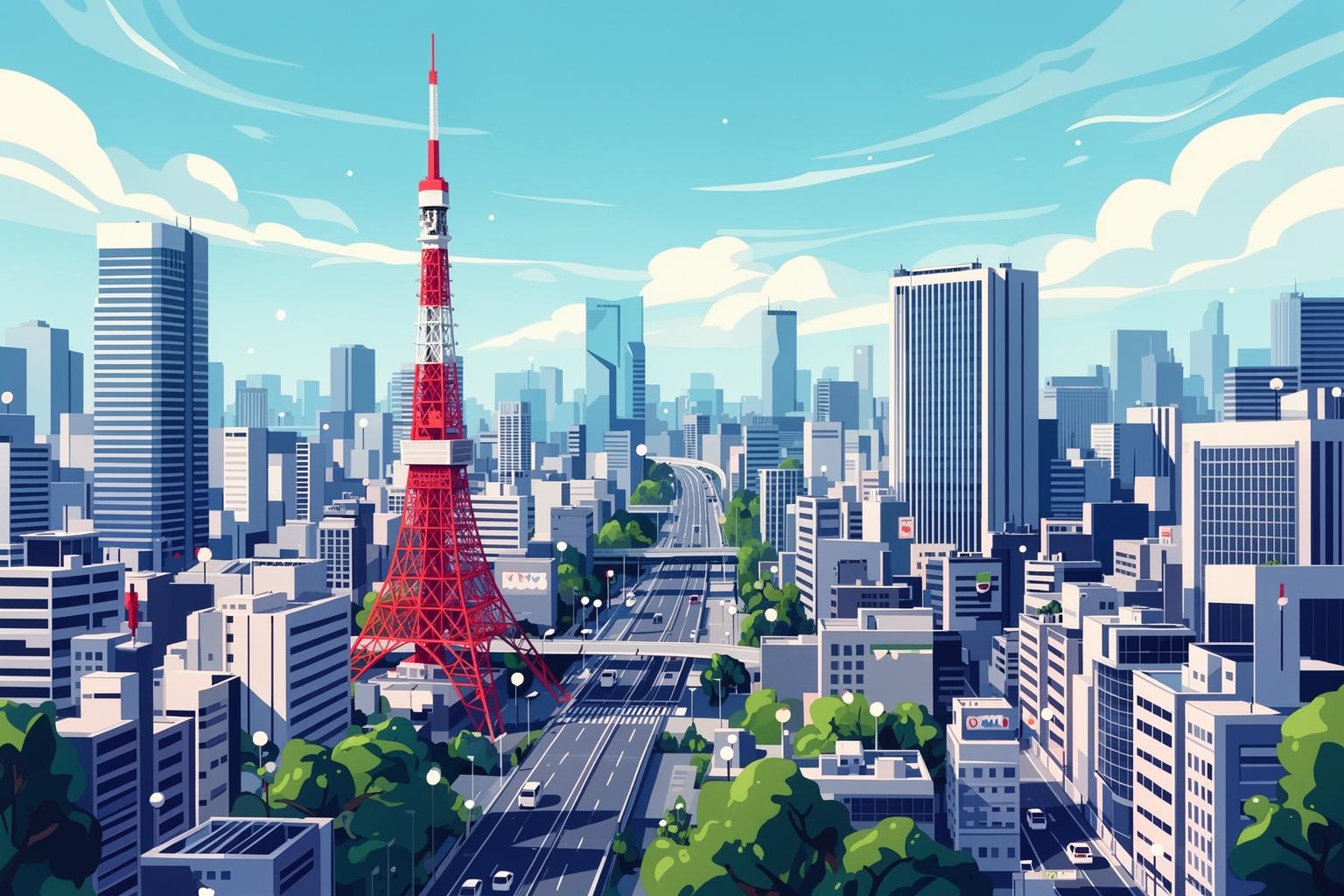
Our journey begins in the heart of Japan’s vast, electric metropolis: Tokyo. This is Taki Tachibana’s world—a dazzling realm of intersecting train lines, towering skyscrapers that pierce the clouds, and an endless river of people flowing through concrete canyons. Stepping into Shinjuku Station is to experience this directly; it’s a beautiful, organized chaos—a city within a city—and the perfect place to grasp the scale and energy of Taki’s life. The film beautifully captures the feeling of being one tiny soul in a sea of millions, each person living a life as complex and vibrant as your own. Yet amidst this overwhelming vastness, Shinkai highlights moments of quiet beauty and poignant connection, and it is these pockets of cinematic magic that we seek first.
The Iconic Red Steps of Suga Shrine
There is no image more emblematic of Your Name than the final, heart-wrenching, yet ultimately hopeful meeting on a striking red-railed staircase. This is the emotional climax of the film, where two souls, separated by time and memory, finally reunite. These steps are real, belonging to the Suga Shrine, nestled in a quiet residential neighborhood of Yotsuya. Finding this spot feels like uncovering a secret. You leave behind the bustling main streets and navigate peaceful lanes where the loudest sounds are bird songs and the gentle rhythm of everyday life. Then, you turn a corner—and there it is. The view is instantly recognizable, a perfect recreation that sends a shiver down your spine. The slope of the hill, the curve of the railing, and the buildings framing the distant sky—it’s all exactly as you remember.
The atmosphere here exudes serene reverence. Fellow pilgrims often gather at the top or bottom of the stairs, cameras in hand, patiently waiting their turn to capture the iconic shot. There’s a quiet, shared understanding among everyone present; all are united by their love for this story. To truly savor the moment, I suggest visiting early in the morning, just as the sun begins to bathe the scene in golden light. The illumination is soft and beautiful, and you’ll likely have the place almost to yourself. It’s a time for quiet reflection. Stand at the top, just as Taki did, and gaze down. Then walk to the bottom and look up, imagining Mitsuha’s viewpoint. You can almost hear their breathless questions lingering in the air. The shrine itself, located at the top of the stairs, is a peaceful local Shinto shrine. Remember this is a place of worship, so after taking photos, take a moment to approach the shrine respectfully, perhaps offering a small prayer of gratitude for the journey. Access is a pleasant ten-minute walk from Yotsuya Station, a journey during which the city’s energy gently recedes, preparing you for the emotional significance of the site.
A Date with Art and Architecture: The National Art Center
Recall the sophisticated setting of Taki’s date with his coworker, Okudera-senpai? That stunning, light-filled space with its flowing glass façade and massive concrete cones is The National Art Center in Roppongi. This location reveals a different facet of Tokyo, one of sleek modernity, high culture, and architectural brilliance. Designed by the legendary Kisho Kurokawa, the building is a masterpiece—a wave of glass and steel that feels simultaneously organic and futuristic. Inside, you are immediately struck by the vastness of the atrium and the way sunlight floods the space, creating a dynamic interplay of light and shadow throughout the day. It’s a photographer’s dream, with clean lines and dramatic angles at every turn.
The scene from the film takes place in the Salon de Thé Rond, a café perched atop one of the giant inverted concrete cones on the second floor. It looks exactly as portrayed in the anime, a chic, circular oasis floating within the grand hall. Finding a seat here feels like stepping into the movie as an extra. You can order a coffee and a slice of cake, just as they did, and watch the world pass by from your elevated perch. It’s a perfect spot to rest your feet after exploring the latest exhibitions. The museum hosts a rotating collection of world-class art, so there is always something new and inspiring to discover. Visiting here isn’t just about recreating a scene; it’s about embracing the sophisticated urban lifestyle that Taki embodies. It adds depth to his character, highlighting his appreciation for art and design. The center is conveniently accessible from Nogizaka Station or Roppongi Station, making it an ideal stop on a day spent exploring Tokyo’s more artistic and fashionable districts.
Weaving Through Shinjuku’s Concrete Canyons
Shinjuku is the pulsating core of Taki’s Tokyo, and many of the film’s establishing shots are drawn directly from its vibrant streets. This area is less about a single destination and more about immersing yourself in the film’s visual language. One of the most notable and easily found spots is the distinctive ring-like pedestrian bridge near the Shinjuku Police Station. The scene featuring Taki and his friends walking home, framed by the intricate web of roads and skyscrapers, is a powerful image of urban life. Standing on this bridge and looking out at the endless streams of traffic below, with the iconic Tokyo Mode Gakuen Cocoon Tower in the distance, makes you feel incredibly small yet connected to the city’s immense, living energy. The symphony of car horns, train announcements, and the low hum of the metropolis forms the authentic soundtrack of Taki’s world.
Another landmark in Shinjuku is the NTT Docomo Yoyogi Building, whose distinctive clock-tower-like top is visible from many vantage points and serves as a constant marker in the film’s skyline. A great place to view it is from the Shin-Yamate Bridge, which offers a perspective closely matching certain movie shots. Exploring Shinjuku is an adventure itself. Allow yourself to get lost in the labyrinthine station, wander through the neon-lit streets of Kabukicho at night, and then find a peaceful moment in the expansive greenery of Shinjuku Gyoen National Garden. This contrast between overwhelming urban density and tranquil natural beauty is a central theme in Your Name, symbolizing the stark differences between Taki’s and Mitsuha’s lives. For first-time visitors, Shinjuku can be intimidating, but embracing the chaos is part of the experience. Just remember to look up; the skyline itself becomes a character in the story.
Journey to the Heart of Itomori: The Timeless Charm of Hida
After absorbing the electric energy of Tokyo, it’s time to follow Taki’s journey into the heart of Japan, to the place that inspired Mitsuha’s fictional hometown of Itomori. While Itomori itself is imaginary, its essence is firmly grounded in the Hida region of Gifu Prefecture, particularly the charming town of Hida-Furukawa. The journey is an essential part of the pilgrimage. Riding the Shinkansen (bullet train) from Tokyo, then transferring to the scenic JR Takayama Main Line, is a transformative experience. As the train winds through mountains and along crystal-clear rivers, the urban sprawl gives way to lush forests and traditional farmhouses with heavy, snow-resistant roofs. You can feel life’s pace slow, the air grow cleaner, and the connection to nature—so central to Mitsuha’s identity—become tangible. This gradual transition perfectly sets the stage for the magic that awaits in Hida.
Arriving in Hida-Furukawa: A Step Back in Time
The moment you disembark at Hida-Furukawa Station, you’ll experience an immediate sense of déjà vu. The station closely resembles the one depicted in the film, where Taki and his friends begin their search for Mitsuha. The distinctive platform design, the footbridge crossing the tracks, and the charming station building are all present. You can even spot the local mascot, Hidakuro, a cheerful cow figure, just as seen in the anime. The town has warmly embraced its connection to the film, with posters and friendly nods to Your Name scattered throughout your visit. But this is no tourist trap; Hida-Furukawa exudes an authentic, preserved charm that is utterly captivating. It’s a town of beautifully maintained wooden merchant houses, canals filled with enormous, colorful koi fish, and a strong sense of community.
The atmosphere here contrasts completely with Tokyo. It’s quiet, peaceful, and deeply rooted in tradition. The air carries the scent of wood smoke and fresh mountain water. The locals are warm and welcoming, used to anime pilgrims but also proud to share their town’s unique history and culture. Spending your first afternoon simply wandering the streets is the best way to acclimate. Follow the Seto-gawa Canal, where white-walled storehouses create a stunning historic backdrop. The gentle gurgle of the water and the slow, graceful movements of the koi are incredibly meditative. This is the Japan of memory and imagination, a place that feels as though it has been waiting for your arrival.
Whispers of the Past: Exploring the Town’s Soul
Beyond the initial shock of recognition at the station, Hida-Furukawa offers several key sites that directly inspired scenes in Itomori, each adding another layer to your understanding of Mitsuha’s world.
The Hida City Library: A Sanctuary of Knowledge
One of the most heartwarming pilgrimage stops is the Hida City Library. This is the very place where Taki pored over records, desperately piecing together Itomori’s history and the truth about the comet. The library is a beautiful, modern building with warm wooden interiors and a peaceful, studious atmosphere. What makes it special is the staff’s incredible kindness toward fans. They understand the importance of their library to the story. Upon entering, you can request permission at the front desk to take photos of the areas that inspired the film. They have a designated spot set up, and you can sit in the same corner where Taki made his world-changing discovery. They even keep a guestbook filled with heartfelt messages and drawings from Your Name fans worldwide. Taking a moment to read these entries is deeply moving, a tangible testament to the global community this film has created. It’s a beautiful reminder of storytelling’s power, as well as a prompt to be quiet and respectful of local patrons who come to read and study.
Keta Wakamiya Shrine: Echoes of Miyamizu
While the Miyamizu Shrine in the film, set dramatically in the mountains, is a blend of several sites, its core inspiration for the entrance and atmosphere lies in Keta Wakamiya Shrine in Hida-Furukawa. To reach it, you climb a long flight of stone steps flanked by tall cedar trees and stone lanterns. The ascent feels significant, a journey from the town into a spiritual realm. As you climb, the world grows quieter, the air seems ancient. At the top, a simple, elegant shrine building welcomes you. The feeling here is profoundly peaceful and timeless. It’s easy to imagine Mitsuha and her sister performing their sacred duties as shrine maidens, lives shaped by ancient rituals and traditions. This shrine is less about an exact visual match and more about capturing Itomori’s spiritual core. It’s where you connect with the Shinto beliefs of nature worship and ancestral reverence integral to Mitsuha’s character and the film’s deeper themes of connection and tradition.
The Taste of Hida: Goheimochi and Local Brews
A pilgrimage encompasses not just sights but tastes and smells as well. To fully immerse yourself in Mitsuha’s world, you must sample the local delicacies. One essential snack is goheimochi, a grilled rice cake coated in a sweet and savory miso and walnut sauce. Mitsuha is seen eating this, and finding a local vendor grilling them over charcoal delights the senses. The smoky aroma and rich, satisfying flavor perfectly fuel a day of exploration. Hida is also renowned for its high-quality sake, thanks to pure mountain water and locally grown rice. Many historic buildings here are sake breweries, identifiable by large cedar balls (sugidama) hanging over their entrances. Several offer tastings, allowing you to sample the crisp, clean flavors of local brews. This connects to the ritual of kuchikamizake in the film, a fictionalized version of an ancient sake-making tradition that plays a pivotal plot role. Experiencing Hida’s real sake culture deepens appreciation for the traditions that shaped Mitsuha’s life.
The Pilgrim’s Practical Guide: Tying the Threads Together

Embarking on this two-part pilgrimage requires some planning to guarantee a smooth and enchanting journey. The contrast between Tokyo and Hida is part of the experience, but effectively bridging that distance will make all the difference.
Crafting Your Two-Part Itinerary
I suggest spending at least four to five days on this entire adventure. Begin with two full days in Tokyo. This allows enough time to explore the Your Name locations in Yotsuya, Roppongi, and Shinjuku without feeling hurried, as well as some moments to simply soak in the city’s vibrant energy. On the third day, take the train to Hida-Furukawa. Since the journey will consume much of the day, consider it a travel and acclimatization day. Spend the following one or two days leisurely exploring Hida-Furukawa and its surroundings. The town is small and best experienced on foot. For long-distance travel between Tokyo and the Hida area (via Nagoya or Toyama), the Japan Rail Pass can be a highly cost-effective option if you plan other long train trips during your visit. Make sure to reserve your train seats, especially on the Shinkansen, well in advance if traveling during peak times.
When to Chase the Comet: Seasonal Considerations
Your Name is set primarily in late summer and early autumn, and visiting during this period (September to November) offers a beautiful reflection of the film. The weather is mild, and the autumn foliage in the Hida mountains is stunning, painting the landscape with fiery reds and brilliant golds. However, each season has its own special appeal. Spring (March to May) brings cherry blossoms to Tokyo and fresh, vibrant greenery to the countryside as the snow thaws. Summer (June to August) features the lush deep greens and buzzing cicadas seen in the film’s Itomori scenes, but be prepared for heat and humidity. Winter (December to February) turns Hida-Furukawa into a magical snow-covered wonderland. Experiencing the historic town blanketed in pristine snow is an unforgettable, peaceful moment, though warm clothing is essential.
A Note on Etiquette and Respect
Being able to visit these places is a profound privilege, and it’s vital to do so with the utmost respect. These are not film sets; they are living communities. Suga Shrine and Keta Wakamiya Shrine are active places of worship. Be quiet and mindful, observe the proper etiquette for visiting a shrine (a simple bow at the torii gate shows respect), and refrain from disturbing any ceremonies or local worshippers. The Hida City Library serves the public and residents. Speak softly and always request permission before taking photos. When walking through the residential streets of both Yotsuya and Hida-Furukawa, remember that people are carrying on with their daily lives. Keep your voice down, don’t trespass on private property, and be a gracious guest. The warm hospitality extended to fans is invaluable; let’s ensure it continues by being respectful and responsible pilgrims.
The Unbroken Thread
As your journey concludes and you board the train to leave the quiet streets of Hida or descend into the Tokyo subway for the final time, you’ll carry more than just photographs. You’ll carry the sensation of standing on those fated steps, the taste of goheimochi on a crisp autumn day, the scent of aged wood in a sacred shrine, and the sound of water flowing through a timeless town. This pilgrimage is more than a real-life location hunt. It is an exploration of the themes that make Your Name so compelling: the tension between tradition and modernity, the beauty of the natural world, and the invisible threads that connect us across distance and time. You came seeking the world of Taki and Mitsuha, and in doing so, you found a deeper connection to the culture, history, and heart of Japan itself. The story on the screen may have ended, but the thread it wove into the real world endures, and now, you are a part of it.








