
There are stories that stay with you, tales that weave themselves into the very fabric of your memory. Makoto Shinkai’s masterpiece, ‘Your Name.’ (Kimi no Na wa.), is one such story. It’s a celestial romance that transcends time, distance, and disaster, leaving an indelible ache in the hearts of viewers worldwide. The film’s emotional power isn’t just in its breathtaking animation or its poignant narrative of two souls intertwined; it’s also rooted in a profound sense of place. The bustling, vibrant streets of Tokyo and the serene, timeless landscapes of rural Japan aren’t just backdrops; they are characters in their own right. This tangible connection to the real world has sparked a modern-day pilgrimage, a journey known in Japan as ‘seichi junrei’ (聖地巡礼), where fans travel to the locations that inspired their favorite stories. It’s a quest to bridge the gap between fiction and reality, to stand where the characters stood and feel, just for a moment, like you’ve stepped through the screen. Our journey will trace the parallel paths of Taki Tachibana and Mitsuha Miyamizu, from the neon-drenched heart of Shinjuku to the quiet, traditional town of Hida-Furukawa in Gifu Prefecture, the soul of Mitsuha’s fictional village, Itomori. This is more than a simple sightseeing trip; it’s an exploration of connection, of memory, and of the invisible threads that tie us to places, stories, and each other. Prepare to chase the ghost of a comet across Japan.
For those eager to expand their pilgrimage beyond Shinkai’s enchanting landscapes, exploring the Ghibli museum in Tokyo offers an immersive dive into Japan’s rich animation heritage.
The Tokyo Chapter: In the Footsteps of Taki
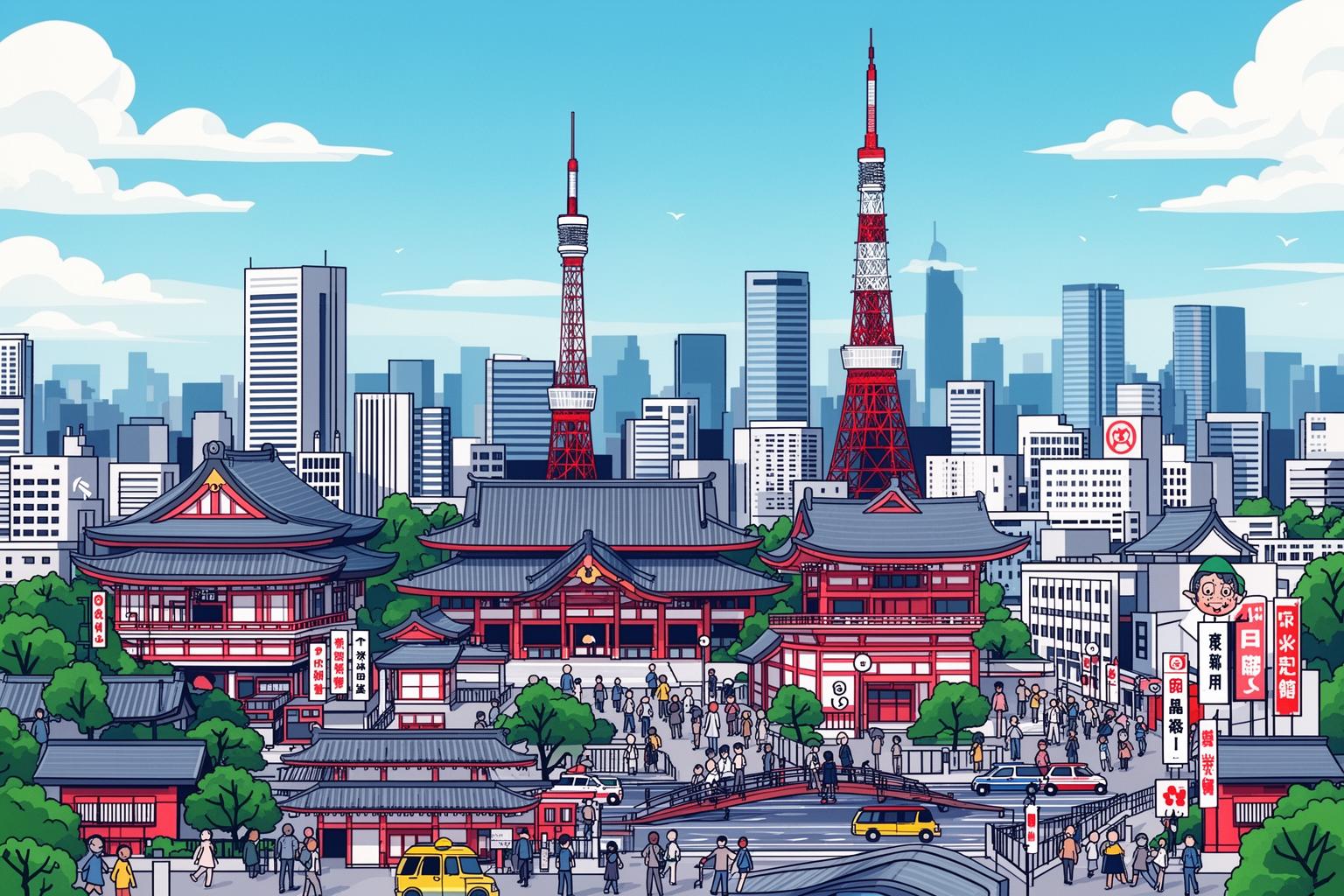
Tokyo is a city brimming with overwhelming energy, a vast metropolis that pulses with a unique life force. This is Taki’s world—a landscape of towering skyscrapers, intersecting train lines, and endless waves of people. It’s a place where tradition and cutting-edge modernity coexist in a dazzling, sometimes dizzying, dance. Walking through Tokyo in search of Taki’s story means experiencing this energy firsthand, witnessing the familiar scenes from the film come alive with sound, scent, and motion. It’s about discovering moments of quiet beauty amid the urban chaos, just as the film so masterfully portrays. Our Tokyo pilgrimage begins in the ward of Shinjuku, the heart of Taki’s life and the backdrop for many of the film’s most iconic urban scenes. The air here pulses with ambition and movement, a sharp contrast to the sleepy world Mitsuha longs to escape. Yet within this concrete jungle lie pockets of serenity and art that deepen our understanding of Taki’s character and his dreams.
The Iconic Red Staircase: Suga Shrine
No location is more synonymous with ‘Your Name.’ than this. The red-railed staircase leading up to Suga Shrine serves as the setting for the film’s breathtaking, emotionally charged climax. It’s where Taki and Mitsuha, years after the comet, finally reunite. Finding these steps in the quiet residential neighborhood of Yotsuya, just a short walk from Yotsuya Station, feels like reaching the end of a personal pilgrimage. Leaving the main road, the city sounds begin to fade, replaced by the gentle hum of everyday life. Narrow streets lined with modest houses and potted plants lead you to the stairs. The view from the top—looking down the gentle curve of the steps with another flight rising opposite—is an exact replica of the film’s final shot. Standing here, you can almost hear their voices, the hesitant question, “Kimi no namae wa?” (“What’s your name?”). At the top of the stairs, the shrine itself is a small, tranquil local Shinto shrine—a place of quiet reflection, far removed from the bustling tourist-heavy temples elsewhere in Tokyo. Visitors should remember this is a residential area and a site of worship. The true magic lies in the atmosphere—it feels sacred, not only for its religious significance but for the powerful cinematic moment it holds for millions. The best time to visit is on a clear weekday morning when the light is gentle, and the crowds are light, allowing you to fully absorb the emotion of the place uninterrupted.
Shinjuku’s Concrete Jungle
Shinjuku is the vibrant core of Taki’s Tokyo. It’s where he lives, works, and navigates his complicated, body-swapped existence. Unlike the focused emotional energy of Suga Shrine, exploring Shinjuku means immersing yourself in a mosaic of moments and sensations that together reveal his urban experience. The sheer scale of the district is staggering—a testament to the world Mitsuha, inhabiting Taki’s body, found simultaneously terrifying and exhilarating. Walking these streets, you feel the pulse of the city that shaped him.
Shinjuku Station and Its Web of Bridges
Shinjuku Station, the busiest train station in the world, is a maze of platforms, tunnels, and exits, handling millions of passengers daily. In the film, it symbolizes the interconnected, overwhelming nature of city life. The iconic shot of Taki walking across a pedestrian bridge, framed by the soaring Mode Gakuen Cocoon Tower, visually defines his world. A key location is the Shinjuku South Exit, where multiple intersecting bridges create a dynamic, multi-layered urban landscape. Another notable spot is the pedestrian bridge near the Shinjuku Police Station, offering a stunning view of the surrounding traffic and skyscrapers—perfectly capturing the feeling of being a small part of a vast, moving machine. Standing here, surrounded by streams of people and rivers of light from passing cars, you sense the beautiful anonymity of the city. It’s less about locating one precise place and more about experiencing the flow and energy that Shinkai portrayed so exquisitely.
A Date with Art: The National Art Center, Tokyo
One of the film’s most tender scenes is Taki’s date with his coworker, Okudera-senpai. Their lunch takes place in the bright, sunlit cafe of The National Art Center in Roppongi, just a short subway ride from Shinjuku. Designed by the legendary architect Kisho Kurokawa, the building is a masterpiece of glass and steel, featuring a dramatic, undulating facade. Inside, the main atrium is vast and airy, dominated by two massive concrete cones. Atop one cone sits the Salon de Thé ROND—the very cafe from the film. Taking the elevator up and sitting at one of its tables feels surreal. You can order coffee and cake while gazing through the glass walls at the filtered light, just as they did. It’s a moment of sophisticated calm, offering a glimpse into the adult world Taki strives to join. The art center regularly hosts world-class exhibitions, making it worthwhile to spend a few hours here. It provides a perfect refuge from the city’s hustle and a touch of the cultural refinement Taki admires. Access is easiest from Nogizaka Station, which has an exit leading directly into the museum.
The Glow of Yunika Vision
The massive, three-panel Yunika Vision screen, located just outside Shinjuku Station’s east exit, is another visual landmark from the film. It’s where the news of the Tiamat comet is broadcast to the city’s populace. Standing in the square below, you become part of the crowd. The screen floods you with a vivid mix of music videos, advertisements, and news—a constant stream of information set against the city’s roar. It’s sensory overload in the best sense. This location perfectly captures the feeling of being connected to a global event while simultaneously lost in a crowd of strangers. It’s a powerful place to reflect on how news, both hopeful and tragic, ripples through a city’s collective consciousness. The area is always crowded, but that’s part of the experience. Visit after dusk, when the screen’s light illuminates the faces around you and the city truly comes alive in neon brilliance.
The Gifu Prefecture Journey: Discovering Mitsuha’s Itomori
Leaving behind the electric hum of Tokyo, the journey to Gifu Prefecture feels like traveling between worlds, much like Taki and Mitsuha themselves. Aboard the Shinkansen bullet train, the sprawling urban landscape gradually transforms into mountains and deep green valleys. This is the Japan of Mitsuha’s dreams—and her reality. Her fictional village of Itomori, tragically erased from the map by a comet, was not based on a single place but is a beautiful blend of several locations, with the charming town of Hida-Furukawa serving as its primary inspiration. Arriving here is like stepping into a slower, more deliberate rhythm of life. The air is crisp, the water in the canals crystal clear, and the traditional wooden buildings reflect a deep and enduring history. This is where the soul of Mitsuha’s world resides, a place defined by tradition, community, and a profound connection to nature.
Hida-Furukawa: The Heart of Itomori
Tucked away in the mountains of Gifu, Hida-Furukawa is a beautifully preserved town that instantly calls to mind the atmosphere of Itomori. The town is renowned for its ‘Setogawa’ canal, where thousands of colorful koi carp swim in the clear mountain water. The streets are lined with historic merchant houses featuring distinctive white-plastered walls (‘shirakabe dozou’) and dark wooden latticework. The entire town has a cinematic quality.
Hida-Furukawa Station
This is the very station where Taki and his friends arrive on their quest to find Mitsuha. Hida-Furukawa Station is instantly recognizable. Standing on the platform, you can spot the pedestrian overpass and waiting area, all recreated with meticulous detail in the film. Even the small mascot figurine of ‘Hida-gyu,’ the local brand of beef cattle, greets visitors here. The station staff are well aware of the town’s connection to the film and are warmly welcoming to fans. Posters and memorabilia are displayed for visitors to enjoy. This is your first tangible link to the Itomori-that-was, and stepping off the train into a scene you know so well is truly special. From the station, the town’s main locations are easily reachable on foot, making it an ideal spot for a day of relaxed exploration.
The Hida City Library
Perhaps the most astonishingly accurate location in Hida is the Hida City Library. This is where Taki studies records, desperately searching for information about Itomori and the comet disaster. The interior is a breathtaking blend of light and wood, with a stunning open-plan layout and intricate timber roof beams, showcasing the region’s renowned carpentry skills. As a functional public library, visitors are expected to be respectful. Yet, the staff have embraced their role in the ‘Your Name.’ phenomenon. At the front desk, you can request a special photography permit, which allows you a few minutes to take photos in the exact spot where Taki sat. The library even has a small corner dedicated to the film, complete with a guestbook for visitors to sign. Sitting in that chair, gazing up at the beautifully crafted ceiling, you feel the weight of Taki’s urgent search. It’s a striking and unique experience that perfectly blends the fictional story with a real, living community space.
Keta Wakamiya Shrine & Ajidokoro Furukawa
While the Miyamizu Shrine in the film draws from several sources, one key real-world location is the Keta Wakamiya Shrine, a short walk from central Hida-Furukawa. The long stone staircase ascending to the shrine closely resembles the one Mitsuha and her sister Yotsuha climb for their shrine duties. It’s a serene and atmospheric spot, surrounded by towering cedar trees. Though smaller and less grand than the shrine portrayed in the film, it has the same sense of ancient spirituality. Near the shrine and in the main town area, small shops sell local snacks. One popular stop for pilgrims is Ajidokoro Furukawa, a cozy eatery serving ‘Goheimochi,’ the grilled rice cakes on a stick that Taki’s friends enjoy while waiting for him at the bus stop. Sampling this local delicacy—a savory-sweet treat coated in a miso, soy, and walnut glaze—is another way to connect with the story on a sensory level. It’s a simple, delicious taste of the region.
Connecting the Worlds: The Deeper Culture of ‘Your Name.’

A pilgrimage for ‘Your Name.’ goes beyond merely visiting physical locations; it involves grasping the cultural and spiritual ideas that underpin the film’s thematic essence. Makoto Shinkai skillfully interwove deeply rooted Japanese beliefs into his contemporary love story, and delving into these concepts enriches the journey with greater significance. These unseen threads connect Taki and Mitsuha, as well as link the story to centuries of Japanese tradition.
Musubi and the Shinto Threads
The central concept in the film is ‘musubi.’ As Mitsuha’s grandmother describes, musubi is the governing power of the local guardian deity. It symbolizes connection in every form: tying threads is musubi, connecting people is musubi, and even the passage of time itself is musubi. This notion is firmly embedded in Shintoism, Japan’s native religion, which sees gods and spirits (kami) in all things and highlights the universe’s interconnected nature. The red braided cord Mitsuha gives to Taki is the most concrete physical representation of musubi. It serves as a tangible bond that links them across both time and space. The cords, known as ‘kumihimo,’ are a traditional Japanese craft. In Hida, you can find shops selling these elegant braided cords, with some offering workshops to create one yourself. Engaging in this craft provides a meaningful way to grasp the film’s key metaphor. Visiting the shrines in Tokyo and Hida reveals musubi everywhere—in the sacred ropes (‘shimenawa’) marking holy spaces and the paper fortunes (‘omikuji’) tied to tree branches, each a prayer and a connection to the divine.
Kuchikamizake: A Taste of Tradition
One of the film’s most mysterious rituals is the making of ‘kuchikamizake,’ where Mitsuha and Yotsuha, acting as shrine maidens (‘miko’), chew rice and spit it into a container to start fermenting a ceremonial sake. Later, Taki drinks this sake at the shrine’s sacred ‘goshintai’ (the god’s body) to reconnect with Mitsuha. Although this ancient sake-brewing method is no longer practiced, it underscores the significant role rice and sake play in Shinto rituals. Sake is regarded as a pure offering to the gods, a bridge between the human and spiritual realms. When Taki drinks the kuchikamizake, he literally ingests half of Mitsuha—her essence, memories, and history. This act is the ultimate representation of musubi. While you won’t be able to taste kuchikamizake, visiting a local sake brewery in the Hida region—known for its pure water and excellent sake—offers a fascinating glimpse into this vital cultural tradition. It helps you appreciate the respect for craftsmanship and nature that is at the heart of both sake-making and the film’s worldview.
A Practical Pilgrim’s Guide: Planning Your Trip
Embarking on a ‘Your Name.’ pilgrimage requires some planning, but the experience is immensely rewarding. Moving between the ultra-modern city and the peaceful countryside is part of the journey, reflecting the very path the characters follow. A bit of preparation will help make your adventure as smooth and enchanting as possible.
Getting Around: From Tokyo to Hida
Traveling between the two main locations is an adventure in itself. Japan’s public transportation system is impressively efficient and a pleasure to use. To travel from Tokyo to Hida-Furukawa, the usual route is to take the Tokaido Shinkansen (bullet train) from Tokyo Station to Nagoya, a trip that takes just under two hours. From Nagoya, you transfer to the JR Hida Limited Express train, also called the ‘Wide View’ Hida. This is one of Japan’s most scenic train rides. For about two and a half hours, the train meanders through beautiful river valleys and dramatic mountain gorges. Be sure to grab a window seat—the views are stunning and perfectly capture the transition from Taki’s world to Mitsuha’s. For international travelers considering exploring more of Japan, the Japan Rail Pass is a cost-effective choice, covering the entire journey. Within Tokyo, the subway and JR train lines are the most convenient. A Suica or Pasmo prepaid IC card is essential for easily tapping in and out of stations. In Hida-Furukawa, the town is small and easily navigable on foot, which is the ideal way to take in its charming atmosphere.
When to Visit: A Tale of Four Seasons
‘Your Name.’ beautifully showcases Japan’s distinct seasons, and your impression of the locations will vary greatly depending on when you visit. Spring (late March to April) is magical, with cherry blossoms in Tokyo creating a dreamlike ambiance while the mountains around Hida blossom with fresh greenery. Summer (June to August) is warm and lush—vibrant rice paddies and deep green forests surround Hida, though Tokyo can be hot and humid. Autumn (October to November) might be the most breathtaking season. The film’s color palette embraces warm fall tones, and experiencing the locations framed by fiery red and gold leaves is unforgettable. The weather is also refreshingly cool and crisp. Winter (December to February), as depicted in parts of the film, offers a quiet beauty. Tokyo sparkles with illuminations, while Hida-Furukawa is often draped in snow, turning the town into a tranquil, monochrome scene. There’s no bad time to visit; each season provides a unique way to connect with the film’s aesthetics.
Local Etiquette and Traveler’s Tips
Keep in mind these are real places where people live, work, and worship—not movie sets. Respect is essential. When visiting Suga Shrine or Keta Wakamiya Shrine, maintain quiet and reverence. Follow the customary practice of washing your hands at the ‘temizuya’ basin before approaching the main hall and offering a silent prayer. At the Hida City Library, obey the no-photography and silence rules. In the residential area around Suga Shrine, keep your voice low and avoid disturbing the neighborhood. The best way to show appreciation is by supporting the local economy—buy a drink from a vending machine, pick up a souvenir from a local shop in Hida, or dine at a small restaurant. A little courtesy goes a long way in ensuring fans continue to be welcomed at these special sites. For first-time visitors to Japan, don’t hesitate to get a little lost—some of the most memorable experiences come from wandering off the beaten path and discovering a hidden alley or cozy café. Embrace the spirit of adventure that inspired Taki’s journey.
This pilgrimage resonates on many levels. It is both a treasure hunt for film enthusiasts and a cultural immersion for lovers of Japan, as well as an emotional quest for anyone moved by the story of a boy, a girl, and a comet. Standing on that Tokyo staircase or beside Hida’s quiet canals, the line between the world on screen and the one beneath your feet fades. You realize that the magic of ‘Your Name.’ was never only in the animation; it lies in the truth of its locations, its culture, and its profound belief in connection. You set out to find the world of a film, and in the end, you discover a piece of yourself, bound by an invisible red thread to the heart of Japan.