There are places on this earth that feel less like destinations and more like dreams made tangible. They are whispered about in travel circles, their images appearing like mirages on social media feeds—a giant yellow pumpkin dotted with black spots, sitting defiantly at the end of a pier against a vast, blue sea. This is the enduring icon of Naoshima, an island adrift in Japan’s tranquil Seto Inland Sea. But this single, unforgettable image is merely the first brushstroke in a masterpiece of immersive art, avant-garde architecture, and resurgent nature. Once a landscape scarred by industry, Naoshima was reborn through a visionary quest to fuse art with life, transforming its shores into one of the world’s most profound cultural pilgrimages. This is not a place you simply visit; it’s an experience you inhabit, a journey that reorders your senses and challenges your perception of where a gallery ends and the world begins. From museums buried within the earth to art installations breathing new life into abandoned village homes, every step on this island is part of a living exhibition. Prepare to trade the mainland’s frantic pace for the island’s meditative rhythm, where the journey itself is the destination, and the art is not just on the walls, but in the very air you breathe.
For those seeking to experience another facet of Japan’s artistic spirit, a photographic pilgrimage into Takehara offers a compelling journey into its creative heart.
The Genesis of an Art Haven: From Industry to Inspiration
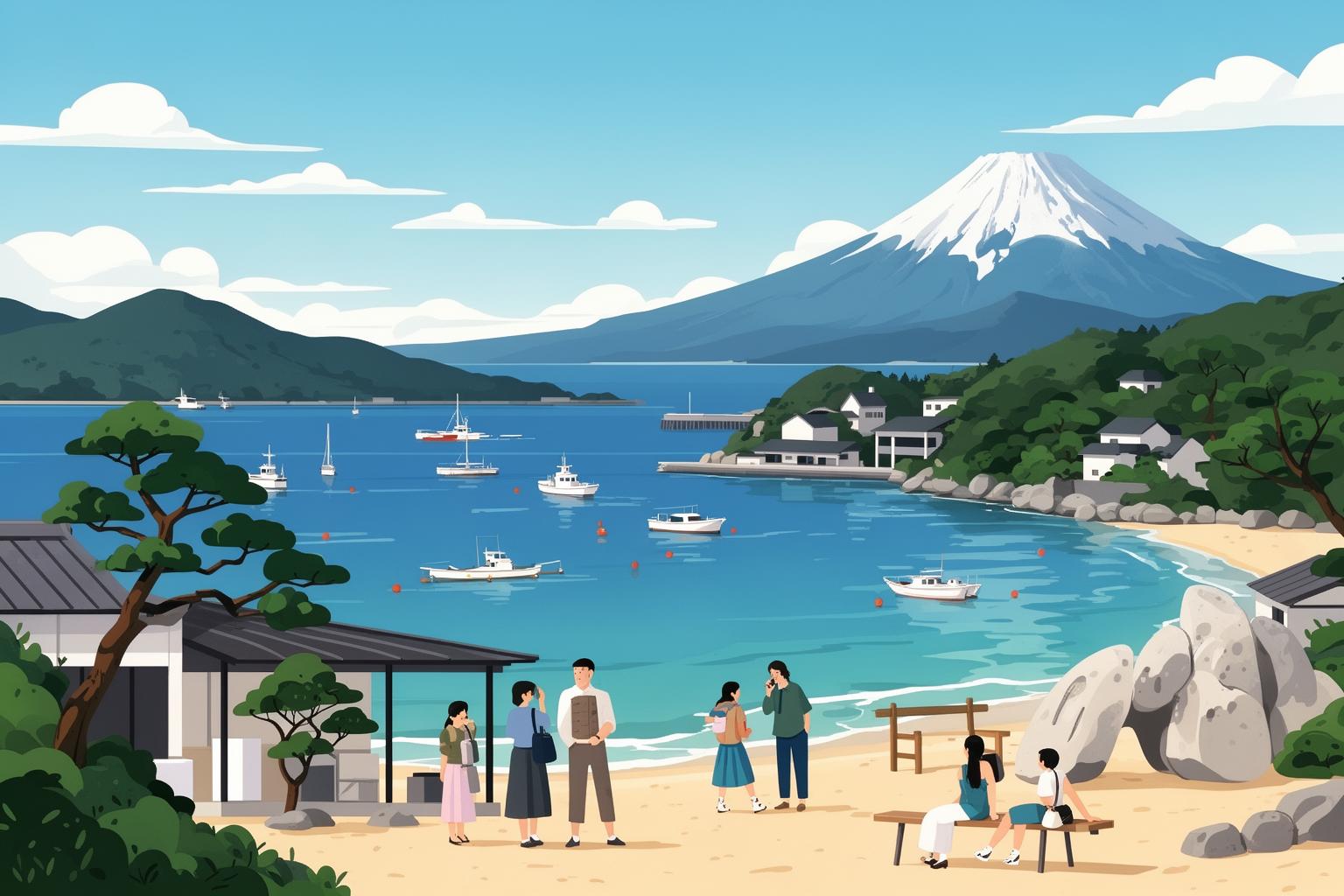
To truly appreciate the magic of Naoshima, one must first recognize its phoenix-like rebirth from industrial ruins. For much of the 20th century, the island’s northern side was dominated by a massive Mitsubishi materials refinery. While it offered employment, it also left behind a legacy of environmental damage, a landscape stripped and discarded. The island’s southern half, with its pristine beaches and rolling hills, remained mostly untouched but overlooked. The story of its transformation began in the late 1980s, sparked by bold visionaries who saw not a depleted industrial site, but a blank canvas. This was the convergence of two extraordinary minds: Soichiro Fukutake, head of the Benesse Corporation (then known for education and publishing), and the now-legendary self-taught architect Tadao Ando. Fukutake, fulfilling a dream passed down from his father, envisioned a place where people worldwide could gather amid stunning natural beauty and inspiring contemporary art. He sought to create a counterpoint to the soulless consumerism of modern cities. Ando, with his masterful use of concrete, light, and nature, was the ideal architect to realize this monumental vision. Their shared philosophy was simple yet profound: art and architecture should not be imposed on the landscape but should enhance its inherent beauty, engaging in a dialogue with the environment. They imagined buildings that would frame the sky, walls that would capture shifting daylight, and spaces that encourage quiet contemplation. The Benesse House Museum, opened in 1992, was the first and most definitive expression of this new era. It was not simply a museum placed on an island; it was a holistic environment, a place where one could not only view art but live with it. This foundational project set the tone for all that followed, establishing the island’s core identity as a place of serene, minimalist beauty where every element is deliberate, every view curated, and every interaction with art personal and profound.
Chasing the Polka-Dotted Dream: Yayoi Kusama’s Pumpkins
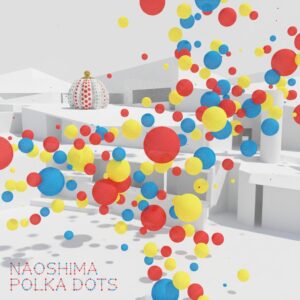
Long before you set foot on Naoshima, you have probably already encountered its unofficial ambassador: the Yellow Pumpkin. For years, it rested at the edge of a weathered wooden pier, a striking, vibrant splash of color against the muted blues and greens of the Seto Inland Sea. Created by the world-renowned artist Yayoi Kusama, this sculpture was more than just an artwork; it was a landmark, a beacon, and a symbol of the island’s playful yet profound spirit. It embodied a moment of pure, unfiltered joy. Walking down that pier, with the sea breeze in your hair, and watching the pumpkin grow larger with each step was an essential part of the Naoshima experience. It invited interaction, becoming the backdrop for countless photos and cherished memories. Although the original was swept away by a typhoon in 2021, its spirit remains, and a new version has since returned, reclaiming its place as the island’s heart. But the Yellow Pumpkin is not alone. Your journey likely starts at Miyanoura Port, where you are welcomed by its counterpart, the Red Pumpkin. Larger and hollow, this vibrant piece is an artwork you can walk inside. Its large cut-out dots scatter light across the interior, turning the outside world into a fragmented, moving mosaic. It’s a whimsical greeting, an immediate immersion into the creative energy that fills the air here. Kusama has often described her pumpkins as symbols of comfort and stability, a kind of alter ego. On Naoshima, they serve a similar role for visitors. They are grounding yet fantastical, familiar yet strange, perfectly capturing the island’s ability to make world-class contemporary art feel approachable, friendly, and deeply connected to its surroundings.
Where Art Breathes: The Benesse House Complex
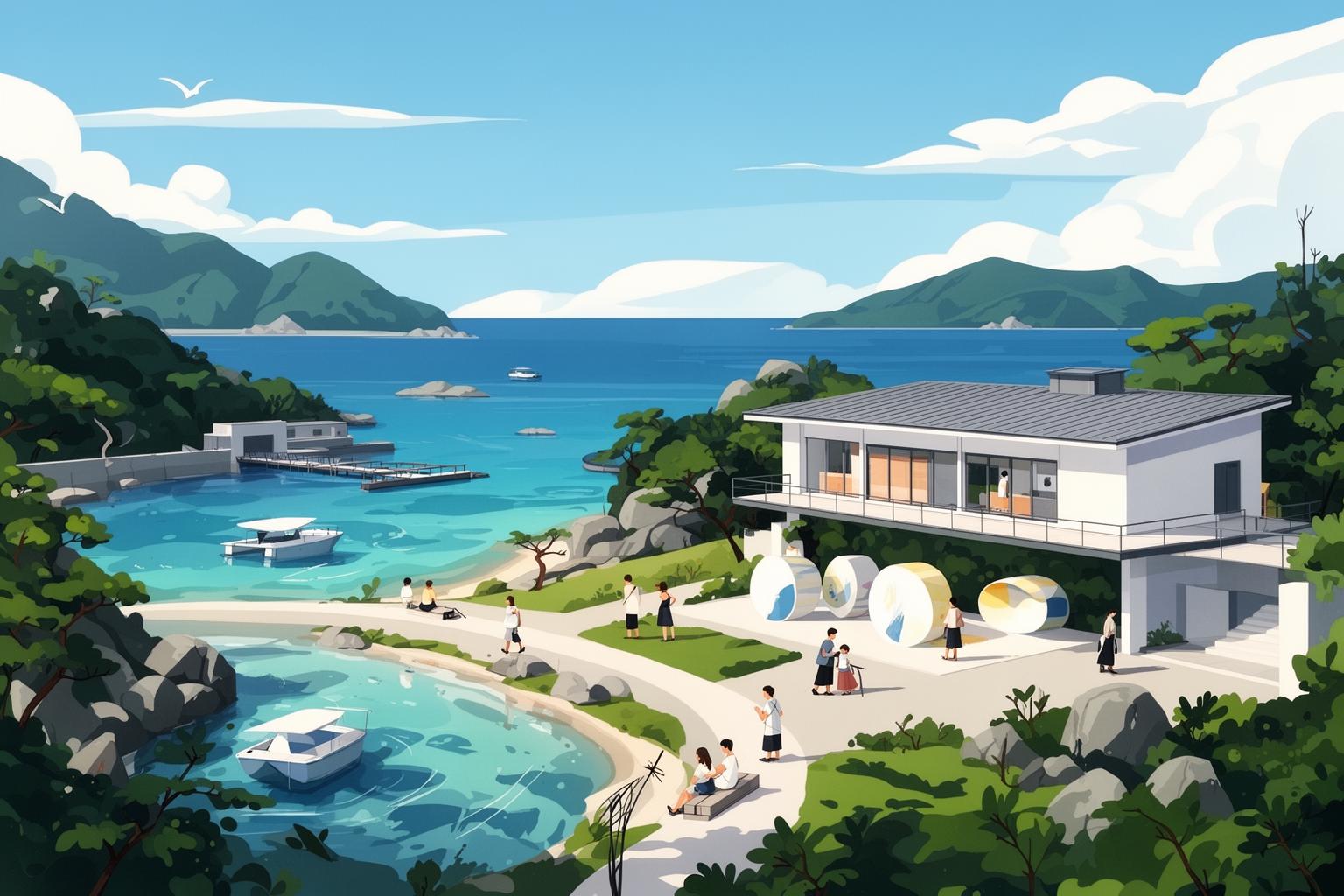
The Benesse House is both the philosophical and geographical core of Naoshima’s art world. It’s the foundational project that ignited it all, brilliantly blurring the lines between museum, hotel, and nature. Tadao Ando’s architectural mastery is fully evident here, a harmony of raw concrete, geometric shapes, and expansive glass that draws the outside environment inward. Rather than a single structure, the complex is a vast collection of spaces, each with a unique character, spread across a hillside with views overlooking the sea.
The Museum Building: Living Within the Gallery
This is the heart of the experience. A breathtaking structure built into a cliff, the Benesse House Museum serves as both a world-renowned art gallery and a luxury hotel. Imagine waking up, stepping out of your room, and encountering works by artistic legends such as Andy Warhol, Jean-Michel Basquiat, or Cy Twombly. The art extends beyond gallery rooms, flowing into corridors, lounges, and even outdoor terraces. The design invites a slow, meandering exploration. Ramps spiral downward, guiding visitors from one curated space to the next, while vast windows frame the sparkling sea and distant islands as if they were paintings. Concrete walls, often seen as cold, here feel warm and vibrant as they capture the shifting daylight, their texture evolving from morning until dusk. Staying here offers the ultimate immersion, granting the privilege of wandering the galleries late at night, long after day visitors have left, experiencing the art in a profound silence and solitude. It is an unmatched opportunity to live with the collection, forging a personal connection far beyond a brief visit.
The Oval: A Sanctuary Above
Situated at the hill’s highest point and reachable only by overnight guests via a private monorail, lies the Oval. This represents Ando’s masterpiece of tranquility and exclusivity. True to its name, the structure surrounds a large, oval-shaped water pool open to the sky. All six guest rooms face this central water feature, with floor-to-ceiling windows offering an uninterrupted connection to nature. The sensation is one of suspension between earth and sky. The sky, water, and distant horizon become the focal points. It’s a space crafted for quiet reflection, a retreat to disconnect from the external world and reconnect with oneself. The architecture is so striking and pure that it transforms into a form of art itself—a vessel for light and contemplation.
Park and Beach: Art Beneath the Open Sky
The artistic journey extends well beyond the museum’s interiors. The lawns and shoreline surrounding Benesse House are sprinkled with an extraordinary collection of outdoor sculptures. Here, art truly merges with nature, exposed to sun, wind, and rain. As you wander along trails or down to the sandy beach, you’ll encounter Niki de Saint Phalle’s playful, colorful animals that appear to have stepped out of a fairy tale. You may spot George Rickey’s large geometric kinetic sculptures, their polished surfaces reflecting clouds as they gently sway in the breeze. Or discover Karel Appel’s whimsical and intriguing ‘Frog and Cat.’ Each artwork is thoughtfully placed to interact with its surroundings, creating delightful surprises throughout the grounds. This open-air gallery fosters a spirit of play and discovery, reminding visitors that on Naoshima, art isn’t meant to be simply admired from afar but to be an alive and integral part of the landscape to engage with closely.
Art in the Everyday: The Honmura Art House Project
While the museums display art within beautifully designed spaces, the Art House Project in the old fishing village of Honmura offers something completely different and just as enchanting. Here, art is intricately woven into the very essence of the community. The project repurposes empty, centuries-old houses, a shrine, and a temple, transforming them into permanent, site-specific art installations. It functions as a living museum spread throughout the charming, labyrinthine streets of a truly functioning village. To experience it, you purchase a multi-site ticket from the local Honmura Lounge and then wander from house to house, map in hand. Each site is a unique universe, a collaboration between contemporary artists and the spirit of the original building.
Minamidera: An Encounter with Light and Nothingness
Minamidera, located on the former site of a temple, is for many the most powerful and unforgettable experience on the entire island. From the outside, it appears as a deceptively simple wooden building designed by Tadao Ando. Inside, it features an artwork by James Turrell titled ‘Backside of the Moon.’ You are led into a space of absolute, complete darkness—a blackness so intense it feels tangible, thoroughly disorienting your senses. Guided only by touch, you grope your way to a bench along the wall. For several long minutes, you sit in this void, your eyes straining to detect even a single photon of light. Then, very slowly, a faint, deep blue rectangle begins to emerge from the darkness. It’s a hypnotic, meditative process as your perception gradually adjusts, revealing a light source that was there all along. This work doesn’t exist on a wall but within your own mind, offering a profound exploration of the mechanics of sight and the nature of perception.
Kadoya: A Digital River of Time
Kadoya, the first house restored for the project, is a 200-year-old home containing Tatsuo Miyajima’s ‘Sea of Time ’98.’ Within the dark, rustic interior, a shallow pool of water has been installed. Submerged beneath the surface are 125 digital LED counters glowing in red, green, and yellow. These counters flash numbers from 1 to 9 at varying speeds, never reaching zero. The speeds were determined by local residents of Naoshima, creating a beautiful fusion of modern technology and community involvement. The flickering lights reflect off the water and the old wooden ceiling beams, crafting a mesmerizing and tranquil atmosphere. It serves as a meditation on the passage of time, life, and the continuous cycle of renewal.
Haisha: A Scrapbook of Dreams
Named “dentist’s office,” Haisha was once the home and workplace of the local dentist. Artist Shinro Ohtake has completely transformed it, both inside and out, into a vibrant, chaotic, and exhilarating collage of found objects, paintings, and sculptures. Walking inside feels like stepping into the artist’s scrapbook or a fever dream. The walls are plastered with magazine clippings, old signs, and pieces of wood, while a giant replica of the Statue of Liberty stands in one room. It’s a sensory overload in the best possible way, a sharp contrast to the minimalist serenity found elsewhere on the island. This work exemplifies the project’s incredible diversity, showing how art can be contemplative and serene in one house and explosive and anarchic in the next.
Meditations in Concrete and Light: The Chichu Art Museum
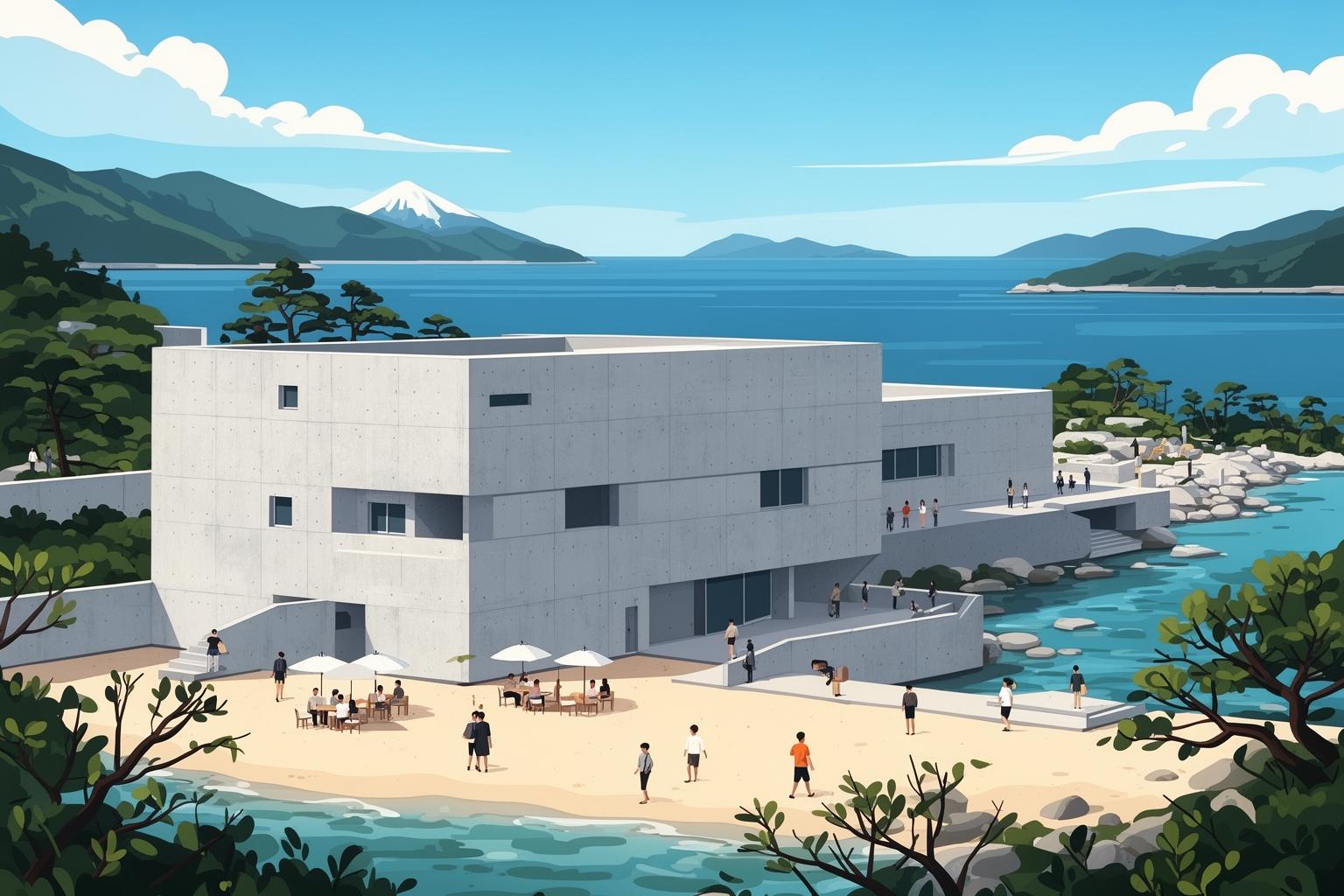
If Benesse House represents the heart of Naoshima, then the Chichu Art Museum embodies its soul. The term ‘Chichu’ translates to ‘in the earth,’ a fitting description as the museum, designed by Tadao Ando, is entirely underground, preserving the natural coastal landscape above. From the outside, the only visible features are stark, geometric openings cut into the hillside, serving as skylights and courtyards. This underground sanctuary is specifically designed to house the works of three artists: Claude Monet, James Turrell, and Walter De Maria. The integration of architecture, natural light, and art creates a unified, immersive experience. Visiting is like a carefully planned pilgrimage through chambers of light and shadow. Reserving tickets online, often weeks or months ahead, is essential. Visitors receive a specific entry time, ensuring a peaceful, uncrowded experience. Upon entering, you are invited to fully engage with the space, walking through open-air concrete corridors where the sky becomes your ceiling and the shifting sunlight on the walls serves as your first exhibit. Inside, the three galleries are stunning. The Monet room features five of his renowned ‘Water Lilies’ paintings, but this is no ordinary gallery: it is illuminated solely by soft, diffused natural light from above. The white walls and floor made of thousands of tiny marble cubes, walked on with soft slippers, create a quiet, contemplative atmosphere. The changing light throughout the day and weather subtly alters the paintings’ colors, as if you are seeing them as Monet intended. Walter De Maria’s installation is housed in a vast, cathedral-like hall, where a monumental granite sphere sits at the center of a grand staircase, surrounded by 27 gilded wooden sculptures. A shaft of light from a high skylight moves across the space during the day, dramatically highlighting different parts of the installation, lending it immense scale and spiritual presence. Lastly, James Turrell’s works further explore light and perception. In ‘Open Field,’ you ascend stairs into what seems to be a solid blue screen of light, only to realize you can walk into it, immersing yourself in a room filled with soft-colored light that dissolves all sense of space and dimension. The Chichu Art Museum is a masterful blend of art and architecture, leaving a lasting impression long after your visit.
The Practical Pilgrimage: Navigating Your Naoshima Adventure
Embarking on a trip to Naoshima requires a bit more preparation than your typical journey, but this planning is part of what makes the experience so fulfilling. The island’s relative isolation contributes significantly to its peaceful charm. Here’s how to ensure your visit goes as smoothly as possible.
Getting to the Island
Your entry point to Naoshima will be a ferry crossing the picturesque Seto Inland Sea. There are two main access routes. The most common path for travelers from major cities like Tokyo or Kyoto is to take the Shinkansen (bullet train) to Okayama Station. From there, it’s a short local train ride to Uno Port, where frequent ferries and smaller passenger boats complete the 20-minute journey to Naoshima’s Miyanoura Port. Alternatively, you can approach from Shikoku Island via Takamatsu Port. This ferry trip takes about 50 to 60 minutes, but rewards you with stunning views of the Great Seto Bridge and the surrounding archipelago. Standing on the ferry deck as the island’s distinctive architecture and the Red Pumpkin come into sight is an unforgettable way to begin your adventure.
Getting Around the Island
Naoshima is hilly, and its main art sites are spread across the island, so having a transport plan is essential. The most popular and enjoyable way to get around is by electric-assist bicycle. Renting one near Miyanoura Port allows you the freedom to explore at your own speed, pause for photos whenever you wish, and navigate small side roads. The electric boost is invaluable on the steep climbs up to the museums. Be sure to reserve your bike ahead of time, especially during busy seasons. If cycling isn’t your preference, the island is served by a local town bus that runs a loop connecting Miyanoura Port, Honmura, and the museum area. While reliable, the buses can be infrequent, so having a timetable and planning your itinerary accordingly is wise. Additionally, the Benesse Art Site offers a free shuttle bus between the main museums for ticket holders, which is very convenient.
Where to Stay and Eat
Accommodation on Naoshima is limited and fills up fast, so advance planning is important. The ultimate lodging experience is, without a doubt, a stay at Benesse House, though it comes at a premium price. For a more affordable and local flavor, seek out the charming minshuku (family-run guesthouses) and small inns in the Miyanoura and Honmura port areas. These offer a delightful glimpse into Japanese hospitality. Dining options are similarly curated. The museum cafes are excellent, particularly the Chichu Cafe, which boasts spectacular panoramic views of the Seto Inland Sea. In the villages, you’ll find a small selection of restaurants and cafes serving everything from fresh seafood to comforting udon noodles and curry. A vital tip for visitors: many businesses, including restaurants and bike rental shops, close early or shut down on Mondays, which is the same day most museums are closed. Always double-check opening times to avoid any disappointment.
Timing Your Visit
Naoshima is beautiful throughout the year, but the best times to visit are during the mild spring (March-May) and autumn (October-November) seasons, when the weather is ideal for cycling and sightseeing. Summers can be hot and humid, while winters are quiet and crisp. A major event to note is the Setouchi Triennale, a large contemporary art festival held every three years across a dozen islands in the Seto Inland Sea, with Naoshima as its focal point. During the Triennale, the island buzzes with energy and special exhibitions but also becomes very crowded. For a quieter, more reflective visit, it’s best to go outside of a Triennale year. And remember the golden rule of Naoshima planning: avoid Mondays whenever possible, as nearly everything closes then.
Crafting Your Perfect Itinerary
How much time should you spend on Naoshima? While a whirlwind day trip is technically feasible, it tends to be rushed and stressful. To fully appreciate the island’s distinctive atmosphere, a more leisurely pace is strongly recommended.
The One-Day Whirlwind
If you only have one day, you need to be strategic and accept that you won’t be able to see everything. It’s essential to pre-book your Chichu Art Museum ticket for a specific time slot. Start early, rent an e-bike, and head straight to the Benesse House area. Quickly visit the Yellow Pumpkin and explore the outdoor sculptures before your timed entry at Chichu. After leaving the museum, you might have just enough time to see one or two houses in the Art House Project before catching a late afternoon ferry. This plan demands strict timing and leaves little room for spontaneous exploration.
The Ideal Two-Day Immersion
This is the perfect option for first-time visitors. Two full days and one night give you the chance to experience the island’s various attractions without feeling rushed. On Day 1, focus on the southern museum area. Check into your accommodation, rent your e-bike, and spend the afternoon exploring the Benesse House Museum and the surrounding Park and Beach, ending with sunset at the Yellow Pumpkin. On Day 2, spend the morning visiting the Art House Project in Honmura, taking time to stroll through the village streets. In the afternoon, attend your pre-booked slot at the Chichu Art Museum. This slower pace also allows for a relaxing lunch, a coffee break at a local café, and some quiet moments by the sea to absorb the atmosphere.
The Art Aficionado’s Retreat
For those wanting a deeper experience, a stay of three days or more is ideal. This lets you explore all of Naoshima’s sites at a truly meditative pace, perhaps revisiting favorite spots at different times of day. It also offers the opportunity to use Naoshima as a base to explore other remarkable art islands nearby. A short ferry ride will take you to Teshima, where you can visit the breathtaking Teshima Art Museum, or to Inujima, home to the intriguing Seirensho Art Museum located in the ruins of a copper refinery. This extended visit turns your trip into a thorough art pilgrimage across the Seto Inland Sea.
A Final Brushstroke: The Lingering Impression of Naoshima
Leaving Naoshima feels like emerging from a vivid dream. The images linger: the stark outline of a concrete wall against a blue sky, the endless reflection of digital numbers on a pool of water, the brilliant burst of a polka-dotted pumpkin against the sea. But beyond the images, you take with you a feeling. It is a sense of peace, of balance, of having experienced a place where human creativity has not overpowered nature, but has instead engaged in a beautiful, respectful dialogue with it. Naoshima stands as a testament to the power of art not only to fill a space but to heal it, to breathe new life into forgotten places, and to transform the way we perceive the world around us. It shows that a museum doesn’t have to be a static box, that art can be found in the darkness between heartbeats, in the light filtering through a skylight, and in the quiet streets of a village. It is a journey that calms the mind and nourishes the soul, leaving an indelible mark that beckons you to return, to once again ride along its coastal roads and rediscover its tranquil magic.