There’s a beat that pulses through Tokyo, a rhythm that thrums just beneath the surface of its polished steel and glass. Most days, it’s the hum of commerce, the rush of trains, the quiet shuffle of a million lives moving in concert. But for a few brilliant days in mid-May, every other year, that rhythm changes. It becomes something ancient, powerful, and electrifying. It becomes the sound of the Kanda Matsuri. This isn’t just another festival; it’s a full-throated roar from the heart of the city, a vibrant spectacle where centuries of tradition collide with the electric energy of modern Tokyo. Centered around the magnificent Kanda Myojin Shrine, this event is one of the three great Shinto festivals of the capital, a massive, city-spanning celebration that draws the past into the present with a force that you can feel in your very bones. It’s a pilgrimage for history buffs, a sensory overload for travelers, and for fans of anime, it’s a journey into a world that is very, very real.
Perpetuating this blend of tradition and innovation, many travelers discover that exploring Japanese movie tourism offers a unique perspective on the country’s vibrant cultural evolution.
The Soul of the Shitamachi: History and Heartbeat
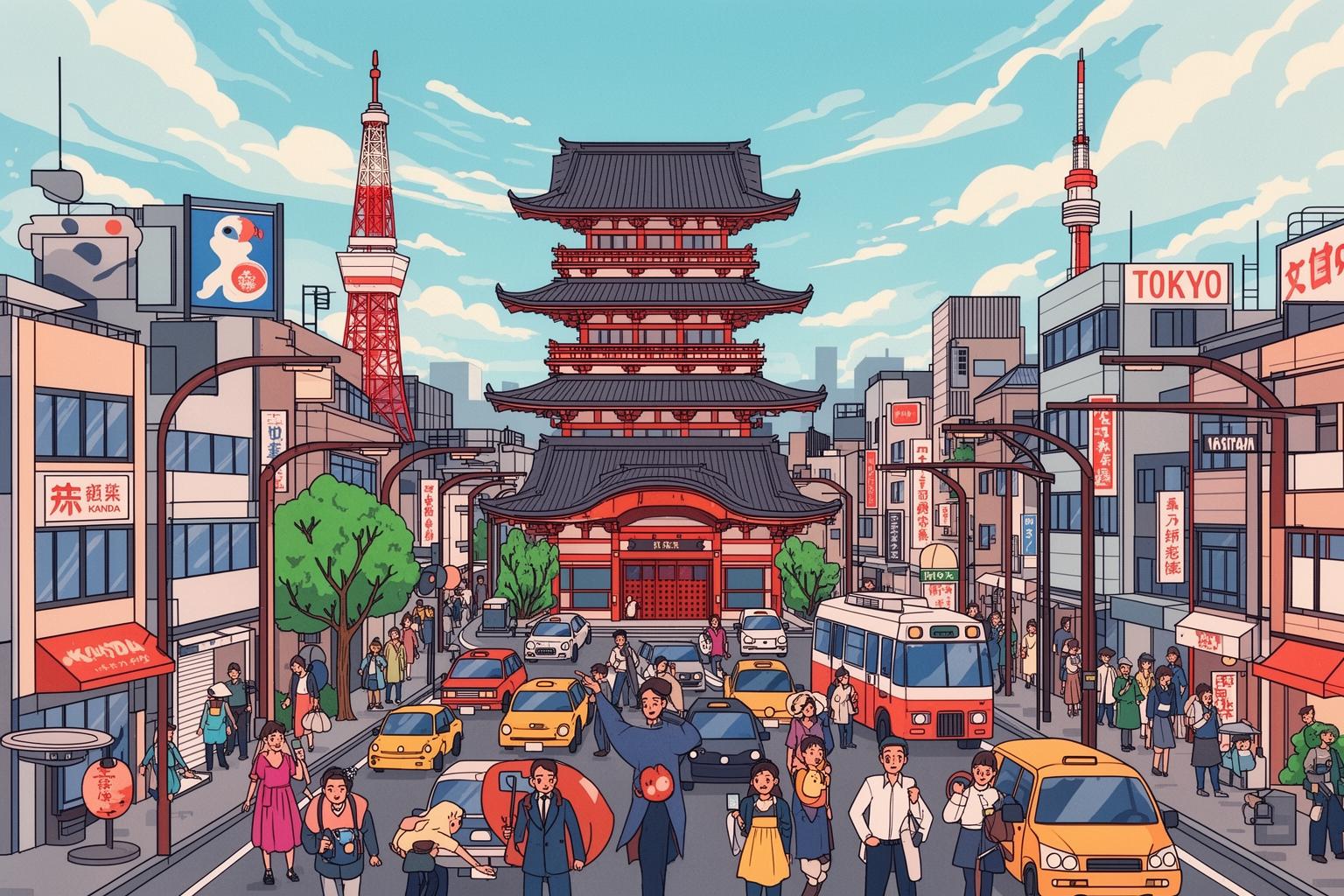
To truly grasp the Kanda Matsuri, you must first understand its home: Kanda Myojin. This is more than just a shrine; it serves as a guardian. Its history spans over 1,300 years, but its profound bond with the city of Edo, now Tokyo, was forged through ambition and conflict. Legend has it that Tokugawa Ieyasu, the future shogun who unified Japan, paid homage here before the pivotal Battle of Sekigahara in 1600. His triumph, which initiated more than 250 years of peace, was credited to the favor of the shrine’s deities. Consequently, the Kanda Matsuri became a celebration of prosperity and a symbol of the shogun’s authority, with its processions granted the rare privilege of entering Edo Castle grounds for his viewing—an immense honor indeed.
Today, that legacy endures, not in the shogun’s courts, but in the proud spirit of local communities. The shrine safeguards a wide area of central Tokyo, including the historic merchant districts of Kanda and Nihonbashi, and notably, the modern electric town of Akihabara. The festival represents the ultimate expression of the shitamachi—or downtown—spirit. It is a communal endeavor, organized and conducted by residents from over one hundred neighborhoods, each bringing their own traditions, banners, and portable shrines. The deities enshrined here form a compelling trio: Daikokuten, the god of wealth and harvest; Ebisu, the god of fishermen and good fortune; and Taira no Masakado, a deified 10th-century samurai spirit, once a fierce rebel against the court, now honored as a powerful protector. This blend of gods governing business, luck, and fierce guardianship perfectly reflects the essence of Tokyo itself: pragmatic, hopeful, and unyieldingly resilient.
A Spectacle for the Senses: The Main Processions
The festival spans a week, but the main attractions that draw millions of spectators occur over a single weekend. The atmosphere is electric, filled with the aroma of festival foods and the low murmur of anticipation.
Shinkosai: The Procession of the Gods
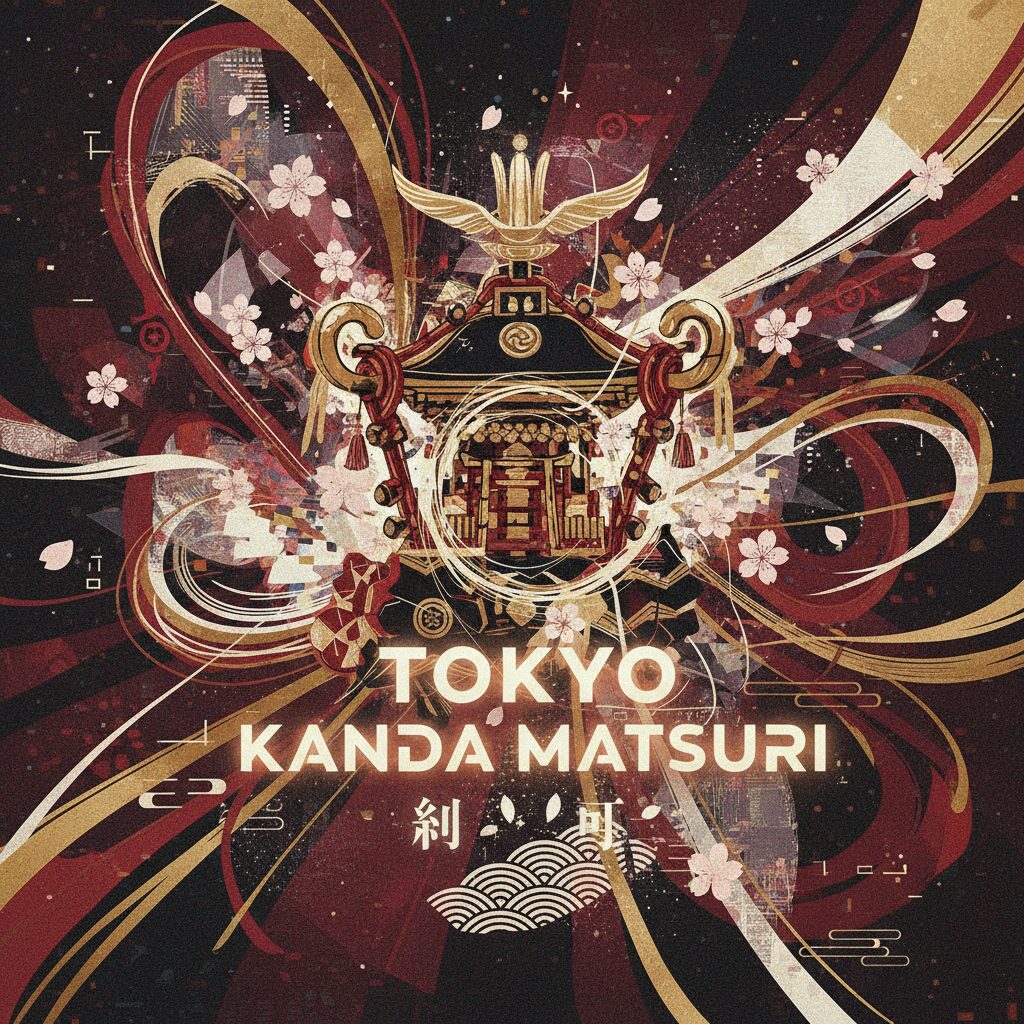
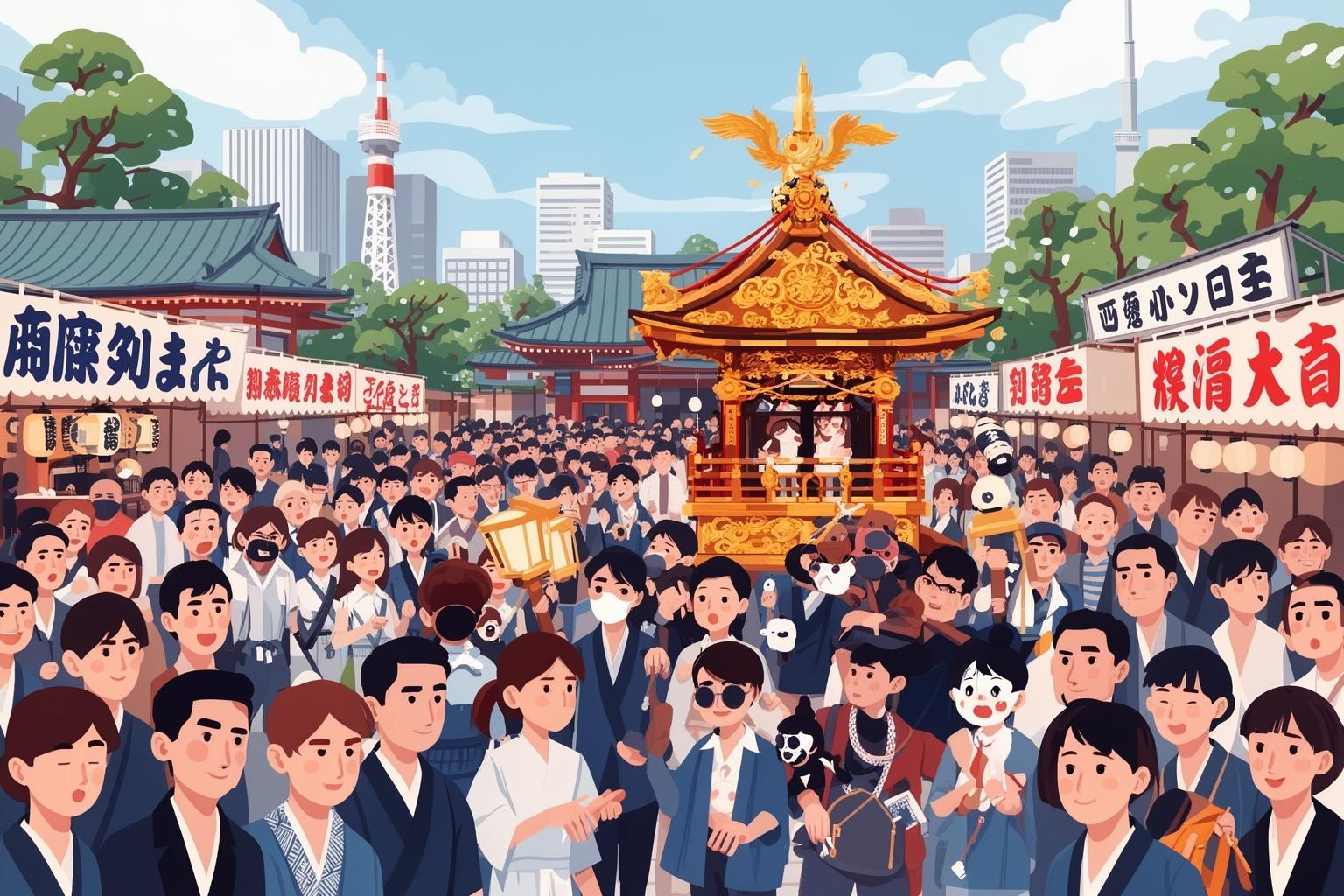
The festival’s core is the Shinkosai, held on Saturday. This is far more than a parade; it is a sacred pilgrimage. Long before the sun fully lights up the city’s skyscrapers, the three principal mikoshi, or portable shrines, are carried out from the main hall of Kanda Myojin. These are not mere objects; they serve as palanquins for the gods, temporary vessels for Daikokuten, Ebisu, and Taira no Masakado to travel across the lands they watch over. Each is a stunning work of art, polished with black lacquer, adorned with intricate gold leaf, and crowned with a radiant golden phoenix. Carried by dozens of participants dressed in traditional garments, they embark on an extensive, day-long procession covering about thirty kilometers.
Their path is a journey through history. The procession moves through the historic Kanda district, crosses the iconic Nihonbashi bridge—the zero-point from which all distances in Japan were once calculated—and passes through Marunouchi, the nation’s financial district adjacent to the Imperial Palace. The vision of these ancient, ornate shrines framed by modern glass skyscrapers is breathtaking. Yet the most surreal and emblematic segment takes place in Akihabara. Here, the bearers’ chants of “Wasshoi! Wasshoi!” and the solemn melodies of flutes and drums blend with electronic arcade sounds and the glow of massive anime billboards. It is a perfect, striking dissonance—a tribute to Tokyo’s ability to encompass its entire history in a single scene.
Mikoshi Miyairi: A River of Community Pride
While Saturday exudes solemnity and grandeur, Sunday erupts with vibrant energy. This is Mikoshi Miyairi day, when around two hundred smaller mikoshi from local neighborhoods enter the shrine grounds to pay homage. From mid-morning until evening, the path to Kanda Myojin transforms into a surging stream of color, sound, and human spirit.
Each neighborhood group, or ujiko, dons their distinctive happi coat, a short festival jacket bearing their community’s crest. They carry their unique local mikoshi, each with its own history and design, with passionate intensity. The portable shrines rock and sway vigorously, a motion intended to energize the deity within. The shrine grounds become a lively, chaotic, and joyous scene. The air thrums with competing chants, whistles, and drumbeats as each group strives to deliver the most spirited performance for the gods and their fellow Tokyo residents. Here, you witness the festival’s true essence—not just a show for tourists but a powerful, deeply personal expression of community identity and collective faith, passed down through generations.
The Otaku’s Pilgrimage: Kanda Matsuri in Anime and Pop Culture
Kanda Myojin’s role as the guardian of Akihabara has granted it a distinctive second life in the 21st century. The shrine has become a cherished landmark in the anime and gaming worlds, serving as a real-life destination for fans and establishing itself as a top spot for seichi junrei, or anime pilgrimage.
One of the most well-known connections is with Love Live! School Idol Project. In the series, the character Nozomi Tojo is depicted as a shrine maiden at Kanda Myojin, and the shrine’s iconic stone staircase is often shown as a training place for the idol group μ’s. Fans from across the globe visit to follow the characters’ paths, see the actual sites, and leave custom ema—small wooden prayer plaques—decorated with illustrations of their favorite characters. The shrine has warmly welcomed this association, viewing it as a contemporary form of devotion.
Another notable appearance is in the critically acclaimed visual novel and anime Steins;Gate. The shrine plays a key role in the story’s Akihabara-centric setting, offering a spot of calm amid the temporal turmoil. This has solidified its reputation as a must-visit location for series fans. Acknowledging this devoted fanbase, Kanda Myojin frequently partners with popular anime to produce official festival merchandise featuring characters alongside traditional designs. Visitors can find amulets for gaming success, charms to protect electronic devices, and limited-edition items available only during the festival. This blend is more than just a marketing strategy; it genuinely reflects the shrine’s identity as a guardian of the entire community, including its most modern and creative subcultures.
Navigating the Crowds: A Practical Guide for Festival-Goers
Experiencing the Kanda Matsuri is a memorable adventure, but it takes some planning, especially for first-time visitors.
When and Where
The festival occurs only in odd-numbered years, usually on the weekend closest to May 15th. The main events are the Shinkosai on Saturday and the Mikoshi Miyairi on Sunday. Access to Kanda Myojin Shrine is very convenient. It’s just a short walk from Suehirocho Station on the Tokyo Metro Ginza Line, Ochanomizu Station on the JR Chuo-Sobu Line and Tokyo Metro Marunouchi Line, or a slightly longer but highly recommended walk from the famous Akihabara Station.
First-Timer Tips
Expect large crowds. And when I say large crowds, I mean packed, shoulder-to-shoulder masses of people. Wear your most comfortable shoes, as you’ll be standing for hours. To get a better view of the Shinkosai procession, it’s often best to find a spot along the route rather than waiting at the shrine itself. The area near Nihonbashi Bridge offers a classic, scenic vantage point, while the route through Akihabara’s main street, Chuo Dori (closed to traffic on Sundays), provides a striking blend of tradition and pop culture.
For the Mikoshi Miyairi on Sunday, arriving early at the shrine is crucial if you want to be close to the action. Otherwise, find a spot along the main road leading to the shrine to watch neighborhood groups get ready for their grand entrance. Stay hydrated—May in Tokyo can be unexpectedly warm. You’ll find numerous yatai, or food stalls, around the shrine and along the procession routes, serving delicious festival dishes like yakisoba (fried noodles), takoyaki (octopus balls), and grilled squid. Enjoying these treats is a vital part of the experience. Lastly, while many people take photos, remember this is a religious event. Be respectful of both the participants and the sacred spaces.
Beyond the Festival: The Enduring Spirit of Kanda Myojin
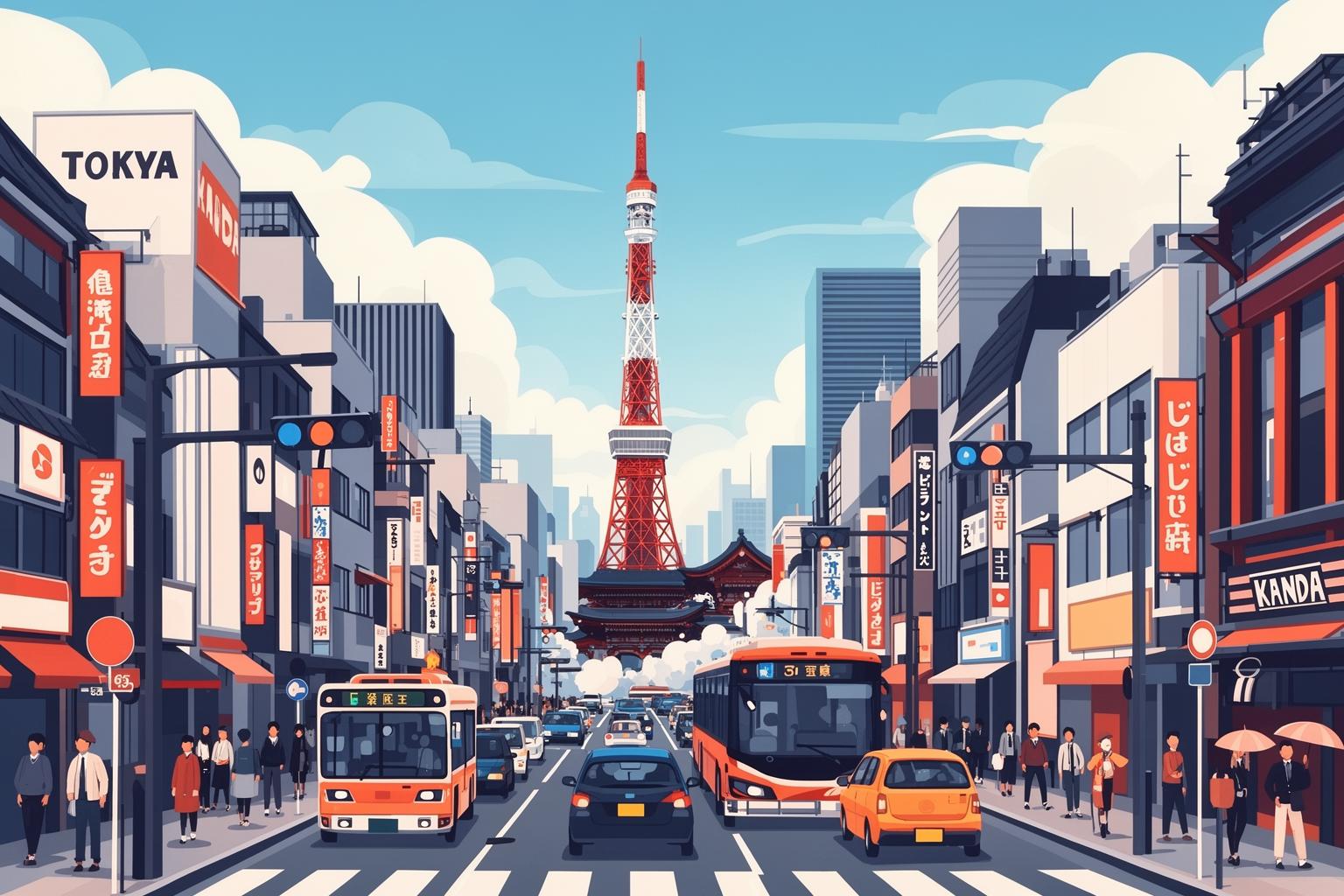
Even if your visit to Tokyo doesn’t coincide with the Kanda Matsuri, a trip to Kanda Myojin remains deeply rewarding. On an ordinary day, the shrine offers a serene oasis of calm. The main hall, rebuilt after the Great Kanto Earthquake, is a stunning example of shrine architecture, painted in vibrant vermilion that contrasts beautifully with the city skyline. You can take your time to appreciate the intricate carvings, offer a prayer, and browse the amulets, which are famously designed to suit modern needs, including one for IT success.
As you explore the grounds, you’ll find statues of the deities, including a particularly cheerful figure of Ebisu carrying a fish, and a small shrine dedicated to the god of matchmaking. The shrine has also embraced the future with its EDOCCO (Edo Culture Complex) building, a contemporary facility housing a souvenir shop, a café, and an event hall. It embodies the shrine’s philosophy: honoring the past while actively engaging with the present. Here, you can find exclusive anime collaboration goods throughout the year and see how a 1,300-year-old institution continues to innovate and connect with new generations.
A Final Echo
The Kanda Matsuri is more than just a festival; it’s Tokyo itself taking a deep, collective breath and proclaiming its identity to the heavens. It serves as a declaration that despite its futuristic ambitions and constant evolution, the city’s soul remains firmly anchored in community, tradition, and the shared joy of a thousand-year-old rhythm. To watch a sacred palanquin carried through the neon-lit streets of Akihabara is to witness the very essence of Japan captured in a single, powerful image. It’s a moment when the boundary between worlds blurs, linking the stoic samurai, the bustling Edo merchant, and the modern-day anime fan in one vibrant, unbroken flow of history. It’s a pulse that, once experienced, will linger with you forever.