

There are stories that feel like they live and breathe, stories that blur the line between screen and soul, leaving an indelible mark on our hearts. Makoto Shinkai’s masterpiece, “Kimi no Na wa” or “Your Name,” is one such tale. It’s a celestial romance that swept the globe, a whirlwind of switched bodies, fated encounters, and a desperate race against time, all set against the backdrop of a comet-streaked sky. At the heart of this story lies the fictional town of Itomori, a place so beautifully rendered, so steeped in tradition and tranquil charm, that it felt achingly real. And for those of us who have longed to walk its streets, to feel the mountain air on our skin, and to hear the whisper of ancient rituals, there is good news. Itomori has a soulmate in our world, a place where the threads of fiction and reality are woven together in a stunning tapestry: the Hida region of Gifu Prefecture.
Deep in the heart of the Japan Alps, the town of Hida-Furukawa waits, not as a carbon copy, but as the living, breathing inspiration for Itomori. It’s a destination that has become a touchstone for fans around the world, a place of pilgrimage, or “seichi junrei,” where the emotional journey of Taki and Mitsuha can be felt in every step. This is more than just a tour of filming locations; it’s an immersion into the very atmosphere that gave the story its profound sense of place. It’s a chance to stand where Taki stood, to see the landscapes that Mitsuha dreamed of, and to connect with the deep cultural roots that Shinkai so lovingly portrayed. So, let’s begin our journey, not just to a town in Gifu, but into the heart of a story that continues to connect us all, no matter how far apart we are.
Embrace a deeper connection to the film’s spirit by exploring Hida-Furukawa’s hidden charms, where the landscapes continue to echo the magic of the story.
The Echo of Itomori: Stepping into Hida-Furukawa
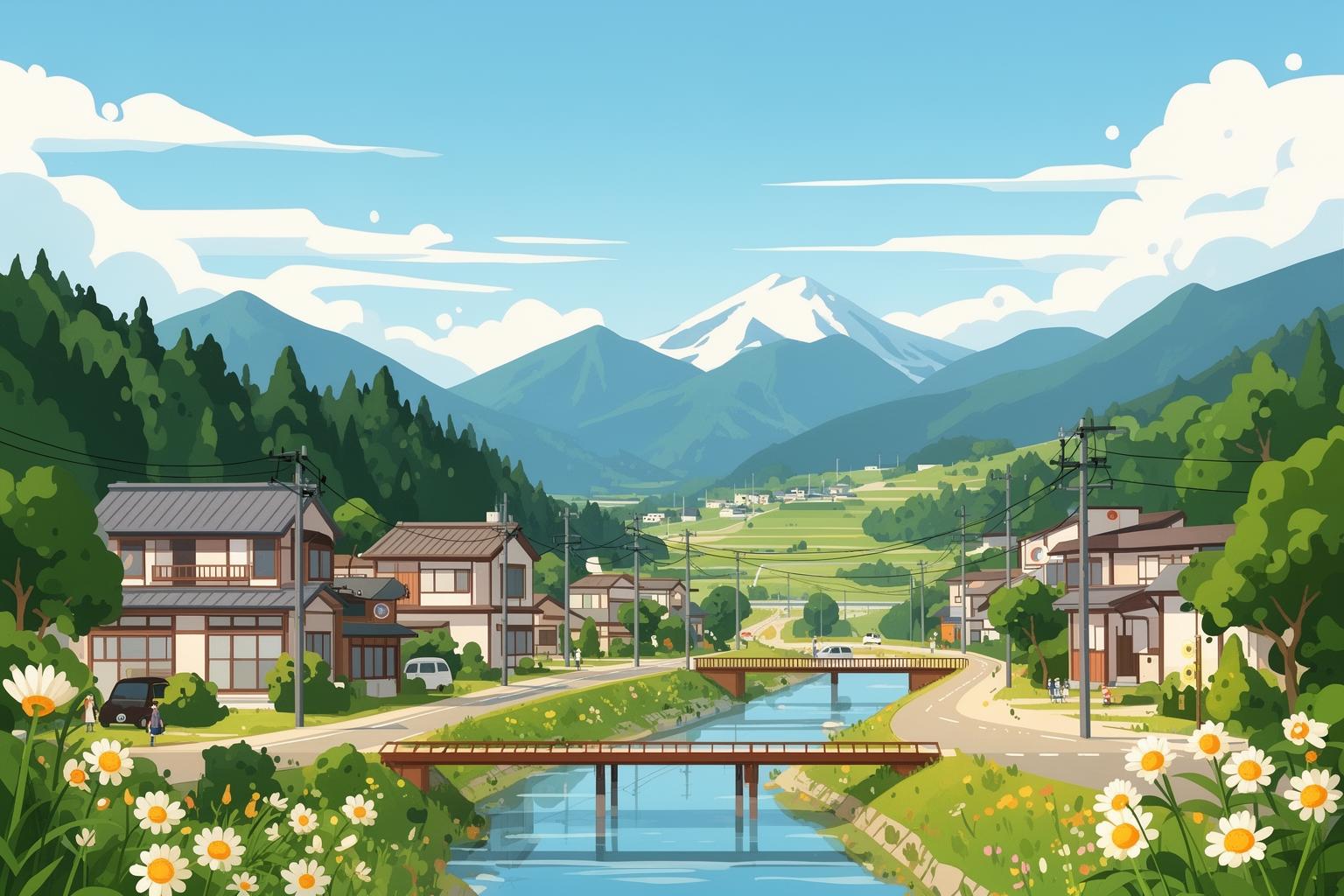
The journey to Hida feels like stepping into a scene from the film itself. As the Wide View Hida train winds its way from Nagoya or Toyama, it follows emerald rivers and threads through dense, mountainous forests. The landscape shifts from sprawling urban areas to a panorama painted in countless shades of green—the very views that would have filled Taki’s window as he ventured into the unknown, clutching his hand-drawn sketches. There’s an electric sense of anticipation with every tunnel passed and each rural station glimpsed. Then, you arrive. Hida-Furukawa isn’t a bustling tourist spot; it’s a quiet, unpretentious town where the pace of life moves more gently. But for a fan of “Your Name,” this tranquility is charged with recognition.
The Iconic Overpass: Hida-Furukawa Station
Your pilgrimage begins the moment you step off the train. Hida-Furukawa Station is, without question, one of the most faithfully recreated locations in the film. As the train pulls away, revealing the tracks and platform across, a profound sense of cinematic déjà vu takes hold. The distinctive white footbridge, the modest station building, the lineup of taxis waiting patiently—it’s all exactly as depicted. You can stand on the platform and see the precise angle from which Taki, Tsukasa, and Okudera gazed out, comparing the real view to their sketches of Itomori. The iconic shot of the train arriving, framed by the distinctive Hida-gyu mascot character on a sign behind, is a moment fans eagerly anticipate capturing. Here, the boundary between animation and reality feels remarkably thin. You’re not just looking at a place that inspired a movie; you’re standing inside the frame itself, a participant in the story. The gentle clang of the railway crossing and the sight of green and orange train cars against the mountain backdrop are sounds and sights that root the fantasy firmly in a beautiful, tangible now.
A Whisper of Knowledge: The Hida City Library
Just a short, pleasant walk from the station lies another crucial location from Taki’s search: the Hida City Library. This is where he and his friends pored over records, desperately seeking information about Itomori and the comet’s devastating impact. The building is a stunning example of modern architecture, with warm wooden interiors and large windows that flood the space with natural light. It feels both welcoming and serene. Upon entering, the atmosphere is one of respectful quiet, with the soft rustle of turning pages the only sound. The librarians are fully aware of their building’s fame and are exceptionally gracious to visiting fans. They have even created a small, dedicated “Your Name” section, displaying memorabilia and messages left by fellow pilgrims from around the world. While photography is generally restricted to maintain a quiet environment for locals, visitors are kindly allowed to take photos at a specific spot that perfectly recreates a scene from the film. Sitting in that space, you can feel the weight of Taki’s discovery, the dawning horror and determination that set the film’s thrilling climax in motion. It’s a powerful moment of connection—a shared experience in a place of quiet reflection and dramatic revelation.
Beyond the Frame: Discovering the Soul of Hida
While the specifically screen-accurate locations initially attract visitors, the real enchantment of a pilgrimage to Hida lies in uncovering the deeper cultural currents that Makoto Shinkai intricately wove into Itomori’s essence. Hida is more than just a setting; it is a region rich in history and vibrant spirit, qualities that lend the fictional town its depth and authenticity. To fully grasp Itomori, one must delve into the soul of Hida.
Weaving Tradition: The Spirit of Takumi
The Hida region has long been celebrated for its master woodworkers, known as the “Takumi of Hida.” Their legacy is embedded in the very structure of the town, evident in the delicate latticework of old merchant houses and the sturdy, graceful construction of local temples. This profound respect for craftsmanship and tradition closely mirrors the Miyamizu family’s commitment to their shrine duties, particularly the art of “kumihimo,” or braided cords. In the film, kumihimo symbolizes connection, time, and fate—a tangible manifestation of “musubi.” While exploring Hida-Furukawa, visitors can stop by local craft shops and even try their hand at creating their own braided cord, a hands-on experience that directly ties you to one of the movie’s central themes. This act of weaving individual threads into a strong, beautiful whole resonates deeply with Mitsuha’s heritage and the unseen bonds linking her to Taki.
A Taste of the Mountains: Hida’s Culinary Heartbeat
To truly experience a place, one must taste it, and Hida’s culinary scene is as rich and comforting as its landscapes. The region offers an abundance of mountain vegetables, freshwater fish, and pure sake brewed from local rice and crystal-clear water. The flavors are sincere, unpretentious, and closely connected to the land. As you walk through the town, you’ll discover small shops selling local snacks that seem to come straight from an Itomori festival.
Savoring Hida Beef
Naturally, no discussion of Hida’s cuisine would be complete without highlighting its world-famous Hida beef. Renowned for its exquisite marbling and melt-in-your-mouth tenderness, it is truly a delicacy. You can enjoy it in many forms, from elegant steaks at fine restaurants to casual street food like Hida beef skewers or steamed buns. Indulging in this local specialty is a perfect reward after a day of exploring—a rich, savory memory to cherish on your journey.
Finding Comfort in Local Eateries
For a genuinely authentic experience, step into one of the small, family-run restaurants or cafes. In a memorable scene, Taki and his friends savor Gohei Mochi, a grilled rice cake coated in a sweet miso and walnut sauce, at a rustic eatery. This very dish can be found throughout Hida and the nearby city of Takayama. Sitting down to a simple, hearty meal of ramen or a local Hida-style soba noodle dish, surrounded by the quiet murmur of local conversation, offers a moment of true connection. It is in these unscripted moments, away from the well-known photo spots, that you feel the genuine, welcoming heartbeat of the town.
The Spiritual Core: In Search of Miyamizu Shrine
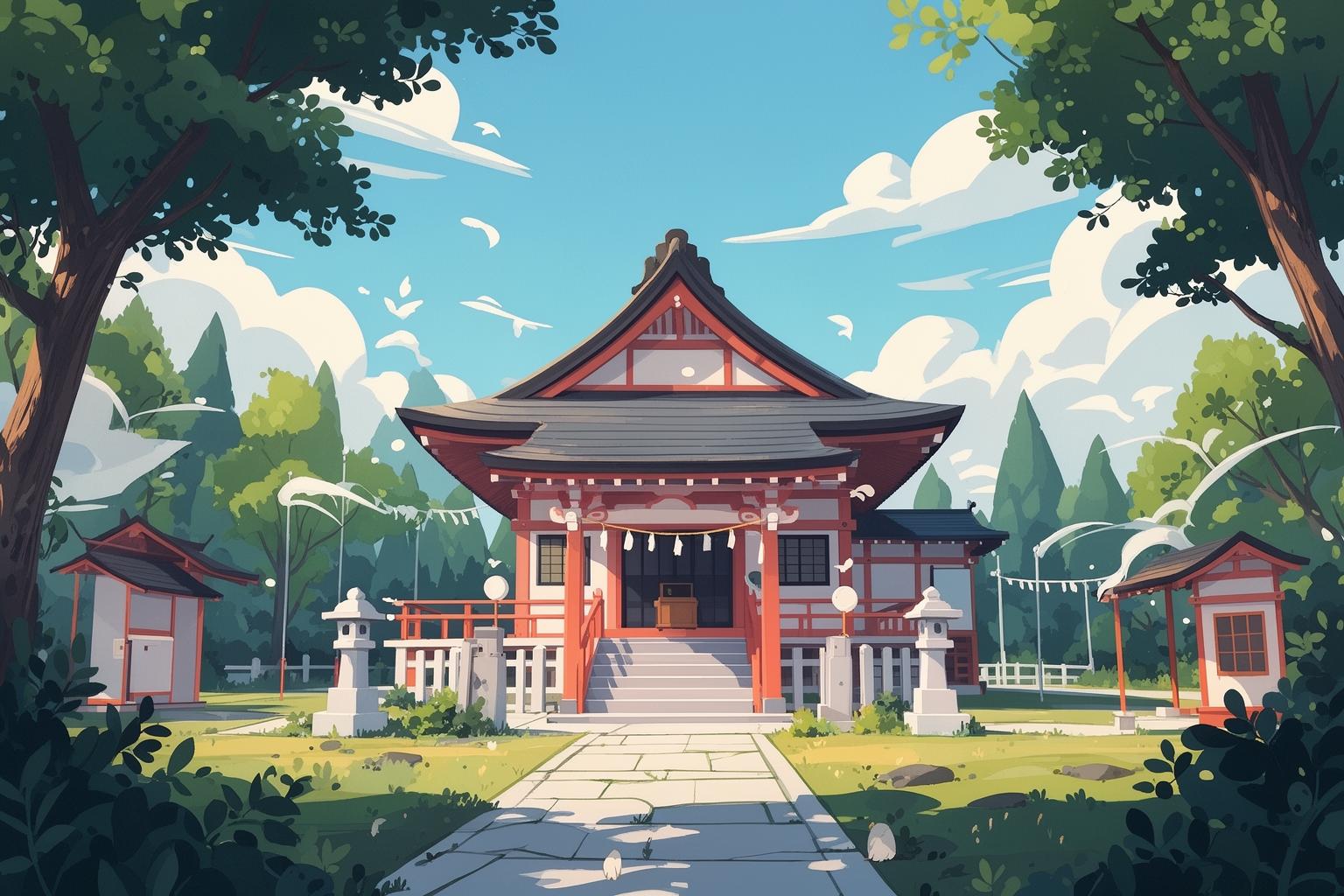
The spiritual core of Itomori is the Miyamizu Shrine, the ancestral home of Mitsuha’s family, situated atop a hill that overlooks the town and its crater lake. This sacred site, rich with ancient rituals and a profound cosmic connection, is not an actual single location but rather a beautiful blend of several shrines in the Hida region. The quest to find its real-life inspirations is a deeply fulfilling aspect of the pilgrimage.
Keta Wakamiya Shrine and Hie Shrine: The Real-World Inspirations
The stone staircase leading up to Miyamizu Shrine is widely believed to be primarily inspired by the moss-covered stone steps at Hie Shrine in the nearby city of Takayama. As you climb these steps, flanked by towering cedar trees and stone lanterns, the atmosphere becomes undeniably powerful. The air grows cooler, city sounds fade away, and a sense of reverence envelops you. It’s easy to picture Mitsuha and Yotsuha making this ascent in their ceremonial robes.
On the other hand, the layout and ambiance of the shrine grounds themselves are often associated with Keta Wakamiya Shrine in Hida-Furukawa. Nestled in a quiet corner of the town, this shrine provides a peaceful and contemplative environment. Though it lacks Hie Shrine’s dramatic staircase, its serene atmosphere and traditional architecture deeply resonate with the Miyamizu family’s spiritual home. Visiting both shrines allows you to reconstruct the Itomori of your imagination, blending the dramatic approach of one with the tranquil spirit of the other. It stands as a tribute to Shinkai’s artistry that he could capture the essence of these sacred sites in a single, unforgettable place.
Practical Magic: Planning Your Journey to Hida
A pilgrimage to the world of “Your Name” is a captivating journey, and with a bit of preparation, it can be as smooth as it is enchanting. Hida is a destination that rewards mindful travel, inviting you to immerse yourself in its pace and fully savor its allure.
Getting There: The Scenic Route
The most popular and scenic way to arrive at Hida-Furukawa is by train. The JR Wide View Hida limited express runs between Nagoya in the south and Toyama in the north, offering stunning views of the Hida River valley along the way. The journey itself is a vital part of the experience, echoing Taki’s own train ride into the heart of Japan. If you’re using a Japan Rail Pass, this trip is fully covered. The trains are comfortable and equipped with large windows ideal for enjoying the alpine scenery. From the station, all the main attractions in Hida-Furukawa are within easy walking distance, making it an ideal town to explore on foot.
When to Weave Your Story: The Best Time to Visit
Hida is enchanting year-round, each season providing a distinct way to experience the world of “Your Name.” Spring brings delicate cherry blossoms, draping the town in soft pinks and whites. Summer showcases lush, vibrant greenery, with the mountains alive and rivers shimmering. Autumn, arguably the season that most closely mirrors the film’s warm, nostalgic tones, lights up the landscape with fiery reds and brilliant golds. Winter covers the town in a serene blanket of snow, creating a quiet, magical ambiance that feels different yet equally beautiful. For an especially memorable visit, try to coincide your trip with the Furukawa Festival in April, one of Japan’s most famous “naked festivals,” where the town’s lively traditions come alive.
A Traveler’s Notebook: Tips for the Journey
To get the most out of your visit, keep a few tips in mind. Wear comfortable shoes, as walking will be frequent. Though the town is friendly, keep in mind that places like the library and local shrines are active community spaces, so show respect to residents. Many smaller shops and restaurants may only accept cash, so it’s wise to carry some yen. Accommodations in Hida-Furukawa are limited, so booking ahead or staying in nearby Takayama—a larger city just 15 minutes away by train with more options—is advisable. Most importantly, give yourself permission to slow down. The charm of Hida isn’t just about ticking off sights; it’s found in the quiet moments in between—sipping coffee at a cozy cafe, watching giant koi swim in the town’s canals, or simply breathing in the crisp mountain air.
The Threads That Bind Us
A journey to Hida-Furukawa is more than just a trip; it is a dialogue between a cherished story and a living place. You arrive with cinematic scenes playing in your mind, and you depart with personal memories woven into that very narrative. You see a simple train station, but you also sense the anxious hope of a boy searching for a girl he’s never met. You walk through a quiet library, yet you feel the weight of a history that must never be forgotten. Hida offers the rare and beautiful gift of stepping into a world you believed existed only on screen, discovering that its heart beats in sync with your own. The comet may have been a fantasy, but the connection it created is real, patiently waiting for you in the timeless, tranquil mountains of Gifu.








