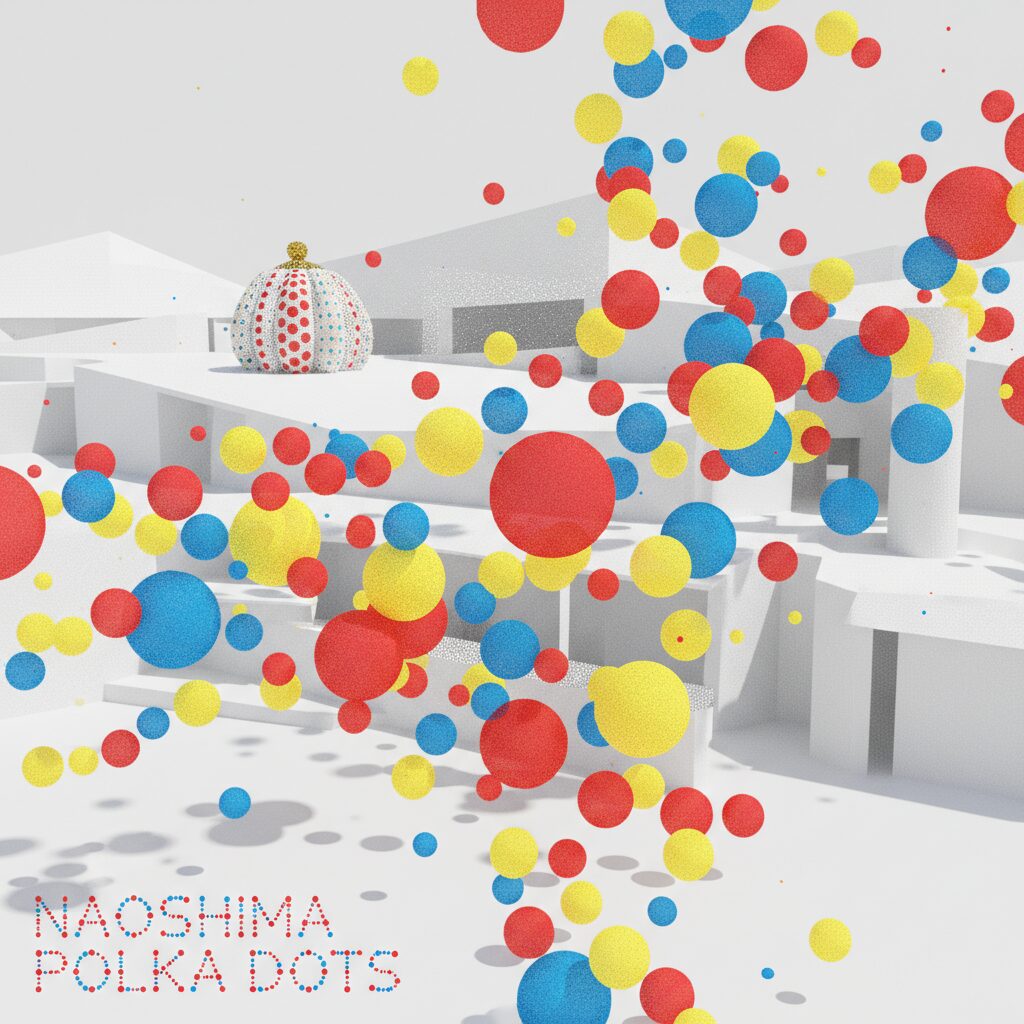
There’s an image that floats in the minds of many who dream of Japan, a vision both surreal and serene: a singular, vibrant yellow pumpkin, covered in a constellation of black polka-dots, perched at the end of a weathered pier, gazing out at a placid sea. This isn’t a fantasy. It’s a promise. It’s the iconic welcome to Naoshima, an island in Japan’s Seto Inland Sea that has transformed itself from a sleepy industrial hub into one of the world’s most extraordinary art destinations. This is more than a day trip; it’s a pilgrimage. It’s a place where art isn’t just displayed in galleries but is woven into the very fabric of the landscape, tucked into old village homes, and even buried within the earth itself. The island operates on a different rhythm, one dictated by ferry schedules, the shifting of natural light, and the quiet invitation to simply look, and then to see. For lovers of modern art, architecture, and the kind of travel that shifts your perspective, Naoshima is a chapter you must write into your story. It’s a journey that begins with a boat ride and ends with a profound sense of wonder, a feeling that lingers long after you’ve returned to the mainland.
Discover further layers of Naoshima’s allure by exploring the Naoshima art sanctuaries that transform its rich heritage into contemporary marvels.
The Arrival: Crossing the Sea to a Different World
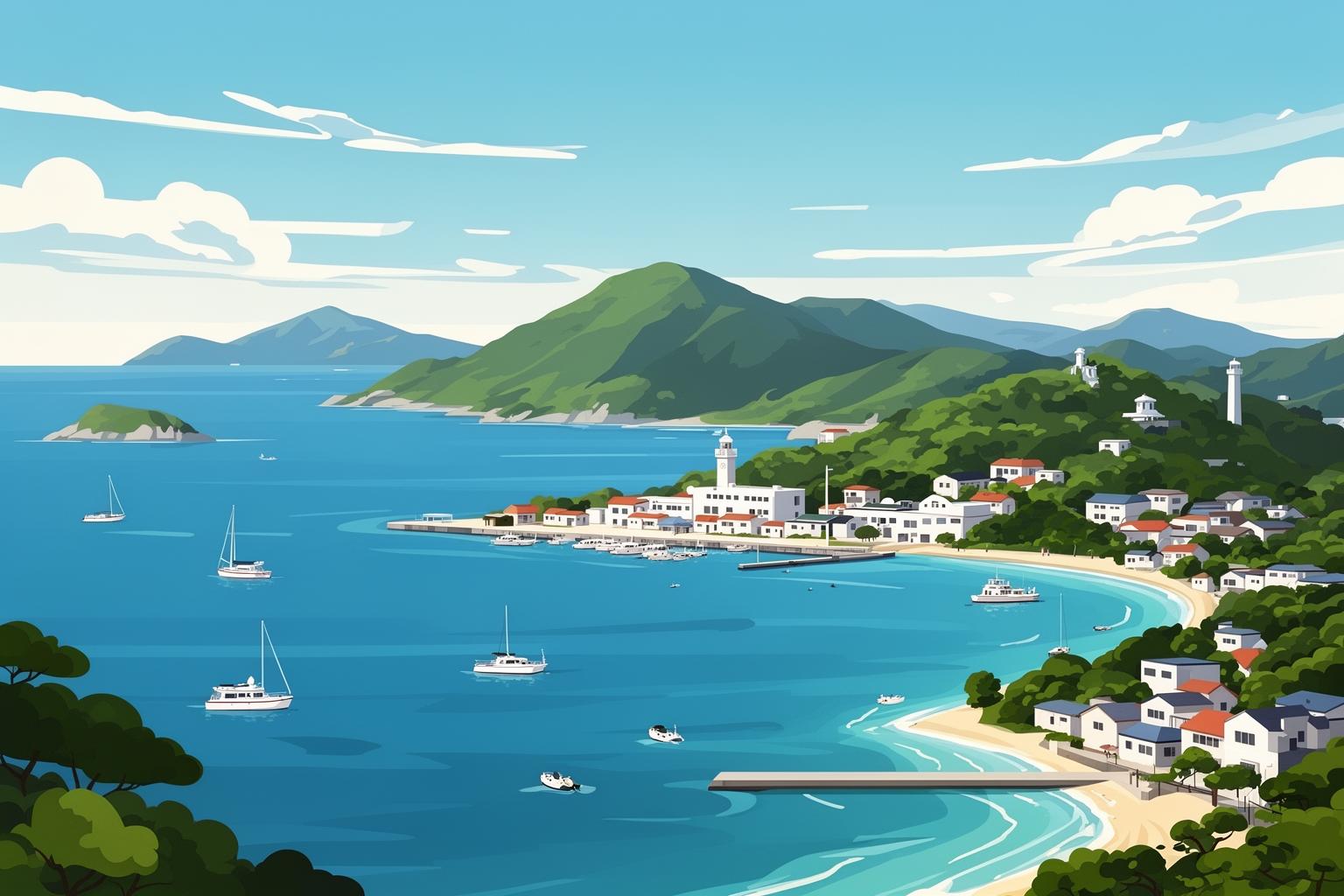
The adventure to Naoshima begins even before your feet touch its soil. The journey itself plays a vital role in the experience, serving as a ritual that separates you from the hustle of mainland Japan. Whether you depart from Uno Port in Okayama or the larger Takamatsu Port in Kagawa, the ferry ride across the Seto Inland Sea offers a meditative introduction. The coastline fades, the urban noise diminishes, and you’re left with the steady rhythm of the water, the calls of gulls, and the silhouettes of numerous small islands scattered along the horizon. There’s a palpable sense of crossing into another world. As Naoshima grows larger near Miyanoura Port, the first sign of arriving somewhere special comes into view. Welcoming you like a fantastical sea creature is Yayoi Kusama’s ‘Red Pumpkin,’ a massive hollow sculpture you can actually step inside. Its bright, whimsical form boldly announces the island’s creative spirit. It’s the perfect greeting, setting a playful and curious tone for the adventures ahead. The air feels different here—cleaner, tinged with salt, and humming with a quiet, creative energy. This is your initial taste of the island’s magic: the seamless, surprising fusion of world-class art with the simple, everyday life of a small port town.
Benesse House: Where Art and Nature Collide
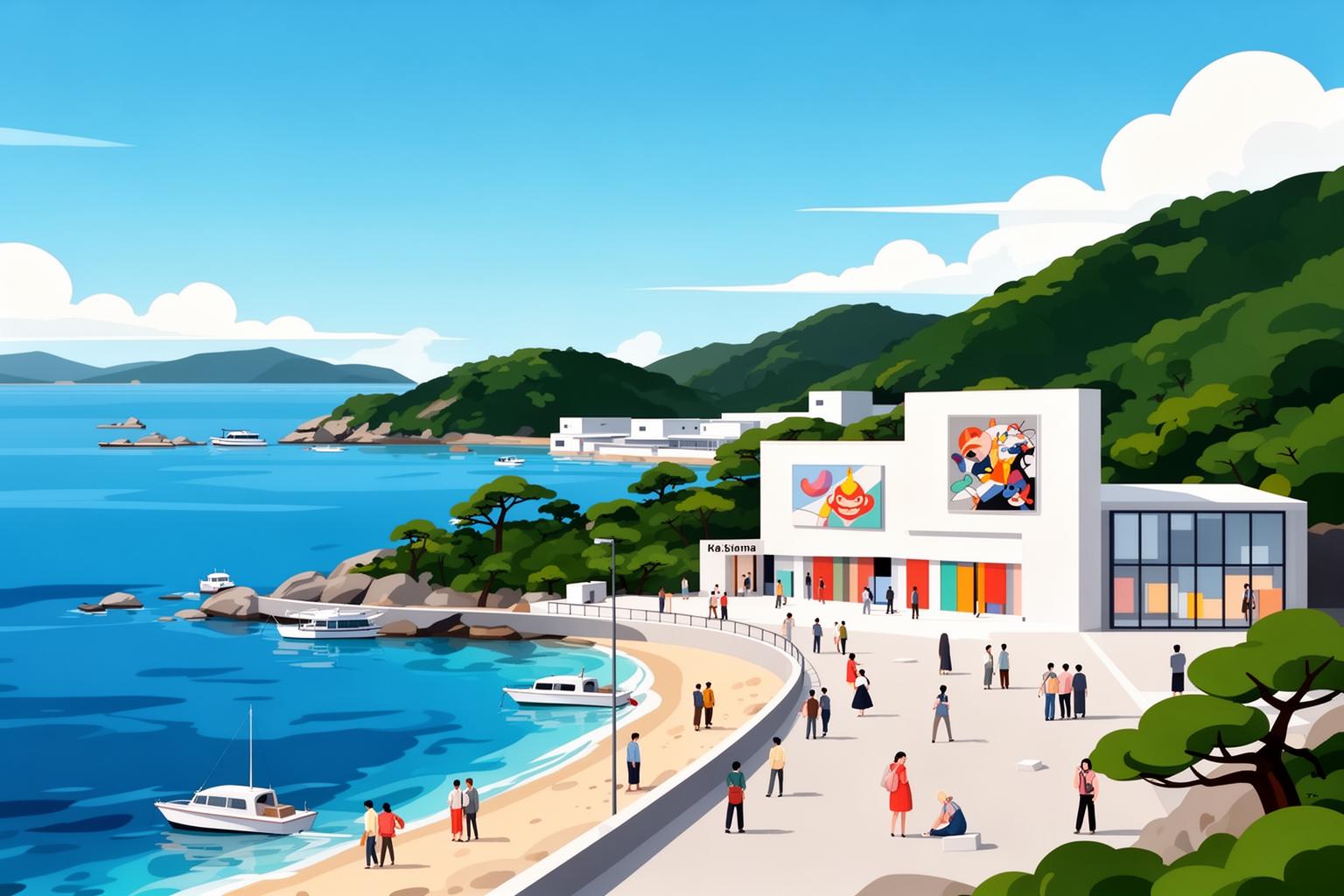
At the center of Naoshima’s artistic revival is Benesse House, a groundbreaking project that boldly combines a contemporary art museum with a luxury hotel. Designed by the renowned minimalist architect Tadao Ando, it serves as the foundation from which the island’s artistic identity has flourished. Ando’s trademark use of smooth, exposed concrete, geometric shapes, and striking natural light brilliantly come together, forming a sanctuary that feels both monumental and intimately linked to its environment. The complex is more than just a structure; it embodies a philosophy. It’s based on the belief that art is best experienced in conversation with nature and over an extended period. Staying here offers the ultimate immersive experience, yet even as a day visitor, exploring its spaces is crucial to truly grasping Naoshima’s essence.
The Museum
The heart of Benesse House is its museum wing, a space that challenges conventional gallery norms. Ando’s architecture actively engages with the viewing experience. Expansive, sweeping windows frame the sparkling Seto Sea and lush coastline as if they were living artworks. Long, open-air ramps guide visitors through the collection, with the sky itself acting as the ceiling. The art within is a carefully curated selection of contemporary masters, many pieces created specifically for their locations in the museum. You might find yourself reflecting on a painting by Andy Warhol one moment, then turning to witness a dramatic seascape revealed through a precisely placed opening in the concrete wall. The building fosters quiet contemplation, inviting a slow and deliberate interaction with both the art and the surroundings. It encourages you not to hurry but to linger, to observe how shadows fall across a sculpture or how the sea’s color shifts the ambiance of a room.
The Outdoor Art
Benesse House’s impact extends well beyond its walls. The adjacent park and coastline serve as an open-air gallery, scattered with sculptures that invite engagement and discovery. Here you’ll find the iconic ‘Yellow Pumpkin’ by Yayoi Kusama, stoically perched at the end of its private pier. Its story has become part of its mythos; after being swept away by a typhoon, it was carefully restored and returned to its rightful place, symbolizing resilience and the island’s deep devotion to its cherished art. But the pumpkin is only the beginning. A stroll along the shore reveals a playful array of works, from Niki de Saint Phalle’s vibrant, mosaic-covered animals to George Rickey’s kinetic sculptures that gently move with the sea breeze. It feels like a treasure hunt, a joyous exploration where art emerges in the most surprising spots. Discovering a piece hidden in a grove or standing watch on a cliff’s edge creates a profound connection, a personal moment of discovery that a crowded museum hall could never replicate.
The Chichu Art Museum: A Masterpiece Buried in the Earth
If Benesse House represents a dialogue between art and nature, the Chichu Art Museum offers complete immersion. The name ‘Chichu’ means ‘in the earth,’ and the museum embodies this literally: an extraordinary architectural feat constructed almost entirely underground to preserve the island’s natural beauty. Another masterpiece by Tadao Ando, it is perhaps his most significant work on the island. From above ground, the building is barely visible, with only subtle geometric courtyards and skylights carved into the lush hillside. Visiting the museum is a thoughtfully curated pilgrimage, guiding you through subterranean concrete hallways that play with light and shadow, building anticipation before you encounter the artworks themselves. The museum serves as a vessel dedicated to just three artists, each with a space that is an integral part of the artworks.
Monet’s Water Lilies in Natural Light
At the heart of the Chichu Art Museum lies the room devoted to Claude Monet’s ‘Water Lilies’ series. But this is no ordinary display. Ando created a breathtakingly tranquil space with pristine white walls and floors made from tiny marble cubes. The room is bathed entirely in soft, diffused natural light streaming through a concealed skylight above. This ingenious design ensures the paintings constantly change—their colors shifting and breathing with the daylight, from the sharp clarity of morning to the warm hues of late afternoon. Visitors are asked to remove their shoes before entering, a small ritual that elevates the experience into a respectful, almost spiritual act. This is a space of profound calm, allowing for a deep, personal connection with Monet’s works.
The Art of Walter De Maria and James Turrell
The other two installations deliver equally impactful sensory experiences. Walter De Maria’s room is a grand, temple-like space featuring a monumental granite sphere and gilded wooden sculptures, all arranged with mind-bending geometric accuracy beneath a ceiling open to the sky. The atmosphere feels both ancient and futuristic simultaneously. Then there is James Turrell’s work, which manipulates light itself. His installations at Chichu engage your perception of space, color, and depth. In one piece, you climb a staircase toward what looks like a flat blue screen, only to discover you are entering a room suffused with ethereal, colored light. The effect is disorienting, magical, and unforgettable. A key tip for first-time visitors: tickets for the Chichu Art Museum must be booked online, often weeks ahead. Entry is by timed slot to maintain the intimate atmosphere, and arriving without a reservation will almost certainly result in disappointment.
Honmura’s Art House Project: Life as a Canvas
While monumental museums dominate the southern end of Naoshima, the eastern side presents a distinctly different, yet equally captivating, art experience. In the old fishing village of Honmura, you’ll discover the Art House Project. This initiative embraces a wonderfully simple idea executed with remarkable impact: artists have transformed a series of vacant houses and abandoned buildings into permanent, site-specific art installations. Exploring them means wandering through the town’s quiet, narrow streets with a map in hand, uncovering art that is deeply intertwined with the history and architecture of the community. It creates a bridge between the island’s past and its creative present, turning the entire village into a living museum.
Kadoya: A Digital River of Time
One of the earliest and most iconic Art Houses is ‘Kadoya.’ From the exterior, it appears as a beautifully restored 200-year-old home. Inside, the main room features a shallow pool of water. Beneath the surface, 125 colorful LED counters flash numbers at a rhythm set by a local resident. The effect is mesmerizing—a flickering river of light symbolizing the passage of time and the rhythm of individual lives within the community. This piece is both high-tech and deeply human, serving as a meditation on time, life, and the collective heartbeat of the village.
Minamidera: An Encounter with Darkness and Light
Perhaps the most sought-after experience in the Art House Project is ‘Minamidera.’ This brilliant collaboration features architecture by Tadao Ando and an art installation by James Turrell. Situated in a new wooden building erected on the former site of a temple, the experience leads you into sensory deprivation. You enter a space of complete, pitch-black darkness—so profound and disorienting that you cannot even see your own hand in front of your face. But as your eyes slowly and carefully adjust over several minutes, a faint, distant light begins to appear. It is a powerful lesson in perception and the nature of light, an experience that must be felt rather than explained. Like Chichu, Minamidera requires a separate numbered ticket, which you should obtain from the Honmura Lounge immediately upon arrival, as slots fill quickly.
Beyond the Museums: The Soul of Naoshima
To truly appreciate Naoshima, you need to embrace the moments between the art. It’s in the journey from one museum to another, in the quiet observation of island life, that the full experience comes into view. This is an island that encourages you to slow down and take in your surroundings.
Getting Around the Island
The island is hilly, so your choice of transportation is important. For the adventurous, a regular bicycle is an option, but for most visitors, renting an electric-assist bicycle near Miyanoura Port is ideal. It allows you to explore at your own pace while easing the challenge of the steep climbs to the main museums. A well-operated local bus also connects the major ports and art sites, providing a reliable and comfortable alternative. Planning your route is part of the enjoyment—deciding whether to visit the big museums first or wander through the Art House Project before lunch. The island is small enough to be covered in a day, but staying overnight is highly recommended to fully experience it without feeling rushed.
Local Flavors and Quiet Moments
Amid the world-class art, Naoshima remains a living community. You’ll find charming cafes and small restaurants tucked away in the villages, many housed in renovated old homes. Enjoying a simple yet delicious seafood lunch in Honmura or sipping coffee overlooking the port gives you a chance to recharge and reflect. These moments reveal the island’s other side: fishermen repairing their nets, elderly locals tending their gardens, and cats basking on weathered stone walls. This peaceful, authentic atmosphere perfectly balances the high-concept art installations.
When to Visit: A Seasonal Guide
Naoshima is a year-round destination, but the experience varies with the seasons. Spring and autumn provide the most pleasant weather for cycling and walking, with mild temperatures and stunning natural scenery. Summer is vibrant and lush, though it can be hot and humid. It also hosts the Setouchi Triennale, a major international art festival held every three years, when Naoshima and nearby islands showcase a surge of new installations and events. Winter is the quietest time. It’s colder, but you’ll enjoy fewer crowds and a stark, beautiful landscape, offering a more solitary and contemplative visit.
A Final Brushstroke: The Lingering Impression
A trip to Naoshima is less about ticking off museums on a list and more about gathering moments. It’s the sensation of the sea breeze as you cycle along the shoreline, the surprise of stumbling upon a sculpture on a hidden beach, the shared silence with strangers in a sunlit room, and the flavor of fresh fish at a small portside diner. The island casts a subtle spell on you. It realigns your senses and reshapes how you perceive the connection between art, nature, and community. You leave not just with photos of polka-dot pumpkins, but with a deeper appreciation for quiet spaces, thoughtful design, and the transformative power of a creative vision. Naoshima serves as a reminder that the most meaningful journeys often take us to places that invite us to be still, to observe closely, and to discover the art in everything.