
There’s a certain magic that hums in the air of a port town. It’s the gentle rhythm of water lapping against the docks, the distant echo of a ship’s horn cutting through the salty air, and the feeling that every street corner holds a story of arrivals and departures. In Onomichi, a city clinging to the steep hillsides of Hiroshima Prefecture overlooking the Seto Inland Sea, this magic is palpable. It’s a place that feels both frozen in a beautifully nostalgic past and vibrantly alive with a creative spirit that has captivated artists for generations. This isn’t just a dot on a map; it’s a living, breathing film set, a labyrinthine gallery, and a sanctuary of quiet contemplation all rolled into one. For decades, it has served as the muse for legendary filmmaker Yasujiro Ozu, whose masterpiece “Tokyo Story” immortalized its tranquil, sloping streets. Today, it continues to inspire, drawing anime pilgrims, avid cyclists, and wanderers searching for a Japan that moves at the speed of a gently drifting boat. Onomichi doesn’t shout for your attention; it whispers an invitation to get lost, to climb its countless stone steps, and to discover the breathtaking views and hidden wonders that await around every corner. It’s a journey not just through a town, but through layers of time and art.
For those enchanted by Onomichi’s cinematic allure, a Yakushima pilgrimage offers another evocative journey through Japan’s timeless landscapes.
The Echo of a Director’s Vision
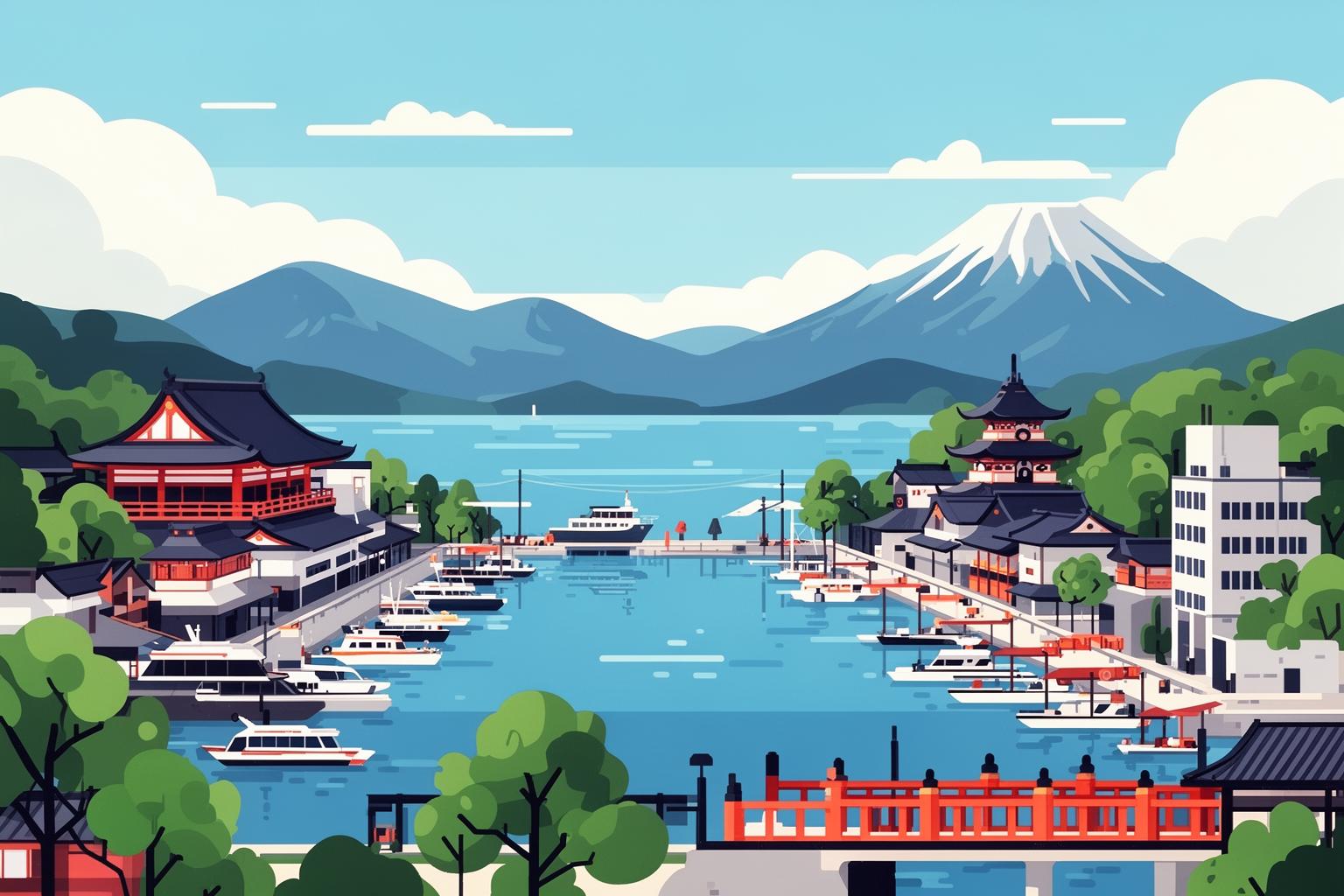
Strolling through Onomichi is like stepping right into a scene from a Yasujiro Ozu film. It was here, in 1953, that the iconic director created “Tokyo Story,” a deeply moving and widely celebrated film about the generational gap in postwar Japan. Ozu didn’t merely use Onomichi as a setting; he immersed himself in its spirit. The town’s leisurely rhythm, its close relationship with the sea, and the visual charm of its hillside architecture take on a life of their own. As you wander beyond the main station, you begin to sense it. The world seems to slow down. The narrow streets, lined with traditional wooden houses topped with elegant tiled roofs, encourage a slower pace. You can almost catch the quiet exchanges of the elderly couple from the film, their shadows outlined against the glistening waters of the Onomichi Channel.
Devoted fans of the film make pilgrimages here to connect with its heart and soul. Although many original filming spots have changed over time, the atmosphere Ozu captured remains remarkably preserved. Standing in Senkoji Park, gazing out at the very view that opens the film—the Sanyo Line tracks tracing the coastline, ferries crossing the channel, and the expansive cityscape—is a moving experience. It’s a moment of cinematic déjà vu. You come to understand that Ozu chose this location because its landscape perfectly reflects his themes: the steady, enduring flow of the sea contrasted with the fleeting, hectic lives of people. The town itself exudes nostalgia and quiet dignity, qualities that feel ever more precious in today’s world. It’s a place that holds memories, and by walking its streets, you become part of that enduring remembrance.
The Temple Walk: A Journey Upward
Onomichi’s geography shapes its destiny. Nestled between the mountains and the sea, the city is compelled to grow vertically. This has given rise to one of its most distinctive features: the Temple Walk, or Koji Meguri. Rather than a single, straightforward path, it’s a winding network of steep stone staircases and narrow alleys connecting over two dozen temples and shrines clinging to the hillside of Mount Senkoji. Embarking on this walk offers the quintessential Onomichi experience. While it is physically demanding, more importantly, it provides a meditative journey that uncovers the town’s heart step by step.
The walk starts just a short distance from Onomichi Station and quickly draws you away from the bustling main road into a quiet, vertical world. The path is a patchwork of weathered stones, shaded by overgrown gardens and the walls of private homes. Occasionally, the lane opens to reveal a breathtaking view of the sea—a well-earned reward. Along the way, you’ll encounter ancient graveyards with moss-covered stones, discover small, unassuming shrines nestled between houses, and sense the deep history permeating the air. It’s a journey of small revelations—a stone lantern, a beautifully carved wooden gate, the gentle chime of a wind bell from a nearby porch.
Senkoji Temple and the View That Defines a Town
All trails on the hillside converge at Senkoji, the magnificent temple near the summit. For those preferring a less demanding climb, a ropeway offers a smooth ride to the top, providing a spectacular preview of the panoramic view ahead. Yet, to truly appreciate the pilgrimage, the climb on foot is essential. Senkoji itself is a wonder, its main hall perched on a dramatic rock formation. The air is thick with incense and the soft chanting of sutras. Visitors write wishes on wooden ema plaques and tie paper omikuji fortunes to tree branches, their hopes fluttering in the mountain breeze.
The true highlight of the visit is the observation deck’s view. From this vantage point, the entire landscape stretches out below. You see the elegant curve of the Shimanami Kaido bridges reaching toward distant islands, the intricate mosaic of rooftops composing the city, and the mesmerizing movement of ships in the harbor. Though this scene has been painted, photographed, and filmed countless times, seeing it firsthand feels like a profoundly personal revelation. It’s a moment to pause, breathe, and grasp why this small port town has inspired so much art. The sunset here, as it colors the sky in oranges and purples and bathes the sea in golden light, is truly unforgettable.
Whispers Among the Stones
Beyond Senkoji, the Temple Walk continues its enchantment. One of the most captivating sections is the Bungaku no Komichi, or the Path of Literature. Large natural stones here bear engravings of poems and excerpts from works by renowned Japanese writers connected to Onomichi. As you walk, you are literally surrounded by poetry. The words of authors like Naoya Shiga and Fumiko Hayashi are etched into the landscape, blending their reflections on life, nature, and the sea with your physical journey. This serves as a beautiful tribute to the town’s rich literary heritage, reminding visitors that these slopes have inspired not only visual artists but masters of the written word as well.
Other temples along the route, such as Jodo-ji and Saikoku-ji, each offer their own unique character and treasures—from towering pagodas to tranquil sand gardens. Yet, the real joy of the walk lies in the spaces between—the quiet moments of reflection, the friendly nods from residents tending their gardens, and the feeling of being fully immersed in the peaceful rhythm of life on the hillside.
Where Felines and Fantasy Converge
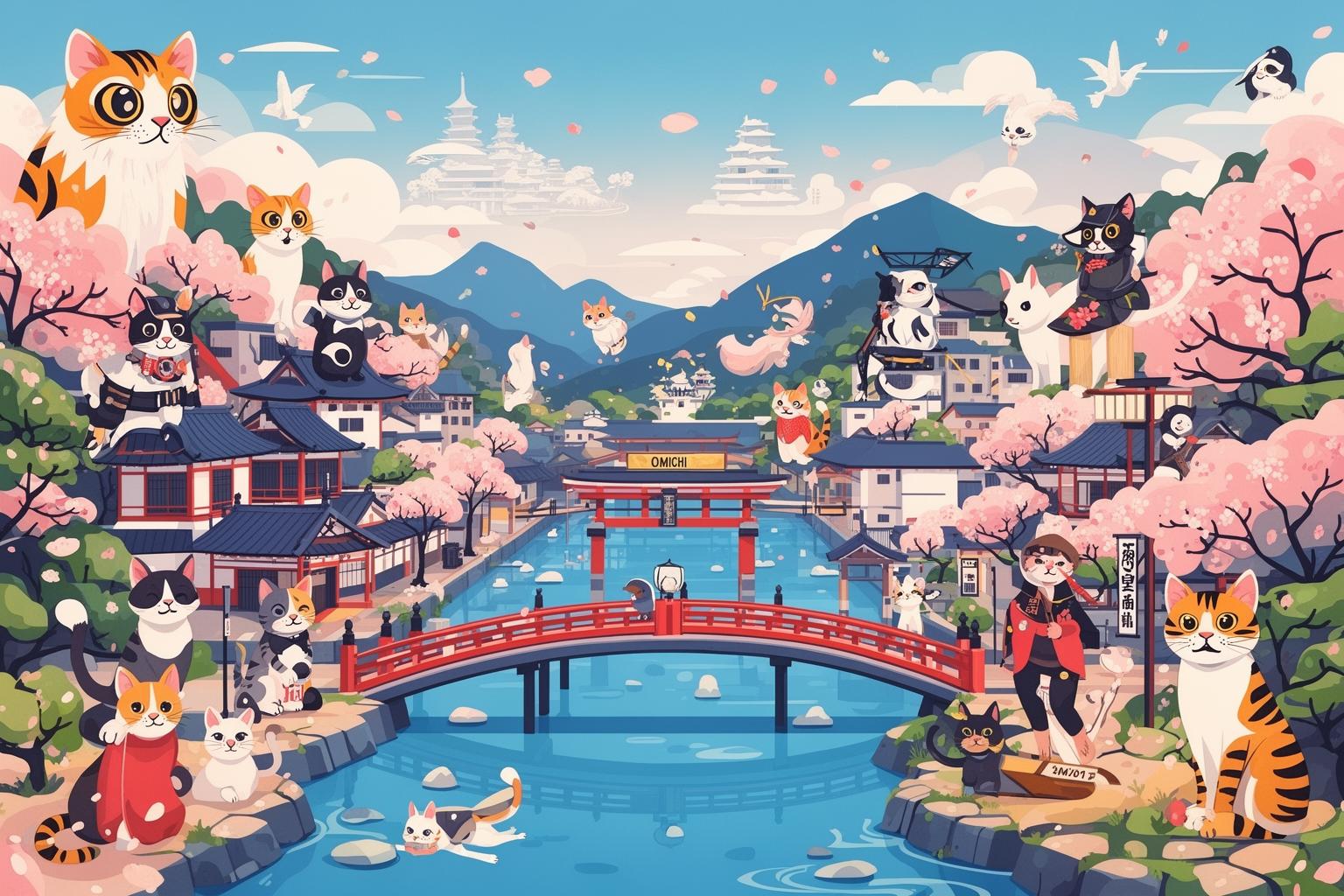
As you descend from the solemn temples, you may find yourself in a place where reality takes on a more whimsical tone. This is the Neko no Hosomichi, or Cat Alley. This narrow, winding path showcases Onomichi’s playful and artistic spirit. It’s a living art project dedicated entirely to our feline companions. The alley is renowned for its friendly stray cats, who bask in sunbeams and greet visitors with curious eyes. But it also hosts a unique collection of art.
Here, hundreds of Fukuishi Neko, or lucky stone cats, can be found. These smooth, round stones are painted with charming and humorous feline faces by local artist Shunji Sonoyama. They peek out from mossy walls, rest on ledges, and gather in small groups, creating a delightful treasure hunt for visitors. The alley leads to the Maneki-neko Museum, a quirky space housed in an old building brimming with thousands of beckoning cat figurines from across Japan. It’s a colorful, slightly eccentric tribute to this beloved symbol of good fortune.
The atmosphere in Cat Alley is one of pure joy. It feels like stepping into a storybook—a world where cats are the guardians of art and whimsy. This fantastical quality also makes Onomichi an ideal setting for anime. Fans of series like “Kamichu!” and “Tamayura” will recognize familiar scenes throughout the town. The intricate network of stairways, railway crossings, and sweeping sea views are all rendered with loving detail. Undertaking an anime pilgrimage here feels natural, as the town’s inherent charm and layered reality possess a dreamlike, animated quality.
The Gateway to the Sea of Islands
Onomichi’s essence is deeply connected to the water, serving as the majestic gateway to one of Japan’s most remarkable adventures: the Shimanami Kaido. This 70-kilometer cycling route is a stunning blend of engineering and natural beauty, linking Japan’s main island of Honshu with Shikoku via six smaller islands and spectacular bridges crossing the Seto Inland Sea. It is consistently hailed as one of the world’s top cycling paths, and for good reason.
The journey transcends a simple bike ride; it immerses you in the tranquil lifestyle of the Setouchi region. Safe, well-marked cycling paths lead you away from traffic and through citrus groves, quaint fishing villages, and pristine beaches. Each island has its distinctive charm, from the art installations on Ikuchijima to Innoshima’s pirate heritage. The bridges themselves are stunning architectural marvels, offering breathtaking views over the island-dotted sea.
A Taste of the Ride
You don’t need to be a serious cyclist to enjoy the magic of the Shimanami Kaido. A great way to spend an afternoon is by sampling a bit of the adventure. Many rental shops near Onomichi harbor provide a variety of bicycles, including electric-assist models. From there, a brief five-minute ferry ride takes you across the channel to Mukaishima, the first island on the route. Even cycling for just an hour or two, feeling the sea breeze and seeing Onomichi from a fresh perspective, is wonderfully liberating. It lets you join in the spirit of the grand journey without committing to the entire multi-day route.
The Flavors of the Port
A town defined by its port is equally defined by its cuisine. Onomichi rewards all that climbing and exploring with delicious fare. The city’s signature dish is Onomichi Ramen—a deceptively simple yet deeply satisfying bowl of noodles in a soy sauce-based chicken and seafood broth. Its standout ingredient is seabura—rich pork back fat—that melts into the soup, adding profound depth of flavor. Numerous ramen shops line the streets, each boasting its own loyal fans, all serving this local comfort food.
Beyond ramen, the proximity to the Seto Inland Sea ensures a wealth of fresh seafood. Seek out small eateries in the covered shotengai shopping arcade, a charming, retro commercial tunnel offering everything from local produce to traditional sweets. This area is also the heart of Japan’s citrus region, so be sure to sample products made with Setouchi lemons, known for their bright, refreshing flavor. Enjoying a lemon-flavored ice cream or a bottle of fresh juice is the perfect way to refresh yourself after a long walk.
Practical Steps for Your Pilgrimage
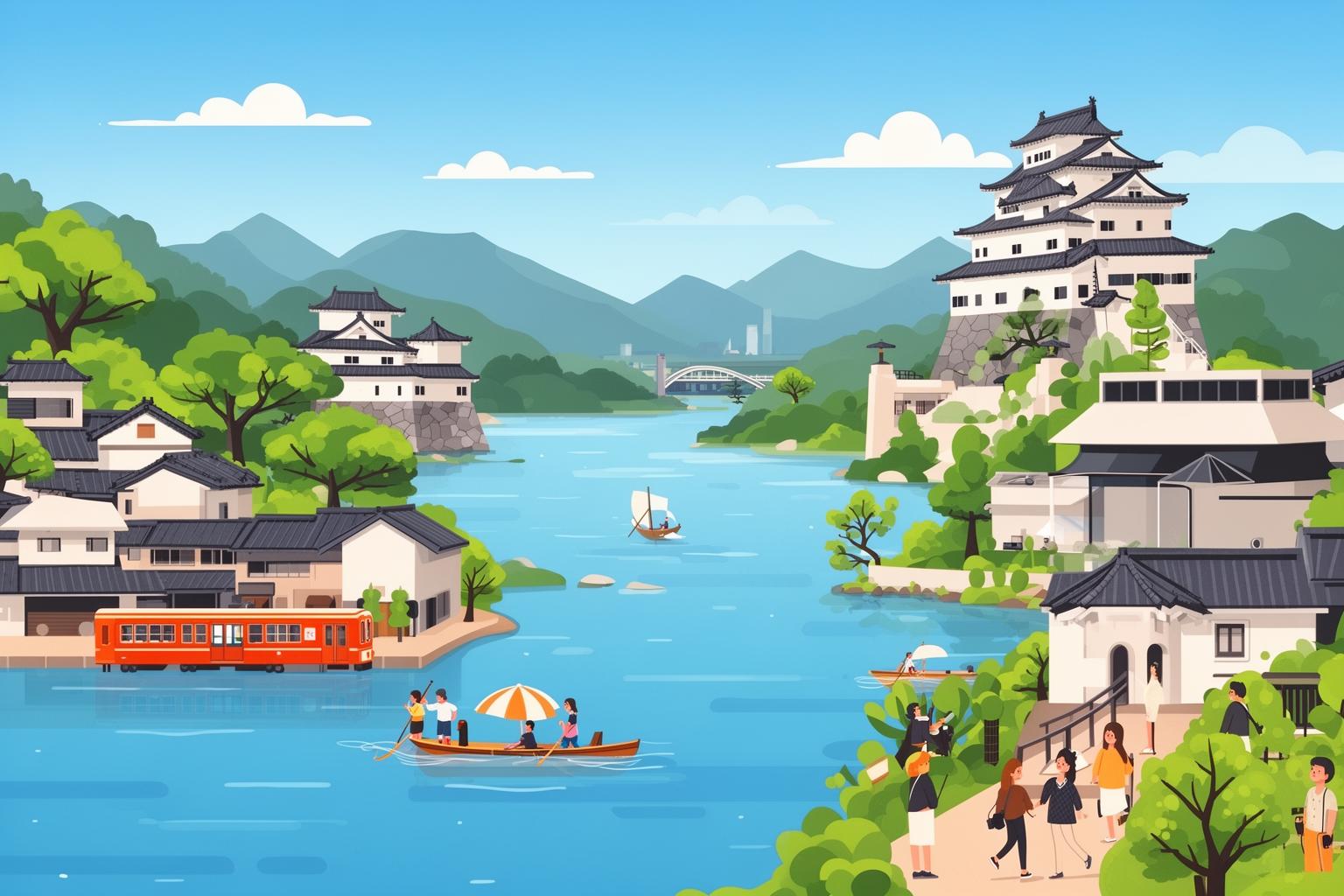
Onomichi is a town best appreciated through slow, deliberate exploration, and with a bit of planning, your visit can be both smooth and enjoyable. Its charm comes from its vertical layout and old-world design, which often surprises first-time visitors.
Getting Your Bearings
Although the Sanyo Shinkansen (bullet train) stops at Shin-Onomichi Station, this station is located several kilometers from the city center. The easiest way to reach Onomichi is to take the Shinkansen to Fukuyama or Mihara Station and transfer to the local Sanyo Main Line. This route leads directly to Onomichi Station, ideally situated by the waterfront and serving as the perfect starting point for exploring the town on foot. Stepping out of this station, you’ll find the sea ahead and a temple-covered hill behind you—everything is within easy reach.
Navigating the Slopes and Streets
This cannot be emphasized enough: wear comfortable walking shoes. Onomichi is a city built on a slope. The Temple Walk and many of the town’s most charming spots are only reachable by long, sometimes steep, stone staircases. While the Senkoji Ropeway offers a scenic and less strenuous ride up the mountain, the best way to experience the town is by embracing the climb. A popular approach is to take the ropeway up to the park, then wander back down through the Temple Walk, letting gravity assist your descent. When exploring the islands, local ferries are frequent, affordable, and easy to navigate; they are an essential part of the transport system and enjoyable to ride.
Timing Your Visit
Like much of Japan, Onomichi is beautiful year-round, but spring and autumn provide the most comfortable weather for extensive walking. In late March to early April, cherry blossoms in Senkoji Park beautifully frame the sea views. In October and November, crisp autumn air and clear skies make ideal conditions for cycling and hiking. Summers can be hot and humid, though the coastal breeze offers some relief. Winters are generally mild and quiet, perfect for a more solitary and peaceful visit. To truly absorb the atmosphere, consider staying overnight. Watching the city and harbor lights twinkle to life as dusk falls is magical and lets you enjoy the town after the day-trippers have left.
An Invitation to Linger
Onomichi is more than a destination; it’s an experience. It’s the feeling of time slowing down, of history whispering through the cracks in the pavement, and of art blending into everyday life. It’s a town that doesn’t impress with grand monuments but captivates you with thousands of small, beautiful details: a cat napping on a sunlit temple roof, the delicate woodwork of an old merchant’s house, the lingering taste of salt and ramen on your lips. It’s a place that encourages you to set your map aside for a while and simply explore, to climb a staircase just to see where it ends, to follow a narrow alley just to find the view beyond. This is the pilgrimage of Onomichi—a journey not to a single sacred site, but through a sacred landscape where each step uncovers another layer of its quiet, lasting spirit. It’s an invitation to climb, to see, and to remember.