There’s a specific shade of green that exists only in memory and myth, until you set foot on Yakushima. It’s a primal, breathing green, saturated with rain and time. For anyone who has ever been captivated by the fierce, beautiful world of Hayao Miyazaki’s masterpiece, Princess Mononoke, this island off the southern coast of Kyushu, Japan, feels like a homecoming. This is not merely a filming location; it is the very soul-stuff from which that animated epic was forged. Yakushima is where the veil between the modern world and the age of gods feels impossibly thin. It’s a place where the forests are not just scenery, but characters in a story that began millennia before humanity. As a photographer, I came seeking to capture the spirit that so deeply inspired Studio Ghibli, but I discovered that the island’s reality is even more profound and magical than its cinematic reflection. This is a journey into the heart of an ancient world, a UNESCO World Heritage site that guards some of Japan’s oldest living things, a pilgrimage for admirers of art and the untamed wild.
The lingering enchantment of Yakushima’s primeval woods invites one to experience the Kodama pilgrimage and delve deeper into nature’s timeless embrace.
The Call of the Kodama: An Island Forged in Myth
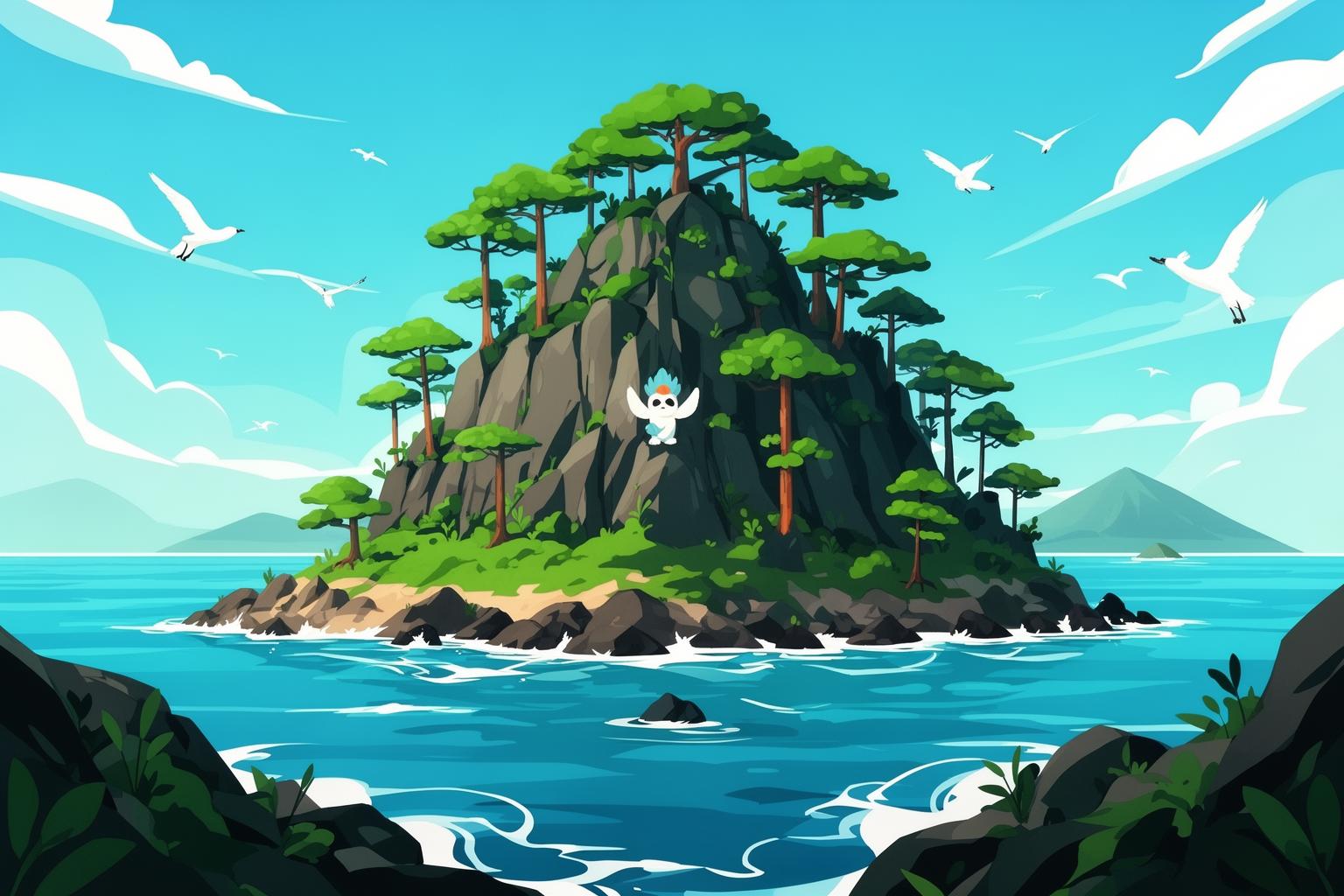
To grasp Yakushima’s deep connection to Princess Mononoke, you first need to understand the concept of kodama—the spirits believed to dwell within ancient trees. When Miyazaki and his team scouted locations, they weren’t merely seeking a backdrop; they were searching for a forest that felt alive, where every twisted root and moss-covered branch seemed infused with spirit. They found that place here. As you walk through the island’s dense forests, you can almost hear the subtle, curious rustle of the film’s iconic tree spirits. The air itself feels ancient, heavy with moisture and the scent of decay and renewal. Although no single spot on Yakushima perfectly matches a scene from the film, the whole island serves as its spiritual blueprint. The towering Yakusugi cedars, some thousands of years old, stand like silent, watchful gods. Streams wind through granite boulders with timeless patience, while moss blankets the forest floor in countless shades of emerald, creating a landscape that feels both deeply real and enchantingly otherworldly. For fans, it’s an emotional journey—an opportunity to walk through the very heart of the Deer God’s realm and experience the raw, untamed power of nature that San, the Wolf Princess, fought so fiercely to protect.
Journey to the Moss-Covered Kingdom: Shiratani Unsuikyo Ravine
The place most closely connected to Miyazaki’s vision is Shiratani Unsuikyo, an expansive nature park featuring a trail section aptly named ‘Mononoke Hime no Mori’ or ‘Princess Mononoke’s Forest.’ Here, the cinematic dreamscape and the natural world converge most harmoniously. It serves as the core of many pilgrimages and never fails to impress. The instant you step from the trailhead onto the path, the outside world fades away, replaced by a profound, resonant silence interrupted only by the drip of water and the whisper of wind through the treetops.
Breathing in the Emerald Air
The sensory experience at Shiratani Unsuikyo is overwhelming. The air is cool and dense, so saturated with oxygen and humidity that each breath feels like a sip of pure vitality. Light struggles to filter through the thick canopy, and when it does, it streams in ethereal beams, illuminating mist curtains and making the moist moss glow with an inner radiance. It’s a realm of texture. Your fingers instinctively want to brush the velvety moss, the rough, wrinkled cedar bark, and the cold, smooth surfaces of granite stones. Green is the dominant hue, but it’s a living palette—from the pale, almost white lichen clinging to branches to the deep, dark jade moss carpeting entire fallen logs. The soundscape is equally rich, filled with the constant murmur of the ravine’s streams, the rhythmic drip of water from leaf to leaf, and the distant call of Yakushima macaques. It is an intensely meditative place, inviting you to slow down, listen, and truly see.
Tracing the Ancient Trails
Shiratani Unsuikyo offers a variety of well-kept trails suited to different fitness levels and time frames. The paths—a combination of earthen trails, stone steps, and wooden boardwalks—lead you through this otherworldly terrain. You can choose a short, one-hour loop to visit the magnificent Yayoisugi, a cedar estimated to be 3,000 years old, or take on the more demanding four-to-five-hour trek to the Taikoiwa Rock viewpoint. This longer route passes through the heart of the ‘Mononoke Forest,’ a clearing where the ground is covered by a thick, undulating moss carpet. It’s a stunning sight—a natural amphitheater of green that feels sacred and untouched. The final climb to Taikoiwa Rock is steep, requiring the use of ropes in several sections, but the payoff is one of the island’s most spectacular views—a sweeping panorama of endless green treetops and granite peaks. A crucial tip: the island’s weather is famously unpredictable. Rain isn’t just likely; it’s guaranteed. Embrace it. The forest is arguably at its most beautiful when veiled in mist and sparkling with rain, its colors deepened and its atmosphere intensified.
A Photographer’s Note: Capturing the Unseen
Photographing Shiratani Unsuikyo is an exercise in subtlety. The scale is grand, but the true magic lies in the details. Low light and high humidity pose technical challenges. A sturdy tripod is essential for sharp images during long exposures beneath the dense canopy. A polarizing filter is invaluable, cutting glare from wet leaves and rocks, which enriches the greens and deepens shadows, lending a painterly quality to your photos. Rather than focusing solely on wide, sweeping views, turn your lens to the minute worlds at your feet: the delicate moss patterns, water droplets clinging to spider webs, the twisted texture of cedar roots. This is a place that rewards patience. Wait for the light to change, for the mist to drift in, for a moment of stillness. The aim is not just to document how the forest looks, but to capture how it feels—ancient, vibrant, and utterly magical.
In the Realm of Giants: The Jomon Sugi Quest
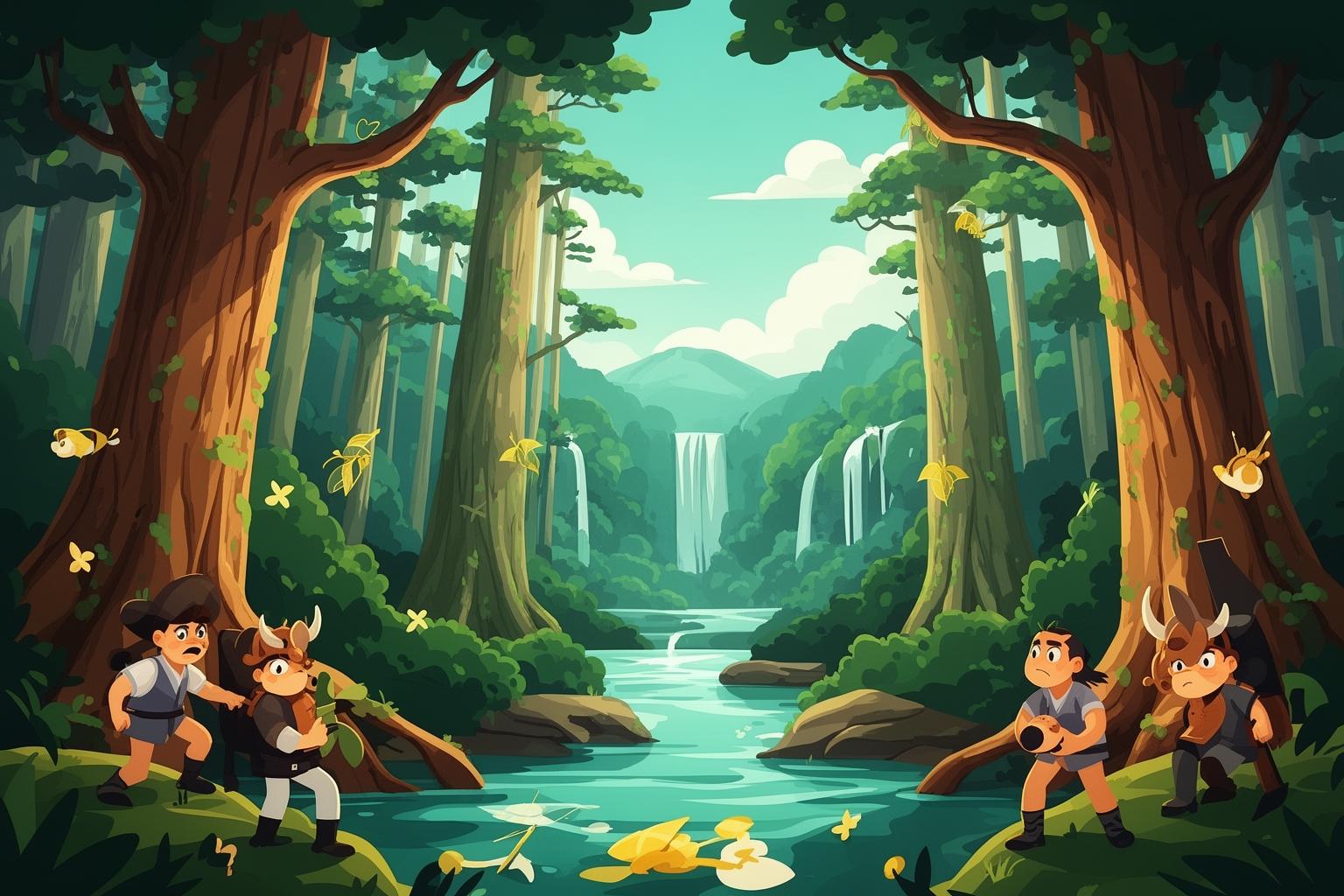
If Shiratani Unsuikyo represents the poetic essence of Yakushima, then the trek to Jomon Sugi is its heroic epic. This is a much more demanding journey—a full-day pilgrimage that challenges your stamina and rewards you with the chance to encounter one of the oldest trees on Earth. Jomon Sugi is a massive Yakusugi cedar, estimated to be between 2,170 and 7,200 years old. Standing before it is a humbling experience, offering a moment of connection with a living being that has witnessed millennia of history.
The Anbo Trail: A Path Through Time
The most popular route to Jomon Sugi is the Anbo Trail, covering roughly 22 kilometers and taking about ten to twelve hours for a round trip. The day starts before dawn, with hikers taking a bus to the Arakawa trailhead. The initial hours of the hike feel surreal as you follow the path of a defunct logging railway known as the ‘torokko’ line. This flat, easy walk on wooden planks laid over the tracks creates a strange and beautiful contrast: remnants of an industrial past weaving through a wilderness that feels timeless. This section of the trail sets a steady rhythm, but it’s only a prelude. When the tracks end, the real mountain climb begins—a steep and demanding ascent through the forest’s heart, passing other magnificent ancient cedars along the way. You’ll cross streams via suspension bridges and navigate a maze of enormous roots, each step drawing you deeper into a primeval world.
An Audience with an Elder
The trail passes several remarkable sights, including Wilson’s Stump—the enormous remains of a cedar felled centuries ago. You can enter the hollow stump, where looking upward reveals a perfect heart-shaped opening to the sky—a beloved spot for photographers and romantics alike. Yet nothing prepares you for the moment you finally reach the viewing platform for Jomon Sugi. The tree is so vast, gnarled, and powerful that it appears less like a plant and more like a geological formation brought to life. Its bark is a landscape of ridges and valleys, its branches stretching out like ancient arms. Because of its age and significance, approaching the tree directly is no longer allowed, but the specially built platform provides a respectful distance from which to admire its immense scale and ancient grandeur. The return journey is long and exhausting, but you walk away with a renewed sense of perspective, the image of that ancient giant forever etched in your memory. It serves as a profound reminder of nature’s resilience and our fleeting place within the vast tapestry of time.
Beyond the Ancient Forests: The Soul of Yakushima
While the forests are the island’s primary attraction, the essence of Yakushima also lies in its striking coastline and the resilient communities that inhabit it. To truly appreciate the island, one must grasp the relationship between its mountains and the surrounding sea. The island is essentially a vast granite mountain rising from the ocean floor, and this geology influences every aspect of life here.
The Rhythms of the Coast
The island’s edge reveals a different kind of wild beauty. Driving along the winding coastal road, you’ll be greeted by breathtaking views of the East China Sea crashing against rugged cliffs. Nagata Inakahama Beach, a golden sandy stretch on the northwest coast, serves as a crucial nesting ground for endangered loggerhead and green sea turtles. From May to August, visitors can join guided night tours to witness the extraordinary sight of female turtles coming ashore to lay their eggs. On the southern coast, the island’s geothermal activity is evident in its unique seaside onsen, or hot springs. The Hirauchi Kaichu Onsen is perhaps the most renowned, a series of natural rock pools submerged by the ocean and accessible only for a few hours daily during low tide. Soaking in these volcanically heated waters with waves lapping just feet away is an unforgettable and quintessentially Japanese experience.
The Island’s Pulse: Miyanoura and Anbo
The two main towns, Miyanoura in the north and Anbo in the east, serve as the key ports and centers of island life. They are not polished tourist destinations but functional, welcoming communities offering accommodation, restaurants, and gear rental shops. Be sure to try the local cuisine. Yakushima is well known for its ‘tobiuo’ (flying fish), often served fried whole, fins included, making for a crispy, delicious treat. The island also produces excellent shochu, a distilled spirit typically made with local sweet potatoes and pure mountain water. Engaging with the local culture, even in small ways such as dining at a family-run restaurant, enriches your visit. You quickly come to see that the people of Yakushima have a profound respect for the powerful nature around them, living in harmony with the seasons, the tides, and the constant rain.
Practical Lore for the Intrepid Traveler
A trip to Yakushima demands more careful planning than a visit to a major Japanese city, but this challenge adds to its charm. The destination rewards thorough preparation with a smooth and deeply rewarding experience. Consider it as gearing up for even a small expedition into a forgotten world.
Reaching the Lost World
Your trip will almost always start in Kagoshima, the southernmost major city on Japan’s main island of Kyushu. From there, you have two main options. The quickest is the high-speed jetfoil ferry, known as the ‘Toppy’ or ‘Rocket,’ which makes the crossing in about two to three hours. It is efficient and comfortable but may be canceled during rough seas. The slower, more traditional car ferry takes around four hours, but it is steadier in bad weather and lets you bring a vehicle from the mainland. Additionally, Yakushima has a small airport with multiple daily flights from Kagoshima and direct connections to larger cities such as Fukuoka and Osaka, making it surprisingly reachable for such a seemingly remote place.
Navigating the Island
Upon arrival, your next concern is getting around. Although a public bus system circles the island, its schedule is infrequent and might not suit the early starts needed for major hikes like the Jomon Sugi trail. To explore Yakushima at your own rhythm and reach more remote trailheads and coastal areas, renting a car is by far the best choice. The main roads are well-maintained, but be ready for narrow, winding sections, especially in the mountainous interior. Driving here is an adventure in itself, with monkeys and deer frequently appearing by the roadside. Book your rental car well ahead of time, particularly during peak travel periods like Golden Week in spring or Obon in summer, as the island’s fleet is limited.
When the Sky Weeps: Weather and Seasons
A local saying claims it rains ’35 days a month’ on Yakushima. This is only a slight exaggeration. As one of the wettest places in Japan, rain is a fundamental part of the island’s character and the reason its forests are so lush and vibrant. Don’t let the forecast discourage you; instead, arrive well-prepared. High-quality waterproof gear—from jackets and pants to hiking boots—is vital. The most favorable times to visit are generally spring (March to May), when mountain rhododendrons bloom, and autumn (October to November), when the air cools and the skies often clear. Summer is hot and humid, the peak season for both tourists and typhoons, but it’s also the best period for sea turtle spotting. Winter sees fewer visitors and offers a peaceful atmosphere, with snow often dusting the highest peaks, occasionally closing mountain trails.
A Note on Respect and Preparation
Yakushima’s ecosystem is both powerful and delicate. As visitors, it is our duty to protect it. Always follow ‘leave no trace’ principles on all trails—carry out everything you bring in. Use the designated toilet facilities at trailheads and mountain huts. For longer hikes, submit a hiking plan to the local police or a tourist information center. This is true wilderness, and safety must be your top priority. Lastly, book your accommodation, rental car, and any guided tours well in advance. Yakushima is a popular destination among both Japanese and international travelers, and waiting until the last moment can lead to disappointment.
An Echo in the Soul
You don’t simply leave Yakushima behind; you carry it with you. You hold onto the sensation of rain on your skin, the aroma of moist earth, and the awe-inspiring sight of a tree that has stood since before the pyramids were built. It’s a place that realigns your perspective on time and scale. It serves as a powerful reminder that the worlds of myth and nature are intertwined. To walk through the forests that inspired Princess Mononoke is to grasp Miyazaki’s message on a deep, almost cellular level—the urgent, fierce necessity to protect these sacred, living places. You arrive as a tourist, a hiker, or a film enthusiast, but you depart as a pilgrim, with the whispers of ancient gods resonating in your soul, forever transformed by the enduring magic of the island’s green heart.