There are moments in cinema that transcend the screen, imprinting themselves not just on our minds, but on our sense of place. Makoto Shinkai’s masterpiece, Your Name (Kimi no Na wa), is a film woven from such moments—a breathtaking tapestry of aching distance, cosmic connection, and landscapes so vividly rendered they feel like memories we’ve personally lived. The fictional town of Itomori, with its serene lake and ancient traditions, became a character in itself, a place millions yearned to visit. While Itomori is a creation of Shinkai’s imagination, its soul is anchored in the very real, very tangible world. One of its most significant heartbeats can be found in the quiet, charming town of Hida-Furukawa, nestled deep within the mountainous Gifu Prefecture. To walk the streets of Hidafurukawa is to trace the footsteps of the film’s characters, Taki and Mitsuha. It’s a pilgrimage not just to a filming location, but into the emotional core of a story that captured the world’s imagination. This is a journey into a town where the whispers of animation echo through cedar-lined streets and the gentle flow of carp-filled canals, a place where the barrier between fiction and reality feels beautifully, breathtakingly thin.
For those looking to experience more of this mesmerizing cinematic pilgrimage, explore the real-life journey that connects the film’s iconic landscapes with heartfelt tradition.
The Arrival: An Echo at Hida-Furukawa Station
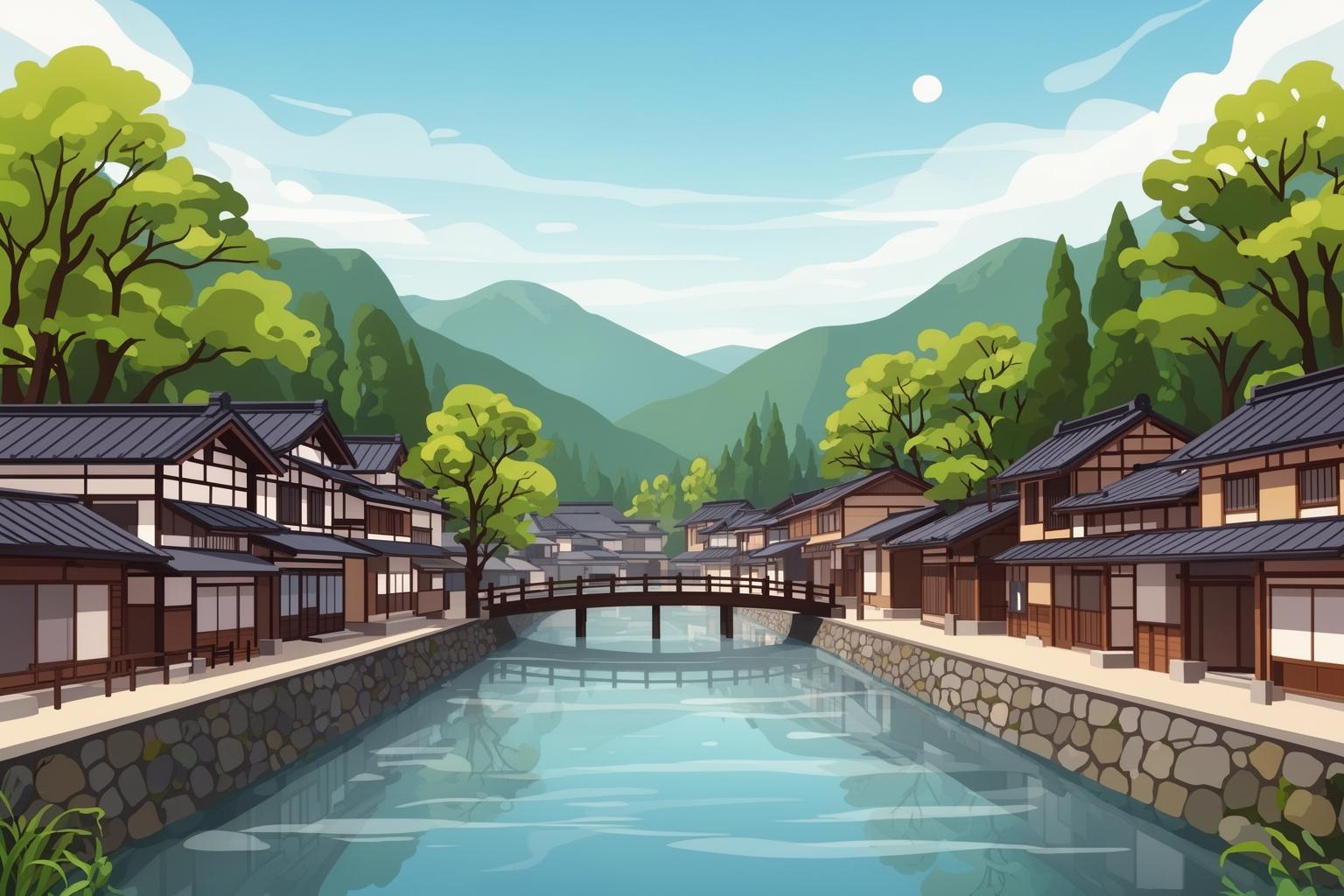
Your pilgrimage begins the moment you step off the train, just as Taki’s desperate search for Mitsuha did. The JR Hida-Furukawa Station serves not only as a transit point but as the town’s cinematic gateway. The open-air footbridge crossing the tracks, the distinctive wooden architecture of the station building, the quiet platform where a single train car might wait patiently—each detail is a direct reflection of the film. Standing here, you can almost sense the weight of Taki’s quest, the uncertainty and hope driving him forward. The broad, panoramic view of the tracks stretching toward the distant, forest-covered mountains is exactly as Shinkai portrayed it. It’s a powerful, goosebump-inducing moment of recognition.
Inside the station, you’ll find a small yet enthusiastic display of Your Name memorabilia, a clear tribute to the film’s fans who undertake this journey. But don’t overlook the other local celebrity waiting just outside: a life-sized statue of Hidakuro, the town’s cheerful black cow mascot. It’s a charming reminder that while this station is a sacred place for anime fans, it remains the vibrant heart of a real, working community. Take some time to observe the station’s rhythm. The Takayama Main Line, which serves this route, is not a bustling metropolitan railway. Trains are infrequent, often arriving with only one or two cars. This slower pace is part of the town’s character. It encourages you to pause, breathe in the crisp mountain air, and appreciate the journey itself—a scenic ride winding through dramatic river gorges and lush valleys, preparing you for the tranquility of Hida. For first-time visitors, checking the train schedule ahead of time is crucial, as missing a connection could lead to a long, quiet wait. But perhaps, in a place like this, that’s not such a bad thing.
Weaving a Connection: Art, Tradition, and a Fateful Thread
The braided cord, or kumihimo, serves as the central metaphor in Your Name. It symbolizes connection, the passage of time, and the intertwined destinies of Taki and Mitsuha. This ancient craft is more than a narrative tool; it is a deeply rooted Japanese tradition, and Hida-Furukawa provides an opportunity to experience it firsthand. While the film situates the tradition within Mitsuha’s family shrine, the essence of this craft permeates the Hida region, renowned for its skilled artisans.
The Library of Memories
A key moment in Taki’s search occurs in a library where he finally uncovers the truth about Itomori. The beautiful, spacious interior was directly inspired by the Hida City Library, a stunning example of modern architecture located just a short walk from the station. With its warm wooden finishes, soaring ceilings, and soft light filtering in through large windows, the building offers a peaceful sanctuary of knowledge. Entering feels like stepping into the film itself. You can almost picture Taki and his friends leaning over documents, searching desperately for a town that has seemingly disappeared from memory.
It is important to remember, however, that this is a functioning public library. Visitors are always welcome, but maintaining respectful silence is essential. Photography in the main reading areas is generally prohibited to protect the privacy of local patrons. However, the librarians are well aware of the building’s fame. If you approach the front desk and politely ask, they may allow you to take a photo from a designated spot. They even have a small guest book for Your Name pilgrims to sign. This quiet, respectful interaction is part of the experience. It serves as a reminder that this pilgrimage is about honoring a living culture, not just capturing images for social media. The true magic lies in sitting down in one of the comfortable wooden chairs, gazing up at the intricate ceiling, and sensing the quiet, intellectual atmosphere that helped Taki unravel the mystery of his connection to Mitsuha.
Crafting Your Own Connection
To fully grasp the significance of the kumihimo, you need to feel the threads in your own hands. Several local shops in Hida-Furukawa offer workshops where you can braid your own cord using a traditional wooden stand called a marudai. The process is both meditative and rhythmic. You cross the weighted bobbins over one another following a specific pattern, and gradually, a beautiful, intricate cord forms at the center. It’s a tangible embodiment of what the film so poetically conveys: individual threads, seemingly separate, coming together to create a single, strong, and beautiful whole. The instructors, often local artisans with years of experience, guide you with gentle patience. As you work, you develop a deeper appreciation for the skill and history behind this craft, and you leave not just with a souvenir, but with a personal, handcrafted piece of the story.
A Stroll Through Old Japan: Canals, Koi, and Storehouses
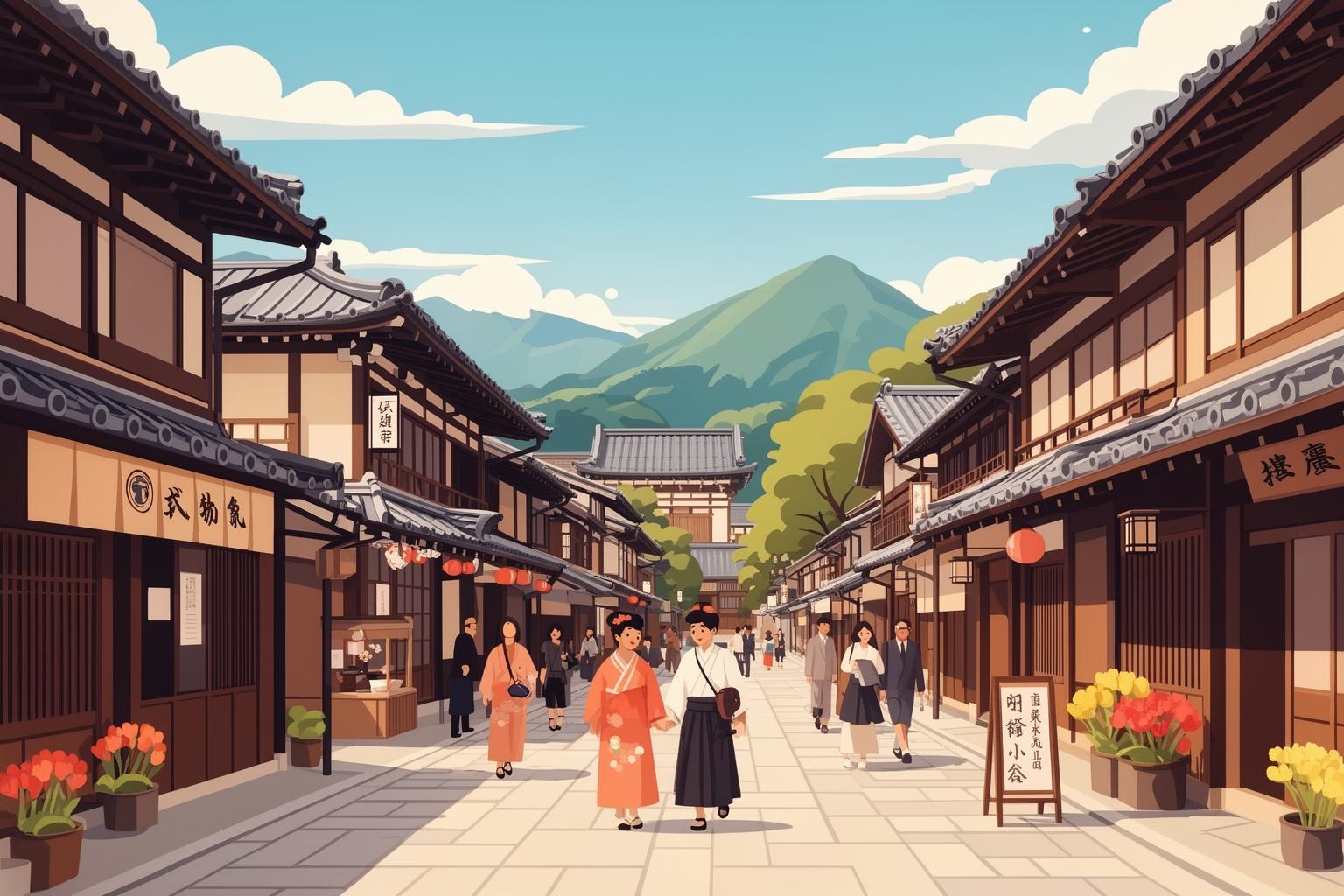
Beyond its association with Your Name, Hida-Furukawa boasts a timeless charm uniquely its own. At the heart of the town lies the historic Shirakabe Dozogai, known as the “White-Walled Storehouse District.” Here, the Seto River—a narrow canal filled with thousands of vibrant orange, white, and black koi fish—runs alongside streets adorned with stunning white-walled kura (storehouses) and traditional dark-wood merchant houses. This scene captures the quintessential essence of old-world Japan, radiating a profound sense of peace and elegance. The gentle sound of flowing water, the dark lattice windows, and the abundance of graceful koi swimming below create an atmosphere that feels worlds away from modern life.
The Rhythm of the Seasons
This charming landscape evolves with the seasons, revealing a unique kind of magic with each visit. In spring, cherry blossoms frame the canals in soft pink hues, their petals gently drifting on the water’s surface. Summer blankets the area in lush, deep green, making the koi stand out even more vividly against the dark water. Autumn transforms the surrounding mountains into a blaze of fiery reds and golds, a beautiful reflection mirrored in the canal. In winter, a delicate layer of snow silences the town, covering traditional rooftops and providing a striking contrast to the dark wooden beams and flowing water. During these colder months, the koi are moved to a deeper pond, but the tranquil, snow-covered scene holds its own distinctive charm. Strolling slowly along the canal is arguably the quintessential Hida-Furukawa experience—a moment to absorb the town’s rich history and admire the careful preservation of its timeless beauty.
The Taste of a Mountain Town
No visit is complete without indulging in the local cuisine, which is deeply rooted in Hida’s mountain terroir. For Your Name enthusiasts, a must-visit is Ajidokoro Furukawa, a quaint restaurant believed to have inspired the spot where Taki and his friends dine during their search. Here, you can sample goheimochi, a regional specialty consisting of skewered and grilled rice cakes glazed with a sweet and savory miso and walnut sauce. This rustic, comforting snack is perfect fuel for a day of exploration.
Yet Hida’s culinary delights extend far beyond this. The region is renowned for Hida Beef, a wagyu variety famous for its exquisite marbling and melt-in-your-mouth tenderness. It can be enjoyed in numerous ways, from premium steaks to casual Hida-gyu man (steamed buns) sold at street stalls. The pure mountain water also lends itself to exceptional soba noodles and, notably, outstanding sake. Hida-Furukawa hosts two prominent breweries, easily recognizable by the large sugidama (balls of cedar sprigs) hanging outside their entrances. These breweries often offer tastings where visitors can savor the crisp, clean flavors of sake brewed with local rice and pristine water. Immersing yourself in the town’s food culture is another way to connect with its spirit, tasting the history and environment that make this place truly special.
Practical Guidance for Your Journey into the Story
Reaching Hida-Furukawa is part of the adventure—a scenic journey into the heart of the Japan Alps. The most common way to get there is by train to the nearby city of Takayama, a popular tourist destination itself. From Takayama, Hida-Furukawa is just a short 15-minute ride on the JR Takayama Main Line. For travelers coming from major cities like Tokyo or Kyoto, the journey typically includes a Shinkansen (bullet train) to Nagoya or Toyama, followed by a transfer to the scenic Limited Express Hida Wide View train, which offers stunning views as it winds through the mountains.
Living the Local Rhythm
To fully experience the atmosphere, consider staying overnight. The town provides a variety of accommodations, ranging from modern hotels to traditional ryokan (inns) and family-run minshuku (guesthouses). Staying in a ryokan offers an authentic cultural experience, often featuring exquisite multi-course kaiseki dinners and the opportunity to relax in a Japanese bath. Waking up to the tranquil morning light of Hida-Furukawa, before day-trippers arrive, is truly magical. It lets you see the town as its residents do, hear the temple bells, and watch the morning mist rise from the canals. As a visitor, your role is to be a respectful guest. This small, quiet town is where people live and work, so keep your voice low, especially in the early morning and evening. Support the small, family-owned shops and restaurants, and always ask permission before photographing people or private homes. By being a mindful traveler, you help preserve the very tranquility that makes this place special and ensure it remains a welcoming destination for future visitors.
A Story Etched in Time
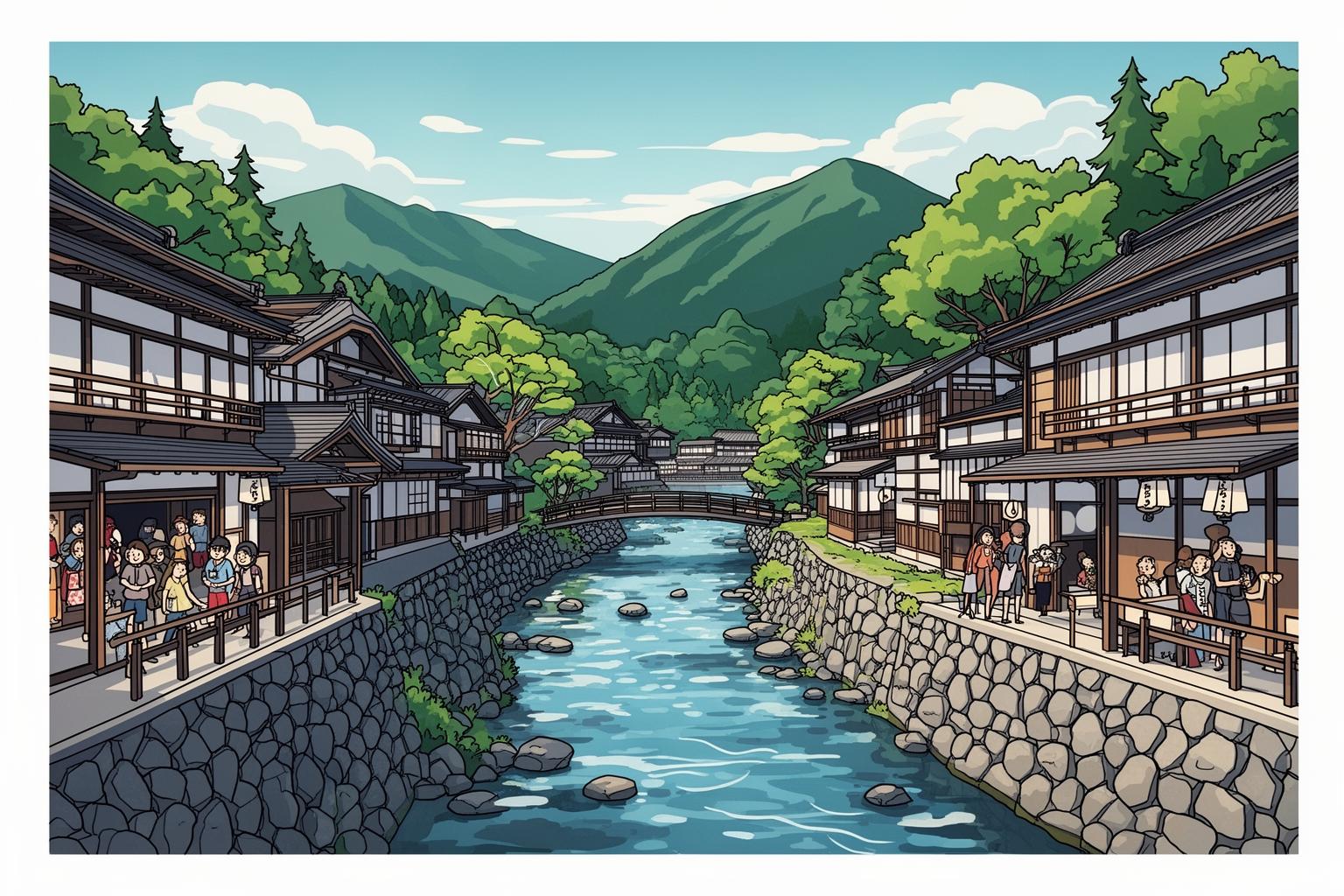
A journey to Hida-Furukawa is more than just an anime pilgrimage. It begins as a quest to locate the real-world sites of Your Name, but soon transforms into something deeper. You arrive hoping to see familiar scenes from the film—the station footbridge, the library’s interior, the quaint town mascot. You find them, and the excitement of recognition is unmistakable. Yet as you explore, listen to the canal’s gentle flow, and savor the mountain flavors, you uncover the town’s own narrative, one that existed long before the film and will endure well beyond it. Here, you encounter a community of artisans, brewers, and storytellers who have maintained their way of life with dignity and pride. You depart with a camera full of images reminiscent of animation cels, but also with the scent of cedar from a sake brewery, the soothing rhythm of crafting a kumihimo cord, and the tranquil calm of a town nestled in the mountains’ embrace. Hida-Furukawa is where the enchanting fiction of Your Name meets the lasting reality of Japanese heritage, forging a connection that, much like Mitsuha’s braided cord, feels genuinely and beautifully destined.