
There are moments in cinema that don’t just tell a story; they imprint themselves onto your soul. They are a fusion of light, sound, and emotion so potent that the world on screen feels as real, as tangible, as the ground beneath your feet. Makoto Shinkai’s masterpiece, “Your Name.” (Kimi no Na wa.), is a symphony of such moments. It’s a film that captured the hearts of millions with its breathtaking animation, its soul-stirring story of connection and loss, and its uncanny ability to make the familiar landscapes of Tokyo feel like the stage for a modern-day myth. The film blurs the line between the celestial and the terrestrial, between a dream and a memory. And for those of us who felt its pull, there’s a longing to step through the screen, to walk the same streets as Taki and Mitsuha, and to feel that same electric spark of possibility in the air. This journey, this act of seeking out the real-world settings of a beloved story, is known in Japan as seichi junrei—a sacred pilgrimage. It’s not just about sightseeing; it’s about finding a deeper connection to the narrative, about letting the story guide your feet through a living, breathing city. Our pilgrimage begins where the film finds its breathtaking, heart-stopping conclusion: on a simple staircase in a quiet Tokyo neighborhood, a place where two souls, separated by time and space, finally ask the question that hangs in the balance for the entire film: “What’s your name?”
Embracing the lingering wonder of a cinematic pilgrimage, many fans choose to dive deeper into the heartfelt ambience of Hida-Furukawa where echoes of the film’s timeless allure still resonate.
The Heart of the Connection: Suga Shrine’s Iconic Steps
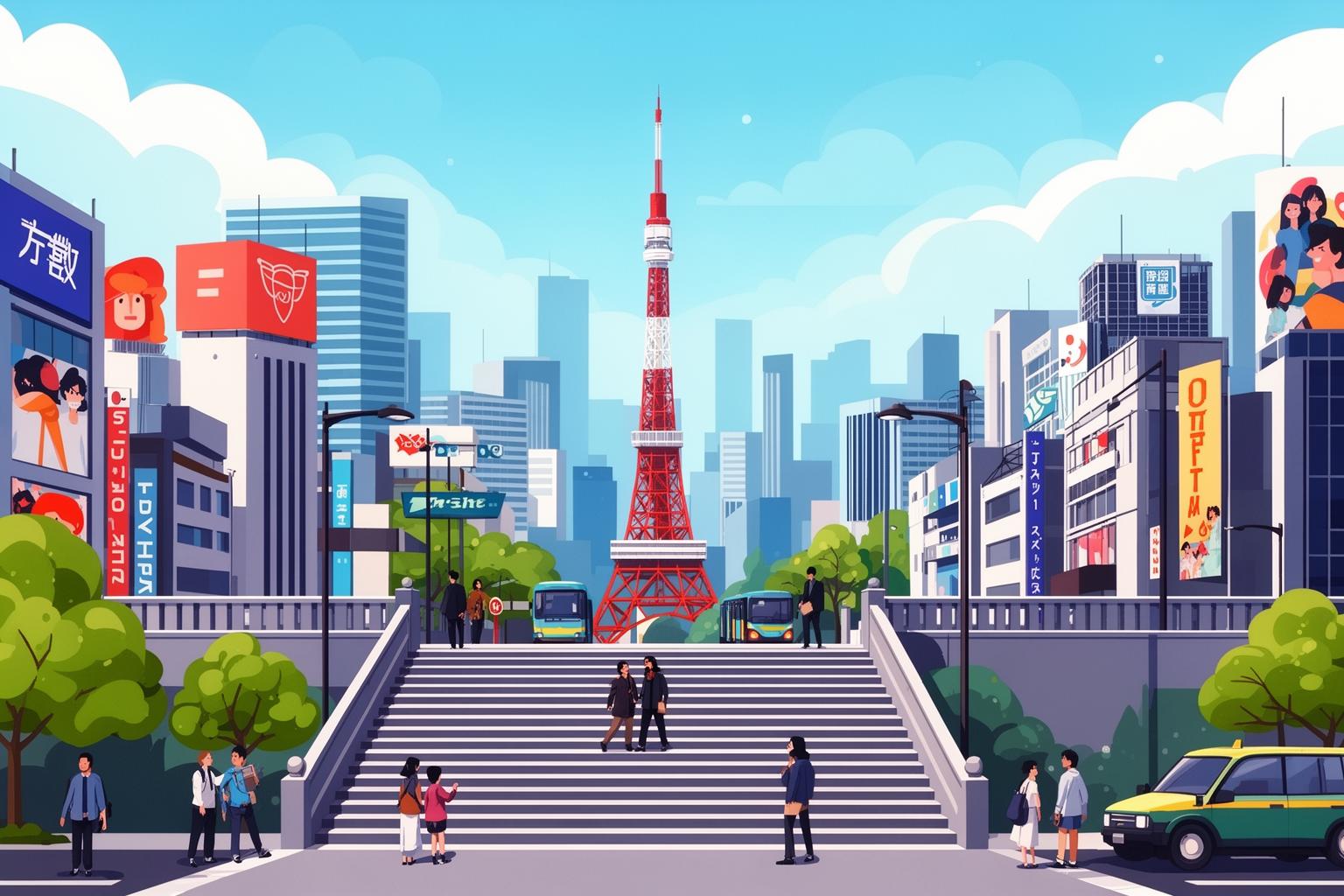
The journey to the Suga Shrine stairs feels like a gradual fade from the bustling symphony of central Tokyo. You leave behind the thunderous heartbeat of the main roads and wander into the quieter, residential streets of Yotsuya. The atmosphere shifts here. The city’s roar softens into a gentle murmur of daily life—the distant chime of a train, the rustling of leaves from carefully tended gardens, and the low hum of conversations drifting through open windows. With each turn, there’s a tangible sense of anticipation, a feeling that you’re nearing something important. Then, suddenly, it appears. Nestled between modest apartment buildings, the staircase rises almost exactly as you recall from the film’s final, cathartic scene. The iconic red handrails cut a vivid streak of color against the cool grey concrete and lush green foliage. It’s a surreal moment—a cinematic echo brought vividly to life. Standing at the base, looking upward, you can nearly sense the weight of Taki and Mitsuha’s parallel journeys, years of searching converging at this one, fateful crossing.
The atmosphere here is distinct—a delicate balance of peaceful reverence and the quiet excitement of fellow pilgrims. You’ll find others gathered, travelers from around the globe drawn to this spot for the same reason. They move gently, with a shared understanding that this is more than just a photo opportunity. It’s a place to feel the story. People reenact the scene, one person at the top, another at the bottom, a silent homage to the film’s powerful climax. It’s a space where strangers share a unique language—not spoken, but expressed through knowing smiles and carefully framed camera shots.
Finding Your Perfect Shot
Capturing the magic of this place demands patience and an eye for detail. Lighting, as with all of Shinkai’s work, is crucial. To truly evoke the film’s mood, aim to visit in the late afternoon. As the sun dips, it casts long, dramatic shadows and bathes the scene in a warm, golden light, mirroring the movie’s visuals. This “magic hour” glow softens the city’s edges and lends a nostalgic, dreamlike feel to your photos. The most iconic shot is from the base of the stairs, looking up toward the landing where the two characters pass. This perspective captures the steep incline and the path’s curve, conveying a sense of journey. Another striking view is from the top, looking down. This vantage reveals the cityscape peeking through the buildings—a constant reminder of the vast urban world Taki inhabits and the world Mitsuha yearns for. Remember, this is a public space in a residential area. Be considerate of residents, keep voices low, and avoid blocking the stairs for long periods. The best photos often come from the quiet moments between camera clicks, when the space simply exists as itself.
Beyond the Stairs: Exploring Suga Shrine
While the stairs are the main draw for anime fans, they are primarily the entrance path—the sandō—to Suga Shrine. After soaking in the cinematic view, continue upward. There, you’ll find a serene, peaceful Shinto shrine, a world apart from the emotional weight below. Suga Shrine is a small, local place of worship that offers a beautiful glimpse into the neighborhood’s spiritual fabric. The air here is calm, scented with aged wood and incense. Observe the traditional prayer rituals: toss a coin into the offering box, bow twice, clap twice, and bow once more. Take a moment to browse the ema, small wooden plaques on which visitors write wishes and prayers. Amid the handwritten hopes for health and success, you’ll undoubtedly spot hand-drawn illustrations of Taki and Mitsuha, left by fellow pilgrims—a testament to the story’s lasting impact. Visiting the shrine adds cultural depth to your pilgrimage, framing the staircase not just as a film set, but as part of a sacred space—a path walked by locals for generations, long before it was immortalized on screen.
Weaving Through Taki’s Tokyo: Shinjuku and Beyond
From the quiet intimacy of Yotsuya, our journey plunges into the vibrant, chaotic, and dazzling heart of Taki’s world: Shinjuku. If Suga Shrine represents the story’s emotional core, Shinjuku is its beating pulse. This is the Tokyo Mitsuha dreamed of—a sprawling metropolis of towering skyscrapers, seas of people, and an endless cascade of neon lights. Stepping out of Shinjuku Station, the busiest train station in the world, is a sensory overload in the best possible way. You are immediately enveloped by the city’s relentless energy. The sheer scale of it all matches the film’s stunning time-lapses, a testament to Shinkai’s incredible attention to detail. Here, Taki navigated his part-time job, met with his friends, and felt the pangs of a connection to a girl he couldn’t quite remember. To walk through Shinjuku is to walk through his memories.
The Crossroads of Fate: Shinjuku’s Scrambles and Sights
Shinjuku’s landscape is dotted with landmarks instantly recognizable from “Your Name.” One of the most prominent is the Cocoon Tower, a futuristic skyscraper with a distinctive crisscross pattern that often punctuates the film’s skyline shots. Nearby, you’ll find the massive pedestrian crossings, especially the one in front of Shinjuku Station’s east exit, which perfectly captures the organized chaos of Tokyo’s crowds. Look up, and you might see the Yunika Vision building, with its three massive LED screens broadcasting advertisements and music videos, just as they do in the movie. To truly experience Taki’s Shinjuku, you must embrace the flow. Let yourself be carried by the river of people, listen to the cacophony of sounds—the train announcements, the j-pop blasting from storefronts, the thousands of simultaneous conversations. For the most cinematic experience, visit after sundown. As dusk falls, Shinjuku transforms. The neon signs ignite, painting the streets in electric blue, magenta, and gold hues, reflecting off the wet pavement on a rainy evening. It’s a breathtaking spectacle that feels as if you’ve stepped directly into one of the film’s most iconic montage sequences.
A Date with Art and Architecture: The National Art Center, Tokyo
For a change of pace and to follow another key plot point, take a short train ride to Roppongi, home to The National Art Center, Tokyo. This stunningly modern location is where Taki has his date with his coworker, Okudera-senpai. The building itself is a masterpiece of glass and steel designed by Kisho Kurokawa. Its undulating glass facade ripples like a wave, creating a dynamic interplay of light and shadow both inside and out. As you step inside, the vast, open atrium instantly evokes the film’s atmosphere. You’ll recognize the two massive concrete cones that anchor the space. On top of one cone sits the Salon de Thé Rond, the very café where Taki and Okudera-senpai sat and talked. The atmosphere here is a world away from Shinjuku’s frenetic energy. It’s sophisticated, serene, and contemplative. Sunlight pours through the glass walls, illuminating the clean lines of the architecture. It’s the perfect setting for the awkward, bittersweet conversation in the movie, highlighting Taki’s growing preoccupation with Mitsuha. You don’t need a ticket to an exhibition to enter the atrium or visit the café. Take the escalator to the second floor, find a seat at the café, and order a coffee. It’s a perfect moment to pause, reflect on your journey, and see the city from a different, more refined perspective.
A Taste of Two Worlds: The Culinary Journey
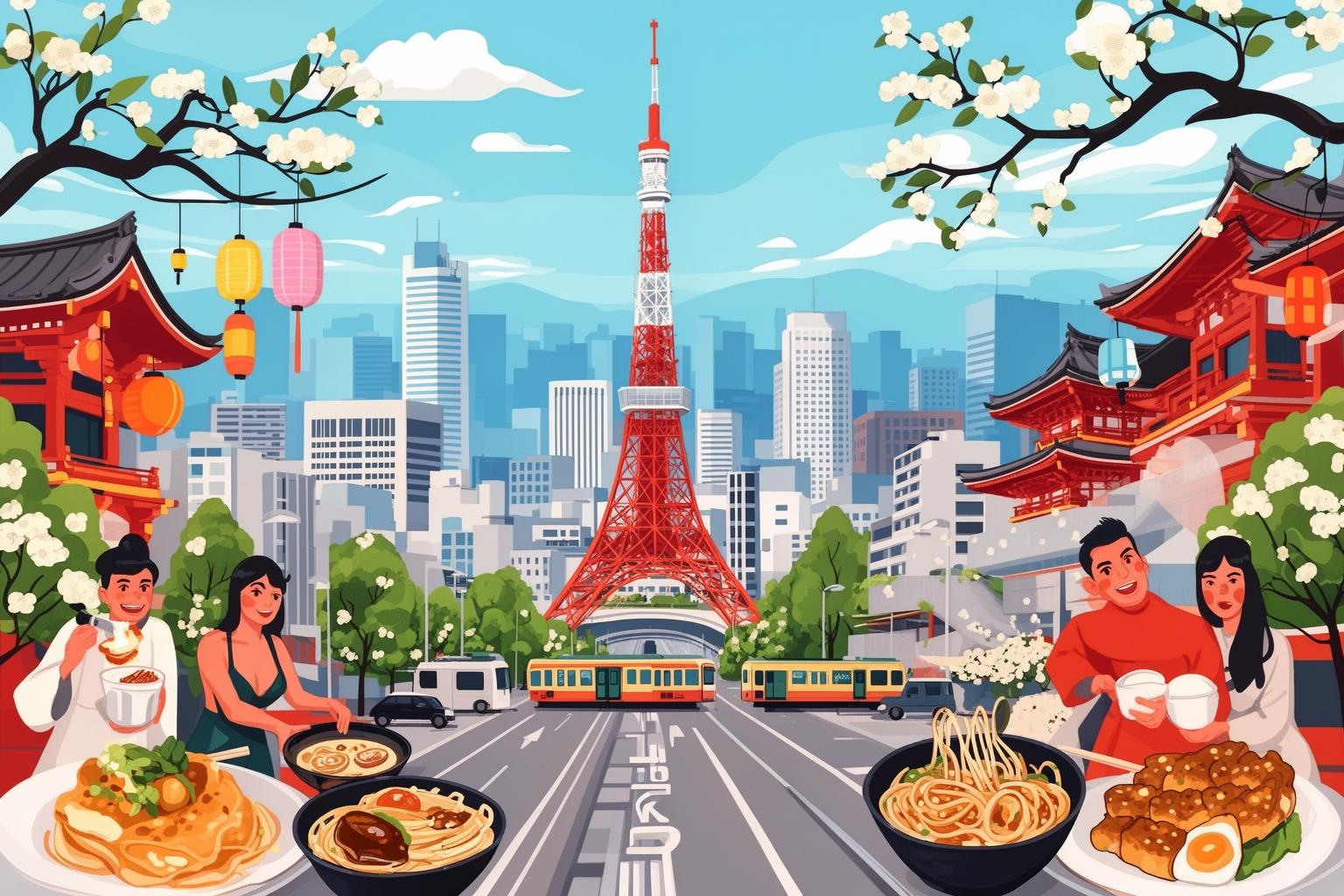
No pilgrimage is truly complete without savoring the local flavors, and the world of “Your Name.” is no different. The food and drink enjoyed by the characters are integral threads woven into the fabric of their everyday lives, anchoring the fantastical story in a relatable reality. From Taki’s stylish workplace to the simple delight of a street-side snack, Tokyo’s culinary scene offers another way to engage with the film’s narrative. It’s an opportunity to nourish your body while feeding your soul, tasting the city that Taki called home.
Dining in Taki’s Footsteps
A top culinary destination for fans is the real-life café that inspired “Il Giardino delle Parole,” where Taki worked part-time as a waiter. This establishment is Cafe La Bohème Shinjuku Gyoen, located just a short walk from Shinjuku Gyoen National Garden. The resemblance is striking. As you approach, the charming European-style facade and leafy entrance will feel immediately familiar. Inside, the grand, high-ceilinged dining room, complete with chandeliers, dark wood details, and a theatrical open-kitchen design, perfectly mirrors its anime equivalent. The restaurant specializes in Italian cuisine, and while a full dinner can be a splurge, you can easily soak in the atmosphere by visiting for lunch or stopping by for a drink and dessert at the bar. Sitting here, it’s easy to imagine Taki expertly weaving through the tables, balancing trays, and sharing lighthearted banter with Okudera-senpai and other colleagues. It’s an immersive experience that makes you feel like a guest in their world.
Everyday Flavors: Fueling Your Pilgrimage
Beyond specific spots, your pilgrimage is also a chance to enjoy the everyday dishes that are an essential part of life in Tokyo and, by extension, anime. Taki’s life as a high school student in the city would have been marked by quick, tasty, and affordable meals. Explore this side of his world by venturing around Shinjuku and Yotsuya’s culinary landscape. Duck into a bustling ramen shop hidden in a narrow alley for a steaming, savory bowl of noodles. Grab a katsu sando (pork cutlet sandwich) or melon pan from one of the many convenience stores, or konbini, which are cultural institutions themselves. These small moments—standing at a counter slurping ramen or enjoying coffee from a vending machine—are just as much part of the Tokyo experience as the city’s grand landmarks. They are the flavors that sustained Taki’s daily life and provide the perfect, authentic fuel for your own urban journey.
Practical Pilgrim’s Guide: Navigating Your Anime Adventure
Embarking on a seichi junrei for “Your Name.” is an incredibly fulfilling experience, and with some planning, it becomes a smooth and easily accessible adventure. Tokyo’s public transportation system is a model of efficiency, making it simple to travel between various locations that make up the constellation of the film’s real-world settings. A well-planned itinerary will help you make the most of your time and fully soak in the atmosphere of each site without feeling hurried. Consider it as choreographing your own journey through the story, moving from one scene to the next at a relaxed pace.
Access and Itinerary
Most of the key Tokyo spots are centrally located and well-connected. A prepaid IC card like Suica or Pasmo is essential; you can load it with yen and just tap it at the ticket gates for hassle-free travel on nearly all trains and buses.
To get to the Suga Shrine stairs, head to the Yotsuya area. Take the JR Chuo-Sobu Line or the Tokyo Metro Marunouchi and Namboku Lines to Yotsuya Station. From there, it’s a pleasant 10 to 15-minute walk through a quiet residential neighborhood. Alternatively, Yotsuya-sanchome Station on the Marunouchi Line is a bit closer.
A sensible one-day itinerary could begin in the morning in Shinjuku. Experience the morning rush, check out the Cocoon Tower, and explore the surroundings of the station. Then, stop by Cafe La Bohème near Shinjuku Gyoen for lunch. In the afternoon, head to Yotsuya for the highlight at Suga Shrine, aiming to arrive during the golden hour for the best lighting. Finally, as evening falls, take the train to Roppongi to visit The National Art Center, which looks particularly stunning when illuminated at night, and then perhaps return to the neon-lit world of Shinjuku or Shibuya to wrap up your day.
When to Visit: Capturing the Seasonal Mood
Tokyo experiences distinct seasons, each offering a unique way to enjoy your pilgrimage. Spring is arguably the most scenic. The cherry blossoms, or sakura, cover the city in soft pinks and whites, adding an ephemeral beauty that deeply echoes the film’s themes of fleeting, beautiful moments. Picture the Suga Shrine stairs framed by blooming sakura—it’s an unforgettable view. Summer brings lush greens and a vibrant, energetic vibe, but be ready for heat and humidity. Autumn is a fantastic option, with mild weather and stunning fall foliage providing a melancholic, reflective backdrop, resonating with the film’s more somber tones. Winter offers crisp, clear air and fewer crowds. The bare trees around Suga Shrine create a striking, graphic beauty of their own, while festive illuminations across the city add a magical touch.
A Note on Etiquette
As you begin your pilgrimage, it’s important to remember that these are not movie sets; they are real locations where people live, work, and worship. The key to a positive experience for both you and the locals is respect. At Suga Shrine and in the surrounding residential streets of Yotsuya, please keep your voice low. Be mindful when taking photos, ensuring you don’t block pathways or unintentionally include residents in your shots. When visiting the shrine itself, observe local customs. It is a sacred place, not merely a tourist spot. This simple mindfulness will not only be appreciated by the community but will also deepen your connection to these places, allowing you to transition from being just a spectator to a respectful participant in the life of the city.
The Echo of a Story: Why These Places Resonate
Why do we travel thousands of miles just to stand on a certain staircase or visit a particular café? The power of a “Your Name.” pilgrimage extends far beyond mere sightseeing. It’s about pursuing a feeling. Makoto Shinkai is a master at capturing what he describes as “the loneliness of the world,” the sensation of being a single soul in a vast, indifferent city, longing for connection. His hyper-realistic portrayal of Tokyo is more than just a backdrop; it acts as a character itself. The closing train doors, reflections in a puddle, the exact hue of the sky at dusk—these details are rendered with such care and precision that they seem more real than reality. When you visit these spots, you encounter a strange and wonderful sense of déjà vu. You see them with your own eyes, yet you have seen them before through the eyes of Taki and Mitsuha. This blending of the animated and real worlds is where the magic occurs. It creates a new layer of memory, intertwining your personal journey with the fictional one. The film’s central theme, musubi—the invisible thread connecting people, time, and events—feels remarkably tangible in these moments. Standing on the stairs, you feel linked not only to the characters, but to the creator and the countless fans worldwide who have made the same journey. You become part of the story’s lasting legacy.
A Final Glimpse Before You Go
As your day of pilgrimage comes to an end, take a moment to reflect on the journey. You have followed the footsteps of two connected souls through one of the world’s most vibrant cities. You experienced the electric excitement of Shinjuku’s bustling crossings, the quiet elegance of a Roppongi art museum, and the deep, hopeful calm of a small neighborhood shrine. You arrived seeking the world of “Your Name.,” and in doing so, discovered a version of Tokyo filled with narrative and emotion. These sites are no longer merely points on a map; they have become vessels of a story you cherish. The Suga Shrine staircase is more than concrete and paint; it stands as a symbol of hope, reunion, and the belief that, even across impossible distances, the right people will find their way back to one another. Carry that feeling with you. As you leave these sacred places behind and blend back into the city’s endless flow, you’ll notice that you view Tokyo a little differently. Every train ride, every skyline glimpse, every chance encounter may carry a spark of that cinematic magic—a reminder that stories surround us, waiting to be uncovered.