
Some stories don’t just end when the credits roll. They linger, humming under the surface of your daily life, their colors and emotions weaving themselves into your own memories. Makoto Shinkai’s 2016 masterpiece, Your Name. (Kimi no Na wa.), is one of those stories. It’s a film that captured the world’s heart not just with its breathtaking animation and star-crossed romance, but with a profound sense of place. It’s a story of connection—musubi—across distance, time, and even dreams. And what makes this connection feel so intensely real is that the world Taki and Mitsuha inhabit is our own. From the pulsating neon heart of Tokyo to the tranquil, tradition-steeped mountains of Gifu, their journey is mapped onto the tangible, touchable soul of Japan. This is where the magic of seichi junrei, or anime pilgrimage, begins. It’s an invitation to step through the screen and walk the same streets, feel the same breeze, and stand on the very spots where cinematic lightning was caught in a bottle. This is more than a sightseeing tour; it’s a quest to find the intersection of fiction and reality, to see if the powerful feelings the film evoked echo in the places that inspired it. So, let’s follow the shimmering thread of fate, tracing the footsteps of Taki and Mitsuha from the city that never sleeps to the town that time remembers.
Experience the vibrant essence of the city where everyday life and cinematic wonder intersect by exploring the dynamic energy of Tokyo.
Tokyo’s Urban Heartbeat: Taki’s World
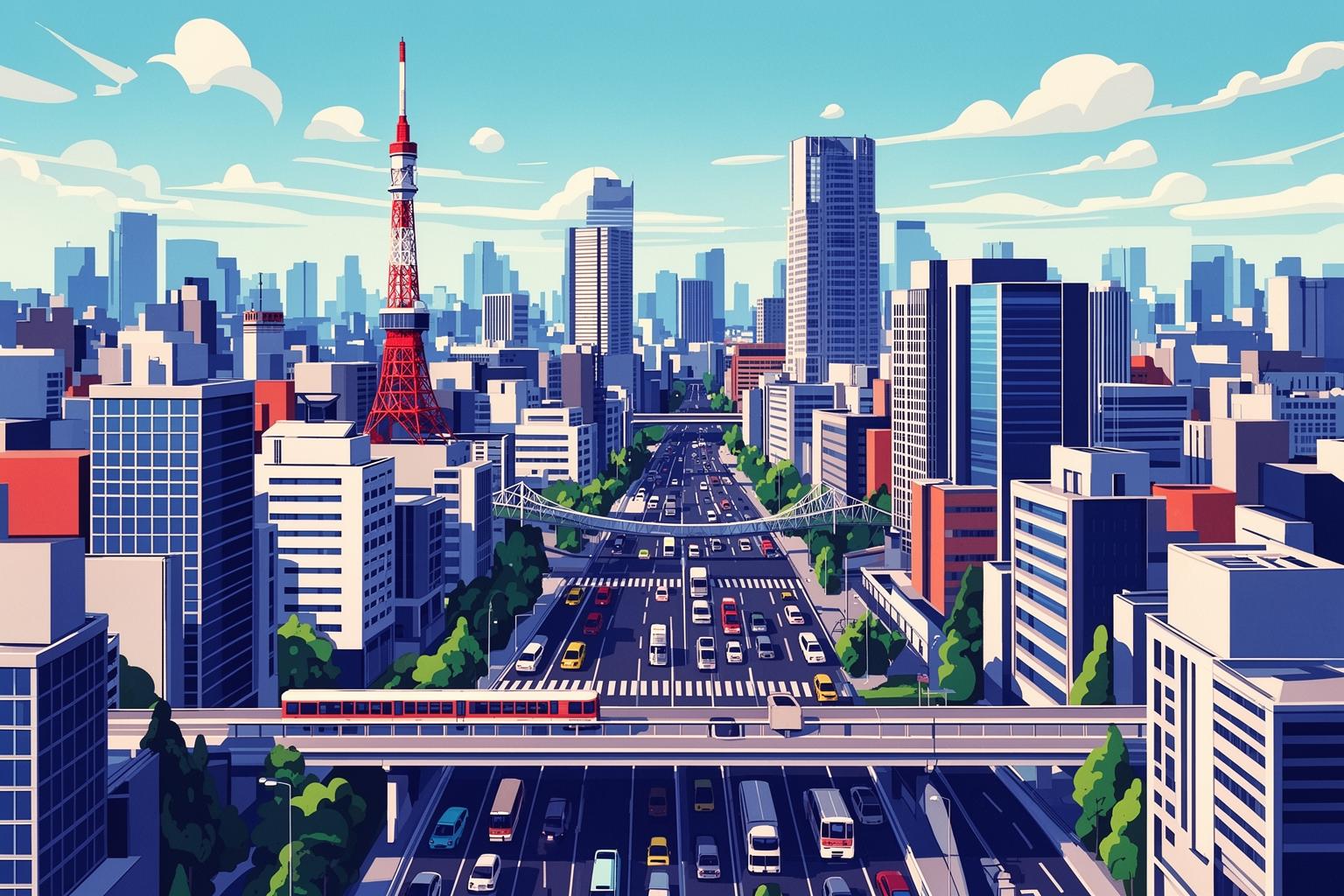
Tokyo is a city full of beautiful contradictions. It’s a sprawling megalopolis of chrome and glass that still makes room for quiet neighborhood shrines and ancient gardens. This is Taki Tachibana’s world: fast, vibrant, and layered with a million stories unfolding simultaneously. To understand his perspective, you have to dive into the electric current of the city, feeling its rhythm deep in your bones. Our journey begins here, amid the concrete canyons and crowded crossings that shaped his urban life, a world apart from Mitsuha’s mountain home. It’s a landscape of ambition, solitude in a crowd, and the faint, persistent hope of finding someone you’ve never met. Walking these streets, you begin to see the city not just as a backdrop, but as a character in its own right, molding Taki’s very existence before his life is turned upside down by a dream of a girl from a distant town.
The Iconic Red Steps: Suga Shrine in Yotsuya
Few locations in modern cinema carry as much emotional weight as the red-railed staircase from the final, heart-wrenching moments of Your Name. This is the place where Taki and Mitsuha, years later and their memories worn to a dull ache of longing, finally find each other. In reality, these steps belong to Suga Shrine, tucked away in a quiet, unassuming residential corner of Yotsuya, a district that feels surprisingly serene despite its closeness to the Shinjuku buzz. Getting here is an experience in itself. Leaving the bustle of Yotsuya Station and wandering through labyrinthine streets, the city’s noise softens to a gentle hum. Anticipation builds with every turn. And then, you see it—the curve of the road, the incline, the distinctive red handrails. It’s a surreal moment of recognition, a cinematic memory perfectly overlaid onto the real world. Standing at the bottom and looking up, or at the top and looking down, you can almost hear the film’s score swelling in your mind. This isn’t a grand tourist spot. It’s a simple staircase, part of the everyday lives of local residents. Yet, for fans of the film, it’s a deeply sacred place. The air here feels thick with unspoken words and the ghost of a question: “Haven’t we met before?” For the best experience, visit on a weekday morning. The soft light is beautiful, and fewer people mean you can enjoy a quiet moment soaking it all in. Remember to be respectful; this is a neighborhood, and the shrine at the top remains an active place of worship. Capture your photo, then take a moment to simply stand there, feeling the powerful sense of resolution hanging in the air.
Crossroads of Fate: Shinjuku and Its Surroundings
If the Suga Shrine staircase is the film’s emotional climax, then Shinjuku is its beating heart. This vast commercial and administrative ward epitomizes modern Tokyo—a dazzling, chaotic symphony of crowds, commerce, and culture. It’s where Taki navigates daily life, hangs out with friends, and goes on his date with Okudera-senpai. Exploring Shinjuku immerses you in the scale and energy of Taki’s world. The area is a microcosm of Tokyo itself, offering everything from the world’s busiest train station to serene parks and cozy back-alley eateries. It’s a place where you can feel both completely anonymous and thrillingly alive—a sensation that perfectly mirrors the teenage experience of life in a megacity.
The Scramble and the Screens: Shinjuku Station Area
Shinjuku Station is less a building and more a self-contained ecosystem. Over three million people pass through its gates daily, a torrent of humanity flowing through a complex network of platforms, tunnels, and department stores. The film captures this organized chaos perfectly in its montages of city life. Just outside the station, the iconic Yunika Vision features three massive LED screens broadcasting advertisements and music videos to the crowds below. This recurring visual motif symbolizes the constant sensory input of Taki’s environment. Standing in the square, looking up at those screens while trains rumble and announcements echo around you, is a deeply immersive experience. You’re not just visiting a film location—you’re feeling the overwhelming pulse of Taki’s Tokyo. For first-timers, the station can be disorienting. A helpful tip is to know your exit in advance; the station has over 200 of them. Don’t fight the crowd—just let it carry you. This kinetic energy shapes Taki, providing a stark and thrilling contrast to the gentle rhythms of Mitsuha’s life in Itomori.
A Moment of Calm: Shinjuku Gyoen National Garden
Just a short walk from the station’s dizzying intensity lies an oasis of profound tranquility: Shinjuku Gyoen National Garden. This is where Taki and Okudera-senpai spend part of their date, a choice that showcases Shinkai’s masterful grasp of Tokyo’s dual nature. The garden is a sprawling, beautifully maintained paradise with three distinct styles: a traditional Japanese landscape garden with teahouses and ponds, a formal French garden with symmetrical rose beds, and a sweeping English landscape garden with wide open lawns. Entering Shinjuku Gyoen is like stepping into another world. The city’s roar fades to a murmur, replaced by the rustle of leaves and gentle bird chatter. You can almost sense the awkwardness and unspoken feelings between Taki and Okudera as you stroll the same paths. It’s a place for quiet reflection, a welcome respite from the urban pilgrimage. There is a small entrance fee, but it’s worth every yen. Each season offers a different kind of beauty—spring brings one of Tokyo’s most beloved cherry blossom spots, while autumn see the maple trees blaze with fiery color. Visiting the garden deepens your understanding of Taki’s world, demonstrating that even in the world’s largest metropolis, moments of peace and natural beauty are always within reach.
Taki’s Part-Time Job: Cafe La Bohème
Every anime pilgrim delights in finding the exact spot, and for Your Name. fans, one of the most thrilling discoveries is the restaurant that inspired “Il Giardino delle Parole,” where Taki works part-time. The real-life model is Cafe La Bohème Shinjuku Gyoen, located just near the garden’s edge. The resemblance is uncanny, from the grand, high-ceilinged interior and ornate chandeliers to the outdoor patio. It’s an elegant, European-style restaurant that feels both sophisticated and inviting. Dining here is a truly special experience. You can enjoy a leisurely Italian meal while imagining Taki bustling around, taking orders and learning the ropes from Okudera-senpai. The atmosphere is lively yet refined, making it the perfect place to rest your feet and absorb the day’s journey. Given its fame from the film, it’s a popular spot. Reservations are recommended, especially during peak lunch or dinner times. Sitting here, savoring a plate of pasta, you can reflect on how the film seamlessly integrated these real, tangible places into its fantastical narrative, grounding the story and making it feel believable.
Gifu’s Timeless Soul: Mitsuha’s Itomori
Leaving behind Tokyo’s electric glow, our pilgrimage takes a dramatic shift as we follow Taki’s journey in search of Mitsuha. We head westward into Japan’s mountainous Gifu Prefecture. Though the fictional town of Itomori, with its mystical lake and ancient customs, doesn’t appear on any map, its spirit thrives vividly in the Hida region. This area is rich with preserved history, masterful craftsmanship, and a profound, enduring bond with nature. The contrast to Tokyo is immediate and striking. The air is purer, life moves at a gentler pace, and the silence is filled not by the buzz of technology, but by the sounds of nature and echoes of age-old traditions. To walk here is to step into Mitsuha’s world, grasping the deep roots and quiet frustrations of life in a beautiful, isolated town she longs to leave.
The Gateway to Tradition: Hida-Furukawa Station
Our first destination in Mitsuha’s world is Hida-Furukawa Station. This quaint, charming train station serves as the backdrop for one of the pilgrimage’s most iconic photo moments. It’s here that Taki and his friends arrive, holding up his sketch of Itomori’s scenery while asking locals for directions. The film recreates the station with meticulous accuracy, from the wooden benches on the platform to the distinct appearance of the local train on the JR Takayama Main Line. Standing on the pedestrian overpass just outside the station, you can capture the exact same shot from the movie, looking down at the tracks as the train arrives. It’s a powerful moment of convergence. You’ll often find fellow fans waiting patiently for the train, united by a shared purpose. Inside the station, be sure to spot the small mascot figure of Hida-gyu, the region’s famous beef brand, another carefully recreated detail from the anime. A practical tip for visitors: trains along this line run far less frequently than those in Tokyo. Check the schedule in advance, especially if you’re on a day trip, to avoid getting stranded. The station itself is an ideal introduction to the Hida region—quaint, unhurried, and your first genuine glimpse into the world that shaped Mitsuha Miyamizu.
Whispers of the Past: The Streets of Hida-Furukawa
The town of Hida-Furukawa served as the main inspiration for Itomori’s landscapes, and exploring its streets feels like stepping directly into the anime. The town is renowned for its beautifully preserved old quarter, especially the Shirakabe Dozogai district, where historic white-walled storehouses and sake breweries line a scenic canal teeming with thousands of vibrant koi fish. As you stroll along the water, it’s easy to picture Mitsuha and her friends walking these same paths after school. The town exudes a strong sense of community and a deep reverence for its heritage. Local artisans continue traditional crafts like woodworking and candle making, skills passed down through generations. Several notable locations from the film, including a bus stop and a local gift shop selling kumihimo (braided cords), featured prominently in the story, can be found here. The atmosphere is one of profound tranquility. It’s a place that invites you to slow down and notice the little things—the way light filters through wooden lattices on an old house, the soothing sound of water in the canals, and the warm greetings from shopkeepers. This is the beauty and burden of Mitsuha’s life, a place rich with history that feels both comforting and confining.
The Library of Clues: Hida City Library
Perhaps the most strikingly accurate real-world site on the entire pilgrimage is the Hida City Library. This is where Taki uncovers the history of Itomori, researching records of the comet strike that devastated the town. The library’s real-life counterpart is a stunning piece of modern architecture, crafted with warm, fragrant local wood and designed with expansive windows that flood the space with natural light. The interior is a work of art, featuring gracefully curved lines and beautifully made furniture. The resemblance to the anime is so exact it’s almost astonishing. Visitors and pilgrims are warmly welcomed here, a testament to the town’s embrace of its connection to the film. However, it’s important to remember that this is a functioning public library. Upon arrival, approach the front desk to request permission to take photographs. They will issue a visitor’s pass and kindly ask that you keep quiet and avoid disturbing local patrons who come to read and study. This interaction forms a meaningful part of the pilgrimage experience—a respectful exchange acknowledging that you are a guest in their space. Settling at one of the tables, surrounded by the soft rustle of turning pages, you can truly appreciate the dedication of Shinkai’s team in capturing the soul of this place so perfectly.
The Ritual and the Rice: Keta Wakamiya Shrine and Local Traditions
While the Miyamizu family shrine in Itomori is a fictional creation, its spiritual essence can be found in local shrines across Hida, such as the Keta Wakamiya Shrine. Here, you can connect with the deep-rooted Shinto traditions that form the mystical core of Your Name. The film’s portrayal of Mitsuha’s duties as a shrine maiden, especially the ancient ritual of making kuchikamizake (rice wine produced through chewing), draws on actual historical practices. Visiting a local shrine in Hida, you can sense the weight of this history. Towering cedar trees, moss-covered stone lanterns, and the serene sanctity of the grounds evoke the same ancient mystery surrounding the Miyamizu shrine. This cultural context is essential. It elevates the pilgrimage beyond a mere location hunt to a deeper appreciation of the cultural fabric that gives the story its profound resonance. You begin to see how the film’s fantastical elements—the body-swapping, the time travel—are grounded in real, ancient beliefs about connection, spirits, and the cyclical nature of time. Taking a moment to offer a prayer or simply stand in quiet reflection at a site like Keta Wakamiya Shrine adds a priceless layer of depth to your journey.
Bridging Two Worlds: Practical Tips for Your Pilgrimage

Embarking on a Your Name. pilgrimage calls for some planning, as you’ll be exploring two very distinct regions of Japan. Taki’s Tokyo features hyper-efficient public transportation and endless options, while Mitsuha’s Hida is a quieter, more remote place where time seems to flow differently. Successfully connecting these two worlds is part of the adventure, reflecting the journey portrayed in the film itself. With a bit of preparation, you can enjoy a smooth and deeply fulfilling experience.
Planning Your Itinerary: Tokyo and Gifu
The most sensible way to organize your trip is to begin in Tokyo and then head to Gifu. Tokyo’s locations are spread out but easily reachable via the city’s excellent subway and JR train system. You can comfortably visit the key spots in Yotsuya and Shinjuku within a day or two, depending on how much time you want to spend at places like Shinjuku Gyoen. From Tokyo, the route to Hida-Furukawa involves taking the Tokaido Shinkansen (bullet train) to Nagoya, a journey of about 1.5 to 2 hours. From Nagoya, you transfer to the JR Takayama (Hida) Wide View Express train, a scenic ride of roughly 2.5 hours through breathtaking mountain landscapes. For international travelers visiting multiple cities, a Japan Rail Pass can be a cost-effective choice, covering both the Shinkansen and the JR line to Hida-Furukawa. While it’s possible to day trip to Hida from Nagoya, I highly recommend staying overnight in the area, either in Hida-Furukawa or in the nearby, larger town of Takayama. This allows you to enjoy the town’s magical, tranquil atmosphere in the evening and early morning, away from the day-tripping crowds.
When to Go: A Seasonal Guide
Japan boasts four distinct and stunning seasons, and your experience will differ depending on your visit’s timing. Spring (March-April) is a classic option. The cherry blossoms in Tokyo, especially at Shinjuku Gyoen, are breathtaking, providing a picture-perfect setting for Taki’s Tokyo. Summer (June-August) brings lush, vibrant greenery to the Gifu mountains, making the landscape feel alive. However, prepare for heat and humidity, particularly in Tokyo. Autumn (October-November) is perhaps the best season for this pilgrimage. The weather is cool and pleasant, and the autumn foliage in both Shinjuku Gyoen and the Hida mountains is spectacular, painting the scenery in vivid reds, oranges, and golds. This season’s bittersweet beauty wonderfully complements the film’s emotional tone. Winter (December-February) offers a different kind of magic. Tokyo tends to be crisp and clear, while Hida-Furukawa is often covered in a thick blanket of snow, turning it into a silent, serene wonderland that feels like a place frozen in time. Just remember to pack warm clothes and check for any weather-related travel delays.
Pilgrim’s Etiquette: Respecting the Sacred and the Everyday
As a seichi junrei pilgrim, you act as a representative of the entire anime community. It is crucial to approach these locations with respect and sensitivity. Many sites featured in Your Name. are not tourist attractions but part of people’s daily lives. When visiting the Suga Shrine staircase, keep in mind that you are in a quiet residential area. Lower your voice, avoid blocking paths for locals, and never trespass on private property. At shrines, follow proper etiquette by walking on paths along the sides rather than down the center (reserved for deities) and respect those who are there to worship. In Hida City Library, always ask permission before taking photos and maintain complete silence. By being a thoughtful and respectful visitor, you help keep these places welcoming for fans in the future. This mindfulness is a reward in itself, deepening your connection to the Japanese culture that inspired this extraordinary story.
Beyond the Frame: The Enduring Magic of Place
Completing a pilgrimage through the world of Your Name. is an experience that lingers long after you’ve returned home. It’s more than a mere checklist of photo spots; it’s a journey that bridges the gap between the world on the screen and the world beneath your feet. Standing on that staircase in Yotsuya, you don’t just witness a movie scene—you feel years of longing, a frantic search, and the breathtaking relief of a destined reunion. Walking through the quiet streets of Hida-Furukawa, you don’t just see a charming town—you sense the pull of tradition, the beauty of a simpler life, and the profound, universal yearning to find your place in the world. Makoto Shinkai and his team didn’t simply animate landscapes; they captured the soul of these places. They recognized that a setting is never just a backdrop. It’s the air the characters breathe, the history that shapes them, the physical embodiment of their inner worlds. The pilgrimage allows you to breathe that same air. It connects you to Taki and Mitsuha’s story on a visceral, tangible level. Ultimately, you leave with more than just photos. You carry away a new thread woven into your own life’s tapestry, a personal connection to a story about connection itself. It’s a beautiful reminder that sometimes, the most magical things in this world are the real places that inspire our greatest dreams.