

Hello, fellow dreamers and travelers! Sofia here, ready to take you on a journey that blurs the line between animation and reality. Have you ever watched a film so beautiful, so emotionally resonant, that you wished you could step right through the screen and into its world? For millions around the globe, Makoto Shinkai’s masterpiece, Kimi no Na wa—or Your Name—was that film. It’s a story of swapped lives, cosmic connections, and a love that transcends time and space, painted with hyper-realistic backdrops that feel both otherworldly and intimately familiar. The magic of Your Name isn’t just in its breathtaking animation; it’s in the profound sense of place that grounds its fantastical story. And the best part? These places are real. From the electric, neon-soaked heart of Tokyo to the tranquil, timeless mountains of Gifu Prefecture, the world of Taki and Mitsuha is waiting to be explored. This isn’t just sightseeing; it’s a ‘seichi junrei,’ a pilgrimage to the sacred sites of a beloved story. It’s a chance to stand where they stood, to see what they saw, and to feel the powerful echoes of their journey in the very air around you. So, pack your bags, charge your camera, and let’s follow the shimmering thread of fate that connects these incredible locations.
Enhance your journey by exploring our pilgrimage guide to the real-world locations that inspired the film’s magic.
Tokyo’s Urban Dreamscape: Taki’s World
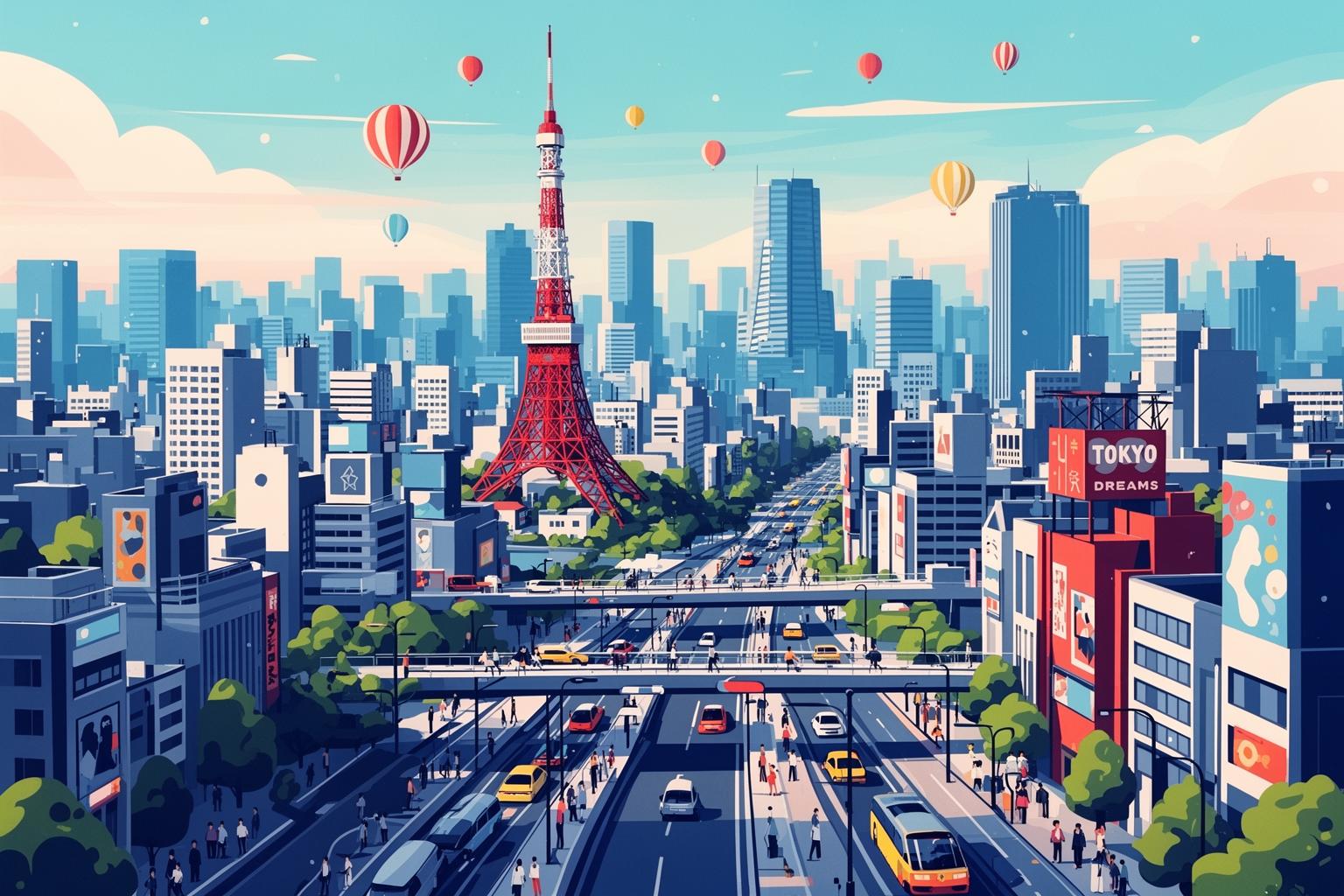
Our journey begins in the vast, vibrant metropolis of Tokyo, the concrete and glass backdrop of Taki Tachibana’s life. Shinkai’s brilliance lies in his talent for turning the ordinary into the extraordinary, and this is most evident in his portrayal of the city. He captures Tokyo’s overwhelming scale, perpetual motion, and the unexpected pockets of quiet beauty that define it. Stepping out of a busy train station like Shinjuku or Yotsuya, you become more than a tourist; you become part of Taki’s daily world, surrounded by the same rushing crowds, towering skyscrapers, and intricate networks of train lines he navigated. The city itself feels alive—a living, breathing character in the film—and exploring its streets is the first step to truly grasping one half of this epic tale.
The Iconic Red Steps of Suga Shrine
Let’s begin with the emotional core of the film pilgrimage: the staircase. This is where the unforgettable, heart-wrenching, yet ultimately hopeful final scene unfolds. Discovering these steps, nestled in a quiet residential corner of Yotsuya, feels like uncovering a treasured secret. From Yotsuya Station, you’ll take a tranquil walk, leaving behind busy main streets for a maze of narrow lanes and charming homes. With every turn, anticipation grows. Then, there it is—the distinct red railing, the gentle curve of the stone steps, and the canopy of green trees above. It’s instantly recognizable. Climbing the stairs, you can almost hear the film’s score swelling. But the true magic occurs at the top, when you turn around. The view, looking down as Taki did, is surreal. It’s a simple neighborhood scene, yet charged with the full emotion of the film’s climax. For the perfect photo, visit in the morning when soft, golden light filters through the leaves. It’s a quiet, reverent place, so take your time, absorb the atmosphere, and let the powerful sense of ‘musubi’—the invisible connection of fate—wash over you.
A Skyline Etched in Memory
Makoto Shinkai possesses a unique gift for revealing beauty in urban structures, and one of the most memorable recurring images in Your Name is the view of the NTT Docomo Yoyogi Building. While you might spot it from various points across Shinjuku, the definitive shot from the film is seen from the pedestrian bridge just outside Shinanomachi Station. Standing there, watching trains glide below with the iconic, almost fantastical skyscraper towering in the distance, you feel like you’ve paused a frame from the movie. This is a perfect example of how the film elevates everyday cityscapes into something deeply moving. This spot fully captures the youthful melancholy and urban solitude that Taki sometimes experiences. Another significant location is Shinjuku Station itself. While navigating its sprawling, labyrinthine complex can be an adventure, it is here that you encounter the essence of Taki’s fast-paced world. Be sure to look for the Shinjuku Yunika Vision screen, a massive digital billboard featured in the film, as well as the bustling ‘Shoku-an Dori’ street, which evokes the distinct feel of Taki’s neighborhood.
Art, Romance, and Modern Architecture
Recall Taki’s somewhat awkward yet endearing date with his coworker, Okudera-senpai? Their elegant lunch took place in the stunning, sunlit café of The National Art Center, Tokyo, nestled in the fashionable Roppongi district. This building is an architectural marvel—a wave of glass and steel that is itself a work of art alongside the exhibitions it hosts. You don’t need a ticket to an exhibit to enter the main atrium and visit the café, Salon de Thé ROND, perched atop a massive concrete cone. Sitting there with a coffee and a slice of cake, you can perfectly recreate the scene. The natural light flooding this vast space is as beautiful in reality as it is in the anime. It’s a wonderful spot to relax for an afternoon, offering a moment of chic tranquility amid your pilgrimage. It reminds you that the world of Your Name isn’t just about grand, destined moments but also the small, quiet ones that shape a life.
Journey to Itomori: Finding Mitsuha in Hida-Furukawa
After soaking in the vibrant energy of Taki’s Tokyo, it’s time to shift gears—dramatically and soulfully. We’re heading to the mountains, to the region that inspired Mitsuha Miyamizu’s fictional hometown of Itomori: Hida, in Gifu Prefecture. While Itomori doesn’t appear on any map, its spirit, traditions, and scenery live on vividly in the charming, well-preserved town of Hida-Furukawa. The journey itself, usually involving a Shinkansen bullet train followed by a scenic ride on the JR Takayama Main Line, is part of the adventure. As the skyscrapers fade into rolling hills, lush forests, and winding rivers, you transition from Taki’s world into Mitsuha’s. The air becomes crisper, the pace slows, and a timeless sense of tradition envelops everything.
Arrival at Hida-Furukawa Station
Your heart will race the moment you step off the train at Hida-Furukawa Station. It is, without question, one of the most faithfully recreated locations in the entire film. The platform, the overhead bridge where Taki and his friends stood, and even the smallest details inside the station remain intact. Fans will quickly notice the small wooden figures of ‘Hidakuro,’ the local mascot that made a brief appearance in the film. The station staff are exceptionally welcoming to visitors, often providing maps and information. Standing on that platform, watching the local train pull away exactly as it did in the movie, is a powerful moment of connection. It’s the true gateway to Mitsuha’s world. From here, the rest of the town spreads out before you, a compact and stroll-friendly treasure trove of film locations and genuine Japanese culture.
Echoes in the Hida City Library
One of the film’s most crucial scenes takes place in a library, where Taki seeks information about Itomori. That warm, wood-paneled library is the Hida City Library, and it is just as serene and inviting in reality. The soft light streaming through large windows, the scent of old books and polished wood, and the quiet buzz of a community hub—all are perfectly captured. The library has embraced its newfound fame gracefully. While it serves local residents, visitors can request permission at the front desk to receive a pass allowing photographs in designated areas. They even feature a special section dedicated to Your Name, displaying fan art and messages from admirers worldwide. It’s a touching tribute to the story’s global reach and a respectful way to experience a key location.
Whispers of Tradition and Ritual
At the heart of Mitsuha’s life is her family’s shrine. The model for this sacred place is believed to be the Keta Wakamiya Shrine, a short walk from central Hida-Furukawa. As you near it, you’ll climb a long set of stone steps—just as Mitsuha did—flanked by towering ancient trees and stone lanterns. The atmosphere is steeped in history and calm. While the shrine in the film combines several sites, Keta Wakamiya Shrine captures its essence perfectly—the quiet dignity, connection to nature, and the weight of centuries of tradition. Another meaningful tie to the film here is the art of kumihimo, the intricate braided cords central to the story’s symbolism. Hida is renowned for this craft, and local shops offer not only exquisite examples but also the chance to make your own. Crafting a simple braided bracelet is a wonderfully tangible way to connect with Mitsuha’s heritage and the film’s theme of intertwined destinies.
Weaving Your Own ‘Your Name’ Itinerary

Embarking on a Your Name pilgrimage is a deeply personal journey, though a bit of planning can greatly enhance the smoothness and magic of the experience. The charm of this pilgrimage lies in the striking and beautiful contrast between its two parts. You get to witness the height of Japanese urban modernity alongside the profound essence of its rural spirit, just as the characters did.
The Art of the Pilgrimage
Upon arriving in Hida-Furukawa, your initial stop should be the tourist information center near the station. They often offer excellent ‘seichi junrei’ maps that highlight all the key locations from the film, along with other notable local attractions. Keep in mind that you are a guest in these communities. Whether visiting a quiet Tokyo shrine or the local library in Hida, always be courteous and respectful to the residents and workers. The best way to show your gratitude is by supporting local businesses. Enjoy a bowl of Hida beef ramen at a neighborhood eatery—many claim to have inspired the one in the film!—or purchase a souvenir from a family-run shop. This involvement turns a simple location-spotting trip into a meaningful cultural exchange.
When to Visit: A Tale of Four Seasons
Tokyo and Hida each offer distinct appeal throughout the seasons. Spring in Tokyo bursts with cherry blossoms, adding an extra delicate beauty to your photos at Suga Shrine. Summer in Hida is lush and vibrant, filled with the sound of cicadas that perfectly complement the film’s atmosphere. Yet, autumn may be the most stunning season to visit both. The fiery reds and golds of the foliage around Hida’s mountains create an incredibly picturesque setting, while the crisp, clear air in Tokyo offers breathtaking city views. If you can schedule your visit for April 19th and 20th, you’ll experience the spectacular Furukawa Festival, one of Japan’s most famous ‘naked festivals,’ a powerful tradition that would surely make Mitsuha proud.
Culinary Connections: Tasting the Film
No journey is complete without enjoying the local flavors, which deepen your connection to the characters. In Tokyo, you can indulge in a luxurious pancake or dessert at one of the many stylish cafes in Roppongi or Shinjuku, imagining Taki and Okudera-senpai’s date. In Hida, the cuisine is heartier and more rustic. Don’t miss trying Gohei Mochi, a grilled rice cake coated with a sweet and savory miso-walnut sauce, just like the one Mitsuha enjoys. It’s commonly sold at small stalls around town. Also, seek out locally brewed sake and sample Hida beef, a regional delicacy that rivals its famous Kobe counterpart. Tasting these dishes in the locations that inspired the film makes the experience all the richer and more delightful.
Beyond the Frames: The Soul of the Journey
Completing a pilgrimage for Your Name goes beyond simply ticking off locations on a list. It involves delving into the heart of the film on a deeper level. It’s about experiencing the vibrant pulse of Tokyo, a city of millions where two souls can still feel completely alone. It’s about inhaling the fresh mountain air of Hida and sensing the deep-rooted traditions that shaped Mitsuha’s identity. The journey itself reflects the film’s central theme: a bridge between two worlds. The contrast between the ultra-modern city and the timeless countryside is not just a narrative device; it represents a core element of Japan’s national identity, and this pilgrimage lets you experience it firsthand. You’ll come away not only with beautiful photos that resemble anime stills but also with a profound appreciation for the real-world beauty that inspired such a powerful story. You may arrive as a fan of the film, but you’ll leave carrying a piece of Tokyo and Hida in your heart, forever intertwined—just like the braided cords of fate. Your own story, your own connection, awaits discovery.








