Leave the electric pulse of Shinjuku and Shibuya behind. Board the JR Chuo Line heading west, and watch as Tokyo’s concrete canyons soften into a quieter, more intimate suburban landscape. Your destination is Mitaka, a peaceful corner of the city that holds one of the most coveted treasures for lovers of animation, art, and pure, unadulterated imagination: the Ghibli Museum. This isn’t a theme park with roaring rides and scheduled parades. It is something far more profound. It’s a portal into the heart and mind of Studio Ghibli and its master storyteller, Hayao Miyazaki. The building itself, tangled in ivy and whimsical curves, feels as if it sprouted from the earth, a living piece of the enchanted forests and steam-powered cities it celebrates. To visit the Ghibli Museum is to accept an invitation to get lost, to rediscover a childlike sense of wonder, and to see the world through the eyes of artists who believe in the magic of a single, hand-drawn frame. It’s a pilgrimage for the soul, a journey that truly begins the moment you step off the train into the gentle air of Mitaka.
For those charmed by the museum’s whimsical ambiance, exploring Miyazaki’s Totoro trail offers a delightful peek into the creative legacy behind these enchanted journeys.
The Invitation on the Ivy Wall

The magic begins not at the door, but the moment you catch sight of the museum nestled among the trees of Inokashira Park. The building itself resists simple description. It’s a soft, stucco dreamscape in pastel yellows, pinks, and earthy reds, all enveloped in a living blanket of green ivy that shifts with the seasons. It feels less like a constructed space and more like something grown—a piece of architecture in constant, gentle dialogue with nature. There are no grand arches or imposing signs; instead, your first greeting comes from a large, furry silhouette peering out from a faux ticket booth. It’s Totoro, of course, a gentle giant welcoming you into his world. Look closer at the facade and you’ll find intricate details everywhere: beautiful stained-glass windows featuring characters from the films, wrought-iron work curling into fantastical shapes, and a charmingly chaotic roofline promising a labyrinth of wonders within. The museum doesn’t shout for attention; it whispers, inviting you in with quiet confidence and the promise of a shared secret. This gentle approach sets the tone for the whole experience—personal, intimate, and crafted for discovery.
A World Woven from Whimsy and Wonder
Once you enter, the sensory experience intensifies. The museum’s official motto, “Maigo ni narō yo, issho ni,” translates to “Let’s get lost, together.” This phrase is more than just a charming slogan; it embodies the museum’s fundamental philosophy. There is no set path, no map to follow. Visitors are invited to wander freely, explore, and follow their curiosity. The central hall is a stunning, multi-level atrium resembling the heart of a fantastical airship. Sunlight pours through a vast glass dome, highlighting a dizzying maze of spiral staircases, elevated walkways, and a vintage glass elevator that seems plucked from another era. A magnificent, intricate clock tower comes alive with animated figures at certain times, adding vibrant movement to the space. The interior blends warm wood, cool plaster, and colorful tiles, creating a tactile and visually rich environment. Every corner reveals a new detail—a hidden window, a tiny door, a ceiling fresco—ensuring that each visitor’s experience is unique. This absence of a fixed route feels liberating, allowing you to engage with the space on your own terms and making each discovery a personal victory.
The Spark of Creation: The Permanent Exhibition
The museum’s heart resides on the first floor in the permanent exhibition called “Where a Film is Born.” This five-room display offers an intimate and generous insight into the meticulous process behind creating animated films. It’s designed to immerse you in the minds and studios of the Ghibli animators. One space, known as the “Boy’s Room,” is a meticulously crafted recreation of an artist’s inspirational haven. It’s a vibrant, cluttered sanctuary filled with books stacked high, model airplanes suspended in midair, fantastical artifacts, and walls adorned with sketches, concept art, and pinned insects. The room feels so authentic and lived-in that you might expect Hayao Miyazaki himself to enter and sit down at the desk. Other rooms reveal the secrets of animation craft. You can see the actual pigments behind Ghibli’s iconic color palettes, learn about cel painting techniques, and discover how sound and editing breathe life into a story. Perhaps the most enchanting part of the exhibit is the collection of zoetropes—three-dimensional spinning devices with sculpted figures and flashing lights that create the illusion of movement. Watching a miniature Totoro bounce or Mei run with smooth, fluid motion is a moment of pure joy that bridges static art and living animation.
A Seat for a Story: The Saturn Theater
Nestled on the ground floor is the Saturn Theater, a small cinema with just eighty seats, which is a treasure in its own right. The theater is cozy and inviting, featuring wooden benches and a ceiling painted with a celestial mural. Your museum ticket, which is a unique strip of real 35mm film from a Ghibli movie, also grants you admission here. In this special space, you can view one of several original short animated films shown exclusively at the museum and unavailable anywhere else in the world. The films change throughout the year, so each visit might bring a new story. These shorts embody pure Ghibli magic—full of heart, humor, and stunning artistry, often without dialogue so the animation tells the story universally. Sitting in this intimate theater, surrounded by fellow fans and witnessing a brand-new Ghibli creation, offers a truly special and memorable experience. It feels less like a commercial screening and more like being part of a wonderful secret.
Soft Landings in the Catbus Room
For many, the Catbus from My Neighbor Totoro symbolizes whimsical travel. On the museum’s second floor, this dream becomes a soft, plush reality. The Catbus Room showcases a large, climbable, incredibly soft Catbus that children can crawl into, roll around on, and explore. While this attraction is exclusively for elementary school-aged children and younger, witnessing the pure joy on their faces is heartwarming for adults. It perfectly embodies Ghibli’s talent for creating worlds meant not just to be watched, but to be experienced with all the senses. The room buzzes with happy energy, testifying to the enduring charm of a friendly, grinning, multi-legged feline vehicle.
A Guardian in the Sky: The Rooftop Garden
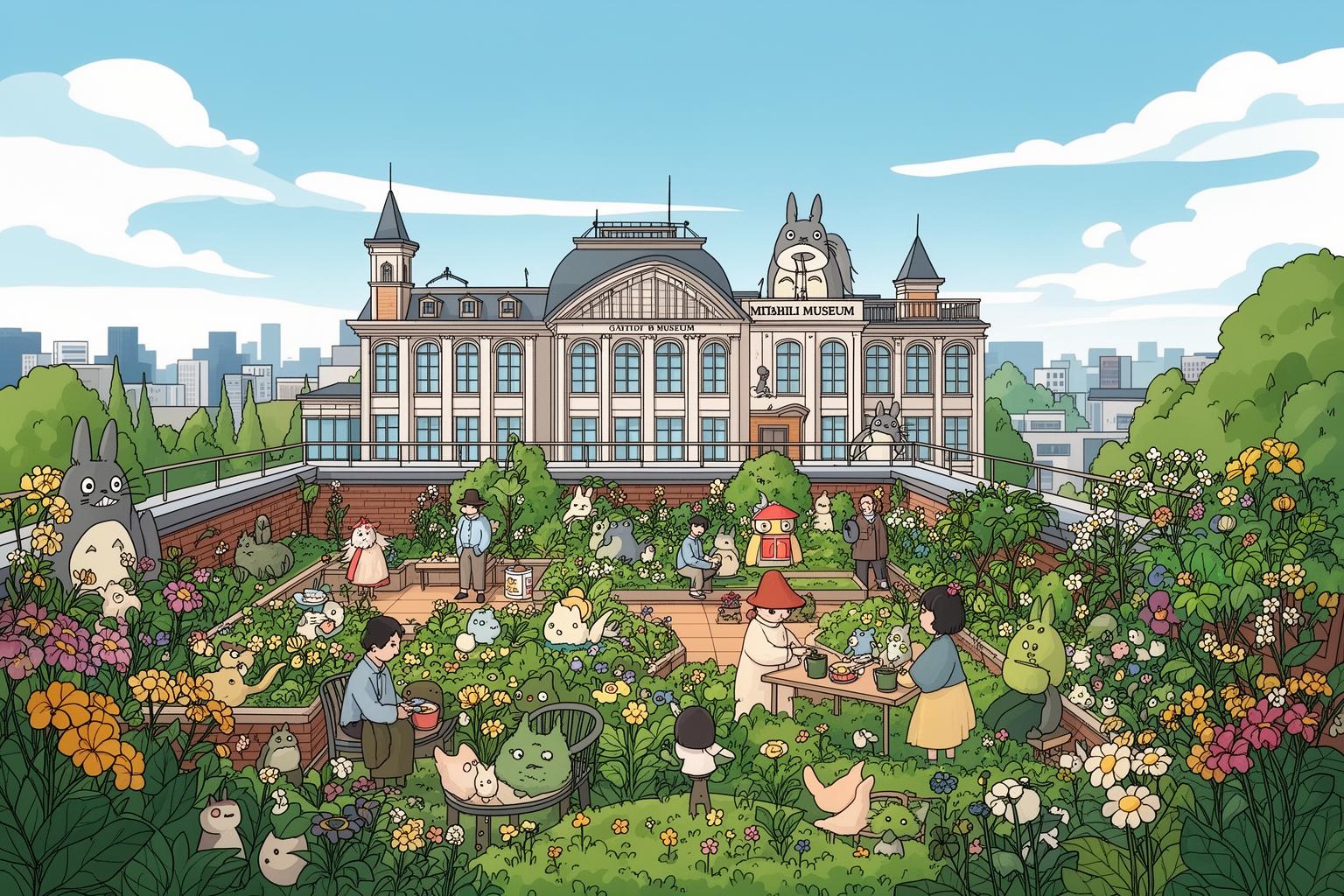
After exploring the museum’s interior, head to a narrow, wrought-iron spiral staircase that ascends to the roof. As you climb, you leave the cozy, enclosed atmosphere of the museum and step out into the open air of the Rooftop Garden. The garden is a tranquil, green oasis, but everyone’s attention is naturally drawn to the towering figure standing silently at its center: a five-meter-tall Robot Soldier from Laputa: Castle in the Sky. The statue is magnificent, crafted in weathered bronze that appears to have endured for centuries. There’s a deep sense of both strength and melancholy as he looks down over the park. Moss and lichen have started to spread over his metallic body, blending him further into the natural surroundings. It’s one of the few spots in the museum where photography is allowed, providing a moment of quiet reflection away from the bustling exhibits below. The path behind the robot leads to a beautifully crafted keystone from Laputa, inscribed with a script that fans will immediately recognize, adding another immersive detail to this peaceful space.
Nourishment for the Soul: The Straw Hat Café
Exploring a world of imagination can awaken your appetite, and the Straw Hat Café offers the perfect spot to relax and recharge. Embracing the Ghibli philosophy of simple, honest quality, the café presents a menu of hearty, home-style dishes prepared with care. The atmosphere is cozy and rustic, featuring wooden tables, abundant natural light, and charming touches like a real, functioning water pump for washing your hands. The menu highlights comforting classics, often with a playful twist, such as the renowned hearty pork cutlet sandwich, vibrant fresh fruit cakes, and creamy ice cream. Their specialty is a beautifully crafted latte adorned with character art dusted on top. Expect a wait, as the café is very popular and does not accept reservations. The best approach is to visit as soon as you feel hungry or during quieter hours. The wait itself becomes part of the experience, an opportunity to slow down and appreciate the ambiance. It’s more than just a place to eat; it embodies the museum’s warm, inviting spirit.
Treasures to Take Home: Mamma Aiuto!
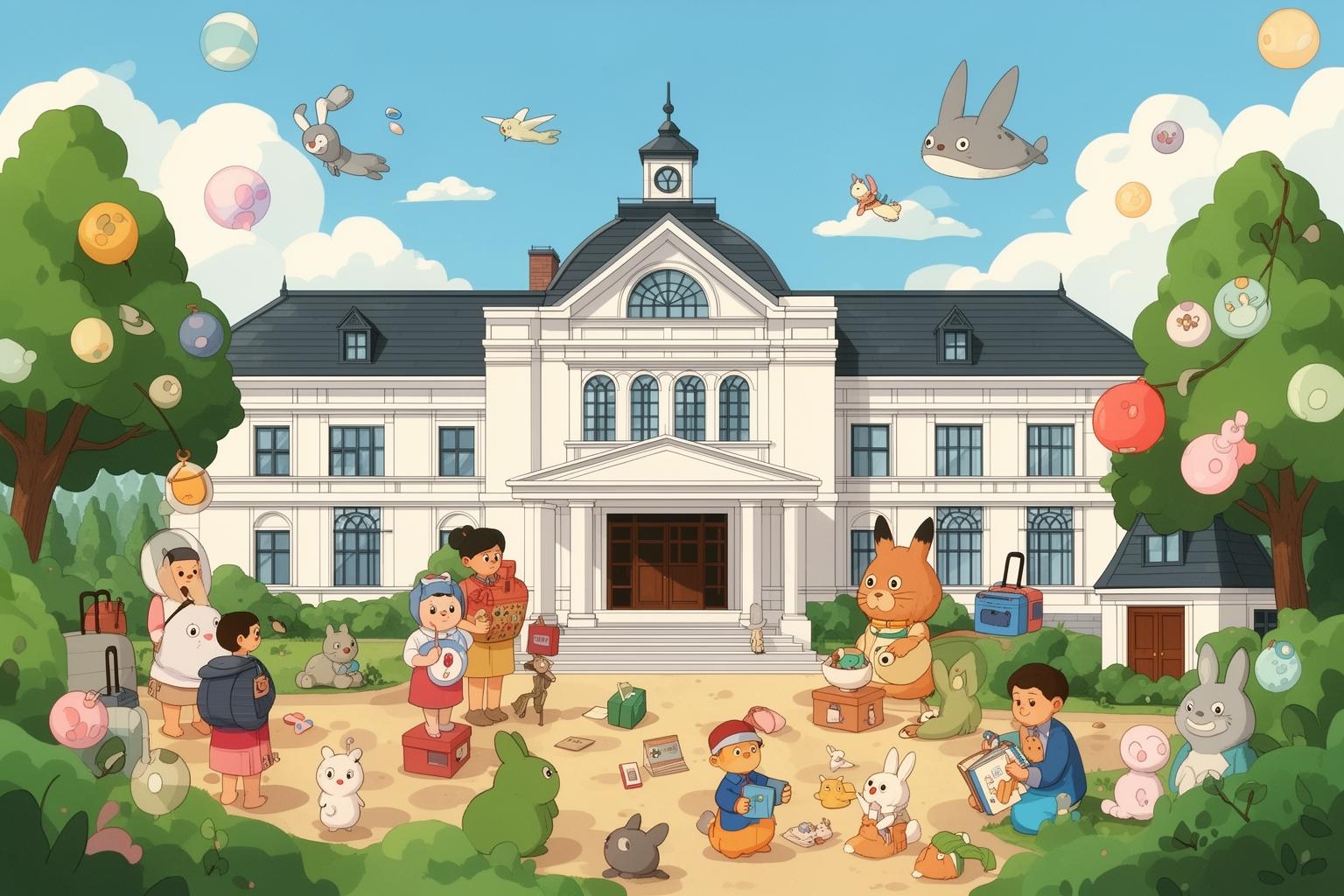
No visit is complete without stopping by the museum’s gift shop, Mamma Aiuto!, whimsically named after the sky pirate gang from Porco Rosso. This is far from an ordinary souvenir stand. The shop offers exclusive, high-quality merchandise that you won’t find anywhere else. The selection is carefully curated, highlighting beautifully crafted items that celebrate the artistry of the films. Here, you’ll discover stunning art books filled with concept sketches and storyboards, intricate stained-glass-style window decals, elegant stationery, and exquisitely embroidered handkerchiefs. Naturally, there are plush toys and character goods as well, all maintaining the same high standard of quality. It’s the ideal place to find a meaningful keepsake from your visit, something more special than a mere trinket. And don’t forget the most unique souvenir of all: the film strip ticket you received upon entry—a small, tangible piece of cinematic history to take home with you.
The Golden Ticket: A Realistic Guide to Entry
Here is the most important practical advice: you cannot simply arrive at the Ghibli Museum and buy a ticket on the spot. Admission is tightly regulated to keep the museum from ever feeling overcrowded, so tickets must be bought in advance for a specific date and entry time. This process is known to be highly competitive, but with careful preparation, it is definitely attainable. Tickets become available at 10:00 AM Japan Standard Time on the 10th day of each month for the entire following month. For instance, all tickets for May go on sale on April 10th. For visitors outside Japan, the main way to purchase tickets is through the official Lawson online ticketing website, the authorized vendor. You need to be online the moment tickets are released, as popular dates and times can sell out within minutes. Keep the time zone difference in mind, and have your passport and credit card details ready. Some international travel agencies, like JTB in certain countries, also offer Ghibli Museum packages, which can sometimes be an easier, although slightly more expensive, alternative. For residents in Japan, tickets can also be acquired through a lottery system or a first-come, first-served sale via the Lawson website or their Loppi machines in-store. The crucial point is to plan well ahead, be prepared, and have alternative dates ready. The effort is truly well worth it.
The Path to Wonder: Getting to Mitaka

The journey to the Ghibli Museum is an essential part of the experience, serving as a gentle shift from the everyday world into a realm of fantasy. The most common way is to take the JR Chuo Line from major Tokyo stations such as Shinjuku or Tokyo Station to Mitaka Station. The ride itself is enjoyable, carrying you away from the dense urban center into the leafy, tranquil atmosphere of West Tokyo. Upon arrival at Mitaka Station, you have two delightful options for the final stretch of your trip. You can hop on the dedicated community loop bus that transports visitors from the station’s south exit straight to the museum. Decorated cheerfully with Ghibli illustrations, the bus is a fun and convenient choice, especially for families with young children. The ride is brief, lasting about five minutes. However, if time and weather allow, the more magical option is to walk.
A Stroll Through Inokashira Park
The walk from Mitaka Station to the museum takes around fifteen to twenty minutes and leads you through the beautiful expanse of Inokashira Park. This is by far the most atmospheric way to arrive. A well-marked path guides you along a tree-lined route that feels like the perfect introduction to the Ghibli world. You’ll pass the serene Inokashira Pond, where couples and families often paddle charming swan-shaped boats. The park is stunning in every season. In spring, it offers a breathtaking canopy of soft pink cherry blossoms. In autumn, the maple and ginkgo trees blaze with fiery shades of red, orange, and gold. The walk invites you to slow down, breathe in the fresh air, and mentally prepare for the magic ahead. As you wander through the greenery, catching your first glimpse of the whimsical museum building peeking through the trees is a truly special moment.
Lingering in the Neighborhood: Discover Kichijoji
Your Ghibli adventure doesn’t have to end once you leave the museum. The surrounding area, especially the vibrant neighborhood of Kichijoji, is well worth exploring and can easily turn your visit into a full-day outing. Kichijoji is just one train stop from Mitaka or a pleasant walk through Inokashira Park. It’s consistently ranked as one of Tokyo’s most desirable places to live, and it’s easy to understand why. The area skillfully combines the convenience of city living with a relaxed, artistic, and slightly bohemian atmosphere. Explore the covered shopping arcades like Sunroad and Daiyagai, filled with a fascinating mix of department stores, quirky independent boutiques, vintage clothing shops, and shops offering zakka—the artistic, miscellaneous goods that define Japanese design. The streets are also packed with an impressive concentration of stylish cafes, artisanal coffee roasters, and excellent restaurants to satisfy every palate. For a completely different vibe, wander through the narrow, lantern-lit alleys of Harmonica Yokocho near the station. By day, it’s a rustic market, but at night it transforms into a lively hub of tiny izakayas (Japanese pubs) and standing bars, perfect for enjoying delicious yakitori and a cold drink.
A Memory Etched in Sunlight and Film
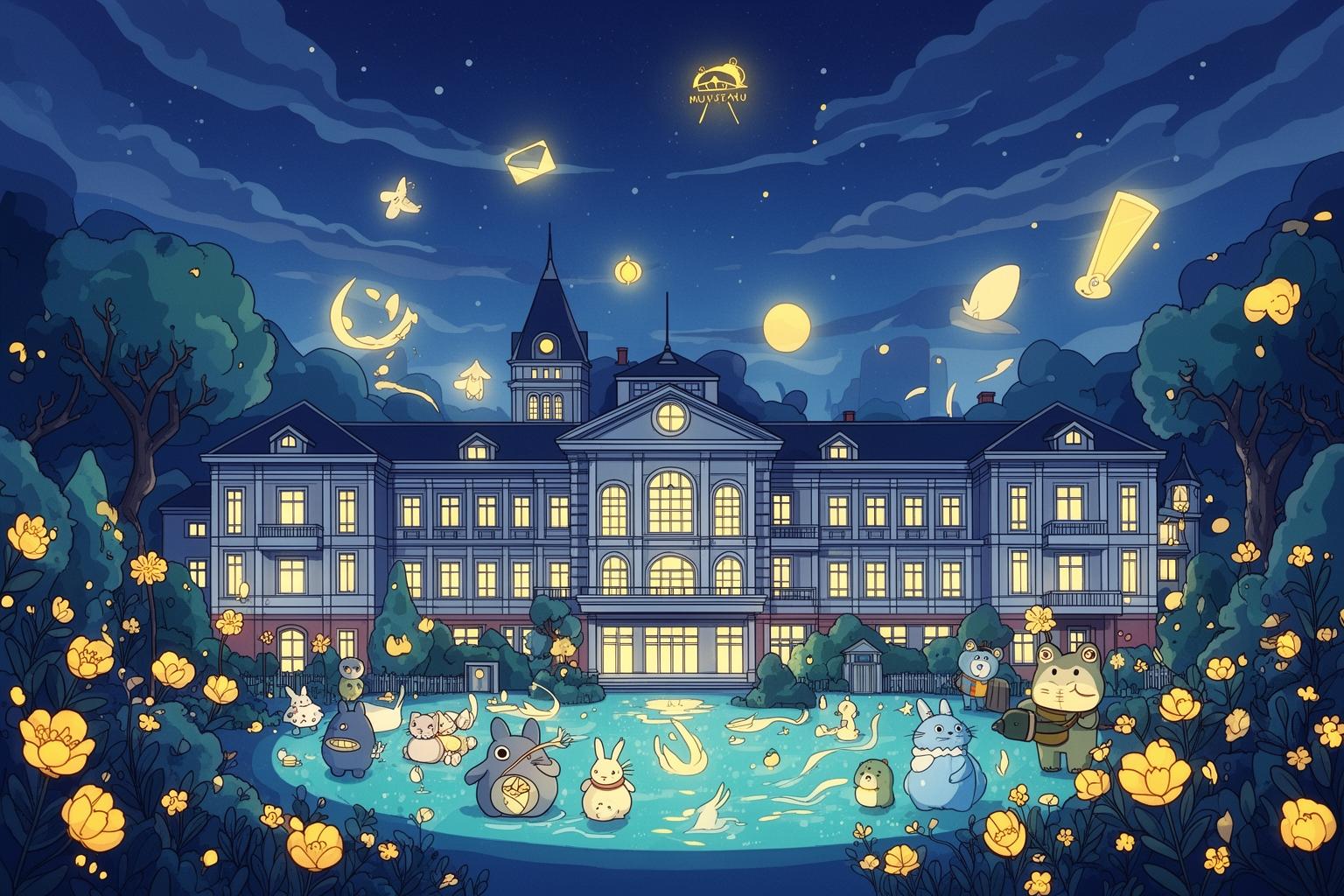
Visiting the Ghibli Museum is more than just touring a building; it is an emotional journey. It involves reconnecting with the stories that shaped your imagination and developing a deep appreciation for the extraordinary human artistry behind them. You leave with more than photos of a robot or a souvenir from the gift shop—you carry a renewed sense of wonder. You hold onto the feeling of sunlight filtering through a stained-glass Totoro, the captivating movement of a 3D zoetrope, and the quiet dignity of the robot guardian perched on the roof. The museum reminds you that magic exists in the smallest details—in the texture of a hand-drawn line, the warmth of a freshly baked pastry, and the simple joy of getting lost together. It is a memory etched in sunlight and film, a sensation that lingers long after you have boarded the train and returned to the glowing city lights.