
There are stories that stay with you, that weave themselves into the very fabric of your memory. Makoto Shinkai’s Kimi no Na wa, or Your Name, is one of those cinematic masterpieces. It’s more than just an anime; it’s a global phenomenon that captured hearts with its breathtaking animation, its soul-stirring story of connection and loss, and its uncanny ability to make the mundane magical. The film’s true genius, however, lies in its setting. It grounds its fantastical tale in real, tangible places, transforming ordinary Tokyo corners and sleepy countryside towns into sacred sites for fans around the world. It’s a story painted onto a map of Japan, inviting us not just to watch, but to experience. This journey isn’t about simply seeing where a movie was set; it’s about walking the same paths as its characters, Taki and Mitsuha, and feeling the invisible threads that connect their two starkly different worlds. It’s a pilgrimage that bridges the gap between fiction and reality, where the electric pulse of the world’s biggest metropolis gives way to the gentle, timeless whisper of rural Japan. We’ll trace the steps of two souls bound by fate, starting in the heart of the city and following the comet’s trail to the mountains that guard a forgotten past.
For travelers enchanted by the blend of myth and reality in film-inspired landscapes, embarking on a Yakushima pilgrimage offers a profound encounter with nature’s enduring legacy.
The Shinjuku Labyrinth: Taki’s Urban Playground

Our story begins in Tokyo, the world of Taki Tachibana. It’s a place of towering skyscrapers, intersecting train lines, and an unending forward momentum that feels both thrilling and impersonal. To understand Taki is to grasp the rhythm of this city, and no better spot captures its pulse than Shinjuku.
Navigating the Steel and Glass Canyons
Shinjuku Station is less a structure and more a living entity. This vast concrete and steel giant channels millions of people through its veins every day. Stepping into the station for the first time is a sensory feast in the best way. The chorus of train announcements, the steady stream of commuters moving with practiced precision, the dazzling neon lights flickering on as dusk approaches—it’s all here. This is the setting of Taki’s everyday life. You can almost see him, headphones on, weaving through these same pathways on his way to school or his part-time job. One of the film’s most iconic locations is the Shinjuku Southern Terrace, a spacious pedestrian area that provides a breathtaking view of the skyline, including the distinctive NTT Docomo Yoyogi Building, resembling a futuristic clocktower. Standing there, watching the trains pass below, you truly feel the vastness and density of Taki’s world. It’s a place where you could easily feel lost, a tiny figure in a sea of millions, which makes the film’s theme of discovering a unique connection even more compelling.
A Moment of Calm: The National Art Center
Even within a bustling city like Tokyo, there are havens of calm beauty. The National Art Center in Roppongi, with its striking undulating glass facade, is one such sanctuary. This is where Taki shares his anticipated, if slightly awkward, date with his coworker, Okudera-senpai. Upon entering, the city’s noise fades away, replaced by the quiet reverence of the art world. Sunlight pours in through the expansive glass walls, highlighting the clean lines of the building’s interior. The cafe where Taki and Okudera sat, Salon de Thé Rond, is perched atop a massive concrete cone in the main atrium, creating a dramatic and memorable setting. Although the menu may have changed since the film’s release, the ambiance remains intact. It feels elegant, modern, and somewhat intimidating—the perfect place for Taki to realize that his thoughts and feelings lie elsewhere. A visit to the center is essential. You don’t need a ticket for a particular exhibition to enter the main atrium, so you can wander freely, enjoy the cafe, and admire the architectural beauty that Shinkai so masterfully depicted.
Yotsuya’s Quiet Corners: Finding the Film’s Soul
Just a few train stops away from the hectic bustle of Shinjuku lies the neighborhood of Yotsuya. It’s a calmer, more residential area, and here we find the emotional core of Your Name’s Tokyo settings. This is where fiction and reality intertwine most deeply, where a simple staircase stands as a symbol of hope, longing, and reunion.
The Iconic Red Steps of Suga Shrine
This is the spot every fan has imprinted in their memory. The red-railed staircase where Taki and Mitsuha finally, miraculously, reunite in the film’s closing moments. Discovering these steps in real life feels like a pilgrimage itself. After a brief walk from Yotsuya Station through charming, narrow residential streets, you turn a corner, and there they appear. The Suga Shrine steps are modest, framed by ordinary apartments, yet they radiate an almost tangible energy. Standing at the bottom looking up, or at the top looking down, you can’t help but replay that heart-rending scene in your mind. You sense the anticipation, the hesitation, the desperate hope that this moment won’t slip away. Many visitors, myself included, find themselves simply sitting on the steps for a while, soaking in the quiet atmosphere of the neighborhood and reflecting on the film’s message. It’s a deeply emotional experience that goes beyond mere sightseeing. This place stands as a testament to how a story can infuse a physical location with profound emotional significance.
A Pilgrim’s Etiquette
While the steps themselves draw most visitors, they lead up to the Suga Shrine, a local Shinto shrine. It’s important to remember that this is a place of worship for the community. When you reach the top, take a moment to visit the shrine. Approach the main hall quietly, and if you wish, offer a prayer. Typically, this involves bowing twice, clapping your hands twice, offering your prayer, and then bowing once more. It’s a simple gesture of respect that acknowledges your role as a guest in a space meaningful to others. This adds a layer of cultural appreciation to your pilgrimage, connecting you not only to the film but to the traditions of the place itself.
Taki’s Neighborhood and Part-Time Job
Shinkai’s meticulous attention to detail extends to Taki’s daily life. The Italian restaurant where he works, “Il Giardino delle Parole” (a nod to Shinkai’s earlier film, The Garden of Words), is widely believed to be modeled after Cafe La Bohème near Shinjuku Gyoen National Garden. Though the interior has been renovated, the exterior and the overall upscale-yet-cozy atmosphere remain intact. Dining here feels like stepping into Taki’s shoes for a short time. I recommend the pasta; it’s a wonderful spot to recharge and discuss all the locations you’ve explored. The surrounding area of Yotsuya and nearby Shinjuku Gyoen also offers a glimpse into the kind of neighborhood Taki might have grown up in—a blend of urban convenience and quiet residential pockets, perfectly representing life on the edge of Tokyo’s bustling heart.
The Journey to Itomori’s Inspiration: Hida-Furukawa
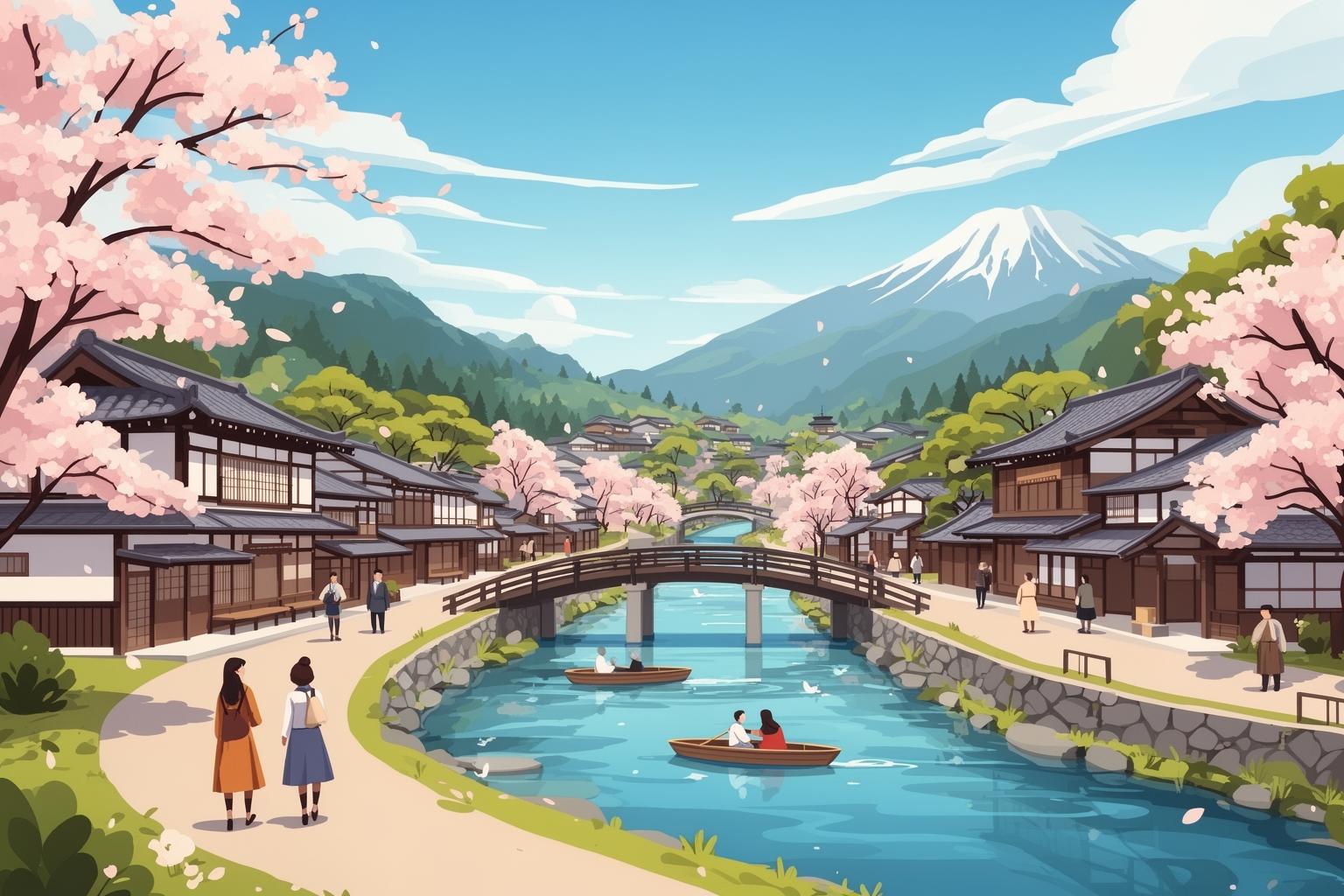
Leaving Tokyo’s concrete canyons behind, our pilgrimage leads us westward, deep into the mountains of Gifu Prefecture. This is Mitsuha’s world. Although the village of Itomori is fictional, its spirit is firmly anchored in the real and beautiful town of Hida-Furukawa. The shift from Taki’s world to Mitsuha’s is as dramatic and breathtaking as portrayed in the film.
Riding the Rails into Tradition
The journey itself is part of the magic. From Tokyo, you’ll most likely take the Shinkansen (bullet train) to Nagoya and then transfer to the JR Hida Wide View limited express train. It is during this second leg that the enchantment starts. The train weaves its way out of the city and into a lush, mountainous terrain. It follows the winding Hida River, its turquoise waters tumbling over stones, passing dense forests and quaint, traditional villages. Gazing out through the train’s large panoramic windows, you’ll feel exactly as Taki did on his desperate search for Mitsuha—a city boy plunged into an unfamiliar world, guided only by his sketches and a fragile thread of memory. The scenery is so vividly reminiscent of the film that it seems as if the animation has come to life just beyond your window.
Stepping into a Living Postcard: Hida-Furukawa Station
As soon as you step off the train at Hida-Furukawa Station, you realize you have arrived. The small, unpretentious station perfectly mirrors the one seen in the movie. You’ll notice the taxi stand where Taki and his friends waited, and you may even spot the cow mascot symbolizing the region’s famous Hida beef. The station staff are well aware of the town’s popularity and warmly welcome visitors. There is a feeling of stepping back in time here. The air feels fresher, the pace of life slower, and the city’s noise fades into the distant chirping of birds and the soft murmur of the town. This is the gateway to Mitsuha’s world, and its authenticity is immediately striking.
Walking in Mitsuha’s Footsteps
Hida-Furukawa is a small, easily navigable town where every corner seems to capture a piece of the film. The town proudly and respectfully embraces its connection to Your Name, offering maps that highlight key spots for visiting fans.
The Hida City Library: A Haven of Knowledge
One of the most beautifully depicted and emotionally important locations in Hida-Furukawa is the Hida City Library. This is where Taki uncovers a clue about Itomori’s tragic past. The real library is an architectural gem, featuring warm wooden interiors, high ceilings, and an atmosphere of calm studiousness. It looks precisely as it does in the film, from the design of the chairs to the arrangement of the shelves. Acknowledging its significance to visitors, the library has a designated photo spot and permits photography after obtaining permission at the front desk. This considerate policy allows fans to capture their moment without disturbing other patrons. Sitting in one of the chairs, surrounded by books and the quiet murmur of the library, you can feel the gravity of Taki’s discovery, the moment when his search shifted from finding a person to racing against time.
Echoes of the Past: The Streets and Shrines
As you explore Hida-Furukawa, familiar scenes appear throughout. The bus stop where Taki asks locals about Itomori remains in place. The cozy restaurant Ajidokoro Furukawa serves the local specialty, Gohei Mochi—a skewered rice cake grilled with a sweet and savory miso-walnut sauce, just like the one Taki enjoyed. The town is also renowned for its scenic canals, teeming with thousands of vibrant koi fish. Walking along these waterways, past historic merchant houses with their distinctive white-walled storehouses (Shirakabe Dozogai), feels like traversing a living museum. For the spiritual core of Itomori—the Miyamizu Shrine—fans should visit two sites. The Keta Wakamiya Shrine in Hida-Furukawa, with its long stone staircase, clearly inspired the shrine’s general setting. Meanwhile, Hie Shrine in the nearby city of Takayama features the distinctive wooden entrance gate seen in the film. Visiting Keta Wakamiya Shrine involves a bit of a hill climb, but the effort is rewarded with a tranquil, mystical ambiance that truly evokes Mitsuha’s sacred family home.
A Taste of Hida: Culinary Pilgrimage
No trip is complete without savoring the local tastes, and Hida offers a feast for the senses. The region is famous for Hida beef, a wagyu variety that rivals Kobe beef in tenderness and marbling. It can be enjoyed in an array of dishes, from elegant steaks to simple yet delicious beef buns sold at street stalls. For Your Name fans, the must-try item is Gohei Mochi. This humble snack is surprisingly flavorful—the rice is pounded to a perfectly chewy texture, and the glaze is a rich, nutty, deeply savory blend that warms you from within. It’s the flavor of Mitsuha’s hometown. The region is also well-known for its sake, thanks to the pure mountain water. Many local breweries offer tastings, providing an ideal way to conclude a day of exploration and raise a toast to the fate that brought you to this beautiful corner of Japan.
Tying the Threads: Planning Your Your Name Pilgrimage

Embarking on this journey requires some planning, but bridging the distance between Taki’s Tokyo and Mitsuha’s Hida is an incredibly rewarding experience that enhances your appreciation of the film’s narrative.
The Tale of Two Cities: Logistics and Timing
The key to this pilgrimage is understanding the travel involved. It’s best to set aside at least two full days for the Tokyo locations and another two days for the Hida region. This allows for a relaxed exploration without feeling rushed. The most efficient way to travel between the two is via the Tokaido Shinkansen from Tokyo to Nagoya (about 1.5 to 2 hours), followed by the Limited Express Wide View Hida from Nagoya to Hida-Furukawa (about 2.5 hours). For international visitors, the Japan Rail Pass offers a cost-effective option for covering this long-distance journey. While in Tokyo, a Suica or Pasmo IC card is essential for navigating the city’s extensive but efficient train and subway network. In Hida-Furukawa, walking is the best way to get around, as the town is delightfully compact and best explored on foot.
When to Visit: A Seasonal Guide
Your Name beautifully captures the changing seasons, and your experience will vary depending on when you visit. Spring brings delicate cherry blossoms to Tokyo’s parks and fresh, vibrant greenery to the mountains of Gifu. Summer provides lush landscapes but can be hot and humid, especially in Tokyo. Autumn, the season most prominently featured in the film, is perhaps the most enchanting time to visit. The journey to Hida transforms into a canvas of fiery reds, oranges, and yellows, perfectly echoing the film’s nostalgic and slightly melancholic tone. Winter covers Hida in a thick blanket of snow, turning the town into a serene, monochrome wonderland, offering a completely different yet equally beautiful perspective. There is no wrong time to go; each season offers its own unique connection to the story.
A Note for the First-Time Traveler
Japan is exceptionally welcoming to travelers, but a few tips can help make your trip smoother. Renting a pocket Wi-Fi device at the airport is highly recommended for staying connected and using navigation apps. While credit cards are widely accepted in cities, it’s wise to carry some cash, especially in smaller towns like Hida-Furukawa, where some shops and restaurants may only accept cash. Learning a few simple Japanese phrases—such as “Arigato” (Thank you), “Sumimasen” (Excuse me), and “Konnichiwa” (Hello)—goes a long way in showing respect and fostering connections with locals.
Beyond the Frame: A Connection That Lingers
A pilgrimage through the world of Your Name is more than just a list of filming locations. It’s an immersive experience that bridges the gap between audience and story. Standing on the Suga Shrine steps as the sun sets over Tokyo, or hearing cicadas buzzing in the quiet afternoon air of Hida-Furukawa, you sense an echo of the film’s deep emotions. You feel the longing for something unnamed, the joy of a bond that transcends time and space, and the beauty of a world crafted with meticulous care and love. This journey lingers long after you’ve returned home. The film gains depth, its locations now enriched with your own memories, sounds, and tastes. It serves as a powerful reminder that sometimes, the most profound connections are found not only in stories but also in the real, tangible places that inspire them.