There are places in Japan where time doesn’t just slow down; it seems to pool, eddying around ancient stones and wooden houses, carrying with it the whispers of centuries past. Tomonoura, a gentle port town nestled in a cove along the Seto Inland Sea in Hiroshima Prefecture, is one such place. It’s a town defined by the rhythm of the tides, a place where the modern world feels like a distant hum. For many travelers, however, its name resonates with a more recent kind of magic—the whimsical, vibrant world of Studio Ghibli. This is the town that captured the heart of legendary director Hayao Miyazaki, the very place where he lived and dreamed up the enchanting story of Ponyo. To walk the narrow, winding streets of Tomonoura is to step into a living postcard, a landscape where the boundary between reality and animation feels beautifully, wonderfully blurred. It’s a journey not just to a location, but into the soul of a story, a town that has been waiting for the tide, and for you, for a very long time.
For those enchanted by Miyazaki’s imaginative worlds, a visit to the Sayama Hills offers another real-life encounter with Japan’s enduring animated magic.
The Soul of a Shiomachi Town
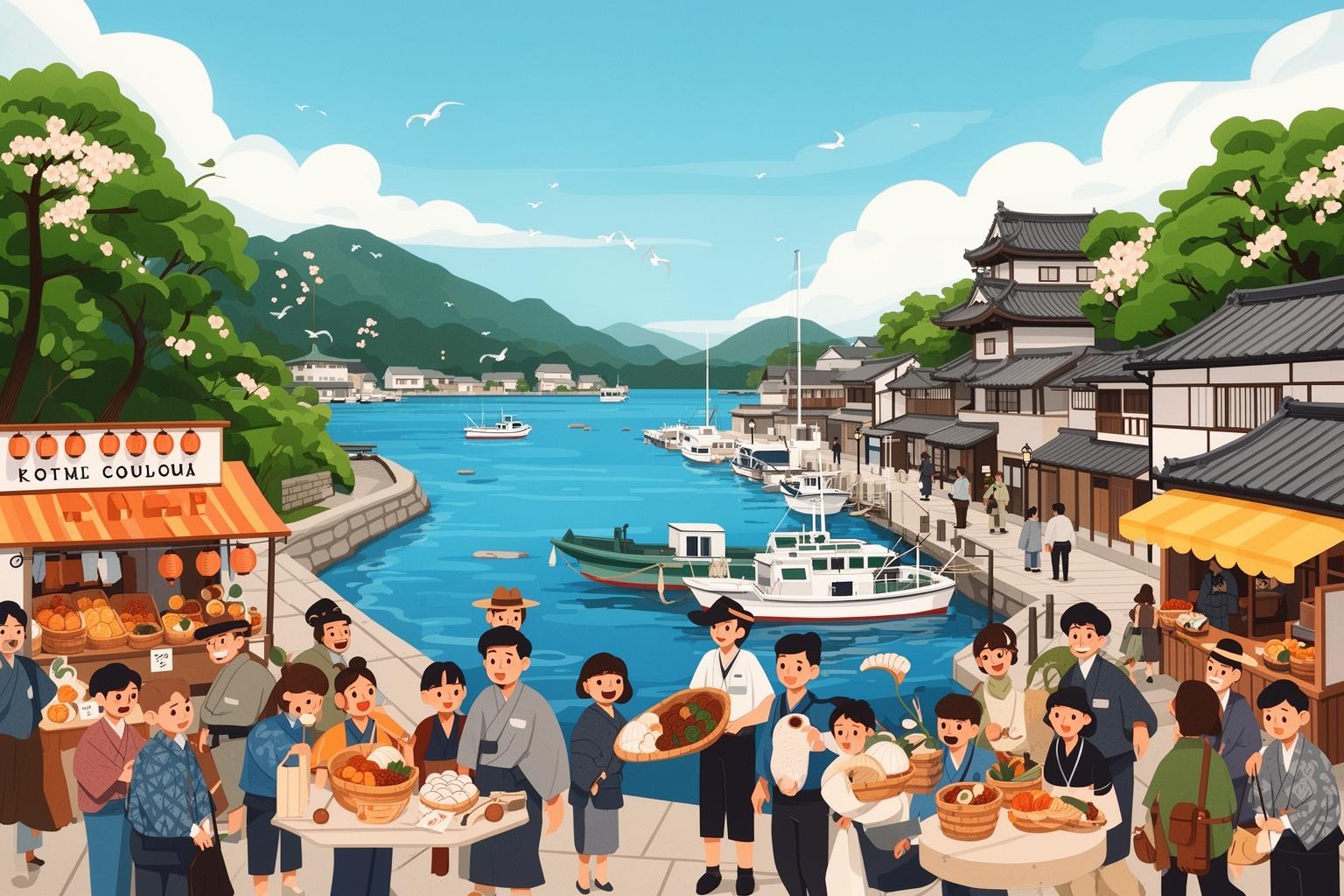
To truly grasp Tomonoura, you must first understand its core, and that core is the sea. For centuries, it was known as a shiomachi no minato, a “tide-waiting harbor.” Before the era of engine-powered vessels, ships navigating the challenging currents of the Seto Inland Sea, Japan’s crucial maritime route, would take refuge in Tomonoura’s sheltered, bowl-shaped harbor. There, they would wait—for the tide to change, for the winds to shift. This simple, repeated act of waiting defined the town’s very character. It evolved into a center of commerce, culture, and conversation. Merchants, sailors, and even feudal lords passed through, leaving their imprint on its streets and spirit. The town thrived, not through speed, but through patience.
That legacy of patience remains tangible today. The air carries the faint briny scent of the ocean, blended with the sweet, fermented fragrance of soy sauce from a local brewery. The town is a maze of narrow, stone-paved alleys, too tight for most vehicles, compelling you to slow down and explore on foot. Along these pathways, you’ll discover beautifully preserved Edo-period buildings featuring distinctive dark wooden lattices and white-plastered walls. Time has aged these structures, bestowing upon them a dignified, tranquil grace. You can almost hear the echoes of merchants bargaining and sailors recounting tales from faraway ports. Unlike heavily touristed historic districts, Tomonoura feels inhabited. Laundry flutters from second-story windows, cats lounge in sunbeams atop stone walls, and elderly residents greet one another with familiar nods. It is this genuine, unhurried atmosphere that makes the town so enchanting. It doesn’t seem like a museum; it feels like a community that has gracefully carried its history into the present.
Echoes of Ghibli: Finding Ponyo in the Scenery
In 2005, Hayao Miyazaki and his team of animators settled in a secluded house overlooking Tomonoura harbor. For two months, they fully immersed themselves in the town’s daily life, observing its unique character, sketching its landscapes, and absorbing its timeless atmosphere. The result was Ponyo, a film that is not a direct portrayal of Tomonoura, but rather a perfect distillation of its spirit. The town served as the muse, its essence woven into every frame of the animated masterpiece.
As you wander, inspiration surrounds you. Stand at the harbor’s edge and gaze at the cluster of houses clinging to the green hillside. You’ll immediately recognize the charming, slightly chaotic town where the film’s human protagonist, Sosuke, lives. The gentle curve of the harbor wall, the small fishing boats bobbing on the water’s surface, the red-roofed buildings—it’s all there. Even the film’s distinctive, hand-drawn aesthetic seems to reflect the town’s gentle, organic feel. Miyazaki chose not to create a photorealistic replica but to capture an emotion. He captured the way the light dances on the water, the cozy jumble of the architecture, and the profound bond between the town and the sea. Visiting Tomonoura after watching Ponyo is a magical experience. It feels like stepping behind the scenes of the film, recognizing not just the sights, but the soul of the place that inspired such a beautiful story. It’s a reminder that the most enchanting fantasies often grow from the quiet magic of the real world.
Landmarks That Tell a Story
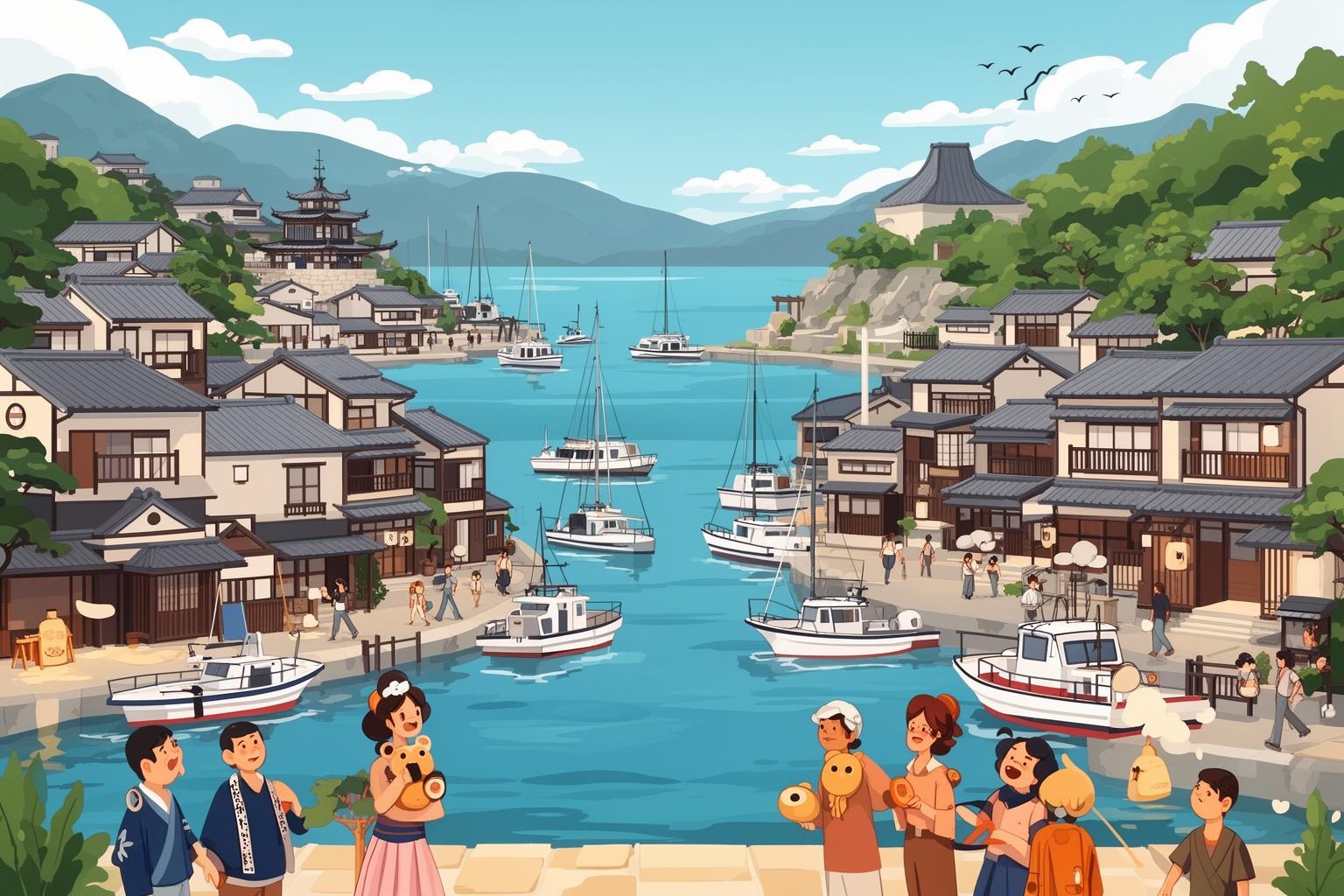
While the entire town feels like a living historical artifact, several key landmarks stand out, each offering a deeper insight into Tomonoura’s rich and layered past. These sites are more than just tourist attractions; they serve as the pillars of the town’s identity, carefully preserved and cherished by the local community.
Joyato Lighthouse: The Town’s Guiding Light
The most iconic symbol of Tomonoura is the Joyato, a stone lighthouse gracefully standing at the tip of the old pier. Constructed during the Edo period, it is the largest and most well-preserved lighthouse of its type in Japan. Its purpose was simple yet crucial: to safely guide ships into the harbor. Unlike modern lighthouses, its light was powered by oil, casting a soft, welcoming glow in the dark. Today, it no longer functions as a navigational aid, but it remains the town’s spiritual heart. Standing before it, one can sense its rich history. The stones have been smoothed by centuries of wind and sea spray. It has witnessed countless sunrises and sunsets, as well as the arrival and departure of thousands of vessels. It’s the perfect spot to sit and watch harbor life unfold—a silent monument to Tomonoura’s enduring role as a refuge for sailors.
The Ota Clan Residence and Irohamaru Museum
To grasp the town’s former prosperity, a visit to the Ota Clan Residence is essential. This beautifully preserved merchant house once belonged to a family that prospered by brewing homeishu, a medicinal liqueur still a local specialty. The residence is a labyrinth of elegant rooms with tatami floors, intricate woodwork, and a tranquil inner garden. Stepping inside is like stepping back in time, offering a tangible sense of the wealth that once flowed through this tide-waiting port.
Nearby, the Irohamaru Museum provides another fascinating glimpse into the town’s history. It is dedicated to a dramatic event involving one of Japan’s most renowned samurai, Sakamoto Ryoma. In 1867, a ship he chartered, the Irohamaru, collided with a rival clan’s vessel and sank just off the coast of Tomonoura. The tense negotiations that followed occurred right here in town. Housed in a historic warehouse, the museum showcases artifacts recovered from the shipwreck and recounts the story of this pivotal moment leading to the Meiji Restoration. It stands as a powerful reminder that this otherwise quiet town was once at the crossroads of Japanese history.
Fukuzenji Temple and the Taichoro Pavilion
For the most stunning view in Tomonoura, one must climb the stone steps to Fukuzenji Temple. While the temple itself offers a peaceful retreat, its true gem is the Taichoro, an adjacent reception hall built to entertain important guests. From its spacious tatami room, visitors can admire a perfectly framed view of the harbor and the picturesque islands of Sensuijima and Bentenjima. The scene is so enchanting that, in 1711, a Korean emissary declared it “the most beautiful view in all of Japan.” This phrase is elegantly inscribed and displayed within the hall. Sitting on the tatami, feeling the gentle sea breeze, and gazing at the same scenery that has mesmerized visitors for centuries is a moment of pure, meditative bliss. It’s a view that calms the mind and fills the heart, capturing the serene beauty of the Seto Inland Sea.
Savoring the Slow Life in Tomonoura
Tomonoura’s greatest allure isn’t tied to a single landmark, but lies in the experience of simply being there. This is a town that encourages you to set aside your map, forget your schedule, and embrace the art of aimless wandering. Its charms are subtle, revealing themselves to those who take the time to observe.
Wandering the Backstreets
The true essence of Tomonoura can be found in its winding backstreets. Turn off the main waterfront road and allow yourself to get lost. Each alleyway offers a new discovery. You might come across an old sake brewery, its storefront decorated with a traditional cedar ball, or a small shop selling handmade crafts. You’ll spot homes with beautiful hidden gardens, glimpse the sea at the end of a narrow lane, and meet friendly locals who may greet you with a warm smile. This is where you can feel the town’s heartbeat. Listen for the clatter of a workshop, the voices from an open window, or the distant toll of a temple bell. Let your curiosity lead you and allow the town to unveil its secrets one quiet corner at a time.
A Taste of the Seto Inland Sea
As expected, the local cuisine revolves around the bounties of the sea. Tomonoura is especially renowned for its sea bream, or tai. In spring, the town hosts a spectacular festival called Tai-ami, where visitors can observe traditional net-fishing methods from boats. All year round, you can savor this local specialty. Look for restaurants serving tai-meshi, a simple yet delicious dish of sea bream cooked with rice in an earthen pot. Many local eateries and cafes are set in historic buildings, often offering stunning views of the harbor. Finding a place to enjoy a meal or a cup of coffee while watching boats drift by is an integral part of the Tomonoura experience. Don’t miss trying the aforementioned homeishu, the sweet herbal liqueur brewed here for over 350 years. It’s a distinctive taste of the town’s heritage.
A Short Ferry to Sensuijima Island
For a change of scenery and a touch of nature, take the charming Heisei Irohamaru ferry for a five-minute ride to Sensuijima Island. The ferry is a replica of Sakamoto Ryoma’s steamship, adding a bit of historical charm to your journey. The island is mostly undeveloped, designated as a national park with peaceful hiking trails and beautiful coastal views. It’s a perfect place to escape and appreciate the natural beauty of the Seto Inland Sea. A coastal walk will lead you to the Goshikiiwa, or “five-colored rocks,” a unique geological formation of vividly striped rocks. According to legend, these are the only rocks of their kind in Japan. Whether you seek an invigorating hike or a quiet beach spot, Sensuijima offers a perfect natural balance to the historic town.
Practical Guidance for Your Journey
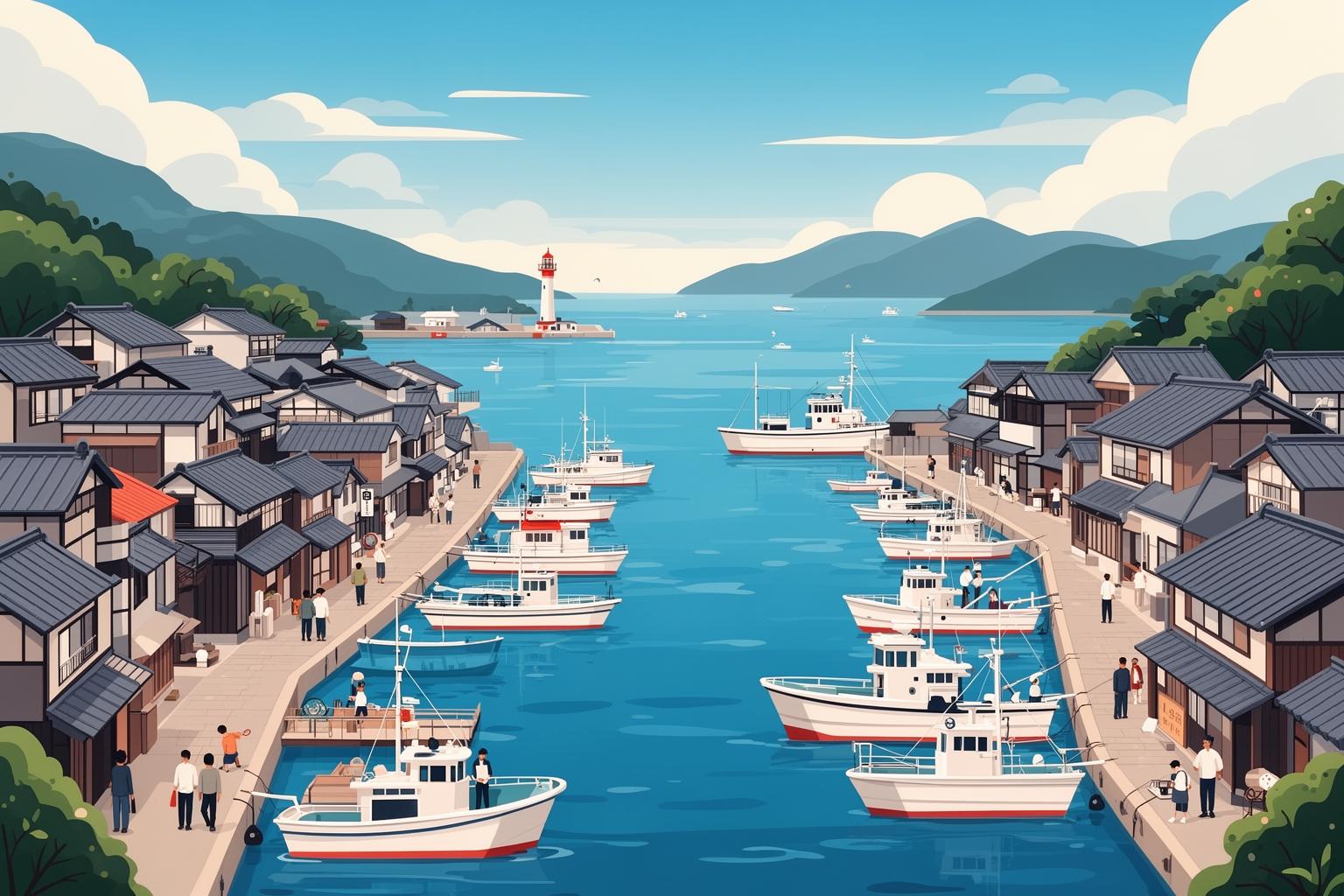
Although Tomonoura feels like a world apart, it is relatively easy to access with a bit of planning. A few practical tips can help make your visit as smooth and enjoyable as the town’s gentle rhythm.
Getting to Tomonoura
The primary gateway to Tomonoura is Fukuyama City. The easiest way to get to Fukuyama is by the Sanyo Shinkansen (bullet train), which links it directly to major cities such as Osaka, Hiroshima, and Tokyo. From JR Fukuyama Station, you can reach Tomonoura by a local bus. Head to the bus terminal just outside the station’s south exit and find bus stop number 5. The ride takes about 30 minutes and costs a few hundred yen. The bus passes through Fukuyama’s suburbs before descending to the coast, dropping you off at the edge of the historic harbor area. The journey itself offers a pleasant shift from the bustling city to the tranquil seaside.
When to Visit
Tomonoura is delightful all year, but spring and autumn provide the most comfortable weather for sightseeing. Spring (March to May) features mild temperatures and the chance to see cherry blossoms, culminating in the lively Tai-ami fishing festival in May. Autumn (October to November) is equally enjoyable, with clear skies and pleasant temperatures ideal for walking. Summer (June to August) can be hot and humid, but the town’s sleepy, summery atmosphere can be very inviting. Winter is quiet and crisp, offering a more peaceful and atmospheric experience. It’s recommended to check the opening hours of museums and shops ahead of time, especially during the off-season, as schedules can be limited in a small town like this.
Navigating the Town
Once you arrive, walking is your best means of getting around. The historic center of Tomonoura is compact and very pedestrian-friendly. In fact, its narrow streets make driving impractical and unenjoyable. Wear comfortable walking shoes, as you’ll be walking on stone paths and climbing gentle slopes and stairs. Keep in mind that Tomonoura is a living residential town, not just a tourist spot. Respect private property and the quiet daily lives of residents. While some larger restaurants and museums may offer English information, many smaller, family-run shops will not. A friendly smile and patience go a long way. Embrace the slower pace—it’s the best way to fully appreciate everything the town has to offer.
A Parting Gaze from the Harbor
As your day in Tomonoura comes to an end, make your way back to the harbor. Sit on the stone seawall and watch the setting sun paint the sky in shades of orange and purple, casting a warm, golden light on the Joyato lighthouse and the traditional wooden structures. The fishing boats rest quietly, their work complete for the day. The tide begins to shift, as it has for a thousand years. In this moment, it’s easy to see why this place has inspired so many, from ancient poets and samurai to the world’s greatest animation director. Tomonoura is more than just a picturesque town; it’s a feeling. It’s the peace of watching the water, the joy of discovering a tucked-away alley, the comfort of a history that is not only remembered but lived. It’s a place that gently invites you to slow down, breathe, and simply be. And long after you’ve boarded the bus and returned to the fast-paced modern world, the magic of this little tide-waiting town will linger in your memory, a soft, whimsical echo, much like the ending of a cherished film.