
There are stories that feel like dreams, lingering just beyond the edge of memory, and then there are stories that become a part of the landscape itself. Makoto Shinkai’s 2016 masterpiece, Your Name (Kimi no Na wa), is a phenomenon of the latter kind. It’s a film that captured the global imagination not only with its heart-wrenching tale of two souls intertwined across time and space but with its breathtakingly realistic portrayal of Japan. The film’s world is a meticulous mosaic of real places, rendered with such loving detail that they blur the line between animation and reality. This has given birth to a modern form of pilgrimage, a seichi junrei, where fans travel not to ancient temples to honor deities, but to quiet neighborhoods and bustling cityscapes to walk in the footsteps of fictional characters, Taki and Mitsuha. It’s a journey to find the tangible echoes of an intangible story, to stand on a staircase and feel the weight of a fated encounter, or to gaze at a rural train station and imagine the start of a desperate search. This guide is your map, a way to navigate the dual worlds of the film: the electric, sprawling metropolis of Tokyo and the serene, traditional heartland of Hida in Gifu Prefecture. It’s an invitation to step through the screen and discover that the magic of Your Name is not just in its narrative, but in the very real, very beautiful places that gave it life.
Fans ready to trace the film’s footsteps can delve deeper into its inspiring settings by embarking on a Tokyo and Hida pilgrimage that uncovers the magic behind every detailed scene.
Tokyo’s Urban Heartbeat: Tracing Taki’s Steps
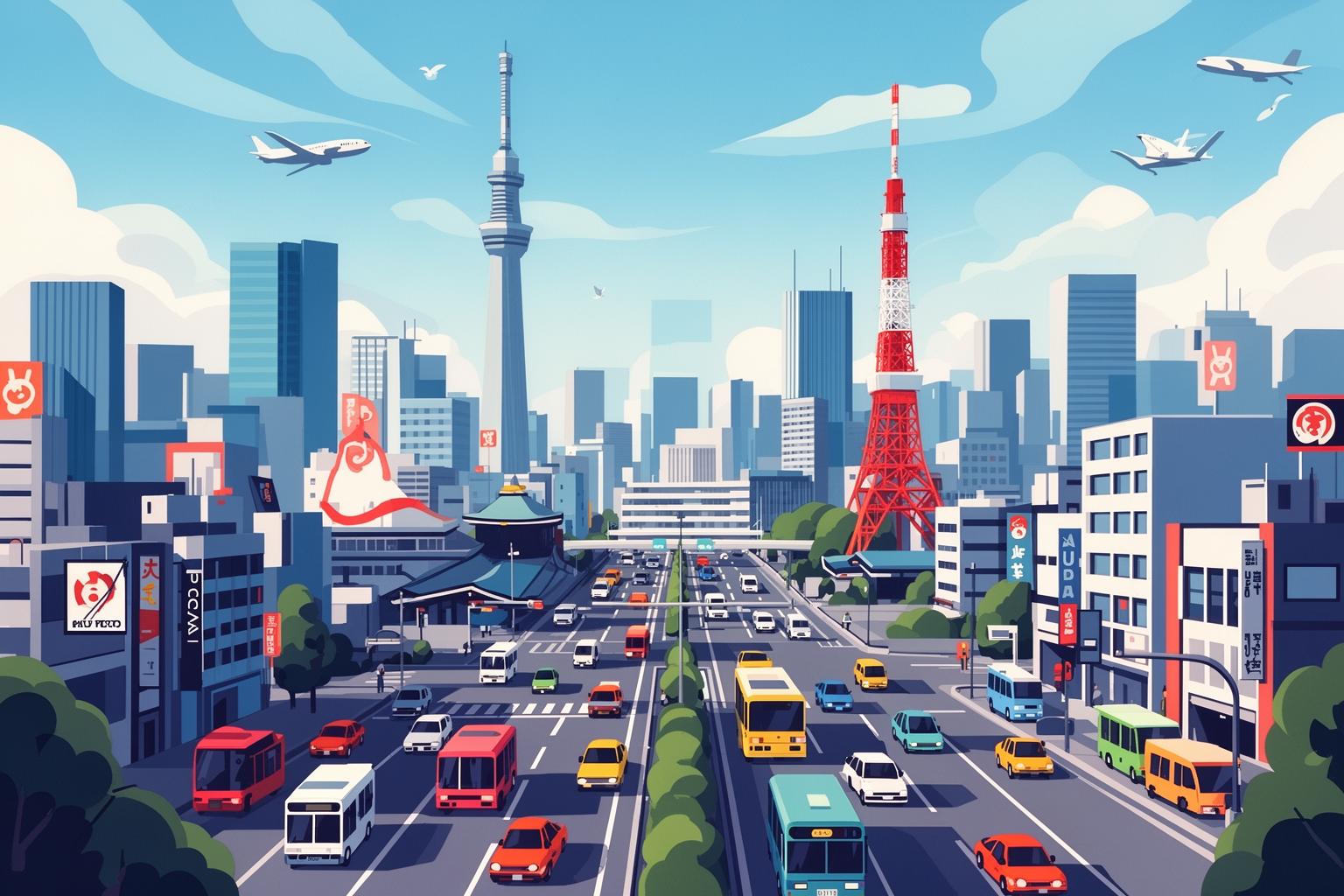
Tokyo is much more than just a backdrop in Your Name; it takes on the role of a character itself. The city is a dazzling mix of contrasts, where towering skyscrapers cast long shadows over serene, ancient shrines. For Taki Tachibana, Tokyo sets the rhythm of his daily life—the crowded trains, the hum of traffic, and the endless constellations of artificial lights. Shinkai skillfully captures this urban heartbeat, transforming everyday infrastructure into canvases brimming with deep emotion. Following Taki’s journey reveals this vast city not as an overwhelming labyrinth, but as a collection of intimate moments and meaningful places, each holding a piece of his story.
The Iconic Stairs of Suga Shrine
This is the spot. For fans of the film, the image is unforgettable: two figures crossing paths on a red-railed staircase, a spark of recognition igniting into a desperate, hopeful question. This emotional climax plays out on the steps leading to Suga Shrine in Yotsuya, a residential area within Shinjuku Ward. Discovering the location feels like a special find. You step out from the subway into a surprisingly tranquil neighborhood, a stark contrast to the bustling energy of Shinjuku’s center. The streets are narrow and lined with modest homes and small businesses. Then, you turn the corner, and there they are. The stairs feel steeper in person, the red railing a bright slash against the surrounding greenery and concrete. The atmosphere often carries a quiet reverence. You’ll almost certainly encounter other pilgrims, each waiting their turn to recreate the iconic shot from the film’s final poster. There’s a tangible sense of shared experience, a silent connection among strangers moved by the same story. To reach this site, take the Tokyo Metro Marunouchi Line to Yotsuya-sanchome Station, followed by a pleasant ten-minute walk. For the best photos, aim for the soft light of late afternoon, when sunlight filters through the trees, casting long shadows that add cinematic drama. Remember, this is a residential neighborhood; the magic lies in its peaceful normalcy, so please be considerate of the local residents.
Shinjuku’s Concrete Canvas
Shinjuku is the vibrant core of Taki’s Tokyo—a district bursting with sensory overload, a symphony of neon signs, intersecting train lines, and rivers of people. The film perfectly captures this beautiful chaos. One of the most recognizable spots is the pedestrian bridge near the Shinjuku Police Station, featured in several key visual scenes. From here, you can observe the dense layers of the city Shinkai loves to portray: the unrelenting flow of traffic below, the towering Mode Gakuen Cocoon Tower in the distance, and the intricate network of elevated roads. Standing here feels like stepping into one of the film’s most iconic establishing shots. Nearby stands the famous “LOVE” sculpture by Robert Indiana, a landmark that Taki and his friends pass by. This area is a testament to the director’s ability to find beauty within the urban jungle. To truly experience Taki’s Shinjuku, immerse yourself fully—get lost in Shinjuku Station, one of the busiest stations in the world. Step outside and wander, letting the city lead you. For panoramic views reminiscent of the film’s scenes, consider visiting the free observation decks of the Tokyo Metropolitan Government Building. From there, you can gaze over the endless cityscape and perhaps, for a fleeting moment, feel the mix of awe and loneliness that Taki experiences.
A Moment of Respite: The National Art Center, Tokyo
The setting for Taki’s date with his coworker, Okudera-senpai, is the breathtaking National Art Center in Roppongi. This location reflects Taki’s growing interest in art and architecture. Designed by the acclaimed Kisho Kurokawa, the building itself is a masterpiece, featuring a spectacular undulating glass facade that floods the interior with natural light. Stepping inside feels like entering a tranquil, futuristic forest made of concrete and glass. The exact place where Taki and Okudera dine is Brasserie Paul Bocuse Le Musée, a French restaurant dramatically situated atop a massive inverted concrete cone within the atrium. Even if you don’t eat there, you can visit the cafes on the lower levels and soak up the refined atmosphere. It offers a striking contrast to the frenetic energy of Shinjuku, presenting a more cultured, serene side of Tokyo life. This is a place for quiet reflection, where art, architecture, and light come together. It’s easily accessible from Nogizaka Station on the Chiyoda Line, which has a dedicated exit leading directly into the center. Entry to the building is free, though special exhibitions require tickets. It’s an ideal spot to spend a calm afternoon, contemplating the film’s more peaceful moments.
Itomori’s Soul: Discovering Mitsuha’s World in Hida
If Tokyo symbolizes the future and the familiar world, Itomori represents the past—a place rich in tradition, memory, and profound spirituality. Although Itomori is a fictional town, its essence is deeply rooted in the Hida region of Gifu Prefecture, a mountainous area celebrated for its untouched natural beauty and beautifully preserved historic towns. Traveling here after Tokyo evokes the same profound change in atmosphere that Taki experienced. The city’s frantic pace yields to the gentle flow of a river, the roar of trains gives way to the chirping of cicadas, and the neon lights soften into the warm glow of paper lanterns. This is Mitsuha’s world, with its real-life counterparts waiting to be discovered.
Hida-Furukawa Station: The Arrival
The journey into Mitsuha’s world begins, as it did for Taki, at a train station. The real-life inspiration for the station where Taki and his friends arrive is Hida-Furukawa Station, remarkably—and almost eerily—identical to its animated portrayal. The wooden benches, overhead signs, and the pedestrian footbridge crossing the tracks are all faithfully represented. Standing on the platform, you can almost hear the characters’ conversations. The station has lovingly embraced its fame; inside, you’ll find displays related to the film and even the Hida beef mascot, Hidakuro, just as Taki did. The town of Hida-Furukawa itself serves as the main inspiration for Itomori’s overall atmosphere. It’s a charming and tranquil place. The best way to get there is via the JR Takayama Main Line. The Wide View Hida limited express train offers a spectacular route from Nagoya or Toyama, winding through deep gorges and along breathtaking river valleys, preparing you gradually for the change in scenery and pace.
The Hida City Library: A Hub of Clues
Among all the locations in the Hida region, none is more faithfully recreated than the Hida City Library. This is where Taki frantically searches for records of the comet strike, hoping to uncover traces of Itomori and Mitsuha. The library is a beautiful modern structure with a warm, inviting interior featuring magnificent wooden beam work—a tribute to the region’s renowned carpentry skills. The seating areas, the distinctive rounded windows, and the particular angle of the shelves are all exactly as shown in the film. The library staff are well aware of their building’s stardom and welcome visitors warmly. However, it remains a functioning public library and a quiet space for the local community. Visitors intending to take photographs must first obtain permission at the main desk, where they receive a pass and are asked to be considerate of other patrons. This act of seeking permission becomes part of the pilgrimage experience, a small ritual acknowledging the connection between the fictional quest and the real location. It’s a poignant moment to sit in one of the chairs where Taki once sat, surrounded by books, and feel the weight of his search.
Echoes of Itomori: Keta Wakamiya Shrine and Local Flavors
Though the Miyamizu Shrine in the film is a blend of several places, one of its primary inspirations is believed to be the Keta Wakamiya Shrine, a short walk from Hida-Furukawa Station. The climb to the shrine, up a long flight of stone steps bordered by towering cedar trees and stone lanterns, strongly recalls the path Mitsuha and her sister would take for their ritual duties. As you ascend, the air cools and quiets, the sounds of the town fading and replaced by the rustling leaves. It feels sacred and ancient, a place where the traditions Mitsuha cherished remain alive. To fully embrace the Itomori experience, it’s essential to immerse yourself in the local culture. Discover the town’s famed Setogawa Canal, where thousands of colorful koi carp swim in clear water. And, naturally, you should engage with the art of kumihimo—the intricate braided cords central to the film’s theme of musubi, or connection. Several shops in Hida-Furukawa and nearby Takayama offer workshops where you can sit at a traditional wooden stand and braid your own cord, a perfect, tangible keepsake that links you to Mitsuha’s heritage.
The Journey Between Worlds: Practical Pilgrimage Planning

Undertaking the Your Name pilgrimage requires some planning, as it entails connecting two very distinct regions of Japan. A well-considered itinerary will help ensure a smooth experience, allowing you to fully immerse yourself in the atmosphere of each destination.
Timing Your Quest
Japan’s seasons each provide a unique perspective on these locations. Spring covers the country in cherry blossoms, adding a fleeting beauty to both Suga Shrine and the canals of Hida-Furukawa, though you’ll share the experience with peak-season crowds. Autumn is equally breathtaking, as the mountains around Hida burst into fiery hues, creating an ideal setting for a reflective journey. Summer is lush and green but can be hot and humid, while winter in Hida blankets the landscape in a quiet, magical snow, transforming it into something stark yet beautiful. For a distinctive cultural experience, consider visiting in April to see the Hida-Furukawa Festival, one of Japan’s most renowned float festivals, offering a glimpse into the deep-rooted traditions that shaped Mitsuha’s life.
Bridging Tokyo and Hida
Traveling from Tokyo’s urban expanse to Gifu’s mountainous region is a journey in itself. The most efficient route is the Tokaido Shinkansen (bullet train) from Tokyo to Nagoya, which takes about one hour and forty minutes. From Nagoya, transfer to the JR Wide View Hida limited express train, a roughly two-and-a-half-hour ride to Takayama—a larger town that serves as an excellent base for exploring the area—and then another fifteen minutes to Hida-Furukawa. For extensive travel within Japan, the Japan Rail Pass can be a cost-effective option covering this entire route. A well-paced itinerary might allocate three days to leisurely explore the Tokyo locations, followed by two to three days in the Hida region, providing time to visit both Hida-Furukawa and the beautifully preserved old town of Takayama.
A Pilgrim’s Etiquette
It’s important to remember these sites are not film sets but living parts of a community. The continuation and success of anime pilgrimage culture rely on the respect shown by visitors. At Suga Shrine, keep your voices low and be considerate of residents coming and going. Silence is essential in the Hida City Library. Always seek permission before taking photos in places like shops or libraries. The best way to show appreciation is by supporting the local economy—buy an omamori (amulet) at a shrine, savor a meal of Hida beef at a local restaurant, purchase handmade crafts, or try the local sake. By being a respectful and supportive visitor, you become a welcomed part of the story, helping ensure these places remain special for future pilgrims.
Beyond the Frame: Shinkai’s Art and the Spirit of Place
Embarking on this pilgrimage offers more than just the excitement of recognition. It fosters a deeper appreciation for Makoto Shinkai’s artistry and his profound connection to the Japanese concept of mono no aware—a gentle sadness or awareness of the impermanence of things. Shinkai is a master at discovering the sublime within the ordinary. His films transform everyday details—the soft glow of a vending machine at dusk, the way rain darkens asphalt, the lens flare of a setting sun behind a skyscraper—into moments of stunning beauty. When you stand in these real locations, you begin to see the world through his perspective. You notice the exact details he chose to replicate: the texture of a concrete wall, the pattern of power lines against a twilight sky, the reflection in a train window. The journey recalibrates your senses, urging you to find cinematic beauty in your own surroundings. The pilgrimage also enhances your understanding of the film’s central theme of musubi—the invisible threads of fate, time, and connection that link everything together. Traveling from place to place, following this path laid out by the film, becomes a physical embodiment of that theme. You connect with the story, its creator, and a global community of fans who have undertaken the same journey, all united by a shared love for a narrative about connection itself.
A Journey’s End, A Memory’s Beginning

Tracing the path of Taki and Mitsuha is embarking on a journey of enchanting dualities. It is a pilgrimage that carries you through the core of Japan’s hyper-modern present and into its calm, timeless spirit. You transition from the towering verticality of Tokyo’s skyscrapers to the tranquil horizontality of Hida’s valleys, from the anonymity within the crowd to the warmth of a small town. You will find yourself standing in places that once existed only on screen, as the line between fiction and reality fades before your eyes. The search for these sites mirrors the characters’ quest to find one another. It is a journey fueled by a vivid memory of something beautiful. And when you finally stand on those stairs in Yotsuya, or on the platform in Hida-Furukawa, you are not simply visiting a film location. You are closing a loop, forging your own connection, and weaving your unique thread into the vast, intricate braid of a story that continues to resonate worldwide.