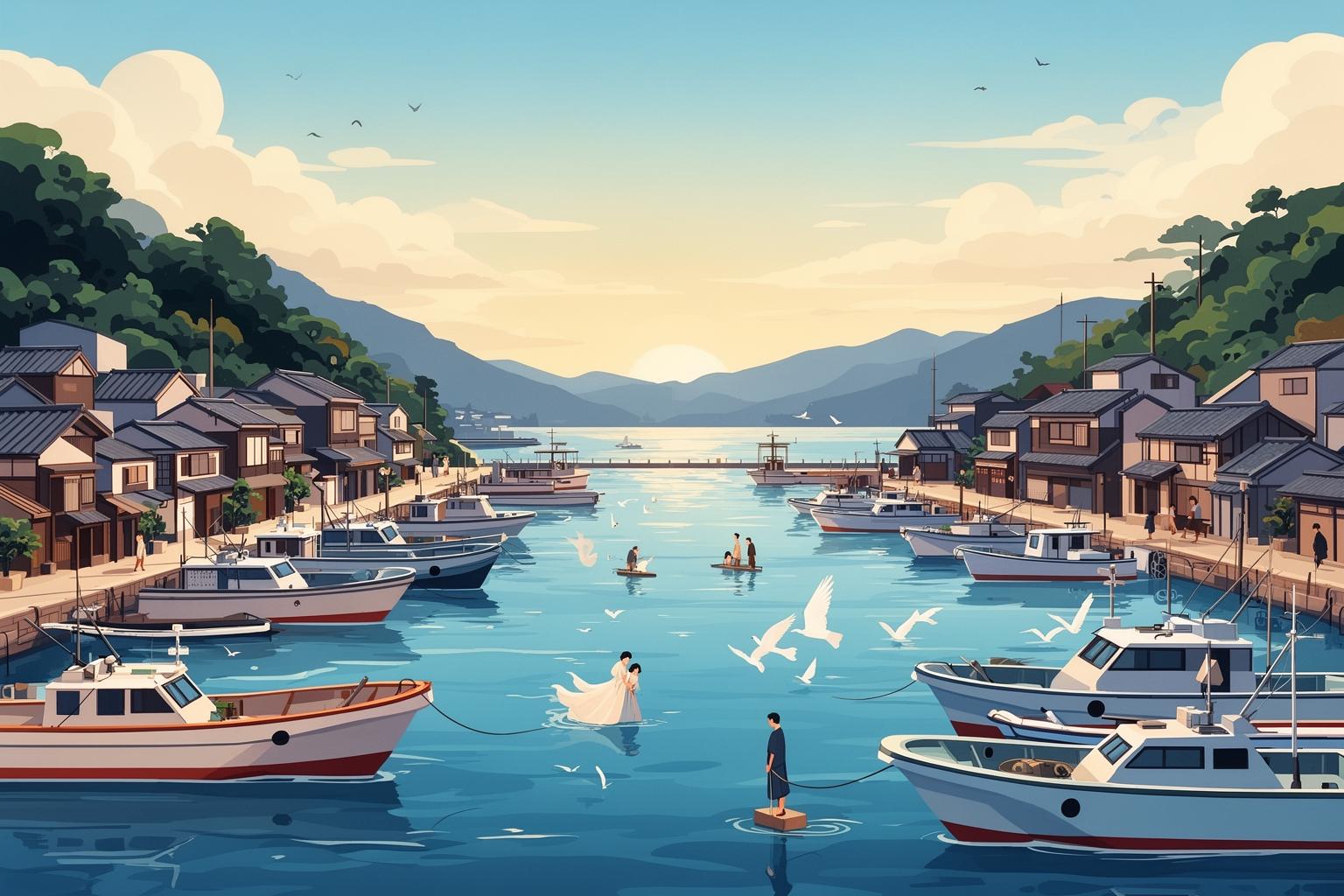
There are places in this world that feel like whispers from a dream, fragments of a half-remembered story brought to life. Tucked away on the coast of the Seto Inland Sea in Hiroshima Prefecture, the port town of Tomonoura is one such place. For many, its gentle, curving harbor and cluster of weathered, tile-roofed buildings will spark an immediate sense of recognition. This is the soul-stirring landscape that captivated legendary animator Hayao Miyazaki and became the vibrant, living blueprint for his enchanting film, ‘Ponyo.’ To step into Tomonoura is to walk through the celluloid frames of a Studio Ghibli masterpiece, to feel the salty air that inspired the story of a little fish girl who longed to be human. But this town is more than a pilgrimage site for animation lovers; it is a perfectly preserved relic of the Edo period, a port where the rhythm of life is still dictated by the patient ebb and flow of the tides. It’s a place where history breathes in the narrow alleys and the call of the seabirds echoes tales of samurai, merchants, and the sea itself.
For those captivated by the timeless allure of Tomonoura, a visit to the Ghibli museum offers another enriching doorway into Japan’s animated heritage.
The Echo of the Tides: A Town Preserved by Time
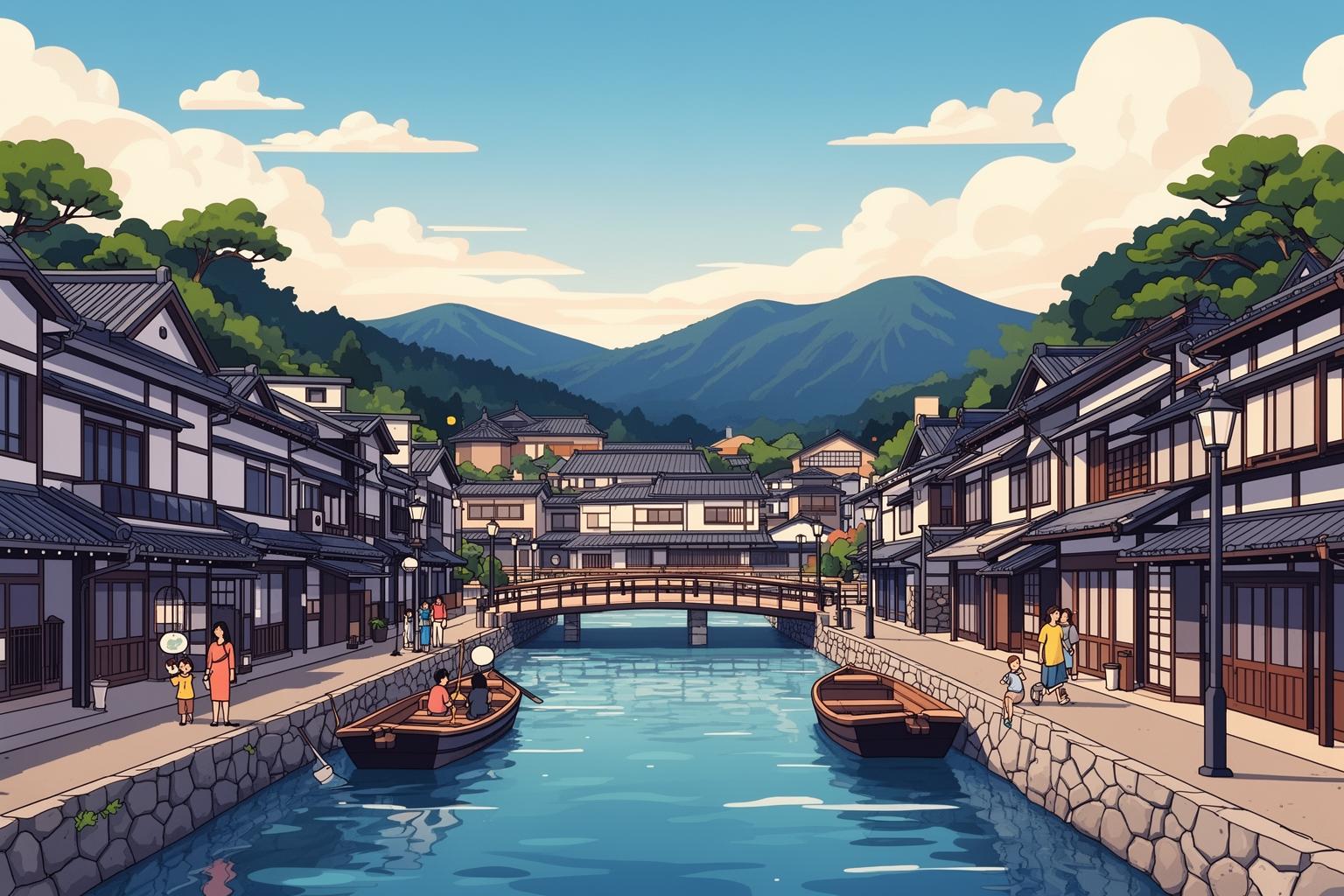
The moment you step into Tomonoura, the modern world begins to fade away. The air itself feels different—denser, infused with the salt of the sea and a faint, sweet hint of woodsmoke. The town’s very name means ‘the port of waiting for the tide’ (shio-machi no minato), a poetic reflection of its historic role. For centuries, this strategically situated harbor served as a crucial hub where sailing ships would anchor, waiting for the tidal currents of the Seto Inland Sea to turn in their favor before continuing their voyages. This enforced pause fostered a lively, thriving center of trade and culture. Today, that atmosphere of patient waiting still lingers. There are no train stations here, nor tall hotels to break the skyline. Instead, the rhythm is gentle and unhurried. You hear the creak of wooden fishing boats brushing against the docks, the distant toll of a temple bell, and the quiet chatter of locals exchanging greetings. The town is a symphony of subtle sounds, sharply contrasting the electric buzz of Japan’s megacities. It encourages you to slow down, meander without a purpose, and simply exist within its beautifully preserved ambiance. The harbor, with its distinctive circular shape, serves as the town’s heart, with everything sprawling outwards in a maze of impossibly narrow streets and hidden stairways. It feels less like a tourist spot and more like a secret you’ve been invited to share.
Ghibli’s Footprints on Cobblestone Streets
While Tomonoura possesses its own inherent charm, the enchanting influence of ‘Ponyo’ undeniably casts a beautiful spell over the landscape, inviting visitors to view the world through Miyazaki’s perspective. The director and his team of animators famously spent two months living in the town, absorbing its details, sketching its contours, and immersing themselves in its unique spirit. This deep immersion is evident in every frame of the film. The result is not a direct replica but an animated essence distilled from Tomonoura. As you stroll along the stone-paved streets, you’ll find yourself frequently pausing, struck by a strong sense of déjà vu. The town in ‘Ponyo’ is not merely based on Tomonoura; it is Tomonoura, seen through the whimsical lens of Studio Ghibli.
The Joyato Lighthouse: A Beacon Through Centuries
The unmistakable symbol of the port is the Joyato Lighthouse. This elegant structure, topped with a stone lantern, has guarded the harbor entrance since the Edo period, making it one of the largest and most iconic lighthouses in Japan. In ‘Ponyo,’ it stands as the town’s guiding light, a steady presence in the background. Witnessing it firsthand is a moving experience. Its stone base, weathered and green with age, bears silent testimony to countless typhoons and salty winds it has braved. Though it no longer burns a flame, it remains a spiritual anchor for the town. As dusk falls and the sky shifts to a soft lavender hue, with lights from nearby houses twinkling on the water’s surface, the Joyato Lighthouse takes on a truly magical aura. It’s the perfect place to sit and watch fishing boats returning for the day, their engines a low hum in the quiet evening air. You can almost imagine Ponyo’s frantic little legs sprinting along the seawall nearby.
Sosuke’s World: The Curved Stone Embankment
Another iconic element that leaps from the screen into reality is the gangi, the stone-stepped embankments lining the harbor. These broad, tiered steps, designed to be accessible at all tide levels, are a hallmark of old Japanese ports. In the film, they serve as the playground where Sosuke launches his toy boat and first finds Ponyo trapped in a jar. Walking along these same stones, smoothed by centuries of footsteps and gentle waves, offers a tangible connection to the movie. You can see how the distinctive curved design of the seawall inspired the film’s memorable geography. The houses appear to tumble down the hillside straight to the water’s edge, their red and grey roofs forming a picturesque mosaic that feels quintessentially ‘Ponyo.’ While exploring these waterfront areas, you’ll notice small details—the colorful buoys, neatly stacked fishing nets, and cats basking on the warm stones—that were all lovingly recreated in the animation, demonstrating how deeply Miyazaki observed and appreciated the daily life of this port.
Beyond the Silver Screen: The Soul of Tomonoura
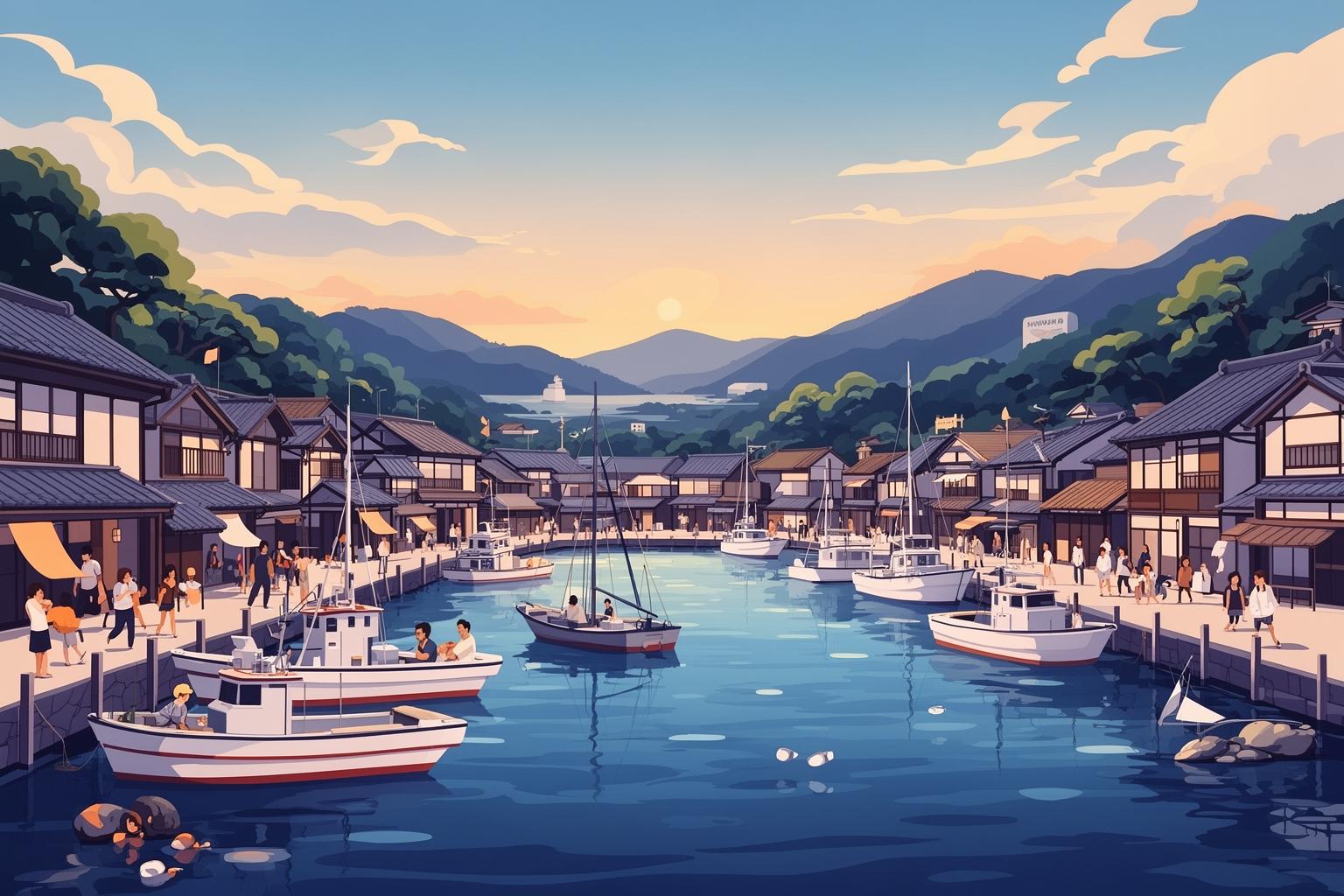
To view Tomonoura solely through the lens of Ponyo would overlook the deeper layers of its history. This town held great importance long before becoming an anime icon. It has witnessed critical moments in Japanese history, welcomed dignitaries, and inspired countless artists and poets throughout the centuries. Its beautifully preserved streetscape is a nationally designated historic site—a living museum of a bygone era. Many wooden merchant houses and storehouses, characterized by distinctive latticework and dark, oiled wood, date back hundreds of years. Peering through their open doorways, you might glimpse a tranquil inner garden or a family-run business passed down through generations.
Homeishu: The 16-Herb Elixir of Longevity
A distinctive and flavorful element of Tomonoura’s heritage is Homeishu, a medicinal herbal liqueur crafted here for over 350 years. The Ota Residence, a magnificent old merchant house and former brewery open to the public, tells the story of this potent brew. Created by infusing 16 different herbs in sweet mirin rice wine, Homeishu was thought to promote health and longevity, gaining fame throughout Japan during the Edo period. Several shops in town continue to produce and sell this historic elixir, each with its own subtly unique recipe. Sampling a small glass is like tasting history itself. The flavor is complex—sweet, earthy, and aromatic—offering a warming sensation ideally suited to the crisp sea air. It serves as a wonderful, authentic souvenir that embodies the spirit of the town in every drop.
Irohamaru: A Tale of Samurai and Sunken Ships
Tomonoura also plays an important role in Japan’s shift from a feudal society to a modern nation. In 1867, a steamship named the Irohamaru, leased by the legendary samurai Sakamoto Ryoma, collided with a ship from the Kishu Domain and sank just off Tomonoura’s coast. The subsequent negotiations between Ryoma—a key figure in the Meiji Restoration—and shogunate representatives took place right here. Today, you can visit the Irohamaru Museum, located in a charming old warehouse, which displays artifacts recovered from the shipwreck and recounts the story of this dramatic event. This tale of samurai politics and naval intrigue adds another captivating dimension to Tomonoura’s identity, reminding visitors that this peaceful port once stood at the heart of a nation-defining conflict.
Capturing the Moment: A Photographer’s Guide
As a photographer, Tomonoura offers endless inspiration. It’s a town that rewards patient, thoughtful observation. The interplay of light, water, and ancient architecture forms a perpetually shifting canvas. Rather than seeking a single iconic shot, it’s about immersing yourself in the visual poetry of the place. The true magic lies in the details: the texture of a barnacle-covered pylon, the intricate patterns of roof tiles, the reflection of a red paper lantern in a puddle after a brief rain. The town invites you to look closer, to discover beauty in the weathered and imperfect.
Golden Hour at the Harbor
The most stunning moments in Tomonoura occur during the golden hours of sunrise and sunset. In the early morning, soft, hazy light filters through the sea mist, backlighting the Joyato Lighthouse and casting long, dramatic shadows across the harbor. The town is quiet, except for fishermen preparing their boats, offering a perfect setting for serene, contemplative photography. Sunset offers a different spectacle. The western sky lights up with shades of orange and pink, bathing the wooden buildings in a warm, golden glow. Find a spot on the harbor’s western side, near the Ota Residence, and watch as the entire scene transforms into a living painting. The reflections on the calm harbor water double the beauty, creating a perfectly symmetrical world of color and light.
Navigating the Labyrinthine Alleys
Don’t hesitate to leave the harbor front and get lost in the maze of backstreets. Here, you’ll find Tomonoura’s true, unfiltered character. The alleys are so narrow that you can often touch the walls on both sides. They twist and turn, suddenly opening onto small shrines, hidden courtyards, and steep stone staircases ascending the hillside. This is where daily life unfolds. You’ll see laundry fluttering from second-story windows, potted plants arranged with care, and residents tending their small gardens. These narrow corridors offer incredible photographic opportunities, with leading lines, striking contrasts between light and shadow, and intimate glimpses of life. Respect the residents’ privacy, but keep your camera ready for those fleeting, genuine moments that reveal the town’s true story.
A Taste of the Seto Inland Sea
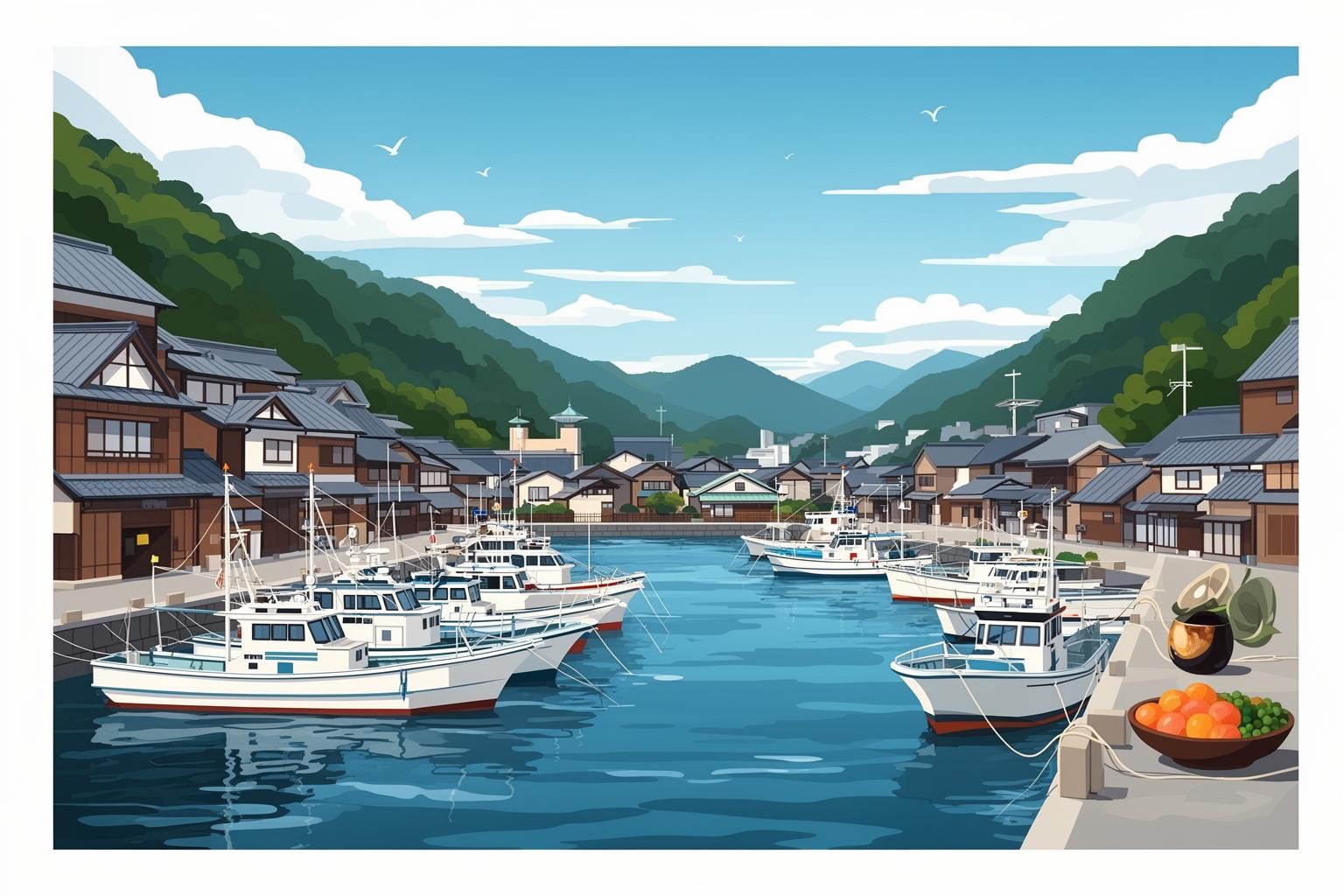
Tomonoura’s bond with the sea is deeply reflected in its cuisine. The Seto Inland Sea, known for its tranquil waters and abundant marine life, has a local specialty: sea bream, or tai. A meal of tai-meshi, a simple yet exquisitely flavorful dish of whole sea bream steamed with rice, is a must-try Tomonoura experience. Many small restaurants and traditional inns (ryokan) along the harbor serve this dish, prepared with fish caught only hours earlier. The taste is clean and delicate, embodying the pure essence of the local waters. Dining at a restaurant overlooking the harbor, watching boats gently sway on the calm waves, is an experience that delights all the senses. It offers a chance to savor the true spirit of the place you’re visiting, creating a direct and deeply satisfying connection to the local culture. Beyond sea bream, be sure to try other fresh catches of the day, such as octopus, squid, or small local fish, often grilled with a hint of salt or presented as part of a refined sashimi platter.
Practical Tides: Planning Your Journey
Although Tomonoura feels like a world apart, it is fairly easy to reach. With a bit of planning, your trip will be as smooth and enjoyable as the town’s tranquil vibe. The secret is to adopt the slower pace of travel that suits a place like this. Hurrying through Tomonoura means missing its essence entirely. Aim to spend at least half a day there, though dedicating a full day or staying overnight in a traditional ryokan is highly recommended to fully absorb the atmosphere, especially during the enchanting evening and early morning hours.
Getting to this Seaside Haven
The closest major transportation hub is Fukuyama Station, a stop on the Sanyo Shinkansen (bullet train) line, which makes it easily accessible from cities like Hiroshima, Osaka, or Kyoto. From Fukuyama Station’s south exit, a local bus will take you straight to Tomonoura. The bus ride itself is part of the adventure, lasting about 30 minutes as it winds from the modern city toward the coast, with the landscape gradually shifting from urban to rural. Be sure to check the bus schedule for your return, since evening services can be less frequent. First-time visitors should wear comfortable walking shoes—the town’s charm is best explored on foot, with streets made up of pavement, old stones, and steep stairways.
When the Seasons Paint the Port
Tomonoura is beautiful year-round, but spring and autumn are especially breathtaking. In spring, cherry blossoms frame the ancient temples and shrines, adding a fleeting beauty to the historic surroundings. The weather is mild and perfect for leisurely strolls. Autumn brings crisp, clear air, deep blue skies, and pleasant temperatures. The surrounding hillsides turn warm hues, and the sun’s lower angle casts a soft, beautiful light all day long. Summer can be hot and humid but also vibrant, with the town buzzing in a relaxed holiday mood. Winter is the quietest season, revealing a more stark and reflective beauty. Bare tree branches stand out in striking silhouettes against the sky, and you’ll often find the narrow alleys all to yourself, creating a deeply personal and atmospheric experience.
A Gentle Farewell from the Port of Waiting Tides
Leaving Tomonoura feels like awakening from a pleasant dream. As you board the bus back to the bustling reality of Fukuyama Station, the images of the quiet harbor, the stone lighthouse, and the narrow, lantern-lit alleys linger in your mind. You come to realize that this town is far more than just a film location. It is a treasured, living part of Japan’s soul. It serves as a reminder that in a world fixated on speed and progress, there is profound beauty in preservation, patience, and living in harmony with the natural rhythms of life. Whether you visit in search of the magic of Studio Ghibli or simply for a peaceful retreat, Tomonoura offers a gift. It provides a space to breathe, to explore, and to connect with a deeper, more timeless flow of life—a harbor that will wait for you, just as it has waited for the tides for centuries.