There are places in this world that feel less like destinations and more like discoveries. They are spaces crafted with such intention and heart that to step inside them is to feel a subtle shift in your own reality, a gentle tug toward the realm of dreams. The Ghibli Museum in Mitaka, a leafy suburb of Tokyo, is one such place. It isn’t merely a building that houses artifacts from the legendary Studio Ghibli; it is a living, breathing extension of the very soul of its creators, Hayao Miyazaki and Isao Takahata. This is where the whimsical worlds of films like My Neighbor Totoro, Spirited Away, and Castle in the Sky spill over from the screen into our tangible world. It’s a place built not for passive observation, but for active wonder. For anyone who has ever been touched by the profound empathy, intricate beauty, and boundless imagination of Studio Ghibli, a visit here is less a tourist stop and more a pilgrimage, a journey to the heart of a creative universe that has shaped a generation of dreamers. The experience begins long before you reach the entrance, starting with the quiet anticipation of a journey into the lush green embrace of Inokashira Park, a perfect preamble to the magic that awaits within its walls.
For those captivated by the museum’s blend of magic and artistry, exploring the radiant charm of Kanazawa offers a parallel journey steeped in cultural allure and creative spirit.
The Philosophy of “Let’s Get Lost Together”
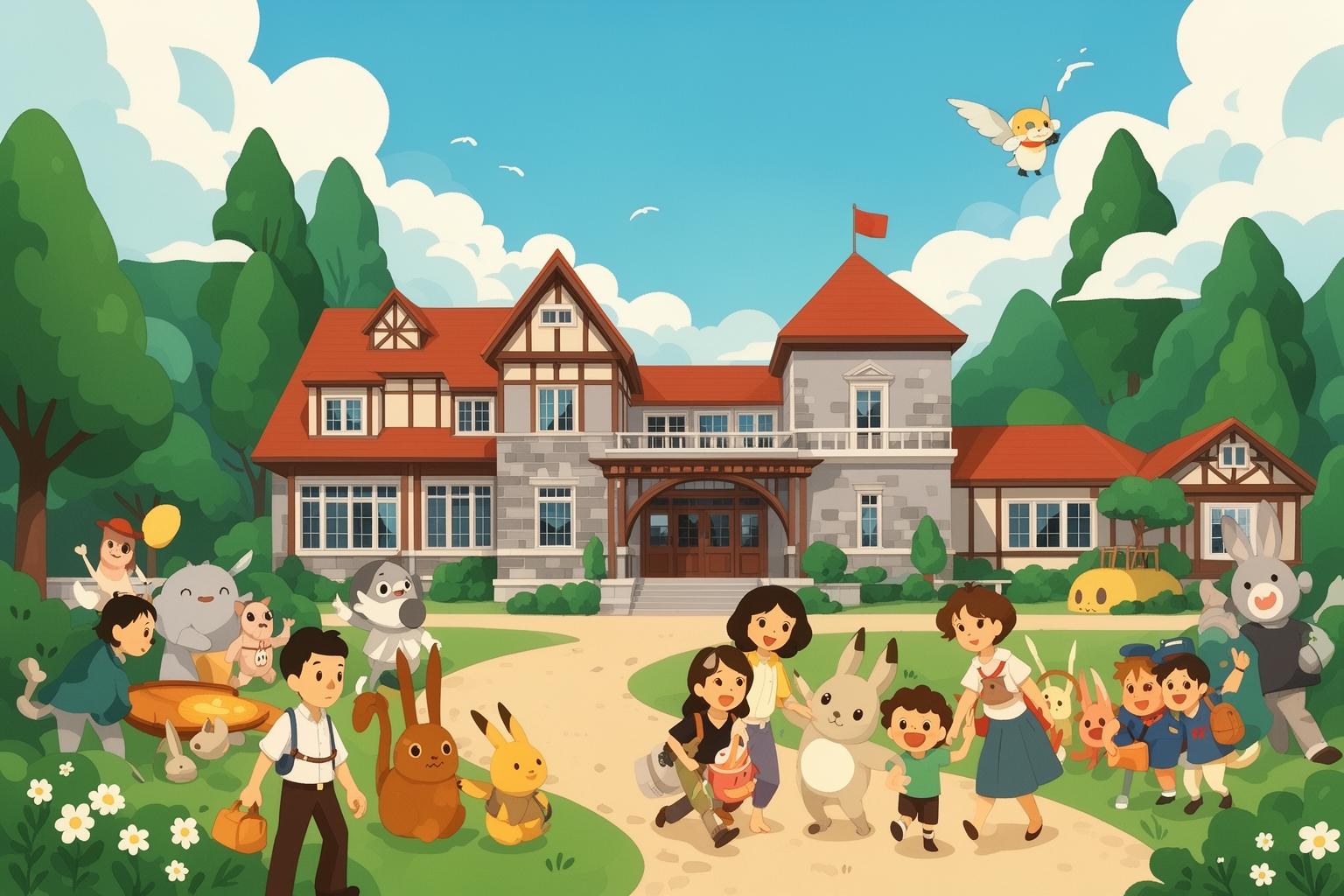
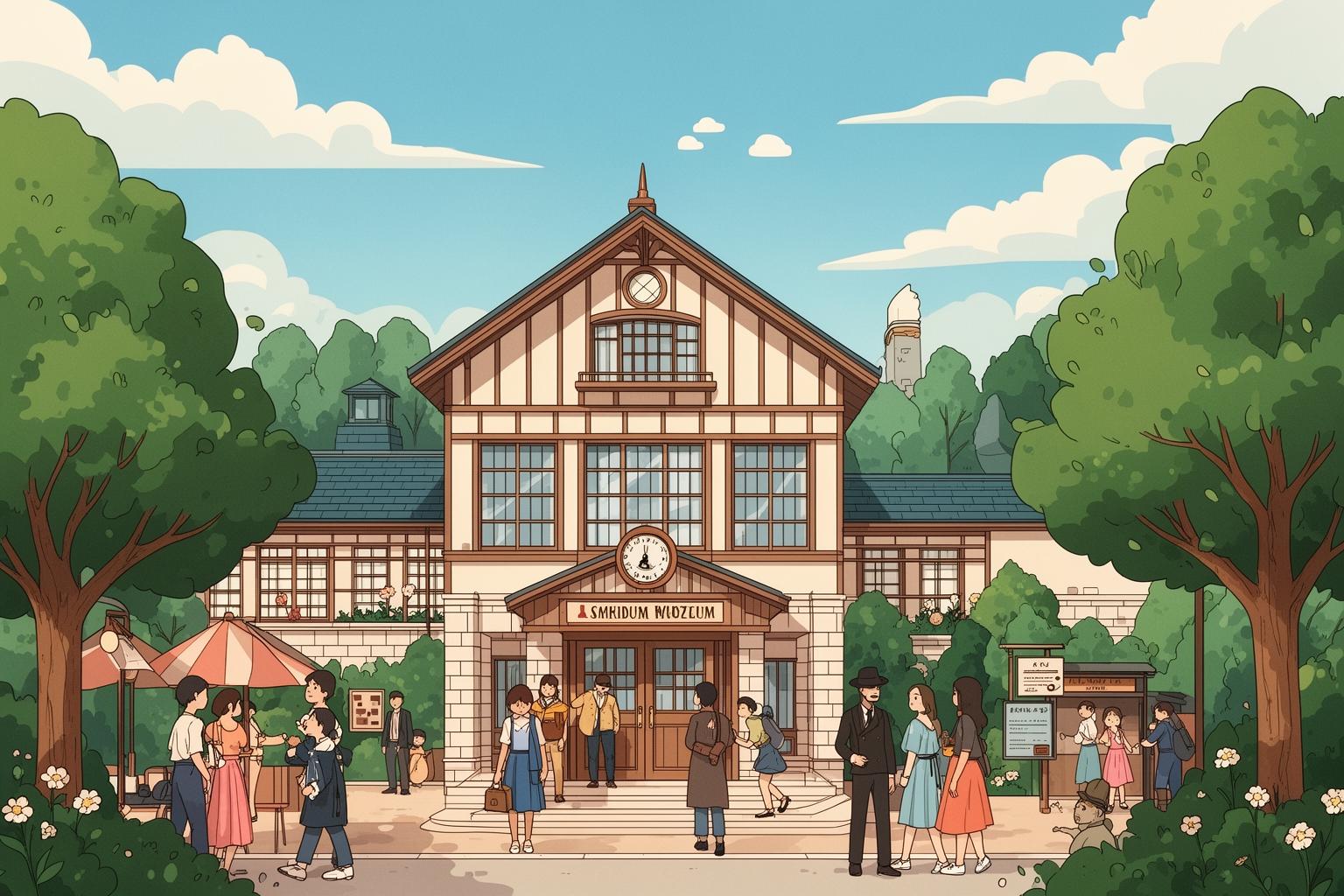
The museum’s official slogan, 「迷子になろうよ、いっしょに」(Maigo ni narō yo, issho ni), means “Let’s get lost together.” This phrase is more than just catchy; it embodies the museum’s core philosophy and is essential to fully experiencing it. There are no designated paths or arrows on the floor directing you where to go next. Visitors are invited—and even encouraged—to explore freely. This approach is reflected in the very design of the building. Personally designed by Hayao Miyazaki, the museum resembles a storybook cottage brought vividly to life. Its vibrant stucco walls, decorated with whimsical frescoes and detailed ironwork, reject the sterile geometry typical of modern museums. Instead, winding spiral staircases lead to hidden corners, small doors appear crafted for tiny beings, and narrow bridges connect sunlit balconies. Sunlight streams through stunning stained-glass windows, each pane a unique artwork featuring beloved Ghibli characters and scenes. As the light changes throughout the day, figures like Totoro, Kiki, and Ponyo create colorful patterns that dance across the polished wooden floors. The entire space offers a tactile, sensory experience. Visitors are encouraged to touch the cool, curved plaster walls, look through small portholes that reveal glimpses into other rooms, and feel the gentle buzz of activity in the grand Central Hall. It is a place that invites you to slow down, observe closely, and let your curiosity lead the way.
Unlocking the Gates: The Quest for a Ticket
Before you can immerse yourself in the magic of the Ghibli Museum, you must first overcome a challenge worthy of a Ghibli protagonist: obtaining a ticket. This is perhaps the most crucial piece of practical advice for any prospective visitor. Tickets for the Ghibli Museum are notoriously hard to get and cannot be purchased at the door, as there is no box office on site. The process demands careful planning, precision, and a bit of luck. Tickets for an entire upcoming month go on sale online at 10:00 AM Japan Standard Time on the 10th of the previous month. For instance, all tickets for July become available on June 10th. They are sold through the Lawson ticketing website and tend to sell out within minutes, especially for weekends and holidays. If you intend to obtain tickets this way, be prepared. Have passport information ready for every member of your group, as names are printed on the tickets and checked against ID at the entrance. Set alarms, ensure a stable internet connection, and be ready to click quickly the moment they go live. For international visitors, this can be an intimidating process. A highly recommended alternative is to book through an official third-party travel agency, such as JTB, in your home country. These agencies often offer tour packages that include a Ghibli Museum ticket. While this option may be slightly more expensive, it offers peace of mind and significantly better chances of securing entry to this highly sought-after destination. Whichever method you choose, the key is to plan months ahead. The effort is a small price to pay for the unforgettable experience that awaits.
Journey to a Dream: Getting to Mitaka

Your journey into the world of Ghibli begins with a gentle escape from the electric hustle of central Tokyo. The museum is situated in Mitaka, a city easily accessible via the JR Chuo Line from major hubs such as Shinjuku or Tokyo Station. The train ride itself serves as a pleasant transition, with towering skyscrapers gradually giving way to quieter residential areas and neighborhoods. Upon arriving at Mitaka Station, you face a choice, each path offering its own unique charm. From the station’s South Exit, you can board the Ghibli-themed community bus, painted a cheerful yellow and adorned with character illustrations—an enjoyable prelude to the museum. The brief ride meanders through local streets, where even the bus stop signs feature Ghibli-inspired designs, building anticipation with every moment. However, for those with a bit more time, the recommended option is to walk. A well-marked route, often called the “Totoro Trail” by fans, leads along the Tamagawa Josui canal, a peaceful waterway shaded by a canopy of trees. This fifteen-to-twenty-minute stroll is ideal for unwinding and tuning into the natural world, a central theme in Ghibli’s films. The path eventually opens into the lush expanse of Inokashira Park, where, nestled among towering trees, you’ll finally catch your first view of the museum’s colorful facade. Choosing to walk feels like a natural discovery of the museum, making its appearance all the more enchanting.
Treasures Within the Walls
Once you exchange your ticket for a unique film strip souvenir at the entrance—a genuine 35mm frame from a Ghibli movie—the museum becomes yours to explore. Inside, the space unfolds like a labyrinth of wonder, with each floor and room revealing a different aspect of the Ghibli universe.
The Central Hall: A Whirlwind of Motion
Upon entering, you step into the magnificent Central Hall, a soaring multi-story atrium that serves as the museum’s heart. It’s a stunning, dizzying space designed to overwhelm the senses in the most delightful way. A massive wooden fan slowly spins overhead beneath a glass dome that bathes the hall in natural light. Intricate iron-and-wood balconies, bridges, and spiral staircases weave through the open space, inviting exploration upward and outward. An old-fashioned glass elevator, featuring a whimsical clockwork-style level indicator, gently ascends and descends, offering panoramic views of the bustling hall below. The area hums with the echoes of excited whispers and joyful footsteps, creating an atmosphere of shared wonder and discovery. It genuinely feels like the central hub of a fantastical airship or a wizard’s workshop, a place where anything can happen and adventure awaits around every corner.
Where a Film is Born: The Permanent Exhibits
Extending from the Central Hall are the permanent exhibition rooms, providing a deep insight into the heart of the animation process. The main exhibit, titled “Where a Film is Born,” is a five-room immersive experience that both demystifies the painstaking craft of animation and heightens its magic. The first room immerses you directly in Hayao Miyazaki’s imagination. It recreates an artist’s studio, wonderfully cluttered with books piled to the ceiling, jars filled with pencils and brushes, and countless sketches and concept drawings pinned to the walls. Toys, airplane models, and curious artifacts are scattered around, showcasing the diverse sources of inspiration fueling a Ghibli film. The following rooms lead you through the technical stages of filmmaking, from storyboarding and background painting to cel painting and filming. What sets these exhibits apart is their interactivity and artistry. You can observe how layers of painted cels create depth within a scene and marvel at the breathtaking details of original background paintings. One of the most captivating displays features a series of incredible 3D zoetropes. In these, static figures of characters like Totoro and the Catbus are arranged on a spinning wheel. When illuminated by a strobe light, they burst into smooth, fluid motion right before your eyes—a stunning and magical demonstration of the fundamental principles of animation.
A Seat at the Saturn Theater
Your museum ticket grants you entry to one exclusive screening at the Saturn Theater, a cozy eighty-seat cinema on the ground floor. This is a highlight for many visitors, as the theater showcases original animated short films unavailable anywhere else. The films rotate throughout the year, so each visit might present a new story. Before the film starts, the theater’s windows close automatically, revealing a beautifully painted ceiling depicting a blue sky with a smiling sun. The experience is intimate and deeply special. The short films themselves embody the essence of Ghibli—charming, beautifully animated, and heartfelt, often told without dialogue and relying solely on music and visuals to convey emotion. It’s a communal experience that leaves the entire audience, regardless of age or nationality, smiling as the credits roll.
The View from the Top: The Rooftop Guardian
After exploring inside, climb the narrow, caged spiral staircase to emerge into the open air of the Rooftop Garden. Here, amidst a tangle of overgrown greenery, stands the museum’s silent, benevolent guardian: a towering, five-meter-tall Robot Soldier from Castle in the Sky. This iconic sculpture appears as if it has stood here for centuries, weathered by the elements. It is a powerful and poignant sight, evoking the film’s themes of nature reclaiming technology. Visitors are welcome to take photos with the robot, though the mood here is more one of peaceful reflection than a busy photo spot. From the rooftop, you can gaze down upon the museum and across the lush canopy of Inokashira Park. Tucked behind the robot is another hidden gem—a stone cube inscribed with a quote from Castle in the Sky, one of the many lovingly crafted details the museum patiently awaits you to discover.
Savoring the Moment: Flavors and Finds
A visit to the Ghibli Museum isn’t complete without enjoying its culinary and retail offerings, which are crafted with as much care as the exhibits themselves.
The Straw Hat Café
Located on the main floor with an outdoor terrace, the Straw Hat Café embraces Ghibli’s values of simple, honest, and high-quality craftsmanship. The café features a menu of hearty, wholesome dishes—not overly elaborate but comforting classics such as pork cutlet sandwiches, simple pasta, and delightful cakes, all made with organic ingredients. Even the mugs and plates are thoughtfully designed. The café is very popular, often drawing long lines, especially at lunchtime. A useful tip for visitors is to time your meal strategically: consider visiting early in your trip or toward the end of your scheduled visit to avoid peak hours. Alternatively, a smaller takeaway stand nearby offers Ghibli-branded ice cream and hot dogs, which can be enjoyed in the outdoor seating area.
Mamma Aiuto! The Gift Shop of Dreams
Your final stop will almost certainly be Mamma Aiuto!, the museum’s gift shop named after the spirited sky pirates from Porco Rosso. Be warned: this shop is a treasure trove of delights for any Ghibli enthusiast. Unlike typical souvenir stores, Mamma Aiuto! offers exclusive merchandise you won’t find elsewhere. Here, you’ll discover beautiful art books filled with concept sketches, stunning replicas of the stained-glass windows, plush toys of even the most obscure characters, and elegant accessories. It’s the ideal place to pick up a meaningful keepsake from your visit. Like the café, the shop can get quite busy, so it’s wise to save some time at the end of your visit for a leisurely browse. It’s a wonderful spot to find that perfect item to help you bring a little magic from the museum home.
Beyond the Museum: The Charm of Inokashira Park
The magic of visiting the Ghibli Museum doesn’t have to end the moment you step outside its doors. The museum sits within Inokashira Park, one of Tokyo’s most beautiful and cherished public spaces, making exploring the park the perfect way to finish your day. The park is an attraction in its own right, centered around a large, peaceful lake where you can rent swan-shaped paddle boats. There are walking trails that wind through dense woods, a small zoo, and the Inokashira Benzaiten Shrine, dedicated to the goddess of water and music, situated on a small island in the lake. The park is especially breathtaking during the spring cherry blossom season, when the trees around the lake burst into a riot of pink and white, and again in autumn, when the foliage turns vibrant shades of red and gold. Taking a stroll through the park after your visit lets you gently transition back to the real world, carrying the sense of peace and wonder sparked by the museum. Find a bench by the water, reflect on the art and stories you’ve just experienced, and watch the world go by. It’s a Ghibli-esque experience in itself.
A Parting Thought: Carrying the Magic Home
The Ghibli Museum is much more than just a collection of drawings and film memorabilia. It is a carefully crafted universe designed to inspire joy, spark curiosity, and remind us of the beauty found in the small, quiet moments of life. It stands as a tribute to the power of handcrafted art in a digital era, a place that promotes kindness, honors nature, and believes in the resilience of the human spirit. Visitors leave not only with souvenirs but with a renewed sense of wonder. The most profound takeaway from a visit to Mitaka is the feeling that the world Hayao Miyazaki and his team brought to life on screen isn’t entirely fictional. It offers a way to see our own world—with greater empathy, more imagination, and a deeper appreciation for the magic hidden in plain sight, waiting for those willing to lose themselves to discover it.