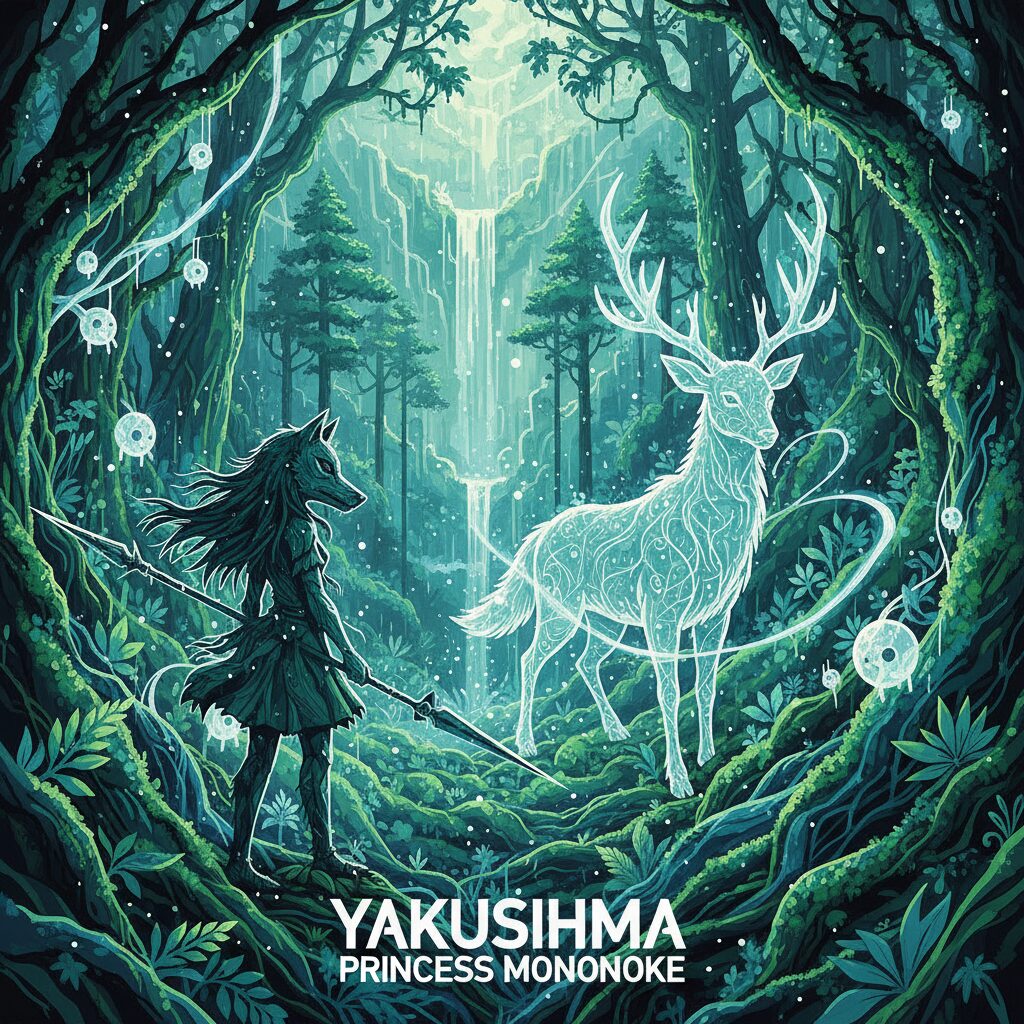
There are places on this planet that feel older than time, worlds where the air itself seems to hum with a forgotten frequency. Yakushima is one of those places. It’s an island that feels less like a destination and more like a pilgrimage, a journey backward into the planet’s primal memory. Anchored off the southern coast of Kyushu, this roughly circular granite behemoth is a land of mythic proportions, a UNESCO World Heritage site where ancient cedar trees, known as Yakusugi, have stood sentinel for millennia. They are silent witnesses to the rise and fall of empires, their bark a gnarled tapestry of history. The island is a living, breathing testament to the raw, untamable power of nature, a place where it rains so much the locals joke it has “35 days in a month,” nurturing a world draped in an impossible, incandescent green. This is not just a place of ecological wonder; it is a realm of profound spiritual resonance. It’s this deep, mystical energy that captured the imagination of master animator Hayao Miyazaki, who found within these primeval forests the soul of his epic masterpiece, Princess Mononoke. To walk here is to step directly into the frames of the film, to feel the same awe and reverence for the natural world that courses through its story. It’s a place where the boundaries between reality and animation blur, leaving you standing in the very heart of the Kodama’s domain.
The mystical allure of Yakushima finds a modern parallel in Tokyo, where a pilgrim’s guide uncovers the hidden real-life locations that echo the spirit of enchanted worlds.
The Call of the Ancient Forest: Shiratani Unsuikyo Ravine
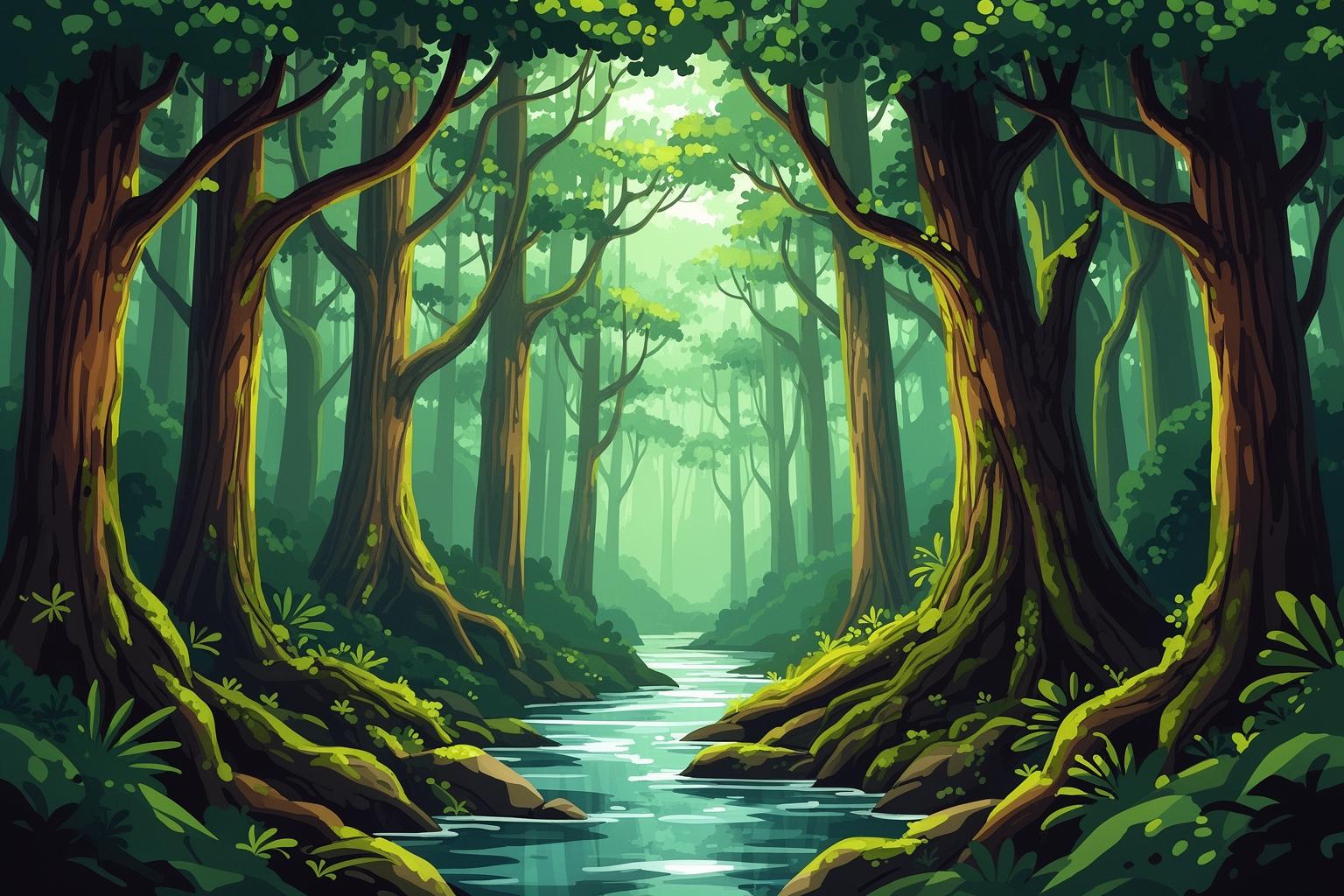
Your journey into the realm of Studio Ghibli truly begins at Shiratani Unsuikyo, the “White Valley Cloud and Water Ravine.” The name itself is poetic, perfectly capturing the spirit of this otherworldly landscape. As you wind up the mountain road toward the park entrance, the scene outside your window shifts. The air cools and thickens with moisture. Vegetation grows denser, a wild tangle of greenery pressing in from every side. When you step out of your car and onto the trailhead, the transformation is undeniable. You are no longer merely a spectator; you are fully immersed. The forest floor, tree trunks, boulders, and fallen logs are all blanketed in a thick, velvety moss. It’s a realm painted in countless shades of green, from pale lime to deep emerald, glowing with an almost supernatural shimmer in the soft, filtered light that filters through the dense canopy.
This is the very place that inspired the forest of the Deer God in Princess Mononoke. The similarity is striking and immediate. A network of well-kept trails lets you choose your depth of exploration. There are shorter, easier loops that take an hour or two, perfect for a brief encounter with the magic. But for the devoted pilgrim, the path leads further into the area officially called Kokemusu-no-mori, the Moss Forest. Here, silence reigns, broken only by the gentle murmur of pristine water flowing over moss-covered granite and the distant call of a bird. In this serene sanctuary, you can almost catch the faint rattle of the Kodama, the tree spirits from the film. Find a spot, stand quietly, and simply breathe. Inhale the scent of damp earth, decaying wood, and fresh, oxygen-rich air. It is a deeply meditative moment.
For those with extra time and stamina, the trail continues upward—a tough but rewarding climb to Taikoiwa Rock. After scrambling up the final granite face, you’ll be rewarded with a breathtaking panorama. The rock offers a stunning overlook of the island’s mountainous interior, an endless sea of green peaks stretching toward the horizon. On a clear day, it’s a view that makes you feel as if you’re on top of the world. From this vantage point, you can fully appreciate the magnitude and wildness of the landscape Miyazaki so masterfully brought to life on screen. A tip for first-timers: wear sturdy hiking shoes with excellent grip. The rocks and wooden paths are almost always damp and can be very slippery. Also, although it’s the most accessible of the main forest parks, it can get crowded. Starting early will reward you with cherished moments of solitude.
A Pilgrimage to Primeval Time: The Jomon Sugi Quest
If Shiratani Unsuikyo is the spirit of the Ghibli forest, then the trek to Jomon Sugi serves as a pilgrimage to its ancient, pulsating heart. This is no casual stroll; it is a full-day, 22-kilometer challenge of endurance and will, beginning before dawn and culminating in an encounter with one of the oldest living organisms on Earth. Jomon Sugi is a massive Yakusugi cedar tree, estimated to be between 2,000 and over 7,200 years old. Its name refers to the Jomon Period of Japanese prehistory, providing a sense of its vast age. Standing before it inspires a profound sense of humility in the face of deep time.
The journey starts at the Arakawa Trailhead, where for the first eight kilometers the path follows an old logging railway that winds gently through the forest. Navigating these tracks in the early morning quiet, with your headlamp slicing through the darkness, creates a mesmerizing experience. The rhythmic clatter of your boots on the wooden sleepers sets a meditative tempo as the forest gradually awakens around you. This railway is a relic from when these sacred woods were logged, serving as a poignant reminder of the balance between human industry and nature preservation, a theme central to Princess Mononoke.
After several hours, the railway ends and the real mountain trail begins. The path becomes a demanding sequence of steep climbs over tangled roots and rocky ground. Along the way, you will encounter other forest giants—Meoto Sugi, two cedars fused together like an embracing pair, and Dai-O Sugi (Great King Cedar), a huge tree once believed to be the largest on the island. A memorable highlight is Wilson’s Stump, the enormous remains of a cedar felled centuries ago. You can actually step inside the hollowed stump, where looking up reveals an opening shaped like a perfect heart against the sky. It’s a magical spot and a favored place to take a short break.
The final stretch to Jomon Sugi is tough, but anticipation drives every step. Upon arrival, the tree is viewed from a specially built deck designed to protect its sensitive root system. The sight is striking. Jomon Sugi defies conventional beauty—it is gnarled, twisted, and weathered, its trunk a living sculpture of wood. Its presence is immense, ancient, and powerful. It feels less like a tree and more like a forest deity, a silent, living monument that has withstood millennia. This trek demands serious commitment. Hiring a local guide is strongly advised; they ensure your safety, help you maintain pace, and greatly enrich your experience with their knowledge of the forest’s plants, animals, and history. Be sure to order a bento lunch box from your hotel or a local shop the day before, as you’ll need every bit of nourishment for this epic journey.
The Island’s Rhythmic Soul: Water, Stone, and Shore
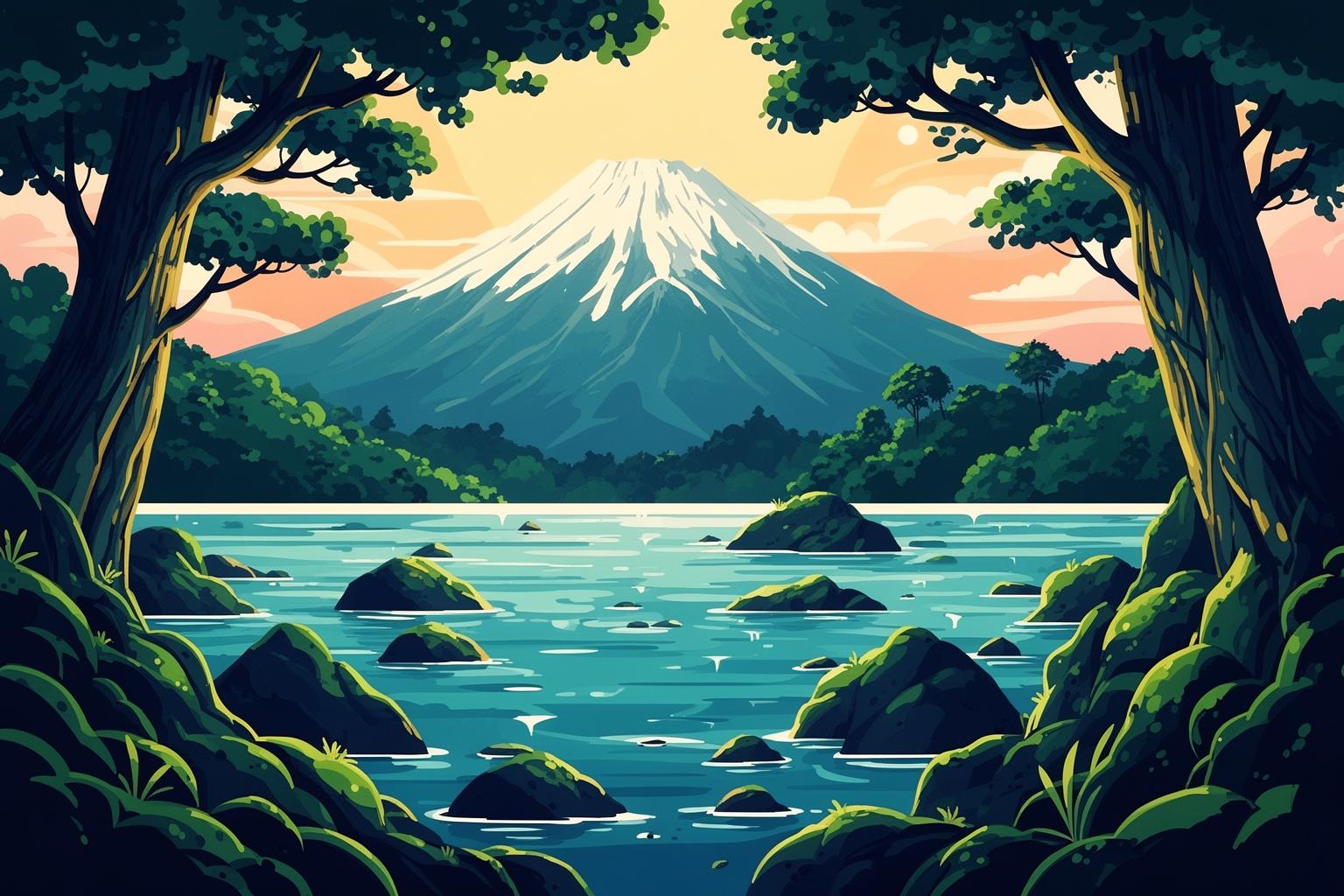
While the ancient forests are Yakushima’s main attraction, the island’s spirit reaches far beyond its moss-covered groves. Yakushima is a microcosm of diverse ecosystems, where towering mountains dramatically plunge into a rugged coastline. Exploring its varied landscapes reveals the full, intricate character of this wild paradise, offering a rhythm that harmonizes with the profound silence of the woods.
The Thundering Voice of Waterfalls
Given the abundant rainfall, it’s no wonder Yakushima hosts some of Japan’s most stunning waterfalls. They serve as the island’s lifeblood, channeling water from mountain peaks down to the ocean. A drive along the coastal road leads to Senpiro-no-taki, a roaring cascade tumbling over a massive, single slab of granite. The viewpoint provides a sweeping, cinematic view of the water’s power clashing against unyielding stone. Further along is Oko-no-taki, consistently ranked among Japan’s finest waterfalls. Here, an 88-meter torrent crashes into a deep basin, and unlike many falls, you can approach right to its base. Standing there, surrounded by cool mist and a deafening roar, you experience the island’s raw, kinetic energy in its most vivid form. It is a potent and invigorating moment, especially after a full day of hiking.
Where the Forest Meets the Sea
Yakushima’s coastline is a dramatic mosaic of rocky cliffs and tranquil beaches. The most renowned is Nagata Inakahama, a stunning stretch of golden sand on the northwest coast. It presents a striking contrast of the deep blue East China Sea against lush green mountains. Beyond its beauty, the beach is the most crucial nesting site for loggerhead sea turtles in the North Pacific. From May to July, female turtles come ashore under the cover of night to lay their eggs. Witnessing this ancient ritual is profoundly moving but must be approached with great respect. Access to the beach at night is restricted during nesting season, with viewing allowed only through guided tours run by local conservation groups. This responsible approach helps protect the natural cycle, embodying the conservation ethic reflected in Miyazaki’s work.
For a unique coastal treat, visit Hirauchi Kaichu Onsen, natural hot springs accessible only for a few hours daily at low tide. As the ocean recedes, pools form among the seaside rocks, filled with geothermally heated water. Soaking in these rustic baths with waves crashing just feet away is a magical experience—a perfect way to relax aching muscles while feeling intimately connected to the tide’s rhythm.
The Gentle Hum of Island Life
To truly grasp Yakushima, spend time in its small port towns, mainly Miyanoura in the north and Anbo in the east. These are not bustling tourist centers but quiet, practical communities where life flows at a slower, more mindful pace. Here you engage with the human side of the island. Visit a small, family-run restaurant and try the local cuisine. A must-try is tobiuo, or flying fish, a local specialty often served as crisp, deep-fried karaage (wings and all) or as exceptionally fresh sashimi. Pair it with a glass of Mitake or Ai-ko, local shochu distilled from sweet potatoes and the island’s pure water. Interacting with the warm, welcoming locals—even with a language barrier—deepens your appreciation for the community that calls this remarkable island home.
Your Expedition Blueprint: Planning for the Primal Island
Traveling to Yakushima demands more logistical preparation than visiting a major Japanese city, but this planning is part of the adventure. Approaching the trip with an expedition mindset will ensure you are ready for whatever this wild island presents.
Passage to a Lost World: Access and Transport
Getting to Yakushima is the first step of your journey. The main gateway is Kagoshima on Kyushu’s mainland. From there, you have two primary choices. The fastest is the high-speed jetfoil, known as the “Toppy” or “Rocket,” which crosses the water in about two to three hours. The more relaxed and economical option is the car ferry, which takes roughly four hours but lets you bring a rental car and offers open decks for dolphin spotting and enjoying the sea breeze. Alternatively, Yakushima has a small airport (KOJ) with regular flights from Kagoshima, Fukuoka, and Osaka, providing the quickest and most convenient access.
Once on the island, transportation becomes important. Though a public bus system exists, its service is infrequent and may not match the early start times required for major hikes like Jomon Sugi. To fully explore Yakushima’s hidden spots, waterfalls, and trailheads at your own pace, renting a car is nearly essential. Be sure to book well in advance, especially during peak seasons, as the island’s rental fleet is limited.
Decoding the Sky: Yakushima’s Seasons
When to visit Yakushima depends on your priorities. Spring (March to May) sees mountain rhododendrons bloom, but it is also a busy season, peaking during Golden Week in early May. Summer (June to August) begins with the intense rainy season (tsuyu), which brings the forest to its most vibrant green, followed by hot, humid weather. This time also marks the peak of the sea turtle nesting season. Autumn (September to November) is often considered the best hiking season, with more stable weather and pleasant temperatures, though early in the season there is a risk of typhoons. Winter (December to February) is the quietest time. While the lowlands stay mild, the highest peaks are often covered in snow, transforming the landscape into a peaceful winter wonderland that requires specialized gear for high-altitude trekking.
No matter the season, one constant remains: rain. The island’s unique geography generates its own weather, and sudden, intense downpours can happen any time of year. Don’t even consider coming without high-quality waterproof gear. Embrace the rain; it is the island’s lifeblood and the source of its breathtaking beauty.
Gearing Up for the Green Labyrinth
Packing properly is essential for a safe and enjoyable trip. As an outdoor specialist, I cannot stress enough: your footwear is your most vital gear. Sturdy, waterproof, well-broken-in hiking boots with excellent traction are a must. Next in importance are a reliable waterproof jacket and waterproof pants—cheap ponchos won’t stand up to the island’s heavy rains. Layering is key, so bring moisture-wicking base layers and insulating mid-layers that can be added or removed as needed. For the Jomon Sugi hike, trekking poles will be invaluable, protecting your knees on the long descent. A headlamp is essential for the pre-dawn start. Carry a waterproof backpack or a durable cover to protect your gear. Finally, while credit cards are accepted at larger hotels and shops, many smaller inns, eateries, and local services only take cash, so make sure to bring enough yen for daily expenses.
Visiting Yakushima is much more than an anime pilgrimage. The stunning imagery of Princess Mononoke may be your invitation, but the island offers a much deeper, more resonant experience. It’s a journey into a realm that operates on a different timescale, a place that reminds you of nature’s enduring power and profound beauty. It challenges you physically, rewards you spiritually, and leaves an unforgettable impression on your soul. You may arrive seeking the forest of the Deer God, but you’ll depart having found a real, living sanctuary that requires no animation to feel utterly magical. The spirit of the forest is genuine, and it will stay with you long after you’ve returned to the modern world.