
Some stories feel bigger than the screen. They ripple outwards, blurring the line between fiction and reality, leaving an imprint on our world. Makoto Shinkai’s masterpiece, Your Name (Kimi no Na wa), is one such story. It’s a film that didn’t just captivate audiences with its breathtaking visuals and heart-wrenching tale of love, destiny, and cosmic connection; it turned the everyday landscapes of Tokyo into a canvas of dreams. For millions, the bustling intersections of Shinjuku and the quiet, unassuming staircases of Yotsuya are no longer just parts of a city. They are charged with emotion, imbued with the magic of Taki and Mitsuha’s journey. This is the essence of seichi junrei, or anime pilgrimage—a journey not just to a place, but into the heart of a story you love. It’s about standing where your favorite characters stood, breathing the same air, and feeling the narrative come alive around you. This guide is your invitation to step through the screen and into the world of Your Name, to trace the threads of fate woven into the very fabric of Tokyo’s streets, and to discover that the magic you felt in the cinema is waiting for you, tangible and real.
As you follow the cinematic trails of Your Name through Tokyo, you might also consider a detour to Tokyo’s Ghibli Museum for another dose of film-inspired wonder.
The Heart of the City: Shinjuku’s Cinematic Canvas
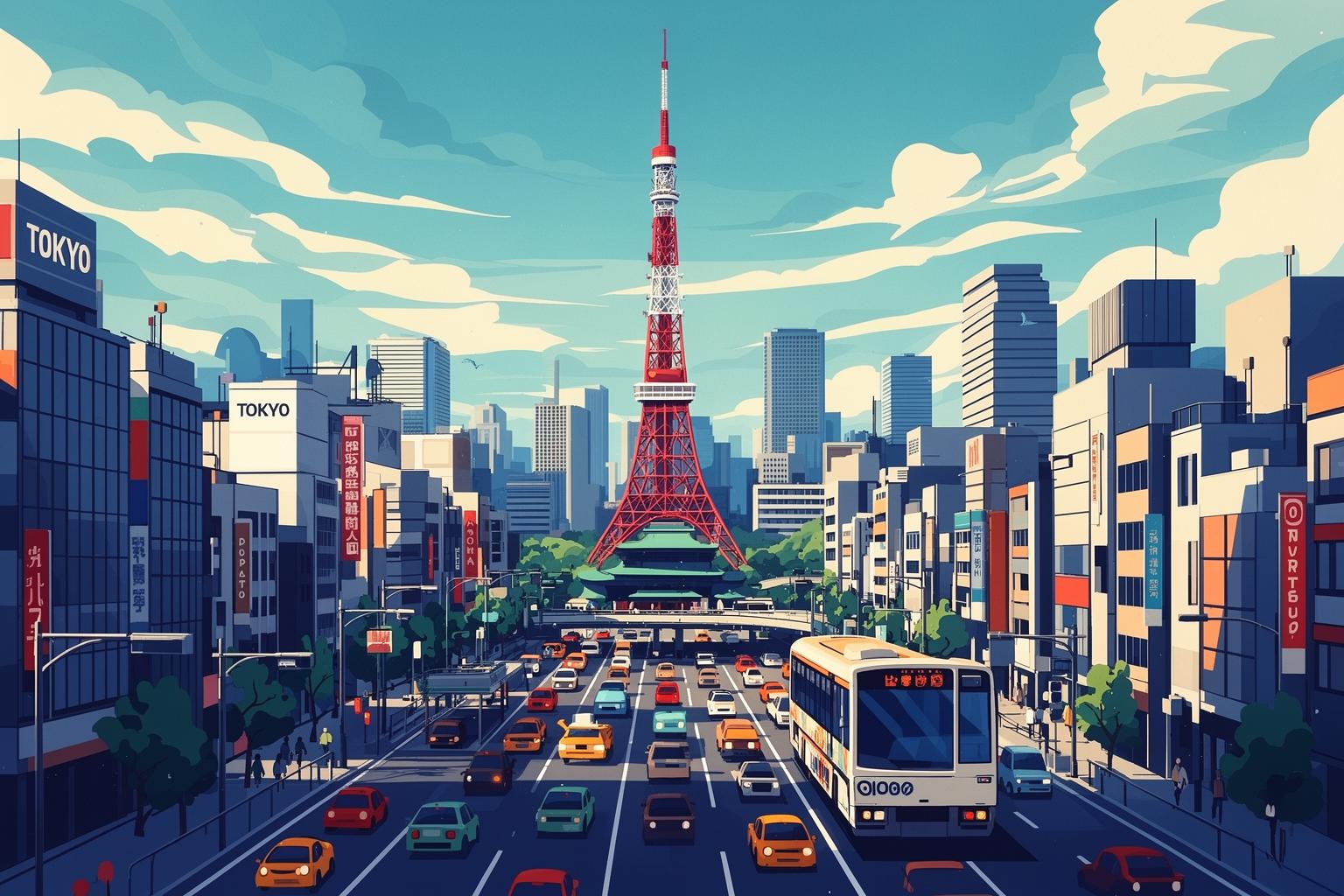
Shinjuku is more than just a backdrop in Your Name; it stands as a character itself. It represents the vibrant, pulsating core of Taki’s world—a concrete jungle filled with towering skyscrapers, dazzling neon lights, and an endless flow of people. This is where the urban half of the story takes place, and its energy is tangible from the moment you exit the world’s busiest train station. For first-time visitors, Shinjuku can be an overwhelming symphony of sights and sounds, but for a pilgrim, it becomes a treasure map waiting to be unlocked. Makoto Shinkai has a remarkable ability to capture the spirit of this district, turning its chaotic beauty into scenes of profound loneliness and unexpected intimacy. Walking through Shinjuku is like stepping into his artistic vision, discovering masterpieces not in a gallery but reflected in a traffic light’s glow on wet pavement or in the silhouette of a skyscraper against a twilight sky. Here, you begin to grasp the scale of Taki’s life and the vast distance, both physical and emotional, that separates him from Mitsuha.
The Iconic Skyline: Searching for Taki’s Perspective
One of the most repeated and powerful images in Shinkai’s films is the view of the NTT Docomo Yoyogi Building. Its distinctive, clock-tower-like spire is an unmistakable landmark, and in Your Name, it serves as a constant anchor within the expansive Tokyo skyline. It forms the backdrop to Taki’s life, silently witnessing his daily routines, anxieties, and growing connection to a girl he has never met. Seeking the perfect vantage point to capture this view is an essential part of the pilgrimage. Although the specific angles from Taki’s apartment are fictional, the atmosphere is genuine. A great place to soak in a similar vibe is the Shinjuku Southern Terrace, a pleasant elevated walkway linking Shinjuku Station to Yoyogi. Standing there, gazing over train tracks towards the Docomo tower, you feel the city’s rhythm surround you—the rumble of trains, the distant murmur of crowds, and the city lights sparkling as dusk falls. In moments like these, you feel closest to Taki’s world. Another excellent option is to find a café or restaurant in one of the upper floors of nearby department stores, such as Takashimaya Times Square. From that vantage, coffee in hand, you can watch the city breathe, sensing the immense scale and countless individual stories unfolding, just as the film so beautifully conveys.
A Moment of Peace: Shinjuku Gyoen National Garden
Amid Shinjuku’s relentless energy lies an oasis of serene calm: Shinjuku Gyoen National Garden. This expansive park is a masterpiece of landscape design and, while not featuring prominently in the plot, its beauty perfectly embodies Shinkai’s aesthetic. It serves as the spiritual home for the film’s softer moments, where light, shadow, and nature join to create breathtaking scenes. The film’s fascination with light filtering through leaves and the delicate depiction of a single water droplet on a petal comes alive in Shinjuku Gyoen. Entering the garden feels like stepping into another world—the city’s roar fades to a distant hum, replaced by the rustle of leaves and birdsong. The park is cleverly divided into three distinct styles: a traditional Japanese landscape with tranquil ponds and pavilions, a formal French garden lined with precise rows of sycamores, and a sweeping English landscape with wide, rolling lawns. A highlight for any fan is the large greenhouse, a warm, humid environment filled with tropical plants and vibrant blooms, reminiscent of a scene from Shinkai’s earlier work, The Garden of Words. Visiting here connects you with the film’s quieter themes—the significance of nature, moments of reflection, and enduring beauty in the heart of a metropolis. For a truly magical experience, visit in spring when cherry blossoms burst into clouds of pink and white, or in autumn when maple trees blaze with fiery reds and golds. There is a small entrance fee, but the tranquility it offers is priceless. It’s the ideal place to sit on a bench, reflect on the story, and simply be.
Yotsuya’s Quiet Charm: The Steps of Destiny
Leaving behind the dazzling spectacle of Shinjuku, a brief train ride on the Chuo-Sobu Line brings you to Yotsuya, a neighborhood that feels like a world apart. The pace slows, skyscrapers fade away, and you find yourself in a quieter, more residential area of Tokyo. Here, the pilgrimage shifts from mere sightseeing to a deeply personal, emotional journey. Yotsuya hosts the most iconic site in Your Name, the setting of the film’s heart-wrenching climax and touching final reunion. Walking through Yotsuya’s streets, anticipation builds with every turn and quiet lane explored, drawing you closer to the story’s core. Unlike Shinjuku’s obvious landmarks, Yotsuya’s gems are tucked subtly into everyday life. This is the magic of the location—it’s not a tourist spot, but a real neighborhood where ordinary life unfolds, making the cinematic moment you seek feel all the more vivid and authentic when you finally discover it.
The Unforgettable Staircase: Suga Shrine
The closing scene of Your Name is etched into the mind of every fan. Years after their memories have faded, Taki and Mitsuha pass each other on a striking staircase. A spark of recognition, a hesitant glance, and the tearful, hopeful question: “Kimi no na wa?” That staircase exists in reality, leading to the Suga Shrine in Yotsuya. Finding it is a pilgrimage in itself. From Yotsuya Station, it’s a pleasant 10- to 15-minute walk through a peaceful neighborhood. You’ll pass quiet streets lined with small shops and local homes. Anticipation grows with every step until it finally appears: the distinctive red handrail, the gentle curve of the stairs, the view of buildings beyond. It’s an electrifying moment. Although you’ve seen this image countless times on screen, standing at the bottom looking up or at the top looking down is an entirely different experience. You can feel the emotional weight of the film’s climax settle over the place. You probably won’t be alone; fellow fans often gather here, each absorbed in their own moment with the story. There’s a quiet, unspoken bond among visitors. People take turns photographing and recreating the famous shot, but always with reverence. The atmosphere is unexpectedly serene. It’s just a staircase, yet also a monument to a beloved narrative. For the fullest experience, visit during the late afternoon, the “magic hour” Shinkai cherishes. As the sun sets, the light softens, casting long shadows and bathing the scene in a warm, golden glow, making it feel as if you’ve stepped right into the anime.
Etiquette for a Sacred Spot
It is crucial to remember that the Suga Shrine stairs are part of a living community. This is not a movie set or theme park; it’s a public path in a residential area and the entrance to a local Shinto shrine. Being a respectful visitor is essential to keeping these places welcoming to fans in the future. Please keep your voice low, especially early in the morning or late at night. When taking photos, be patient and mindful of your surroundings. Do not block the stairs for residents or shrine visitors trying to pass by. Avoid large, disruptive group photos. The beauty of this pilgrimage lies in the quiet, personal connection to the story. By acting considerately, you help preserve the special atmosphere for everyone. Offering a small bow of respect toward the shrine itself is also a thoughtful way to acknowledge the cultural and spiritual significance of the place you are visiting.
Beyond the Main Attractions: Tracing Taki’s Footsteps
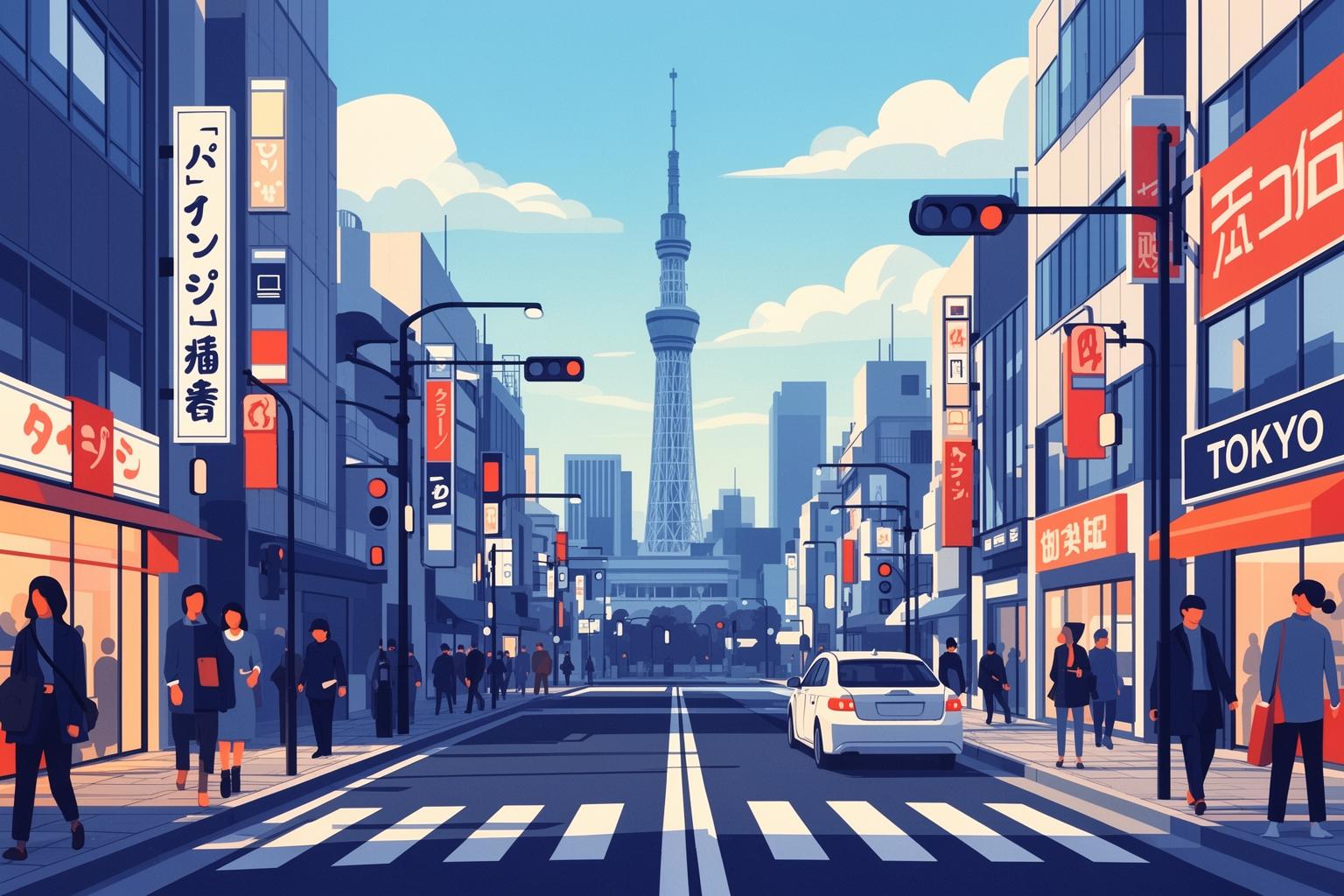
While the Suga Shrine stairs and the Shinjuku skyline undoubtedly stand out as the main highlights of any Your Name pilgrimage, the film’s world is crafted from many other real-world elements scattered across Tokyo. For devoted fans, discovering these smaller, less obvious locations enhances the connection to Taki’s everyday life and the film’s remarkable attention to detail. Though these spots may not carry the same dramatic impact as the climax, they are essential pieces that anchor the fantastical story in a tangible reality. Exploring them lets you view Tokyo through the characters’ perspectives, appreciating the beauty Shinkai finds in the ordinary—the complex network of train lines, the reflective surfaces of modern buildings, and the anonymous yet familiar rhythm of city life. This part of the journey celebrates both the artistry of the film and the city that inspired it.
The National Art Center, Tokyo: A Date with Modernity
Recall the scene of Taki’s slightly awkward but endearing date with his coworker, Okudera-senpai? It takes place in a strikingly modern building featuring a vast, undulating glass facade. This is The National Art Center, Tokyo, situated in the trendy Roppongi district. Designed by the renowned architect Kisho Kurokawa, the building itself is a masterpiece. You don’t even need to visit the paid exhibitions to appreciate the space. The expansive, light-filled lobby is open to the public, and it houses the very spot featured in the film. The most distinctive elements are the two enormous, inverted concrete cones that contain cafes and a restaurant. Taki and Okudera-senpai have lunch at Brasserie Paul Bocuse Le Musée, located atop the taller cone. Dining there can be pricey, but a similar experience is available by grabbing a drink at Salon de Thé Rond on the second-floor cone. Seated there amid the building’s soaring, futuristic architecture, you can perfectly capture the sophisticated and slightly intimidating mood of Taki’s date. It’s a wonderful way to spend an afternoon, immersing yourself in both cinematic history and top-tier design.
Little Details: The Crossings and Bridges
Makoto Shinkai excels at capturing the subtle poetry of urban infrastructure. Several real-life intersections and pedestrian bridges make brief but memorable appearances in Your Name. Near Shinanomachi Station, just one stop from Yotsuya, stands the pedestrian bridge where Taki and Okudera-senpai part ways after their date. It’s a simple, utilitarian structure, but standing there allows you to frame the exact shot from the film, with train tracks running beneath. Another important location is the Shintoshin pedestrian bridge near Shinjuku Station, offering a dramatic view of surrounding skyscrapers and winding roads, used in one of the film’s early montages to convey Tokyo’s overwhelming scale. There’s also the iconic intersection in front of Shinjuku Station, with its distinctive circular structure, where Taki looks up at the screen broadcasting news about the comet. Discovering these small places feels like a secret scavenger hunt. They remind you that the world of Your Name is not only found in its grand moments, but also in its loving, detailed recreation of everyday Tokyo, making the entire city feel like a living, breathing part of the story.
Planning Your ‘Your Name’ Pilgrimage
A successful pilgrimage hinges on both preparation and going with the flow. While the real magic comes from discovery, having a flexible plan can help you maximize your time and fully immerse yourself in the experience without feeling pressured or stressed. Tokyo’s public transportation is remarkably efficient, making it simple to travel between these spots. The key is to plot a sensible route, keep track of opening hours, and most importantly, allow yourself to linger in the places that resonate with you the most. This journey is personal, so adjust it to fit your own rhythm. Whether you want to pack everything into a single whirlwind day or spread it out over a more leisurely weekend, a bit of planning will help ensure your adventure is smooth and unforgettable.
A Suggested Itinerary for a Perfect Day
To follow the narrative arc of the film, consider starting your day in Taki’s world and finishing where his and Mitsuha’s worlds meet. Begin your morning in Shinjuku. After grabbing a coffee, head to Shinjuku Gyoen National Garden right at opening time to enjoy its tranquility before the crowds arrive. Spend a couple of hours wandering through the peaceful gardens. Then explore the west and south sides of Shinjuku Station, taking in various skyline views and pedestrian bridges. For lunch, find a spot with a view in one of the department stores. Early in the afternoon, take a short train ride on the JR Chuo-Sobu line from Shinjuku to Yotsuya or Shinanomachi. Spend the remainder of the afternoon leisurely exploring the quieter streets, locating the pedestrian bridge, and making your way toward Suga Shrine. Aim to arrive at the famous staircase about an hour before sunset. This gives you time to see it in daylight and then watch as the “magic hour” light transforms the scene. This timing lets you end your day at the most emotional and visually striking location, providing a perfect, poignant conclusion to your pilgrimage.
What to Bring and When to Go
Comfort is crucial for a day spent walking and exploring. Wear your most comfortable shoes, as you’ll be covering plenty of ground. A good camera is essential for capturing your own interpretations of the film’s iconic shots. Since you’ll likely be using your phone for navigation and photos, a portable battery charger is invaluable. It’s also smart to have a Suica or Pasmo card to easily tap on and off trains and subways. Regarding the best time to visit, there’s really no bad season. Spring showcases the fleeting beauty of cherry blossoms, a prominent motif in Shinkai’s visual style. Autumn offers a stunning display of vibrant foliage, especially in Shinjuku Gyoen. Summer can be hot and humid, but the lush greenery is beautiful. Winter brings crisp, clear days with exceptionally sharp skyline views. The film itself cycles through the seasons, so visiting anytime lets you connect with a different aspect of the story’s beautiful, ever-changing world.
The Emotional Resonance of a Place
Why do we travel to these places? A seichi junrei is more than just a checklist of photo opportunities. It is a journey to connect the world we cherish with the world we inhabit. Standing on the Suga Shrine stairs is not merely about observing a staircase; it is about sensing the lingering presence of Taki and Mitsuha’s years of searching, their intangible pain from forgotten memories, and their ultimate, cathartic release. It is about sharing a space with a story that has touched you. When you visit these real-world locations, the film’s narrative takes on a new depth. The animated settings transform into tangible places filled with their own sounds, scents, and textures. The distant rumble of a train from Shinanomachi bridge, the fresh scent of damp earth in Shinjuku Gyoen after a brief rain, the way the setting sun glints off Roppongi’s glass towers—these sensory details enhance the story, weaving it into your own lived experience. This journey through Tokyo serves as a powerful reminder that extraordinary stories exist in ordinary places. Makoto Shinkai’s talent lies in his ability to reveal the magic in a bustling crosswalk or a quiet residential street. By following in his characters’ footsteps, we learn to view our world with the same sense of awe, discovering beauty and significance in the places we call home.