
There are films that you watch, and then there are films that you feel. Makoto Shinkai’s masterpiece, Your Name (Kimi no Na wa), is a breathtaking emotional journey that captured hearts around the globe. It’s a story of swapped lives, cosmic destiny, and a connection that transcends time and space, all set against a backdrop of hyper-realistic, achingly beautiful animation. But what if I told you that the magic of Taki’s Tokyo and Mitsuha’s Itomori wasn’t just confined to the screen? These stunning landscapes are real, tangible places you can walk through, places where the world of the film bleeds into our own reality. This journey is more than just sightseeing; it’s a pilgrimage, a chance to step into the frames of the anime and experience the very atmosphere that made the story so unforgettable. We’ll trace the footsteps of our protagonists, from the electric, neon-drenched heart of Tokyo to the tranquil, tradition-steeped mountains of the Hida region. It’s a tale of two Japans, a study in contrasts, much like the lives of Taki and Mitsuha themselves. Prepare to see the world through their eyes, to find the sublime in the everyday, and to maybe, just maybe, feel the invisible threads of connection that tie these places—and us—together.
Step off the beaten path and uncover the cinematic roots by following our pilgrim’s guide to the real-life settings that inspired this unforgettable journey.
Tokyo’s Urban Dreamscape: In Taki’s Footsteps
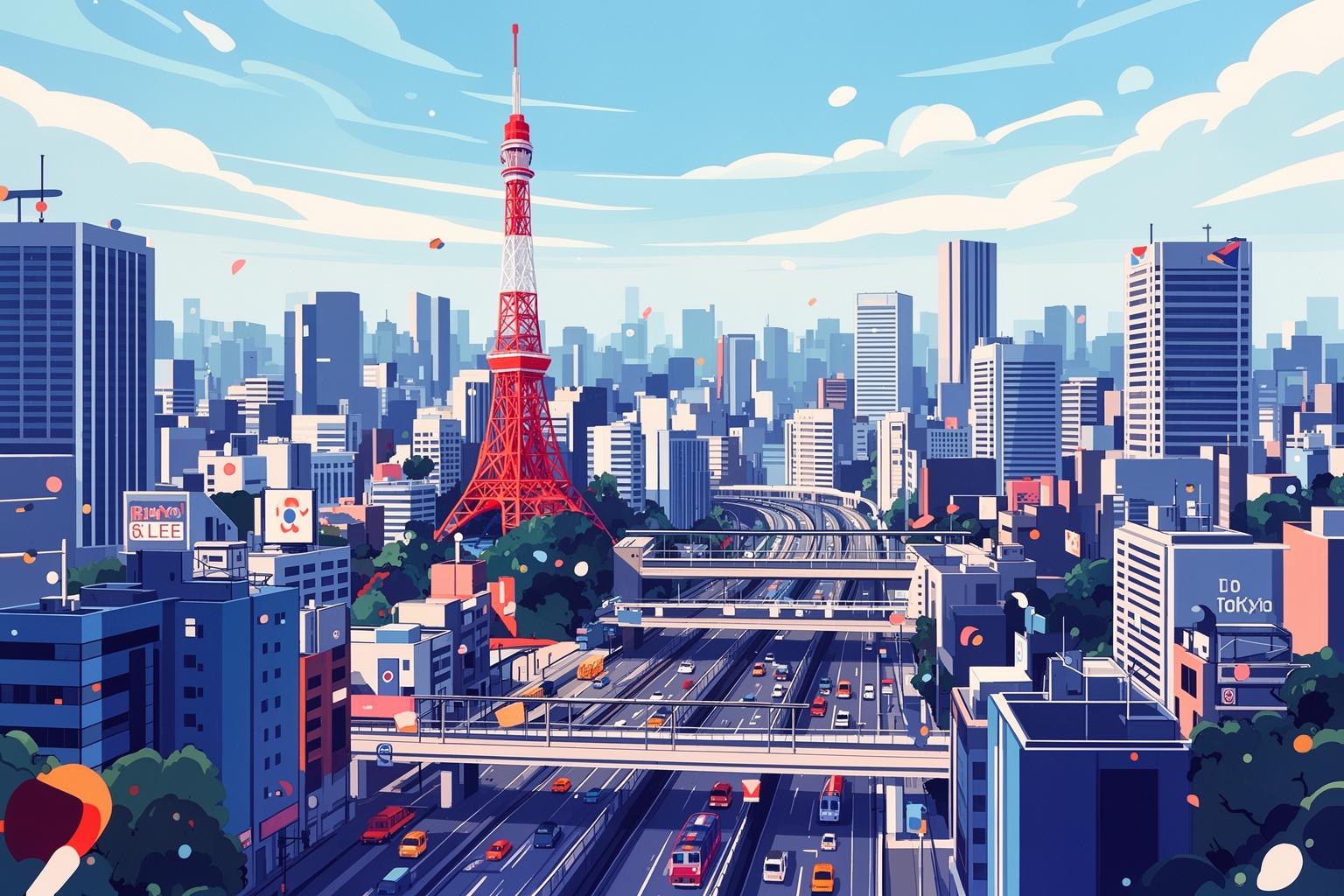
Tokyo forms the first half of our story, a vast metropolis that acts as both playground and prison for Taki Tachibana. The film depicts it not as a cold, impersonal city, but as a vibrant, living being, brimming with fleeting moments of beauty and missed encounters. Strolling through its streets feels like navigating a symphony of sights and sounds, where towering skyscrapers cast long shadows over quiet, hidden shrines. This is where our journey begins, in the concrete jungle Taki calls home.
The Iconic Staircase: Suga Shrine, Yotsuya
This is the spot every Your Name fan feels they already know. The red-railed staircase ascending to Suga Shrine in Yotsuya is arguably the most emotionally charged location in the entire film. It serves as the backdrop for the climactic, heart-wrenching final scene where Taki and Mitsuha, years later, finally find each other. Standing either at the bottom and looking up or at the top and looking down, you can almost hear their voices echoing in the still air. The location itself is surprisingly understated, nestled within a peaceful residential neighborhood. This calmness is what makes it so powerful, offering a stark contrast to the dramatic intensity of the scene it hosts. The real world feels serene, the trees rustling gently, while your mind replays one of the most iconic moments in modern anime history.
To reach it, take a train to Yotsuya Station and enjoy a ten-minute walk through charming local streets. I recommend visiting early on a weekday morning. The soft morning light is ideal for photography, and you’ll likely have the place to yourself, allowing an uninterrupted, reflective experience. You can recreate the famous shot but also take time to appreciate the shrine’s tranquil atmosphere. It’s a lovely, local Shinto shrine, a peaceful pocket amid the city’s hustle. Afterwards, explore Yotsuya’s surrounding area, which exudes a sophisticated, slightly retro vibe. You’ll find stylish coffee shops and bakeries perfect for grabbing a drink and processing the powerful emotions the staircase evokes. It’s a moment to let the film’s themes of searching and finding resonate personally.
Taki’s World: Shinjuku’s Concrete Jungle
Shinjuku is the vibrant heart of Taki’s Tokyo. It’s a district of immense scale and energy, where business, entertainment, and quiet reflection coexist. The film masterfully captures its essence, from the dizzying heights of its skyscrapers to the tranquil oasis of its renowned garden. This is where Taki works his part-time job, navigates the overwhelming train stations, and goes on his pivotal date with coworker Okudera-senpai.
A Date Amidst Nature: Shinjuku Gyoen National Garden
Remember the beautiful greenhouse and lush landscapes from Taki and Okudera’s date? That’s Shinjuku Gyoen, a sprawling park that feels like a portal to another world. Just steps from the chaos of Shinjuku Station, this garden offers a masterclass in landscape design, featuring a traditional Japanese garden, a formal French garden, and an English landscape garden. Walking through it, you’re struck by the stunning contrast of meticulously manicured nature against the city’s towering skyline—a visual theme Shinkai often explores. The large greenhouse, filled with tropical plants, offers a warm, humid escape, just as it appeared in the film. The teahouse seen in their date scene is real too, providing a serene spot to enjoy matcha and sweets while overlooking a tranquil pond. Visiting Shinjuku Gyoen serves as a reminder that even within the world’s largest metropolis, moments of peace and natural beauty remain accessible. It’s an ideal place to spend a leisurely afternoon, perhaps sketching or simply people-watching, much like an art-loving student like Taki might.
Art and Architecture: The National Art Center, Tokyo
The second key location from their date is the strikingly modern National Art Center in Roppongi, a short train ride from Shinjuku. Even if you’re not an art enthusiast, the building itself is a masterpiece. Its undulating glass façade, designed by the renowned architect Kisho Kurokawa, creates a mesmerizing interplay of light and shadow—an effect prominently animated in the film. This is where Taki and Okudera share lunch at the chic café perched atop a giant concrete cone inside the atrium. You can visit the very same café, Brasserie Paul Bocuse Le Musée, and feel as though you’ve stepped directly into the anime. The center hosts rotating world-class exhibitions, so there’s always something new and inspiring to discover. Stylistically, this location choice speaks volumes about Taki’s appreciation for design and aesthetics. It’s a sophisticated, intellectual space that adds another layer of depth to his character. For travelers, it offers a fantastic opportunity to immerse themselves in Japan’s contemporary art and design scene.
Navigating the Labyrinth: Shinjuku Station and its Bridges
Shinjuku Station is more than just a transport hub; it’s a character in its own right. As one of the world’s busiest train stations, it’s a dizzying maze of platforms, tunnels, and ceaseless crowds. The film perfectly captures this overwhelming yet beautiful chaos through sweeping shots of intersecting train lines and crowded platforms. The pedestrian bridge near the Shinjuku Police Station, with its distinctive circular design, is another key visual from the movie, symbolizing the complex, intertwined paths of the city’s inhabitants. Finding these exact spots can be a fun challenge. My advice to first-timers is not to resist the flow—let the crowds guide you and keep your eyes open. For safety in such dense environments, keep your bag zipped and close. Experiencing Shinjuku at night, when neon signs blaze to life, is truly cinematic. It’s the futuristic, cyberpunk-esque Japan many imagine, and seeing it in person after watching Your Name feels like uncovering the source code of its visual DNA.
Hida’s Timeless Beauty: In Mitsuha’s Memories
Leaving behind the electric energy of Tokyo, our pilgrimage leads us to the other side of the story: Gifu Prefecture, nestled in the mountains of central Japan. This region inspired Mitsuha Miyamizu’s fictional hometown of Itomori. Although Itomori itself doesn’t exist, its spirit is a blend of the landscapes and towns of the Hida region. The moment you step off the train here, the contrast with Tokyo is striking. The air is crisp, the pace slower, and the city’s noise gives way to the gentle murmur of canals and the whisper of wind through ancient forests. This journey is a step back in time, into a world of tradition, folklore, and quiet, enduring beauty.
Welcome to Itomori’s Inspiration: Hida-Furukawa
The small, charming town of Hida-Furukawa serves as the primary real-world counterpart to Itomori. It’s a beautifully preserved town where white-walled storehouses line pristine canals filled with vibrant koi fish. Strolling through its streets feels incredibly familiar. The town has gracefully embraced its connection to the film, offering maps highlighting key locations while preserving its authentic, peaceful ambiance. The best way to explore Hida-Furukawa is on foot. It’s compact, with every corner revealing new delights, from artisan shops selling local crafts to old sake breweries offering tastings. The atmosphere is one of deep tranquility. It’s easy to imagine Mitsuha here, longing for the excitement of Tokyo while surrounded by a subtle, profound beauty she might have overlooked. The most scenic way to get here is via the JR Takayama Main Line, winding through breathtaking river valleys and mountains. The journey itself sets the mood for the atmospheric shift.
Key Pilgrimage Spots in Hida
While the entire town feels like Itomori, several specific spots were directly replicated for the film, creating exciting moments of recognition for fans.
The Arrival Point: Hida-Furukawa Station
This station is where Taki and his friends arrive on their quest to find Mitsuha. The station’s design, the pedestrian footbridge over the tracks, and the waiting area closely mirror their animated counterparts. Standing on the platform, you can vividly picture the scene unfolding. Don’t miss the small statue of Hida’s mascot, a charming cartoon cow, which also makes a brief appearance in the movie. It’s these small, faithful details that make the pilgrimage so rewarding.
The Place of Research: Hida City Library
Among the most beautiful locations in the pilgrimage is the Hida City Library, which inspired the library where Taki researches Itomori’s history and uncovers the town’s tragic fate. The interior showcases stunning wooden architecture, with an atrium blending modern aesthetics and traditional craftsmanship. The library staff warmly welcome fans and have set up a small corner dedicated to Your Name. Visitors are kindly asked to respect the quiet atmosphere and obtain a permit at the front desk before taking photos. Sitting here, you can feel the weight of Taki’s discovery—the quiet reverence of a place devoted to preserving real and fictional stories alike.
A Taste of Local Life: Ajidokoro Furukawa and Keta Wakamiya Shrine
To fully immerse yourself, you must experience the local culture. Remember the goheimochi—a grilled rice cake on a stick coated with sweet and savory miso sauce—that Taki’s group enjoys? You can sample it at various town shops, including Ajidokoro Furukawa, one of the eateries that inspired the film. It’s a simple, rustic, and delicious local snack. A short walk from the town center brings you to Keta Wakamiya Shrine. While the main Miyamizu Shrine in the film is a composite of several places, the long stone staircase leading up to Keta Wakamiya Shrine closely resembles the one Mitsuha and her sister climb. Ascending the moss-covered steps, surrounded by towering cedar trees, feels profoundly spiritual. It’s a moment of connection to the Shinto traditions central to Mitsuha’s life and the film’s story.
A Taste of Tradition: The Art of Kumihimo
Kumihimo braided cords are the film’s central metaphor, symbolizing connection, fate, and the flow of time—the concept of musubi. This ancient craft is a proud tradition in the Hida region. You can find shops selling these intricate, beautiful cords, but for a truly memorable experience, I highly recommend participating in a kumihimo workshop. Several places in Hida-Furukawa and nearby Takayama offer the chance to sit at traditional wooden stands and braid your own bracelet. As you weave colorful threads, passing them between hands, you deepen your appreciation of the film’s symbolism. This meditative, hands-on activity connects you both to the local culture and the story’s core. You leave with not only a beautiful, handmade souvenir but also a tangible symbol of your own journey and the connections made along the way.
Beyond the Film: Exploring the Wider Hida Region
While Hida-Furukawa is the main highlight, the whole Hida region is imbued with the magical, rural ambiance that defines Itomori. Using it as a base, you can explore other nearby gems that deepen your appreciation of the film’s aesthetic and cultural origins.
Takayama’s Old Town
Just a fifteen-minute train ride from Hida-Furukawa is the larger and more renowned city of Takayama. Its Sanmachi Suji district is a beautifully preserved old town, featuring streets lined with dark-wood Edo-period merchant houses. The area buzzes with sake breweries, craft shops, and street food stalls. Exploring Takayama offers a broader perspective on the architectural style and traditional atmosphere that Shinkai drew inspiration from. The morning markets along the Miya River are a lively spectacle, providing a glimpse into local life that feels centuries old. It perfectly complements the quieter charm of Hida-Furukawa.
The Fairytale Village of Shirakawa-go
For a truly breathtaking experience, consider a bus trip to the UNESCO World Heritage site of Shirakawa-go. This village is renowned for its distinctive gassho-zukuri farmhouses, with steep, thatched roofs designed to endure heavy snow. Although not a direct filming location, the enchanting visuals of this fairytale-like village nestled in a remote mountain valley undoubtedly influenced the idyllic and isolated atmosphere of Itomori. Walking among these architectural wonders, some centuries old, feels like stepping into a Japanese folk tale. The panoramic view from the Ogimachi Castle Observation Deck is especially stunning and will surely remind you of the sweeping landscape shots of Mitsuha’s hometown.
Practical Travel Tips for Your Pilgrimage
A journey that covers both a sprawling mega-city and the tranquil countryside calls for a bit of preparation to ensure a smooth and enjoyable experience. Here are some tips to guide you along the way.
Getting Around
For travel between Tokyo and the Hida region, the Japan Rail Pass offers excellent value, covering both the Shinkansen (bullet train) and the scenic JR Takayama Main Line. Within Tokyo, a rechargeable IC card like Suica or Pasmo is essential for easily navigating the complex network of subways and local trains. In Hida-Furukawa and Takayama, walking is the best way to explore, as these towns are compact and most enjoyable at a leisurely pace.
Best Time to Visit
Much like the vibrant hues of the film, Japan’s seasons dramatically change its landscapes. Spring, with its iconic cherry blossoms, and autumn, with its fiery foliage, are especially magical times to visit Tokyo and the Hida region. The weather is mild, and the scenery is at its most beautiful, reflecting some of the most stunning scenes from the anime. Summers can be hot and humid, while winter brings heavy snowfall to the Hida region, offering a beautiful yet potentially challenging travel experience.
Accommodation
To fully capture the contrast between Taki and Mitsuha’s worlds, choose accommodations that reflect each setting. In Tokyo, consider staying in a chic boutique hotel in Shinjuku to stay close to the action. In the Hida region, I highly recommend experiencing a ryokan, a traditional Japanese inn. Staying at a ryokan provides an immersive cultural experience, featuring tatami mat rooms, multi-course kaiseki dinners, and soothing hot spring baths (onsen). It’s an ideal way to relax and soak in the traditional atmosphere of Mitsuha’s world.
A Note on Safety and Etiquette
Japan is an extremely safe country, even for solo female travelers. Nonetheless, common sense should always prevail. In crowded places like Shinjuku Station, be vigilant about your belongings. When visiting rural areas such as Hida, keep in mind that train and bus services may be infrequent, so check schedules ahead of time. Most importantly, when visiting pilgrimage sites—especially active worship places like shrines or functional public spaces like libraries—be a respectful visitor. Keep your voice low, follow photography rules, and remember these are living communities, not just film sets. This mindful approach will not only be appreciated by locals but also deepen your connection to the places you explore.
This pilgrimage is more than just ticking off locations from a beloved film. It is a journey through the heart of Japan, exploring the profound duality of its modern and traditional identities. It’s about standing on a staircase in Tokyo and feeling a wave of cinematic emotion, then sitting beside a quiet canal in Hida and experiencing a sense of timeless tranquility. You are chasing the ghost of a story, a comet that streaked across the sky, and in doing so, you are creating your own narrative. You are weaving your own thread into the beautiful, intricate braid that links fiction with reality, and a traveler with the soul of a place. The search for connection, after all, is a journey we all share. All you need to do is ask the question: Kimi no na wa?