
There’s a unique magic that hums in the air when you step into a place you’ve only ever seen on screen. It’s a strange, wonderful collision of worlds, where the lines between fiction and reality blur into a beautiful, tangible memory. For millions around the globe, Makoto Shinkai’s masterpiece, Your Name (Kimi no Na wa), wasn’t just a film; it was an emotional odyssey. It was a story of two souls, Taki in bustling Tokyo and Mitsuha in the serene countryside, bound by a celestial event and the invisible red threads of fate. The film’s breathtakingly realistic animation pulled us so deep into their worlds that the locations themselves became characters. And the best part? These places are real. They exist, waiting for you to walk the same paths, feel the same air, and perhaps, understand the film’s central theme of musubi—the intricate, beautiful weaving of connections—on a profoundly personal level. This journey is more than just a tour; it’s a pilgrimage. It’s an exploration that takes you from the electric heart of Japan’s capital to the tranquil, timeless landscapes of the Hida region in Gifu Prefecture. It’s a chance to see the world through Taki and Mitsuha’s eyes, to feel the frantic pace of a Tokyo afternoon and the quiet whisper of a mountain breeze. Prepare to chase the ghost of a comet across Japan and discover the tangible soul of an animated dream.
For those ready to immerse themselves in Japan’s vibrant urban tapestry, exploring Tokyo landmarks offers an unmatched way to connect with the film’s ethereal spirit.
Tokyo’s Urban Dreamscape: Tracing Taki’s Steps
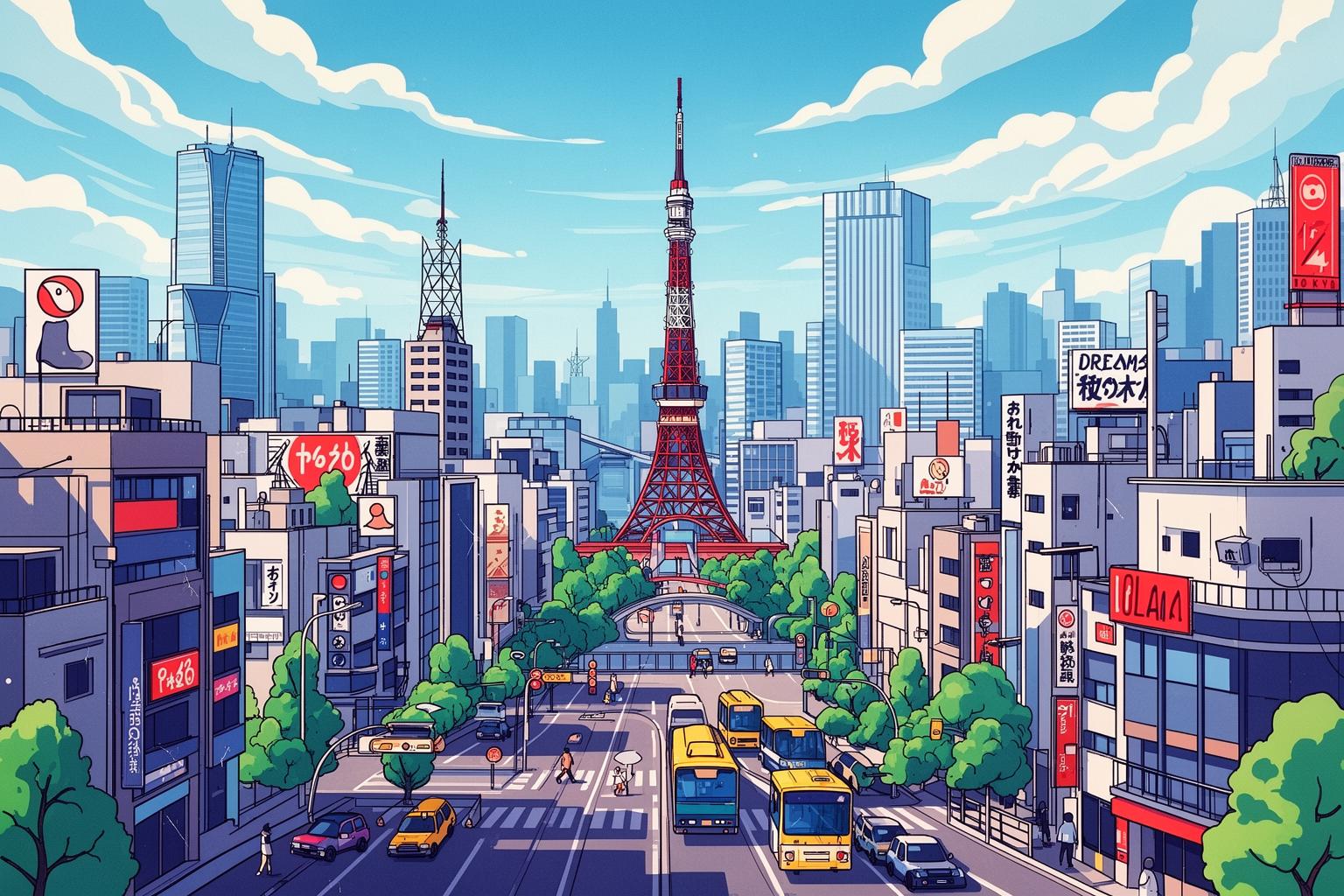
Tokyo is a city full of beautiful contradictions, where towering skyscrapers cast shadows over tranquil, ancient shrines. This is Taki Tachibana’s world—a vast, vibrant metropolis pulsing with relentless rhythm. To walk through his Tokyo is to experience the energy that drives his dreams and ambitions. Our journey begins here, amid the concrete canyons and neon-lit streets that shape his half of the story, a world far removed from Mitsuha’s peaceful life, yet deeply intertwined.
Shinjuku: The Heart of the Metropolis
Shinjuku is more than a mere district; it is the very pulse of modern Tokyo. It’s where Taki lives, works, and navigates the challenges of teenage life. The film perfectly captures its dual nature: the overwhelming scale of its stations and skyscrapers alongside pockets of serene neighborhood life tucked away around the corner.
The Iconic Red Staircase at Suga Shrine
Let’s begin at the place where the story reaches its breathtaking climax. The red-railed staircase leading to Suga Shrine is undoubtedly the most emotionally powerful location in the entire film. This is where Taki and Mitsuha, years after their memories have faded, ultimately reunite. Stepping onto these stairs feels like entering a sacred space—not just of the shrine, but of the story itself. The reality is surprisingly peaceful. Nestled in a quiet residential area of Yotsuya, a neighborhood within Shinjuku, this spot is worlds apart from the bustling commercial chaos nearby. You’ll find yourself standing between two modest apartment buildings, with the city’s hum a distant murmur. The best times to visit are early mornings or weekday afternoons, when the light is gentle and crowds are sparse. From the top, you can look down and feel the weight of their search and the impossible odds they overcame. To reach this location, take the Tokyo Metro Marunouchi Line to Yotsuya-sanchome Station; from there, it’s a pleasant ten-minute walk. Remember, this is a residential area—please be quiet, respectful, and allow the profound sense of destiny to wash over you.
Shinjuku Station and the Scramble
In stark contrast to the tranquility of Suga Shrine is the magnificent chaos of Shinjuku Station. The film masterfully portrays the dizzying experience of navigating the world’s busiest train station, where millions of stories intersect every day. For Taki, it’s part of his daily routine, a river of humanity he moves with. For first-time visitors, it can be an intimidating maze of platforms, exits, and underground passages. Yet there is a unique beauty in it. Find a vantage point overlooking one of the main concourses and simply watch. It’s a symphony of motion, a perfect representation of Tokyo’s ceaseless energy. You’ll also recognize the Shinjuku skyline surrounding the station, especially views from pedestrian bridges like the Shinjuku Southern Terrace, which seem lifted straight from Shinkai’s storyboards.
The National Art Center, Tokyo
The setting for Taki’s date with his coworker, Okudera-senpai, is the impressively modern National Art Center in Roppongi. Its sweeping glass facade is instantly recognizable. Inside, the architecture is equally striking, with vast, light-filled spaces and the distinctive inverted concrete cones. The café where they meet, Salon de Thé ROND, is real and perched atop one of these cones. You can sit in the same spot, order a coffee, and gaze out at the sunlight streaming through the glass, just like in the film. It’s a sophisticated, calming setting that contrasts beautifully with the raw emotion of other locations. Visiting the museum offers a wonderful way to spend an afternoon and reveals another facet of Taki’s life—his appreciation for art and design, hinting at his future aspirations to become an architect.
The NTT Docomo Yoyogi Building
This skyscraper, resembling a clock tower, isn’t a place you can enter, but it serves as a silent, constant presence in the film’s depiction of Tokyo. Its distinctive, Empire State-like spire punctuates the skyline in many shots, acting as a visual anchor grounding the viewer in Taki’s world. One of the best views of the building, beautifully framed by nature, is found from Shinjuku Gyoen National Garden. It’s an excellent example of how the film integrates real-world landmarks into its visual storytelling, making the animated city feel incredibly authentic. When you see it rising into the sky, you’ll immediately feel immersed in the movie.
A Moment of Calm: Taki’s World Beyond the Crowds
Even in a city as relentless as Tokyo, there are peaceful places. These spots reveal a gentler side of Taki’s world—the places he might retreat to think, dream, or simply escape the city’s crush.
Shinjuku Gyoen National Garden
While not a direct recreation of a specific scene, Shinjuku Gyoen represents the type of urban oasis that often appears in Makoto Shinkai’s works. This expansive park, a short walk from the chaos of Shinjuku Station, is a masterpiece of landscape design, featuring a traditional Japanese garden, a formal French garden, and an English landscape garden. It’s easy to imagine Taki coming here to sketch or clear his mind. Here, you can capture that perfect shot of the NTT Docomo Yoyogi Building, its modern spire rising above the timeless canopy of trees—a visual metaphor blending tradition and modernity, a core theme of the film.
Cafe La Bohème Shinjuku Gyoen
For a truly immersive experience, be sure to visit the restaurant that inspired Taki’s part-time job, the fictional “Il Giardino delle Parole.” The real-life counterpart is Cafe La Bohème, located near Shinjuku Gyoen. Upon entering, you’ll be struck by the strong resemblance. The high ceilings, the grand and theatrical interior, the open kitchen—it’s all there. The atmosphere is warm and inviting, slightly European, and very charming. You can ask for a table overlooking the park, order some pasta, and feel completely transported into Taki’s world. It’s a delightful, delicious way to connect with the everyday aspects of his story, reminding us that even in a grand tale of fate and comets, life includes part-time jobs and daily routines.
Gifu’s Timeless Beauty: Discovering Mitsuha’s Itomori
Leaving behind Tokyo’s electric pulse, our pilgrimage leads us deep into the heart of Japan, to the mountainous Gifu Prefecture. This region inspired Mitsuha Miyamizu’s fictional hometown, Itomori. Although Itomori itself is a product of imagination—a town nestled in a crater formed by a comet—its essence is deeply rooted in the real town of Hida-Furukawa. Here, the frantic city pace fades away, replaced by the gentle flow of water, the scent of aged wood, and the weight of centuries-old tradition. This is Mitsuha’s world, a place of breathtaking natural beauty and profound spiritual heritage.
Hida-Furukawa: The Soul of a Fictional Town
Arriving in Hida-Furukawa feels like stepping back in time. It’s a small, tranquil town where life moves at a deliberate pace. The pilgrimage here isn’t about hurrying from one spot to another but about slowing down, breathing in the mountain air, and soaking up the atmosphere that so deeply shaped Mitsuha’s character and her yearning for a different life.
Hida-Furukawa Station
Your journey into Mitsuha’s world starts, just as Taki’s did, at Hida-Furukawa Station. The station building is depicted with perfect accuracy in the film. Standing on the pedestrian overpass, you see the same view Taki saw: tracks stretching into the distance, mountains looming beyond, and the distinct Hida beef mascot character, Hidakuro, sitting on the platform. The feeling of arrival is powerful. You’ve followed the clues, just like Taki, and found the place holding the key to the mystery. The station staff are well aware of the town’s fame and warmly welcome pilgrims, often displaying small exhibits related to the film.
The Hida City Library
A short walk from the station brings you to another pivotal spot: the Hida City Library. This is where Taki and his friends finally uncover the heartbreaking truth about Itomori and the comet. The library is a beautiful modern building with a warm, inviting interior adorned with light wood. It functions as a public library and thus is a place of quiet reflection. Previously, photography was strictly prohibited, but the library has embraced its role in the pilgrimage. They have designated a specific photo spot and a simple permission process available at the front desk. This hospitality allows visitors to capture their memories while respecting the local residents who use the library daily. It’s a perfect example of how a community has gracefully welcomed the attention the film has brought. Standing inside, you can almost feel Taki’s desperation and dawning horror as he pieces the story together.
The Seto River and Shirakabe Dozogai Street
Though not featured in a key scene, the heart and soul of Hida-Furukawa lie along the Seto River. This picturesque canal, lined with the white-walled facades of traditional storehouses (kura), is the town’s most iconic sight. Hundreds of large, colorful carp swim in the crystal-clear water, a tradition that dates back centuries. Walking along this street, especially during early morning or late afternoon when the light is golden, is pure magic. It perfectly captures the essence of a traditional, well-preserved Japanese town—the very feeling of Itomori before the disaster. It’s a place of immense peace and beauty. Note that the carp are moved to a winter shelter from late November to early April, so plan your visit accordingly to enjoy the full experience.
Echoes of Itomori in the Hida Region
While Hida-Furukawa represents the town setting, the spiritual and traditional aspects of Mitsuha’s life are drawn from various locations throughout the wider Hida region.
Keta Wakamiya Shrine
Mitsuha’s role as a shrine maiden is central to her identity. Though the Miyamizu Shrine is fictional, it is believed to be inspired by several local shrines. One key candidate is Keta Wakamiya Shrine in Hida City. Climbing the long stone steps shaded by tall cedar trees, you’ll instantly feel the connection to the scenes of Mitsuha performing her duties. The atmosphere is serene and ancient—a place seemingly detached from the modern world, ideal for the age-old rituals and traditions passed down through generations. Another frequently mentioned model is Hie Shrine in nearby Takayama, also known for its prominent stairs. Visiting either will give you a strong sense of the spiritual world Mitsuha inhabited.
Making Your Own Kumihimo Braid
The braided cords, or kumihimo, symbolize musubi in the film—the thread linking Taki and Mitsuha across time and space. This is not merely a plot device but a beautiful traditional Japanese craft. In Hida, you can find workshops where you can try making your own kumihimo braid. Sitting at a traditional wooden stand called a marudai, you’ll learn to weave colorful silk threads, creating your unique cord. It’s a meditative and deeply satisfying experience. As you work the threads, you gain a tangible understanding of the film’s central metaphor. It turns a piece of the story into a personal keepsake, a physical reminder of the connections you’ve made on your journey.
The Taste of Hida: Goheimochi and Local Sake
To truly immerse yourself in a place, you have to taste it. Taki is seen enjoying a local snack called goheimochi during his search. This skewered cake of pounded rice is coated with a sweet and savory sauce made from miso, soy, and walnuts, then grilled over an open flame. You can find it at small stalls throughout Hida-Furukawa and Takayama. It’s a delicious, rustic treat offering a literal taste of the region. Additionally, the kuchikamizake ritual, although an ancient tradition, connects to Hida’s reputation for excellent sake production. Visiting a local brewery and sampling their sake allows you to engage with the culture of rice and fermentation so central to Mitsuha’s family traditions, connecting you directly to the land she called home.
Practical Pilgrimage: Planning Your ‘Your Name’ Journey

A journey stretching from the heart of Tokyo to the mountains of Gifu requires some planning to ensure a smooth and enjoyable experience. This story involves two very different facets of Japan, and traveling between them is part of the adventure itself.
The Tale of Two Cities: Logistics and Travel
Moving between Taki’s and Mitsuha’s worlds reflects the shifts in the film’s narrative. One moment, you’re aboard a sleek, futuristic bullet train; the next, you’re on a local train winding through stunning mountain landscapes.
Getting from Tokyo to Hida
The most efficient way is to take the Tokaido Shinkansen (bullet train) from Tokyo to Nagoya, which takes about an hour and a half. From Nagoya, transfer to the JR Hida Wide View Express train. This leg showcases a remarkable change in scenery. The train features large panoramic windows, and for roughly two and a half hours, it follows a route along a beautiful river, cutting through valleys and offering breathtaking views of the Japanese Alps. This journey gradually carries you away from the urban sprawl and deeper into the country’s heart. For international travelers, the Japan Rail Pass can make this entire trip cost-effective, since it covers both the Shinkansen and the Wide View Express.
How Much Time Do You Need?
To truly appreciate this pilgrimage, don’t rush. Allocate at least one full day to explore the Tokyo locations, comfortably covering the key spots in Shinjuku and Roppongi. For the Gifu segment, plan at least two days and one night. This allows time to travel from Tokyo, spend a full day leisurely exploring Hida-Furukawa, stay overnight in Hida or nearby Takayama, and return without fatigue. This schedule lets you not only see the sights but also absorb the dramatic contrast in atmosphere between the two places.
Tips for a Respectful and Fulfilling Visit
This pilgrimage leads you to real places where people live, work, and pray. Approaching your trip with awareness and respect will enhance the experience for both locals and yourself.
Mindful Photography
It’s natural to want to capture every iconic image, but be mindful of the surroundings. The Suga Shrine staircase is located in a quiet residential area. Avoid loud conversations and blocking residents’ paths. The Hida City Library is a functional space for study and reading; follow their rules and take photos only from designated spots after obtaining permission. The aim is to leave these places as peaceful as you found them. The best photos are often those taken with patience and a sense of place, rather than in haste.
Beyond the Checklist
The most meaningful pilgrimage goes beyond simply recreating scenes for photos—it’s about experiencing the story. At the National Art Center, sit in the café and watch the light. In Hida-Furukawa, put your phone away and listen to the water in the canal. Sit on a bench at the station and imagine Taki’s anticipation. Let the atmosphere of each location soak in. This journey offers an opportunity to connect with the film’s emotions on a deeper level, turning you from a tourist into a genuine pilgrim.
Seasonal Considerations
Japan’s distinct seasons offer varied experiences for your pilgrimage. Spring in Tokyo offers the chance to see cherry blossoms near Shinjuku Gyoen, adding an ephemeral beauty. Summer brings lush greens to Hida’s mountains, though the weather can be hot and humid. Autumn is spectacular in Gifu, with mountains ablaze in fiery colors, creating a stunning backdrop. Winter covers Hida in thick snow, crafting a magical, serene landscape that’s incredibly beautiful, but be ready for cold weather and possible travel delays. Each season presents a unique perspective on Taki and Mitsuha’s worlds.
The Unseen Connection: Why This Journey Resonates
Walking away from the red-railed staircase in Yotsuya, or watching the train leave the quiet platform in Hida-Furukawa, you are left with more than just a collection of photographs. You carry with you a feeling—a deeper understanding of musubi. The film revealed that everything is interconnected: time, places, people, dreams. This pilgrimage brings that abstract concept to life. You have physically crossed the distance that once separated Taki and Mitsuha, and in doing so, you have woven your own thread into the fabric of their story. This journey stands as a testament to the power of storytelling, proof that an animated work can inspire us to explore the real world with fresh eyes and an open heart. It serves as a reminder that, even amid bustling cities and quiet towns, invisible threads connect us all, waiting to be uncovered. Whether you are a devoted fan of Your Name or simply a traveler seeking to understand the heart of Japan, this path offers a beautiful and profound connection—a story you can not only see but truly live.