
There are stories that feel like a dream, and then there are dreams that feel like stories. Makoto Shinkai’s masterpiece, “Your Name.” (Kimi no Na wa.), is a tale woven from the very fabric of such dreams—a celestial romance that transcends time, space, and memory. It’s a film that captured the world’s heart not just with its breathtaking animation and soul-stirring narrative, but with its stunningly realistic portrayal of Japan. The world that Taki and Mitsuha inhabit is not a mere fantasy; it’s a meticulously rendered reflection of our own, a tapestry of bustling Tokyo streets and serene countryside vistas. This profound connection to reality has inspired a modern-day pilgrimage, drawing fans from every corner of the globe to walk in the footsteps of the characters, to stand in the very spots where their intertwined fates were sealed. This journey is more than just sightseeing; it’s a quest to feel the film’s intangible magic, the concept of musubi—the mysterious, binding force of connection—in the tangible world. It’s an exploration of duality, contrasting the electric pulse of a metropolis with the quiet, spiritual hum of a mountain town, just as the film contrasts the lives of its two protagonists. This guide is your thread, your braided cord, leading you through the sacred sites of “Your Name.,” from the heart of Shinjuku to the soul of the Hida mountains. Prepare to blur the line between animation and reality, and to discover the landscapes that gave a global phenomenon its unforgettable heartbeat.
Embrace the magic of your own pilgrimage by uncovering the real-life locations that have shaped the film’s enduring allure.
Tokyo’s Urban Dreamscape: In Taki’s Footsteps
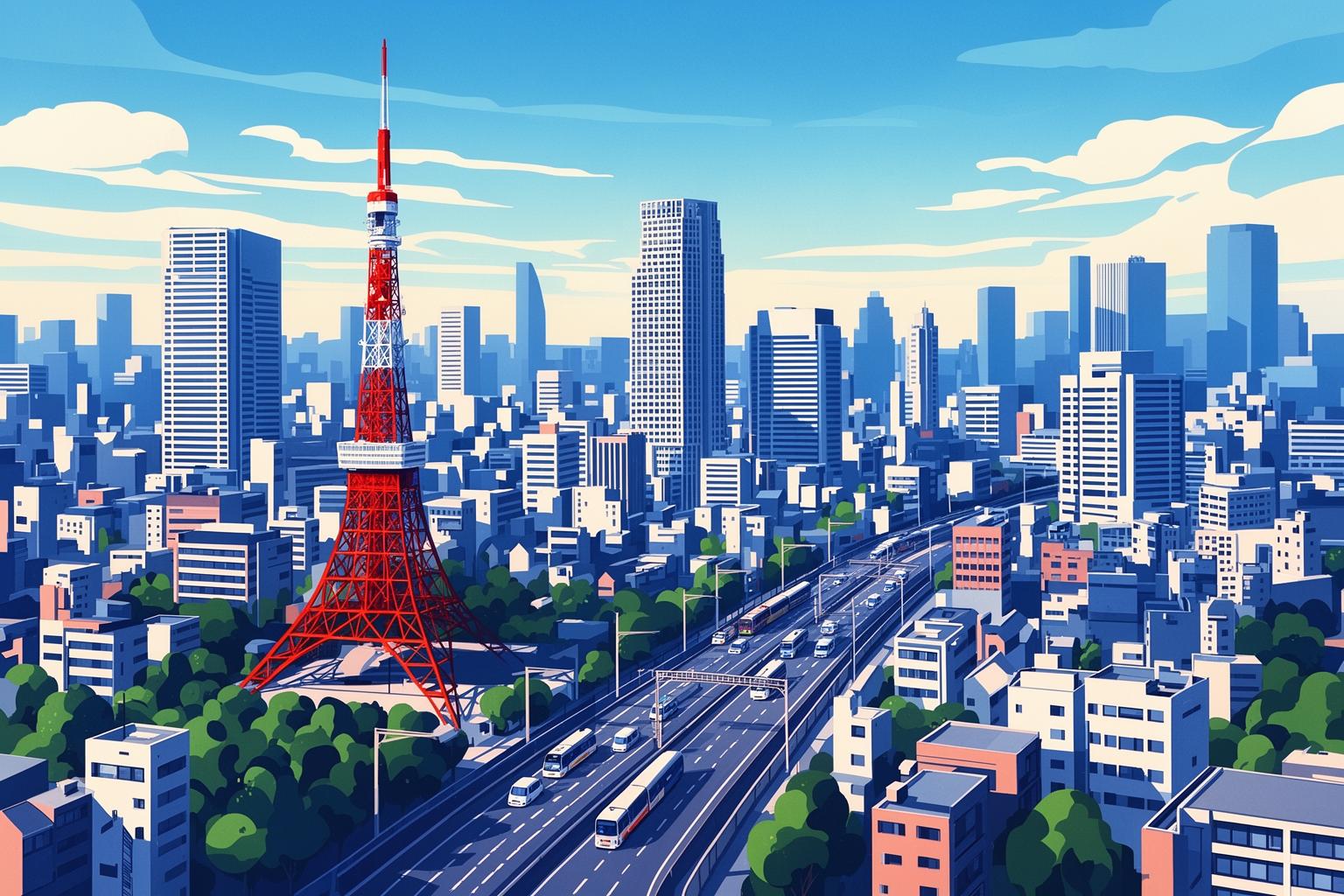
The Tokyo depicted in “Your Name.” acts as a character itself—a vast, vibrant entity made of light, steel, and ceaseless movement. It represents Taki Tachibana’s world, filled with ambition, part-time jobs, and the quiet worries of youth. Strolling through these cityscapes is like stepping directly into Shinkai’s intricately detailed animation frames. The director’s brilliance lies not only in depicting landmarks but in capturing the city’s very essence—the way sunlight streams between skyscrapers, the hum of train lines, and the anonymous rush of crowds. Our journey begins here, in this concrete jungle where Taki dreamed of a life he had never known—a life steeped in ancient traditions beneath a vast, starry sky.
The Suga Shrine Stairs: A Momentous Meeting
No location in the film is more iconic or emotionally charged than the red-railed staircase of Suga Shrine. This is the site of the story’s tender, hopeful climax, where Taki and Mitsuha ultimately find each other years later. Nestled in a quiet, modest residential neighborhood of Yotsuya, the stairs feel like a hidden stage awaiting its players. To reach this spot, you navigate a labyrinth of peaceful streets after exiting Yotsuya Station—a walk that steadily builds anticipation with every step. The journey itself mirrors Taki’s frantic search. As you draw near, the view broadens: the gentle incline, the distinctive red rails, the city peeking through the buildings. It is, quite simply, breathtakingly accurate. Whether standing at the top looking down or at the bottom looking up, you can’t help but sense the profound weight of their reunion. You’ll find other fans patiently waiting to capture their own version of that iconic movie poster shot. The atmosphere is one of shared reverence—quiet, respectful, a silent acknowledgment among strangers that this place holds deep meaning. To avoid large crowds and catch the soft morning light that beautifully illuminates the scene, I suggest visiting on a weekday morning. Take a moment to visit Suga Shrine itself at the top of the stairs; it’s a charming local shrine, and offering a small prayer feels like a fitting way to honor the spirit of the place and the connections it symbolizes. Keep in mind this is a residential area—the magic of the location lies in its normality, so be mindful of noise and respect the privacy of the neighborhood’s residents.
Shinjuku’s Concrete Canvases: The City’s Lifeblood
Shinjuku embodies the chaotic, pulsating heart of Taki’s Tokyo. It’s a whirlwind of neon, noise, and crowds, and Shinkai perfectly captures its immense scale. Many of the film’s transitional and establishing shots take place here, evoking a vivid sense of urban life. The most recognizable landmark is the large circular structure at the intersection near Shinjuku Police Station. In the film, this unique architectural feature appears in a sweeping panoramic shot that conveys the city’s vastness. Standing at this crossroads, you feel the dizzying energy that Taki would face daily. Another significant visual is the NTT Docomo Yoyogi Building, with its clock-tower-topped silhouette frequently punctuating the skyline and serving as a constant point of orientation, much like a mountain would in the countryside. Though you cannot go inside, its presence anchors the film’s visual language powerfully. To fully immerse yourself, explore the area around Shinjuku Station—the busiest train station in the world. Experience the scramble crossing, which, though smaller than Shibuya’s, carries its own distinct rhythm. This environment shaped Taki, a world apart from Mitsuha’s serene life. For photographers, a wide-angle lens is recommended to capture the vast scale of the buildings and intersections. The best time to experience the Shinjuku of the film is at dusk, when city lights begin to flicker on, painting the sky in shades of orange and purple, and neon signs begin their nightly dance. In these moments, the animated city and the real one blur into one.
The National Art Center, Tokyo: Elegance and Culture
Taki’s memorable, slightly awkward date with his coworker Okudera-senpai unfolds in a strikingly modern building featuring a beautiful café. This is the National Art Center in Roppongi, an architectural marvel designed by Kisho Kurokawa. Its flowing glass façade is instantly recognizable. Upon entering, you feel as though you have stepped onto the film’s set. The sense of light and space within the vast atrium is as awe-inspiring in reality as in the animation. The date scene takes place at Salon de Thé ROND, a café uniquely positioned atop a giant concrete cone on the second floor. You can sit there just as the characters did, enjoying coffee or cake while admiring the stunning interior architecture. It offers a moment of serene elegance amid the larger pilgrimage. Beyond the café, the center ranks among Japan’s foremost art museums, hosting a rotating schedule of world-class exhibitions. Plan your visit to coincide with an exhibition that interests you, turning your stop into a culturally rich experience. Access is convenient, with a direct connection from Nogizaka Station on the Tokyo Metro Chiyoda Line. This location reveals another side of Taki’s life—his more mature, artistic dimension. It’s a sophisticated pause in a journey often driven by frantic searches and emotional highs.
Cafe La Bohème Shinjuku Gyoen: Taki’s Workplace
For an authentic taste of Taki’s daily routine, a meal at Cafe La Bohème is a must. This real Italian restaurant served as the model for “Il Giardino delle Parole,” where Taki worked part-time. The restaurant’s management warmly welcomes fans and embraces its connection to the film. The interior blends classic European décor with theatrical flair—high ceilings, large windows, and vintage furnishings. The atmosphere is cozy and elegant, yet lively during busy hours. You can almost hear the playful exchanges between Taki and Okudera-senpai. The menu offers a variety of tasty, reasonably priced Italian dishes. Ordering a pizza or pasta feels like stepping into the story itself. Located near Shinjuku Gyoen National Garden, it’s an ideal lunch spot before or after a stroll through one of Tokyo’s most beautiful parks. The best way to enjoy your visit is by making a reservation, especially for evenings. Request a table with a good view of the main dining area to fully experience the ambiance. This stop focuses less on a single iconic image and more on soaking in the atmosphere of a place central to Taki’s everyday life, grounding the fantasy in a relatable, delicious reality.
Hida’s Timeless Soul: Searching for Itomori
Leaving behind the electric glow of Tokyo, our journey takes us deep into Japan’s mountainous Gifu Prefecture. This region inspired Itomori, the fictional hometown of Mitsuha Miyamizu. While Itomori itself is a composite creation, its essence is firmly rooted in the landscapes, culture, and traditions of the Hida area. The moment you step off the train here, the contrast is striking. The air is crisp, life slows down, and the scenery is dominated by lush mountains and traditional wooden buildings. This is Mitsuha’s world—a place governed by ancient rituals, a close-knit community, and a deep connection to nature. Searching for Itomori is a journey into the spirit of rural Japan, a spirit Shinkai captured with great affection and respect.
Hida-Furukawa Station: The Arrival Point
The real search for Itomori begins at Hida-Furukawa Station. This is where Taki and his friends arrive after their long trip from Tokyo, holding up his sketch of the town’s landscape. The station is depicted in the film with remarkable accuracy. Standing on the platform, you can perfectly frame the shot: the footbridge, the tracks curving into the distance, the waiting area, and even the small “Hida-gyu” mascot statue on the platform. It’s a surreal moment where reality and animation align seamlessly. Hida-Furukawa itself is a charming, well-preserved town known for its koi-filled canals and traditional storehouses. It’s much quieter than the nearby city of Takayama, offering a more intimate and peaceful experience. The community has embraced its connection to “Your Name.,” and the tourist information center outside the station offers maps highlighting key pilgrimage sites. A delightful local touch is the taxi company with vehicles identical to the one Taki and his friends use, and you can even request the same driver who aided the film’s location scouts! Take time to wander the streets of Hida-Furukawa. The slower pace is a soothing contrast to Tokyo’s energy, helping you fully step into Mitsuha’s world.
Hida City Library: A Place of Discovery
One of the most beautifully recreated interior locations is Hida City Library, where Taki frantically searches for records about Itomori and its tragic past. The library is a stunning example of modern Japanese architecture, using local wood to create a warm, open, and inviting atmosphere. The soaring ceiling, elegant wooden beams, and neatly arranged shelves appear exactly as they do in the film. Visitors are welcome, but since this is an active public library, quiet respect is essential. Acknowledging its fame, the library has established a dedicated photo spot and a clear policy: you must seek permission at the front desk before taking pictures. The librarians are gracious and accustomed to fans, providing a photographer’s pass as a thoughtful way to balance visitor interest with the library’s primary role. Sitting at one of the tables, you can imagine Taki’s growing dread and determination as he uncover the town’s tragic secret. The atmosphere invites quiet reflection, making it an ideal place to ponder the film’s deeper themes of memory, loss, and reclaiming forgotten history. It also reflects the community’s generosity in sharing this beautiful space with visitors worldwide.
Keta Wakamiya Shrine: Echoes of Miyamizu
Though the Miyamizu Shrine in the film is fictional, its design draws inspiration from several real shrines, with Keta Wakamiya Shrine in Hida as a major influence. This local shrine is a short walk from Hida-Furukawa Station and captures the spiritual mood of Mitsuha’s family traditions. As you approach, you climb long stone steps flanked by towering cedar trees, evoking scenes of Mitsuha and her sister performing their shrine duties. The air cools and quiets as you ascend, leaving the town behind and entering a sacred space. The main shrine is modest yet dignified, not a tourist hotspot but a place of genuine local worship. This authenticity gives it great power. You can feel centuries of history and devotion permeating the ground. While it’s not an exact replica of the Miyamizu Shrine, the feeling is unmistakably similar—a sense of connection to something ancient and profound. Here, you can truly grasp the weight of the traditions Mitsuha was tied to. Take a moment to appreciate the serenity, listen to rustling leaves, and feel the spirit of Itomori come alive.
Lake Suwa: The Crater Lake of a Comet
Arguably the most breathtaking landscape in “Your Name.” is the view of Itomori’s crater lake, where the comet fragments fell. This stunning scene is not located in Hida but is modeled after Lake Suwa in neighboring Nagano Prefecture. The similarity is unmistakable, especially from the elevated viewpoint at Tateishi Park. Reaching the park can be a small adventure, involving a bus or taxi ride up a winding mountain road from Suwa town, but the reward is vast. From the observation deck, Lake Suwa stretches out below, cradled by mountains, with Suwa city lights twinkling on its shores. It looks exactly like Itomori. The best time to visit is during the “magic hour” just after sunset. As the sky lights up in shades of orange, pink, and deep blue, and city lights come on, the view transforms into the film’s most iconic, emotional landscape. It can truly move you to tears—you almost see the comet streaking across the sky. For a special experience, visit in August during the Lake Suwa Fireworks Festival, one of Japan’s grandest displays, where thousands of fireworks launch from the lake’s surface. Visiting Lake Suwa requires extra planning since it’s a detour from the Hida region, but it’s an essential part of the pilgrimage — the heart of Itomori brought stunningly to life.
A Practical Guide to Your Pilgrimage

Embarking on a “Your Name.” pilgrimage requires some coordination, but the payoff is an unforgettable adventure that combines urban exploration with rural discovery. Careful planning will help make your trip as smooth and magical as the film itself.
Weaving Your Itinerary: Tokyo and Hida
The key to a successful pilgrimage is allowing enough time to explore both distinct regions. I suggest a minimum of five to six days for the entire journey. Spend at least two full days in Tokyo to visit key spots in Yotsuya, Shinjuku, and Roppongi without rushing, while also giving yourself time to soak in the city’s atmosphere. For the Hida region and Lake Suwa, allocate three days. Day one can be your travel day from Tokyo to Takayama or Hida-Furukawa. Day two is best spent exploring Hida-Furukawa and its surroundings. Day three works well for the trip to Lake Suwa to catch the sunset, after which you can either stay overnight or begin your return to a major city. This schedule allows room for spontaneous discoveries and moments of quiet reflection, which are just as valuable as ticking off locations. If this pilgrimage is part of a longer trip around Japan, consider purchasing a Japan Rail Pass, as the long-distance train fares between Tokyo and the Chubu region can be costly. The journey on the Hida Wide View limited express train from Nagoya to Takayama is particularly scenic, offering beautiful views of rivers and gorges—an ideal prelude to stepping into Mitsuha’s world.
Navigating the Two Worlds: Access and Transport
Getting around Tokyo is effortless thanks to its top-notch public transportation. A Suica or Pasmo IC card will be indispensable; just load it with money and tap in and out of trains and buses. Google Maps offers highly accurate, real-time transit directions, making it simple to navigate the city’s complex subway and JR lines. All Tokyo locations are easily reached by train. Traveling from Tokyo to the Hida region involves taking the Shinkansen (bullet train). The typical route is the Tokaido Shinkansen from Tokyo to Nagoya, then transferring to the JR Hida Wide View limited express train that goes directly to Takayama and Hida-Furukawa. The whole trip takes roughly four to five hours. To reach Lake Suwa, take a train from Takayama to Matsumoto, then a local train to Kami-Suwa Station. From there, Tateishi Park is best accessed by a short taxi ride because bus service can be infrequent. Always check train schedules in advance, especially for rural lines, as service is less frequent than in Tokyo.
A Pilgrim’s Etiquette: Respectful Exploration
As you embark on this journey, it’s important to remember these are not film sets but real places where people live, work, and worship. The magic of these locations stems from their authenticity, and as visitors, it’s our responsibility to preserve that. In residential areas like the neighborhood around Suga Shrine, keep your voices down and avoid blocking pathways or driveways. When visiting shrines and temples, observe proper etiquette: bow before passing through the torii gate, purify your hands and mouth at the chozuya (water pavilion) if you wish, and remain quiet and respectful in the main hall. At the Hida City Library, respect photography rules and remember it is a place for study. The warmth and hospitality of the local communities in Hida are precious; repay that kindness with courtesy and respect. By being a considerate visitor, you ensure a positive experience not only for yourself but also for residents and future fans, helping to keep the spirit of the pilgrimage alive and welcoming for years to come.
Finding Your Own Connection
A pilgrimage to the world of “Your Name.” is an experience that lingers long after you return home. It’s more than a simple tour of filming sites; it’s an emotional and physical immersion into the essence of the story. Standing on the staircase in Yotsuya, you sense the hope of reunion. Gazing out over Lake Suwa, you feel both the awe and the terror of the cosmos. Walking through the quiet streets of Hida, you experience the pull of tradition and the ache of fading memories. This journey reinforces the film’s central theme: musubi. It signifies the connection between two people, but also the bond between a story and its audience, between a place and its people, and ultimately, between a dream and reality. You will leave with more than just photos echoing scenes from the film; you will carry your own memories and emotions, woven into these stunning landscapes. You will have discovered your own thread within this grand, intricate, and beautiful braided cord.