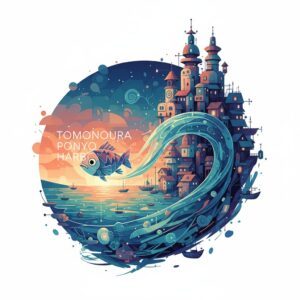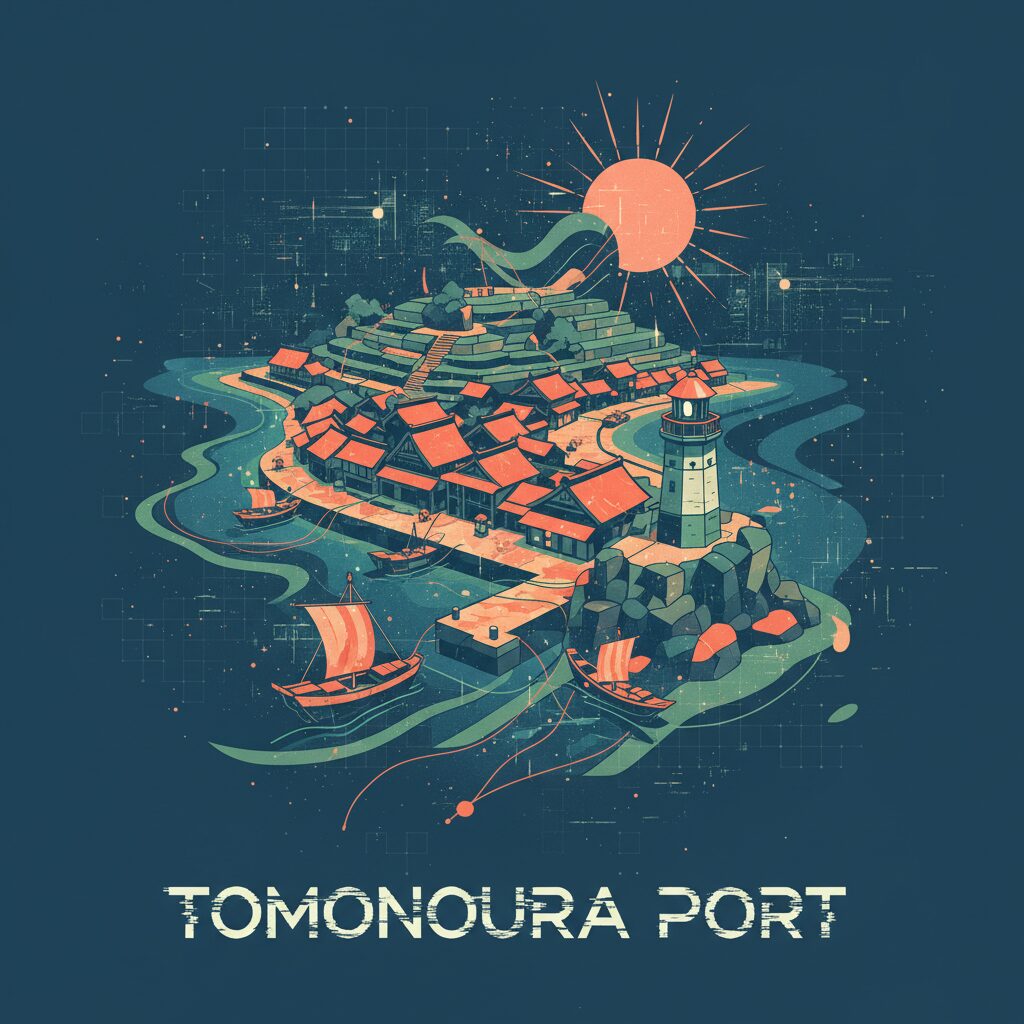
There are places in Japan where the steady, humming pulse of the modern world seems to soften, its rhythm giving way to something older, gentler, and guided by the patient turning of the tides. Tomonoura, a small fishing port cradled by the calm Seto Inland Sea in Hiroshima Prefecture, is one such place. Here, the air carries the faint, briny scent of the ocean mixed with the sweet, dark aroma of brewing soy sauce. Weather-beaten wooden buildings lean into one another along narrow, winding alleyways, and the loudest sounds are often the cry of a sea hawk and the gentle lapping of water against ancient stone steps. It is a town that feels less like a destination and more like a beautifully preserved memory, a living museum of a bygone maritime era. But for many travelers from around the globe, Tomonoura holds another, more whimsical layer of magic. This is the town that captured the heart and imagination of legendary animator Hayao Miyazaki, becoming the soulful inspiration for the enchanting world of Studio Ghibli’s film, “Ponyo on the Cliff by the Sea.” To walk through Tomonoura is to step into two worlds at once: a tangible piece of Japanese history and the dreamlike, watercolor landscape of an animated masterpiece. It’s a journey that invites you to slow down, to look closer, and to discover the quiet magic that flourishes where the sea meets the shore.
For travelers who are captivated by the blend of historical charm and animation’s dreamlike allure, exploring real-life pilgrimage routes can reveal even more of Japan’s enduring magic.
The Ghibli Connection: Walking in Ponyo’s Footsteps
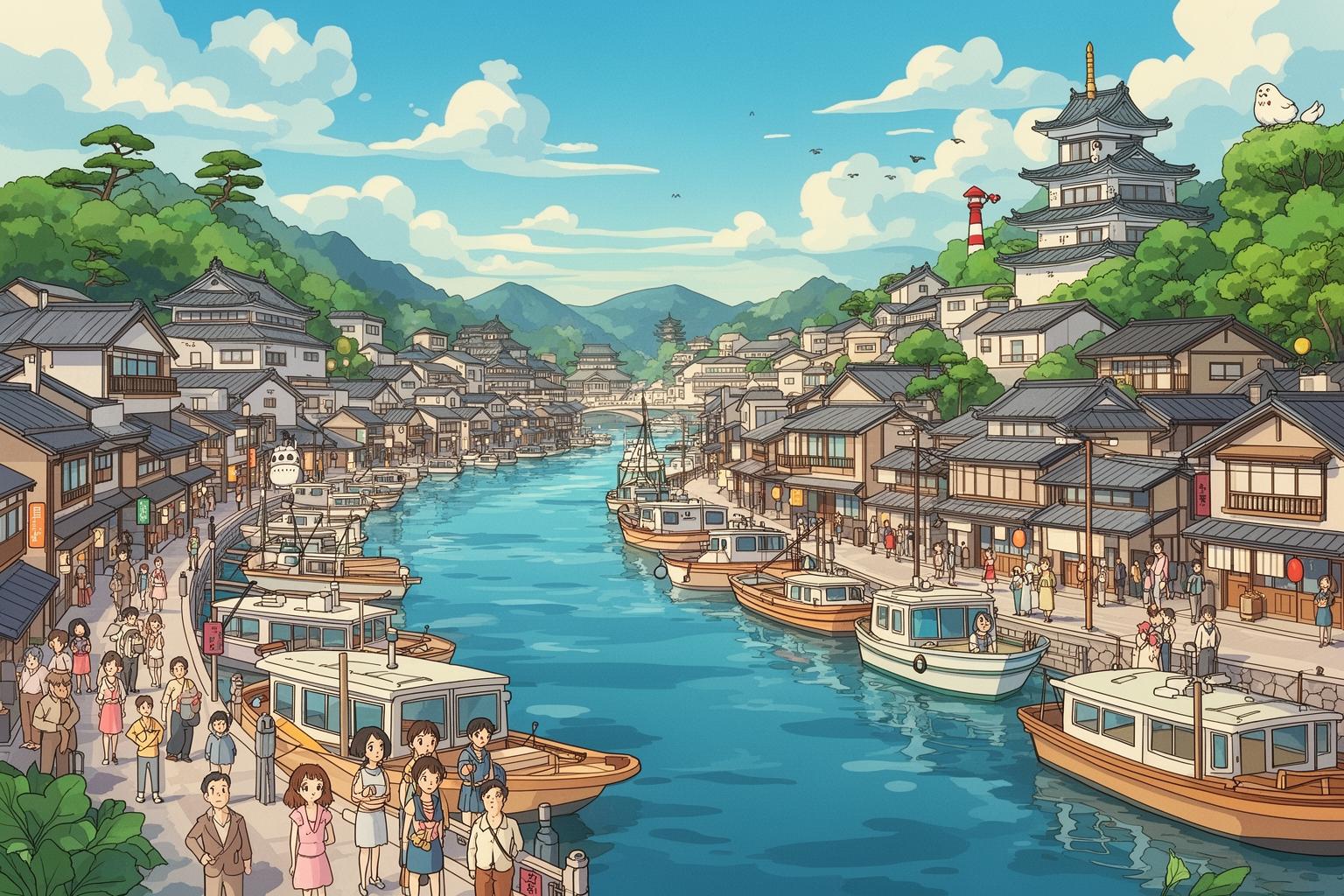
The presence of Studio Ghibli is tangible from the moment you arrive. It is said that Hayao Miyazaki spent two months living in Tomonoura, immersing himself in its unique atmosphere, sketching its outlines, and letting the town’s spirit permeate his creative mind. He wasn’t merely a visitor; he became a temporary local, and the resulting film, “Ponyo,” serves as a heartfelt tribute to this place. As you explore, the animated world feels surprisingly close. The iconic crescent-shaped harbor, dotted with small, gently rocking fishing boats, closely mirrors the one where the boy Sosuke lives. You can almost see him running along the sea wall, carrying his yellow bucket, calling out to the mysterious red fish below. The small homes cascading down the verdant hillsides toward the water perfectly capture the film’s charming, slightly chaotic coastal village. It’s not about pinpointing exact locations but about sensing the essence of the place. The film’s gentle rhythm, its love for the small details of everyday life, and its deep bond with the sea all reflect the reality of Tomonoura. From a high vantage point, watching the orange roofs glow in the late afternoon sun, you can easily imagine Ponyo running along the waves, her magical adventure unfolding against this very scene. For families with young children, this connection brings an added layer of joy. The town turns into a real-life scavenger hunt, a place where their beloved story originated, making every corner and every cat basking in a sunbeam a possible piece of the Ghibli puzzle. It inspires a sense of wonder, reminding us that magic exists not only in the fantastical but also in the beauty of the everyday world, seen through the right eyes.
A Harbor Frozen in Time: The Echoes of the Edo Period
Long before it inspired animators, Tomonoura was a place of great strategic and commercial significance. Its importance stems from a fascinating maritime phenomenon called “shiomachi,” or “waiting for the tide.” Located where the currents of the Seto Inland Sea converge, vessels navigating these waters had to dock at Tomonoura to wait for the tide to turn in their favor. This made it a busy and prosperous hub from the Edo Period (1603-1868) onward, where sailors, merchants, and feudal lords would stop, rest, and trade. The town’s layout and architecture directly reflect this golden age, and fortunately, much of it has been preserved. Walking through Tomonoura feels like stepping back three hundred years. The age of steam and steel bypassed this port, leaving its historical core intact. This preservation was no accident; in recent decades, a controversial plan to build a large bridge across the harbor was strongly opposed by residents who wanted to protect the town’s priceless landscape. Their success ensured that Tomonoura’s tranquil, historical view remains for all to appreciate, a testament to the community’s commitment to its heritage. This deep history is not confined to a museum; it is woven into the very fabric of the town, etched into its stones and timbers.
The Joyato Lighthouse
The Joyato Lighthouse stands as the steadfast, unwavering symbol of the harbor. Unlike modern lighthouses, this elegant stone structure, built in 1859, is relatively small, yet it served as a beacon of safety and a source of pride for the port. Its role was to guide countless ships safely into the harbor as dusk fell. Although its light no longer shines, its presence is stronger than ever. It remains the anchor of the town’s identity, a favorite spot for photographs, and a quiet, constant reminder of the centuries of maritime history that unfolded in its shadow. Sitting on the harbor wall as the setting sun casts a warm, golden glow on its weathered stones, you can sense the weight of those years and the many stories of sailors who once looked to it for guidance. It embodies the soul of Tomonoura: sturdy, enduring, and beautifully functional.
The Gangisho Stairs
The harbor shoreline is not a simple, uniform wall. Instead, it is interrupted by a series of broad stone stairways that descend straight into the water. These are the “gangi,” and their design is a marvel of practicality. Built to accommodate the significant rise and fall of the tides, these steps allowed boats to load and unload cargo and passengers at any time, whether the water was high or low. Today, they remain a defining feature of the port. You’ll often see local fishermen repairing their nets on the upper steps, while the lower steps are washed clean by the tide twice daily. They create a seamless link between land and water, and watching the tide slowly creep up or recede along their length provides a mesmerizing way to mark the passing of time in a town that otherwise seems to defy it.
The Ota Clan Residence
To grasp the wealth that flowed through this tide-waiting port, a visit to the Ota Clan Residence is essential. This beautifully preserved home belonged to a family who became wealthy by brewing “Homeishu,” a medicinal liqueur famous throughout Japan. The residence, open to the public, is an excellent example of Edo Period merchant architecture. As you slip off your shoes and step onto the cool, dark wooden floors, you enter a world of intricate latticework, spacious tatami rooms, and heavy, imposing storehouses (kura) with thick plaster walls built to protect the family’s valuables from fire. The home offers a vivid sense of the life of a prosperous merchant family, with its clear separation between business and living spaces and its elegant, understated design. It provides a glimpse into the economic engine that powered Tomonoura’s golden age and stands as a testament to the craftsmanship of the era.
Weaving Through the Alleyways: A Labyrinth of Discovery
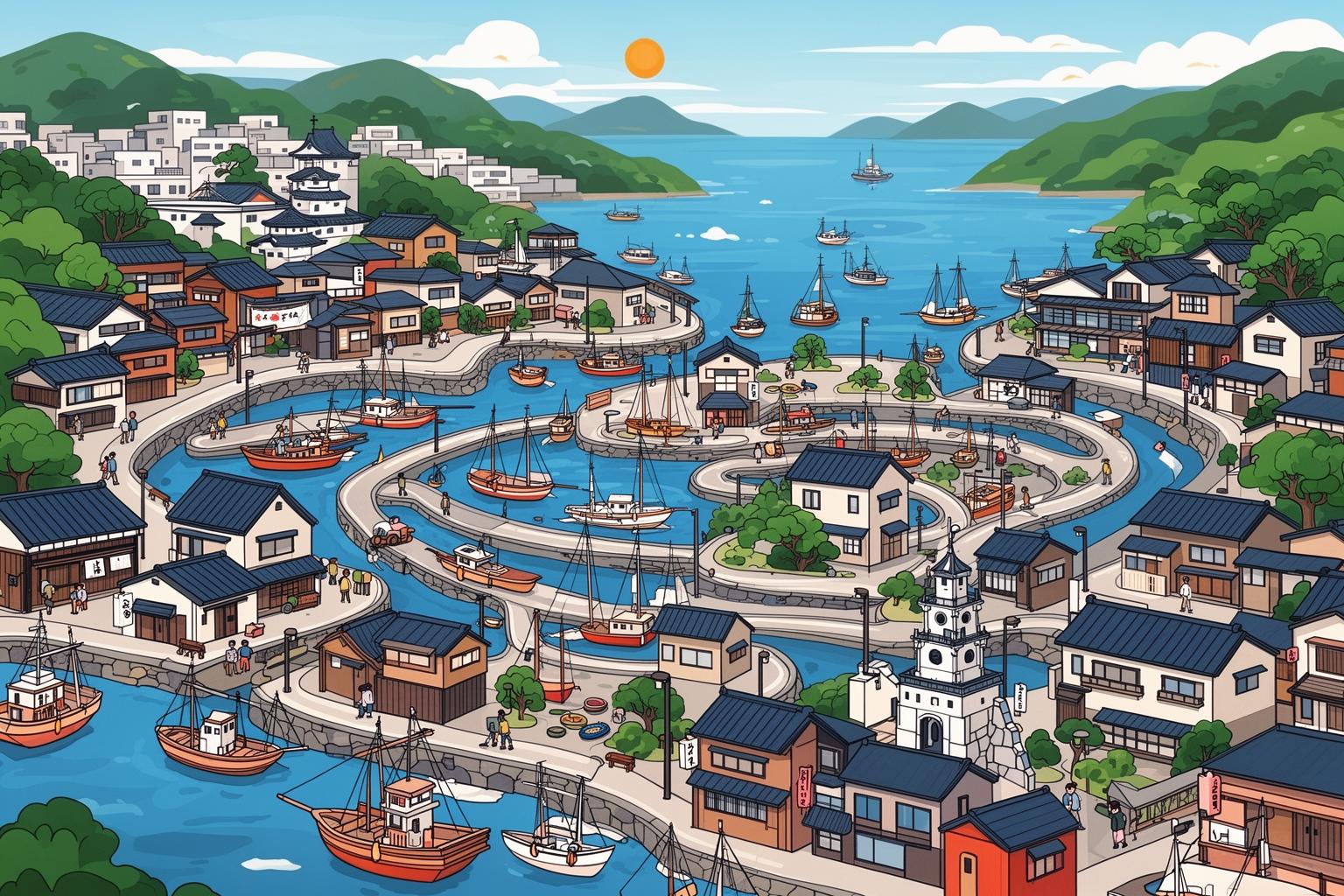
The true joy of Tomonoura lies in the simple act of getting lost. Behind the main harbor, a dense and charming maze of narrow streets and alleyways unfolds, too small for cars, where the past feels vividly alive. This is the place to put away your phone’s map and let your curiosity lead the way. Each turn unveils a new scene of traditional life: an old house with a carefully tended bonsai by the door, a small shrine nestled between buildings, a shop selling locally made soy sauce from large wooden barrels, or a friendly cat stretching out lazily in a sunlit patch. The walls of the old structures, made with distinctive charred cedar planks (“yakisugi”), create a striking and beautiful streetscape. This architectural technique was a traditional way to preserve the wood and enhance its fire resistance. The dark, textured wood paired with white plaster and tiled roofs gives the town a unique and cohesive charm. It’s an intensely atmospheric experience, a sensory journey where the sights, sounds, and scents of old Japan are still vibrant. You might catch the distant clang of a blacksmith’s hammer or soft murmurs of conversation behind a paper screen. This is the heart of Tomonoura, a place meant to be explored slowly, with an open heart and attentive eyes.
A Taste of Tradition: Homeishu and Local Delicacies
One of Tomonoura’s most distinctive products is Homeishu, the medicinal liqueur that once brought prosperity to the Ota Clan. This sweet, herb-infused drink is made by steeping a secret blend of 16 herbs in mirin (sweet rice wine) and shochu. Produced here for over 350 years, it was historically valued for its health benefits, thought to improve circulation and fight fatigue. Several local distilleries still make Homeishu, many offering tastings. Its flavor is intricate and memorable—sweet, herbal, and mildly spicy. It truly embodies the town’s history. You can purchase a bottle as a special souvenir or even try Homeishu-flavored ice cream, a modern twist on the traditional tonic. Beyond this famed drink, the town’s port location means excellent seafood is readily available. Seek out small, family-run restaurants serving fresh daily catches, from grilled sea bream (“tai”) to exquisite sashimi. Enjoying a simple, fresh seafood meal while gazing over the harbor is an essential part of the Tomonoura experience.
Finding Serenity: Temples and Shrines of Tomo
Numerous temples and shrines are scattered throughout the town’s labyrinthine streets and the surrounding hills, each offering a peaceful retreat. Possibly the most renowned is Fukuzen-ji Temple, perched on a slope overlooking the harbor. From its tatami-matted reception room in the main hall, you enjoy a view so breathtaking that an 18th-century Korean envoy called it “the most beautiful view in all of Japan.” This space perfectly frames the harbor, Joyato lighthouse, and the scenic islands of Benten-jima and Sensui-jima, creating a living masterpiece. It’s a place to sit quietly, breathe deeply, and absorb the profound beauty of the landscape. Other notable sites include Enpuku-ji Temple, with its stone gate and serene garden, and Nunakuma Shrine, which predates the port town and features a distinctive Noh stage. These sacred places offer a spiritual balance to the port’s commercial history, providing moments of quiet reflection amid your explorations.
Beyond the Harbor: Views, Islands, and Getting Around
While the historic port is the main draw, the surrounding area holds even more to explore, rewarding those willing to venture a bit further. The landscape of the Seto Inland Sea features gentle mountains and countless islands, and seeing it from various perspectives enhances your appreciation of Tomonoura’s unique setting.
The View from Above: Iou-ji Temple and Taishiden Hall
For the most stunning panoramic view of Tomonoura, a short but steep climb up the hill behind the town is essential. The path leads to Iou-ji Temple, a historic site deeply connected to the local community. However, the true highlight is a little further up the trail at Taishiden Hall, a vibrant red pagoda perched on the mountainside. From this vantage point, the entire port stretches out below like a delicate model. You can observe the graceful curve of the harbor, the tightly packed tiled roofs, the iconic lighthouse, and the shimmering Seto Inland Sea dotted with islands. This view truly brings everything into perspective and ties together the various parts of the town you have explored on foot. The climb may leave you slightly breathless, but the reward is a view—and a photo—that will linger in your memory. It is especially magical in the late afternoon as the sun begins to set, casting long shadows and bathing the scene in a gentle, ethereal glow.
A Short Voyage to Sensui-jima Island
Just across from the harbor lies Sensui-jima Island, a largely undeveloped place considered sacred and powerful. A charmingly retro, multi-deck ferry called the “Heisei Iroha Maru,” inspired by a famous historical steamship, makes the five-minute crossing every twenty minutes. Stepping onto Sensui-jima feels like entering a different world. The noises of the town give way to the rustling of leaves and bird calls. The island is crisscrossed with hiking trails that follow the coastline and climb into forested hills. One of its most famous sights is the Goshiki-iwa, or “five-colored rocks,” a unique geological formation displaying layers of blue, red, yellow, white, and black rock—a phenomenon found nowhere else in Japan. The island also has several beaches for relaxation and two traditional inns with onsen (hot spring) baths open to day visitors. A brief trip to Sensui-jima offers a refreshing dose of nature and a new perspective, providing a stunning view back toward the beautiful town of Tomonoura from across the water.
Practical Navigation: Access and Best Times to Visit
Getting to Tomonoura is a pleasant trip on its own. The nearest major transport hub is Fukuyama Station, served by the Sanyo Shinkansen (bullet train). From the south exit of Fukuyama Station, a straightforward and scenic 30-minute bus ride takes you to the Tomo Port (Tomonoura) bus stop, the final stop on the line. The bus journey leaves the city and follows the coast, offering glimpses of the sea before you arrive. The ideal time to visit is during the mild seasons of spring (March to May) and autumn (October to November). In spring, the weather is pleasant, and you might catch cherry blossoms in the nearby hills. Autumn brings often crystal-clear skies and crisp air, perfect for walking. Summer (June to August) can be hot and humid but lively, while winter (December to February) is quiet and serene, offering a more reflective experience with fewer crowds. To fully absorb the atmosphere, consider staying overnight. Tomonoura takes on a different character once the day-trippers leave. The evenings grow profoundly quiet, and the morning light over the harbor is exceptionally beautiful. Staying in a local ryokan (traditional inn) completes the immersive, time-travel experience.
Tips for the Traveling Family and First-Time Visitor
Tomonoura is a wonderfully welcoming and easy place to explore, but a few small tips can help make your visit even smoother. First and foremost, wear your most comfortable walking shoes. The town is best discovered on foot, with stone-paved streets, stairways, and sloping paths to navigate. The charm lies in wandering, so be ready for that. Secondly, adopt a slower pace. This isn’t a place to rush from one sight to the next with a checklist. The true magic appears when you take time to sit by the harbor, browse a small shop, or simply watch the tide roll in. For families, think of the day as an adventure. Let the kids lead through alleyways, challenge them to find things that look like they belong in “Ponyo,” and allow time for climbing the Gangi stairs or skipping stones on a small beach. The town offers a natural playground. While credit cards are increasingly accepted, many smaller, family-run shops and restaurants may still prefer cash, so it’s smart to carry some yen. Lastly, a simple “konnichiwa” (hello) and a smile go a long way. The locals are proud of their town and often delighted to see visitors appreciating its unique charm. A little friendly interaction can turn a simple visit into a treasured memory.
The Unchanging Tides of Tomonoura
In a nation celebrated for its relentless drive toward the future, Tomonoura stands as a gentle yet steadfast reminder of the importance of the past. This town has chosen to preserve its essence rather than succumb to the ease of modern life. The same tides that shaped the lives of Edo Period sailors still flow over the Gangi steps twice daily. The narrow streets once hurriedly navigated by merchants now welcome visitors to stroll and dream. The same captivating coastal light that inspired an animation master continues to shimmer across the water, inviting all to view the world with greater wonder. Tomonoura is more than just a picturesque setting for a cherished film; it is a place where history lives and breathes, not confined to books. It stands as proof that some things are too valuable to alter, and that the steady, quiet rhythm of the sea holds its own special magic. A visit here offers a chance to reset your inner clock, breathe deeply, and drift away, even if only for a day, into a serene, more timeless realm.