
There are stories that stay with you, long after the credits roll. They weave themselves into the fabric of your imagination, making you see the world through a new, more magical lens. Makoto Shinkai’s ‘Your Name.’ (Kimi no Na wa.) is one such story. A global phenomenon, this animated masterpiece captured hearts with its breathtaking visuals, emotional depth, and a narrative that beautifully tangled the threads of fate, time, and connection. It told the story of Taki, a high school boy living in the electric heart of Tokyo, and Mitsuha, a girl yearning for a life beyond her tranquil mountain town. Their miraculous, body-swapping connection across distance and dreams created a bond that defied logic and even destiny. But the true magic of ‘Your Name.’ extends beyond the screen. The world that Taki and Mitsuha inhabit is real. Its locations, meticulously rendered with Shinkai’s signature photo-realism, are places you can actually visit, walk through, and experience. This practice of visiting locations featured in anime, manga, and films is known in Japan as ‘seichi junrei,’ or ‘sacred site pilgrimage.’ It’s a journey to bridge the gap between fiction and reality, to stand in the very spot where your favorite characters stood and feel the story come alive around you. This guide is your invitation to embark on your own pilgrimage, to trace the footsteps of Taki and Mitsuha through the two distinct worlds that shaped their story: the vibrant, sprawling metropolis of Tokyo and the serene, tradition-steeped landscapes of the Hida region. We’ll explore the iconic staircase where fate finally caught up with them, the bustling cityscapes that Taki called home, and the charming town that served as the blueprint for Mitsuha’s fictional Itomori. This is more than a sightseeing tour; it’s a chance to step into the frame and experience the atmosphere, the views, and the emotions of ‘Your Name.’ for yourself.
Embark on an even deeper exploration by following the Your Name pilgrimage route that connects the film’s magical narrative with real-life landmarks.
Tokyo’s Urban Heartbeat: Following Taki’s Footsteps
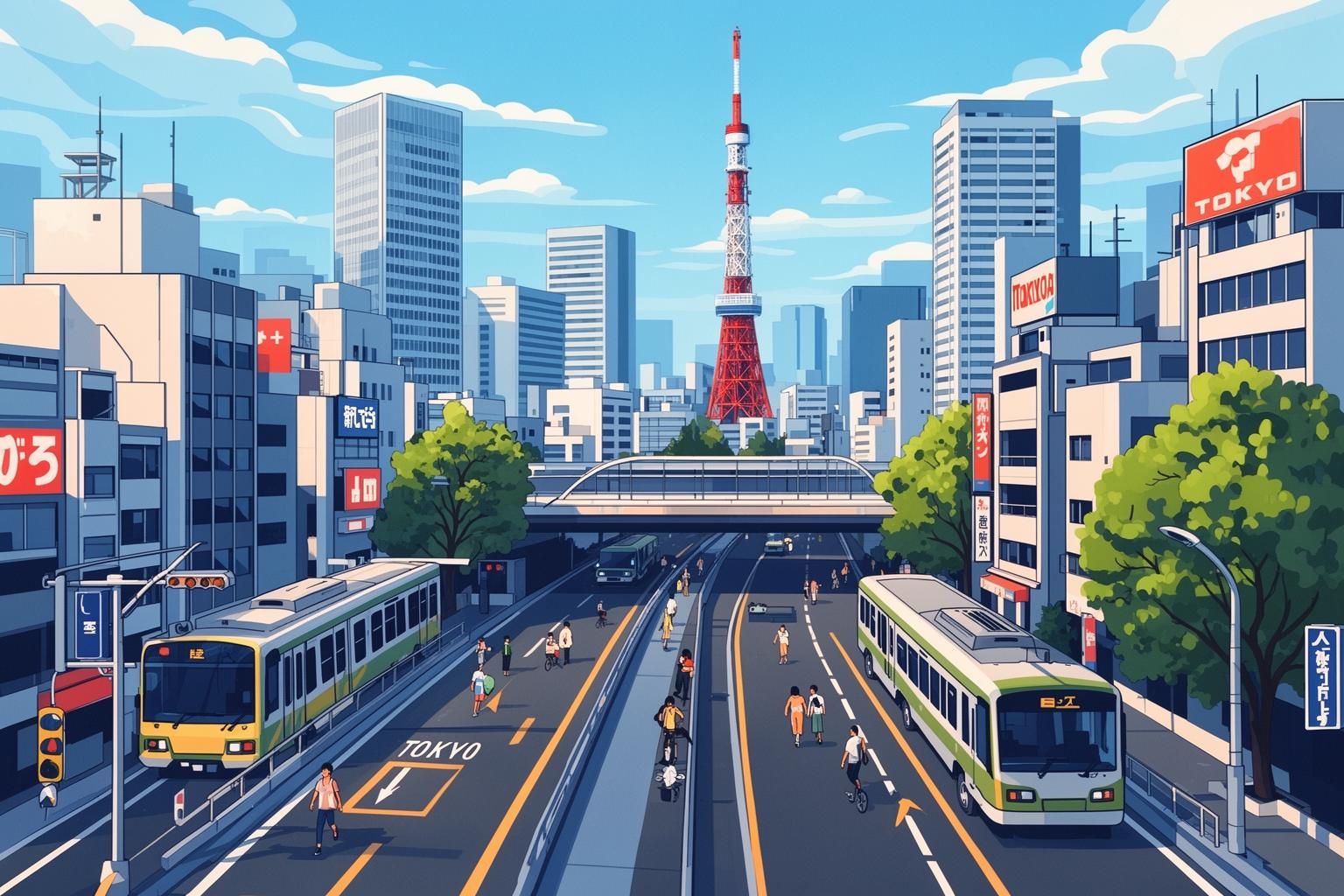
Tokyo is a city of a thousand faces—a dazzling labyrinth of concrete, steel, and neon that somehow makes room for quiet shrines, peaceful parks, and intimate neighborhoods. This is Taki Tachibana’s world: a place of constant motion, opportunity, and youthful energy. His story unfolds against a backdrop of iconic Shinjuku landmarks and lesser-known local spots, each depicted with such loving detail that they become characters in their own right. Following his path means seeing Tokyo not just as a tourist, but as a resident, experiencing the rhythm of daily life flowing through its veins. It’s a journey through towering skyscrapers, chic cafes, and the quiet residential corners where the city finally exhales.
The Iconic Staircase: A Fateful Encounter in Yotsuya
The air in Yotsuya carries a strange magic. One moment, you’re caught in Tokyo’s ceaseless, rhythmic pulse—a river of suits and hurried footsteps. The next, you turn a corner and the world falls silent. This is the feeling that welcomes you as you seek out the Suga Shrine steps, perhaps the most emotionally charged place in the entire geography of Your Name. Tucked away in a peaceful residential neighborhood, these simple stone stairs have become a modern monument to hope, connection, and that heart-stopping question: “Haven’t we met?” Standing at the bottom, looking up, the scene is almost exactly as you recall from the film’s poignant climax. The distinctive red railings guide your gaze upward, past the gentle slope of the neighborhood, framing a perfect slice of the Shinjuku sky. You can almost feel the phantom weight of a school bag, hear the frantic panting of two souls finally finding each other across time and space. It’s not just a staircase; it’s a stage, and for a fleeting moment, you become the protagonist. The pilgrimage begins here for many—not with a grand temple, but with this quiet, profound intersection of the everyday and the extraordinary. To reach it, head to Yotsuya Station, easily accessible via the JR Chuo-Sobu Line and the Tokyo Metro Marunouchi and Namboku Lines. From there, it’s a pleasant ten- to fifteen-minute walk through streets that feel a world away from the neon glow of nearby Shinjuku. Let your map guide you, but don’t hesitate to simply wander and absorb the atmosphere; discovery is part of the charm. Visiting in the late afternoon, as the sun dips low and casts long, dramatic shadows, is especially moving. It perfectly mirrors the “magic hour,” or kataware-doki, a theme central to the film, when the boundary between worlds feels thin and miracles seem possible. You’ll likely encounter fellow fans—some posing for photos, others standing quietly in contemplation. There’s a shared, unspoken understanding among everyone present: we all have come to feel something, to stand on that hallowed ground, and maybe, just maybe, glance over our shoulder for a face we’ve known forever.
Shinjuku’s Dazzling Canvas
Shinjuku embodies the quintessential image of modern Tokyo. It’s a place of dizzying contrasts, where the world’s busiest train station channels millions of people daily past soaring skyscrapers, vibrant entertainment districts, and one of the city’s most beautiful parks. This is Taki’s stomping ground, and its dynamic energy forms the perfect contrast to Mitsuha’s tranquil life in Itomori. The film uses Shinjuku’s visual language to tell its story—from gleaming architectural marvels to intimate moments found within its green spaces.
The National Art Center, Tokyo: Taki’s Elegant Workplace
Recall the stunning, wave-like glass building where Taki and his crush, Okudera-senpai, went on their date? That is The National Art Center, Tokyo, located in the stylish Roppongi district, just a short trip from Shinjuku. Designed by legendary architect Kisho Kurokawa, the building is a masterpiece of light and form. Its undulating glass façade floods the interior with natural light, crafting a serene and sophisticated atmosphere. In the film, Taki is shown sketching in one of the center’s cafes, perfectly capturing the venue’s role as a hub for creativity and quiet reflection. While the restaurant seen in the film is inside the building, the entire center is worth exploring. It has no permanent collection, instead hosting a rotating series of world-class special exhibitions, meaning every visit offers something new. For any visitor, it’s a fantastic cultural stop, but for Your Name. fans, strolling through its sun-drenched atrium feels like stepping directly into one of the film’s most beautifully animated scenes. The easiest way to reach the center is via Nogizaka Station on the Tokyo Metro Chiyoda Line, which offers direct access. It’s a place where the grandeur of modern architecture and the intimacy of art intersect—much like Taki’s own aspirations.
Shinjuku Gyoen National Garden: A Moment of Calm
Just a stone’s throw from the chaos of Shinjuku Station lies an urban oasis: Shinjuku Gyoen. This sprawling park makes a brief but memorable appearance in the film, providing a lush, green backdrop for some city shots. In reality, it’s one of Tokyo’s most beloved green spaces, perfect for escaping the city’s intensity. The park is remarkable for its three distinct garden styles: the Japanese Traditional Garden, with serene ponds, elegant bridges, and meticulously sculpted pines; the formal, symmetrical beauty of the French Garden; and the rolling lawns and gentle groves of the English Landscape Garden. For a small entrance fee, you can spend hours wandering from one breathtaking landscape to another. It’s easy to picture Taki coming here to clear his mind or find inspiration for his sketches. The park’s old Imperial greenhouse, housing tropical plants, is also a beautiful spot—though the film draws more from the Taiwan Pavilion in the Japanese garden for its aesthetic. Visiting Shinjuku Gyoen offers a peaceful interlude in your pilgrimage, a chance to appreciate the quieter side of Taki’s Tokyo. It’s especially stunning during cherry blossom season in spring and when the leaves turn fiery red and gold in autumn.
Cafe La Bohème: The Italian Restaurant Reimagined
Every fan remembers the stylish Italian restaurant “Il Giardino delle Parole” (The Garden of Words, a nod to another of Shinkai’s films) where Taki worked part-time alongside Okudera-senpai. While the name is fictional, the restaurant’s grand, theatrical interior was heavily inspired by the real-life Cafe La Bohème Shinjuku Gyoen. Located just a short walk from the park, stepping into this restaurant feels instantly familiar. With its high ceilings, dramatic chandeliers, opulent décor, and large open kitchen, the resemblance is uncanny. It truly captures that elegant, slightly romantic atmosphere portrayed in the film. The menu offers reasonably priced pasta, pizza, and other Italian dishes, making it an ideal spot for lunch or dinner during your Shinjuku pilgrimage. It’s an immersive experience—not just seeing a location, but sitting within it, sharing a meal, and soaking up the ambiance. It’s popular, so making a reservation—especially for dinner—is a good idea. Dining here, you can almost imagine the conversations and subtle workplace dramas that colored Taki’s city life.
A View from Above: The Cityscape That Connected Them
Makoto Shinkai is a master of skies and cityscapes. The panoramic views of Tokyo in Your Name. are more than mere establishing shots; they are emotional landscapes reflecting the characters’ feelings of awe, loneliness, and connection. Taki often gazes out over this sparkling sea of lights, a view Mitsuha experiences through his eyes with wonder. While no single viewpoint replicates the film exactly, several locations inspired these breathtaking scenes. One key spot is the pedestrian bridge near Shinjuku Station—the Shinjuku Minamiguchi Crossover Bridge. From here, you get a dynamic, ground-level view of sprawling train lines and the iconic NTT Docomo Yoyogi Building, whose clock-tower-like spire is a recurring film landmark. For a higher perspective, the Tokyo Metropolitan Government Building in West Shinjuku offers free observation decks on the 45th floor. The views are spectacular, especially at night when the city transforms into a glittering galaxy of lights extending to the horizon. This is perhaps the closest you can come to feeling the vastness of the city that both overwhelmed and fascinated Mitsuha. Standing there, gazing out at the endless urban expanse, you truly grasp the scale of Taki’s world and the incredible distance that separated him from the girl in the mountains.
Whispers of Tradition: Discovering Mitsuha’s Itomori in Hida
If Tokyo represents the film’s vibrant, modern core, then the fictional town of Itomori embodies its ancient, soulful essence. A place steeped in deep-rooted traditions, mystical beliefs, and breathtaking natural beauty, Itomori is home to Mitsuha Miyamizu, who is bound by her duties as a shrine maiden while dreaming of a life beyond. Although Itomori doesn’t appear on any real map, its spirit was inspired by a very real location: the Hida region in Gifu Prefecture. This mountainous part of central Japan contrasts sharply with Tokyo, characterized by preserved old towns, skilled artisans, and a lifestyle shaped by the changing seasons. The primary inspiration for Itomori was the charming town of Hida-Furukawa, with significant elements also drawn from the nearby city of Hida-Takayama. Visiting here is like stepping into Mitsuha’s world—a chance to wander the same streets, breathe the same mountain air, and sense the quiet whispers of centuries-old traditions.
Hida-Furukawa: The Soul of Itomori
Hida-Furukawa is a small, unpretentious town that gained international attention thanks to ‘Your Name.’ It’s beautifully preserved, with white-walled storehouses lining a picturesque canal full of vibrant koi fish. Unlike its more famous neighbor, Takayama, it avoids tourist crowds, lending it an authentic, lived-in atmosphere. Walking its streets gives you the sensation of discovering a hidden gem—just like the feeling Itomori evokes.
Hida-Furukawa Station: The Arrival Point
One of the film’s most accurately recreated locations is Hida-Furukawa Station. This is where Taki and his friends arrive after a long trip from Tokyo, holding up his sketch of the Itomori landscape, hoping someone will recognize it. For fans, stepping off the train here is surreal. The platform, overhead walkway, station building, and even the taxi stand outside are all exactly as depicted in the movie. The station embraces its fame graciously; you’ll see a ‘Your Name.’ poster and a standee of the local mascot, ‘Hidakuro,’ a cheerful cow character who makes a cameo in the film. Standing on that platform, watching the Limited Express Hida train depart just as it does in the movie, is a moving experience that blurs the line between animation and reality. It’s the perfect starting point for exploring Mitsuha’s world, the gateway through which Taki re-entered her life.
The Hida City Library: A Place of Discovery
The emotional climax of Taki’s search unfolds at the Hida City Library. After hours of fruitless searching, this is where he uncovers the heartbreaking truth about Itomori and the comet. The real library is a stunning, modern building with a warm, inviting interior noted for its extensive use of local Hida woodcraft. The large windows, distinctive wooden lattice beams, and the arrangement of reading desks are all faithfully recreated in the film. The library staff are aware of their building’s fame and welcome visitors who come as pilgrims. However, it is important to remember that this is an active public library, so visitors must remain quiet and respectful of those studying and reading. Photography requires prior permission at the front desk, where visitors are given a pass to wear—a small but meaningful gesture of respect. Sitting in one of these chairs, surrounded by the library’s quiet hum and the scent of wood, you can truly appreciate the weight of Taki’s discovery and the desperation behind his quest.
Keta Wakamiya Shrine: A Glimpse of Miyamizu Shrine
Mitsuha’s world revolves around the Miyamizu Shrine, the spiritual heart of Itomori, where she and her sister perform ancient rituals. While the Miyamizu Shrine is fictional, its essence can be found in local shrines across the Hida region. In Hida-Furukawa, the Keta Wakamiya Shrine is a favored pilgrimage site. Though it doesn’t perfectly match the shrine’s visuals in the movie as well as another shrine in Takayama, its atmosphere is authentic. A short walk from the town center takes you up a flight of stone steps, passing beneath a simple torii gate into a tranquil woodland area. The shrine itself is quiet and humble. It’s a place of local worship, and visiting it offers a glimpse into the community spirit and deep ties to Shinto traditions that shaped Mitsuha’s upbringing. In the peaceful shade of the trees, you can reflect on the film’s themes of tradition, duty, and the invisible bonds connecting people to their hometowns.
The Taste of a Legend: Goheimochi and Local Sake
No pilgrimage is complete without tasting the local flavors. In a memorable scene, Mitsuha (in Taki’s body) and her friends enjoy goheimochi, a regional specialty. This snack consists of pounded rice cakes skewered, coated with a sweet and savory sauce made from miso, soy sauce, and walnuts, then grilled over an open flame. You can find it at small stalls throughout Hida-Furukawa and Takayama. It’s a simple, delicious, and warming treat—a true taste of the mountains. Another important culinary element in the film is kuchikamizake, the ritual sake Mitsuha makes by chewing rice as an offering to the gods. This ancient practice is sacred to Shinto tradition and is not something to be sought out or replicated. However, the Hida region is renowned for its excellent sake, thanks to pure mountain water and high-quality rice. Visiting a local brewery, such as Watanabe Sake Brewery in Hida-Furukawa, offers a respectful way to engage with this cultural aspect. There you can sample various types of sake and learn about the brewing process, gaining greater appreciation for the craft and tradition behind the kuchikamizake ritual featured in the story.
Hie Shrine in Takayama: The True Miyamizu Steps
Although Hida-Furukawa provides the town’s layout, the definitive visual inspiration for the Miyamizu Shrine is widely believed to be the Hie Shrine in the nearby city of Takayama. A short train or bus ride away, Takayama is a larger tourist destination known for its beautifully preserved old town. The Hie Shrine sits atop a hill on the city’s edge. Upon approach, you immediately recognize the large stone torii gate and steep, moss-covered stone staircase flanked by towering, ancient cedar trees. This is the path Mitsuha and Yotsuha climbed to reach the shrine. The atmosphere here is deeply spiritual and serene. The air is cool and filled with the scent of damp earth and cedar. The climb is steep, but as you ascend, city sounds fade, replaced by the rustling leaves and birdsong. Reaching the summit feels like entering another world—a sacred space removed from modern life. Standing there, you can almost hear the gentle kagura suzu bells Mitsuha used in her ceremonial dance. Visiting Hie Shrine is an essential part of the pilgrimage—the closest experience to standing at the entrance of the Miyamizu Shrine itself. It’s a powerful moment that reinforces the film’s profound connection to Japan’s real spiritual landscape.
Planning Your Pilgrimage: A Traveler’s Guide

Embarking on a ‘Your Name.’ pilgrimage requires some planning since it covers two distinct regions of Japan. However, the journey itself—from the ultra-modern capital to the serene mountains—is part of the experience, reflecting the contrast between Taki’s and Mitsuha’s lives. With the right information, you can make your trip as smooth and enchanting as the story that inspired it.
Getting Around: From Tokyo to Hida
Traveling between the two pilgrimage areas is a scenic adventure. The most efficient way to get from Tokyo to the Hida region (Hida-Furukawa and Takayama) is by train. Typically, you’ll take the Tokaido Shinkansen (bullet train) from Tokyo to Nagoya, a trip lasting about 1 hour and 40 minutes. From Nagoya, you transfer to the JR Limited Express Wide View Hida, one of Japan’s most picturesque train rides. The train winds through stunning river valleys and deep mountain gorges, with large panoramic windows to maximize your view. The journey from Nagoya to Takayama takes around 2.5 hours, with Hida-Furukawa just 15 minutes further along the line. For international travelers exploring other parts of Japan, a Japan Rail Pass can be a very cost-effective choice as it covers the entire route. Once in the Hida region, Hida-Furukawa is compact enough to explore entirely on foot. To move between Furukawa and Takayama, the local train on the JR Takayama Main Line is quick and convenient.
When to Visit: A Tale of Four Seasons
The world of ‘Your Name.’ is beautiful year-round, and the experience varies greatly depending on when you visit. In spring (late March to April), cherry blossoms bloom in Tokyo parks like Shinjuku Gyoen, creating scenes of delicate beauty. In the Hida mountains, snow melts, and nature awakens anew. Summer (June to August) finds both Tokyo and Hida lush and green. While Tokyo can be hot and humid, the Hida region offers a cooler mountain retreat, making it an ideal time for local festivals. Autumn (October to November) is arguably the most breathtaking season to visit Hida, as the mountains explode into vibrant reds, oranges, and yellows, rivaling Shinkai’s animation in sheer beauty. Tokyo enjoys pleasant weather and autumn colors in its parks as well. Winter (December to February) covers the Hida region in thick snow, transforming it into the quiet, pristine landscape Taki journeys through in search of Mitsuha. Hida-Furukawa feels incredibly atmospheric under a snowy blanket, while Tokyo is cold but mostly dry and sunny. Each season offers a unique perspective on the locations, so select the one that resonates with you most.
A Note on Etiquette: Respectful Pilgrimage
As you set out on your journey, it’s important to keep in mind that these are not film sets, but real places where people live, work, and worship. The residents of Hida-Furukawa have warmly welcomed fans, but it’s our duty as visitors to be respectful. When visiting shrines such as Suga Shrine or Hie Shrine, remember they are active places of worship. Maintain quiet, follow posted guidelines, and observe proper shrine etiquette, like bowing before the torii gate. At the Hida City Library, as noted, you must ask for permission before taking photographs and ensure you do not disturb others. In the residential area around the Suga Shrine stairs, keep voices low and remain mindful of your surroundings. Avoid littering and always treat locals courteously. A respectful attitude helps ensure this beautiful pilgrimage remains a positive experience for fans and the communities that inspired the story. By being a considerate visitor, you honor not only the film but also the real-world culture and places that made it so special.
More Than a Movie: The Lingering Magic of ‘Your Name.’
A pilgrimage to the sites featured in ‘Your Name.’ is a journey that beautifully blends the world on screen with the world beneath your feet. It transforms you from a passive viewer into an active participant in the narrative. Standing on the Yotsuya staircase, you don’t just observe a place; you feel the longing of searching for a forgotten name. Looking out from the Tokyo Metropolitan Government Building, you share Mitsuha’s wonder at the endless sea of city lights. And as you walk the quiet, snow-dusted streets of Hida-Furukawa, you come to understand the deep, unbreakable bond to home and tradition that defined her. This journey is a testament to the power of animation to not only tell a story but also inspire a genuine connection with real places, people, and cultures. You arrive seeking the scenery from a beloved film, but depart with a much deeper appreciation for Tokyo’s urban energy and the timeless calm of mountain Japan. The red thread of fate, the musubi that links Taki and Mitsuha, also connects the story to its real-world locations. By following that thread, you discover the magic wasn’t just in the animation. It’s here, waiting for you in a quiet library, on a scenic train ride, and at the top of a simple flight of stairs.