
There are stories that feel like a dream you can’t quite shake, long after the credits roll. They leave an imprint, a faint melody that hums in the background of your days. Makoto Shinkai’s masterpiece, Your Name (Kimi no Na wa), is one such story. It was more than a film; it was a global phenomenon that captured hearts with its breathtaking visuals, its poignant tale of love and loss across time and space, and its deep, resonant connection to the fabric of Japanese culture. The fictional town of Itomori, with its mystical shrine, serene lake, and quiet rhythms of rural life, felt impossibly real, a character in its own right. But what if I told you that you could walk its streets? That you could stand on the same train platform where Taki began his desperate search, or gaze upon the same vast lake that Mitsuha saw from her window? This isn’t a fantasy. The world of Your Name is woven from real places, scattered across the heartland of Japan, waiting to be discovered. This is the magic of the seichi junrei, the sacred site pilgrimage, where fans can step through the screen and into the art they love. It’s a journey that transcends simple sightseeing; it’s a quest to connect with the soul of a story, to feel its emotions resonate in a tangible space. Our pilgrimage begins in the mountains of Gifu and extends to the shores of a vast lake in Nagano, tracing the footsteps of Taki and Mitsuha, and in doing so, uncovering the profound beauty of a Japan that is both timeless and thrillingly alive. Prepare to have your breath taken away, not just by the startling accuracy of the animation, but by the undeniable spirit of the places that gave Itomori its heart.
For the avid traveler inspired by these cinematic landscapes, embarking on a Yakushima pilgrimage offers an opportunity to explore another side of Japan’s enchanting natural heritage.
The Heart of Itomori: Discovering Hida-Furukawa
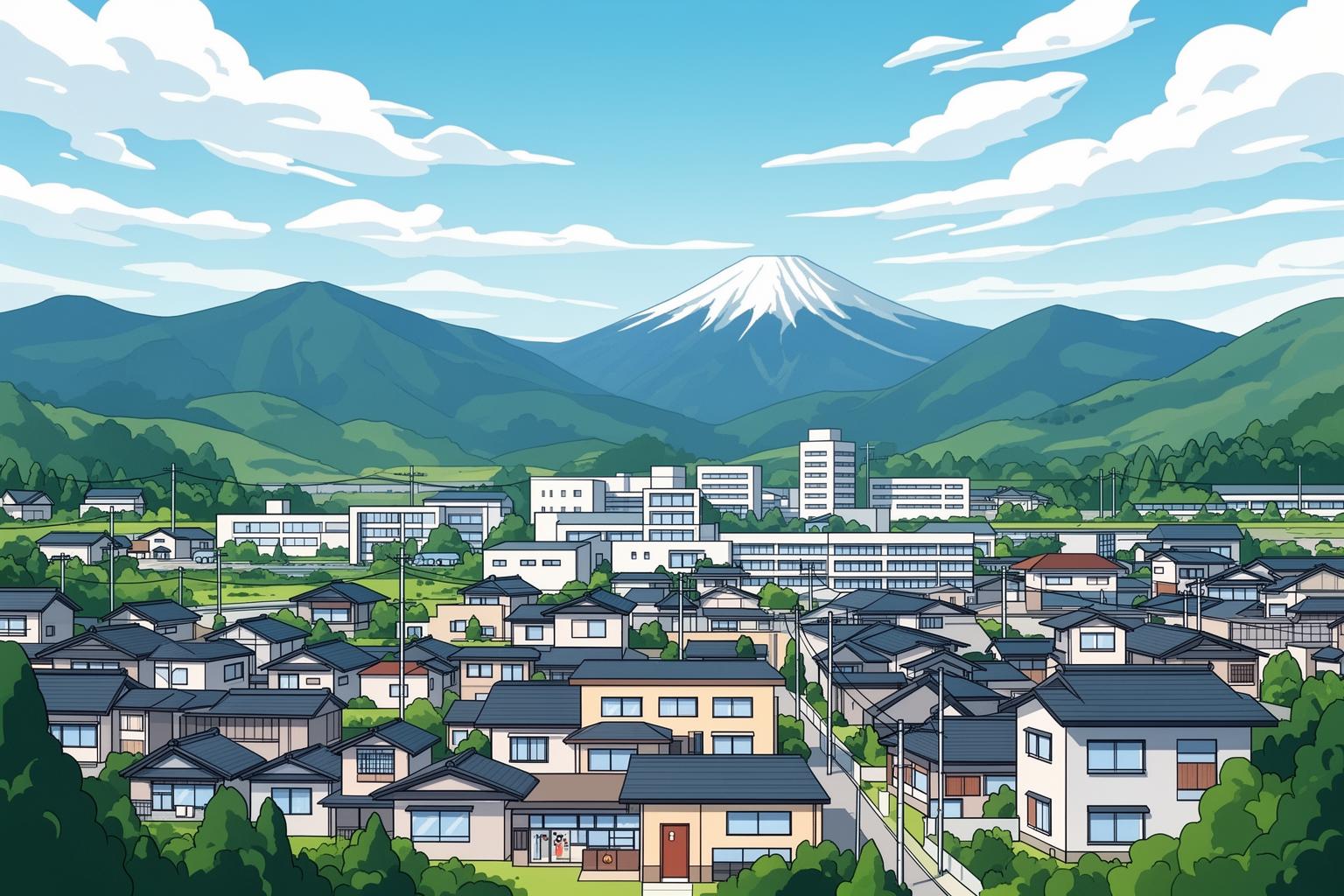
The journey into the world of Your Name truly begins in Gifu Prefecture, a land of rugged mountains and deeply rooted traditions. Although the film’s Itomori is a fictional town, its physical and spiritual essence is largely inspired by the charming city of Hida, particularly the town of Hida-Furukawa. Reaching this place often involves a scenic train ride from major hubs like Nagoya or Toyama, passing through gorges and valleys that set the stage for the magic ahead. Many travelers choose the nearby, more famous city of Takayama as their base, but stepping off the train in Hida-Furukawa feels like arriving at the heart of the story.
Stepping Off the Train and Into the Frame
The moment you arrive at Hida-Furukawa Station, a strong sense of déjà vu takes over. It’s an uncanny sensation, the kind that makes the hairs on your arm rise. You look up at the clean white lines of the pedestrian overpass, spot the local train idling on the tracks, note the distinctive station building and the green taxi stand just outside. It is, without exaggeration, a flawless recreation of the scenes where Taki and his friends arrive in search of Mitsuha. The attention to detail is astonishing. Fans patiently line up on the overpass, waiting for their chance to capture the iconic shot looking down at the tracks, perfectly aligning their camera with the scene from the film. The station isn’t a bustling metropolitan hub; it’s a quiet local stop where the pace of life is slower, punctuated by the rhythmic arrival and departure of the train. You can almost hear the gentle rumble of the Hida Limited Express that carried Taki, a ghostly echo in the crisp mountain air. The station staff are well aware of their landmark’s fame and often greet visitors with a knowing smile. This isn’t just a transit point; it’s a gateway, the first real proof that the world you fell in love with on screen exists here, alive and breathing.
A Whisper of Knowledge: The Hida City Library
A short, pleasant walk from the station leads you to another crucial location—the Hida City Library. This is where Taki and his friends studied records, desperately searching for information about the town that had vanished from memory. From the outside, the building is a stunning example of modern architecture, with gentle curves and warm wood that blend harmoniously with the surrounding townscape. Stepping inside, you’re welcomed by the hushed reverence typical of all libraries, a sanctuary of silence and study. But the familiarity is immediate. The layout of the desks, the specific design of the chairs, the soft light filtering through the large windows—it’s all here. The library has embraced its role in the Your Name pilgrimage with grace and warmth. There is a small designated area where visitors can take photographs, ensuring the quiet atmosphere for local patrons is preserved. A guestbook often holds heartfelt messages from fans around the world, a testament to the film’s universal appeal. Spending time here, you feel connected to Taki’s determination, his race against time. It’s a moment of quiet reflection amid an exciting journey, a place to appreciate the meticulous artistry that brought this real-world location to the screen with such fidelity.
The Rhythms of a Castle Town
Beyond the specific film spots, the true joy of visiting Hida-Furukawa lies in immersing yourself in the town itself. This is what gives the animated world its soul. Hida-Furukawa is an old castle town, proudly wearing its history. The most enchanting area is Shirakabe Dozogai, a street lined with traditional white-walled storehouses and old merchant homes. Running alongside it is the Setogawa Canal, a narrow, stone-lined waterway shimmering with over a thousand vibrant koi fish. The sight of these large, colorful carp gliding gracefully through the crystal-clear water is mesmerizing. It’s a full sensory experience—the gentle sound of flowing water, the dark wood of the old buildings, the brilliant flashes of orange and gold beneath the surface. This atmosphere of preserved heritage, of a community deeply connected to its past, embodies Mitsuha’s life in Itomori. You can wander for hours, uncovering small temples, family-run shops selling local crafts, and breweries offering tastings of the region’s famous sake. It’s in these quiet moments of discovery that you realize Shinkai didn’t just replicate locations; he captured the spirit of a place, its measured pace, and its profound, understated beauty.
Echoes of Miyamizu Shrine: Keta Wakamiya Shrine
One of the most powerful and symbolic places in Your Name is the Miyamizu Shrine, which serves as the spiritual core of Itomori and the focal point of Mitsuha’s family traditions. This sacred site, where ancient rites are observed and the gods revered, was inspired not by a single shrine but by a combination of several. Nevertheless, the location that most strongly captures its essence—especially its iconic, long stone staircase—is widely considered to be the Keta Wakamiya Shrine, also situated in Hida.
The Climb to the Sacred
Discovering the shrine is part of the experience. It is perched on a hill at the edge of town, necessitating both a walk and a dedicated climb. As you draw near, you behold it: the impressive stone staircase ascending, bordered by towering cedar trees and stone lanterns. The climb feels like a ceremony, with each step moving you away from the ordinary world and closer to something ancient and spiritual. The air grows cooler and quieter, imbued with the scent of damp earth and pine. For fans of the film, this ascent is a profoundly moving experience. It’s easy to imagine Mitsuha and her sister Yotsuha making this journey in their ceremonial attire, their footsteps resonating on the stone. Upon reaching the summit, you encounter not a vast, elaborate complex, but a modest and dignified shrine nestled peacefully within the woods. Keta Wakamiya Shrine exudes a serene power, feeling deeply intertwined with the surrounding nature—a key aspect of the Shinto beliefs portrayed in the film. Here, the themes of musubi—the mystical bond that connects people, places, and time—are most tangible. You can offer a prayer, absorb the tranquil environment, and appreciate the profound cultural heritage that inspired such a crucial part of the story. Be sure to wear comfortable shoes for the climb; the reward at the top is more than a photo opportunity—it’s a moment of true peace and connection.
The Glimmering Crater Lake: A Journey to Lake Suwa
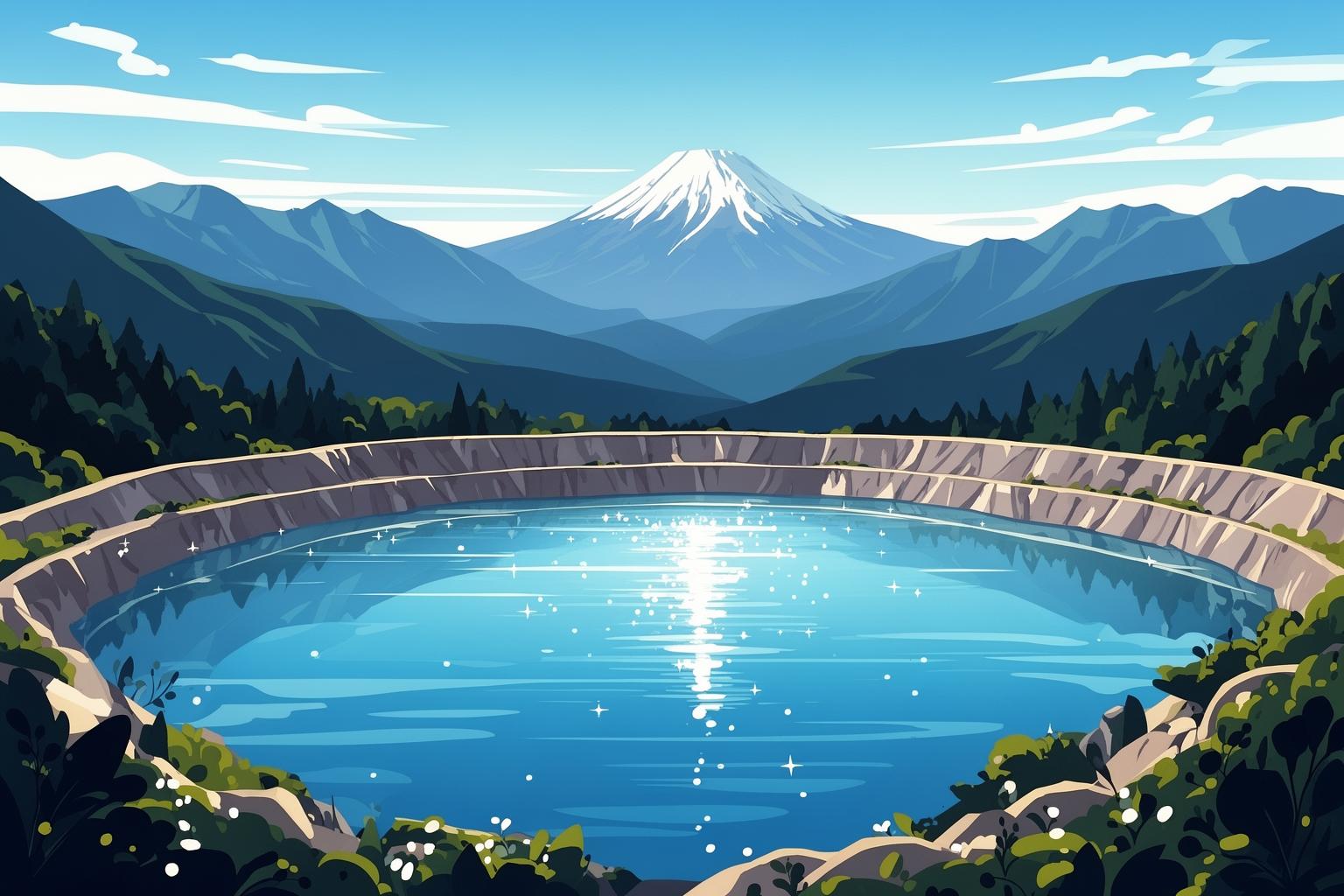
While Hida provides the backdrop for the townscape of Itomori, its most striking and unforgettable feature—the crater lake created by the comet’s impact—is located in a completely different prefecture. For this, our pilgrimage takes us eastward to Nagano, to the vast and scenic Lake Suwa. This expansive body of water, encircled by mountains and cities, is widely recognized as the main inspiration for Itomori’s lake, and seeing it firsthand is a breathtaking highlight of any Your Name tour.
A View from the Heavens
The similarity becomes unmistakable when viewing the lake from above. The best vantage point is Tateishi Park, a small park perched high on a hillside overlooking the water. The drive or bus ride up the winding road feels like an ascent into the world of the film. From the park’s observation deck, the scenery unfolds before you in a stunning panorama. The sprawling lake, the way the city lights of Suwa curve along its shore, the protective embrace of the surrounding mountains—it’s the view from the film brought to life with spectacular clarity. Visiting at various times of day offers a unique kind of magic. In daylight, the water sparkles under the sun. But as dusk falls, the scene transforms into something truly ethereal. As the sky fades to indigo and the city lights begin to twinkle below, the view becomes a mirror image of the hauntingly beautiful scenes of Itomori at twilight, that magical kataware-doki when boundaries blur. It’s an emotional sight, connecting you directly to both the beauty and the imminent tragedy of the film’s story. You can almost picture the comet splitting the sky, a beautiful yet terrible star falling toward the shimmering water below.
The Soul of the Lake
Lake Suwa is more than just a scenic spot; it is a place rich in history and mythology, adding another layer of depth to the pilgrimage. The lake is home to one of Japan’s oldest and most significant shrine complexes, the Suwa Grand Shrine (Suwa Taisha), which comprises four separate complexes around the lake. This profound spiritual heritage resonates with the Miyamizu family’s role as guardians of their local shrine. Exploring these ancient grounds provides a fascinating cultural context to your visit. The lake also boasts its own natural wonders and legends. In harsh winters, the lake freezes, and pressure ridges form on the ice, a phenomenon called o-miwatari or “the God’s crossing,” believed to be the path of a deity crossing the lake. In summer, the skies above the lake light up with one of Japan’s most spectacular fireworks displays. These local traditions and natural events give Lake Suwa a unique life and character, reminding you that places inspiring great art are already filled with their own incredible stories.
A Pilgrim’s Practical Guide
Embarking on a pilgrimage to the real-life locations featured in Your Name is an incredibly rewarding experience, though a bit of planning can greatly enhance the smoothness and enjoyment of the trip. While Japan’s public transportation is famously efficient, these sites are located in rural, mountainous areas, so understanding the logistics is essential.
Weaving Your Itinerary
Most travelers will find it easiest to visit the Gifu and Nagano locations separately, or as part of a longer multi-day journey through the Chubu region. Using the city of Takayama as a home base for the Hida-Furukawa area is both popular and practical. Takayama is a larger, beautiful historic town with more accommodation options, and it’s just a short 15-minute train ride from Hida-Furukawa. You can easily spend a morning or afternoon exploring the Your Name sites in Hida before enjoying Takayama’s old town, morning markets, and vibrant food scene. To reach Lake Suwa from Hida, you’ll generally travel by train and bus through the scenic city of Matsumoto, home to one of Japan’s most beautiful original castles, which is also worth visiting. From Matsumoto, Lake Suwa is only a short train ride away. Be sure to allow at least one full day for the Hida area and another full day for Lake Suwa to avoid feeling rushed.
Timing Your Celestial Event
Japan’s distinct seasons each provide a unique perspective on these locations. Spring, a season of renewal, offers the unforgettable sight of Hida-Furukawa’s canals lined with cherry blossoms. Summer blankets the mountains with lush, vibrant greens, making the climb to Keta Wakamiya Shrine feel especially alive, and also brings the spectacular fireworks festival over Lake Suwa. Autumn might be the most stunning season, as the mountains around Hida and Lake Suwa burst into fiery hues of red, orange, and gold, creating a landscape as dramatic and emotional as the film itself. Winter covers the region in a soft layer of snow, adding a quiet, contemplative beauty to the scenery. Seeing Hida-Furukawa station dusted in white evokes poignant images reminiscent of the film’s more somber moments. There’s truly no wrong time to visit; it depends on the mood you want to experience.
Local Flavors and Where to Find Them
No journey is complete without tasting the local cuisine, and this region is home to some of Japan’s finest offerings. The Hida area is world-renowned for Hida beef, a premium wagyu celebrated for its intense marbling and melt-in-your-mouth texture. You can enjoy it in many forms, from luxurious steaks to casual Hida beef sushi or steamed buns found in the old streets of Takayama and Furukawa. Another local favorite is mitarashi dango, skewered rice cakes grilled over charcoal and brushed with a savory soy-based sauce. Around Lake Suwa in Nagano Prefecture, the culinary focus shifts. The region is famed for its excellent soba (buckwheat) noodles, reflecting the purity of its water sources. You may also encounter specialties like grilled eel (unagi) and, for the more adventurous, inago (stewed grasshoppers), a traditional protein in this mountainous region. Sampling these local dishes connects you more deeply with the area, allowing you to taste the very essence of the land that inspired the story.
Beyond the Frame: The Enduring Magic of a Place

Completing a pilgrimage to the world of Your Name leaves you with more than just a collection of photographs that match your favorite scenes. It gives you a deep appreciation for the delicate interplay between fiction and reality. You come to understand that the breathtaking beauty of Makoto Shinkai’s animation is not purely imaginative but a heightened, affectionate reflection of real Japan. The journey strengthens your connection to the film’s themes of memory, tradition, and the unseen bonds that link us together. Standing in a quiet library in Hida or gazing out over the vast waters of Lake Suwa, you feel the story settle into your core in a fresh way. You have walked the same paths, breathed the same mountain air. The magic of Itomori, you realize, was never entirely fictional. It was present all along, in the gentle flow of a canal, the serene dignity of a shrine, and the stunning, heart-stopping beauty of a lakeside view at twilight. Though the story has ended, the places that inspired it will continue to whisper their secrets to anyone who makes the journey to listen.