

There’s a feeling that resonates deep within the human spirit, a universal ache of searching. It’s the sense that someone, or something, is missing from your life, a connection you can’t quite name but feel with every fiber of your being. Makoto Shinkai’s breathtaking animated masterpiece, “Kimi no Na wa” or “Your Name,” doesn’t just tell a story about this feeling; it immerses you in it. The film became a global phenomenon, not only for its heart-wrenching narrative of two souls swapping bodies across time and space but also for its stunning, hyper-realistic portrayal of Japan. This incredible attention to detail has sparked a modern-day pilgrimage, known in Japan as “seichi junrei,” where fans travel to the real-life locations that served as the film’s canvas. This journey is a tale of two worlds, just like the lives of the protagonists, Taki and Mitsuha. It’s a path that winds through the electric, vibrant heart of Tokyo and leads to the serene, timeless mountains of Gifu Prefecture. You will walk the same streets, climb the same steps, and breathe the same air as the characters you grew to love. This is more than just sightseeing; it’s an emotional quest to bridge the gap between fiction and reality, to see if the magic so beautifully rendered on screen can be felt under your own feet. Prepare to step into the frame and discover the soul of Japan that inspired one of the greatest animated films of our time.
Journeying alongside the characters who traverse Japan’s evocative settings, photographer’s pilgrimage offers an immersive look at the real-world landscapes that inspired the film’s breathtaking vistas.
Tokyo’s Urban Dreamscape: Taki’s World in Shinjuku and Yotsuya
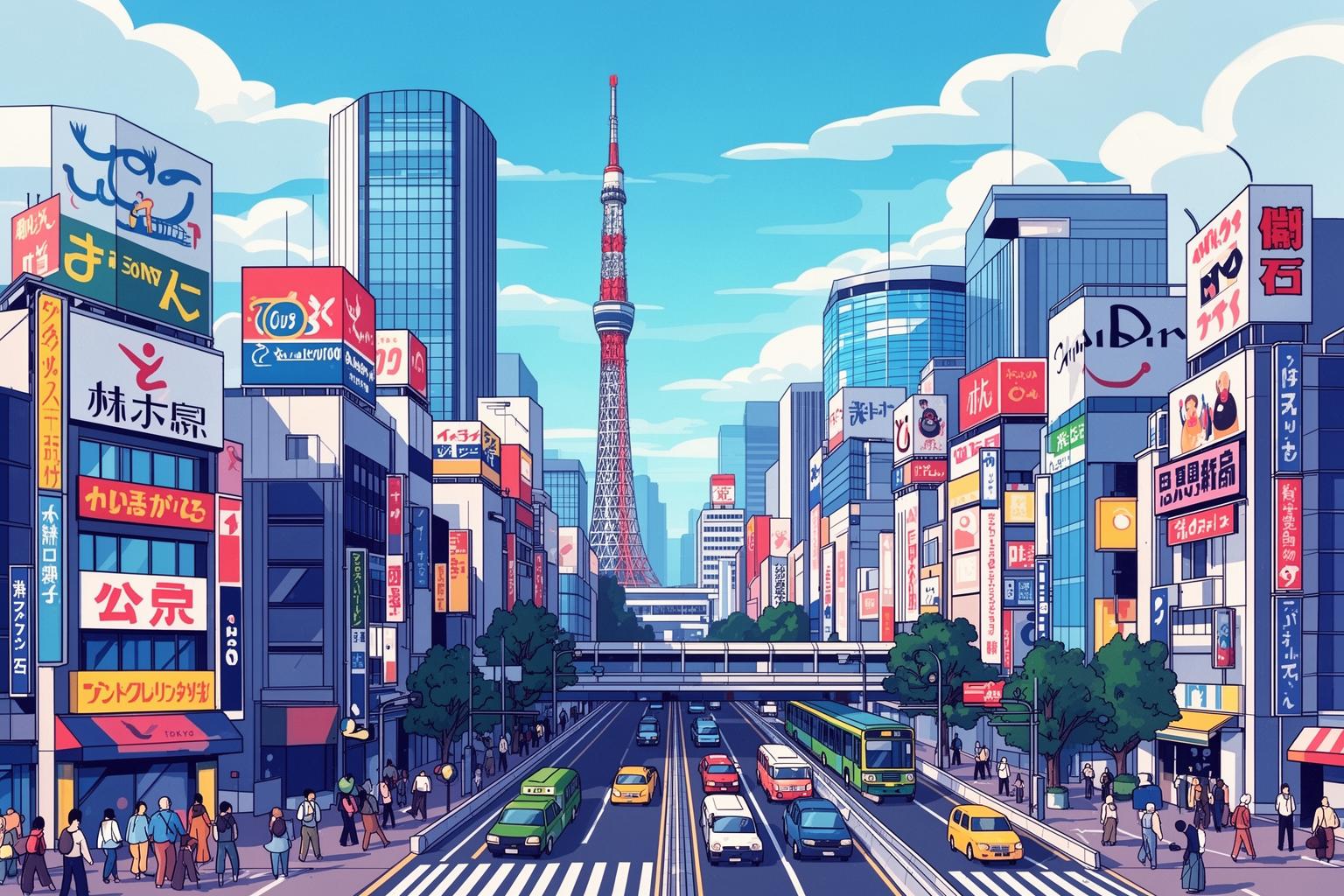
The story of Taki Tachibana is deeply intertwined with the rhythm of Tokyo. His world is a vertical panorama of gleaming towers, intricate train networks, and rivers of people moving through concrete canyons. It’s a place of ambition and opportunity, yet also holds a subtle, underlying loneliness unique to a city of millions. To understand Taki, one must first grasp his environment, and Makoto Shinkai offers a perfect guide. Our journey starts here, in the bustling districts of Shinjuku and its quieter neighbor, Yotsuya, where Tokyo’s relentless energy meets unexpected moments of calm. This is where we follow the traces of Taki’s memories—his daily commute, his part-time job, and his search for a girl whose name escapes him. The air vibrates with a constant low hum—the sound of trains, murmuring crowds, and distant sirens—a modern symphony that forms the film’s opening soundtrack. The world is painted in cool blues, metallic grays, and the scattered glow of countless windows, creating a stark and beautiful contrast to the world we will explore later.
The Iconic Red Staircase: Suga Shrine in Yotsuya
Among all the locations in “Your Name,” none carries more emotional weight than the red-railed staircase of Suga Shrine. This is the site of the film’s unforgettable climax, where two timelines and two souls finally meet. Discovering these stairs tucked away in a quiet residential area of Yotsuya feels surreal. The walk from Yotsuya-sanchome Station gently immerses you into everyday Tokyo life, far from tourist crowds. Passing small shops, apartment buildings, and softly humming vending machines, you then turn a corner—and there it stands. The view is instantly recognizable, an exact recreation of one of cinema’s most powerful moments. Standing at either the top or bottom, gazing at the spot where Taki and Mitsuha come together, sends chills down your spine. The atmosphere is thick with nostalgia and hope. You’re likely to see fellow fans quietly honoring the place, forming a silent community united by their love for the story. The best times to visit are early morning, when soft light filters through the buildings, or late afternoon, as the sun sets and casts long shadows that echo the film’s dramatic lighting. Remember, this is a residential and sacred shrine space—show respect by not blocking pathways, keeping voices low, and absorbing the peaceful, poignant energy of a place where a cinematic miracle unfolded.
A View from the Top: The National Art Center, Tokyo
Taki’s life isn’t only filled with frantic searching; it also includes moments of youthful aspiration and romance. The scene where he goes on a date with his elegant coworker, Okudera-senpai, is set in a location that perfectly captures modern Tokyo’s sophistication: The National Art Center in Roppongi. This architectural marvel, with its flowing glass facade, is a work of art in its own right. Stepping inside feels like entering the film itself. The vast atrium and two enormous concrete cones housing the museum’s cafes immediately impress. Taki and Okudera-senpai dine at Salon de Thé Rond, perched atop one of these cones. Visiting this café is essential for any fan. Savoring coffee and cake while overlooking the museum’s interior lets you relive the scene’s quiet, slightly awkward intimacy. The mood here is one of cultured calm. The gentle echoes of footsteps and hushed conversations create a serene backdrop, a sharp contrast to the chaos of nearby Shinjuku. It’s a place to slow down and appreciate design, art, and the subtle beauty of a well-crafted frame—both in the museum and Shinkai’s film. The museum is conveniently connected to Nogizaka Station on the Chiyoda Line. Checking their official website for hours and current exhibitions is recommended, as your visit can be enriched by the world-class art on display. It’s an ideal blend of a fan pilgrimage and a high-culture experience.
Weaving Through the Crowds: Shinjuku’s Crossroads and Cityscapes
To convey the vastness of Taki’s Tokyo, Shinkai skillfully animated the controlled chaos of Shinjuku. This district stands as the city’s vibrant heart, appearing frequently in the film as a visual symbol of urban life. Numerous establishing shots highlight its iconic landmarks: the massive crosswalks near the station, the towering NTT Docomo Yoyogi Building—often mistaken for a clock tower—and the complex maze of Shinjuku Station itself. Experiencing this is like plunging into the Tokyo machine. Navigating Shinjuku Station, the world’s busiest transit hub, is an adventure. You feel the crowd’s surge, a powerful current pulling you forward. Exiting the station, you step into a canyon of neon signs and video screens, a sensory overload that is both bewildering and exhilarating. For a truly cinematic view, visit the Tokyo Metropolitan Government Building. Its observation decks are free and provide a breathtaking panoramic vista of the city stretching to the horizon. From here, you see the city as Taki often did—a sprawling, twinkling sea of infinite stories and possibilities. It’s where you grasp the magnitude of his world and the improbable odds of finding one person within it. A tip for first-timers: flow with the crowd, keep a digital map handy, and don’t fear getting a little lost. Exploring Shinjuku’s side streets may lead you to hidden ramen shops and cozy bars, adding your own story to this immense urban tale.
Hida’s Timeless Beauty: In the Footsteps of Mitsuha Miyamizu
Leaving behind Tokyo’s dazzling urban sprawl, our pilgrimage takes a profound turn as we follow Taki’s journey into the heart of rural Japan. We travel to Gifu Prefecture, to the region that inspired the fictional hometown of Itomori, Mitsuha Miyamizu’s village. Although Itomori itself does not exist, its spirit is beautifully captured in the city of Hida and the surrounding mountainous landscape. The moment you step off the train, the contrast is immediate and striking. The air feels cleaner, cooler, carrying the scent of cedar and damp earth. The city’s cacophony is replaced by the gentle sounds of nature: birdsong, the rush of a clear river, and the whisper of wind through ancient trees. This is Mitsuha’s world—a place steeped in tradition, governed by the rhythms of the seasons, and watched over by local deities. It’s a world that feels both smaller and more ancient than Taki’s. Here, connections run deeper—not only between people but also between the community and the land itself. Exploring Hida is like stepping back in time, wandering through a living history book where every wooden building and stone path has a story to tell. It’s a journey into the soul of traditional Japan, the very essence of what Mitsuha fought so passionately to preserve.
The Heart of Tradition: Hida-Furukawa Station and the Townscape
For Taki and his friends, the gateway to Mitsuha’s world was a small, charming train station. That station exists—it is Hida-Furukawa Station. Arriving here is a magical moment for fans. The platform, the overhead crossing, and the distinct design of the station building are all faithfully recreated in the anime. You can almost picture Taki standing there, comparing his sketches to the reality before him. Even the Hida Beef mascot character, “Hidakuro,” makes a guest appearance. From the station, the town of Hida-Furukawa unfolds before you. The best way to explore is on foot. The town is famed for its Shirakabe Dozogai, a street lined with beautiful white-walled storehouses and a narrow canal home to thousands of colorful koi fish. This picturesque scene feels lifted straight from a historical drama, or rather, an anime. The atmosphere is one of profound peace. Life moves at a slower pace here. You can take your time browsing small shops selling local sake and crafts while listening to the gentle flow of the Seto River. This is a place that invites reflection. As you walk, you begin to grasp Mitsuha’s yearning both for the excitement of Tokyo and for the deep, comforting embrace of a community where everyone knows your name. It’s a town that feels both real and dreamlike—a perfect setting for a story that blurs the lines between reality and fantasy.
A Taste of Itomori: Local Flavors and Crafts
To truly connect with Mitsuha’s life, one must immerse themselves in the culture that shaped her. The Miyamizu family’s tradition of making “kuchikamizake” (saliva-fermented sake) is an ancient, now largely ceremonial practice. Its inclusion in the film underscores the deep spiritual bond between rice, water, and Shinto rituals in rural Japan. This connection can be explored by visiting one of Hida’s local sake breweries for a tasting. Another tangible link to the film is the food. Taki and his friends are shown eating Gohei Mochi, a regional specialty made from pounded rice grilled with a sweet and savory miso sauce. Finding a local vendor and tasting this rustic, flavorful snack is an essential part of the pilgrimage. Beyond food, Hida is well known for its skilled woodcraft, especially “kumiki” (interlocking wooden joinery). Visiting a craft shop offers an opportunity to appreciate the artistry and patience that characterize the local spirit. Perhaps the most surprising and welcoming spot is the Hida City Library. This modern, striking building was the direct model for the library where Taki researches Itomori’s history. The staff are well aware of the library’s popularity and have embraced it, setting up a small section dedicated to the film and even permitting visitors to take photos in the exact location featured in the anime—a rare and generous exception in Japanese libraries. This gesture of kindness makes the connection to the story feel even more personal and profound.
The Spiritual Core: Hie Shrine and Ketawakamiya Shrine
Mitsuha’s role as a shrine maiden is central to her identity. The Miyamizu Shrine, with its prominent presence in Itomori, is a fictional creation, yet its spirit is drawn from real shrines nestled in the Hida mountains. Two shrines hold particular significance for pilgrims. The first is Hie Shrine, located in nearby Takayama (often visited alongside Hida). Its long, moss-covered stone staircase, flanked by towering ancient cedar trees, strongly evokes the path leading to the Miyamizu Shrine. Ascending these steps, one feels a deep reverence and timelessness, as if entering a truly sacred place removed from the modern world. The air is still and filled with centuries of prayer. The second important site is Ketawakamiya Shrine, located in Hida-Furukawa itself. Many fans believe this shrine, with its classic architecture and serene atmosphere, served as another key inspiration. Visiting these sites calls for respect. Before entering, it is customary to bow at the torii gate and cleanse hands and mouth at the water basin. Within the shrine grounds, a profound tranquility prevails. Here, you can best understand the spiritual realm Mitsuha inhabited, where ancient traditions and beliefs are woven into the very fabric of the landscape. It’s a powerful reminder of the cultural depth supporting the fantastical elements of “Your Name,” grounding the story in a rich, authentic heritage.
Bridging Two Worlds: The Art of the Pilgrimage

A journey through the locations featured in “Your Name” is more than just a simple checklist of photo spots. It serves as an exercise in experiencing contrast—the striking, exhilarating shift from the vertical, fast-paced reality of Tokyo to the horizontal, serene rhythm of Hida. By following in the footsteps of both Taki and Mitsuha, the traveler begins to grasp the profound divide between their worlds, a divide that makes their eventual connection all the more extraordinary. This journey is about sensing the texture of their lives: the smooth, cold glass of a Tokyo skyscraper beneath your hand, and the rough, ancient bark of a cedar tree in a mountain shrine. It’s about hearing the rumble of a Yamanote Line train and the gentle murmur of the Seto River. This physical pilgrimage transforms the story from something watched into something lived, forging a personal “musubi”—a connection—between yourself, the characters, and the beautiful country that gave birth to their tale.
The Shinkai Aesthetic in Reality
One of the most striking features of this journey is witnessing the “Shinkai aesthetic” come to life. Director Makoto Shinkai is renowned for his stunningly detailed and luminous animation, which often appears more vivid than reality itself. Standing in these locations, you begin to see the world through his perspective. You notice the particular way sunlight filters through tree leaves, casting a dance of light and shadow on the pavement. You observe the signature lens flare as a train departs a station. The intricate texture of a weathered telephone pole, the reflection of clouds in a Tokyo street puddle, the precise shade of blue in the sky above the Hida mountains—all these details, lovingly captured in the film, exist in the real world. This pilgrimage trains your eye to find beauty in the ordinary, to appreciate the cinematic quality of everyday life. It feels as if you’ve been given a lens that enhances color and emotion, proving that the magic of Shinkai’s work lies in his talent for capturing and elevating the beauty that already exists, waiting to be noticed.
A Journey of Connection
From a broader cultural viewpoint, this modern form of anime pilgrimage echoes long-standing traditions throughout East Asia. For centuries, people have traveled to sacred mountains, revered temples, and ancestral homes seeking spiritual fulfillment or connection to history. The “seichi junrei” for “Your Name” taps into that same human instinct. It represents a quest for a different kind of sacredness—one found in story, art, and shared emotion. Along the way, you inevitably encounter fellow pilgrims. A shared glance and knowing smile on the steps of Suga Shrine, or a conversation with another fan in the Hida City Library, creates an immediate bond. This journey connects you not only to the film but also to a global community touched by its message of hope and connection. This shared experience transcends language and cultural barriers, united by the universal themes of the story. It stands as a beautiful testament to how a single work of art can create a new kind of cultural geography, drawing people from around the world to a quiet staircase in Tokyo or a small mountain town.
Practical Tips for the Modern Pilgrim
Embarking on this two-part journey requires some planning. The best seasons to visit are spring (March-May) and autumn (October-November), when the weather is comfortable in both Tokyo and Hida, and the natural scenery is at its most stunning with cherry blossoms or fall foliage. For transportation, the Japan Rail Pass offers a cost-effective option if you plan to travel extensively, as the Shinkansen (bullet train) ride from Tokyo to the Gifu region can be a major expense. In Tokyo, a Suica or Pasmo prepaid IC card is essential for navigating the city’s complex yet efficient subway and train systems with ease. For lodging, consider staying in Shinjuku to fully immerse yourself in Taki’s world. In the Gifu area, accommodation in a traditional “ryokan” (Japanese inn) in Takayama or Hida provides an authentic experience of Mitsuha’s rural lifestyle. Budget-wise, transportation is the largest expense, followed by lodging and food. While Japan can be pricey, both Tokyo and Hida offer a wide variety of dining options, from convenience store snacks to exquisite local dishes, allowing flexibility for any budget.
A Red String of Fate, Tied to a Place
The central theme of “Your Name” is “musubi”—the unseen force that links people, time, and events together like a finely woven cord. Embarking on this pilgrimage means weaving your own thread into that complex design. You actively tie yourself to the narrative, the landscapes, and the creative vision of its creators. The red string of fate, so vital to the film’s imagery, transforms from a mere metaphor into the path you walk, the train route you follow, the invisible line connecting a busy Tokyo intersection to a serene mountain shrine. These places are no longer just backgrounds; they become anchors for memory, both the film’s and your own. The Suga Shrine staircase is more than steps—it stands as a symbol of hope and reunion. The town of Hida is not simply a charming village; it represents tradition and resilience. Visiting these sites is a profound and deeply emotional experience that greatly enhances your appreciation of the film. It is a journey that reminds us that the worlds we cherish on screen have roots in our reality, and that the feelings of longing and connection defining Taki and Mitsuha’s story are universally human. You may arrive in search of the spirit of a beloved story, but you will leave having discovered something more: a tangible bond with a place, a culture, and the remarkable, undeniable magic of pursuing something—or someone—you are destined to find.








