
There are stories that you watch, and then there are stories that you feel deep within your soul, like a forgotten memory or a dream that lingers long after you wake. Makoto Shinkai’s masterpiece, Kimi no Na wa, or Your Name, is one such story. It’s a celestial romance that weaves together time, tradition, and the invisible threads that connect us, leaving an indelible mark on audiences worldwide. The film’s emotional power is matched only by its breathtaking visual beauty, a hyper-realistic yet dreamlike portrayal of Japan that feels both familiar and fantastical. For many, the experience doesn’t end when the credits roll. It sparks a desire to bridge the gap between animation and reality, to walk the same streets as the characters, and to feel the same air on their skin. This journey is known in Japan as seichi junrei—a pilgrimage to the sacred sites of popular culture. It’s a quest to find the tangible heart of a beloved story. Our pilgrimage will trace the intertwined destinies of Taki and Mitsuha, taking us from the vibrant, pulsating heart of modern Tokyo to the serene, timeless landscapes of the Hida region. This is more than a sightseeing tour; it’s an exploration of duality, a photographer’s journey to capture the contrast and connection that defines one of the greatest animated films of our time.
Embracing the spirit of seichi junrei, many travelers discover that embarking on a pilgrimage through real-life Your Name locations deepens their connection to the film’s ethereal charm.
The Urban Heartbeat: Tracing Taki’s Tokyo
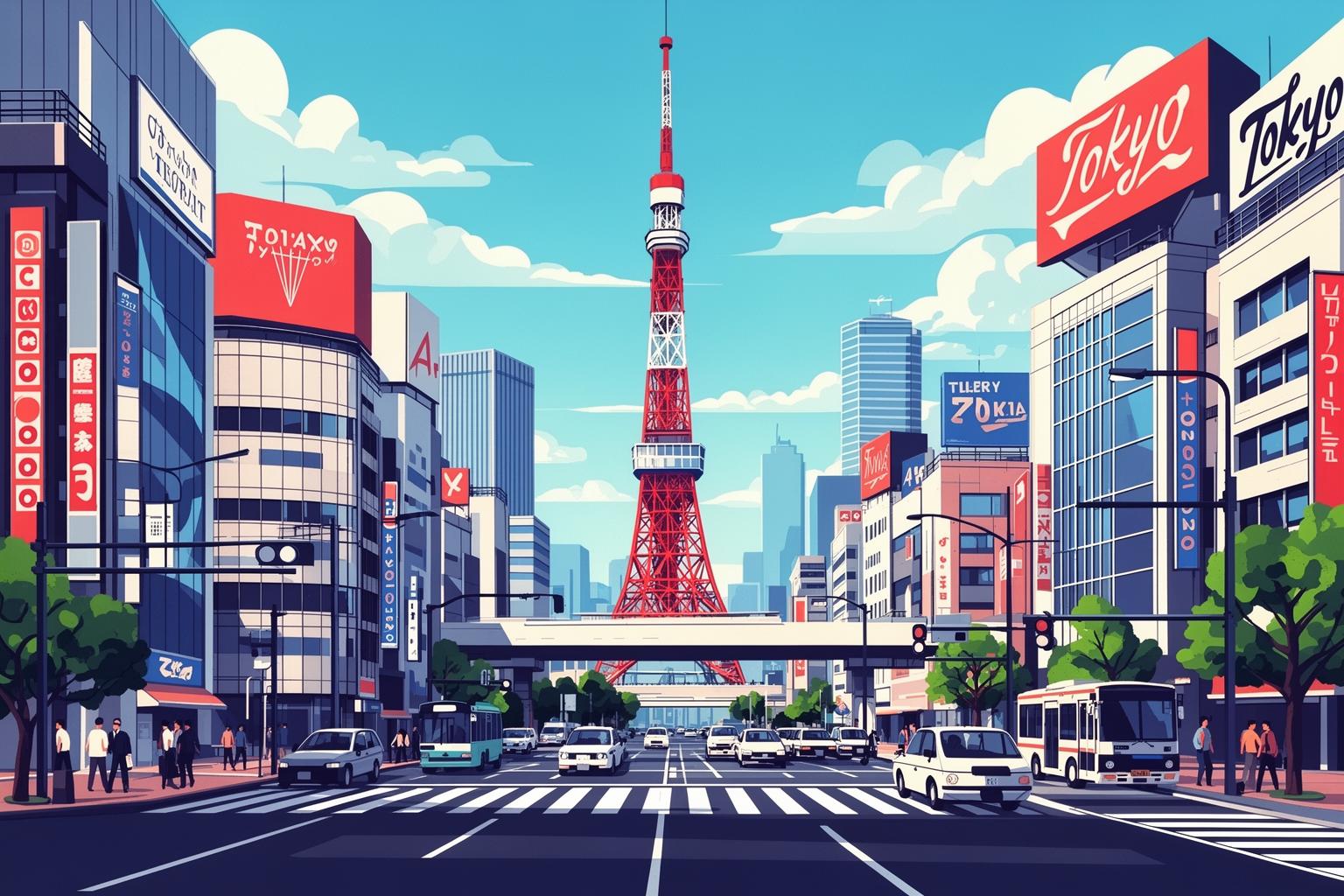
Tokyo is a city that moves at the speed of light, where millions of individual stories intersect every second without ever truly touching. It’s Taki Tachibana’s world—a dazzling, overwhelming, and sometimes lonely realm of concrete, glass, and neon. To understand his side of the story, you need to immerse yourself in this controlled chaos, discovering the specific corners and landmarks that Shinkai’s team painstakingly recreated. The journey into the film’s reality begins here, amid the symphony of train announcements, echoing footsteps, and the ambient glow of a city that never truly sleeps. It stands in stark contrast to Mitsuha’s world, and that difference is precisely the point. Finding these locations is like uncovering clues left in a dream, each one a tangible fragment of Taki’s life, waiting to be explored.
The Iconic Staircase: Suga Shrine in Yotsuya
No location is more synonymous with Your Name than the iconic staircase featured on the poster. This is the setting for the film’s heart-stopping climax, where two souls, separated by time and memory, finally find each other. In reality, these steps lead to the quiet, modest Suga Shrine, tucked away in a residential area of Yotsuya. Reaching it feels like a pilgrimage. You leave the bustling main roads behind, winding through quiet lanes where the only sounds are the distant hum of the city and your own footsteps. Then, you see it—the gentle curve of the road, the distinct green paint of an apartment building beside it, and, of course, the vibrant red handrail winding its way up the stone steps. The sense of recognition is immediate and profound. It feels less like discovering a film location and more like returning to a place you’ve known all your life.
From a photographer’s point of view, this spot presents a beautiful challenge. You’re not simply capturing stairs; you’re capturing a feeling of fate and reunion. The best times to visit are early morning, just after sunrise, or during the golden hour before sunset. The soft, low light casts long shadows and bathes the scene in a warmth that reflects the film’s emotional tone. You’ll often find fellow fans there, standing quietly in reverence, each waiting for their turn to stand on that crucial spot, looking back down as if searching for a familiar face. It’s a shared, unspoken moment. The Suga Shrine stairs are just a short walk from either Yotsuya-Sanchome Station on the Marunouchi Line or Shinanomachi Station on the JR Chuo-Sobu Line. Take your time, absorb the significance of the moment, and let the magic of the scene envelop you.
A Universe of Crossings: Shinjuku’s Intersections
Where the Suga Shrine stairs symbolize a singular, fateful moment, the area surrounding Shinjuku Station embodies the endless, chaotic possibilities of Taki’s everyday life. Known as the world’s busiest transport hub, it’s a sprawling maze of tunnels, platforms, and exits directing millions of people each day. The film captures this overwhelming scale with remarkable accuracy. Many sweeping cityscape shots focus here. One of the most distinctive spots is the Shinjuku Police Station intersection, recognizable by its unique circular design and complex pedestrian walkways. Standing there amidst towering skyscrapers and an unceasing flow of traffic, you sense the metropolitan pulse that fuels Taki’s world. It’s a place of constant motion, where everyone is on the move, part of a vast, interconnected network. This setting shapes Taki’s character—his ambition, his part-time jobs, his yearning for something beyond the endless concrete. Photographing Shinjuku means embracing motion blur, capturing light trails from passing cars, and portraying the dense surge of human life. It visually represents a world so crowded that two people destined to meet could easily miss each other forever.
A Moment of Respite: The National Art Center, Tokyo
Amid the urban frenzy, Taki finds moments of quiet beauty, especially during his date with coworker Miki Okudera. Their elegant lunch takes place at the Salon de Thé ROND, a café perched atop one of the concrete cones inside The National Art Center, Tokyo, located in the fashionable Roppongi district. The building itself is a modern architectural masterpiece designed by Kisho Kurokawa. Its sweeping glass facade floods the interior with natural light, creating a serene and reflective ambiance. Visiting the art center and café feels like stepping directly into that scene. You can sit at a table overlooking the expansive atrium, just as they did, and for a moment, the noise of the city recedes.
This location offers a different insight into Taki’s life, revealing his appreciation for art and design and hinting at his ambition to become an architect. It’s a space of elegance and calm, far removed from the hectic pace of his part-time job. For visitors, it’s an essential stop not only for its cinematic connection but also as a world-class art venue. After soaking up the film’s atmosphere at the café, you can explore the various exhibitions. Access is easy via Nogizaka Station on the Chiyoda Line, which has an exit leading directly into the museum. It’s an ideal way to spend an afternoon, blending a love of anime with an appreciation for fine art and architecture.
Connecting the Dots: Yoyogi and the Docomo Tower
Throughout the film, one landmark serves as a constant anchor in Tokyo’s skyline: the NTT Docomo Yoyogi Building. With its distinctive clock tower, it stands apart from more famous structures like Tokyo Tower or the Skytree, representing a subtler, everyday feature of the Shinjuku and Yoyogi areas. It appears in numerous shots, grounding the viewer in Taki’s particular part of the city. Although you can’t enter the building, its presence is strongly felt from many pedestrian bridges and viewpoints around Shinjuku and Yoyogi stations. These overpasses, frequently shown in the film, offer excellent photography spots. They provide elevated views of train tracks weaving through the cityscape, with the Docomo Tower standing watch in the background. It symbolizes the stability of Taki’s world—the backdrop to his daily commutes and wanderings. Discovering these vantage points helps reconstruct the mental map of his life, transforming a vast city into a collection of personal, familiar places.
The Soul of Tradition: Finding Mitsuha’s Itomori in Hida
While Tokyo is a real city you can locate on a map, Mitsuha Miyamizu’s hometown, Itomori, is a beautiful work of fiction, blending Shinkai’s imagination with the timeless rural landscapes of Japan. The director has revealed that the primary inspiration for Itomori’s atmosphere and main settings comes from the Hida region of Gifu Prefecture. To discover Mitsuha’s world, you must leave urban life behind and venture deep into the mountains of central Japan. The journey itself is transformative. The view outside the train window shifts from dense cityscapes to winding rivers, thick forests, and traditional towns with dark-tiled roofs. Here, time flows differently—not by the hectic pace of train timetables but according to the steady rhythm of the seasons. This is where the other part of the story unfolds: a world rich in tradition, nature, and ancient beliefs.
Stepping into a Memory: Hida-Furukawa Station
Your first entry into Itomori’s world begins at Hida-Furukawa Station. The moment you step off the train, the striking similarities become clear. The wooden benches on the platform, the footbridge crossing the tracks, the expansive view of the quiet town and surrounding mountains—all match precisely the scene when Taki and his friends arrive in search of Mitsuha. Even the smallest details are present, including the spot where the local mascot, “Hidakuro,” is displayed. Standing on that footbridge and gazing down at the tracks is a deeply moving experience for any fan. The air is crisp and fresh, and silence is interrupted only by the gentle hum of the small station.
This marks the tangible beginning of the search in the film, and it feels the same for real-life visitors. The station acts as a gateway to the region—a portal from the familiar world of Tokyo to the mysterious, half-remembered realm of Itomori. The town of Hida-Furukawa itself is charming, featuring canals filled with carp and old wooden merchant houses. Spending time here to soak up the peaceful atmosphere before exploring other key locations is worthwhile. The contrast with bustling Shinjuku Station is striking, immediately grounding you in the rural reality Mitsuha sought to escape.
Echoes in the Stacks: Hida City Library
One of the most visually stunning and emotionally important places in Taki’s search is the library where he finally uncovers the truth about Itomori and the comet strike. This beautiful building is the Hida City Library, a masterpiece of design. Its interior is warm and welcoming, built from local wood that lends a natural, organic ambiance. The geometric ceiling beams and elegant shelf arrangements create a space that is both grand and intimate. It’s easy to understand why Shinkai chose this as a key setting. The library feels like a sanctuary of knowledge and memory, the ideal place for Taki to assemble the fragmented puzzle of his connection to Mitsuha.
Visitors are welcome, but it’s important to remember this is a functioning public library. The staff are aware of the library’s popularity among Your Name fans and are generally accommodating. You must seek permission at the front desk before taking photographs, a respectful gesture that helps maintain a quiet environment for local patrons. Sitting at one of the tables, surrounded by books and soft natural light filtering through the windows, you can almost sense the weight of Taki’s discovery. It is a powerful, reflective stop on the pilgrimage, where fiction and reality feel deeply intertwined.
The Taste of a Thread: Kumihimo and Local Crafts
The red braided cord, or kumihimo, is the film’s central metaphor, symbolizing the threads of fate, time, and human connection—musubi. Mitsuha’s family serves as guardians of this tradition. While visiting the Hida region, you have a unique chance to engage with this ancient craft firsthand. The area boasts a rich artisan history, and several shops in Hida-Furukawa and nearby Takayama offer kumihimo braiding workshops. Sitting at a traditional wooden stand, or marudai, and weaving colorful silk threads together is a meditative and deeply rewarding experience. It connects you to the film’s core theme in a physical way that simply visiting locations cannot. You begin to appreciate the patience, skill, and history woven into each cord. It transforms from a mere plot element into a personal, tangible reminder of the story’s message about the intricate, beautiful connections that unite us all.
The Shrine in the Forest: Keta Wakamiya Shrine & Hie Shrine
Mitsuha’s family shrine, Miyamizu Shrine, is central to her identity and the spiritual themes of the film. This fictional shrine is a blend of several real ones, but its essence can be found in two primary locations. The long, forested staircase that Taki climbs during his search is inspired by the steps leading to Keta Wakamiya Shrine in Hida. The walk up these moss-covered stone stairs, shaded by towering cedar trees, is deeply atmospheric. The air cools, and the town’s noises fade away, replaced by rustling leaves and birdcalls. You feel as though you are entering a sacred, ancient place.
The shrine atop the steps in the film more closely resembles Hie Shrine, located in nearby Takayama. Hie Shrine is a significant local landmark with a similar layout and mood to Miyamizu Shrine. Visiting both allows you to reconstruct the full image of Mitsuha’s spiritual home. This part of the journey transcends cinematic accuracy—it invites you to connect with the deep-rooted Shinto beliefs that permeate Japanese culture and the film itself: the notion that gods and spirits dwell in nature, and that traditions serve as threads linking generations across time.
The Journey Between Worlds: Bridging Tokyo and Hida
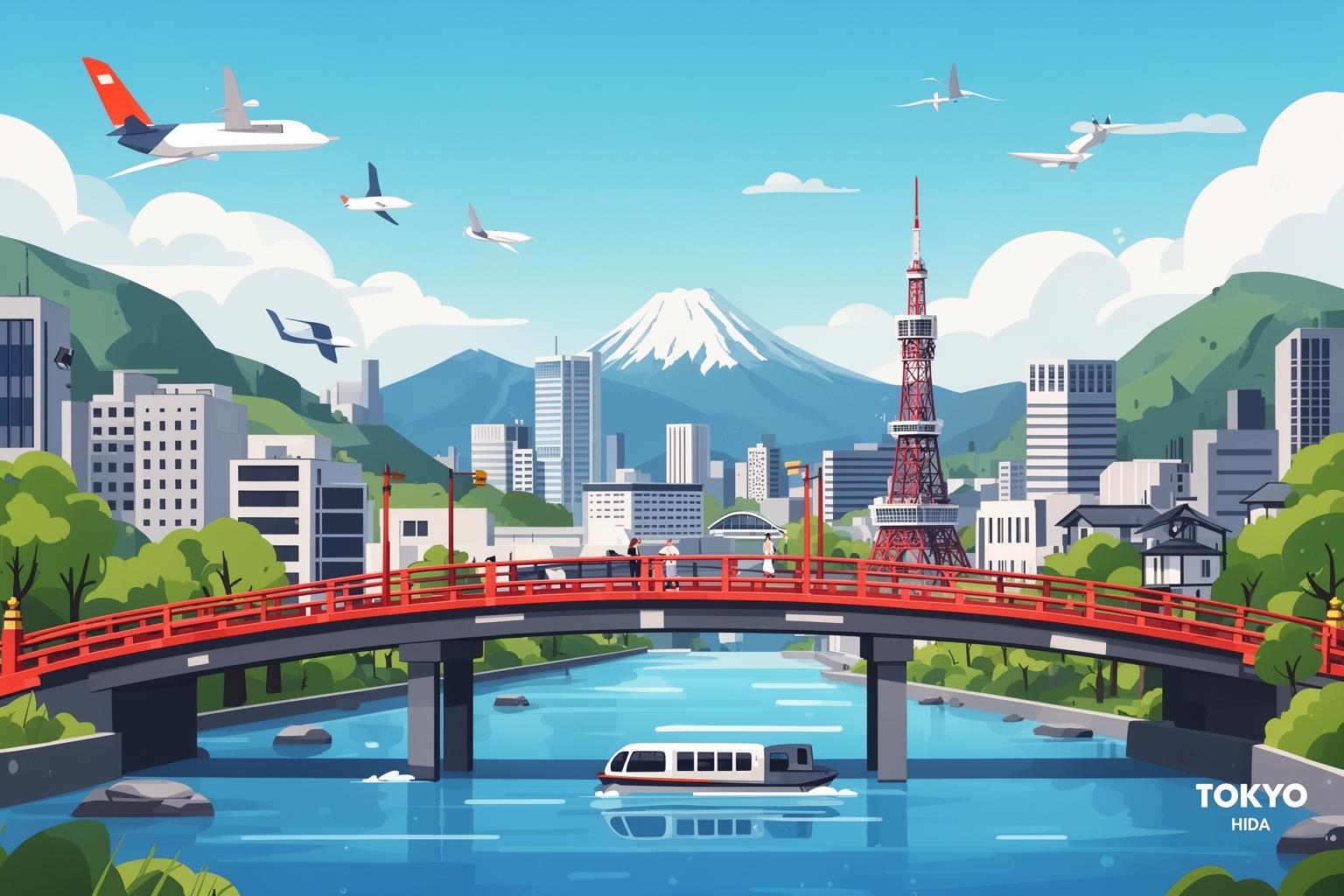
The Your Name pilgrimage experience is not solely about the destinations but about the journey connecting them. The physical travel from Tokyo to Gifu plays a vital role in the story, reflecting the film’s continual shifts between Taki’s and Mitsuha’s viewpoints. It is within this transition that the stark contrasts between their two worlds become vividly apparent, and the emotional heart of their bond shines most brightly. This journey is a fundamental part of the pilgrimage, offering moments for reflection as the scenery changes before your eyes.
The Shinkansen and the Wide View Hida
The adventure begins with the iconic Japanese travel experience: the Shinkansen. Boarding the bullet train at Tokyo Station, you are swiftly carried away from the urban hustle at remarkable speeds. The scenery blurs from dense cityscapes to suburbs and eventually to the countryside. The first part of the trip generally brings you to Nagoya, where you transfer to the Limited Express “Wide View Hida.” The train’s name is no exaggeration—it is renowned for its expansive panoramic windows that provide spectacular views of the journey ahead. The train winds its way northward, tracing the clear, emerald waters of the Hida River through deep gorges and breathtaking mountain valleys. This segment of the ride is slower and more deliberate, encouraging you to detach from the city’s fast pace and attune yourself to the rhythm of nature. From a photographer’s perspective, the entire journey is a cascade of chances: each bend in the river unveils a fresh vista, new patterns of light on the water, and glimpses of quaint villages nestled in the mountains. This is the journey Taki took, and as the landscape unfolds, you can feel his mounting anticipation and unease as he moves deeper into a world so unlike his own.
A Tale of Two Timelines: Experiencing the Contrast
Spending time in both Tokyo and Hida lets you personally encounter the film’s central theme of duality. One day you navigate Tokyo’s complex subway systems, surrounded by a crowd of faces and the glow of countless screens. The next, you stroll along a peaceful canal in Hida-Furukawa, where the loudest noise is a frog’s croak. Tokyo’s sky is a narrow sliver of blue framed by towering skyscrapers; in Hida, it unfolds as a vast, open canvas stretching over rice fields and mountains. This striking contrast is what makes Taki and Mitsuha’s connection so compelling: they come from two distinctly different Japans, one racing toward the future, the other safeguarding the past. To fully appreciate the pilgrimage, it is essential to give yourself enough time to soak in the unique atmosphere of each place. Don’t rush from one photo spot to the next; instead, sit at a café in Shinjuku and watch life pass by. Then, find a bench by the river in Hida and do the same. By doing this, you aren’t just retracing the characters’ footsteps—you are experiencing the emotional distance they had to bridge to find one another.
A Pilgrim’s Practical Guide
Embarking on a journey of this magnitude calls for some planning to ensure a smooth and meaningful experience. While the magic lies in the discovery itself, having a practical framework allows you to focus on the moment rather than the logistics. Here are some tips for anyone looking to chart their own course through the worlds of Your Name.
When to Weave Your Journey
Japan boasts four distinct and stunning seasons, each providing a unique perspective on the film’s locations. Autumn is arguably the most iconic choice. The Hida region bursts into spectacular fall colors—fiery reds, brilliant oranges, and deep golds—that perfectly complement the nostalgic, warm palette of the film, especially in the scenes set during the twilight hour, or kataware-doki. Spring is another excellent option, with Tokyo’s parks and streets decorated by delicate cherry blossoms, offering a fleeting and exquisite beauty. Summer brings lush, vibrant greenery to the mountains of Gifu, though it can be hot and humid. Winter blankets the Hida region in snow, transforming it into a quiet, monochrome landscape that offers a serene and entirely different kind of beauty. The timing of your visit can significantly influence the atmosphere of your pilgrimage.
Navigating with Grace
For the long-distance journey between Tokyo and the Hida region, the Japan Rail Pass is a highly cost-effective option, covering both the Shinkansen to Nagoya and the Limited Express Wide View Hida. Within Tokyo, a prepaid IC card such as Suica or Pasmo is essential for easily hopping on and off the city’s remarkably efficient train and subway network. When it comes to accommodation, staying in or near Shinjuku places you at the heart of Taki’s world and provides convenient access to most of his locations. In the Hida region, for a truly immersive experience, consider booking a stay at a traditional Japanese inn, or ryokan. Many are located in Takayama, which is larger and more tourist-friendly than Hida-Furukawa but still just a short train ride away. Staying at a ryokan often includes exquisite local cuisine and the opportunity to relax in an onsen (hot spring), adding another layer of cultural richness to your trip.
Beyond the Frame: What Else to Explore
While the seichi junrei offers a wonderful structure for your trip, don’t hesitate to explore beyond the film’s specific locations. Tokyo is a universe in itself. After visiting Taki’s haunts, immerse yourself in the vibrant youth culture of Harajuku, experience the famous Shibuya Scramble Crossing, or find a peaceful moment at the Meiji Jingu shrine. In Gifu, the city of Takayama stands as a destination on its own. Its beautifully preserved old town, with its sake breweries and morning markets, offers a deeper glimpse into the region’s history and culture. You can also venture further into the mountains to visit the UNESCO World Heritage site of Shirakawa-go, renowned for its distinctive thatched-roof farmhouses. These additional experiences will deepen your understanding of the two worlds portrayed in the film.
A Note on Etiquette
A pilgrimage is an act of reverence, so it’s vital to show respect for the places you visit. These are not film sets; they are real communities where people live, work, and worship. When visiting shrines like Suga Shrine or Keta Wakamiya Shrine, maintain quiet and respectful behavior. Observe local customs where possible, such as bowing at the torii gate. At the Hida City Library, be sure to ask permission before taking photos and keep your voice low. Avoid disturbing daily life, especially in the quiet residential neighborhoods of Yotsuya and Hida-Furukawa. Being a mindful and considerate visitor helps ensure these places remain welcoming for future pilgrims and, more importantly, for the residents who call them home.
This journey is more than just cinematic tourism. It is a profound exploration of connection, a meditation on the invisible threads that tie people, places, and moments together in time. Standing on the steps of Suga Shrine as the sun sets, or listening to the gentle flow of the river in Hida, you realize you are not just viewing a movie location—you are sensing its soul and participating in its story. The world of Your Name is one of breathtaking beauty and deep, resonant emotion, a world where a forgotten name can become the most important thing you’ll ever remember. While the red thread of fate is a story, the path it takes you on—through the vibrant heart of Tokyo and the timeless soul of Hida—is vividly and tangibly real. And once you feel that connection, it becomes a memory that lingers long after you’ve returned home.