
There are stories that you watch, and then there are stories that you feel deep in your bones, a phantom ache of nostalgia for a life you’ve never lived. Makoto Shinkai’s masterpiece, ‘Your Name’ (Kimi no Na wa), is one such story. It’s a tale of cosmic connection, of two souls tethered by a red string of fate across distance and time, painted in hyper-realistic skies and heartbreakingly beautiful landscapes. The magic of the film isn’t just in its breathtaking animation or its soaring Radwimps soundtrack; it’s in how profoundly real it all feels. And the secret, the part that pulls travelers from across the globe, is that much of it is real. The world where Taki and Mitsuha live, love, and search for one another is not confined to the screen. It’s a tangible map of places you can walk, a pilgrimage you can undertake, from the electric heart of Tokyo to the serene, mountainous soul of Gifu Prefecture. This isn’t just a tour of filming locations; it’s a journey to bridge the gap between fiction and reality, to stand in the very spots where animated lightning struck and feel the resonance of a story that captured the world’s heart. It’s a chance to see if, just maybe, you can hear someone calling your name on the wind.
Embracing the allure of real-world magic, travelers may find that a walk through the ancient forests of Yakushima offers a deeper connection to the timeless landscapes depicted in the film.
The Heart of Tokyo: Tracing Taki’s Footsteps
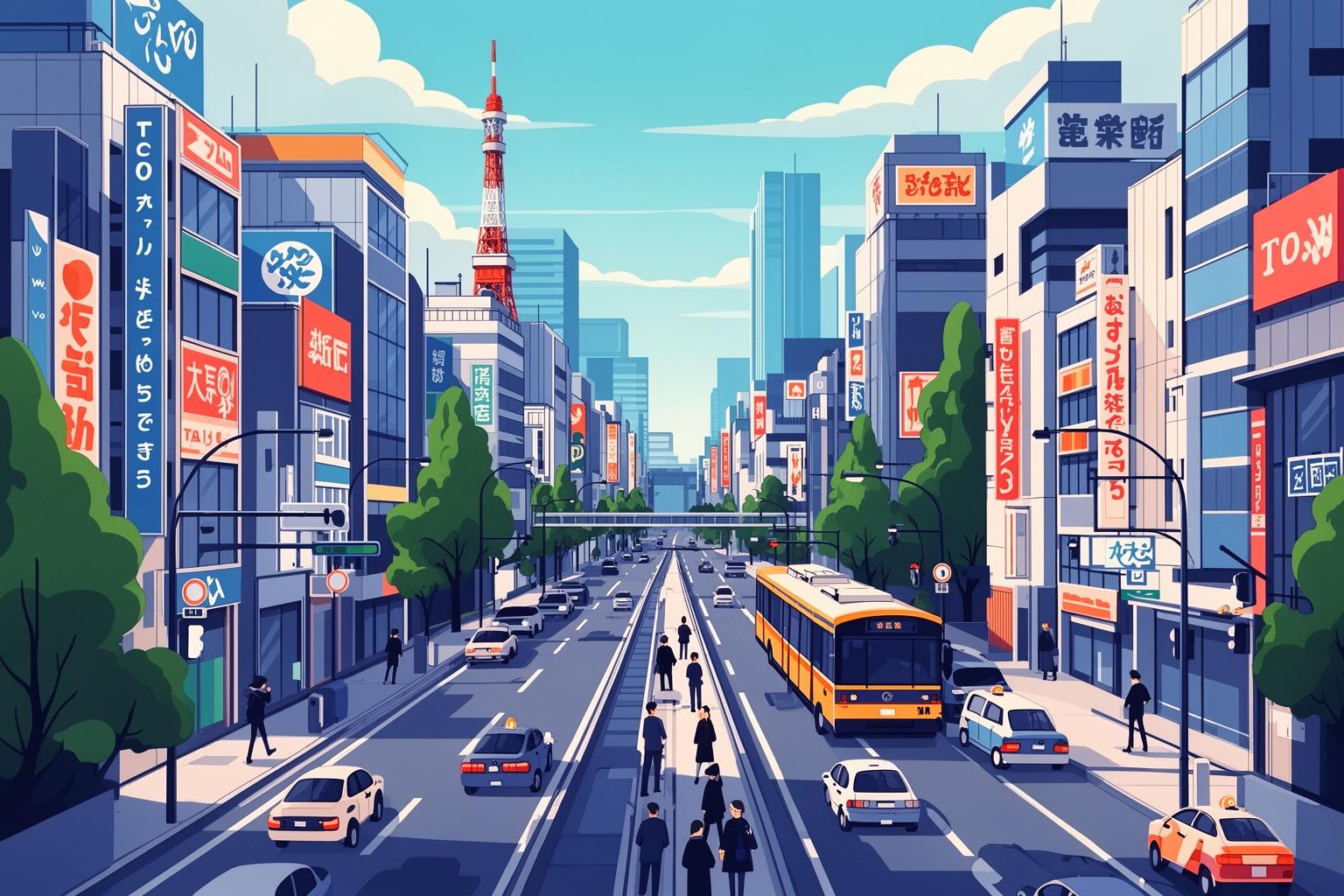
Our journey begins where Taki’s story takes place: in the vast, vibrant, and unexpectedly intimate metropolis of Tokyo. Shinkai depicts the city not as a cold, concrete behemoth, but as a living, breathing entity—a network of arteries pulsing with trains, lights, and countless individual stories. Following Taki means seeing Tokyo through his perspective: a high school student balancing part-time jobs, friendships, and a mysterious bond with a girl he has never met. It’s a grounded, everyday Tokyo that makes the fantastical aspects of his story feel all the more believable.
The Iconic Red Staircase: Suga Shrine, Yotsuya
No image is more synonymous with Your Name than the final, breathtaking scene on a pair of red-railed stairs. This is the emotional climax, the culmination of a years-long search, where past and future intersect in a simple question: “Haven’t we met?” These stairs are real, and locating them feels like completing a pilgrimage. Hidden in a quiet, modest residential neighborhood of Yotsuya, the staircase leading to Suga Shrine offers a surprising sense of peace. The journey there involves a pleasant walk from Yotsuya Station, passing small apartments, local shops, and the gentle hum of everyday life. The moment you turn the corner and spot the familiar incline and vivid red handrails, the film’s score might play softly in your mind. The atmosphere is charged with a cinematic reverence. You’ll often spot other fans patiently waiting to capture their own version of the iconic movie poster shot. Standing at the top, looking down as Taki did, or at the bottom, looking up as Mitsuha did, you can feel the gravity of their journey. It’s a powerful convergence, where the film’s world blends seamlessly with our own. A small tip for visitors: although it’s a famous spot, it remains part of a local community. The best time to visit is on a weekday morning when the light is gentle and the crowds are few. Be considerate of residents, keep your voice low, and respect the shrine’s tranquility. It’s a place for quiet reflection, not merely a photo opportunity.
A Date with Destiny: Shinjuku and Shibuya
The wider canvas of Taki’s life is painted across some of Tokyo’s most energetic districts. These locations are more than mere backdrops; they are essential to his character and experiences, especially during his memorable date with his coworker, Okudera-senpai. Their journey leads us through the core of modern Tokyo, offering a different sort of pilgrimage—one that captures the city’s vitality itself.
The National Art Center, Tokyo
The setting for Taki and Okudera’s elegant lunch is the stunning National Art Center in Roppongi. Designed by the renowned Kisho Kurokawa, the building is itself a masterpiece, featuring a sweeping, undulating glass facade that floods the interior with natural light. You can visit the very cafe where they ate, the Brasserie Paul Bocuse Le Musée, perched atop a massive concrete cone inside the atrium. While a full meal might be a treat, you can simply enjoy coffee and absorb the spectacular architecture. It feels just as it does in the film: refined, modern, and a little intimidating for a high schooler trying to impress his crush. It’s an excellent example of how Shinkai grounds his characters’ experiences in real, specific locations. Visiting lets you step directly into a scene, sharing the same view and atmosphere.
Shinjuku’s Concrete Canyons and Skyscraper Views
Shinjuku is Taki’s home base. The film is filled with shots of its iconic skyline, a dense cluster of skyscrapers symbolizing both opportunity and anonymity. Although the movie doesn’t specify a particular observation deck, the views Taki sketches resemble those from the Tokyo Metropolitan Government Building. Its free observation decks offer an incredible panorama of the city—an ocean of buildings stretching to the horizon. On a clear day, you can even glimpse Mount Fuji, a silent presence much like the comet in the film. The vastness of the view helps convey the feeling of being a small part of a vast, interconnected whole. The area around Shinjuku Station, the busiest train station in the world, is another crucial setting. The rush of commuters, the flashing neon signs, the cacophony of announcements—it all forms the heartbeat of Taki’s world. Experiencing it is key to understanding the urban environment that shaped him.
Bridging Worlds: The Shintoshin Pedestrian Bridge
Another striking image from the film’s promotional art and montages is a pedestrian overpass in Shinjuku, set against recognizable landmarks like the Mode Gakuen Cocoon Tower. This bridge, officially named the Shinjuku Shintoshin Pedestrian Bridge, sits near the large Shinjuku police station. Standing there, especially at dusk when the city lights start to sparkle, feels like stepping into a Shinkai painting. The streams of traffic below, the distant skyscraper silhouettes, the solitary figure crossing—it evokes urban melancholy and a sense of yearning. It perfectly embodies the themes of connection and distance. It’s a place where the film’s characters are physically surrounded by millions, yet emotionally isolated, searching for one unique bond. Finding this spot and taking a moment to watch the city pulse around you is a deeply moving experience for any Your Name fan.
Into the Countryside: Discovering Mitsuha’s Itomori
Leaving behind the electric energy of Tokyo, the second half of our pilgrimage leads us deep into the mountains of Gifu Prefecture, the region that inspired Mitsuha’s fictional hometown, Itomori. The contrast is immediate and striking. The city’s roar gives way to the whisper of wind through the trees, the rush of clear streams, and a profound sense of history and tradition. While Itomori is a fictional place, its spirit is very much alive in the charming, well-preserved towns of the Hida region.
The Soul of a Small Town: Hida-Furukawa
The town most closely resembling the landscapes of Itomori is Hida-Furukawa, a beautifully preserved town about a 15-minute train ride from the more famous tourist hub of Takayama. Hida-Furukawa is quieter, more intimate, and feels like a step back in time. Traditional white-walled storehouses (kura) and dark wooden buildings line its streets, while picturesque canals filled with large, lazy koi fish run alongside the old town. This is the heart of Mitsuha’s world—a place of deep-rooted community, ancient traditions, and the feeling of being known by everyone.
Hida-Furukawa Station
Our arrival point is instantly recognizable. The train station at Hida-Furukawa is portrayed with perfect accuracy in the film—the very place where Taki and his friends arrive on their quest to find Mitsuha. The wooden structure, platform signs, and even the taxi stand outside are exact replicas from the anime. The town has warmly embraced its connection to the film; on the platform, you’ll even find a cutout of the movie’s mascot, Hidakuro. Stepping off the train here feels less like being a tourist and more like becoming a character in the story, embarking on the same hopeful, uncertain search that Taki undertook.
The Hida City Library
One of the most pivotal scenes in Taki’s search takes place in a library where he finally uncovers the tragic history of Itomori. That library is real: the Hida City Library. It is a modern, bright, and welcoming public space that has become a cherished destination for fans. The library staff are incredibly accommodating to pilgrims. While it functions as a library for the local community, they have a system for visitors. You can request permission at the front desk to take photos in the specific corner where Taki sat, allowing you to recreate the scene without disturbing local patrons. Sitting in that same spot, surrounded by books and the quiet focus of a small-town library, you can feel Taki’s desperation and determination in his research. It’s a testament to the town’s generosity that they have shared their public space so graciously with fans from around the world.
Keta Wakamiya Shrine
Though Mitsuha’s family shrine, the Miyamizu Shrine, is a composite of various locations, one of its primary inspirations is thought to be the Keta Wakamiya Shrine on the outskirts of Hida-Furukawa. Reaching it involves a walk through town and up a long, impressive set of stone stairs flanked by tall cedar trees. As you ascend, the sounds of the town fade away, replaced by the chirping of cicadas and rustling leaves. The atmosphere is serene and deeply spiritual. It’s easy to imagine Mitsuha performing her duties as a shrine maiden here, feeling the weight of centuries of tradition. The shrine connects visitors to the ancient and sacred, reflecting the mystical and traditional elements of the film’s narrative—the concepts of ‘musubi’ (the interconnectedness of all things) and the blurring of spiritual and physical worlds.
The Mystical Lake: Finding Itomori’s Heart
The most dramatic and memorable feature of Itomori is its crater lake, a beautiful yet tragic centerpiece of the story. This stunning landscape was modeled after Lake Suwa, located in the neighboring Nagano Prefecture. Although it requires a separate trip from Hida-Furukawa, the view is absolutely worth it. The best spot to appreciate the landscape that inspired Shinkai is the Tateishi Park observation deck, perched high on a hill overlooking the lake and the surrounding city. The view is breathtaking. The sprawling lake, nestled in a basin and encircled by mountains, closely matches the animated vistas. Seeing it firsthand reveals why Shinkai chose this location. It’s both beautiful and slightly ominous—a caldera that cradles a town. Visiting at different times of day provides varying moods. In the morning, mist can rise from the water, creating a mystical atmosphere. At sunset—or ‘magic hour,’ as the film calls it—the sky can erupt in the same brilliant oranges and purples that are a hallmark of Shinkai’s artistry. From here, looking down at the sparkling lights of the town around the lake, the entire story of ‘Your Name’ falls into place. You can almost see the comet splitting the sky.
A Pilgrim’s Practical Guide

Embarking on a journey that covers both a bustling mega-city and the rural heartland of Japan requires some planning, but the reward is an exceptionally rich and fulfilling experience. Combining the urban and pastoral aspects of the ‘Your Name’ pilgrimage lets you discover two distinct, beautiful sides of Japan, all through the lens of a cherished story.
Planning Your Two-Part Journey
To fully appreciate this pilgrimage, it’s best to allocate at least four to five days. Spend two days in Tokyo to give yourself plenty of time to navigate the subway system and explore the Shinjuku, Yotsuya, and Roppongi neighborhoods without feeling rushed. From Tokyo, the trip to the Hida region is scenic in its own right. The quickest route is to take the Tokaido Shinkansen (bullet train) to Nagoya, then transfer to the JR Hida Wide View Express train. This segment of the journey is breathtaking, as the train winds through river valleys and deep mountain terrain. Using a Japan Rail Pass can be very cost-effective for this trip. Base yourself in the nearby city of Takayama, which offers more accommodation options, and take the short, 15-minute local train ride to Hida-Furukawa for a day trip. The trip to Lake Suwa is a separate leg, best undertaken as a journey from Tokyo or as a stopover between Tokyo and the Hida region since it’s on a different train line.
What to Bring and What to Know
No matter the season, comfortable walking shoes are essential. You will cover a lot of ground, from navigating large train stations to climbing shrine stairs. A good camera is key for capturing the Shinkai-esque landscapes, and a portable battery charger is invaluable for long days spent using navigation apps. While Japan is becoming increasingly card-friendly, carrying some cash is advisable, especially for smaller shops, local eateries, and shrine donations in the countryside. The most important item to bring, however, is a sense of respect. Keep in mind these locations aren’t movie sets. Suga Shrine is situated in a residential neighborhood, the Hida City Library serves as a vital community resource, and the shrines are active places of worship. Be quiet, stay aware of your surroundings, never leave trash behind, and always respect the local people whose homes and towns have become destinations. This respectful approach helps ensure these places remain welcoming to fans for years to come.
Savoring the Local Flavors
A journey is as much about tasting as it is about seeing. In Tokyo, immerse yourself in Taki’s urban lifestyle with a bowl of rich tonkotsu ramen from a bustling Shinjuku alley or enjoy a beautifully crafted pastry from a department store food hall. In the Hida region, the culinary experience shifts dramatically. This area is famous for Hida beef, an incredibly tender and marbled wagyu that you can enjoy in many forms, from steak to skewers. Also, don’t miss the local style of mitarashi dango (grilled rice dumplings on a stick), which here is savory with a soy sauce glaze, rather than the sweet glaze found elsewhere. The pure mountain water also produces excellent sake, and many local breweries in Takayama and Furukawa offer tastings. Engaging with the local cuisine is another way to connect with the culture that shaped Mitsuha’s world.
This pilgrimage is more than just ticking off filming locations. It’s an exploration of the core themes of ‘Your Name’—the invisible threads that connect us, the significance of memory and tradition, and the search for something, or someone, just beyond reach. Standing on that staircase in Yotsuya, you don’t just see a movie scene; you experience the culmination of Taki and Mitsuha’s epic journey. Walking the quiet streets of Hida-Furukawa, you don’t just see a charming town; you feel the deep, grounding rhythm of the life Mitsuha yearned to escape, and later, to protect. It’s a journey that bridges distance—not just between Tokyo and Gifu, but between the screen and reality, between a beautiful story and your own lived experience. And as you travel home, you may find yourself gazing at the sky a little differently, listening a little more intently for a familiar voice, forever changed by the journey.