
There are films that you watch, and then there are films that you live. Makoto Shinkai’s masterpiece, Your Name., or Kimi no Na wa., is a story that breathes, a visual poem that wraps itself around your heart and refuses to let go. It’s a tale of two souls, Taki in bustling Tokyo and Mitsuha in the tranquil countryside, bound together by a celestial event and a mysterious connection that transcends time and space. The film’s emotional depth is amplified by its breathtakingly realistic animation, a world so meticulously crafted that it feels less like a drawing and more like a memory. And the most magical part? That world is real. From the humming, neon-drenched streets of Shinjuku to the serene, tradition-steeped corners of rural Gifu, the landscapes of Your Name. exist, waiting for you to step through the screen and into the story. This is not just a tour; it’s a pilgrimage, a seichi junrei, a journey to find the tangible threads of a story that taught us all about searching for something, or someone, we can’t quite name. It’s a chance to stand on a staircase and feel a flicker of forgotten familiarity, to hear a train’s announcement and imagine a different life, and to understand the profound, invisible ties—the musubi—that connect us all. Prepare to chase the ghost of a comet across Japan, because Taki and Mitsuha’s world is calling.
For those inspired to delve deeper into Japan’s rich tapestry of storytelling, a Ghibli museum visit in Mitaka offers an enchanting real-world complement to the film’s magic.
Tokyo’s Electric Heartbeat: In Taki’s Footsteps

Our journey begins in the city where Taki’s life unfolds: Tokyo. This isn’t just a backdrop in the film; it acts as a character itself. Shinkai depicts the metropolis not as a cold, concrete jungle, but as a place of immense beauty, intricate details, and quiet moments of solitude amid the chaos. It’s a city of towering skyscrapers that catch the golden hour’s light just right, of intersecting train lines carrying millions of individual stories, and of hidden stairways that can feel like the most important place in the world. Following Taki’s path means seeing Tokyo through his eyes—as a place of opportunity, longing, and desperate searching.
The Iconic Staircase: Suga Shrine in Yotsuya
Let’s begin with the heart-stopper, the image now synonymous with the entire film. The poster, the climax, the reunion—it all takes place on a simple set of red-railed stairs. This is where Taki and Mitsuha, years after their connection has faded into a dream, finally find each other. In reality, this iconic spot is the staircase leading to Suga Shrine, tucked away in a quiet residential neighborhood of Yotsuya. Discovering it feels like uncovering a secret. You leave behind the main thoroughfares, winding through narrow streets where the city’s roar dims to a gentle hum. Then, you see it: the curve of the road, the distinctive red railing, the buildings framing the sky just as they do in the film. The sense of déjà vu is overwhelming.
Standing at the bottom looking up, or at the top looking down, you can’t help but replay that final, breathtaking scene in your mind. “Haven’t we met before?” “I thought so, too!” The air here feels charged with cinematic electricity. It’s a surprisingly peaceful place. Neighbors walk their dogs, children ride their bicycles, and life goes on, unaware that this is hallowed ground for anime fans worldwide. For the best experience, visit on a weekday morning or late afternoon. The light is softer then, casting long shadows that heighten the scene’s dramatic atmosphere. You’ll have a better chance to capture a perfect, solitary photo without crowds. Take your time. Sit on the steps for a moment. Feel the neighborhood’s quiet energy and let the film’s emotional weight wash over you. It’s a powerful, almost spiritual experience. Reaching Suga Shrine itself is a short walk from Yotsuya-Sanchome or Shinanomachi Station. The shrine at the top is a lovely, small Shinto space, a peaceful reward after your cinematic ascent. Paying your respects here feels like a fitting tribute to the film’s themes of fate and connection.
The Urban Canvas: Shinjuku’s Sights and Sounds
Shinjuku is Taki’s playground, workplace, and the stage for his frantic search. The film perfectly captures its dual nature: the awe-inspiring scale of its architecture and the intimate ground-level details of its streets. One of the most recognizable locations is the pedestrian bridge near Shinjuku Station, with the distinctive Mode Gakuen Cocoon Tower looming in the background. This recurring visual motif represents the vast, impersonal city Taki must navigate. Standing on this bridge, surrounded by ceaseless foot traffic and the symphony of cars, you feel Tokyo’s driving energy. It’s a fantastic spot for photography, especially at dusk when city lights begin to twinkle and the sky shifts to orange and purple hues, echoing Shinkai’s famous skyscapes.
Another key spot is the Shinjuku Yunika Vision—a massive multi-screen billboard broadcasting news of the Tiamat comet. Situated just outside Shinjuku Station’s east exit, it’s a sensory overload in the best sense. The huge screens, the cacophony of sound—it’s quintessential modern Tokyo. Seeing it in person conveys the magnitude of the event as portrayed in the film, a celestial drama playing out for the entire city to witness.
Remember the charming Italian restaurant where Taki works part-time, “Il Giardino delle Parole”? While the exact restaurant is fictional, it’s widely believed to be inspired by Cafe La Bohème near Shinjuku Gyoen. The elegant interior, warm atmosphere, and European-style decor strongly reflect the setting where Taki struggles with his feelings for his colleague, Okudera-senpai. It’s a wonderful spot for lunch or coffee—a tangible glimpse into Taki’s everyday life that immerses you not only in the film’s dramatic moments but in its quiet, character-building scenes as well.
A Moment of Peace: Shinjuku Gyoen National Garden
Speaking of Okudera-senpai, the beautiful park where she and Taki go on their date is the real-life Shinjuku Gyoen National Garden. This expansive oasis of tranquility contrasts starkly with the surrounding concrete jungle. The film features the park’s iconic greenhouse and its carefully landscaped gardens. A visit here is a must, not only for its connection to Your Name. but for its exquisite beauty. The park blends English, French, and traditional Japanese garden styles, offering diverse scenery that changes dramatically with the seasons. In spring, it’s a cherry blossom paradise; in autumn, a canvas of fiery maples. Strolling its peaceful pathways, you can easily imagine Taki and Okudera’s awkward but sweet conversation. It serves as a reminder that even in the heart of the world’s largest city, moments of peace and natural beauty are always close at hand. There is a small entrance fee, but it’s well worth it for the escape it provides. It’s the perfect place to decompress after the sensory rush of central Shinjuku and reflect on the journey so far.
Gifu’s Nostalgic Embrace: Searching for Mitsuha
Leaving behind Tokyo’s electric pulse, our pilgrimage leads us westward into Japan’s mountainous heart, to Gifu Prefecture. This is Mitsuha’s world—a place defined by tradition, nature, and a pace of life that feels centuries apart from the capital. The fictional town of Itomori is not just one spot but a stunning blend of several locations, mainly centered around the city of Hida. Traveling here feels like stepping back in time. The air is purer, the sky feels more expansive, and the landscape is dominated by lush green mountains and crystal-clear rivers. This is the scenery that fueled Mitsuha’s yearning for a different life, and visiting it offers a deep appreciation for the world she dreamed of escaping—and later, of saving.
The Gateway to Itomori: Hida-Furukawa Station
When Taki, Okudera-senpai, and Tsukasa begin their quest to find Mitsuha, their first lead takes them to a small, charming train station. This is Hida-Furukawa Station, and arriving here is a truly magical moment for any fan. The station has been preserved almost exactly. The wooden benches, platform signs, and even the distinct shape of the footbridge match their animated counterparts perfectly. You can stand on the platform and watch the local train pull in—the very same model Taki rode. The station staff are well aware of their fame and warmly welcome visiting fans. They often display posters and even keep a guestbook for pilgrims to sign.
One of the most delightful sights is the Hida Beef mascot, Hidakuro, featured on a standee inside the station. In the film, Taki holds up a sketch of Itomori’s landscape beside this very mascot. Visitors can recreate this exact scene. It’s a small detail, but it strengthens the bond between animation and reality incredibly well. The town of Hida-Furukawa itself is a joy to explore. Known as “Little Kyoto,” it boasts a beautifully preserved old town, canals filled with koi fish, and traditional wooden merchant houses. Spending a few hours wandering and soaking in the atmosphere that inspired Itomori’s traditional charm is easy and rewarding.
A Library of Memories: Hida City Library
A pivotal scene in Taki’s search unfolds in a library where he finally uncovers the shocking truth about Mitsuha and her town’s fate. This library exists in reality and is the Hida City Library, a short and pleasant walk from the station. The building is a stunning example of modern architecture, with warm wooden interiors and large windows that flood the space with natural light. It feels both contemporary and cozy—a sanctuary of knowledge nestled in a small town. The library fully embraces its role in the Your Name. phenomenon, with a special section dedicated to the film, inviting fans to explore.
To take photos inside, visitors must ask for permission at the front desk, where they receive a photographer’s pass—a respectful system that ensures local patrons remain undisturbed. Finding the exact corner where Taki sat, surrounded by books and historical records, is a pilgrimage highlight. The quiet, studious atmosphere allows you to sense the gravity of his discovery. The library staff are exceptionally kind and helpful, exemplifying the warm hospitality of the Hida region. It’s a beautiful, moving location that perfectly reflects the film’s blend of modern living and deep-rooted history.
The Miyamizu Shrine: Ketawakamiya Shrine and Hie Shrine
Mitsuha’s role as a shrine maiden is central to her identity and the film’s mystical elements. Her family’s Miyamizu Shrine is a key setting—home to ancient rituals and the god Musubi. While the Miyamizu Shrine is fictional, its visual inspiration draws from real-world places. The most frequently cited inspiration is the Ketawakamiya Shrine, located just a short walk from Hida-Furukawa Station. The stone steps leading up through a forest of tall cedar trees vividly evoke the path Mitsuha and her sister Yotsuha took. The shrine itself is small, serene, and deeply atmospheric. Standing there, surrounded by quiet woods, you can almost hear the rustle of Mitsuha’s ceremonial robes and the ancient murmurs of tradition.
Another important influence is the Hie Shrine in nearby Takayama. This larger, more well-known shrine impresses with its towering, moss-covered stone lanterns and grand staircase at its entrance. The grandeur and ancient aura of Hie Shrine clearly contributed to the on-screen presence of Miyamizu Shrine. Visiting Takayama is highly recommended as part of a Hida pilgrimage, as the city offers a larger, beautifully preserved old town and a vibrant cultural atmosphere. Exploring both shrines provides a complete understanding of the spiritual landscape that Shinkai drew upon.
The Lake That Vanished: Lake Suwa in Nagano
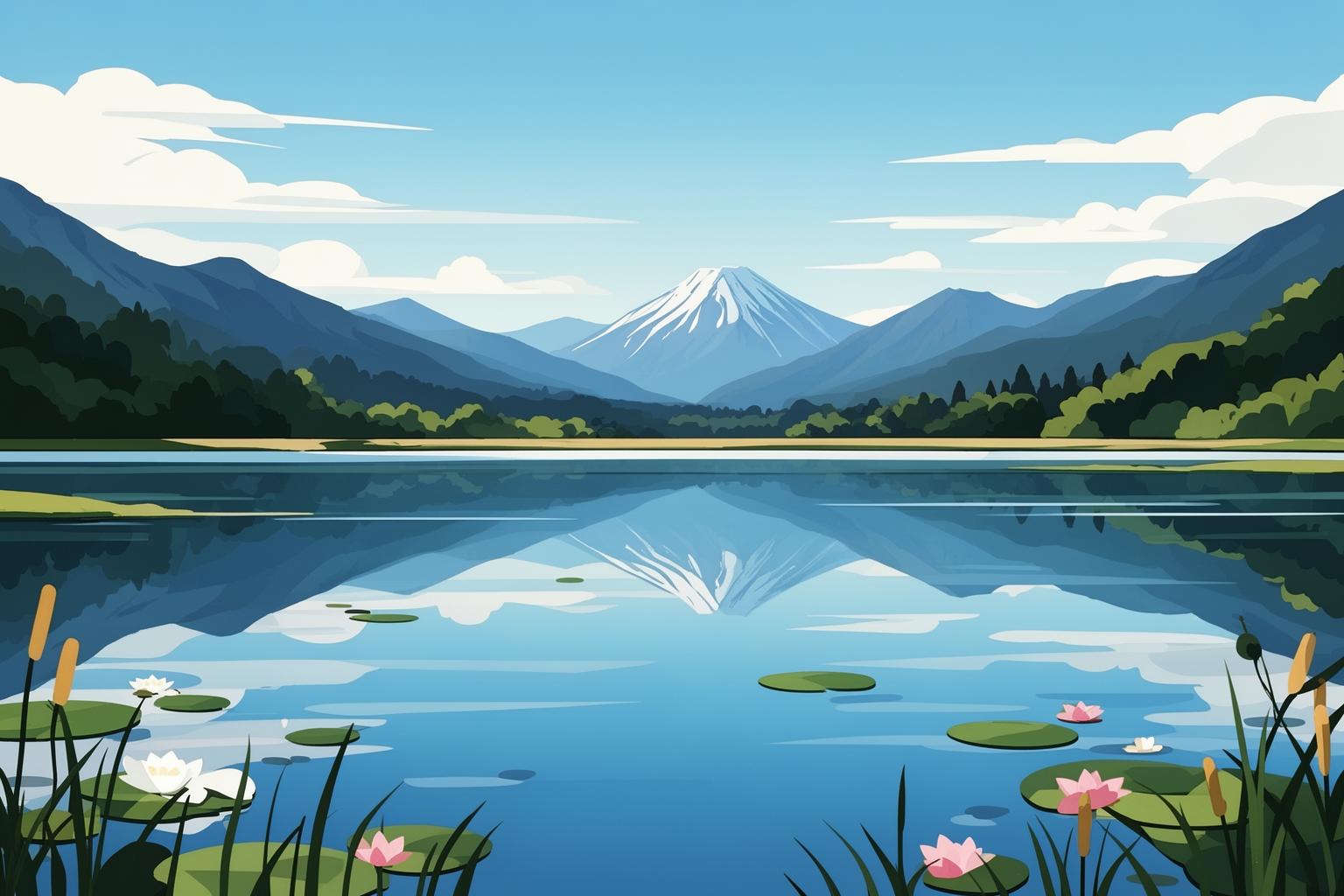
Perhaps the most stunning and poignant landscape in Your Name. is Lake Itomori, the crescent-shaped caldera lake around which Mitsuha’s town is built. The breathtaking panoramic views of the lake, especially at twilight when the comet splits the sky, are unforgettable. This landscape also has a real-world counterpart: Lake Suwa in Nagano Prefecture. Situated between Tokyo and Gifu, it’s a worthwhile and rewarding stop on a multi-day pilgrimage.
To capture that iconic, high-angle view, you need to visit Tateishi Park. Located on a hillside overlooking the lake, the park provides a vantage point strikingly similar to the views from Miyamizu Shrine in the film. Gazing out over the wide expanse of water, with the city of Suwa twinkling on its shores and mountains framing the horizon, the resemblance is remarkable. The best time to visit is undoubtedly during “magic hour,” just before sunset. As the sun sets behind the mountains, the sky and lake surface burst into a fiery palette of colors. It’s a moment of sublime beauty that seems lifted straight from a Makoto Shinkai film. You can’t help but feel a chill as you envision the Tiamat comet streaking across that very sky. It’s a place that powerfully blends the beauty of nature with the emotional weight of the story, leaving you with a lasting sense of wonder and a profound appreciation for the artistry that brought Lake Itomori to life.
Crafting Your Pilgrimage: Practical Advice
Setting out on a Your Name. pilgrimage takes some planning, but the rewards are tremendous. In Tokyo, getting around is simple thanks to the city’s top-notch public transportation system. A Suica or Pasmo card will be invaluable. Key spots in Shinjuku and Yotsuya can be visited in a single, well-organized day. Be sure to wear comfortable shoes, as there will be plenty of walking. Remember that many locations, such as the Suga Shrine staircase, are situated in residential neighborhoods, so maintain quiet and show respect for the locals who live there.
Traveling to the Hida region offers a different kind of experience—a journey into rural Japan. The usual route is to take the Shinkansen (bullet train) from Tokyo to Nagoya, then switch to the JR Hida Wide View limited express train. This ride is a stunning journey itself, winding through dramatic mountain valleys and scenic rivers, perfectly bridging the worlds of Taki and Mitsuha. Upon arrival in Hida-Furukawa, the main sites are all walkable from the station. However, trains run far less frequently than in Tokyo, so be sure to check schedules carefully, especially for your return trip. Consider spending a night in Hida or nearby Takayama to fully appreciate the area’s tranquil atmosphere and explore its rich culture beyond the anime spots. Don’t miss trying local specialties like Hida beef, mitarashi dango, and regional sake.
To visit Lake Suwa, you’ll need to continue via the JR Chuo Line from Shinjuku or Nagoya. From Kami-Suwa Station, Tateishi Park is either a bit of a hike or a short taxi ride, but the payoff is a breathtaking view. Combining all three regions—Tokyo, Hida, and Lake Suwa—into one itinerary makes for an epic week-long adventure. But even if your time is limited to just the Tokyo locations, the chance to step into the scenes of your favorite film is truly unforgettable.
The Threads of Connection

Exploring the real-world locations of Your Name. is more than mere sightseeing. It is an act of engagement—a way to physically connect with a story that has touched millions. Standing on that staircase in Yotsuya or gazing out over Lake Suwa, you come to understand that the magic of Makoto Shinkai’s creation lies not in fantasy, but in its profound bond with reality. He discovers the extraordinary within the ordinary, the sacred within the everyday. He reveals that our world, with its bustling cities and quiet towns, is filled with breathtaking beauty and moments of serendipitous connection, if only we take the time to notice.
A pilgrimage to these locations serves as a reaffirmation of the film’s central theme: musubi. It is the invisible thread that links people, places, and time together. As you journey from the lively chaos of Tokyo to the tranquil mountains of Gifu, you trace that thread. You connect yourself to the story, its characters, and the countless fans worldwide who have embarked on the same path. You arrive as a fan of the film, but leave with a deeper appreciation for the real Japan and the beautiful, intricate world that inspired such a masterpiece. You depart feeling, in a small yet meaningful way, connected.