There’s a certain kind of magic that lives inside a Studio Ghibli film. It’s a gentle, quiet magic, found in the rustle of a camphor tree, the determined flight of a young witch on her broomstick, or the comforting rumble of a Catbus. For decades, these animated masterpieces have felt less like movies and more like memories of a world we wish we knew. What if you could step through the screen and into that world? In the leafy, peaceful suburbs of western Tokyo, nestled on the edge of the sprawling Inokashira Park, you can. The Ghibli Museum in Mitaka isn’t just a building filled with art; it’s a living, breathing storybook, a whimsical labyrinth designed by the master storyteller Hayao Miyazaki himself. It operates on a beautifully simple philosophy, printed on its tickets: “Let’s get lost, together.” This isn’t a museum you observe from a distance. It’s an invitation to wander, to discover, to touch, and to feel the palpable heart of one of the world’s most beloved animation studios. It’s a place where the ordinary rules of time and space seem to bend, giving way to pure, unadulterated wonder. Before we open the door, let’s get our bearings in this enchanting corner of Tokyo.
Enhance your journey into this world of wonder by exploring the Ghibli museum experience, which offers a deeper look into the magic behind Studio Ghibli’s creations.
The Art of Getting Lost: Navigating Miyazaki’s Wonderland
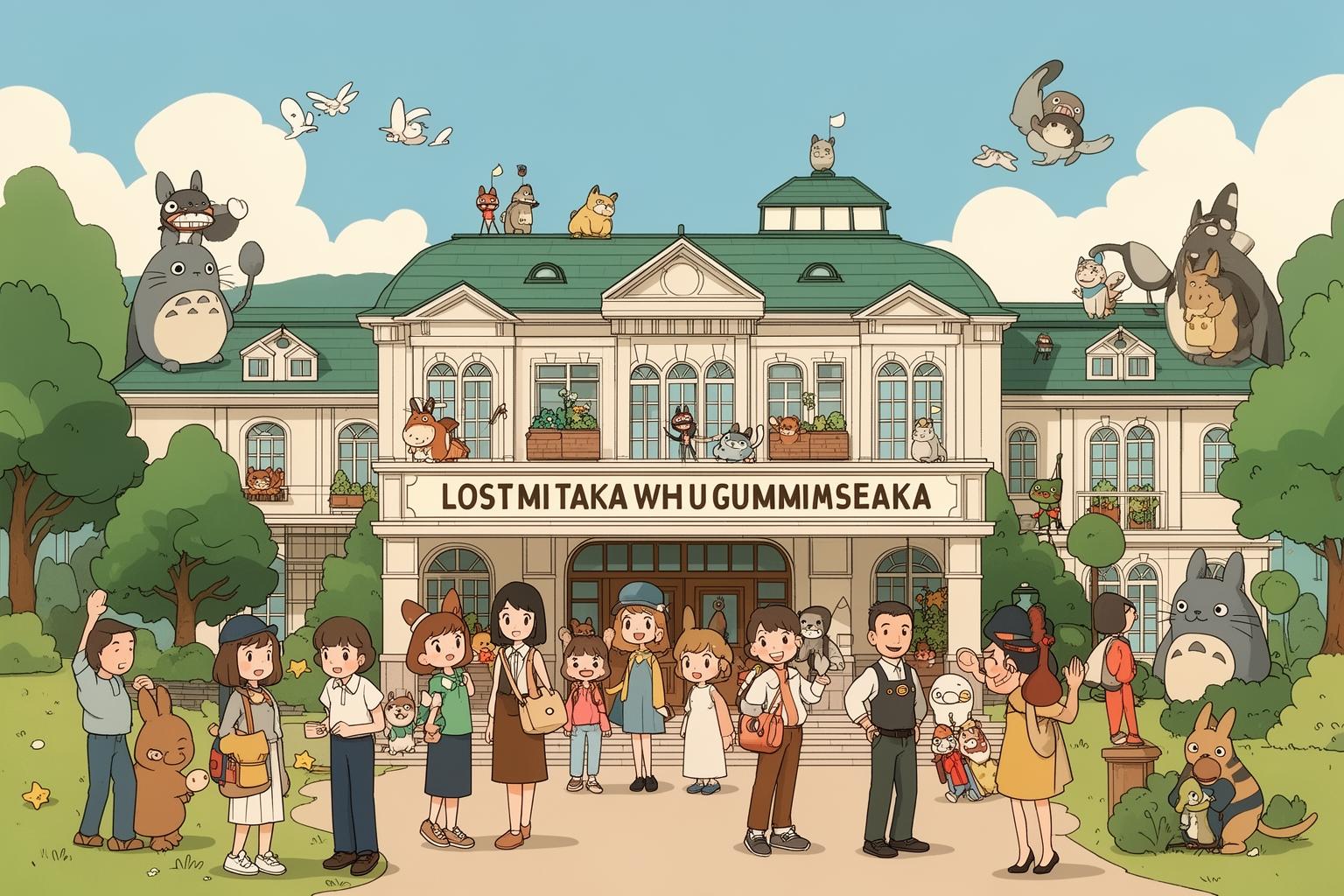
Your adventure begins even before you step inside. The museum appears as if it were taken straight from a European fairytale and carefully transplanted to Japan, draped in ivy and adorned with whimsical architectural details. Rather than grand columns or imposing facades, you encounter curved walls, a turret, and a warm, earthy color palette. Standing guard by a faux ticket booth is the museum’s most famous inhabitant—a giant, fuzzy Totoro. Though you can’t enter his little booth, posing for a photo with him is an essential first ritual, marking your passage from the ordinary into the magical. The true entrance lies just a bit further on, a modest wooden door that opens to a world of astonishing detail. Upon entering, the scale of the space shifts dramatically. The central hall is a towering, multi-story atrium crowned by a glass dome, featuring crisscrossing bridges, a spiral staircase that seems to float, and a vintage glass elevator resembling a magnificent birdcage. Light pours through stained-glass windows, but instead of saints, they portray vibrant Ghibli characters—Kiki on her broom, Totoro clutching his umbrella. The dark, warm woodwork invites closer inspection at every turn. You’ll notice there are no set paths or arrows directing your way. This embodies the spirit of “Let’s get lost together.” The design fosters exploration—you might discover a tiny door leading to a hidden balcony or a narrow corridor opening into a surprising space. The entire building is a puzzle box filled with wonders to uncover. One of the museum’s most daring and brilliant rules is the strict ban on photography and videography inside. In an era of constant documentation, this feels revolutionary. The impact is immediate and profound: phones vanish into pockets, eyes lift from screens, and you become fully present. You see dust motes dancing in the sunbeams filtering through stained glass, hear the delighted gasps of children, and the gentle whirring of kinetic sculptures. This rule compels you to create memories with your mind rather than your camera, making the experience intensely personal and deeply unforgettable.
A Glimpse Behind the Curtain: The Heart of Animation
The Ghibli Museum is fundamentally a tribute to the art and craftsmanship of animation. It lifts the veil not to erase the magic but to enhance your admiration for it. The main permanent exhibition stands as a tribute to the meticulous, human effort involved in bringing these imaginative worlds to life from the ground up. It offers a glimpse into the minds of the artists who conjure these stories into reality.
Where Sketches Come Alive: The Permanent Exhibitions
The central exhibition space, titled “Where a Film is Born,” is designed to resemble the cluttered, vibrant, and inspiring environment of an animation studio. The five rooms serve as a treasure trove for anyone curious about the filmmaking process. You navigate through a space that feels like an authentic artist’s workshop brimming with inspiration. Bookshelves sag under the weight of art books, nature encyclopedias, and vintage novels from across the globe. The walls are covered floor to ceiling with concept sketches, character designs, and stunning watercolor storyboards. You witness the transformation of a character from a simple pencil sketch to a fully developed personality. Desks are scattered with paint pots, pigments, well-used brushes, and stacks of reference materials—a model airplane, a collection of stones, a vintage photograph. The atmosphere feels deeply personal, as if the animators have just stepped away for a moment. It demystifies the creative process while simultaneously honoring it. You realize that magic isn’t conjured with a wand; it is created with pencil, paper, paint, and thousands of hours of dedicated labor. Among the most mesmerizing features is the display of three-dimensional zoetropes. These remarkable mechanical devices showcase models of Ghibli characters—Mei and a tiny Totoro skipping rope, the Catbus racing across the countryside—arranged in a circle. When the carousel spins beneath a strobe light, the still figures come to life in smooth, fluid motion. This pre-cinema animation technique, infused with Ghibli’s charm, produces pure, unfiltered joy. It’s impossible not to stand captivated, watching it spin repeatedly.
A Ticket to a Dream: The Saturn Theater
With your museum admission, you also receive access to an exclusive screening. The Saturn Theater, a cozy cinema on the ground floor, presents original animated short films that cannot be viewed anywhere else in the world. The theater itself is an artwork. Its ceiling is painted a deep blue sky featuring a smiling sun, which transforms into a full moon and stars when the lights dim. The windows are equipped with automated shutters that open and close with a satisfying mechanical clatter, controlled by a delightful animated projectionist. The ticket you receive at entry is no ordinary paper stub; it is a unique piece of 35mm film strip from one of the Ghibli movies—a precious, tangible memento of cinematic history to take home. The films rotate, providing a fresh experience on each visit. They are without dialogue, relying on beautiful music and expressive animation to tell their stories, making them accessible to everyone regardless of language. These short, enchanting tales—a water spider falling in love, or a group of sumo-wrestling mice—are quintessentially Ghibli. They brim with the same heart, humor, and visual brilliance as the feature films, condensed into a perfect fifteen-minute burst of happiness. Sitting in that special room, watching a story unfold that only a few in the world witness on any given day, is a truly treasured part of the Ghibli Museum experience.
Beyond the Screens: Playgrounds and Gentle Giants
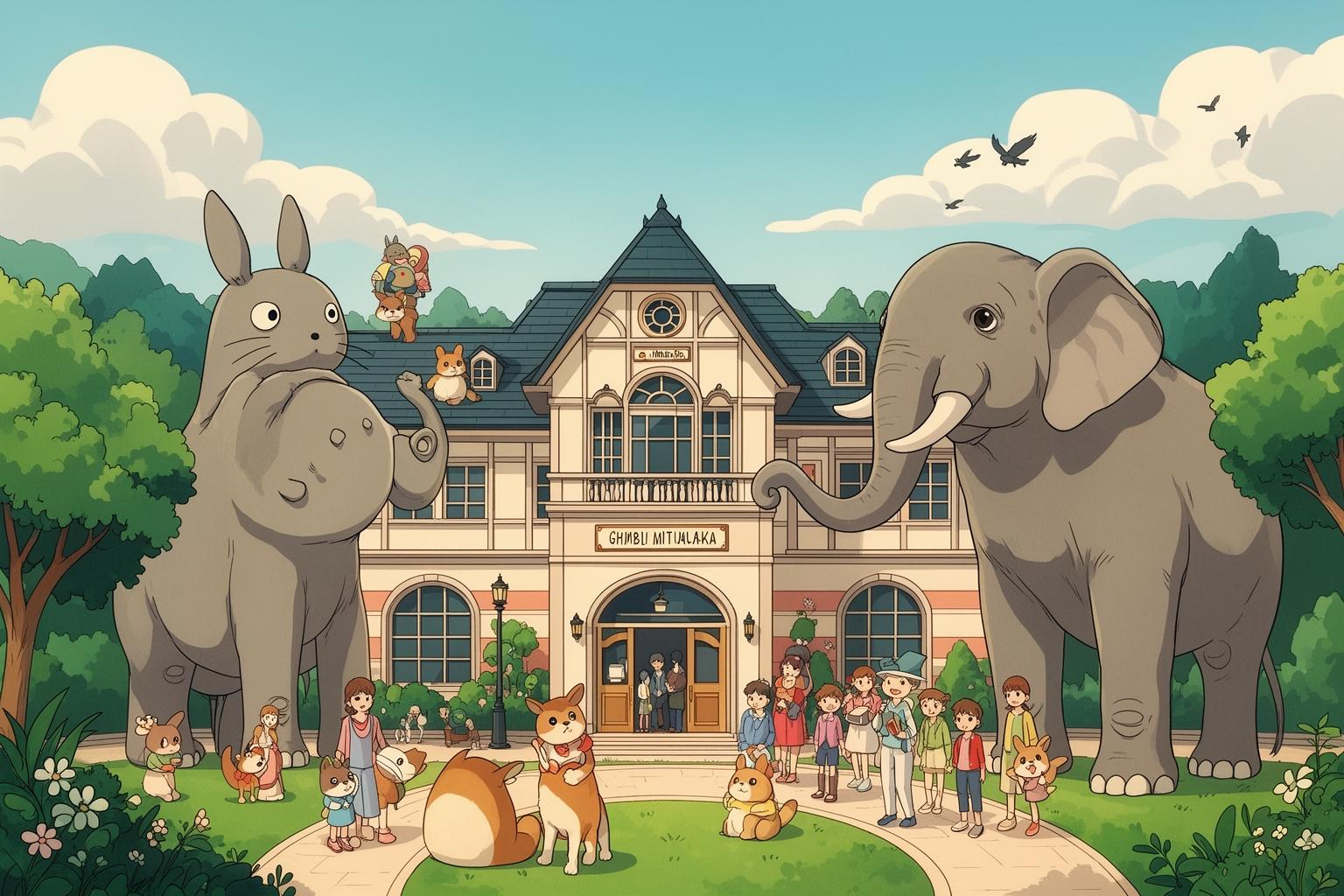
While the exhibitions center on the art of animation, the museum also values the significance of play and quiet reflection. Two of its most iconic features are not located in the main building but rather in dedicated children’s areas and on the tranquil rooftop, each offering unique immersive experiences.
The Whispers of the Catbus
For families visiting with young children, one destination is spoken of in hushed, excited tones: the Catbus room. Hidden away on the second floor is a life-sized, incredibly plush replica of the Catbus from My Neighbor Totoro, and it truly is a child’s paradise. This exclusive area allows only elementary school-aged children and younger to climb aboard and inside. Parents watch from the sidelines as pure, uninhibited joy unfolds. The Catbus is soft, climbable, and filled with equally soft, throwable Soot Sprites. Children dive into its fuzzy interior, peer out through its grinning windows, and bounce with infectious energy that is a delight to witness. It’s a brilliant example of interactive design, enabling the youngest fans to physically connect with one of the most cherished creations of the Ghibli universe. It’s a moment when the film world becomes tangible for them, and seeing their faces light up is a magical experience for the adults observing.
Guardian of the Garden: The Robot Soldier
After exploring the vibrant and stimulating interior, a trip to the rooftop offers a welcome change of pace. A narrow wrought-iron spiral staircase near the Catbus room leads upward to an open-air rooftop garden. There, among the greenery, stands the museum’s silent, solemn guardian: a five-meter-tall Robot Soldier from Castle in the Sky. The statue appears weathered and peaceful, with moss and vines gradually creeping up its long limbs, as if it has been watching over this corner of Mitaka for centuries. It’s an extraordinarily powerful sight. Unlike the playful Totoro downstairs, the Robot Soldier evokes a sense of ancient history and gentle melancholy. Photography is allowed here, and visitors take turns capturing the moment. More than just a photo spot, the rooftop is a place for quiet reflection. From this vantage point, you can gaze out over the lush canopy of Inokashira Park and feel far removed from the ceaseless energy of Tokyo. Nearby, hidden in a tangle of overgrown vines, lies the keystone from Laputa, inscribed with its mysterious glowing script. It’s a space that feels sacred, serving as a perfect, peaceful conclusion to the lively exploration of the floors below.
The Practical Magic: Securing Your Golden Ticket
Despite its whimsical appeal, visiting the Ghibli Museum demands careful real-world planning. You cannot simply arrive and purchase a ticket at the door. Entry is tightly regulated through a timed-entry system, and tickets are among the most in-demand in all of Japan. Although the process might feel intimidating, with some preparation, you can secure your own golden ticket into this enchanting world.
The Quest for Entry: A Guide to Booking
For international visitors, the main way to buy tickets is via the official online seller, Lawson Ticket. This is where the challenge starts. Tickets for each month go on sale at 10:00 AM Japan Standard Time on the 10th of the previous month. For example, all tickets for July become available on June 10th. The demand is overwhelming, and the website is flooded with attempts as soon as tickets are released. They often sell out for the entire month within the first hour. To have a chance, you must be well-prepared. Know the exact date and time slot you want ahead of time. Be logged into the website a few minutes before the sale begins, ready to refresh. Have your passport information and credit card details ready, as you’ll need to enter the names of all attendees exactly as shown on their passports. The experience can be frustrating with slow loading pages and error messages, but perseverance is essential. If the official site isn’t an option, some third-party travel agencies and tour operators sell packages that include Ghibli Museum tickets. Although these are considerably more costly, they guarantee entry and reduce stress. Still, securing a ticket through the official site, while challenging, is incredibly rewarding.
The Journey to Mitaka: Access and Arrival
Once you have your treasured ticket, getting to the museum is a delightful experience in itself. The museum sits between two JR Chuo Line stations: Mitaka and Kichijoji. Each offers a unique way to arrive. From Mitaka Station’s South Exit, you can take a special community bus that shuttles visitors directly to the museum. The bus is decorated with Ghibli characters and is a charming, convenient choice, especially for families with young children or those with mobility issues. The trip is short and drops you close to the entrance. The other, and highly recommended, option is to walk from Kichijoji Station. This path allows you to wander through the beautiful Inokashira Park, a perfect introduction to the Ghibli experience. The walk takes around fifteen to twenty minutes along a well-marked trail. Along the way, you’ll see a large pond with swan boats, ancient trees, and small shrines. It’s a wonderful way to unwind from the urban bustle of central Tokyo and transition into the softer, more natural world Miyazaki often portrays in his films. Whichever route you pick, be sure to arrive within the thirty-minute entry window printed on your ticket, as they enforce this strictly. Arriving a bit early to enjoy the surroundings is always a good idea.
Fuel for Imagination: The Straw Hat Café
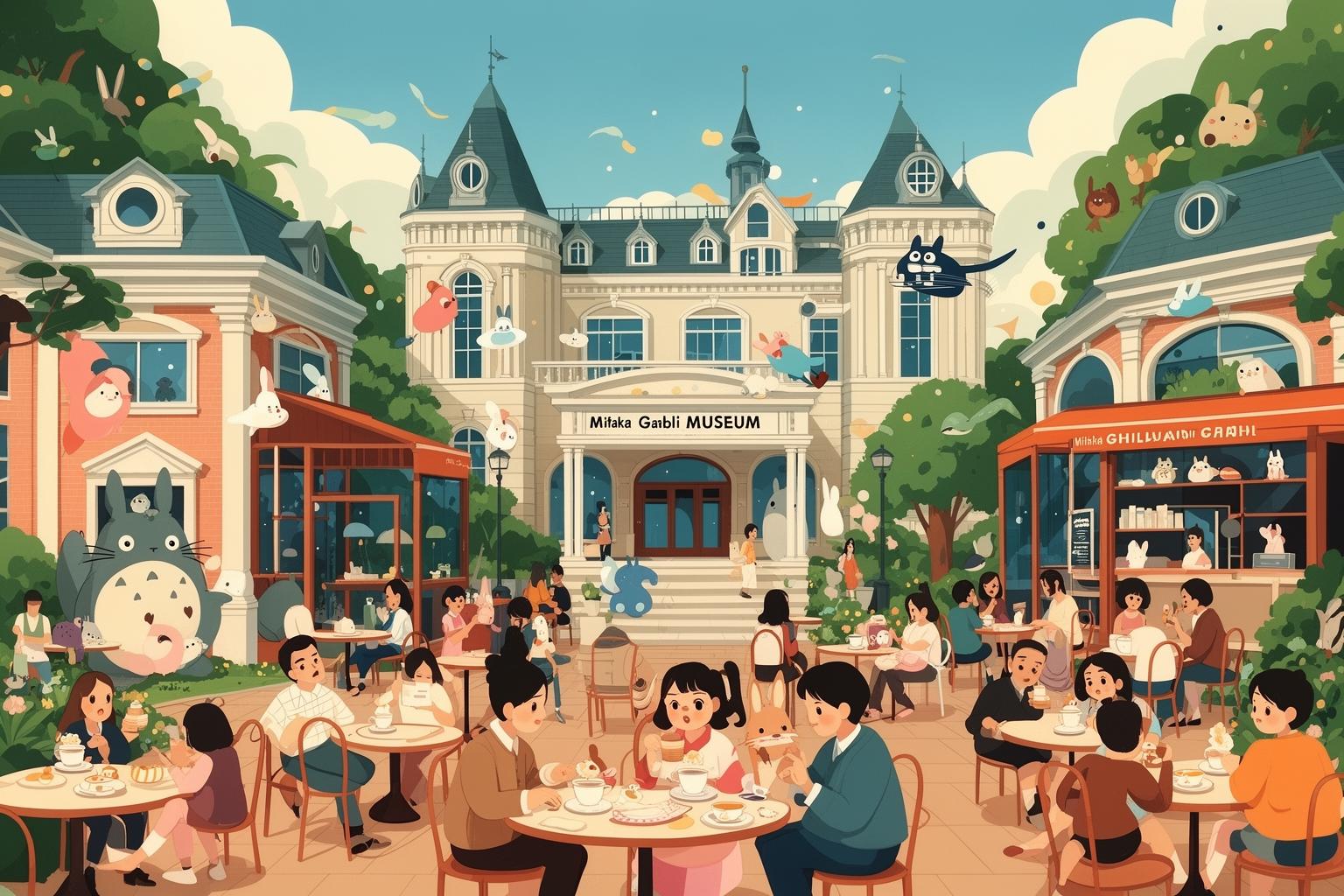
Exploring the wonders of the Ghibli Museum can certainly build up an appetite. Luckily, you don’t have to leave the magical world behind to find something to eat. The Straw Hat Café, or Mugiwaraboshi, is the museum’s own charming eatery, serving simple, wholesome dishes that feel as if they came straight from a Ghibli kitchen. The café’s philosophy centers on providing honest, home-style cooking. The menu isn’t overly elaborate, but it is both delicious and comforting. You’ll find hearty pork cutlet sandwiches, fluffy omelets with rice, colorful vegetable soups, and tasty cakes and pastries. Their signature cream soda, topped with a scoop of ice cream and a cherry, offers a nostalgic treat. Everything is served on beautiful, custom-designed tableware featuring Ghibli characters. The café itself is bright and airy, with large windows overlooking the trees and a warm, rustic wooden interior. Be aware that the café is very popular and small, so queues are almost inevitable, especially around lunchtime. However, there is a takeaway stand outside providing hot dogs, ice cream, and a special roasted barley tea, which is a great option if you’re short on time or want a quick snack to enjoy in the outdoor seating area. Adjacent to the main building is also the museum’s gift shop, Mamma Aiuto, named after the sky pirates from Porco Rosso. It’s stocked with exclusive merchandise you won’t find anywhere else, ranging from beautiful art books and model kits to plush toys and stationery. Nearby, the Tri Hawks reading room offers a quiet space to sit and browse a curated selection of children’s books recommended by Hayao Miyazaki and the museum staff.
Extending the Adventure: Exploring Kichijoji and Inokashira Park
Your day of Ghibli magic doesn’t have to end when you leave the museum. The nearby area is one of Tokyo’s most charming and vibrant neighborhoods, offering an ideal way to continue your adventure. Inokashira Park, which you might have already strolled through, is worth exploring on its own. You can rent a swan-shaped paddle boat to glide across the peaceful pond, visit the small but beautiful Benzaiten Shrine dedicated to the goddess of water and fortune, or simply take a seat on a bench and watch the world go by. On weekends, the park comes alive with street performers, musicians, and local artists selling their crafts. Beyond the park is the neighborhood of Kichijoji, consistently ranked as one of Tokyo’s most desirable places to live. Kichijoji offers a relaxed, trendy atmosphere that perfectly blends the old and the new. You can lose yourself in the maze-like alleys of Harmonica Yokocho, a network of tiny post-war streets lined with standing bars, ramen shops, and fishmongers, or explore Sunroad, a covered shopping arcade packed with a mix of modern boutiques, traditional craft stores, and quirky vintage shops. It’s an excellent area for food lovers, shoppers, and anyone wanting to experience an authentic taste of local Tokyo life away from the main tourist spots. Spending the afternoon in Kichijoji is an ideal way to complement your museum visit, offering a glimpse into the charming, detailed world that clearly inspires the settings of Studio Ghibli’s films.
A Final Thought: The Souvenir You Can’t Buy
As you finally leave the Ghibli Museum, perhaps with a small filmstrip ticket tucked in your pocket and a Totoro plush in your bag, you realize that the most valuable souvenir you carry is intangible. It’s a renewed sense of wonder, a deeper appreciation for craftsmanship, and a gentle reminder to seek out the magic hidden in the small details of everyday life. The museum is more than just a tribute to a beloved series of films; it is a tangible expression of a worldview. It embodies a belief in the power of imagination, the importance of hard work, and the need to view the world with kindness and curiosity. It teaches you that getting lost is okay, because it is through wandering and searching that the most beautiful discoveries are made. The Ghibli Museum doesn’t merely show you how films are created; it reveals how a little bit of magic is brought into the world and inspires you to go out and find—or create—your own.