
There are films that you watch, and then there are films that you feel. They seep into your consciousness, leaving an indelible mark, a lingering sense of wonder that hums just beneath the surface of your daily life. Makoto Shinkai’s 2016 masterpiece, Your Name (Kimi no Na wa), is one such film. It’s a story that transcends its animated medium, weaving a breathtaking tapestry of love, loss, and cosmic destiny that captivated the world. It’s a tale of two souls—Taki, a high school boy navigating the electric maze of Tokyo, and Mitsuha, a girl from a tranquil mountain town, yearning for a life she’s only dreamed of. Their sudden, inexplicable swapping of bodies unfolds into a narrative far grander than they could ever imagine, a desperate race against time and fate itself, all tied together by the shimmering, hauntingly beautiful thread of a once-in-a-millennium comet.
The film’s emotional core is so powerful, its visuals so stunningly realistic, that for many of us, the world of Taki and Mitsuha felt tangible, a place we could almost step into. And in Japan, you can. This is the heart of seichi junrei, or sacred site pilgrimage, a phenomenon where fans travel to the real-world locations that inspired their favorite anime. It’s more than simple tourism; it’s an act of devotion, a way to bridge the gap between fiction and reality, to stand in the very spots where beloved characters lived, laughed, and cried. A pilgrimage for Your Name is a journey of profound contrasts, mirroring the lives of its protagonists. It’s a dance between the relentless, vertical energy of Tokyo and the serene, horizontal calm of rural Gifu Prefecture. It’s a chance to feel the pulse of the city that shaped Taki and breathe the mountain air that was Mitsuha’s world. This journey isn’t just about seeing the sights; it’s about understanding the story’s soul on a deeper level, about finding your own connection—your own musubi—to this incredible tale.
Embracing the spirit of seichi junrei, you might also discover how a visit to Yakushima’s ancient forests offers an evocative counterpoint to the cinematic landscapes of Your Name.
Tokyo: The Urban Heartbeat of Taki’s World
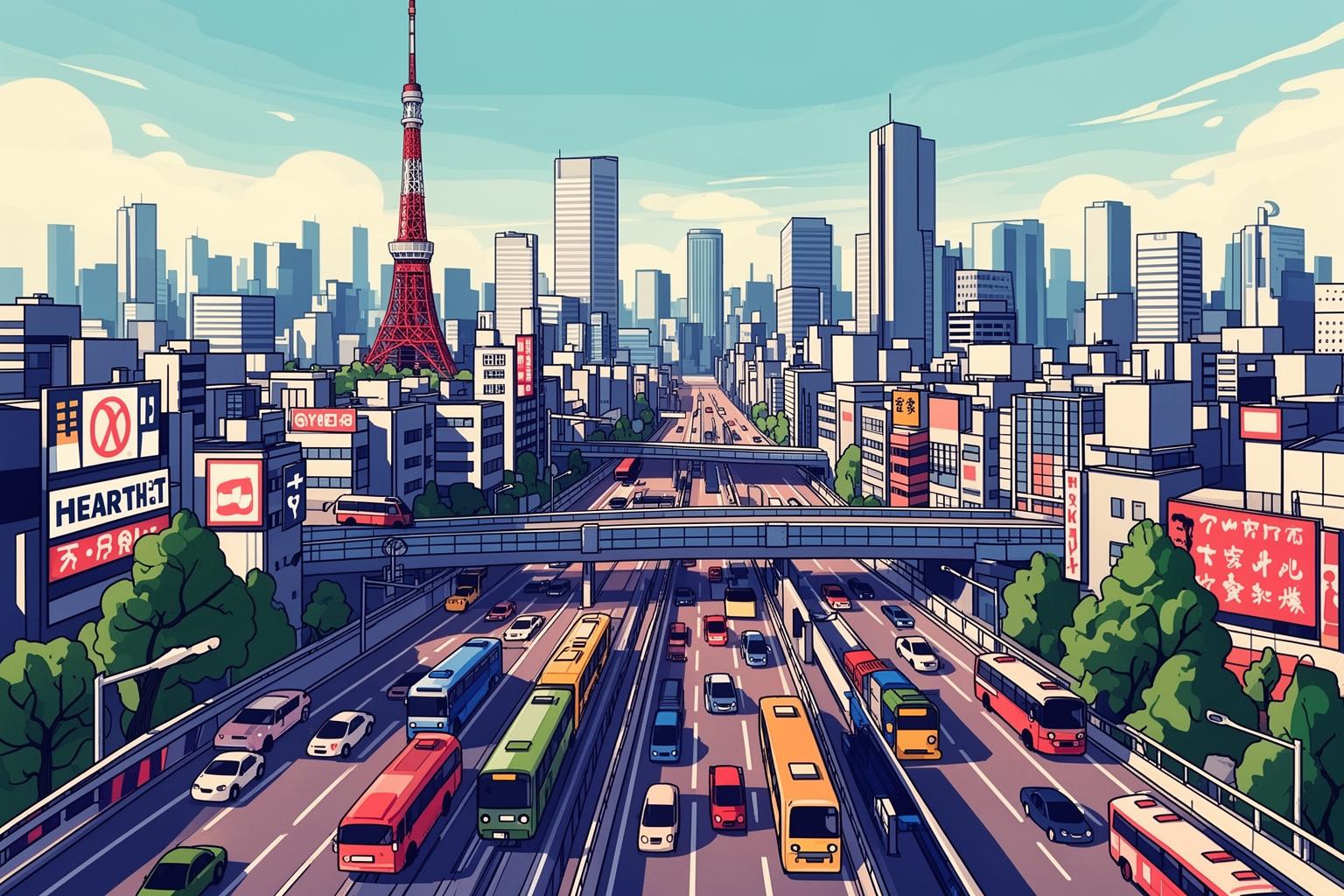
Our pilgrimage starts where Taki’s story begins, in the vast, dazzling metropolis of Tokyo. Shinkai, a master of photorealistic backgrounds, depicted the city with such affectionate detail that wandering its streets feels like stepping directly into an animation cel. Tokyo isn’t merely a backdrop in Your Name; it acts as a character itself—dynamic, indifferent, yet filled with hidden pockets of beauty and connection. It’s a city of a million intersecting lives, the perfect setting for a tale about two people desperately searching for each other amid the crowd.
The Suga Shrine Steps: A Fateful Meeting
No place is more sacred to a Your Name pilgrim than this one. The iconic red-railed staircase of the Suga Shrine in Yotsuya serves as the setting for the film’s poignant, beautifully hopeful final scene. Finding it is a journey in itself. You disembark at Yotsuya Station and stroll through a quiet, unassuming residential neighborhood. The roar of central Tokyo fades, replaced by the soft hum of everyday life. Then, there it is—the curve of the street, the incline, the distinct red handrails sharply contrasting with the green trees and blue sky. The sensation is electric. Time seems to slow. Though you’ve seen this image countless times on screen, standing at the bottom looking up, or at the top looking down, lets you feel the full gravity of Taki and Mitsuha’s journey.
This is where their search ultimately ends, where two timelines, two lives, finally meet in a single, breathless moment. To capture the magic best, try to visit in the late afternoon. As the sun begins to set, the light softens and turns golden, filtering through the leaves just as it does in the film. This “magic hour” light lends an ethereal glow, making the scene feel all the more cinematic. You’ll likely encounter other fans there, each patiently waiting to capture that perfect shot, recreating the movie’s poster. There is a quiet camaraderie in these shared moments, an unspoken understanding of why you’ve all traveled here. It’s a residential area, so a gentle reminder to be quiet and respectful of the locals is important. The shrine itself, perched at the top of the stairs, is a small, peaceful Shinto sanctuary. Take a moment to offer a prayer, perhaps for your own connections, before descending the steps, your heart just a little fuller.
Shinjuku’s Concrete Jungle: Taki’s Everyday Life
If the Suga Shrine represents the emotional climax, Shinjuku is the film’s vibrant, beating heart. This is Taki’s home turf—a dizzying landscape of towering skyscrapers, neon-lit streets, and an endless flow of people. Here we see his world in motion, a sharp contrast to Mitsuha’s rural calm.
Shinjuku Station: The Maze of Connections
As one of the busiest transport hubs in the world, Shinjuku Station is an event in itself. It’s a symphony of controlled chaos, a pulsing digital heart beating to the rhythm of a million daily commutes. The film perfectly conveys this overwhelming scale, the feeling of being a lone anonymous person swept along by the current. Navigating its labyrinthine corridors and countless exits can be intimidating for first-timers, but it’s essential to understanding Taki’s environment. You don’t need a destination; just immerse yourself in the flow—observe hurried footsteps, train announcements echoing through the halls, waves of people parting and merging. It’s the place Taki traveled through to school, work, and friends—a space of constant movement, physically representing the connections made and missed that define urban life.
Cafe La Bohème Shinjuku Gyoen: Taki’s Workplace
A short walk from Shinjuku Station’s chaos is a surprising oasis of calm: Cafe La Bohème, the real-life Italian restaurant that inspired Taki’s part-time job. Entering feels like stepping onto the film’s set. The high ceilings, elegant décor, and grand windows overlooking the lush greenery of Shinjuku Gyoen National Garden are all there. The atmosphere is sophisticated yet inviting. You can ask for a seat in the area where Taki and his co-worker, the charming Okudera-senpai, served customers. The staff know of the restaurant’s fame and warmly welcome fans.
This is a chance to not only see but taste the world of the film. Order pasta or pizza, sip coffee, and soak it all in. Imagine the clatter of plates, Taki’s conversations, moments of quiet reflection during a slow shift. It’s a perfect spot to pause your pilgrimage, rest your feet, and relive some of the movie’s lighter, more personal moments. It creates a tangible connection to Taki’s daily struggles and dreams, making his character feel even more real.
The National Art Center, Tokyo: A Date with Art and Possibility
One of the most memorable scenes from Taki’s Tokyo life is his date with Okudera-senpai. Their destination: the stunning National Art Center in Roppongi, an architectural marvel of glass and steel. Designed by the renowned Kisho Kurokawa, the building features a vast, undulating glass facade that floods the interior with natural light. Even if you aren’t an art lover, the building alone is worth visiting. Riding the escalator through the grand atrium, you’ll instantly recognize the setting. The pair have lunch at Brasserie Paul Bocuse Le Musée, a chic café perched atop a giant concrete cone inside the center. While securing a table can be difficult, you can still stand in the same spot and admire the view, looking down at the space just as they did. The center hosts various world-class, rotating exhibitions, so there’s always something new to discover. The visit adds another dimension to Taki’s character, highlighting his appreciation for design and beauty and hinting at his future aspirations as an architect.
Shinjuku’s Signature Views
Shinkai’s time-lapses of the Tokyo skyline are a visual hallmark of the film. One recurring image is the view of Shinjuku’s skyscrapers, with the distinctive, clock-tower-like NTT Docomo Yoyogi Building standing out prominently. While there’s no single, easily accessible spot to perfectly replicate every shot, you can find similar views from various locations. The pedestrian bridge near Shinjuku Station’s south exit offers an excellent ground-level perspective. For a higher vantage point, the observation decks of the Tokyo Metropolitan Government Building are free and provide breathtaking panoramas, especially as daylight fades and the cityscape begins to sparkle. Seeing this view with your own eyes, you can almost hear Radwimps’ beautiful score playing in your mind—a soundtrack to the city’s endless, stunning complexity.
Gifu: The Soul of Mitsuha’s Itomori
After soaking in the electric energy of Tokyo, the second phase of our pilgrimage leads us deep into the heart of Japan, to the tranquil landscapes of Gifu Prefecture. This region inspired Itomori, Mitsuha’s fictional hometown. Traveling here means exchanging the roar of trains for the whisper of the wind, and the concrete canyons for rolling mountains. It’s a journey into a world of tradition, nature, and the gentle rhythms of rural life that shaped Mitsuha’s essence.
Hida-Furukawa: The Real-Life Itomori
The quaint town of Hida-Furukawa, nestled in the mountainous Hida region, is the primary inspiration for Itomori. The moment you step off the train, the contrast with Tokyo is striking. The air feels fresher, the pace is slower, and the town features beautifully preserved wooden buildings and canals where colorful koi swim leisurely. Hida-Furukawa radiates a timeless atmosphere, making it the ideal real-world counterpart for a town steeped in ancient traditions like Mitsuha’s.
Hida-Furukawa Station: A Gateway to Memory
This small, modest train station is the first and most recognizable landmark for any pilgrim. It’s where Taki and his friends arrive on their quest to find Mitsuha, armed only with Taki’s sketches of the landscape. From the platform, the scene is perfectly clear: the pedestrian overpass, the tracks stretching into the distance, and the taxi stand where they seek information. You might even spot the local express train featured in the film pulling into the station. On the platform, look for the Hida-gyu mascot, a cartoon cow, a small but meaningful detail confirming you’re in the right place. The station is more than just a transit point; it’s the gateway to Mitsuha’s world, where Taki’s desperate search brings him one step closer to the truth.
Hida City Library: A Trove of Clues
Only a ten-minute walk from the station stands another crucial spot: the Hida City Library. Here, Taki uncovers the heartbreaking truth about Itomori and the comet. The library is a beautiful, modern building with warm wooden interiors and a serene, studious ambiance. The librarians warmly welcome Your Name fans, understanding the library’s significance, and have set up a small corner dedicated to the film, complete with a guestbook for visitors. While photography is usually discouraged in libraries, they make an exception here. You can request permission at the front desk, and they will issue a pass allowing you to take photos in the very spot where Taki sat, poring over the town’s historical records. Sitting there, surrounded by books under gentle light, you sense the weight of Taki’s discovery. It’s a quiet, reflective experience that deeply connects you to one of the story’s most dramatic moments. Please remain silent and respectful of other patrons who come to read and study.
Keta Wakamiya Shrine and Ajidokoro Furukawa
The Miyamizu Shrine, where Mitsuha and her sister served as shrine maidens, is a blend of several locations. However, the Keta Wakamiya Shrine in Hida-Furukawa is widely regarded as one of its main inspirations. The long stone staircase leading up to the shrine immediately evokes the steps Mitsuha climbed. As you ascend, the town’s noises fade away, replaced by cicadas’ chirping and rustling leaves. The shrine itself is peaceful and ancient, a place seemingly disconnected from the modern world. It’s easy to imagine the sacred kuchikamizake ritual taking place here, symbolizing a connection across past, present, and future.
After your spiritual visit, you can satisfy your hunger at Ajidokoro Furukawa, a local eatery. There, you can try goheimochi, grilled rice cake skewers coated in a sweet and savory miso sauce, just like what Taki and his friends enjoy in the film. Tasting this regional specialty is another simple but powerful way to connect with the movie, experiencing the flavors that Taki himself discovered.
Lake Suwa: The Crater’s Reflection
While Hida-Furukawa represents the townscape of Itomori, the breathtaking view of the town’s lake, set within what seems to be a crater, comes from a different location: Lake Suwa, in neighboring Nagano Prefecture. The resemblance is unmistakable. To capture the iconic, film-perfect view, head to the Tateishi Park observation deck, perched on a hill overlooking the lake. From there, the shape of the lake and the surrounding town spread below is an astonishingly precise match to the vistas of Itomori. It’s a surreal experience to behold the landscape where the film’s beauty and tragedy unfolded. Standing there, especially as dusk falls and city lights begin to shimmer, you can’t help but imagine the comet splitting across the sky above. It’s a deeply moving sight, both beautiful and melancholic, serving as the final, stunning piece of the Itomori puzzle.
The Deeper Meaning of the Pilgrimage

A journey through the world of Your Name is more than just ticking off photo spots; it is an exploration of the film’s core themes. The stark contrast between Tokyo and Hida lets you physically sense the cultural and emotional distance between Taki and Mitsuha. You experience the overwhelming anonymity of the city and the intimate, sometimes suffocating closeness of a small town. You begin to grasp Taki’s world of ambition and progress, alongside Mitsuha’s world of tradition and destiny.
The entire pilgrimage becomes a practice in feeling musubi, the mystical concept of connection that Mitsuha’s grandmother describes. It is the intricate, invisible thread linking people, places, and time itself. As you move from a café in Tokyo to a shrine in Gifu, you trace that thread, actively connecting Taki’s reality with Mitsuha’s and uniting their two separate worlds, as they did. Each location resonates with the film’s emotions—the longing, the confusion, the dawning realization, the desperate hope. Standing on the Suga Shrine steps, you sense the culmination of that hope. Gazing over Lake Suwa, you feel the weight of a narrowly averted fate. This pilgrimage enhances your appreciation of Shinkai’s storytelling, turning a passive viewing into an active, emotional, and unforgettable journey.
A Practical Guide for Your Own Journey
Embarking on this pilgrimage is an amazing journey, and a bit of planning can greatly help ensure it goes smoothly and is thoroughly enjoyable.
Planning Your Itinerary
To fully appreciate both the Tokyo and Gifu locations, allocate at least four to five days. Spend two full days in Tokyo to comfortably explore areas like Shinjuku, Yotsuya, and Roppongi without feeling rushed. For the rural segment, set aside two days as well—one for exploring Hida-Furukawa and another for travel to and from the region, possibly including a visit to Lake Suwa. The Hida region is also near the charming historic town of Takayama, which makes an excellent addition to your trip.
Getting Around
Japan’s public transportation system is outstanding. When traveling between Tokyo and the Hida region, the Japan Rail Pass is a highly valuable and economical choice, especially if you plan to undertake other long-distance journeys. From Tokyo, take a Shinkansen (bullet train) to Nagoya or Toyama, then transfer to the JR Hida Wide View Express line—a scenic route that meanders through mountains and along rivers. In Tokyo, having a Suica or Pasmo IC card is essential for conveniently tapping on and off subways and local trains.
Etiquette and Respect
Keep in mind these are not theme parks but genuine places where people live, work, and worship. When visiting shrines such as Suga Shrine and Keta Wakamiya Shrine, maintain a quiet and respectful demeanor. Follow the appropriate prayer etiquette if you choose to participate. At Hida City Library, silence is particularly important. In the residential area around Suga Shrine, speak softly and avoid obstructing traffic while taking photos. Being a considerate and respectful pilgrim helps ensure these places remain welcoming to fans for years ahead.
What to Pack
Comfortable walking shoes are essential, as you’ll be doing a great deal of walking, especially in Tokyo. A portable phone charger is indispensable for both navigation and capturing countless photos. A quality camera will allow you to beautifully document the world of Shinkai. For a truly special experience, consider downloading Your Name onto a tablet or phone—watching a scene at its actual location offers a uniquely magical moment that completes the pilgrimage perfectly.
The Echo of a Name

Completing the Your Name pilgrimage feels like awakening from a beautiful dream—one you still remember vividly. The places you’ve visited are no longer merely film settings; they now carry your own memories and footsteps. You’ve followed the path of a comet, traced the red thread of fate, and stood at the crossroads of two worlds. The journey leaves you with more than photos; it leaves you with a feeling—the same profound connection and bittersweet hope that made the film a global phenomenon. You depart with the echo of a story in your heart, always searching for something, or someone. And as you walk away from the final staircase, you might find yourself turning back, a question lingering on your lips, hoping to catch a familiar voice in the crowd. After all, the search is the most beautiful part of the journey.