
Some stories feel less like they were written and more like they were discovered, unearthed from a collective dream we never knew we all shared. Makoto Shinkai’s masterpiece, Your Name., or Kimi no Na wa., is one such story. It’s a celestial symphony of crossed stars, body-swapping teenagers, and a desperate race against time, all woven together by the red thread of fate. The film captured the world’s imagination not just with its breathtaking animation and heart-wrenching plot, but with a profound sense of place. The bustling Tokyo streets where Taki Tachibana lives and the serene, traditional town of Itomori that is home to Mitsuha Miyamizu feel so real because, in many ways, they are. They are mosaics of actual locations scattered across Japan, each breathing with a life of its own, waiting for fans to come and experience the magic firsthand. This journey, this act of visiting the inspirational settings of our favorite media, is known in Japan as seichi junrei—a sacred pilgrimage. It’s a chance to step through the screen and walk the same paths as the characters, to feel the same sun on your face, and to understand the story on a deeper, more tangible level. It transforms fiction into a living memory. This guide is your invitation to that pilgrimage, a map that leads from the electric heart of the world’s largest metropolis to the tranquil soul of its mountainous countryside, tracing the footsteps of Taki and Mitsuha and maybe, just maybe, finding a connection you were always searching for.
Embark on an extended journey through Japan’s cinematic sites by delving into this comprehensive guide on its real-life locations.
Tokyo’s Urban Heartbeat: Taki’s World
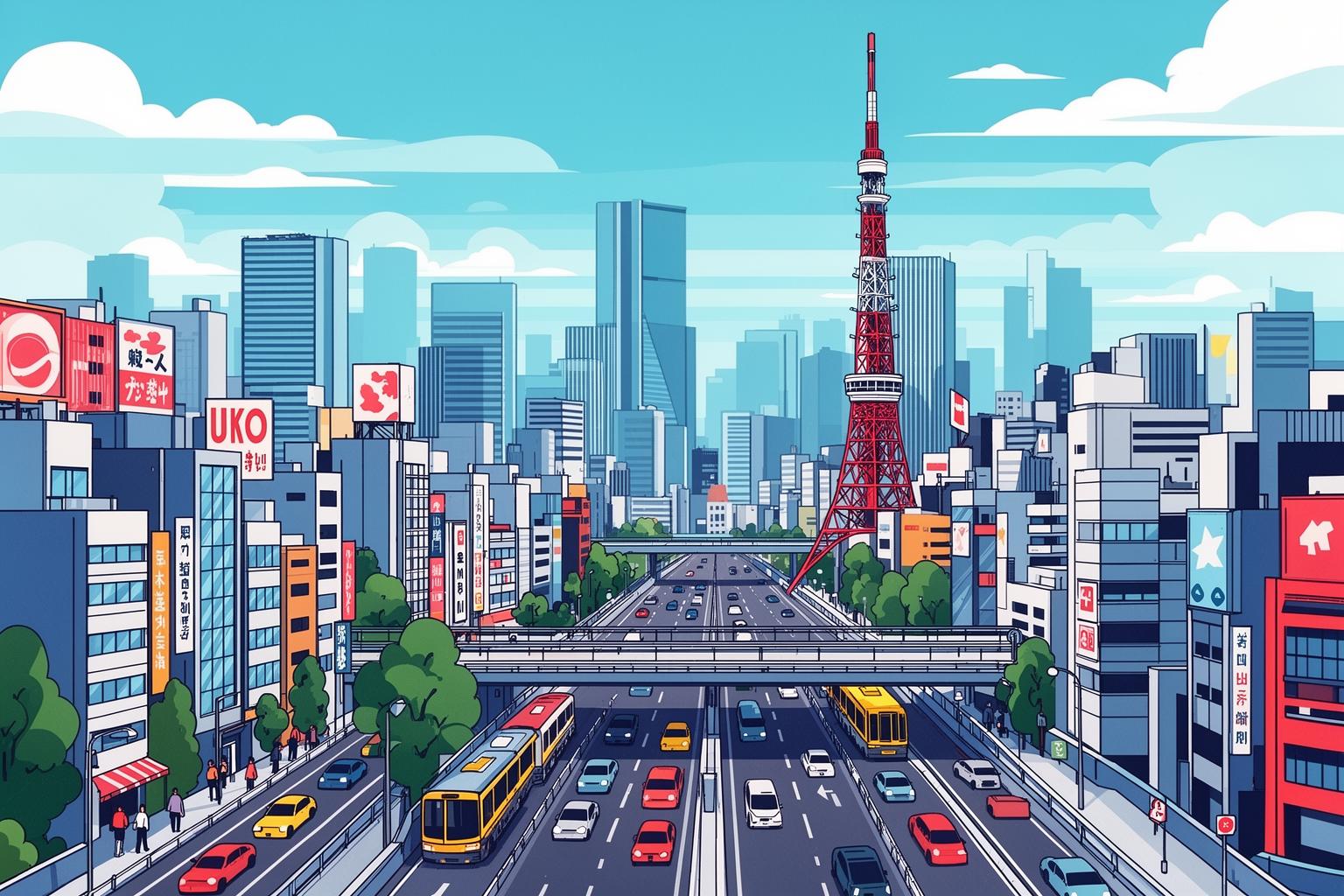
Our pilgrimage begins at the very heart of Taki’s story—in the sprawling, vibrant, and endlessly dynamic city of Tokyo. Shinkai expertly portrays the capital not merely as a backdrop but as a character itself—a place of poignant solitude, where millions of parallel lives seldom intersect. Wandering through Shinjuku and Yotsuya lets you feel the rhythm of Taki’s daily routine: the heartbeat of his ambitions, friendships, and the dawning realization that a part of his heart is connected to someone he’s never met. The concrete canyons, gleaming skyscrapers, and the ceaseless flow of people form the tangible world that shaped him. This is where our search begins, in the core of the urban maze Taki called home.
The Iconic Red Stairway: Suga Shrine in Yotsuya
No image is more emblematic of Your Name. than the iconic red-railed staircase featured in the film’s emotionally charged climax. It is here that Taki and Mitsuha, years after the comet, finally reunite. These steps belong to Suga Shrine, nestled in a quiet, modest residential neighborhood of Yotsuya, just a short walk from Shinjuku’s main streets. The walk from Yotsuya-sanchome subway station is a gradual letdown from the city’s roar. The streets narrow, buildings become smaller, and the air quiets. At times, you might question if you’re in the right spot—until you turn a corner and there it stands. The view is instantly recognizable, an impeccable recreation that sends a chill of familiarity through you. The hillside’s slope, the buildings framing the sky, the distinctive red railing—it’s all perfectly present.
Standing at the bottom looking up, you sense the weight of Taki’s desperate climb. At the top looking down, you feel Mitsuha’s tentative hesitation. The atmosphere is surprisingly tranquil, a sharp contrast to the emotional storm that unfolded there. It’s just a staircase, yet for fans of the film, it stands as a monument to hope and connection. The best time to visit is early morning, when soft light filters through the buildings, or late afternoon, as the sun sets and long, cinematic shadows stretch across the steps. This is a residential area, so the key to your pilgrimage here is respect. Locals live their daily lives around this landmark. Keep your voice low, avoid blocking the path, and absorb the moment quietly. Take your photo, of course, but then put the camera away. Just stand there and feel it: the sense of destiny, of a circle closing, of two souls finally finding their way back to one another. It’s a powerful, almost spiritual experience.
A Date with Destiny: Shinjuku Gyoen National Garden
Remember the beautiful greenhouse where Taki and his senpai, Ms. Okudera, had their date? That lush, verdant sanctuary is set within Shinjuku Gyoen National Garden, a sprawling oasis of calm just a stone’s throw from the chaos of Shinjuku Station. The garden itself is a masterpiece, effortlessly combining three distinct styles: a traditional Japanese landscape with serene ponds and meticulously sculpted trees, a formal French garden with symmetrical rose beds, and a sweeping English landscape garden with wide-open lawns. The entrance fee is modest for the peaceful escape it offers. Upon entering, the noise of the city fades into a distant murmur, replaced by rustling leaves and birdsong.
The true highlight for any Your Name. fan is the large, historic greenhouse. Stepping inside transports you to another world. The warm, humid air is fragrant with earth and exotic blooms. Sunlight streams through the glass panes, illuminating a dense jungle of tropical and subtropical plants. You can easily find the spot where Taki and Okudera sat, a quiet bench with views of the lush surroundings. It’s a space that feels both intimate and expansive, perfectly capturing the sweet awkwardness of their date. More than just a filming location, Shinjuku Gyoen offers deeper insight into Shinkai’s work. He often uses nature as a counterpoint to urban life, and this garden is the ultimate embodiment of that theme—a carefully cultivated wilderness thriving in the heart of a concrete jungle. It’s an ideal place to spend a few hours reflecting on the film’s themes of nature, time, and the delicate balance between worlds. Visiting during cherry blossom season in spring or the vibrant foliage of autumn adds an unforgettable layer of beauty.
The Crossroads of a Metropolis: Shinjuku’s Scrambles and Views
Shinjuku pulses at the center of Taki’s Tokyo. It’s a district of immense energy and scale, with Shinkai peppering its landmarks throughout the film to anchor Taki’s life in a concrete reality. The pilgrimage here is less about a single spot and more about the experience of walking through the sensory overload that is Shinjuku. Begin at Shinjuku Station, the world’s busiest railway station, then head to the South Exit, a place Taki often passes. The sheer volume of people flowing in every direction is a spectacle in itself. From here, there are several key locations to discover. The pedestrian bridge near the station offers a vantage point seen in various shots—a perfect place to observe the river of traffic and trains below. The iconic circular traffic island with the “Shinjuku Police Station” sign is a must-see, encapsulating the essence of Tokyo’s organized chaos.
For a taste of Taki’s part-time job, visit Cafe La Bohéme Shinjuku Gyoen, the real restaurant that inspired the Italian eatery where he worked. The restaurant embraces its film connection fully, allowing you to enjoy a meal in an atmosphere remarkably familiar—from elegant décor to the dining room’s layout. It’s a charming way to connect with the everyday, mundane aspects of Taki’s life. As you explore, be sure to look up. The NTT Docomo Yoyogi Building, with its distinctive clock tower, punctuates the skyline in many panoramic shots. It stands as a constant landmark, silently observing the city’s unfolding dramas. It serves as a visual anchor not only in Your Name. but also in many of Shinkai’s other films, like The Garden of Words. Walking through Shinjuku gives you a sense of the vastness of Taki’s world and the profound loneliness one can feel amid millions—a key emotional undercurrent in his story before his life becomes intertwined with Mitsuha’s.
Echoes of Itomori: Mitsuha’s Serene Homeland
Leaving behind Tokyo’s electric glow, our journey takes a dramatic shift as we follow Taki’s path into the heart of rural Japan. Itomori, the town Mitsuha called home, is a fictional creation—a place of breathtaking natural beauty, ancient customs, and a tragic fate. Yet, though the town itself doesn’t appear on any map, its essence is assembled from real locations in the mountainous areas of central Japan. To find Itomori, we must visit Gifu and Nagano prefectures, places where time seems to slow, where community traditions form the foundation of life, and where the sky feels incredibly vast and near. This is Mitsuha’s world—a world of shrine duties, local legends, and a profound longing for a life she’s only glimpsed in dreams.
The Living Blueprint: Hida-Furukawa in Gifu Prefecture
The town that inspired the form and spirit of Itomori is Hida-Furukawa, a beautifully preserved mountain town in Gifu. Arriving here after Tokyo brings a palpable shift in energy. The air is fresh, the streets are peaceful, and life moves at a gentle pace. The town is known for its historic white-walled storehouses and the scenic Seto River, where thousands of colorful carp swim in canals lining the streets. The moment you step off the train at Hida-Furukawa Station, you’ll feel as if you’ve entered the film. The station platform, the wooden benches, even the small taxi stand outside, are all depicted with faithful detail in the movie. This is where Taki and his friends begin their quest to find Mitsuha, and you can stand exactly where he holds up his sketch, asking locals if they recognize the landscape.
A short walk from the station leads you to Hida City Library, another key location. The building’s handsome, modern-yet-rustic architecture is unmistakable. Inside, the library is bright and welcoming, with soaring wooden beams and shelves filled with books. This is where Taki uncovers the devastating truth about Itomori. The library staff, aware of their building’s fame, have created a small photo corner for fans, complete with a guestbook to sign. They kindly request that visitors remain quiet and respectful of local patrons, a perfect example of the community’s gentle embrace of the film’s fans. As you stroll through the town, you’ll encounter other familiar sights. The Ajidokoro Furukawa bus stop, the design of local storefronts, and the general town layout all reflect Itomori. One of the most significant places is Keta Wakamiya Shrine, thought to be among the inspirations for Mitsuha’s family shrine, Miyamizu. Climbing its long stone staircase, surrounded by towering cedar trees, you can easily imagine Mitsuha and her sister performing their shrine maiden rituals. Hida-Furukawa is more than a list of locations; it’s a feeling—a feeling of a close-knit community, traditions handed down through generations, and a deep, harmonious connection with nature—it is the living heart of Itomori.
The Crater Lake of Memory: Lake Suwa in Nagano
While Hida-Furukawa shaped the town itself, the most breathtaking feature of Itomori—its mystical, crater-like lake—was inspired by another place: Lake Suwa in neighboring Nagano Prefecture. This vast, shimmering lake is embraced by mountains, and the view from the right vantage point is truly spectacular. To experience what Shinkai saw, head to Tateishi Park, a lookout on a hill overlooking the lake. The climb is worth every step. From here, the panoramic vista unfolds: the curve of the lake, clusters of towns along its shores, the surrounding mountains—it is, without doubt, the real-world counterpart to Itomori’s lake. The sense of scale is awe-inspiring.
The best time to visit is during “kataware-doki,” or twilight, the magical hour central to the film’s story. As the sun sets behind the mountains, the sky bursts into shades of orange, purple, and blue. The town lights below begin to flicker on, mirroring the stars above. At that moment, the line between the real world and the animated one seems to vanish. You’re not just gazing at a beautiful landscape—you’re looking at the place where Taki and Mitsuha met for their first and final time across the barrier of time. The atmosphere is thick with a bittersweet beauty, a mix of wonder and loss. Lake Suwa carries its own rich history and mythology, home to one of Japan’s oldest and most revered shrines, Suwa Taisha. This adds a further layer of authenticity to Itomori’s profound spiritual traditions. The lake is a place of immense power and beauty, a fitting real-world counterpart to the fictional lake that held the memories and fate of an entire town.
A Pilgrim’s Practical Guide: Weaving Your Own Story

Embarking on a seichi junrei for Your Name. is a journey that calls for some planning, but the reward is an experience that transcends typical tourism. It’s about creating a narrative, connecting the points on a map that range from the ultra-modern to the deeply traditional. This is your opportunity to weave your own thread into the story and to forge your own musubi (connection) with the film and Japan itself.
Crafting Your Itinerary: Tokyo and Hida
A practical approach to organizing your trip is to follow Taki’s journey. Start in Tokyo, spending two or three days thoroughly exploring the Shinjuku and Yotsuya locations. This allows you plenty of time to absorb the atmosphere of each spot without feeling rushed. Shinjuku is an ideal place to stay, offering numerous accommodation options and excellent transport links. From Tokyo, the next stage leads to the Itomori region. The fastest way is to take the Tokaido Shinkansen (bullet train) to Nagoya—a quick and comfortable ride. In Nagoya, transfer to the Hida Wide View Express. This train trip is a highlight itself. As the route curves northward, the cityscape fades into verdant river valleys and striking mountain scenery, perfectly setting the scene for Mitsuha’s world.
Staying in Hida-Furukawa offers an immersive experience, although lodging is limited. Many choose to stay in the nearby, larger town of Takayama, which features more hotels and ryokans (traditional inns) and boasts its own beautifully preserved old town. From Takayama, Hida-Furukawa is just a short 15-minute train ride away. To visit Lake Suwa, take a train from Takayama to Matsumoto, then a local line to the towns around the lake. If you plan to cover this entire route, a Japan Rail Pass can be a cost-efficient choice since it covers the Shinkansen and JR trains to Hida and Suwa. Planning this multi-leg journey is all part of the adventure—a physical retracing of the film’s narrative path.
Beyond the Frames: What to Feel, Not Just See
A genuine pilgrimage engages all your senses. While capturing the perfect photo that matches a scene from the film is thrilling, the true magic lives in the moments between. Don’t simply observe the locations—immerse yourself in them. In Hida-Furukawa, savor the local specialties. Sample sake from one of the town’s historic breweries. Try goheimochi, a grilled rice cake covered in a sweet miso glaze, just like the one Taki tastes. In Tokyo, lose yourself in the labyrinthine corridors of Shinjuku Station. Sit in a café and watch the city’s endless stream of people. At Lake Suwa, find a peaceful spot and quietly observe the changing light over the water. Listen carefully: the chime of a train crossing in the countryside, distant sirens in the city, the whisper of wind through cedar trees at a shrine. These sensory details form the threads that link you to the places. Reflect on the film’s central theme of musubi—the invisible bonds that link people, places, and time. As you travel, you’re forming your own musubi, connecting with the creators’ vision, Japanese culture, and the global community of fans who have undertaken this same journey.
Etiquette for the Modern Pilgrim
With anime pilgrimages growing in popularity, it’s crucial to be a considerate and respectful traveler. Many of these sites are not tourist attractions but integral parts of everyday local life. Suga Shrine is nestled in a quiet residential neighborhood. The Hida City Library functions as a public community space. These communities have kindly welcomed fans, and it is our duty to honor that generosity. Always be mindful of your noise levels. Avoid trespassing on private property to get a better photo. Never leave behind any trash. When visiting shrines and temples, observe local customs—a quiet bow before entering the torii gate is a simple gesture of respect. Support the local economy by purchasing a drink from a vending machine, buying a souvenir from a local shop, or having a meal at a family-run restaurant. This enriches your visit and shows appreciation to the communities that inspired these amazing stories. By being a respectful pilgrim, you help ensure these places remain welcoming to future fans for many years to come.
A Connection Across Time and Space
A journey through the world of Your Name. is more than just a trip; it’s an exploration of duality. It’s a dance between city and countryside, modernity and tradition, the familiar and the mystical. Strolling through Taki’s Tokyo, you sense the electric thrill of possibility mingled with the loneliness of urban anonymity. Roaming Mitsuha’s Hida, you feel the warmth of community alongside the bittersweet pull of tradition. Standing above Lake Suwa as twilight falls, you witness the two worlds blending into one, a perfect harmony of place and emotion. These real locations gave Makoto Shinkai’s fictional universe its depth, texture, and soul. They remind us that even the most fantastical stories are grounded in our own world, in places we can truly visit. The pilgrimage enriches our appreciation of the film, turning it from something observed into something lived. It’s a poignant reminder that connection—musubi—can be found anywhere: in a chance encounter on a staircase, a shared dream, or simply standing in a place that, for a fleeting moment, feels like home.