
There are stories that stay with you, that weave themselves into the very fabric of your memory. Makoto Shinkai’s masterpiece, ‘Your Name.’ (Kimi no Na wa), is one of those cinematic experiences. It’s a breathtaking tale of two souls, Taki in bustling Tokyo and Mitsuha in the serene countryside, who are mysteriously and beautifully connected across time and distance. The film’s emotional core is its universal theme of searching for a connection you can’t quite name, a feeling that resonates deep within our hearts. But part of its enduring magic lies in its stunningly realistic portrayal of Japan. The world Taki and Mitsuha inhabit isn’t just a fantasy; it’s a meticulously crafted reflection of real places, rendered with such loving detail that they’ve become destinations in their own right. This has given rise to a modern-day pilgrimage, or ‘seichi junrei,’ where fans travel to these very spots, seeking to stand where their favorite characters stood and feel the story come to life around them. This journey isn’t just about seeing a filming location; it’s about bridging the gap between fiction and reality, tracing the invisible threads of a story that touched millions. It’s a quest that takes you from the glittering, kinetic heart of the world’s largest metropolis to the quiet, tradition-steeped mountains of rural Japan, following a path guided by memory, longing, and the faint glimmer of a falling star. Our pilgrimage begins where two worlds collide, in the vibrant city of Tokyo, before venturing far into the tranquil landscapes that inspired the fictional town of Itomori.
To truly walk in the footsteps of Taki and Mitsuha, you can follow a detailed pilgrimage guide to the real-life locations of ‘Your Name.’.
The Heart of Tokyo: Tracing Taki’s Footsteps
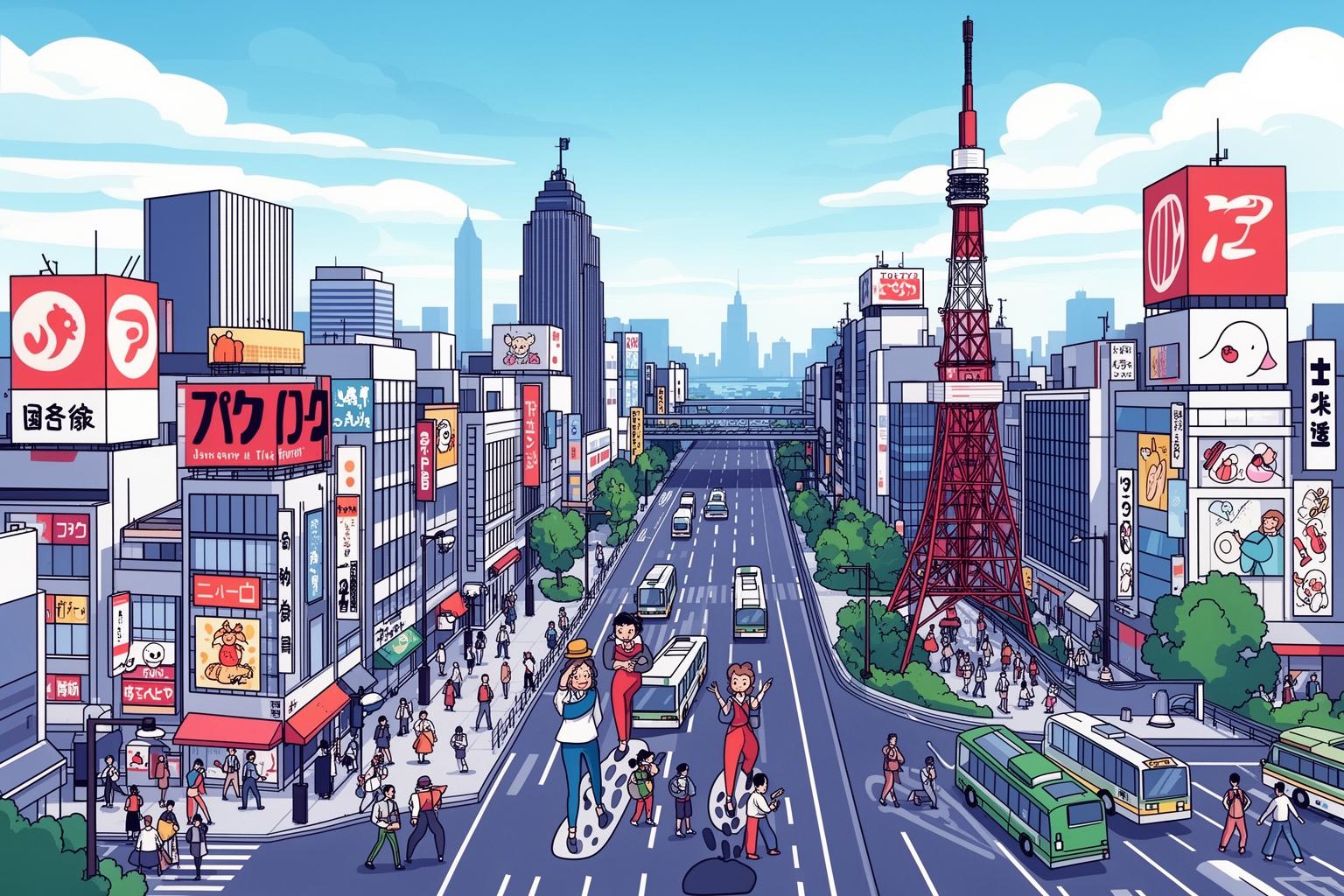
Tokyo is a city in constant motion, where millions of stories unfold simultaneously amid neon lights, towering skyscrapers, and hidden alleyways. This is Taki Tachibana’s world—fast, modern, and charged with an anonymous energy, sharply contrasting with the life Mitsuha leads. Walking through Taki’s Tokyo means immersing yourself in its extraordinary urban rhythm. The pilgrimage here is not a single destination but a constellation of sites scattered throughout the city’s central wards, each a frame brought vividly to life from the movie. Exploring these locations feels like assembling a puzzle, each piece unveiling another layer of Taki’s life—his part-time job, moments with friends, and his desperate search for a girl whose name slips his memory. You can sense the city’s pulse, the same one propelling Taki forward—a constant hum of trains, conversations, and ambition that echoes through the concrete canyons of Shinjuku and the quiet residential streets of Yotsuya.
The Iconic Staircase: Suga Shrine in Yotsuya
No image is more synonymous with Your Name. than the final, heart-wrenching scene on a particular stairway where Taki and Mitsuha finally meet years later. This famous staircase belongs to Suga Shrine, tucked away in a surprisingly tranquil residential neighborhood of Yotsuya. Finding it feels like uncovering a secret. You leave the main thoroughfares behind, winding through narrow streets as the city’s noise gradually fades and is replaced by the quiet hum of everyday life. Then, there it is—the red-railed staircase, framed by apartment buildings and greenery—looking exactly as it does in the film. The sense of déjà vu is immediate and profound.
Standing at the bottom looking up, or at the top looking down, you can almost hear their hesitant words: “Haven’t we met before?” The atmosphere is peaceful and reverent as visitors—many fellow pilgrims—quietly take in the view, each lost in their own reflection of the film’s climactic moment. The air is thick with shared understanding. This staircase isn’t just a set of steps; it’s a symbol of hope, of connections that transcend time and circumstance. The best time to visit is on a clear day, especially in the late afternoon when the sunlight casts long shadows, perfectly mimicking the movie’s final lighting. To get there, take the JR Chuo-Sobu Line or the Tokyo Metro Marunouchi or Namboku lines to Yotsuya Station. From there, it’s a pleasant ten to fifteen-minute walk. As you approach, remember you are in a residential area. The magic of this place lies in its quiet normalcy, so it’s important to respect the people who live here.
Shinjuku’s Urban Symphony
Shinjuku is the vibrant heart of Taki’s Tokyo—a dizzying and exhilarating district of extremes. It’s where the world’s busiest train station channels millions of people past towering government buildings, sprawling electronics stores, and endless dining and entertainment options. Many of the film’s key urban scenes take place here. Navigating Shinjuku is an experience in itself—a sensory overload in the best way. The sheer scale can be overwhelming, but for any Your Name. pilgrim, it’s a treasure trove of familiar sights.
The National Art Center, Tokyo
One of the most memorable spots is where Taki goes on a date with his coworker, Okudera-senpai. The sleek, modern restaurant where they have lunch is Brasserie Paul Bocuse Le Musée, located on the third floor of the National Art Center, Tokyo in Roppongi—a short train ride from Shinjuku. The building, with its undulating glass facade designed by Kisho Kurokawa, is a masterpiece. Upon entering, you’re struck by the vast, light-filled atrium and the massive concrete cones that support the cafes and restaurants. The café from the film is instantly recognizable. While you may not get the exact table, sitting in the restaurant and gazing out at the sunlight streaming through the glass walls feels like stepping right into that scene—a moment of sophisticated calm amid the city’s hustle. Beyond the film connection, the museum is a world-class institution worth exploring. You don’t need a ticket to enter the atrium, café, and gift shop, and the rotating exhibitions are always exceptional. It’s an ideal way to blend your anime pilgrimage with a touch of high culture.
Shinjuku Station and the Pedestrian Bridge
Shinjuku Station itself is like a character—a sprawling labyrinth of platforms, tunnels, and exits. The film perfectly captures its organized chaos. Several scenes highlight the station’s distinctive architecture and the steady flow of commuters. Among the most recognizable spots is the pedestrian bridge near the Shinjuku Police Station, offering commanding views of soaring skyscrapers and intersecting roadways. This is one of the many urban landscapes Taki encounters daily. Standing on that bridge, feeling the rumble of traffic below and watching the endless stream of people moving in every direction, you truly grasp the vastness of his world. A tip for first-timers: don’t worry about getting lost in Shinjuku Station—it happens to everyone. Just follow the clear, color-coded signs for your train line or exit and allow extra time. Nearby is the iconic LOVE sculpture, another familiar landmark seen in the cityscapes.
A Moment of Calm at Shinjuku Gyoen
While not a main location in the film, Shinjuku Gyoen National Garden inspired the lush, detailed backgrounds. This expansive park offers an oasis of peace, a world apart from Shinjuku’s noise. Featuring distinct English, French, and traditional Japanese gardens, it presents a stunning variety of landscapes. Walking through the meticulously maintained Japanese garden, with its ponds, bridges, and teahouse, reveals the inspiration behind the film’s more reflective moments. It’s a place where Tokyo’s frenetic energy softens, allowing for quiet contemplation. For a foodie pilgrim like myself, the park is a perfect spot to enjoy a bento box from a nearby department store basement (depachika), savoring delicious food in a setting of profound beauty. It is a reminder that even in the busiest cities, pockets of tranquility and nature remain—much like the quiet connections Taki and Mitsuha find amid the chaos of their intertwined lives.
Journey to Itomori: Discovering Mitsuha’s World in Hida
The transition from Tokyo to the Hida region in Gifu Prefecture is as striking as the body-swapping itself. You leave behind the flat, expansive Kanto Plain and climb into Japan’s mountainous heartland. This is where the spirit of Mitsuha’s fictional town, Itomori, truly lives. While Itomori is a blend of various locations, its essence is unmistakably rooted in the city of Hida, especially the charming town of Hida-Furukawa. The journey here—typically by Shinkansen bullet train to Nagoya followed by the scenic Hida Wide View limited express—is part of the experience. The train snakes through deep valleys and alongside rushing rivers, with the landscape growing wilder and more breathtaking with every mile. Arriving in Hida-Furukawa feels like stepping back in time. The air is fresher, the pace of life slower, and the town is full of beautifully preserved wooden buildings and a strong sense of community.
The Spirit of Hida-Furukawa Station
Your pilgrimage in Hida begins, just as Taki’s search did, at Hida-Furukawa Station. This small, modest train station is depicted with remarkable accuracy in the film. As you step onto the platform, you’ll instantly recognize the wooden waiting benches, the overhead pedestrian bridge, and the surrounding mountain views. It’s from this very platform that Taki and his friends stand, holding a sketch of Itomori’s landscape while asking locals for information. The station staff know well the town’s fame and warmly welcome fans. You can even spot the adorable Hida beef mascot, Hidakkoro, just as Taki did in the movie. The town has fully embraced its connection to Your Name., providing maps that highlight key locations. Standing on that pedestrian bridge, gazing down at the tracks as the Hida Wide View train departs, offers one of those powerful moments where cinematic reality feels tangible. The scene is so faithfully recreated that you can almost overlay the anime cel onto the real world.
Weaving Tradition at the Hida City Library
One of the most crucial scenes in Taki’s search for Mitsuha takes place in a library, where he uncovers the heartbreaking truth about Itomori. That library is the Hida City Library, a short and pleasant walk from the station. From the outside, it’s a modern and inviting building, but the interior will take your breath away. The design is a stunning celebration of local craftsmanship, featuring a warm, open-plan layout with beautiful wooden beams and furniture. The air carries the scent of polished wood and aged paper. Upon entering, you’ll immediately recognize the study tables and seating arrangements where Taki and his friends meticulously searched through records of the comet strike. While the library has become a tourist attraction, it remains a functioning public space for the community. The staff have a system for visitors: you must request permission at the front desk to take photographs, and they issue a pass. They are exceptionally welcoming and appreciate the effort fans have made to visit. Sitting in one of those chairs, surrounded by the quiet atmosphere of a small-town library, you can feel the gravity of Taki’s discovery. It’s a somber, deeply moving moment that adds emotional depth to the pilgrimage.
The Taste of a Town: Local Flavors and Crafts
To truly immerse yourself in Mitsuha’s world, you must experience its culture, and in Hida, that means enjoying its local delicacies and traditional crafts. The region is famous for Hida beef, a type of wagyu praised for its extraordinary marbling and melt-in-your-mouth texture. It’s available everywhere, from upscale restaurants to casual stalls selling beef skewers and croquettes. As a food lover, this was a standout highlight. Another must-try is Goheimochi, a grilled rice cake coated with a sweet and savory miso and walnut sauce. Taki is shown eating one during his search, making it a delicious way to connect with the film. The old town of Hida-Furukawa is also a feast for the eyes, known for its white-walled storehouses (shirakabe dozogai) and the picturesque Seto River, teeming with thousands of colorful carp. The town is a hub for sake brewing, with several historic breweries offering tastings. Yet, perhaps the deepest connection to the film is found in the local craft of kumihimo, or braided cords. This craft plays a central role in the film’s plot and its theme of musubi—the invisible threads of connection, time, and fate. Mitsuha and her grandmother practice this art. Visitors can explore shops selling these beautiful braided cords, and some even provide workshops where you can try making one yourself. Holding a colorful, intricately woven cord in your hand, you can feel the film’s core philosophy brought to life.
The Spiritual Core: Shrines and Beliefs

At the center of Mitsuha’s life is her role as a shrine maiden, or miko. The spiritual traditions and Shinto beliefs portrayed in the film are not just plot elements; they offer a glimpse into a vital facet of Japanese culture. The fictional Miyamizu Shrine in Itomori serves as the heart of the town’s spiritual life and guardian of its history. Although no single shrine was a direct model, the pilgrimage trail leads to several sacred sites in the Hida region that evoke its powerful, ancient ambiance. These locations are rich in history and natural beauty, providing a deeper insight into the world that shaped Mitsuha.
Keta Wakamiya Shrine: The Miyamizu Family Shrine
Keta Wakamiya Shrine in Hida is widely regarded as one of the main inspirations for the Miyamizu Shrine. The journey to this shrine feels like an authentic pilgrimage. Situated on a hillside, you must climb a long, steep set of stone steps carved into the forest, just as Mitsuha and her sister did. As you ascend, the sounds of the town fade away, replaced by rustling leaves and bird calls. The air grows cooler and carries the scent of damp earth and cedar. The shrine itself is a modest, dignified wooden structure, surrounded by towering, ancient trees. Its peaceful, secluded setting perfectly embodies the atmosphere of the Miyamizu Shrine. This is where Mitsuha performed her ceremonial duties, including making kuchikamizake. Standing in the quiet clearing, it’s easy to imagine the scene. Visiting this shrine offers a tangible connection to the concept of musubi, which Mitsuha’s grandmother describes as the divine power that links everything together. It is a place of profound tranquility and spiritual energy, where the boundary between the ordinary and the sacred feels remarkably thin.
Hie Shrine and the Annual Furukawa Festival
While Keta Wakamiya Shrine provides the backdrop, another important shrine nearby, Hie Shrine in the city of Takayama, is often mentioned as an inspiration for the festival scenes in the film. Its grand annual festival in April is among Japan’s most beautiful. Meanwhile, in Hida-Furukawa, the local shrine—also named Keta Wakamiya Shrine (distinct from the Miyamizu model)—hosts the spectacular Furukawa Festival on April 19th and 20th. Famous for its powerful ‘Okoshi-daiko’ (rousing drums) procession and ornate floats, this festival perfectly captures the vibrant, communal spirit of the festival Mitsuha imagined. Timing your visit to coincide with this event allows you to witness a breathtaking display of tradition and community spirit. It adds another dimension to the pilgrimage, demonstrating that the customs Mitsuha treasured continue to thrive in the real-world Hida. These festivals are a lively explosion of color, sound, and flavor—a celebration that unites the entire community and echoes the film’s themes of heritage and continuity.
A Practical Pilgrim’s Guide: Planning Your Journey
Embarking on a ‘Your Name.’ pilgrimage requires some planning, as it covers two very distinct regions of Japan. However, the experience is immensely rewarding, providing a rich variety of the country’s diverse landscapes and cultures. With a few practical tips, you can ensure your trip is as seamless and magical as possible.
Best Time to Visit
Both Tokyo and the Hida region are stunning throughout the year, but certain seasons showcase unique attractions. Spring (late March to April) is an excellent period, as you might witness the iconic cherry blossoms in Tokyo. Visiting in mid-to-late April may also allow you to enjoy the vibrant Furukawa Festival. Autumn (October to November) is equally breathtaking, especially in the Hida mountains, where the scenery transforms into a vivid mosaic of red, orange, and yellow leaves. The crisp, cool air makes it perfect for walking and exploring. Summers can be hot and humid, while winters bring heavy snow to the Hida area, creating a beautiful, tranquil setting, although some places may be harder to access. Ultimately, the best time depends on the scenery you want to experience, but spring and autumn are generally regarded as ideal.
Getting Around: From Tokyo to Hida
Traveling on Japan’s public transportation system is a breeze. To reach Hida-Furukawa from Tokyo, the fastest route is to take the Tokaido Shinkansen (bullet train) from Tokyo Station to Nagoya, which takes about 1.5 to 2 hours. From Nagoya, transfer to the JR Hida Wide View limited express train, a scenic journey of roughly 2.5 hours to Hida-Furukawa. This second train ride is among Japan’s most picturesque. For international visitors planning to explore other parts of Japan, the Japan Rail Pass offers excellent value, covering both the Shinkansen and the Hida Wide View train. Within Tokyo, the subway and JR lines are highly efficient for reaching all pilgrimage sites. A Suica or Pasmo IC card is essential for easy entry and exit at stations. In Hida-Furukawa, the town is small and charmingly walkable, with all major spots conveniently close to the station.
Etiquette for the Modern Pilgrim
As you begin this journey, it’s important to remember these places aren’t movie sets—they are real communities where people live, work, and worship. Respect and mindfulness are essential. Around the quiet residential area of Suga Shrine, keep your voice low and avoid blocking pathways. In the Hida City Library, always ask permission before taking photos and be considerate of visitors who are reading or studying. When visiting shrines like Keta Wakamiya, follow traditional etiquette. At the entrance, you’ll find a purification fountain called a temizuya. Use the ladle to pour water first over your left hand, then your right, and rinse your mouth (spitting beside the basin, not into it). When you approach the main hall, offer a small donation, bow twice, clap twice, offer a silent prayer, and bow once more. This gesture of respect is deeply appreciated. By being a considerate visitor, you honor both the story you cherish and the local communities that brought its world to life.
The Enduring Connection: Why We Seek These Places

A pilgrimage to the real-world sites featured in ‘Your Name.’ is more than a mere trip; it becomes an emotional and immersive journey. It’s about stepping out of the cinema and into the scene itself—feeling the sun on your face as you stand on the very steps where Taki and Mitsuha finally reunited, or inhaling the crisp mountain air of the town that shaped Mitsuha’s life. Each setting acts as a touchstone, a tangible anchor for the film’s powerful emotions. Standing there, the story’s theme of musubi, the invisible threads connecting us all, takes on a deeply real significance. The red thread of fate isn’t just a symbol but the path you’ve traced from a bustling Tokyo intersection to a quiet mountain shrine.
This experience highlights the idea that our bonds with stories are intensely personal, yet universally shared. On the steps of Suga Shrine or the platform at Hida-Furukawa Station, you’ll inevitably encounter other pilgrims from all over the world, drawn there by the same tale. A quiet, knowing smile passes between you—a mutual understanding that you are all seeking something. You are pursuing the echoes of a comet, the memory of a dream, and the hope for a connection that transcends logic. This journey reminds us that the most beautiful stories are those that lead us to discover the magic embedded in our own world, inspiring us to seek out the people and places we long for, even if we have yet to know their names.