
Some stories feel less like fiction and more like a memory you can’t quite place. Makoto Shinkai’s masterpiece, Your Name (Kimi no Na wa), is one such story—a breathtaking tapestry of time, connection, and the bittersweet ache of searching for someone you’ve never met. It captured the hearts of millions around the globe, not just for its stunning animation and emotional depth, but for its profound sense of place. The film’s world, a seamless blend of idyllic rural landscapes and the dizzying, hyper-detailed metropolis of Tokyo, feels impossibly real. And for those of us who have felt the film’s pull, the wonderful truth is that much of it is real. The bustling train platforms, the quiet neighborhood shrines, and the sun-drenched cafes that served as the backdrop for Taki and Mitsuha’s intertwined destinies are all waiting to be discovered, scattered across the vibrant heart of Tokyo. This journey is more than just sightseeing; it’s a pilgrimage, a seichi junrei, into the tangible world of a story that feels like a dream. It’s an opportunity to stand in the very spots where cinematic lightning struck, to feel the city’s rhythm, and perhaps, to experience your own moment of profound connection, that feeling of musubi that ties everything together. Before we begin our search, let’s pinpoint the key locations where these worlds collide.
To fully appreciate the film’s magic, consider exploring the broader pilgrimage to the real-world locations of Your Name that inspired its unforgettable settings.
The Heart of Destiny: Suga Shrine and the Iconic Red Stairs
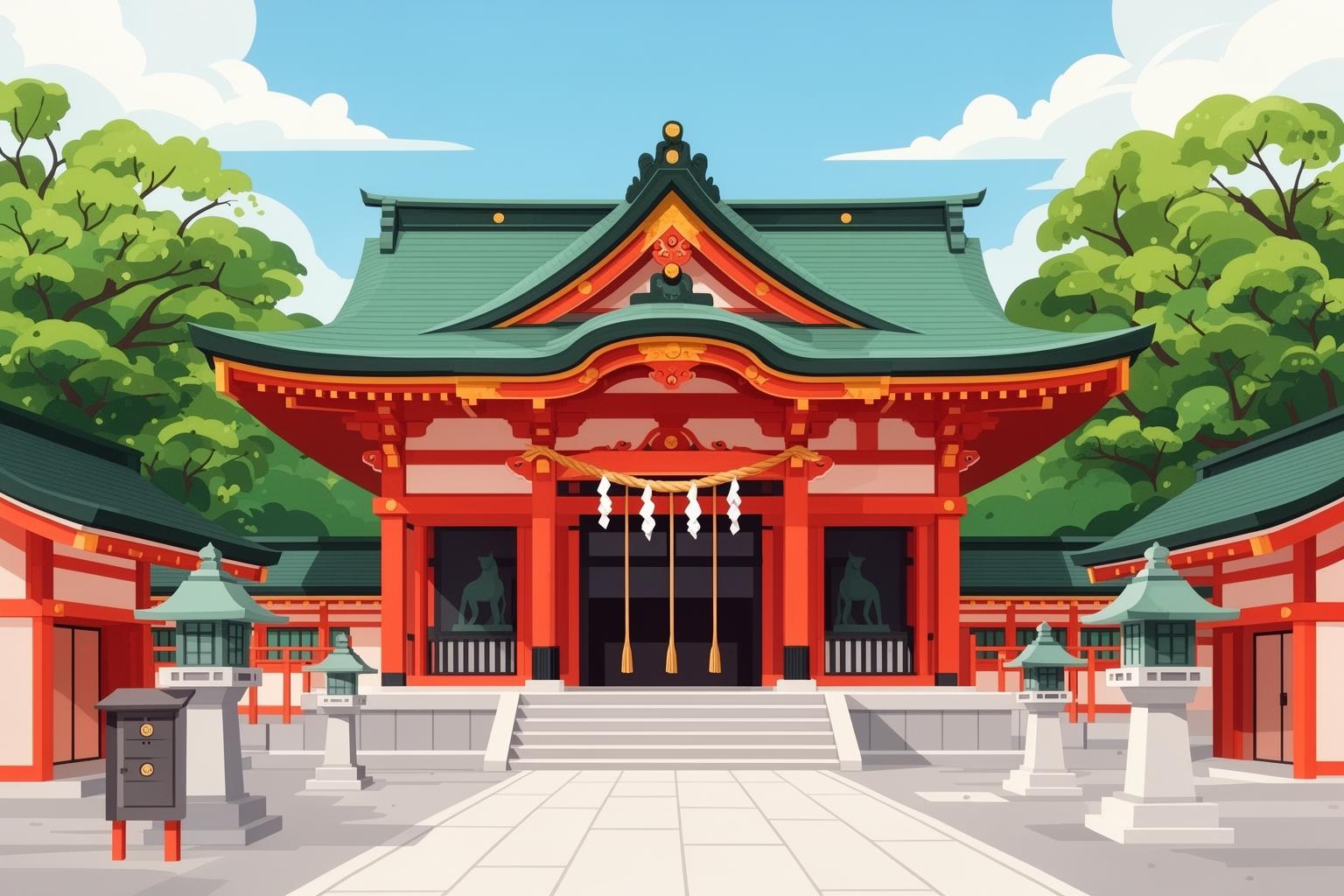
Our pilgrimage begins not amidst the neon-lit heart of the city, but in a quiet, unpretentious residential neighborhood. Yotsuya is a part of Tokyo that breathes a different air—calmer, more intentional, filled with winding streets, small family-run shops, and a strong sense of local community. Here, nestled within the gentle rhythm of daily life, you will find the emotional core of Your Name: the iconic red-railed staircase of Suga Shrine. This is the site of the film’s breathtaking, tear-inducing climax, where two souls separated by time and space finally, miraculously come together. The journey to this location is an experience itself, a gradual unveiling of the city’s layers. As you leave behind the steady hum of the Marunouchi or Namboku subway lines at Yotsuya Station, the urban landscape starts to soften, the skyscrapers fading into memory and giving way to a more human-scale architecture that invites you to slow down and explore at a leisurely pace.
A Cinematic Déjà Vu
There is a very particular, almost magical moment that every fan of the film experiences here. As you turn a corner following your phone’s map, suddenly, there it appears. The view is exactly as you remember it, yet somehow even more vivid. The steep slope, the striking red handrails slicing a sharp, vibrant line against the city backdrop, the trees framing the scene just right. It feels like stepping directly out of reality and into a frame of animation. Seeing it in person evokes an immediate, intense sense of déjà vu, a feeling the film itself masterfully conveys. For a moment, the world seems to fall away—you can almost hear the sweeping score, almost feel the frantic heartbeat of Taki and Mitsuha as they pass each other, the weight of their lost memories lingering in the air between them. Standing on these steps is a strangely emotional experience. You’ll notice other visitors, fellow pilgrims from around the world, each quietly reliving that moment. There is an unspoken bond among them. They take turns capturing the perfect photo, recreating the image from the movie poster, but they do so with a quiet reverence. This is not just a photo opportunity; it’s a shared monument honoring a story that has profoundly moved them.
More Than Just a Photo Spot
While the stairs are the main draw for many, it’s important to remember they lead to Suga Shrine, a genuine, active Shinto shrine with its own rich history and spiritual meaning. After your cinematic moment, take time to ascend the stairs fully and walk through the modest torii gate into the shrine grounds. The atmosphere here is one of serene reverence. The air is still, and the city noise fades away, replaced by the rustling of leaves and the soft chime of prayer bells. Suga Shrine has served its community for centuries as a place of quiet reflection, prayer, and seasonal celebration. As a visitor, it offers a wonderful chance to engage respectfully with traditional Japanese culture. You can observe proper shrine etiquette: perform the temizu purification at the water basin, offer a coin, bow twice, clap twice, and bow once again at the main hall. You might spot locals pausing for a quiet prayer, a gentle reminder that this is a sacred space, not merely a film location. Look for the wooden ema plaques where visitors write their wishes and hang them for the gods. Some may even feature beautifully illustrated depictions of Taki and Mitsuha, a tribute to the film’s lasting legacy and its seamless place within the shrine’s ongoing story.
Practical Tips for Your Visit
To fully appreciate your pilgrimage to this iconic site, timing is key. The best times to visit the Suga Shrine stairs are on weekdays, early in the morning or late in the afternoon. The lighting during these hours is soft and beautiful—ideal for photography—and the crowds are much thinner. Midday, especially on weekends, tends to be crowded, which can detract from the tranquil, emotional experience you’re likely seeking. Getting to the shrine is straightforward: take the JR Chuo-Sobu Line or the Tokyo Metro Marunouchi or Namboku Lines to Yotsuya Station. From there, enjoy a pleasant, slightly uphill walk of about ten to fifteen minutes through the neighborhood. Use a navigation app as the final turns can be a bit tricky, but the anticipation of the reveal is part of the experience. Keep in mind that you are walking through a residential area, so please be mindful of noise and respectful of local residents’ privacy. This is not a commercial tourist site; it is the heart of a living community.
Taki’s World: Navigating the Urban Maze of Shinjuku
If Yotsuya represents the quiet, emotional core of Your Name, then Shinjuku embodies its vibrant, pulsating heart. This is Taki Tachibana’s domain—a vast, lively, and endlessly captivating urban environment that forms the primary backdrop of his life in Tokyo. The film masterfully captures the spirit of Shinjuku, from the controlled chaos of the world’s busiest train station to the towering skyscrapers that form a modern canyon of glass and steel. Visiting Shinjuku after watching the film is like stepping into Taki’s shoes, seeing the city through his perspective as he hurries to school, juggles his part-time job, and spends time with friends. It’s a place of immense scale and untamed energy, and exploring it is crucial to grasping the metropolitan side of the film’s soul.
The Organized Chaos of Shinjuku Station
Your exploration of Taki’s world almost certainly begins at Shinjuku Station. With over two hundred exits and millions of commuters daily, the station feels less like a building and more like a city within a city. The film brilliantly portrays the nonstop flow of people—a river of humanity that Taki skillfully navigates. For first-time visitors, the experience can be overwhelming, but embracing this energy is part of the thrill. Don’t resist the tide; simply let it carry you. As you exit from one of the main gates, such as the South or East Exit, look up. You’ll be greeted by a familiar skyline. The most iconic landmark is the NTT Docomo Yoyogi Building, with its distinctive clock tower, frequently featured in the film’s background shots, acting as a silent witness to the city’s life. Stroll across the pedestrian bridges and overpasses, particularly around the South Exit. From these vantage points, Shinkai framed many scenes, capturing the intricate choreography of trains, cars, and pedestrians below. Find a spot on the Shinjuku Southern Terrace, and you’ll discover the exact viewpoint of several pivotal scenes, gazing back toward the station and the Takashimaya department store. Amidst the real-world symphony of sights and sounds, the boundary between animation and reality truly fades.
A Taste of Taki’s Life: Cafe La Bohéme
One of the most charming and tangible pilgrimage sites in Shinjuku is the actual restaurant that inspired “Il Giardino delle Parole,” the Italian eatery where Taki worked part-time and had his date with his crush, Okudera-senpai. The real venue is Cafe La Bohéme Shinjuku Gyoen. Discovering this spot feels like uncovering a secret. Located on a quiet street near the edge of Shinjuku Gyoen National Garden, its elegant European-style facade welcomes visitors warmly. Stepping inside is a special experience for any fan. The interior faithfully mirrors the film’s portrayal, boasting high ceilings, grand chandeliers, dark wood finishes, and a romantic, old-world atmosphere. You can request a table in the main dining area and feel as if you’ve stepped into a scene. The staff are well aware of the café’s popularity among anime fans and warmly welcome visitors. While there, enjoy a meal. The food is genuinely delicious, offering classic Italian pasta and pizza. Sitting there with a plate of pasta and a glass of wine, you can easily picture Taki rushing around the kitchen or Okudera-senpai gracefully interacting with guests. This experience adds a wonderful sensory layer to the pilgrimage, allowing you to taste as well as see Taki’s world.
Beyond the Film: Exploring Shinjuku’s Layers
Though the filming locations are a major attraction, Shinjuku offers much more to discover. To truly understand Taki’s surroundings, take time to lose yourself in its many facets. For a moment of calm and a connection to the sketching scenes in the film, spend a few hours in Shinjuku Gyoen National Garden. This expansive park is a peaceful oasis, showcasing a stunning variety of landscapes—from a traditional Japanese garden to a formal French garden and an English landscape garden. It’s the perfect counterpoint to the sensory overload of central Shinjuku. As night falls, watch the city transform. Giant electronic billboards, like the Yunika Vision screens near the station’s east exit, come alive, painting the sky with vibrant advertisements just as depicted in the film’s time-lapse sequences. For a breathtaking and completely free panoramic view of the city, visit the observation decks of the Tokyo Metropolitan Government Building. From its 45th floor, you can survey the sprawling metropolis and, on clear days, even glimpse the majestic Mount Fuji in the distance. This view puts the immense scale of Taki’s world into perspective, reminding you just how vast and full of stories this city truly is.
Art, Architecture, and an Unforgettable Date: The National Art Center, Tokyo
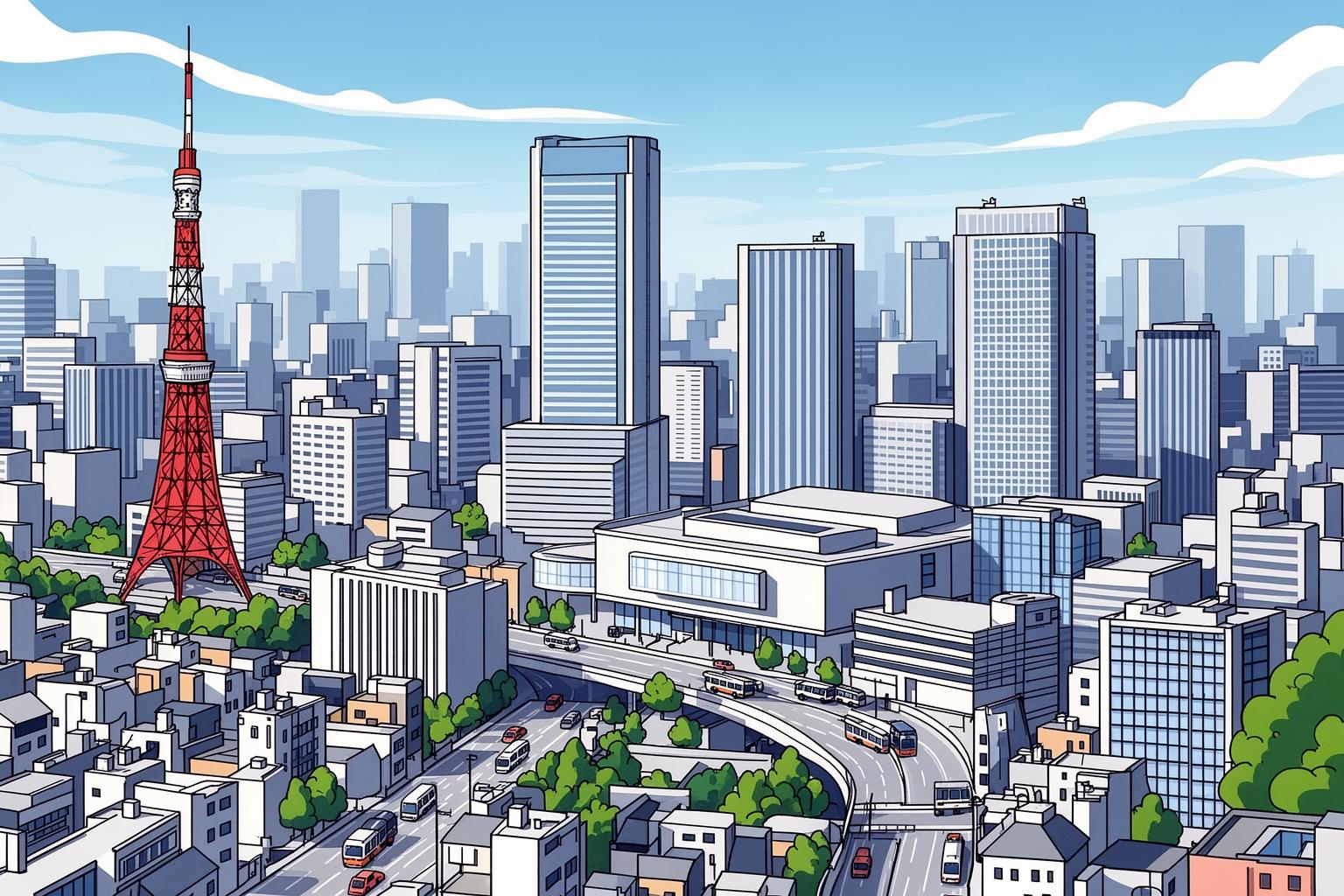
Our final key destination brings us to the chic and sophisticated neighborhood of Roppongi, a district renowned for its vibrant nightlife, upscale shopping, and, above all, its world-class art scene. Here stands The National Art Center, Tokyo, an architectural marvel that served as the backdrop for one of the film’s most memorable and emotionally nuanced scenes: Taki’s date with Okudera-senpai. This location exemplifies Makoto Shinkai’s remarkable attention to detail and his talent for discovering beauty and narrative potential in real-world places. The building itself is as much a work of art as the exhibits it contains, and visiting it offers a different dimension of the Your Name experience—one of elegance, culture, and quiet reflection.
A Masterpiece of Design
Even before entering, The National Art Center makes a striking impression. Designed by the renowned architect Kisho Kurokawa, the building is celebrated for its stunning, flowing glass facade. This glass curtain ripples like a wave, creating a dynamic play of light and shadow both outside and within. The structure seems alive, breathing with the city around it. Upon entering the grand, sunlit atrium, your eyes are immediately drawn to two enormous inverted concrete cones dominating the space. These are not merely sculptural features; they are functional, housing the center’s cafes and restaurant. The vastness of the atrium, combined with sunlight filtering through the glass walls and reflecting off polished floors and light wood paneling, cultivates an atmosphere of serene grandeur. Shinkai and his team recreated this space with meticulous accuracy. Every detail, from the benches’ design to the way light streams in, is faithfully reflected in the animation. Walking through the atrium feels like floating through the film itself—an ethereal, dreamlike experience that contrasts sharply with the bustling energy of Shinjuku.
Reliving the Date Scene
For fans of Your Name, the ultimate spot within the art center is the Salon de Thé ROND, the café perched atop the second-floor cone. This is precisely where Taki and Okudera-senpai shared lunch during their date. You can take the escalator up and find a table near the edge, offering the same breathtaking view of the atrium that the characters enjoyed. Sitting there, gazing out over the expansive sunlit space, is another powerful moment of connection. You can almost sense Taki’s nervousness and awe, his effort to bridge the gap in age and experience between himself and his sophisticated coworker. It’s a poignant scene in the film where Taki (or rather, Mitsuha in Taki’s body) reveals a depth and sensitivity that surprises Okudera. Being physically present where this conversation unfolded adds an extra layer of tangible emotion to the characters’ feelings. The café itself is a charming place to relax, offering an elegant selection of cakes, pastries, and teas. It’s the perfect spot to pause your pilgrimage, reflect on your journey, and absorb the beautiful surroundings—a moment of quiet sophistication amid your anime-inspired adventure.
Visitor’s Guide and the Roppongi Art Triangle
Visiting The National Art Center is straightforward and accessible. Entry to the building, including the atrium, cafés, and gift shop, is completely free. You only need to purchase tickets if you wish to see one of the special exhibitions on display. The center does not have a permanent collection but hosts a rotating series of world-class art exhibits, so it’s advisable to check their website in advance to see what’s currently on. The center is conveniently located with direct access from Nogizaka Station on the Tokyo Metro Chiyoda Line or a short walk from Roppongi Station on the Hibiya and Oedo Lines. To make the most of your visit, consider exploring the other two major museums that form the “Roppongi Art Triangle.” The Mori Art Museum, located on the 53rd floor of the Roppongi Hills Mori Tower, offers striking contemporary art alongside stunning city views. The Suntory Museum of Art, situated in Tokyo Midtown, focuses on traditional Japanese art and design. Together, these three institutions establish Roppongi as one of Tokyo’s premier cultural hubs, and including them in your Your Name pilgrimage enriches the experience, grounding Taki and Okudera’s refined date in a broader artistic context.
The Pilgrim’s Mindset: Tips for a Respectful and Rewarding Journey
Embarking on a seichi junrei for Your Name is an incredibly fulfilling experience, but it becomes most meaningful when approached with the right mindset. It involves more than simply recreating photos and ticking locations off a list. It’s about forging a deeper connection with the story by immersing yourself in the very environments that brought it to life. Achieving this requires a balance of passionate fandom and respectful awareness of the spaces you are entering.
Beyond the Checklist
Try to experience these spots not merely as film backdrops, but as vibrant, living parts of Tokyo. When you find yourself at the Suga Shrine stairs, take a moment to set your camera aside and simply be present. Feel the breeze, listen to the distant city noises, and notice how the light shifts. While navigating the crowds in Shinjuku, don’t just seek out the familiar landmarks; take in the energy of the people around you, the aromas wafting from ramen shops, and the symphony of sounds that create the city’s unique atmosphere. The true magic of this pilgrimage lies in these subtle, personal moments of attention. It’s in such details that you’ll discover the inspiration Makoto Shinkai felt. Allow yourself to be spontaneous. Wander down an intriguing side street or stop at a small café not on your itinerary. Your own discoveries will personalize your journey, weaving your story into the rich tapestry of the film.
Etiquette and Respect
It is essential to remember that these locations are not theme parks. The Suga Shrine stairs are nestled in a quiet residential neighborhood and hold religious significance. Café La Bohéme is a working business catering to regular customers. Shinjuku Station serves millions of commuters daily as a critical transport hub. As a visitor and fan, you have a responsibility to be a good ambassador for the anime community. This means being considerate of your environment. Keep your voice low in residential areas. Avoid blocking pathways or stairways for prolonged photo sessions, especially when crowded. When at the shrine, observe proper etiquette and show respect. Order something and be a polite guest at the café, ensuring you don’t overstay, especially during busy times. By being thoughtful and considerate, you help keep these places welcoming for fans in the future. Your positive conduct strengthens the bond between anime creators, their fans, and the real-world communities that inspire them.
Planning Your Route and Seasonal Considerations
A bit of planning can make your pilgrimage smoother and more enjoyable. The three main areas—Yotsuya, Shinjuku, and Roppongi—are all conveniently connected by Tokyo’s highly efficient subway and train network. A sensible one-day itinerary might begin with the soft morning light at Suga Shrine in Yotsuya. From there, take the Marunouchi Line one stop to Shinjuku Gyoenmae Station to visit Café La Bohéme, then explore Shinjuku Gyoen National Garden. Next, delve into the main Shinjuku district surrounding the station. In the afternoon, ride the Toei Oedo Line directly from Shinjuku to Roppongi to visit The National Art Center. This plan flows naturally and minimizes travel time. Also, consider the season of your visit. Each season offers a different charm, much like in the film. Spring brings delicate cherry blossoms that frame the Suga Shrine stairs in a soft pink canopy. Summer showcases lush greenery and bright sunshine. Autumn, the film’s primary season, cloaks the city in warm, golden tones. Winter offers a stark, crisp beauty with clear skies and spectacular views from observation decks. There’s no wrong time to visit—each season provides a unique perspective through which to experience Taki and Mitsuha’s world.
Weaving Your Own Story
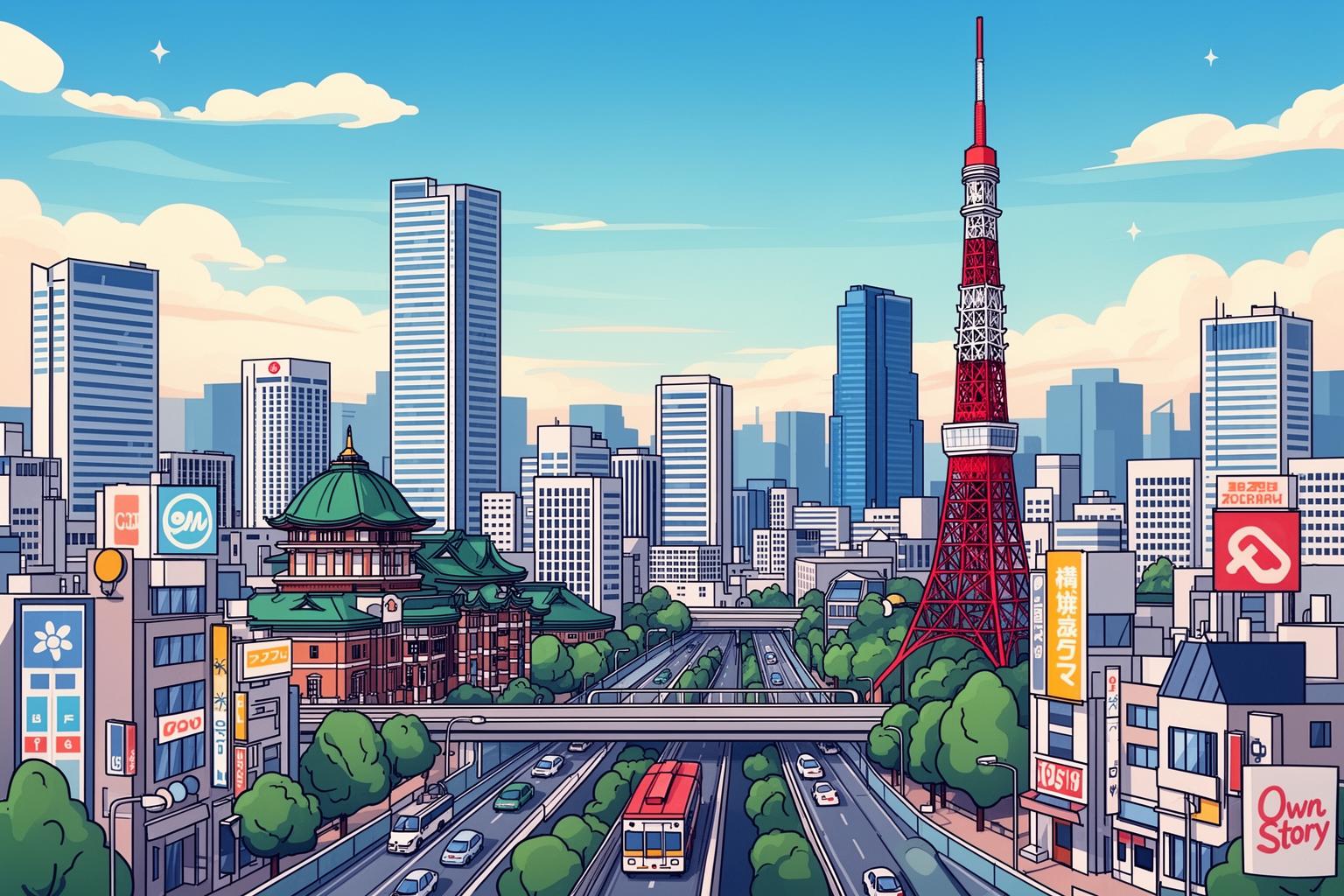
A journey through the Tokyo of Your Name is a pursuit of something intangible. It starts as a mission to locate the physical settings of a beloved film but gradually transforms into something more intimate. It becomes an exploration of light and shadow, sound and silence, chaos and calm. It is the experience of standing on a bustling Shinjuku crosswalk, surrounded by countless stories, and sensing the deep loneliness and anonymity of the city. It is the serenity that envelops you in the quiet grounds of a neighborhood shrine, a place of connection that has endured for centuries. It is the awe evoked by a building that is itself a work of art, a space crafted for reflection and beauty. This pilgrimage embodies the film’s central theme: musubi. It is the thread of connection that links you, the viewer, to the creators, the characters, and the very spirit of the city that inspired them. It connects you to the myriad fans worldwide who have stood where you stand, sharing that same cinematic thrill. As you follow the footsteps of Taki and Mitsuha, you become more than a passive observer. You become an active participant, weaving your own experiences, emotions, and memories into the rich and beautiful tapestry of their story. You came seeking their world, but in the end, you leave having discovered a piece of your own.