
There are films that you watch, and then there are films that you live. Makoto Shinkai’s masterpiece, “Your Name.” (Kimi no Na wa), is decidedly the latter. It’s a story that swept across the globe, a celestial romance that tugged at the invisible threads connecting us all. But its true magic lies not just in its breathtaking animation or its heart-wrenching story of love and loss across time and space. Its power is rooted in a palpable sense of reality, a world so meticulously crafted from our own that the line between animation and existence simply dissolves. The film’s Tokyo is not a stylized fantasy; it is a living, breathing character, a vibrant cityscape rendered with such astonishing fidelity that you can almost feel the rumble of the trains and the warmth of the afternoon sun on its asphalt. For fans, this creates an irresistible pull, a desire to step through the screen and walk the same streets as Taki Tachibana and Mitsuha Miyamizu. This is not merely a tour; it is a pilgrimage, a journey to find the tangible echoes of an intangible feeling, to stand in the very spots where cinematic lightning was captured and feel that same spark for yourself. From the neon-drenched canyons of Shinjuku to the quiet, sunlit neighborhood of Yotsuya, this guide is your map to rediscovering the story, not on a screen, but with your own two feet, feeling the rhythm and pulse of the city that served as the backdrop for one of modern animation’s most beloved tales.
For those eager to extend their exploration beyond Tokyo’s urban tapestry, a visit to Yakushima’s mystical legacy offers a soulful journey into the heart of Japan’s ancient spirit.
The Heart of the Story: Yotsuya and the Iconic Red Stairs
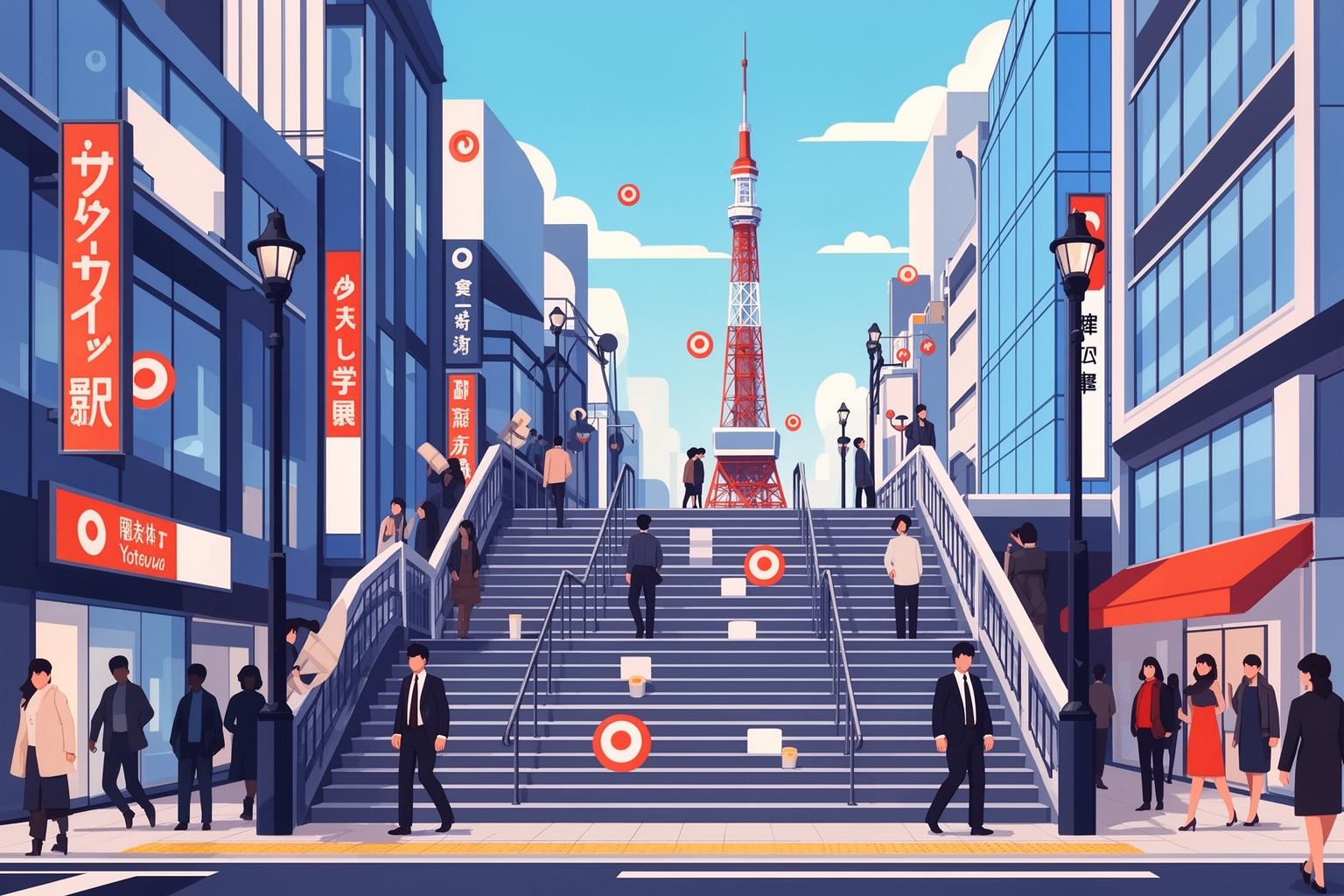
The heart of any “Your Name.” pilgrimage pulses strongest in Yotsuya. This is where the film’s emotional high point unfolds, a moment that fans worldwide have deeply engraved in their hearts. Unlike the bustling chaos of other Tokyo districts, Yotsuya exudes a calm, residential charm. It’s a place of narrow streets, modest apartment buildings, and the gentle rhythm of everyday life. The journey here serves as a prelude to the main event, a gradual transition from the city’s roar to something more intimate and personal. As you stroll from Yotsuya-Sanchome Station, you’ll find yourself on a path of quiet anticipation, a serene quest through a maze of peaceful lanes, each turn bringing you closer to the story’s heartfelt finale.
Finding Suga Shrine: The Final Scene’s Emotional Climax
Then, it comes into view—the stairs. They emerge almost unexpectedly, a striking splash of red railings set against the subdued cityscape. These are the steps leading up to the Suga Shrine, where Taki and Mitsuha reunite years after the comet. In person, the scene feels both familiar and entirely fresh. The scale seems different, more rooted in reality. The incline is steeper than you might expect, and the way the surrounding buildings frame the view forms a flawless cinematic image, as if the neighborhood itself was crafted for this single, perfect shot. Standing at the top, gazing down as Taki did, or at the bottom, looking up as Mitsuha did, is a deeply moving experience. You probably won’t be alone; fellow pilgrims often make the same journey, sharing a quiet camaraderie through knowing glances and the soft clicks of camera shutters. There’s an unspoken bond among everyone there. They’re not just photographing a staircase; they’re capturing the culmination of a quest, the feeling of finding something or someone thought lost forever. The air is thick with gentle reverence. Sunlight filtering through gaps between buildings lights the scene with the same magical glow that Shinkai so artfully animated. It’s a moment to cherish, letting the film’s emotion wash over you as you stand in the very spot where two souls finally, truly found each other again.
Beyond the Stairs: Exploring the Yotsuya Neighborhood
While the stairs are the main attraction, Yotsuya’s charm stretches far beyond that single frame. This is an ideal chance to experience a more authentic side of Tokyo. After taking in the atmosphere of Suga Shrine itself—a quaint yet charming local place of worship—allow yourself to wander freely. The neighborhood is a delightful place to get lost in. You’ll find tiny family-run eateries, old-fashioned kissaten (coffee shops) where time seems to slow down, and the gentle rhythm of daily life, undisturbed by mass tourism. This is the Tokyo that Taki would have known, a city of contrasts where grand destinies unfold beside corner grocery stores. For a truly immersive experience, plan your visit in the late afternoon. The “golden hour” light, cherished by director Makoto Shinkai, casts long shadows and bathes the staircase in a warm, nostalgic glow, making it feel even more like a scene straight from the film. Access is simple: the nearest subway stop is Yotsuya-Sanchome on the Tokyo Metro Marunouchi Line. From there, it’s a pleasant ten-minute walk. A vital tip for any pilgrim is to remember this is a residential neighborhood. Be mindful of noise, respect the locals’ privacy, and act as a courteous visitor. The magic of this place lies in its quiet authenticity, something every visitor has a duty to help preserve.
Taki’s World: The Urban Pulse of Shinjuku
If Yotsuya is the story’s heart, then Shinjuku is its rapid pulse. This is Taki’s home ground, a vast, lively district that captures the scale, ambition, and dizzying complexity of modern Tokyo. Shinjuku is like a city within a city, a concrete jungle of soaring skyscrapers, glowing neon signs, and an endless flow of people streaming through the world’s busiest train station. Here, we see Taki maneuvering through his life—juggling school, friendships, and his part-time job. Walking through Shinjuku means stepping into his shoes, experiencing the overwhelming energy of the metropolis alongside the simultaneous feeling of being just one small, anonymous part of a vast, interconnected whole. The contrast with Mitsuha’s serene life in Itomori is striking, and exploring this area is essential to grasping the significant physical and emotional distance between them.
The View from Above: Shinjuku’s Skyscraper Symphony
Many of the film’s most breathtaking establishing shots showcase Shinjuku’s iconic skyline. The NTT Docomo Yoyogi Building, with its distinctive clock tower, appears repeatedly as a silent guardian in Taki’s world. While you can’t access the Docomo tower itself, there are vantage points offering similarly stunning views. Great spots include the pedestrian bridge near Shinanomachi Station or various locations around Shinjuku Gyoen. From these places, the city spreads out before you like a vast tapestry of glass and steel—a tribute to human achievement. At night, this panorama transforms into a sparkling galaxy of lights, a sea of possibilities that feels both exhilarating and isolating. Shinkai captures this duality perfectly. Taki lives in this incredible, vibrant place, yet he still experiences a longing, a search for a connection that millions in the city cannot provide. Standing there, taking in the view, you can sense the same urban melancholy—the beautiful loneliness of being one person amid countless stories, all unfolding simultaneously under the city lights’ glow.
A Taste of Italy: Taki’s Part-Time Job at Cafe La Bohéme
One of the most tangible and enjoyable pilgrimage spots is the real-life restaurant that inspired “Il Giardino delle Parole,” where Taki worked part-time and went on a date with his coworker, Okudera-senpai. The actual venue is Cafe La Bohéme, situated on the edge of the lovely Shinjuku Gyoen National Garden. Stepping inside feels like entering the film set. The high ceilings, grand chandeliers, theatrical European-inspired decor, and open kitchen are all faithfully recreated from the anime. The atmosphere is elegant yet inviting, a refined escape from the city’s bustle. You can request a table in the main dining area to fully immerse yourself, sitting where Taki and Okudera-senpai once sat and imagining the scenes playing out around you. This is a functioning, popular restaurant, not just a tourist attraction, so the experience is genuinely authentic. The food, featuring delicious Italian dishes, stands out on its own. This is more than a photo opportunity; it’s a chance to experience the film’s world through taste and ambiance. A tip for visitors: Cafe La Bohéme is very popular, especially evenings and weekends, so making a reservation in advance is strongly advised. Enjoying a leisurely lunch or a romantic dinner here is the perfect way to ground your pilgrimage in a real, sensory moment.
A Moment of Green: Shinjuku Gyoen National Garden
Next to Cafe La Bohéme lies Shinjuku Gyoen, one of Tokyo’s most stunning parks. While not the site of any major scenes, its presence is strongly felt, hosting the cafe’s location. The park is a sanctuary, an expansive natural retreat offering a welcome break from Shinjuku’s concrete and steel. It features three distinct garden styles: a traditional Japanese landscape with tranquil ponds and teahouses, a formal French garden with symmetrical flowerbeds, and a broad English landscape garden with expansive lawns. It’s easy to picture Taki passing through on his way to work or seeking a peaceful moment here. Visiting Shinjuku Gyoen adds depth to your understanding of Taki’s world, showing that even in the heart of the world’s largest metropolis, pockets of tranquility and natural beauty remain. The park is especially breathtaking during cherry blossom season in spring and the vibrant foliage changes of autumn, embodying the seasonal beauty central to the film’s themes and Japanese culture.
Navigating the Labyrinth: Shinjuku Station and Its Surroundings
No exploration of Taki’s world is complete without facing Shinjuku Station. With over 200 exits and serving millions of passengers daily, it is an entity unto itself—a labyrinth that perfectly reflects the film’s themes of being lost, searching, and navigating complex connections. The film includes several shots of the station’s exterior and nearby intersections, such as the area near the distinctive Shinjuku Police Station building. Experiencing it firsthand reveals the controlled chaos of Tokyo. The sheer flow of people is mesmerizing. Don’t resist; let yourself be swept along. For newcomers, the station can be intimidating, so the key is knowing your exit number before arrival. Follow the extensive color-coded signs for the various train lines (JR, Metro, Keio, Odakyu) and exits. Exiting from the west side places you among towering business district skyscrapers, while the east exit leads to the lively entertainment, shopping, and nightlife areas. The station is more than a transit point; it’s an immersive experience that encapsulates the immense, overwhelming, and exciting scale of the city Taki calls home.
The Date and the Connection: Roppongi and Beyond

The story of “Your Name.” extends beyond Taki’s immediate neighborhood, guiding us to other parts of Tokyo that highlight important moments in his journey. The memorable and slightly awkward date with Okudera-senpai takes place in the trendy district of Roppongi, a center for art, nightlife, and international culture. This part of the pilgrimage lets you retrace their steps throughout the day, visiting locations significant not only to the film but also as landmarks of Tokyo’s modern cultural landscape.
An Afternoon of Art: The National Art Center, Tokyo
The highlight of Taki and Okudera-senpai’s date is their visit to a strikingly modern art museum. This is The National Art Center, Tokyo, situated in Roppongi. Even from the exterior, the building is a work of art. Its distinctive undulating glass facade is instantly recognizable and just as stunning in reality as it appears in the anime. The way light filters through the glass and wooden slats inside creates a vibrant and beautiful atmosphere. You don’t even need to visit an exhibition to appreciate the building’s architectural brilliance. The expansive, light-filled atrium is open to the public. For pilgrims, this is also where you’ll find the Salon de Thé Rond, the cafe where Taki and Okudera-senpai share their cake and conversation. The cafe sits atop a large concrete cone in the atrium’s center, offering a unique and memorable dining experience. From there, you can perfectly reenact the scene, gazing out over the spacious lobby. It provides a chic and refined ambiance that mirrors Okudera-senpai’s maturity and Taki’s nervousness during his first genuine date. Visiting this spot is essential; it allows you to literally place yourself within a frame of the film.
The Pedestrian Bridge of Reflection: A Shinanomachi Gem
After their date, Taki and Okudera-senpai part ways on a distinctively shaped pedestrian bridge. This bridge exists in real life and is located just outside Shinanomachi Station, one stop from Yotsuya on the JR Chuo-Sobu Line. Though it’s a modest piece of urban infrastructure among thousands in Tokyo, for fans, it holds deep emotional meaning. This is where Taki’s focus shifts, realizing that his thoughts are consumed by Mitsuha. The bridge spans the train tracks, and as you stand there watching the yellow trains pass beneath, you sense the fleeting nature of the moment. It symbolizes passage, arrivals, and departures—a perfect metaphor for the characters’ intertwining and diverging paths. Finding the bridge is easy: exit Shinanomachi Station, and it’s immediately visible. It offers a superb view of the tracks and the surrounding cityscape, emerging as one of those quiet, everyday spots the film transforms into something beautiful and poignant. It links the worlds of Shinjuku and Roppongi back toward Yotsuya, creating a physical route you can follow through the story.
A Pilgrim’s Practical Guide: Making Your Journey Smooth
Embarking on a “Your Name.” pilgrimage is an adventure, and like any great adventure, a bit of preparation can make all the difference. Tokyo is a vast yet remarkably efficient city, and with the right approach, navigating its key locations can be both smooth and enjoyable. This journey isn’t just about sightseeing; it’s about crafting an experience that flows as seamlessly as the film’s story.
Planning Your Route: A Suggested Itinerary
To maximize your day, it’s smart to plan your stops based on geography. A route that is both logical and emotionally meaningful would start your morning in Yotsuya. The morning light at the Suga Shrine stairs is gentle and beautiful, and the neighborhood is at its quietest. This allows you to fully absorb the film’s climax without the afternoon crowds. From Yotsuya, it’s a short train ride or a brisk walk to Shinanomachi to visit the pedestrian bridge. Afterwards, head to Shinjuku, where you can spend the entire afternoon. Begin with a leisurely stroll through Shinjuku Gyoen National Garden, followed by lunch at Cafe La Bohéme. Then, immerse yourself in the exhilarating hustle of Shinjuku Station and explore the skyscraper district. If you’re up for it, take the Oedo Line from Shinjuku to Roppongi to visit The National Art Center before it closes. This itinerary follows a natural geographic and narrative flow, letting you experience Taki’s Tokyo in an intuitive and unhurried way. For transportation, a Suica or Pasmo IC card is indispensable. These rechargeable cards work on nearly all trains and buses in Tokyo, making your travel effortless.
Etiquette for the Urban Explorer
When you embark on a pilgrimage, or “seichi junrei” as it’s called in Japanese, you represent the entire fan community. It’s important to approach each site with respect. Keep in mind, these are not theme park attractions. The Suga Shrine is a sacred place within a quiet residential area. Speak softly, be considerate of residents coming and going, and avoid blocking the stairs for extended periods. At Cafe La Bohéme or Salon de Thé Rond, be a genuine customer. Order food or drinks, and appreciate the atmosphere. While the staff know about the film’s connection, their main priority is serving all customers. By being respectful, you help ensure these spots remain welcoming to fans in the future. In Shinjuku’s busy streets, stay aware of your surroundings and pedestrian flow. The golden rule is simple: leave every place just as you found it, and engage with the local community in a positive, considerate manner. This helps keep the pilgrimage a wonderful experience for everyone, from fans to the residents who call these places home.
Beyond the Film: Deepening the Experience
To enrich your pilgrimage, watch “Your Name.” again a day or two before your visit. The details will be freshest in your mind, enabling you to notice the subtle accuracies in each location. Observe the specific vending machines, ground patterns, and guardrail designs. Makoto Shinkai is a master at capturing the beauty in everyday life, and your journey is an opportunity to see the world through his artistic vision. Take note of the light and atmosphere. How does changing weather shift the mood of a scene? How do city sounds—the chime of a train station, the murmur of a crowd—enhance the experience? This pilgrimage invites a form of urban mindfulness, to discover the extraordinary within the ordinary. It’s about more than matching locations to screenshots; it’s about feeling the emotional texture of the city that Shinkai and his team so lovingly brought to life on screen.
The Echo of Musubi: Finding Connection in the City
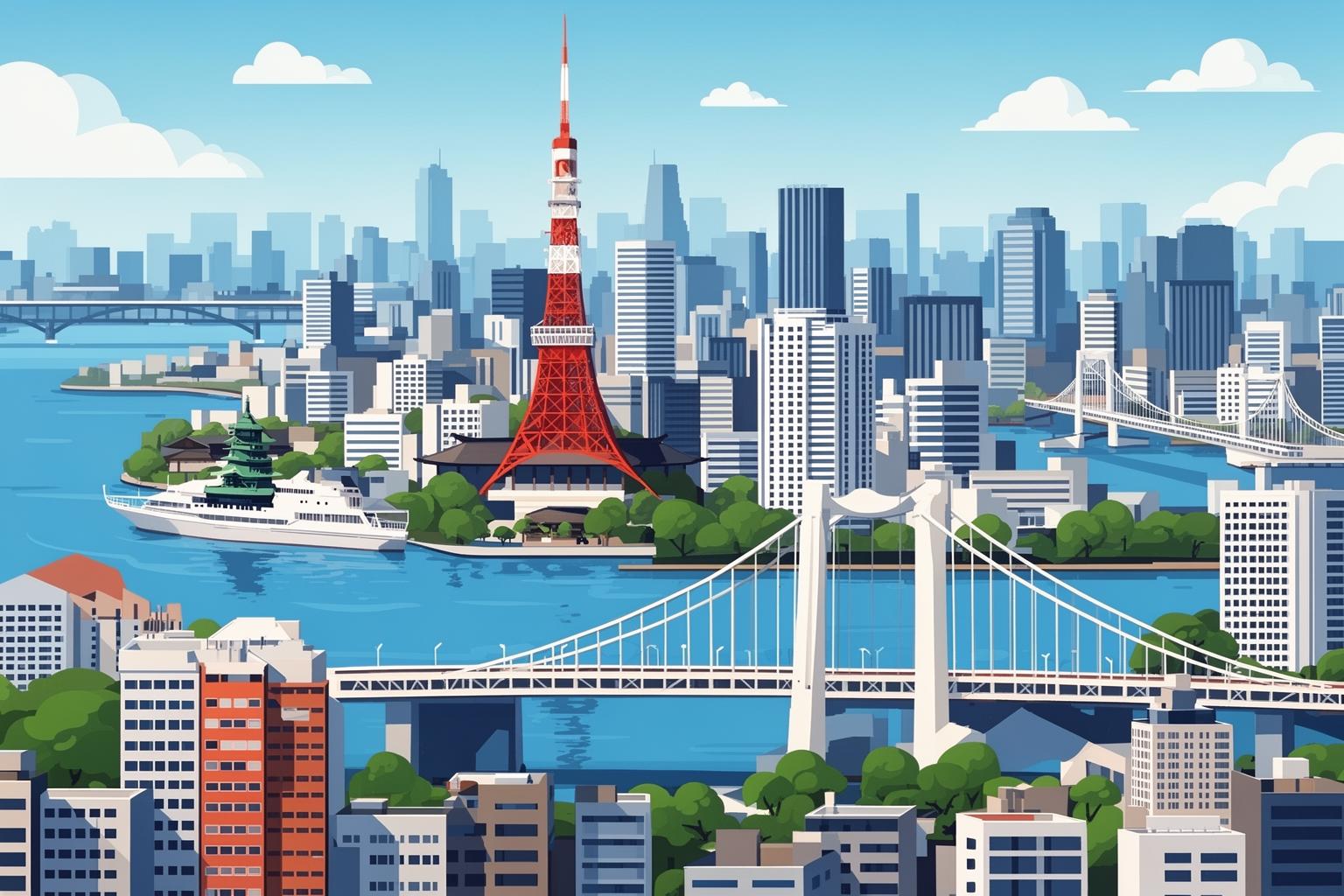
As your day tracing the footsteps of Taki and Mitsuha draws to an end, you might find a lingering feeling that stays with you long after you’ve put your camera away. The journey to visit the locations of “Your Name.” ultimately leads into the film’s core theme: “musubi.” While it is an ancient term for the local deity, Mitsuha’s grandmother explains it as the invisible threads of fate and connection that twist, tangle, and bind us across time and space. Whether standing on that staircase in Yotsuya, gazing across the Shinjuku skyline, or sitting in that cafe in Roppongi, you are more than a mere observer. You are actively engaging in the story, forging your own connection, your own thread, linking you to the film, the city, and the thousands worldwide who have been touched by the same narrative. The magic of this pilgrimage lies in recognizing how a fictional work can infuse real, everyday places with profound layers of meaning and emotion. A simple staircase becomes a symbol of hope and reunion. A pedestrian bridge turns into a stage for quiet reflection. Tokyo itself shifts from a sprawling, anonymous metropolis to a landscape rich with story and sentiment. You arrived seeking the world of “Your Name.,” and in doing so, you may discover that the city has woven a new thread, connecting its story to yours, leaving you with the beautiful, hopeful sense that somewhere in this vast and marvelous world, you too are searching for someone.