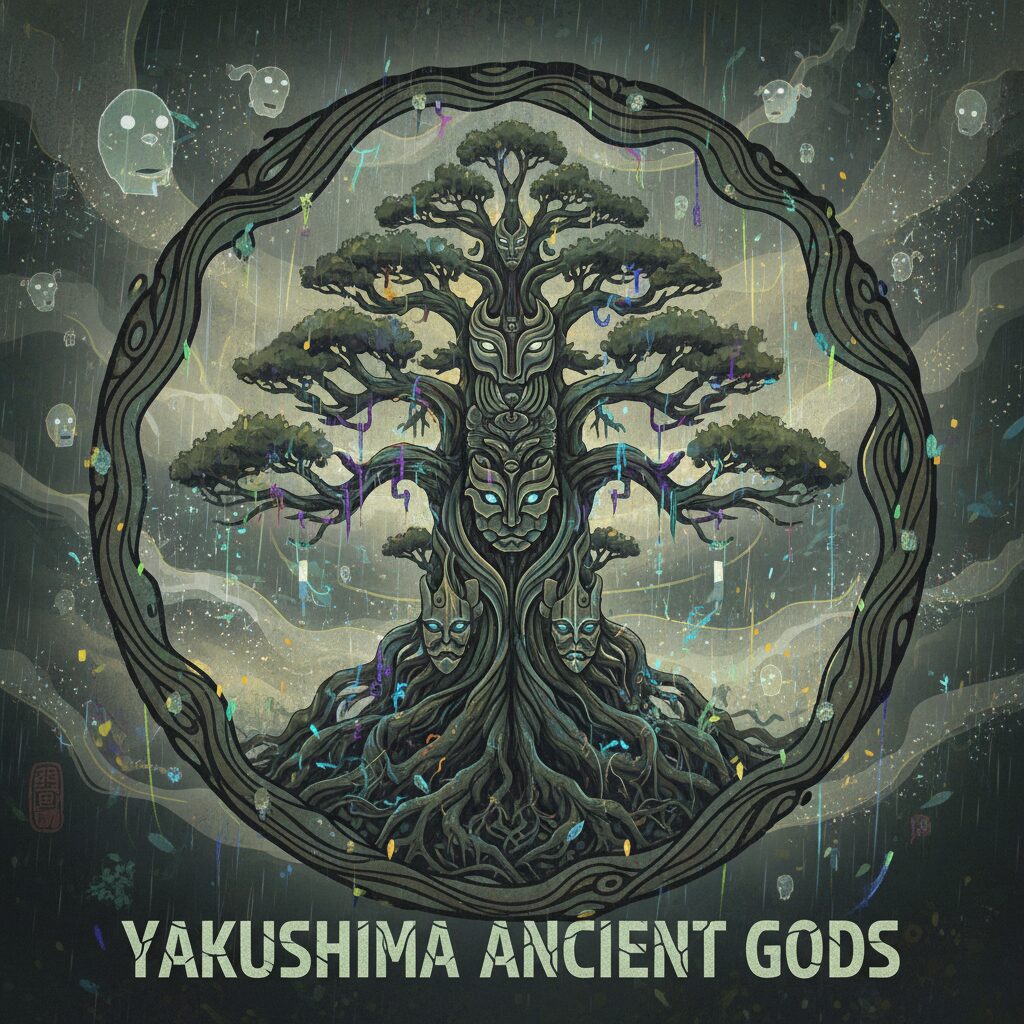
There’s a certain kind of magic woven into the celluloid of a Studio Ghibli film, a feeling that the rustling leaves, the dappled sunlight, and the moss-covered stones on screen are more than just animation. They feel ancient, alive, and breathing with a spirit that resonates deep within our collective memory. For many, Hayao Miyazaki’s 1997 masterpiece, Princess Mononoke, is the pinnacle of this feeling—a sweeping epic set in a primeval forest where gods and spirits of nature clash with the inexorable march of human industry. It’s a world that feels both fantastical and profoundly real. What if I told you that forest, the very soul of that film, is a real place you can walk through? A place where the air is thick with mist and myth, where thousand-year-old trees stand as silent witnesses to history. This place is Yakushima, a subtropical island floating off the southern coast of Kyushu, Japan. It is a land shrouded in an almost perpetual state of rain, a UNESCO World Heritage site that served as the direct inspiration for the lush, formidable landscapes of Princess Mononoke. To visit Yakushima is not merely to visit a film set; it’s to answer a call from a forgotten world, to embark on a pilgrimage to the heart of Japan’s wild, spiritual identity. It is a journey into the living, breathing forest of the Deer God.
For readers yearning to extend their journey into Japan’s rich tapestry of natural wonders, exploring the enigmatic charm of Hida Takayama offers another captivating pilgrimage.
Stepping into the Frame: The Moss Forest of Shiratani Unsuikyo
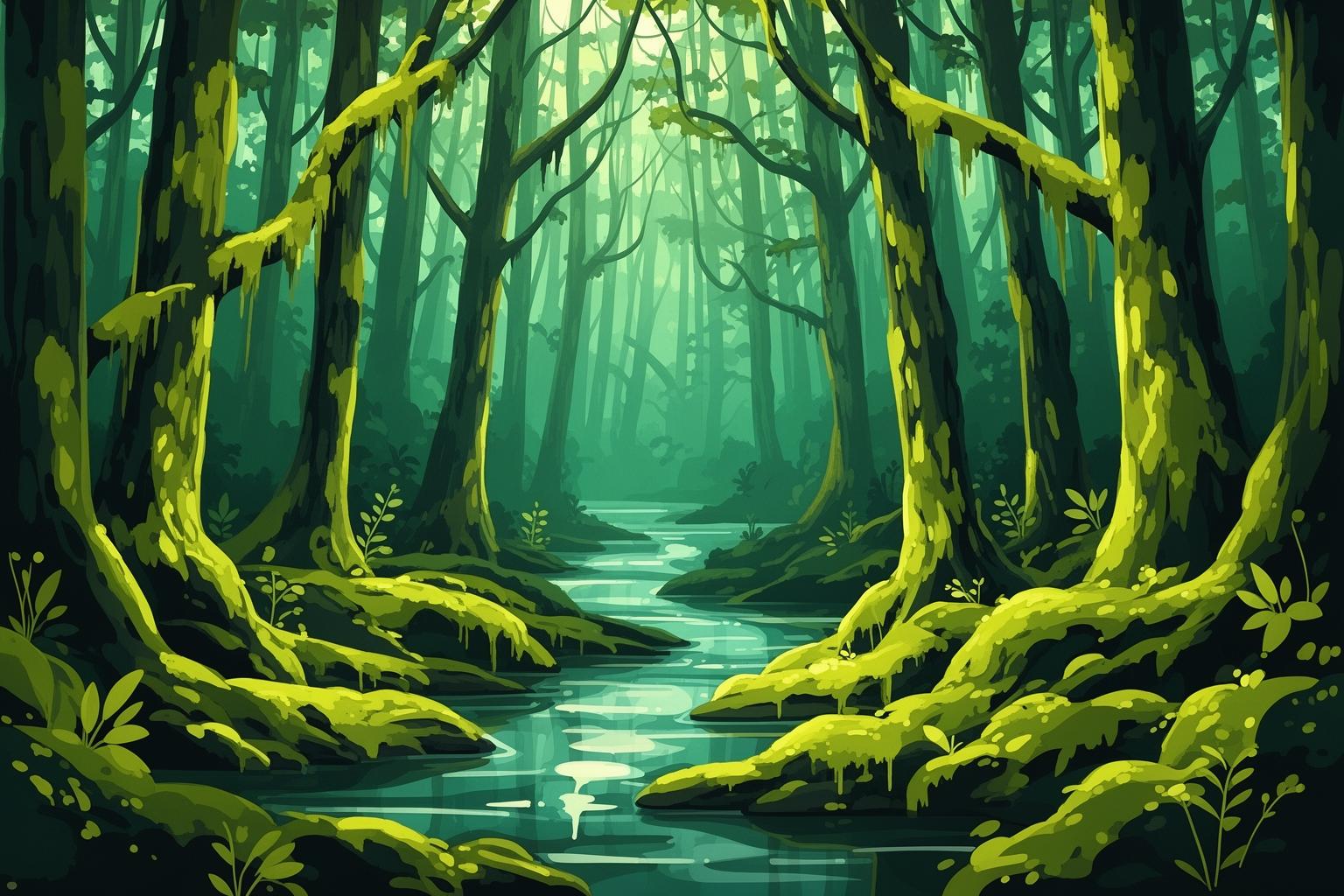
Your Ghibli pilgrimage truly begins the moment you step into Shiratani Unsuikyo, the ravine known as the ‘white valley of clouds and water.’ This is the island’s focal point connecting to the film, a place so eerily familiar that you almost expect to spot the tiny white tree spirits, the Kodama, peering out from behind a twisted root with a curious tilt of their heads. The atmosphere shifts here. It becomes cooler, denser, infused with the scent of damp earth, decaying wood, and the crisp, sharp aroma of cedar. The outside world fades into silence, wrapped in a thick, emerald carpet of moss that covers everything—rocks, fallen logs, tree trunks, and the forest floor itself. The Japanese have a word, kokemusu, meaning ‘to be covered in moss,’ and in Shiratani Unsuikyo, you don’t just see it—you feel its ancient, enveloping presence. This is the very landscape that Miyazaki and his team of artists spent days sketching, absorbing the mood that would become the sacred realm of the wolf goddess Moro and her human daughter, San. The hike through this ravine is less a physical trial and more a sensory immersion. Every step on the damp wooden walkways and stone paths takes you deeper into the fantasy.
The Kodama’s Domain
What brings this forest to life is the incredible diversity of its textures and shades of green. Yakushima boasts over 600 types of moss, and in this ravine, it feels as though every single one is on display. Some resemble plush velvet, others look like tangled hair, and still others grow in delicate, feathery ferns. Light struggles to break through the dense canopy of ancient Yakusugi cedars and firs, and when it does, it arrives in ethereal beams, illuminating patches of the forest floor like divine spotlights. This dramatic interplay of light and shadow, combined with the constant drip of water from leaf to moss, creates an atmosphere of deep tranquility and mystery. You find yourself slowing your pace, speaking softly, as if not to disturb the sleeping spirits of the woods. You’ll cross crystal-clear streams via simple wooden bridges, their waters so pure you’re tempted to drink straight from them. You’ll weave around massive granite boulders, worn smooth over millennia of rainfall and now serving as canvases for nature’s mossy art. This is the world Ashitaka entered, a place where nature is not merely a backdrop, but the main character—powerful and alive.
A Path for Mortals
Though the forest feels otherworldly, it remains accessible. A network of well-maintained trails of varying difficulties winds through Shiratani Unsuikyo. The shorter loops can be completed in an hour or two, offering a beautiful glimpse of the landscape for casual visitors. But for the true pilgrim, the trail to Taiko-iwa, or ‘Drum Rock,’ is a must. This longer hike, taking roughly four to five hours, leads you through the very heart of the so-called ‘Mononoke Hime no Mori’ (Princess Mononoke’s Forest). The final climb to Taiko-iwa is a steep scramble, but the reward is stunning. You emerge from the dense woods onto a vast, exposed granite boulder, perched high above the canopy. From here, you are granted a god’s-eye view of the island’s mountainous interior—an endless sea of green peaks stretching into the distance. It’s a panorama of raw, untamed wilderness that echoes the film’s epic scale and drives home the immense power of the nature you’ve just been immersed in. On a clear day, the view is breathtaking; on a misty day, it becomes even more magical, as you stand on a rock floating in a sea of clouds, the world below shrouded in mystery.
A Journey to the Heart of Time: Seeking Jomon Sugi
If Shiratani Unsuikyo represents the soul of Princess Mononoke, then Jomon Sugi embodies the very spirit of Yakushima itself. This is far from a casual stroll; it is an arduous ten-to-twelve-hour trek demanding respect, careful preparation, and substantial physical endurance. It is, in the purest sense, a pilgrimage—a long, meditative journey to stand before one of the oldest living beings on Earth. The Jomon Sugi is a massive Yakusugi cedar tree, estimated to be between 2,170 and 7,200 years old. Its name harks back to the Jomon Period of Japanese prehistory, implying that this tree was already a sapling when Japan’s earliest civilizations were forming. To undertake this journey is to step back through time, feeling the weight of millennia with every step you take.
The Great King of the Forest
For centuries, Yakushima’s magnificent cedars were felled to supply roofing shingles for temples and palaces on the mainland. This history of resource exploitation closely mirrors the conflict in Princess Mononoke between Lady Eboshi’s Irontown and the forest gods. Many towering trees were cut down, but some, like Jomon Sugi, were spared. Their twisted, uneven shapes made them unsuitable for timber—a flaw that ultimately ensured their survival. Today, standing before Jomon Sugi—from a protective viewing platform designed to prevent damage to its roots—is an awe-inspiring experience. The tree is not conventionally beautiful; it is a colossal mass of gnarled bark, hollowed-out sections, and thick, muscular branches reaching skyward like writhing limbs. Its presence is vast and overpowering. It feels less like a tree and more like a deity, a living monument to resilience and the stubborn tenacity of life. This ancient being has withstood countless typhoons, earthquakes, and the rise and fall of human empires. It embodies the enduring spirit of nature that San and the forest gods fought so fiercely to protect.
The Pilgrim’s Trial
The journey to Jomon Sugi begins before dawn. You take a bus to the trailhead and start your hike with a headlamp piercing the darkness. Much of the trail follows the old tracks of the Anbo Forest Railway, a logging railway. Walking on these wooden sleepers, framed by the dense forest greenery, feels like venturing along a forgotten path into an industrial past. The steady clack of your boots on the rails sets a meditative rhythm. Eventually, the trail leaves the tracks and becomes a challenging, often steep climb through the forest. Along the way, you’ll encounter other notable Yakusugi, such as Wilson’s Stump—the enormous, hollowed-out remains of a logged cedar, large enough for several people to stand inside. Looking up through its heart-shaped opening offers a striking and poignant view. The hike is exhausting; your muscles will ache, and the island’s infamous rain will likely join you, but this weariness is part of the ritual. It strips away the distractions of the outside world, sharpening your focus to the present moment, the breath in your lungs, and the ancient earth beneath your feet. Reaching Jomon Sugi is more than just arriving at a destination; it is the profound culmination of effort and a deeply personal connection with the timeless heart of the island.
The Rhythm of the Island: Practical Magic for Your Journey
Yakushima does not reveal its secrets easily. Visiting this island demands more preparation than a typical trip to a Japanese city. The island follows its own pace, governed by the weather and the wild, untamed terrain. Grasping its rhythm is essential for a successful journey.
Reaching the Lost World
Access to Yakushima is mainly from Kagoshima, the southernmost major city on mainland Kyushu. You have two primary options: by air or by sea. Flying is the fastest way, with multiple daily flights from Kagoshima Airport to the small Yakushima Airport. The flight provides breathtaking aerial views of the island’s rugged, mountainous landscape as you descend. The ferry is the more popular and atmospheric option. The high-speed jetfoil, known as the ‘Toppy’ or ‘Rocket,’ takes around two to three hours and is a common choice. For a slower and more budget-friendly trip, the car ferry requires about four hours and features open decks where you can watch for flying fish and dolphins as you near the island’s lush shores. Booking transportation well ahead, especially during peak times like Golden Week in spring, is absolutely vital.
Navigating a Realm of Green and Blue
Once you arrive, the island’s vastness becomes clear. Although public transportation is dependable, it can be infrequent and may not conveniently reach all trailheads and attractions. Renting a car is by far the most flexible and recommended way to get around. It lets you travel at your own pace, follow favorable weather, and stop at unmarked viewpoints along the stunning coastal road. Be cautious: the roads are narrow, winding, and often shared with wandering Yakushika deer and Yakuzaru monkeys. Driving here is an adventure on its own. If you don’t drive, the local bus network can suffice with careful planning. Multi-day bus passes offer good value. For major hikes like Jomon Sugi, special hiking buses run from the main towns of Miyanoura and Anbo to the trailheads, but these must be booked in advance.
Sheltering from the Perpetual Rain
Locals say it rains ’35 days a month’ on Yakushima. While an overstatement, it underscores the island’s defining feature. This almost constant rainfall nourishes the ancient forests and shapes the mystical, moss-covered landscapes. Accepting the rain, rather than resisting it, is part of the experience. Accommodations are mainly found in the port towns of Miyanoura in the north and Anbo in the east. You’ll find a variety of options, ranging from warm, family-run guesthouses (minshuku) offering home-cooked meals to modern hotels and rustic mountain lodges. Staying at a minshuku presents a great chance to connect with the local culture and receive insider tips from your hosts. Booking lodging well in advance is essential, as availability is limited and fills quickly.
Gearing Up for the Godswood
Proper gear on Yakushima is not optional; it’s critical for safety and comfort. Never underestimate the island’s rapidly changing weather. High-quality, full-body rain gear is the most crucial item to pack, including a waterproof jacket and pants. Umbrellas are useless on the trails. Durable, waterproof hiking boots with good traction are indispensable, given the often wet, rocky, and slippery terrain. Dress in layers of synthetic, quick-drying fabrics—cotton should be avoided as it holds moisture and stays cold. A backpack with a rain cover, a reusable water bottle, high-energy snacks, a small first-aid kit, and a headlamp (even if you plan to finish before dark) are must-haves for any serious hike. Many shops on the island rent complete hiking gear sets, which is an excellent option if you prefer not to carry bulky equipment.
Beyond the Ancient Woods: Yakushima’s Other Faces
While the forests are the island’s main attraction, the magic of Yakushima also extends to its dramatic coastline and powerful rivers. To only explore the woods is to engage with just one chapter of an epic story. After a long hike, there is no better way to ease tired muscles and experience the island’s raw energy than by discovering its other natural wonders.
Cascades and Coasts
The island’s abundant rainfall feeds a network of breathtaking waterfalls. Senpiro-no-taki and Oko-no-taki are two of the most striking, tumbling down massive granite cliffs with tremendous force. From the viewing platforms, you can feel the mist on your face, a vivid reminder of the water sculpting this entire landscape. The island is also encircled by a beautiful, rugged coastline. Nagata Inakahama is a stunning stretch of golden sand on the northwest coast, offering a dramatic and beautiful contrast to the dense greenery inland. This beach is not only scenic but also holds profound natural significance.
The Cycle of Life: Sea Turtles and Hot Springs
From May through July, Nagata Inakahama serves as the most important nesting site for loggerhead sea turtles in the North Pacific. Under the cover of night, female turtles haul themselves ashore to lay their eggs in the warm sand, continuing a timeless ritual of survival. Local conservation groups provide guided night tours to observe this incredible event respectfully, without disturbing the turtles. It’s a deeply moving experience that connects visitors to the island’s role within the broader oceanic ecosystem. For a different kind of connection, visit the island’s unique coastal onsen. Hirauchi Kaichu Onsen is a natural hot spring that flows from the seashore, accessible only during low tide for a few hours daily. Soaking in these rock pools with the waves of the Pacific Ocean crashing just feet away is an unforgettable, quintessential Yakushima experience.
A Taste of the Island’s Spirit
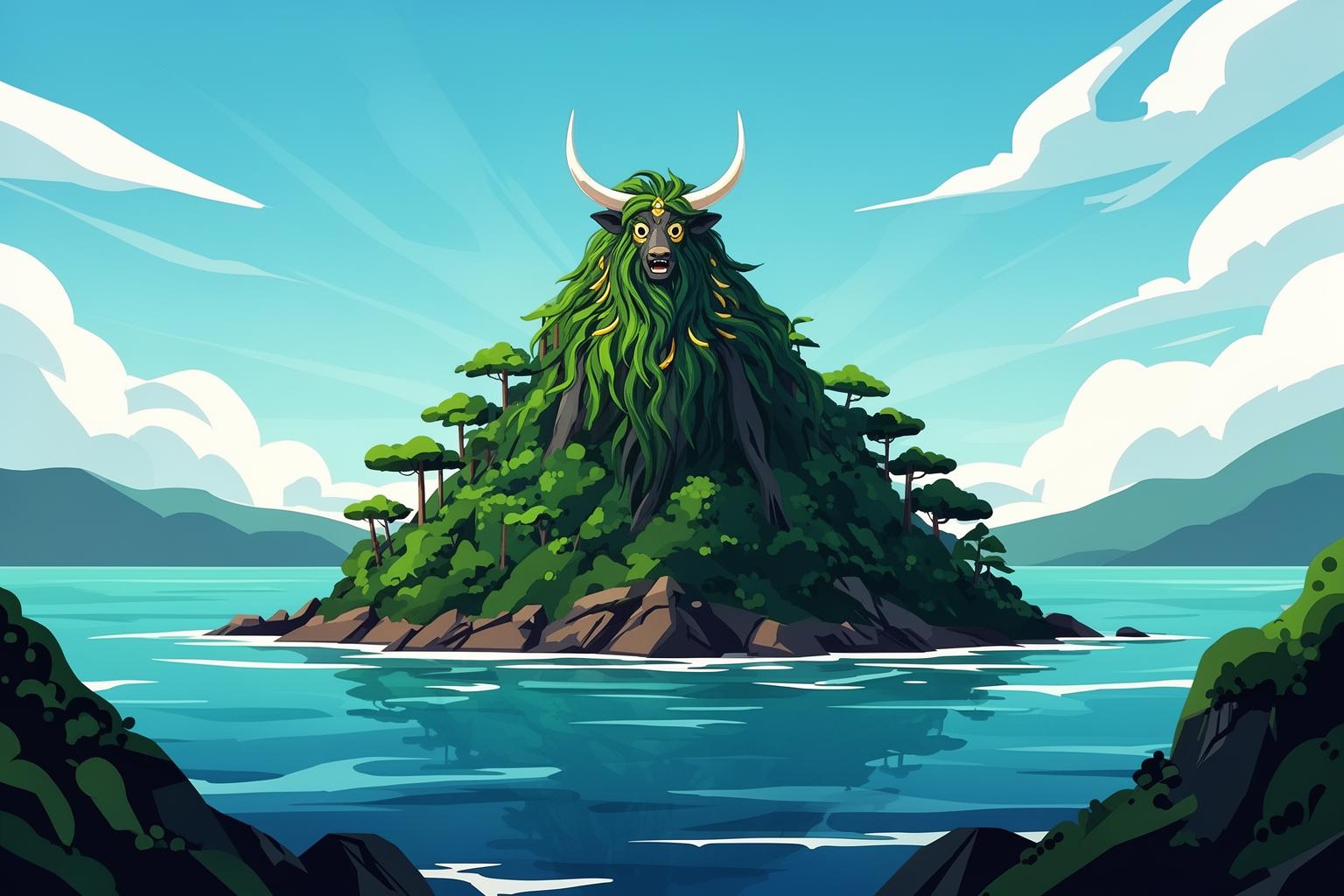
The island’s bounty is reflected in its cuisine, which is simple, fresh, and closely tied to the local environment. The signature dish is tobiuo, or flying fish. You’ll spot them leaping from the water during the ferry ride, and they appear on every menu, served fried whole (crispy wings and all), as sashimi, or as minced fish cakes. Another local specialty is the kubiori mackerel, so fresh that fishermen break its neck upon catching it to preserve its flavor. To accompany your meal, try the local shochu, Mitake, a sweet potato spirit known for its strength and cherished by the islanders. Sharing fresh seafood and a glass of shochu after a long day in the mountains is the perfect way to fully experience life on Yakushima.
A Final Word from the Forest
A journey to Yakushima is more than just a vacation. It is a pilgrimage that tests you physically and enriches you spiritually. It offers an opportunity to explore a world that inspired one of the greatest animated films ever made and to realize that reality is even more magical, powerful, and profound than the fantasy. You arrive searching for the forest of Princess Mononoke, but you depart having discovered something greater: a bond with the ancient, untamable spirit of nature itself. The whispers of the forest gods are genuine here. You hear them in the rustling cedar leaves, the steady patter of rain, and the deep, resonant silence of the moss-covered woods. All you need to do is step inside and listen.