
There are stories that feel like a dream you can’t quite shake, long after you’ve woken up. Makoto Shinkai’s masterpiece, ‘Your Name’ (Kimi no Na wa), is one such story. It’s a celestial symphony of crossed stars, body-swapping teenagers, and a love that bends the rules of time and space. The film swept across the globe, leaving audiences breathless with its stunning animation and heart-wrenching narrative. But part of its enduring magic lies in a secret whispered through its frames: the world of Taki and Mitsuha is real. The soaring skyscrapers of Tokyo, the tranquil mountain towns, the sacred lakes—they exist, waiting for you to find them. This is the heart of ‘seichi junrei,’ or anime pilgrimage, a journey to bridge the gap between fiction and reality. It’s a chance to walk the same streets, breathe the same air, and stand in the very spots where a cinematic story became immortal. This isn’t just about seeing a filming location; it’s about stepping into the narrative, feeling the lingering echoes of a story that moved millions. From the frenetic pulse of Shinjuku to the quiet traditions of the Hida region, we’re about to embark on a journey to find the tangible soul of ‘Your Name’.
Discover the allure of authentic urban backdrops as you explore Tokyo filming spots that echo the vibrant pulse captured in the film.
The Heartbeat of Tokyo: Taki’s Urban World
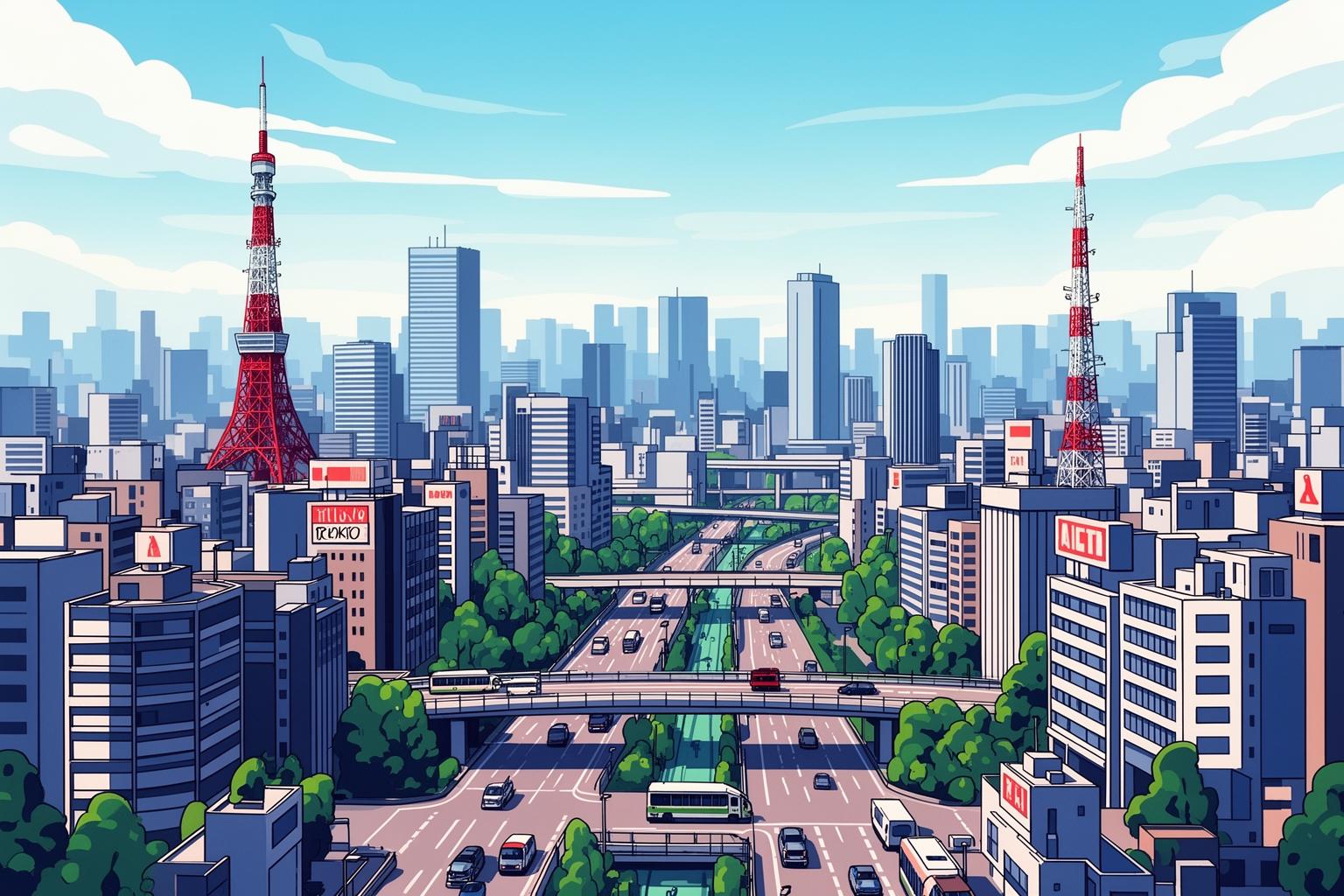
The Tokyo depicted in ‘Your Name’ is a vibrant, living character. It’s a concrete jungle portrayed with such photorealistic precision that it pulses with energy, even on screen. This is Taki Tachibana’s world: a landscape of constant motion, intersecting train lines, and towering buildings that reach into the sky. Shinkai captures the city’s immense scale and the sensation of being just one anonymous individual swept along by the flow of millions. Yet, amid this overwhelming metropolis, he discovers moments of quiet beauty and personal meaning. Walking through Tokyo in Taki’s steps allows you to experience this duality firsthand. It’s about navigating the chaos of the world’s busiest train stations while also seeking out the peaceful, residential corners where the film’s most emotional scenes take place. The city becomes a backdrop for Taki’s ambitions, friendships, and his mysterious connection to a girl he’s never met. Our journey begins here—in the urban core where half of our story is rooted.
The Iconic Steps: Suga Shrine in Yotsuya
No image is more iconic to ‘Your Name’ than the red-railed staircase where Taki and Mitsuha finally and desperately reunite in the film’s final moments. This emotional centerpiece of the story is nestled in a quiet, modest residential neighborhood in Yotsuya. Discovering the Suga Shrine steps feels like uncovering a secret gateway. One moment you’re wandering through calm, narrow streets; the next, you’re standing at the threshold of a cinematic legend. The view from the top, looking down the curved staircase lined by apartment buildings, perfectly replicates the film’s closing shot. The atmosphere is surreal—you might expect an electric charge in the air but instead find calm. The sounds are city noises softened by distance: a faint siren, the gentle rustling of leaves, quiet footsteps of local residents. It’s a place for reflection. Standing there, you can almost hear their voices asking desperately, “Have we met before?” For first-time visitors, the ideal time to visit is early morning or late afternoon when the golden hour light filters through the buildings, casting long shadows and echoing the film’s distinctive aesthetic. Access is easy; it’s about a ten-minute walk from Yotsuya or Shinanomachi Station. One important tip: remember this is both a residential area and a sacred space. Be considerate about noise and respectful toward the neighborhood’s residents. The shrine itself, perched at the top of the stairs, is a tranquil local Shinto site worth visiting quietly to offer a prayer or simply absorb its peaceful energy.
A Metropolis in Motion: Shinjuku’s Crossroads and Views
If Yotsuya embodies the quiet heart of Taki’s world, Shinjuku is its vibrant pulse. This district defines the scale and energy of his life. The film is filled with stunning shots of Shinjuku’s vast cityscape—the endless buildings, flashing neon signs, and the crowds flowing through its busy arteries. It’s a visual symbol of modern Tokyo and the place where Taki works part-time, navigates his social life, and dreams of a different future.
The National Art Center, Tokyo: Taki’s Date Spot
The architectural gem where Taki and his refined coworker, Okudera-senpai, go on their date is The National Art Center in Roppongi, just a short trip from Shinjuku. With its breathtaking undulating glass facade designed by Kisho Kurokawa, the building itself is a stunning work of art. Stepping inside feels like entering one of Shinkai’s beautifully designed backgrounds. Sunlight streams through the massive glass walls, lighting up the spacious, open interior. You can visit the exact spot where they had lunch: Salon de Thé ROND, an elegant cafe perched atop a large concrete cone inside the atrium. Even if you don’t eat there, sitting in the public areas to admire the architecture is a memorable experience. The center hosts rotating world-class art exhibitions, making it a wonderful cultural stop during your pilgrimage. Practical details: entry to the building is free, though special exhibitions require tickets. It’s easily accessible from Nogizaka Station on the Tokyo Metro Chiyoda Line. It’s an ideal place to spend an afternoon, combining your anime pilgrimage with a touch of high culture, imagining the same mix of awe and slight intimidation that Taki might have felt.
Shinjuku Scramble and Surroundings
The hectic energy of Shinjuku is best captured by its vast pedestrian crossings and the enormous digital billboards towering above them. While Shibuya Crossing may be more famous internationally, the crossings around Shinjuku Station—especially the one in front of the Yunika Vision building—feature prominently in ‘Your Name’. These scenes convey the overwhelming, fast-paced environment Taki inhabits. To experience it yourself, simply exit Shinjuku Station and let the flow of people sweep you along. The flashing lights, the flood of advertisements, and the sheer mass of humanity create a thrilling sensory overload. For a more cinematic vantage point, find a second-story cafe overlooking the crossing, such as Starbucks or L’Occitane Cafe in Shibuya or a similar spot in Shinjuku. From there, you can watch the rhythmic flow of crowds below, a scene both anonymous and intimately human—a perfect reflection of the film’s urban themes. This is the ever-moving, ever-changing Tokyo, starkly contrasting with the timeless tranquility of Mitsuha’s hometown.
Docomo Tower’s Distant Gaze
A recurring landmark in Taki’s Tokyo is the NTT Docomo Yoyogi Building. Although it’s not a place to visit directly, its distinctive clock tower stands as a constant, silent sentinel in the skyline, much like the comet in the story. It appears in many shots, anchoring the viewer in the city’s geography. One of the best viewing spots is from the bridges and walkways near Shinjuku Station or inside Shinjuku Gyoen National Garden. Its presence serves as a subtle nod—a crucial piece of the urban puzzle that makes Taki’s world feel so genuine. Seeing it in person, rising above the cityscape, helps you appreciate the incredible detail and realism behind the film’s crafted environment. It becomes a landmark in your own mental map of Tokyo, just as it is for Taki.
Echoes of Itomori: Mitsuha’s World in Hida
Leaving behind Tokyo’s electric hum, our pilgrimage takes a striking turn as we travel northward into the mountains of Gifu Prefecture. This is the region that inspired Itomori, the fictional hometown of Mitsuha Miyamizu. The shift is as profound as the body-swapping itself. Concrete and neon yield to emerald mountains, traditional wooden houses, and a silence so deep you can hear leaves rustling and water flowing. Although Itomori is a blend of various locales, its heart and soul lie in the Hida region. This journey delves into a world rich in tradition, community, and a deep, almost spiritual bond with nature. It’s a place where time moves slower, where each building and custom has its own story. Here, we begin to grasp the deep-rooted heritage that shapes Mitsuha, her role as a shrine maiden, and her longing for a life beyond the mountains.
The Soul of the Town: Hida-Furukawa
The quaint town of Hida-Furukawa served as the primary inspiration for Itomori. From the moment you step off the train, the similarity is striking. The town embraces its connection to the film with quiet pride, welcoming visitors warmly while preserving its authentic, serene character. Walking its streets feels like stepping right through the screen. The air is crisp and clean, the pace unhurried, and the scenery a gorgeous tapestry of well-preserved Edo-period architecture set against stunning natural backdrops. Here, the fiction of Itomori comes vividly to life.
Hida-Furukawa Station: A Familiar Arrival
The pilgrimage to Hida-Furukawa naturally begins at its train station. This modest, unpretentious station is the setting for a key scene where Taki and his friends arrive on their quest to find Mitsuha. The film perfectly replicates the look of the platform, the pedestrian overpass, and even the small “Hida-gyu” cow mascot statue. Fans often wait for the Limited Express Hida train to arrive to reenact the iconic shot from the movie. The station sets the tone for the entire Hida experience: quiet, friendly, and reminiscent of another era. Getting here is part of the adventure, usually involving a scenic journey on the JR Takayama Main Line from Toyama in the north or Nagoya and Takayama in the south. The train ride, winding through river gorges and deep mountain valleys, offers a beautiful transition from urban to rural life, mirroring Taki’s own journey of discovery.
Whispers in the Library: Hida City Library
One of the film’s most faithfully recreated locations is the Hida City Library. This is where Taki sifts through records, desperately searching for information about Itomori and the disaster that befell it. The real library is a beautiful modern building with warm wooden interiors and a tranquil, studious atmosphere. The staff are exceptionally welcoming to pilgrims, having established a small dedicated section with film information and a guestbook for visitors to sign. Importantly, they understand fans’ desires to photograph the site. Although photography is generally discouraged in libraries, visitors can request permission at the front desk to receive a pass. It’s a wonderful gesture of hospitality. Remember to remain exceptionally quiet and respectful, as this is a functioning public library used by locals. Sitting where Taki made his world-altering discovery is a uniquely powerful experience, blurring the lines between observer and participant.
Weaving Tradition: The Keta Wakamiya Shrine and Local Streets
While the Miyamizu Shrine in the film is fictional, its spirit is drawn from local shrines such as Hida-Furukawa’s Keta Wakamiya Shrine. Climbing its stone steps, surrounded by towering cedar trees, you sense the ancient, sacred aura that shaped Mitsuha’s life. Beyond the shrine, the true enchantment of Hida-Furukawa lies in its streets. The Setogawa Canal area, with its distinctive white-walled storehouses and thousands of colorful carp swimming in clear water, is breathtakingly picturesque. It perfectly captures Itomori’s aesthetic. Take your time to wander and explore small shops selling local crafts and sake. Try Goheimochi, a grilled rice cake coated with sweet miso sauce — a local specialty Mitsuha herself would have enjoyed. This is the way to truly connect with the place: by immersing yourself in its living culture, not just its cinematic reflections.
The Spiritual Core: Beyond the Town

To fully grasp the world of ‘Your Name,’ one must look beyond the towns and cities to the profound natural and spiritual landscapes that shape its mythology. The story is deeply anchored in Shinto beliefs about nature, spirits, and the unseen realm. Itomori is more than just a location; it represents a site of immense spiritual power, centered around a mystical lake and a sacred shrine. Although these specific places are fictional, their inspirations are very real and accessible, offering the strongest connection to the film’s thematic essence.
The Guardian of the Lake: Lake Suwa in Nagano
A striking revelation for many visitors is that the stunning Itomori Lake was not inspired by a site in Gifu, but rather by Lake Suwa in nearby Nagano Prefecture. The resemblance is unmistakable, especially from the Tateishi Park observation deck. The panoramic view of the expansive lake cradled by mountains and the town resting along its shore perfectly mirrors the film’s iconic establishing shots of Itomori. Standing at this vantage point is a profound experience. The sheer beauty of the landscape can leave one speechless. There is a tangible sense of grandeur and scale that makes the film’s cosmic events feel believable. The ideal time to visit is at dusk, during the magical twilight called “kataware-doki” in the film. As the sun sets, the sky and water are painted in shades of orange, purple, and deep blue, while city lights begin to sparkle below. It is a moment of pure cinematic enchantment come to life. Reaching Tateishi Park can be challenging due to its steep ascent from Kami-Suwa Station, so taking a taxi or renting a car is highly advisable. The journey is absolutely worth it for a view that will stay etched in your memory forever.
The Sacred Site: The Caldera and Miyamizu Shrine’s Inspiration
The Goshintai, the sacred heart of the Miyamizu Shrine located within a mountain caldera, symbolizes the boundary between the human world and the realm of the gods. This is where Mitsuha leaves her kuchikamizake offering and where Taki later travels to drink it, finally connecting with her across time. This dramatic, moss-covered caldera is a place of ancient power. While no single real location matches it perfectly, its visual inspiration is often linked to the remote volcanic island of Aogashima, part of the Izu archipelago governed by Tokyo. Aogashima is a real, inhabited volcanic caldera, beautiful but notoriously difficult to visit. For a practical pilgrimage, the aim isn’t to find the exact site, but to capture its essence. This can be experienced in many sacred mountains and ancient forests surrounding shrines across rural Japan. Places like Kamikochi in the Northern Japan Alps or the sacred forests of the Kii Peninsula can evoke that same feeling of stepping into a primordial, powerful natural world where the gods might still roam.
Planning Your Pilgrimage: A Practical Guide
A journey that stretches across Japan, from the heart of Tokyo to the mountains of Gifu, requires some planning to ensure it goes smoothly. The charm of a ‘Your Name’ pilgrimage is that it leads you through two distinct and equally captivating sides of Japan. Planning your logistics ahead of time will allow you to fully immerse yourself in the experience, letting the story guide your steps instead of a train timetable.
Crafting Your Itinerary: Tokyo and Hida
It’s helpful to view this as two separate trips combined into one grand adventure. Allocate at least two to three full days to exploring the Tokyo locations. The city is expansive, so you’ll want enough time to travel between Yotsuya, Shinjuku, and Roppongi without feeling rushed. A travel card like Suica or Pasmo is essential for easily hopping on and off the city’s highly efficient subway and train network. For the next part of your journey, set aside another two to three days for the Hida region and Lake Suwa. The journey between Tokyo and Hida-Furukawa takes several hours. The most common route is taking the Tokaido Shinkansen (bullet train) to Nagoya, then transferring to the JR Limited Express Hida, which offers a breathtaking scenic ride into the mountains. Alternatively, you could take the Hokuriku Shinkansen to Toyama and connect to the Hida line from there. If you plan extensive travel, a Japan Rail Pass can be a cost-effective choice. Once in Hida, Hida-Furukawa is very walkable. To reach Lake Suwa in Nagano, renting a car gives you the most flexibility, though it is also accessible by train to Kami-Suwa Station.
When to Weave Your Own Story: Seasonal Considerations
‘Your Name’ is set during late summer and early autumn, and visiting at this time lets you see the locations enveloped in the same lush greenery and warm light as the film. The Hida region is especially vibrant then, with verdant mountains and clear, flowing streams. Still, every season offers its own unique charm. In spring, Tokyo’s sites are framed by delicate cherry blossoms, adding a layer of fleeting beauty. Autumn is spectacular in the mountains, as the foliage around Hida and Lake Suwa bursts into fiery reds, oranges, and golds. Winter covers the Hida region in a thick blanket of snow, transforming it into a serene, monochrome wonderland. This peaceful atmosphere offers a very different yet equally magical experience, reminiscent of the story’s more somber, reflective moments. There’s no wrong time to visit; each season simply tells a slightly different version of the same beloved tale.
More Than a Checklist: Embracing the Journey
A final piece of advice for any pilgrim is to look beyond just the locations. This journey is more than a scavenger hunt for photo spots; it’s an invitation to engage with the culture that inspired the film. In Hida, slow down. Enjoy a meal of Hida beef, famed for its quality. Visit a local sake brewery and sample the region’s renowned spirits. Explore the morning markets in nearby Takayama. In Tokyo, wander the side streets of Shinjuku, find a cozy ramen shop, or simply sit in a park and watch the city move around you. The spirit of the pilgrimage lies in the connection you form—not only with the anime but with the places and people of Japan. By embracing the journey itself, you create your own story, intertwined with Taki and Mitsuha’s, a memory that will be uniquely yours.
A Connection Across Time and Space

To explore the world of ‘Your Name’ is to deeply grasp how a story can become intricately entwined with the essence of a place. It stands as a testament to art’s power to reshape our perception of reality, transforming an ordinary staircase into a crossroads of destiny and a quiet mountain town into a beacon of resilience and hope. This journey is not merely a quest for locations but an exploration of emotions. It is the ache of longing felt while gazing over Lake Suwa at twilight, the flutter of hope on the steps of Suga Shrine, and the serene comfort found within the traditional streets of Hida-Furukawa. You walk through the memories of Taki and Mitsuha, and in doing so, you forge your own. This experience reminds us that the threads of connection—the ‘musubi’ Mitsuha’s grandmother spoke of—are present all around us: in places, stories, and the shared experience of being moved by a beautiful work of art. You came searching for the world of a film, and you leave having discovered a deeper bond with your own.