
There are stories that stay with you, long after the credits roll. They weave themselves into the fabric of your memory, their colors as vivid as a dream you can’t quite shake. Makoto Shinkai’s masterpiece, Your Name (Kimi no Na wa), is one of those stories. It’s a breathtaking tale of connection, distance, and fate, painted with hyper-realistic cityscapes and ethereal, star-strewn skies. For millions around the globe, the film was more than just an animated feature; it was an emotional journey. And for those of us with a traveler’s heart, it was also an invitation. An invitation to step through the screen and walk the same streets as Taki and Mitsuha, to feel the pulse of the city that served as their canvas, and to discover that the magic of the movie is intricately tied to the very real, very vibrant soul of Tokyo. This is the essence of seichi junrei, or anime pilgrimage, a modern-day quest to find the tangible in the fantastic. This guide isn’t just a checklist of photo spots; it’s a map to rediscovering the film’s heart, beat by beat, step by step, in the sprawling, beautiful, and utterly captivating metropolis of Tokyo.
For travelers eager to extend their cinematic journey, embarking on a sacred pilgrimage can reveal more of Japan’s deep-rooted natural and cultural treasures.
The Heart of the City: Shinjuku’s Starring Role
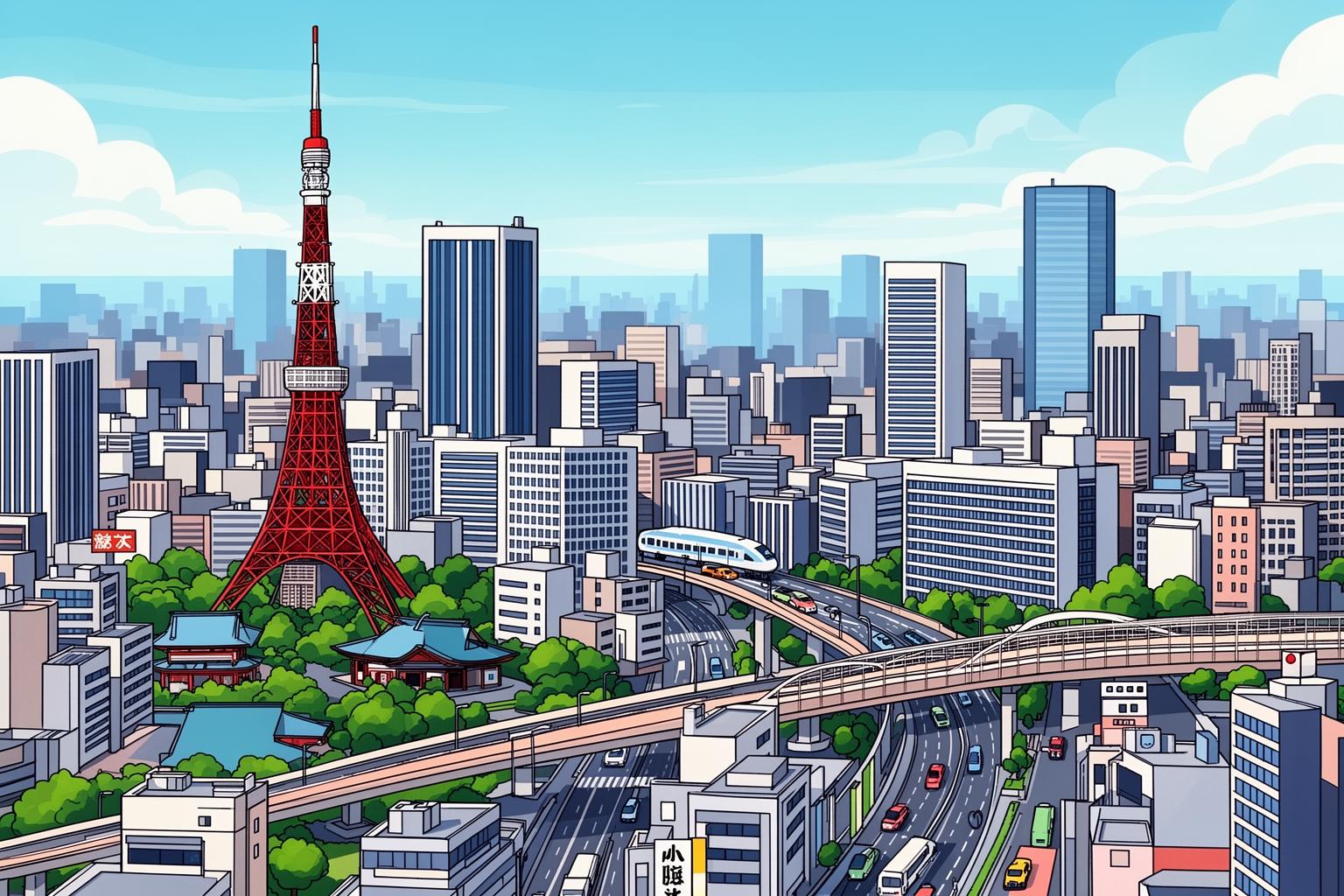
Tokyo isn’t merely a backdrop in Your Name; it serves as a vibrant, living character. At its core, undoubtedly, is Shinjuku. The film portrays this district’s dual nature with the precision of a painter: the overwhelming height of its skyscrapers, the intricate dance of its train lines, and the quiet, intimate moments tucked just around the corner. When Mitsuha, inhabiting Taki’s body, first gazes upon the cityscape, her wonder is palpable—a sensation every first-time visitor to Shinjuku can understand. This is where Taki lives, works, and goes about his everyday life, a world apart from Mitsuha’s peaceful, rural Itomori. To fully grasp the story, you first need to understand its urban heart.
A Metropolis Painted in Light
Shinjuku Station stands as the world’s busiest transportation hub—a sprawling maze of platforms, tunnels, and exits that can overwhelm even the most experienced travelers. Yet Shinkai turns this potential chaos into a harmonious symphony of movement and light. The trains sliding along the tracks, reflections shimmering in the glass of towering buildings, and the flowing sea of people crossing streets are all depicted with meticulous attention that elevates the ordinary into the extraordinary. Your journey begins the moment you step off the train here. Rather than rushing to your next stop, take a moment to simply be present in this space. Find a vantage point—perhaps on a pedestrian bridge or through a department store window—and watch. See the city as Taki would on his daily commute. Observe how the sunlight filters through the buildings in the afternoon and how the neon signs start to glow as dusk descends, creating that unique urban magic the film captures so perfectly. This isn’t just about seeing a place; it’s about experiencing the city’s rhythm—the pulse that shaped one half of the story. You come to appreciate the immense scale of Taki’s world, the sensation of being a solitary, anonymous presence among millions, a profound theme woven deeply into the film’s narrative of search and connection.
The View from Above: A Sky Full of Dreams
Much of Your Name revolves around perspective—viewing the world through another’s eyes, seeing a familiar place from an unfamiliar angle. The film is renowned for its sweeping panoramas of Tokyo, a glittering expanse of lights stretching toward the horizon. This is Taki’s world unveiled, a sharp contrast to the mountains and lake surrounding Itomori. To truly appreciate this, you must rise above. Although the film’s views often blend different angles, the experience can be authentically enjoyed from several observatories. The most accessible, and ideal for travelers mindful of their budget, are the observation decks of the Tokyo Metropolitan Government Building. Entrance is completely free, and from 202 meters up, you gain a stunning panorama. From here, you can see Shinjuku’s dense urban forest, the distant Tokyo Tower, and on clear days, the majestic outline of Mount Fuji. Aim for a late afternoon visit. As the sun sets, you’ll witness the city’s transformation—the sky shifting from blue to fiery orange and gentle violet—the kataware-doki, or twilight hour, crucial to the film’s storyline. This is when boundaries blur, and magic feels possible. Watching the city lights flicker on one by one until the ground below mirrors the starry sky creates an experience that connects you intimately with the film’s most touching and beautiful scenes. It’s a profound reminder of the world’s vastness and the remarkable chance that two souls can find each other within it.
Taki’s World: A Walk Through Yotsuya and Shinanomachi
While Shinjuku offers a grand, cinematic backdrop, the true emotional heart of Taki’s life in Tokyo lies within the quieter, more residential neighborhoods of Yotsuya and Shinanomachi. It is here that the film’s most iconic and deeply moving scenes take place. Just a short train ride or a pleasant walk away from the bustling Shinjuku, this area feels like a world apart. The streets narrow, buildings grow smaller, and the pace of life slows down significantly. This is where the animated world and reality intertwine most seamlessly, allowing you to follow Taki’s path from his daily commute to the very spot where his and Mitsuha’s timelines miraculously intersect.
The Iconic Stairs of Suga Shrine
This is the spot every fan seeks out. The red-railed staircase at Suga Shrine is more than just a place; it is a destination, a symbol of hope, reunion, and the story’s breathtaking climax. The walk to the stairs is part of the experience. As you stroll through the quiet residential streets of Yotsuya, a sense of anticipation builds. Passing small shops, local apartments, and the everyday sounds of life grounds the fantastical story in reality. Then, there it is—the gentle curve of two staircases, the distinctive red handrail on one side, the grey stone on the other, and the city peeking through the buildings below. It matches the film’s depiction with uncanny accuracy. Climbing to the top and turning to see the view Taki once saw, or standing at the bottom looking up to where Mitsuha stood, is deeply moving. You can almost hear the soundtrack swell, almost feel the years of searching culminate in that tentative question: “Kimi no na wa?” This place holds profound emotional resonance. Visitors often linger, taking photos or simply sitting, soaking in the atmosphere. It’s important to remember this is a real, active shrine in a residential neighborhood—please be quiet, respectful, and mindful of local residents. The shrine at the top is a peaceful, beautiful spot for offering a prayer. For many, it is the most meaningful stop on the pilgrimage, where the entire story crystallizes not just as a narrative, but as a feeling imprinted on Tokyo’s landscape.
Tracing Taki’s Steps: From Part-Time Job to Daily Commute
The area surrounding the Suga Shrine stairs is dotted with smaller locations that enrich your pilgrimage. Just a short walk away lies the pedestrian bridge outside Shinanomachi Station—the very bridge where Taki speaks with his crush and co-worker, Okudera-senpai, after a date. Standing on the bridge, you can look down at the JR Chuo-Sobu line trains passing beneath—a view captured almost exactly in the film. It’s a quiet, introspective moment that the real location perfectly conveys. You can feel the gentle rumble of trains, watch people flow in and out of the station, and imagine the characters’ complex emotions. Nearby is Yotsuya Station, another key location where Taki often met his friends. The intersection outside the station, with its distinctive circular structure, is yet another scene lifted straight from reality into animation. Though these spots may seem modest compared to the grand staircase, they are essential to completing the picture of Taki’s world. They form the backdrop to his friendships, his daily life, and his personal growth. Walking between them gives you a greater understanding of the geography of his life, making the character feel more real. This transforms the pilgrimage from a simple photo opportunity into a genuine narrative journey through the city.
A Green Oasis: Shinjuku Gyoen National Garden
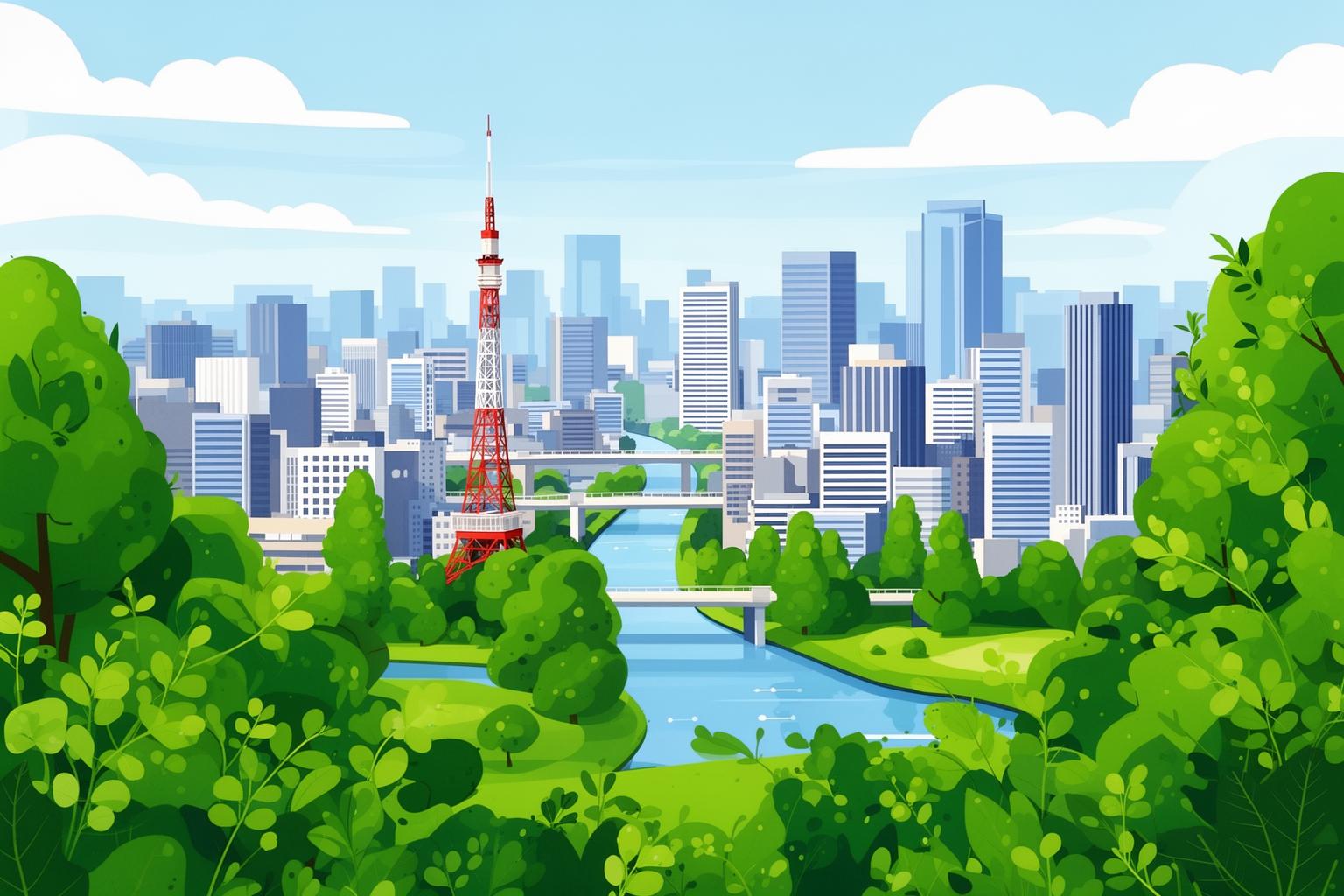
Amid the concrete and steel of Tokyo’s busiest district lies an oasis of breathtaking natural beauty: Shinjuku Gyoen National Garden. This expansive park is a cherished retreat for locals seeking peace and also serves as a significant location in Your Name. It’s where Taki takes Okudera-senpai on their date, and the film artfully captures the garden’s tranquil ambiance and scenic views. Visiting here provides a refreshing change of pace and a deeper connection to the story’s narrative and visual motifs.
More Than Just a Park
Shinjuku Gyoen is a masterpiece of landscape architecture, encompassing three distinctive styles: a traditional Japanese Garden with ponds and pagodas, a formal French Garden with symmetrical flowerbeds, and a sweeping English Landscape Garden with vast open lawns. This diversity makes the park uniquely special and visually captivating—a quality Shinkai’s team utilized perfectly. Upon entering, the city’s noise fades away, replaced by the rustling leaves, birdsong, and the soft murmur of fellow visitors. The film showcases several scenes set within the park, focusing especially on its lush greenery and serene pathways. The greenhouse, a grand Victorian-style structure housing tropical and subtropical plants, is also prominently featured. Stepping inside feels like entering a different world—a warm, humid jungle amid the bustling city. This sensation of being transported, of discovering another realm within the urban landscape, resonates with the film’s broader themes of crossing boundaries and uncovering hidden realities.
Finding the Film’s Scenes and Lingering a While
As you explore the park, you’ll come across specific spots used in the film, such as the pergola-covered rest area where Taki and Okudera-senpai sit and talk. Locating these places is part of the fun, but the real pleasure of visiting Shinjuku Gyoen lies in embracing its true purpose: relaxation and reflection. Don’t rush from one photo opportunity to the next. Instead, follow the example of locals. Pack a bento box for a picnic on the lawn, find a bench by the pond to sketch or read, or simply lie back on the grass and watch clouds drift, all framed by the Shinjuku skyline peeking over the treetops. The park’s beauty shifts dramatically with the seasons—spring brings some of Tokyo’s finest cherry blossoms; autumn sets the maples ablaze with fiery hues; summer offers lush, vibrant greenery. Note that there is a small entrance fee, and certain rules apply—no alcohol is permitted, for example, helping maintain the park’s calm and family-friendly environment. Spending a few hours in Shinjuku Gyoen isn’t merely a pilgrimage; it’s a restorative experience that refreshes the spirit and prepares you for what lies ahead.
La Bohème: The Real-Life ‘Il Giardino delle Parole’
Just steps from the park’s edge is a spot that adds a delightful touch of authenticity to the pilgrimage: Cafe La Bohème Shinjuku Gyoen. This charming restaurant, with its classic European villa-inspired design, lofty ceilings, and large windows, served as the direct model for the fictional Italian restaurant “Il Giardino delle Parole,” where Taki worked part-time. The fictional eatery’s name is itself a nod to another of Shinkai’s films, The Garden of Words, famously set in Shinjuku Gyoen, creating a wonderful intertextual connection for devoted fans. Stepping into Cafe La Bohème feels like stepping directly into the anime. The layout, ambiance, and even the staff’s uniforms closely mirror the fictional restaurant. It’s the perfect place to enjoy lunch or dinner after exploring the park. The menu features classic Italian dishes, from pasta to pizza, and the atmosphere is both elegant and inviting. Sitting at a table, it’s easy to imagine Taki bustling about, taking orders and navigating his social environment. This immersive experience engages all the senses. Given its popularity, especially among fans, booking a reservation ahead of time is recommended. It provides an ideal way to conclude your exploration of Shinjuku Gyoen, blending the park’s tranquility with the vibrant social world Taki inhabited.
The Deeper Connection: Understanding the ‘Musubi’
A pilgrimage for Your Name goes beyond merely visiting physical sites; it involves immersing yourself in the film’s profound and beautiful themes. At the core of the story lie ancient Japanese concepts that lend the narrative its spiritual and emotional resonance. Grasping these ideas can elevate your journey from a simple sightseeing trip to a far richer and more meaningful experience.
Kataware-doki and the Magic Hour
Kataware-doki, the term for twilight used by the grandmother, is a central idea. She describes it as the moment when the boundary between worlds becomes blurred, allowing for encounters with the supernatural. This is, naturally, the time when Taki and Mitsuha can meet face-to-face on the crater’s edge. In reality, this corresponds to the “magic hour” beloved by photographers and filmmakers—a brief period shortly after sunrise or just before sunset when the light is soft, diffused, and golden. As you explore the locations, especially the Suga Shrine stairs or an observatory, try to time your visit to align with this magic hour. Experience kataware-doki firsthand. Observe how the quality of light shifts, how shadows grow longer, and colors intensify. In these moments, the city feels altered—more mysterious, more beautiful. It offers a chance to sense the same wonder and possibility that fills the film. This connection links you to the story’s timeline and its most pivotal emotional moments in a way that a simple daytime photo cannot capture.
Musubi and the Pilgrim’s Mindset
Musubi is another essential theme, defined as the invisible force that ties everything together—people, time, and events. It represents the weaving of threads, the flow of time, and the shaping of relationships. Undertaking this pilgrimage is itself an act of musubi. You are weaving your own journey into the fabric of the story, connecting with the creators who imagined these places, with the characters who lived there, and with the thousands of fans worldwide who have made the same pilgrimage. To embrace this fully, approach your journey with mindfulness and respect. When standing on the Shinanomachi bridge, don’t merely snap a picture; feel the vibrations from the trains, observe the people below, and reflect on the small, intersecting journeys unfolding every day. When visiting Suga Shrine, pause for quiet contemplation. Notice the small details: the texture of the stone, the scent of incense, the sound of wind rustling through the trees. This is not a theme park—these are genuine places with their own histories and spirits. By being a respectful and attentive visitor, you honor the location and deepen your bond with the story. The magic lies not just in seeing the place but in understanding how the real location and fictional narrative are interwoven, creating a beautiful and unique tapestry of experience.
Practical Itinerary for the Aspiring Pilgrim

Setting out on this journey through Tokyo might feel overwhelming, but Taki’s world is surprisingly within reach. The main sites are concentrated in and around the Shinjuku area, making a one-day walking tour not only feasible but highly advisable. Walking lets you sense the subtle changes in atmosphere between neighborhoods and uncover your own cinematic moments along the way.
A One-Day Walking Tour Itinerary
To get the most out of your day, a well-planned route is crucial. Here’s a recommended itinerary that follows a natural narrative flow and concludes with an ideal kataware-doki moment.
Morning (9:00 AM): Begin your day at Shinjuku Gyoen National Garden. Arrive just after it opens to enjoy the calm before the crowds arrive. Spend two to three hours strolling through the various gardens, locating the film’s spots, and simply absorbing the tranquil ambiance.
Lunch (12:00 PM): Leave the garden and head straight to Cafe La Bohème Shinjuku Gyoen for an immersive lunch experience. Having a reservation will save time and guarantee a table at this popular venue.
Afternoon (2:00 PM): After lunch, start walking toward the Yotsuya area. This pleasant 20-30 minute walk offers a chance to observe the shift from the bustling commercial zone near the park to the quieter residential streets. The goal is to wander leisurely, not hurry.
Mid-Afternoon (3:00 PM): Explore the smaller sites around Yotsuya and Shinanomachi. Visit the pedestrian bridge outside Shinanomachi Station and the vicinity of Yotsuya Station. This is your opportunity to closely follow the characters’ everyday environment.
Late Afternoon (4:30 PM – Sunset): Head to the stairs at Suga Shrine. This is the climactic spot, and you’ll want to be here as the afternoon light begins to soften into the warm glow of twilight. Spend time here, observe the changing light, and absorb the powerful mood of the film’s final scene.
Evening: After sunset, return toward the main Shinjuku area. Dinner options here are endless. Later, consider visiting the Tokyo Metropolitan Government Building, whose observation decks stay open late, to watch the city lights sparkle—a perfect ending to a day spent chasing the magic of Your Name.
Getting Around and Essential Tips
Tokyo’s world-class public transit system makes getting around remarkably easy. For this pilgrimage, you’ll mainly use JR lines and the Tokyo Metro. A prepaid IC card like Suica or Pasmo is invaluable; you can simply tap to ride nearly all trains and buses. While this itinerary is designed for walking, these cards are helpful for traveling to Shinjuku and other places. A few small tips will improve your experience: wear your most comfortable shoes, as you’ll be walking most of the day; bring a portable phone charger for navigation and photos; always check the opening hours for Shinjuku Gyoen, restaurants, and observatories as these can change. Lastly, although many in Tokyo’s service sector speak some English, learning a few basic Japanese phrases such as “Sumimasen” (Excuse me), “Arigatou gozaimasu” (Thank you), and “Kore wa ikura desu ka?” (How much is this?) will be appreciated and will enrich your interactions.
Beyond the Screen: Tokyo’s Endless Story
Completing a pilgrimage to the real-world locations featured in Your Name offers a uniquely rewarding experience. It’s a journey that bridges the gap between fiction and reality, allowing you to step directly into the scenes of a beloved story. You return with more than just photographs; you come away with a feeling, a deeper connection to the film’s emotional core because you have physically traversed its landscape. Yet the journey offers even more. It unveils the city of Tokyo itself. You realize that the beauty portrayed by Makoto Shinkai is not a fabrication; it reflects a real place—a city of towering ambition and quiet, hidden moments, a city woven with endless connections and near misses. The quest to explore Taki and Mitsuha’s world ultimately leads you to uncover your own version of Tokyo, crafting your own story intertwined with its streets. While the film may have served as your guide, the adventure that unfolds is entirely, wonderfully your own.