
There are stories that stay with you, long after the credits roll. They weave themselves into the fabric of your memory, their colors as vivid as a dream you can’t quite shake. Makoto Shinkai’s masterpiece, ‘Your Name.’ (Kimi no Na wa.), is one of those stories. It’s a breathtaking tapestry of fate, connection, and the beautiful, aching distance between two souls. The film captures a feeling so universal—the search for someone, or something, you can’t quite name—and sets it against a backdrop so stunningly rendered that you can’t help but wonder: is any of it real? The answer, wonderfully, is yes. From the glittering, hyper-modern arteries of Tokyo to the tranquil, spiritual heart of rural Gifu, the world of Taki and Mitsuha exists, waiting to be discovered. This journey isn’t just about finding photo spots; it’s a pilgrimage, a ‘seichi junrei,’ to step through the screen and feel the pulse of the world that gave this beloved story its soul. It’s a chance to explore the very real concept of ‘musubi’—the invisible threads that tie people, places, and time together. Prepare to walk the same streets, stand on the same steps, and maybe, just maybe, feel the echo of a connection you’ve been searching for. Here is a map to guide your first steps into their world.
Let your curiosity lead you to explore the evocative traditions of rural Japan on a Hida pilgrimage that deepens the film’s timeless connections.
Tokyo’s Urban Dreamscape: In the Footsteps of Taki
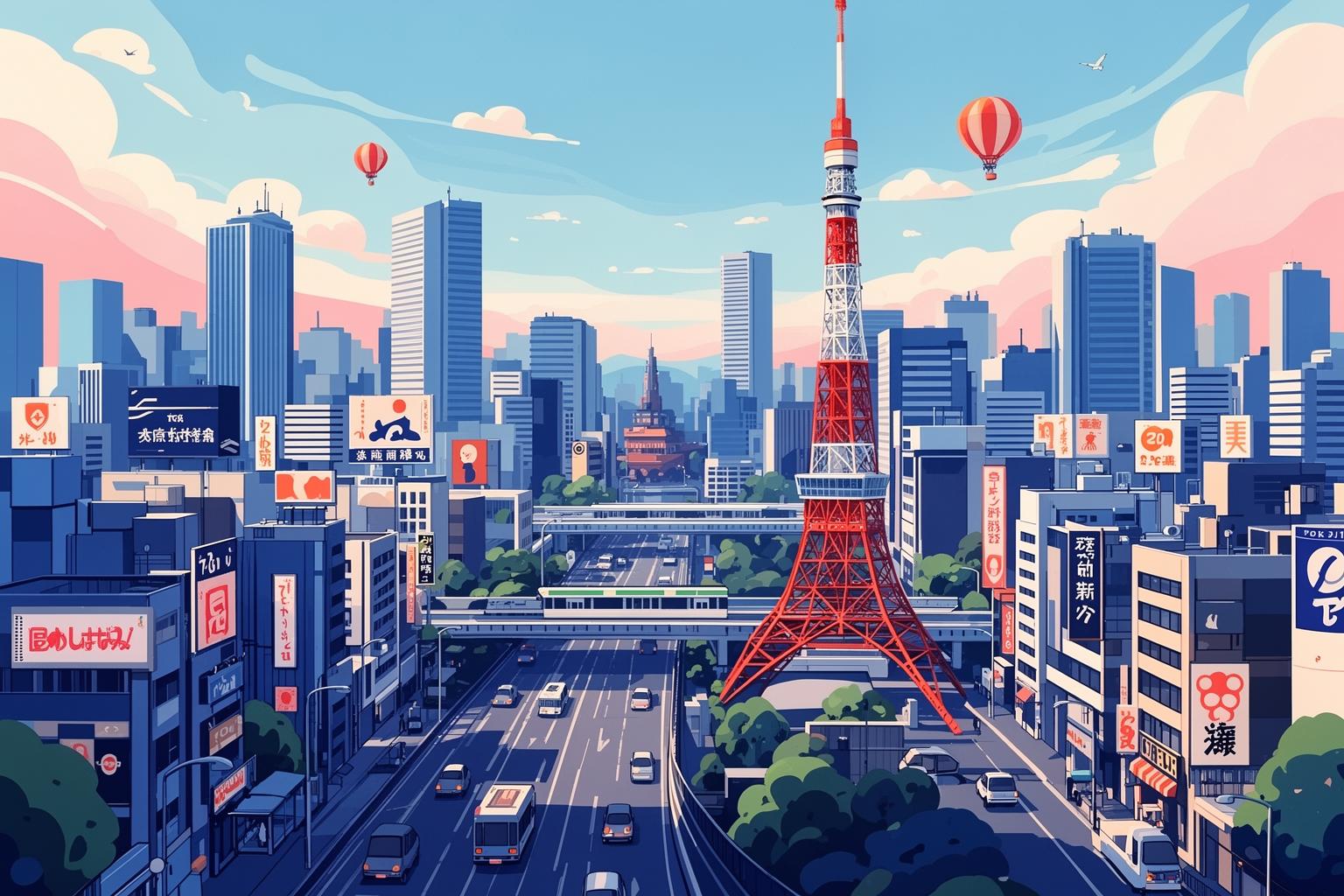
Tokyo, as seen through Taki’s eyes, is a splendid paradox. It is a city of endless possibilities and profound loneliness, a place where millions of lives run parallel but seldom intersect. The film captures this flawlessly—the dizzying train rides, the towering skyscrapers that seem to pierce the sky, the constant flow of people forming a river of anonymous faces. Still, it is also Taki’s home, a familiar concrete jungle where he navigates school, friendships, and a part-time job. Following his path allows you to experience the city not as a tourist but as a resident attuned to its rhythm. You begin to notice the subtle details: the way light filters through the glass of a modern museum, the hum of electricity from a giant video screen, the unexpected quiet found just steps away from a busy avenue. This part of the journey is about embracing the beautiful chaos of the world’s greatest metropolis and discovering the intimate, personal moments hidden within its vast scale.
The Iconic Red Stairs of Suga Shrine
No image is more emblematic of the heart-wrenching climax of ‘Your Name.’ than the red-railed staircase where Taki and Mitsuha finally, desperately find each other in the film’s final moments. This sacred spot for fans is located in a quiet, modest residential neighborhood in Yotsuya, a part of Shinjuku that feels worlds away from the district’s neon-lit core. Finding the stairs is a pilgrimage in itself. As you leave the station and wander through narrow streets, the city’s noises begin to fade, replaced by a gentle, peaceful hum. Then, there it is. The incline, the distinctive red handrails, the view of the city glimpsed through the buildings beyond. Standing there is a surreal experience. You sense the weight of that cinematic moment, the breathless anticipation, the relief of connection. It’s more than just a staircase; it’s a monument to hope. For the best experience, visit in the early morning or late afternoon. The light during these golden hours casts a soft, ethereal glow, much like the film’s aesthetic, and you’ll share the space with fewer fellow pilgrims. As a traveler who values subtlety, I find the quiet reverence of this place deeply moving. It serves as a reminder that the most profound moments often occur in the most ordinary locations. Remember to respect the residents; this is their home, and the peaceful atmosphere is a treasure.
A Sophisticated Date at The National Art Center, Roppongi
Taki’s life isn’t all frantic searching; it also includes moments of stylish, youthful normalcy. The setting for his date with his elegant coworker, Okudera-senpai, is The National Art Center in Roppongi, a location that perfectly reflects Tokyo’s sophisticated, design-conscious side. Designed by the renowned architect Kisho Kurokawa, the building itself is a masterpiece. Its undulating glass facade creates a mesmerizing interplay of light and shadow, a living structure that feels both immense and delicate. Upon entering, you’re struck by the sense of open space and the two massive concrete cones anchoring the atrium. Atop one of these cones, you’ll find the Salon de Thé ROND, the very café where Taki and Okudera-senpai share a meal. Taking a seat there feels like stepping directly into the film. You can order coffee and a slice of cake, gaze over the sunlit atrium, and imagine their conversation. Beyond the café, the museum hosts rotating world-class art exhibitions, making it a worthy destination in its own right. Access is incredibly easy with a direct link from Nogizaka Station. For anyone interested in fashion, art, or architecture, this stop is essential. It’s a chic and inspiring glimpse into Taki’s world, offering insight into the cultured, cosmopolitan life of a young Tokyoite.
Navigating Shinjuku’s Concrete Labyrinth
If the Suga Shrine stairs symbolize the film’s emotional core, Shinjuku is its vibrant, electric heart. This district defines Taki’s daily life, and many of the film’s establishing shots are drawn directly from its landscape. The massive Yunika Vision screen overlooking the main station exit, the tangled web of pedestrian bridges, the iconic silhouette of the NTT Docomo Tower—all are real, tangible places. Experiencing them means immersing yourself in the overwhelming energy of modern Tokyo. Shinjuku Station is the busiest train station in the world, and emerging from its depths feels like being born into a new universe of sound and light. The key is not to resist the current but to flow with it. Find the pedestrian bridge near the Shinjuku Police Station intersection and observe the river of traffic and people below. It’s the perfect spot to capture the film’s sense of urban scale. As dusk falls and the city ignites with a million points of light, the atmosphere becomes truly cinematic. For first-time visitors, the area can be confusing. A helpful tip is to use landmarks like the famous LOVE sculpture as a meeting point or navigational anchor. From a safety standpoint, while Shinjuku is generally very safe, the sheer volume of people can be overwhelming. Keep your belongings secure and stay aware of your surroundings, just as you would in any major city. This part of the tour is less about quiet reflection and more about feeling the vibrant, relentless pulse of Taki’s world.
Gifu’s Timeless Serenity: Searching for Mitsuha’s World
Leaving behind Tokyo’s dazzling intensity, the journey shifts, slows, and deepens as we travel westward toward Japan’s mountainous heart in Gifu Prefecture. This region inspired Itomori, Mitsuha’s fictional, star-crossed town. While Itomori itself is fictional, its essence is woven from the real landscapes, traditions, and atmosphere of the Hida region. The contrast with Tokyo is immediate and striking. Here, the air is crisp and clean, the silence broken only by cicadas’ chirping or the gentle flow of water through ancient canals, and time seems to pass with a more deliberate, gentle rhythm. This quest is not for a single place, but for a feeling—a life deeply connected to nature, tradition, and community. It is a journey into the heart of Japan’s timeless beauty.
Hida-Furukawa, the Heart of Itomori
The small, charming town of Hida-Furukawa serves as the primary real-world model for the town Taki and his friends visit in their search for Mitsuha. Arriving here feels like discovering a hidden gem. The town is renowned for its beautifully preserved streets, where traditional white-walled storehouses line canals filled with thousands of colorful koi carp. It’s a place that invites wandering without a map, to lose yourself in quiet alleyways and uncover its subtle charms. The town has embraced its connection to the film in a wonderfully understated manner. There are no gaudy tourist traps; instead, small, respectful nods to the animation allow the town’s authentic character to shine through. To reach Hida-Furukawa, take the scenic JR Takayama Main Line, offering breathtaking views of rivers and mountains, perfectly setting the mood for what lies ahead. Planning for at least an overnight stay, either in Hida-Furukawa or the nearby larger city of Takayama, allows you to fully absorb the unhurried rhythm of life here.
The Arrival: Hida-Furukawa Station
Your first stop is fittingly Hida-Furukawa Station. The moment you step onto the platform, you’ll recognize it. The wooden benches, the overhead bridge, the track layout—all match the film’s depiction when Taki arrives. Fans delight in waiting for the Express Hida train to pull in, recreating the movie’s iconic shot. You’ll even find a familiar figure waiting for you: Hida-gyu, the region’s mascot cow, which puzzles Taki and his friends. The station staff are well accustomed to visiting fans and are very welcoming. The infrequent train schedule, unlike Tokyo’s rapid pace, gently reminds you that you are in a different world, one that runs on a serene timetable.
A Library of Memories: Hida City Library
A short, pleasant walk from the station leads to another key location: Hida City Library. This is where Taki studies records, desperately searching for information about the comet and Itomori’s fate. The library is a stunning example of modern architecture, with warm, inviting interiors filled with natural light and the scent of wood. It functions primarily as a beloved local institution. The staff have thoughtfully established a system for anime pilgrims: simply approach the main desk to request permission for photos and receive a pass in exchange for quiet, respectful behavior. Inside, you can almost feel Taki’s growing desperation and his moment of discovery. Architecturally, the building is a triumph, blending modern design with a deep respect for the region’s natural materials. It stands as a perfect example of how such pilgrimages reveal genuine local beauty that might otherwise go unnoticed.
Echoes of Ritual: The Shrines of Hida
Mitsuha’s identity as a shrine maiden is central both to her character and the film’s mystical elements. Her family’s Miyamizu Shrine, perched atop a hill overlooking the crater lake, is a composite inspired by several real-life sites, together forging its powerful spiritual atmosphere. Visiting these places deepens the journey, connecting you to the ancient Shinto traditions that are woven into Japan’s cultural fabric.
Keta Wakamiya Shrine
Within Hida-Furukawa, a short walk from the library, is Keta Wakamiya Shrine. Many believe its long, atmospheric stone staircase served as a model for the Miyamizu Shrine’s entrance. Unlike Tokyo’s urban Suga Shrine, this one is embraced by nature. Tall cedar trees form a calm canopy overhead, and the air feels older and more sacred. Climbing the steps, you can easily imagine Mitsuha and her sister Yotsuha performing their duties, sweeping the grounds in the quiet morning light. It’s a peaceful spot for reflection, where the deep-rooted spirituality embodied by Mitsuha’s character can be felt.
Hie Shrine and Lake Suwa (A Detour for the Dedicated)
For the truly committed pilgrim, the journey extends further. In the nearby city of Takayama, Hie Shrine is another prime candidate for Miyamizu Shrine’s inspiration, featuring a grand torii gate and a forested setting. Yet the most breathtaking pilgrimage site lies farther away in Nagano Prefecture: Lake Suwa. This expansive, shimmering lake is widely accepted as the visual model for Itomori’s mystical crater lake. The best vantage point is from Tateishi Park, a hilltop lookout. The view from here is simply stunning and instantly recognizable. Seeing the lake’s curve and the town nestled on its shore, you can nearly imagine the comet splitting the sky. Visiting Lake Suwa requires a separate trip and careful planning, but for those who go, the reward is an unforgettable sight that brings the film’s most dramatic and beautiful scenery spectacularly to life.
A Taste of the Film: Culinary Pilgrimage

No journey feels complete without indulging in the local flavors, and the world of ‘Your Name.’ offers a delectable path to explore. In the film, food serves as a small yet meaningful anchor, tying the fantastical events to the comforting reality of everyday life. From a trendy Tokyo café to a quaint roadside snack stand, savoring the cuisine from Taki and Mitsuha’s worlds provides a delightful sensory connection to their stories.
Café Culture in Tokyo
Taki’s part-time job at the elegant Italian restaurant, ‘Il Giardino delle Parole’ (a tribute to Shinkai’s earlier work, ‘The Garden of Words’), plays an important role in his life. This restaurant’s real-life inspiration is La Bohème Shinjuku Gyoen. Situated near the scenic Shinjuku Gyoen National Garden, it features high ceilings, vintage décor, and a warm, lively ambiance. You can enjoy a tasty pasta lunch or a coffee and feel as though you’re part of Taki’s team. Earlier in our journey, we visited the Salon de Thé ROND at The National Art Center. Be sure to try the towering stack of pancakes or the elegant cakes that Taki and Okudera-senpai savored on their date. It’s an ideal, stylish respite during a day filled with urban adventures.
Hida’s Local Delicacies
When Taki and his friends visit Hida, they stop to enjoy a local treat: Gohei Mochi. This regional specialty is sold at small stalls throughout Hida-Furukawa and Takayama. It consists of pounded rice pressed onto a skewer, brushed with a rich, savory-sweet glaze made from miso, soy sauce, and walnuts, then grilled over an open flame. It’s a simple, rustic delight that captures the essence of the mountains and countryside. For a heartier meal, you can’t leave the Hida region without tasting Hida Beef. This premium wagyu is famous for its exquisite marbling and melt-in-your-mouth tenderness. Whether enjoyed as a steak, in a sukiyaki hot pot, or even served on a skewer from a street vendor, it is an essential part of the Gifu experience. This authentic local flavor truly transports you.
Practical Planning for Your ‘Your Name.’ Journey
A successful pilgrimage requires some planning to ensure the journey is as smooth and enchanting as the film itself. Navigating between Tokyo’s hyper-modern atmosphere and the peaceful countryside of Gifu is part of the adventure. Here are a few tips to help you create your perfect ‘Your Name.’ itinerary.
Crafting Your Itinerary
To comfortably visit the key locations, I suggest dedicating at least three days to this pilgrimage. Spend Day 1 in Tokyo. Begin in Shinjuku to experience the morning rush, then head to Roppongi for an artistic afternoon at The National Art Center, and conclude the day with a reflective visit to the Suga Shrine stairs in Yotsuya at sunset. Day 2 will be your travel day. Catch an early Shinkansen (bullet train) from Tokyo to Nagoya, then transfer to the scenic JR Hida Wide View Express line to Hida-Furukawa. This allows you to spend the afternoon exploring the station, the library, and the charming town streets. Stay overnight in Hida-Furukawa or nearby Takayama. Use Day 3 for a deeper exploration of the Hida region, perhaps visiting the morning markets in Takayama or the Keta Wakamiya Shrine, before beginning your return journey.
Getting Around
For this trip, the Japan Rail Pass is a very cost-effective choice, as it covers the Shinkansen journey between Tokyo and Nagoya, as well as the JR line to Hida-Furukawa. In Tokyo, a rechargeable IC card such as a Suica or Pasmo is essential for easy access to the extensive subway and train networks. Once in Hida-Furukawa, the town is wonderfully compact and easily explored on foot. For greater freedom, renting a bicycle is a fantastic option on clear days, allowing you to glide along the town’s charming canals.
When to Go
‘Your Name.’ beautifully showcases the changing seasons, so your experience will vary depending on when you visit. Spring (March-April) is breathtaking, with cherry blossoms framing many Tokyo locations in delicate pink hues. Autumn (October-November) is equally beautiful, especially in the Gifu mountains, where the foliage bursts into vibrant reds, oranges, and golds, mirroring the film’s colorful palette. Summer (June-August) can be hot and humid, but the landscape is lush and green. Winter (December-February) covers the Hida region in a thick blanket of snow, turning it into a serene, magical wonderland, though warm clothing is necessary.
A Note on Etiquette
One key thing to remember on this pilgrimage is that these are not movie sets; they are real places where people live, work, and worship. When visiting the Suga Shrine or wandering the streets of Hida-Furukawa, you are a guest in a community. Be mindful of your noise levels, avoid blocking pathways used by residents, and do not trespass onto private property for photos. At shrines, show respect for worshippers. Inside the Hida City Library, remember that people come there to study and read. The beauty of ‘seichi junrei’ lies in the respectful interaction between the fictional world we cherish and the real-world places that inspired it. For travelers, cultural awareness is the most stylish accessory. Approaching these locations with gratitude and respect will not only make you a better visitor but also deepen your personal connection to the experience.
Beyond the Frame: The Feeling of Musubi

As your journey concludes, having stood on the fated staircase and breathed in the mountain air of Hida, you come to realize that this pilgrimage is about much more than merely recreating scenes from a movie. It’s about embracing the film’s central, beautiful theme: ‘musubi.’ The term, your guide Mitsuha’s grandmother explains, is an old word for the local guardian god, but it also signifies the tying of threads, the connection between people, and the flow of time itself. By traveling from Taki’s world to Mitsuha’s, you physically trace the thread that links them. You create your own ‘musubi’—a bond to the story, to the animators who lovingly brought these real-world locations to life, and to Japan itself. You see how a bustling city intersection and a quiet rural shrine coexist within the same story, just as they do within the same country. This journey bridges the gap between animation and reality, leaving you with a deep appreciation for both. You return home not just with photos, but with a feeling—the resonance of a beautiful story, now woven into the tapestry of your own travels.