
There’s a unique magic that hums in the air when you step out of a subway station and find yourself standing inside a memory that isn’t yours. It’s the feeling of a story coming to life, the barrier between screen and reality dissolving into the Tokyo haze. For millions around the globe, Makoto Shinkai’s masterpiece, ‘Your Name.’ (Kimi no Na wa), wasn’t just a film; it was an emotional cataclysm, a beautifully rendered tale of connection, loss, and longing that left an indelible mark on our hearts. The story of Taki and Mitsuha is woven so intricately into the fabric of its real-world locations that Tokyo itself becomes a silent, pulsating character. The film breathes through the city’s crowded intersections, its quiet residential lanes, and its soaring skyscrapers. To walk these streets is to trace the invisible red string of fate that connects not only the two protagonists, but also connects us, the viewers, to their world. This isn’t just a tour of filming locations; it’s a pilgrimage, a sensory experience designed to let you feel the rhythm of Taki’s life in the city and maybe, just maybe, hear the distant echo of someone asking for your name. We’ll journey from the urban heart of Shinjuku to the fateful staircase that tied their destinies together, discovering how a simple walk through Tokyo can feel like stepping into a waking dream.
For those captivated by Tokyo’s transformative allure, a Your Name pilgrimage offers a deeper exploration into the city’s hidden intersections of fate.
The Heart of the Connection: Yotsuya and the Iconic Red Stairs
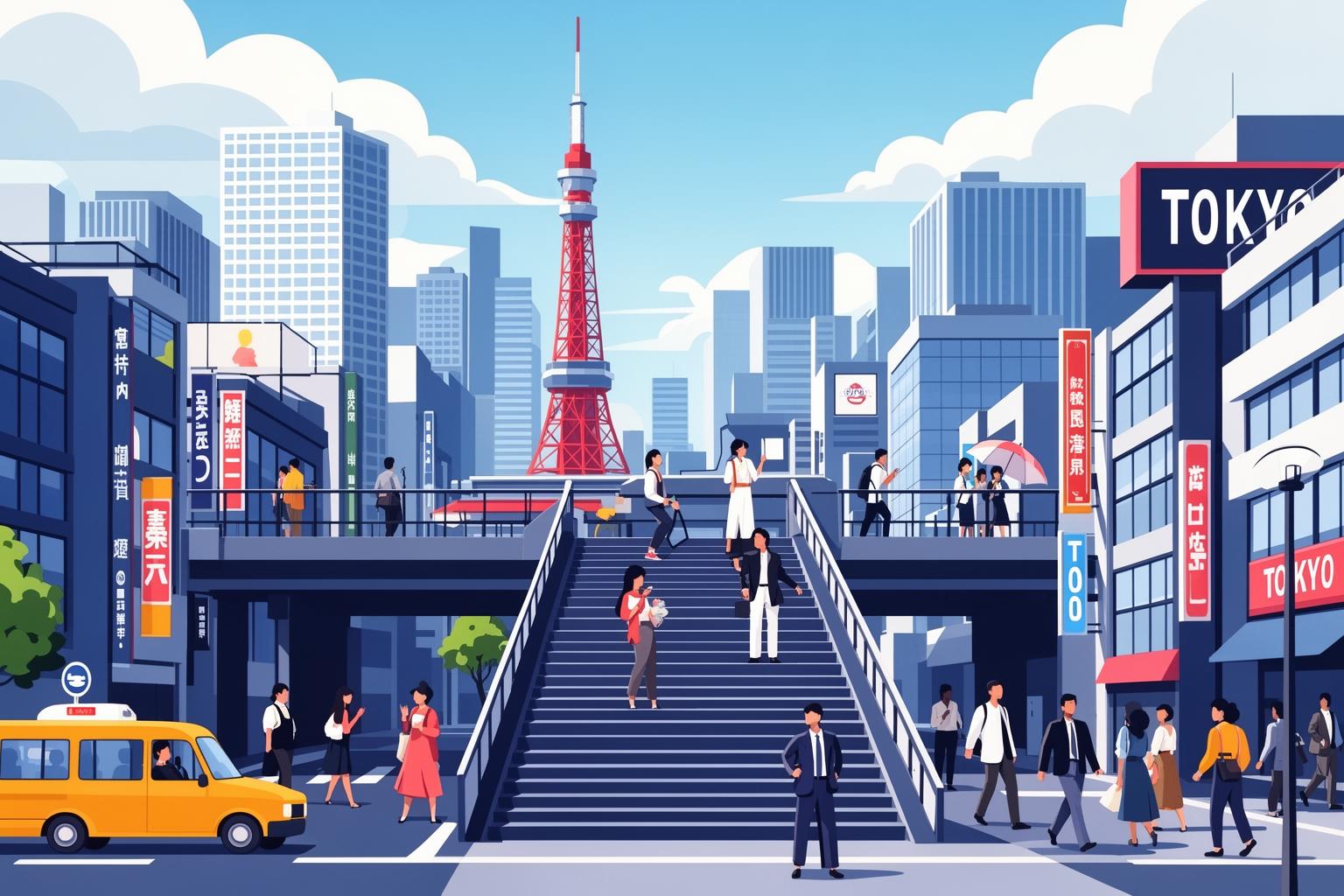
Our pilgrimage begins not amidst chaos, but in the quiet anticipation that envelops the residential neighborhood of Yotsuya. This is where the film’s emotional climax comes together, a place revered by fans as sacred ground. It’s a part of Tokyo that feels lived-in and tranquil, worlds apart from the neon-lit energy of the city’s more famous areas. The journey here forms part of the experience, a gradual unwinding from the city’s hectic rhythm as you wander through the narrow streets and peaceful lanes that Taki would have traversed in his desperate search.
Finding the Fated Staircase at Suga Shrine
Few moments in modern cinema are as emotionally charged as the final scene of Your Name. The heart of that scene is a simple stone staircase, bordered by a familiar red handrail, leading up to the Suga Shrine. Approaching it, a strong sense of déjà vu takes hold. It looks exactly as you remember—almost uncannily so. The angle of the stairs, the adjacent apartment buildings, the trees peeking over the walls—it’s a flawless reproduction. Standing at the bottom looking up, or at the top looking down, you can’t help but feel the weight of Taki and Mitsuha’s reunion. Other pilgrims will be there too, some quietly taking photos, others simply soaking in the atmosphere. It’s a shared, silent understanding. For the best experience, try visiting on a weekday morning when soft light filters through the trees and the relative quiet lets you fully immerse yourself in the moment without the weekend crowds. Getting here is an easy walk from Yotsuya Station, served by the JR Chuo-Sobu Line and Tokyo Metro Marunouchi and Namboku Lines. The walk itself offers a lovely transition, taking you from the station’s moderate bustle into the profound calm of the shrine’s surroundings.
The Whispers of a Local Shrine
While the stairs are the main draw for most visitors, it’s important to remember they belong to a functioning, historic Shinto shrine. Take a moment to ascend and pay your respects at Suga Shrine itself. It’s a small, beautiful space with a history stretching back centuries, long before it was immortalized on film. The atmosphere is peaceful and deeply rooted in local life. You’ll see residents stopping by for brief prayers, the air filled with the gentle rustling of leaves and the distant city hum. Visiting the shrine adds a layer of cultural depth to your pilgrimage. It anchors the cinematic fantasy in tangible reality, reminding you that this magical place is also a cornerstone of a living community. Observing proper etiquette—a simple bow at the torii gate, purifying your hands at the chozuya, and offering a quiet prayer—is a way to show respect and gratitude for being able to share this special space. It transforms your visit from mere sightseeing into a meaningful cultural exchange, enriching the entire experience beyond just capturing a perfect photo.
Taki’s World: The Urban Pulse of Shinjuku
If Yotsuya embodies the destined, emotional core of the story, Shinjuku serves as its vibrant, pulsating heart. This is Taki’s domain—the expansive, exhilarating, and occasionally overwhelming urban environment where he lived, worked, and socialized with friends. To truly understand his character, one must grasp the energy of this district. Shinjuku is a microcosm of Tokyo itself—a place filled with towering skyscrapers, intricate train networks, peaceful gardens, and endless streams of people. Immersing yourself in Shinjuku is vital to fully appreciating the ‘Your Name.’ narrative, experiencing the city’s rhythm that shaped Taki’s everyday life and aspirations.
Navigating the Labyrinth of Shinjuku Station
The film brilliantly portrays the vibrant chaos of Shinjuku Station, the world’s busiest train hub. The rapid cuts showing intersecting train lines, crowded platforms, and flowing crowds of commuters are entirely accurate. Entering this station for the first time is an adventure on its own. It is a true maze of concrete and steel, featuring dozens of platforms and more than two hundred exits. While it can be daunting, it’s also an impressive display of human engineering and efficiency. Don’t resist the flow; merge with it. Look up at the color-coded signs directing you through the complex. A useful tip for newcomers is to know your exit number before arriving. Whether it’s the South Exit for the highway bus terminal or the East Exit for the main shopping and entertainment areas, having a clear destination helps navigate with confidence. Take a moment to stand on a platform and observe the intricate dance of the trains—the sleek Yamanote Line cars gliding by, the swift Chuo Line rushing past. It’s the city’s lifeblood, the network connecting millions of personal stories each day, just like Taki’s.
A View from Above and Below
Makoto Shinkai is famed for his stunning cityscapes, many of which were inspired by views in and around Shinjuku. To see the city from Taki’s perspective, visit the Tokyo Metropolitan Government Building. A short walk from the station’s west exit, this architectural landmark offers free observation decks on the 45th floors of both its North and South towers. From there, you can watch the sprawling metropolis stretch to the horizon. On clear days, you might even spot Mount Fuji, just as depicted in the film’s breathtaking visuals. This view provides a humbling sense of the vast scale of the city Taki calls home. Down at street level, dive into the iconic Shinjuku Pedestrian Scramble, located just outside the East Exit. Though less famous than Shibuya’s, it shares the same dynamic energy shown in the movie—a pulsing, anonymous crowd moving in perfect, controlled chaos beneath glowing giant video screens. This contrast between the serene, almost godlike view from above and the lively, human-scale perspective from the streets is key to the film’s aesthetic and Tokyo’s experience itself.
Taki’s Part-Time Job: A Taste of Italy in Shinjuku
One of the most endearing aspects of Taki’s urban life is his part-time job at the fictional Italian restaurant, “Il Giardino delle Parole.” This place was inspired by the real Cafe La Bohéme, located near the peaceful Shinjuku Gyoen National Garden. Stepping inside feels like entering the anime world firsthand. The high ceilings, the grand central chandelier, the open kitchen, and the warm, elegant atmosphere are all faithfully recreated. It’s a highly popular destination for fans, with good reason. It offers a rare chance to literally sit within the film’s universe. Plan to have lunch or dinner here to rest after a day of exploring. The food is excellent, presenting a delightful Italian-Japanese fusion menu. Sitting at a table, you can easily imagine Taki moving through the busy dining area, taking orders, and sharing moments with his coworker, Okudera-senpai. This adds a wonderfully tangible and flavorful layer to the pilgrimage, connecting visitors to the characters’ daily routines and simple experiences.
Moments of Reflection: Bridging Two Worlds
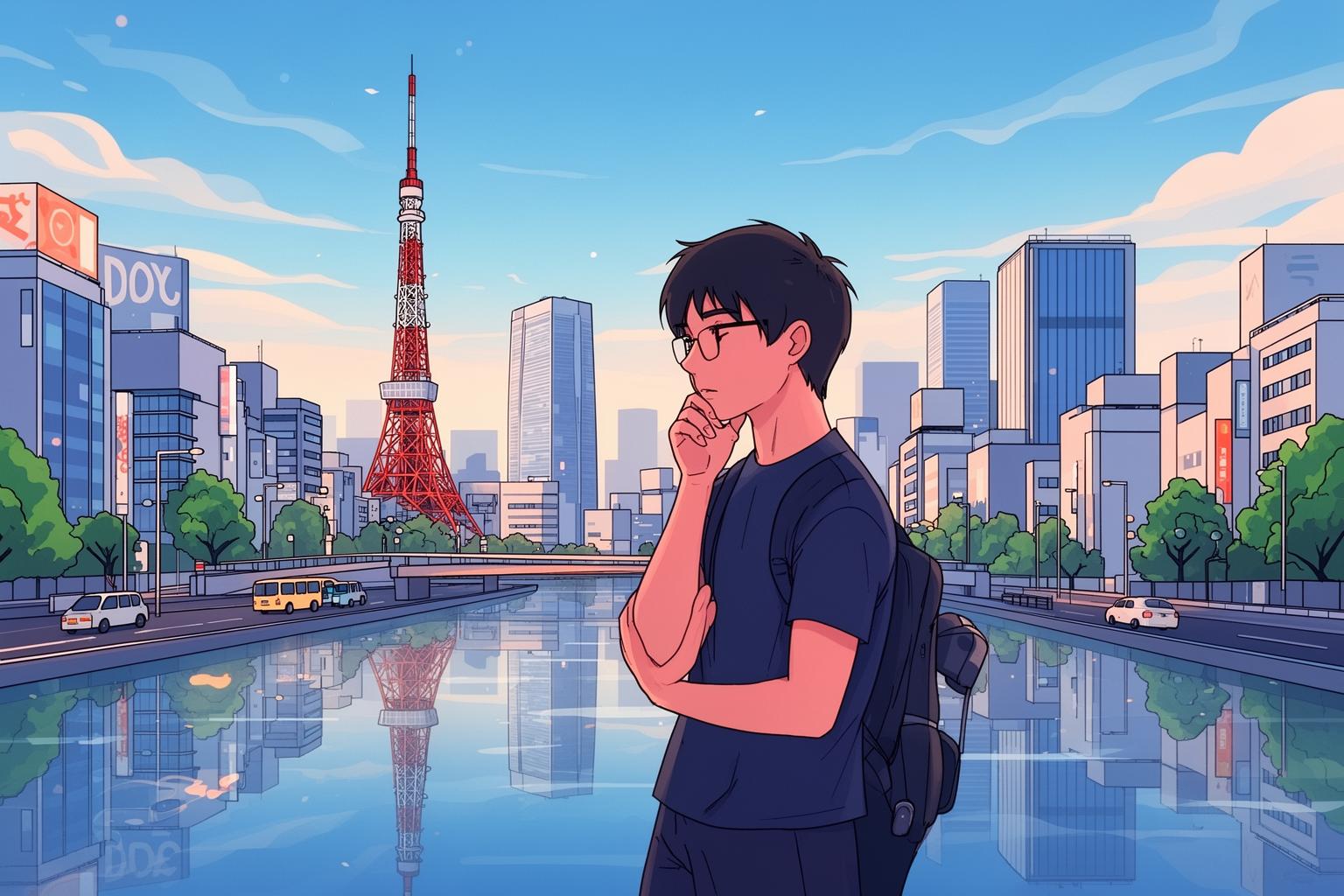
Beyond the major set pieces, the charm of the ‘Your Name.’ pilgrimage lies in uncovering the smaller, quieter spots—the everyday places where the characters’ relationships develop. These locations are often missed by regular tourists, but for fans, they carry special meaning. They serve as bridges, both literal and symbolic, linking different parts of the story and adding emotional depth.
The Pedestrian Bridge at Shinanomachi Station
Just one stop from Yotsuya on the JR Sobu Line is Shinanomachi Station. Right outside the station exit stands a simple pedestrian overpass that has become an iconic place for fans. This is where Taki and Okudera-senpai walk together and share a heartfelt conversation after their date. The bridge itself is modest, but its backdrop is cinematic. It offers a perfect view of the train tracks curving into the distance, with the distinctive shape of the Meiji Memorial Picture Gallery visible in the background. Standing here, especially as a train rushes beneath, you can sense the poignant, slightly melancholic mood of that scene. It marks a turning point for Taki, a moment when his feelings begin to shift and his bond with Mitsuha grows stronger. It’s an excellent photo spot, particularly in the late afternoon when the light is soft. The bridge exemplifies Shinkai’s talent for finding beauty and significance in the city’s mundane infrastructure, transforming an ordinary overpass into a stage for deep emotional storytelling.
A Date with Art: The National Art Center, Roppongi
The setting for Taki and Okudera-senpai’s lunch date is one of Tokyo’s most breathtaking architectural landmarks: The National Art Center in Roppongi. The building, with its vast, flowing glass facade, is a masterpiece in itself. Inside, the sunlit atrium houses the Salon de Thé ROND, the café where the two characters shared their meal. The café is famously situated atop a massive inverted concrete cone, making it one of the city’s most unique dining spots. Although the real café serves cakes and tea rather than the full meal shown in the anime, it’s an ideal place to sit and reflect. The architecture, the light, and the tranquil, cultured atmosphere of the museum perfectly capture the refined nature of their date. Visiting this spot offers a glimpse into a different side of Taki’s Tokyo—a city of culture, art, and intimate conversation. It’s conveniently accessible from Nogizaka Station on the Chiyoda Line or Roppongi Station on the Oedo and Hibiya Lines. Be sure to explore the art exhibitions as well; this enriches the experience, making it feel less like ticking off a checklist and more like a genuine cultural outing.
A Pilgrim’s Practical Guide
Starting this journey is deeply rewarding, and a bit of planning can make the experience smooth and even more enjoyable. Tokyo’s transit system is impressively efficient, and all these spots are easily reachable via public transportation. The trick is to take your time and absorb the atmosphere, rather than rushing between locations.
Crafting Your Itinerary
A sensible and emotionally fulfilling way to organize your day is to follow a progression similar to the film’s narrative arc. Begin your day in the lively Shinjuku area. Explore the station, enjoy views from the Metropolitan Government Building, and perhaps have lunch at Cafe La Bohéme. This fully immerses you in Taki’s everyday world. From Shinjuku, hop on the JR Sobu Line for just two stops to Shinanomachi Station to experience the pedestrian bridge, offering a more reflective moment. From there, it’s a short walk or one more stop on the same line to Yotsuya. Save the Suga Shrine staircase for the late afternoon or golden hour, allowing the emotional impact of that spot to serve as a fitting climax to your journey. This route gradually moves from the grand and bustling to the intimate and meaningful.
What to Bring and What to Expect
Above all, wear your most comfortable walking shoes. You’ll cover a lot of ground, and your feet will appreciate it. A reloadable IC card like a Suica or Pasmo is a must; it makes boarding trains and subways easy. Since you’ll be using your phone for navigation and photos, carrying a portable battery charger is invaluable. It’s also smart to have some cash on hand, as smaller shops or shrines may not accept credit cards. Most importantly, remember that you are a guest in these places. The staircase in Yotsuya lies in a quiet residential area, and Suga Shrine is a sacred site of worship. Please show respect—keep your voice low, avoid blocking residents’ paths, and adhere to shrine customs. The aim is to enjoy these sites without disturbing the local community.
Capturing the Perfect Shot
For many, a major part of the pilgrimage is recreating the film’s iconic scenes. One helpful tip is to save screenshots of your favorite moments on your phone for easy comparison. This allows you to identify the precise angles Shinkai and his team used. Notice the details—the composition, background elements, and even the time of day. The soft early morning light or warm late afternoon glow can transform your photos from mere snapshots into truly cinematic images. But also, remember to put your phone down occasionally. Take time to simply be present in these places. The feeling of standing on that bridge or those stairs can’t be fully captured by a photo. The memories you create in your mind will be the most precious souvenir of all.
Beyond the Frame: The Lasting Echo of ‘Your Name.’
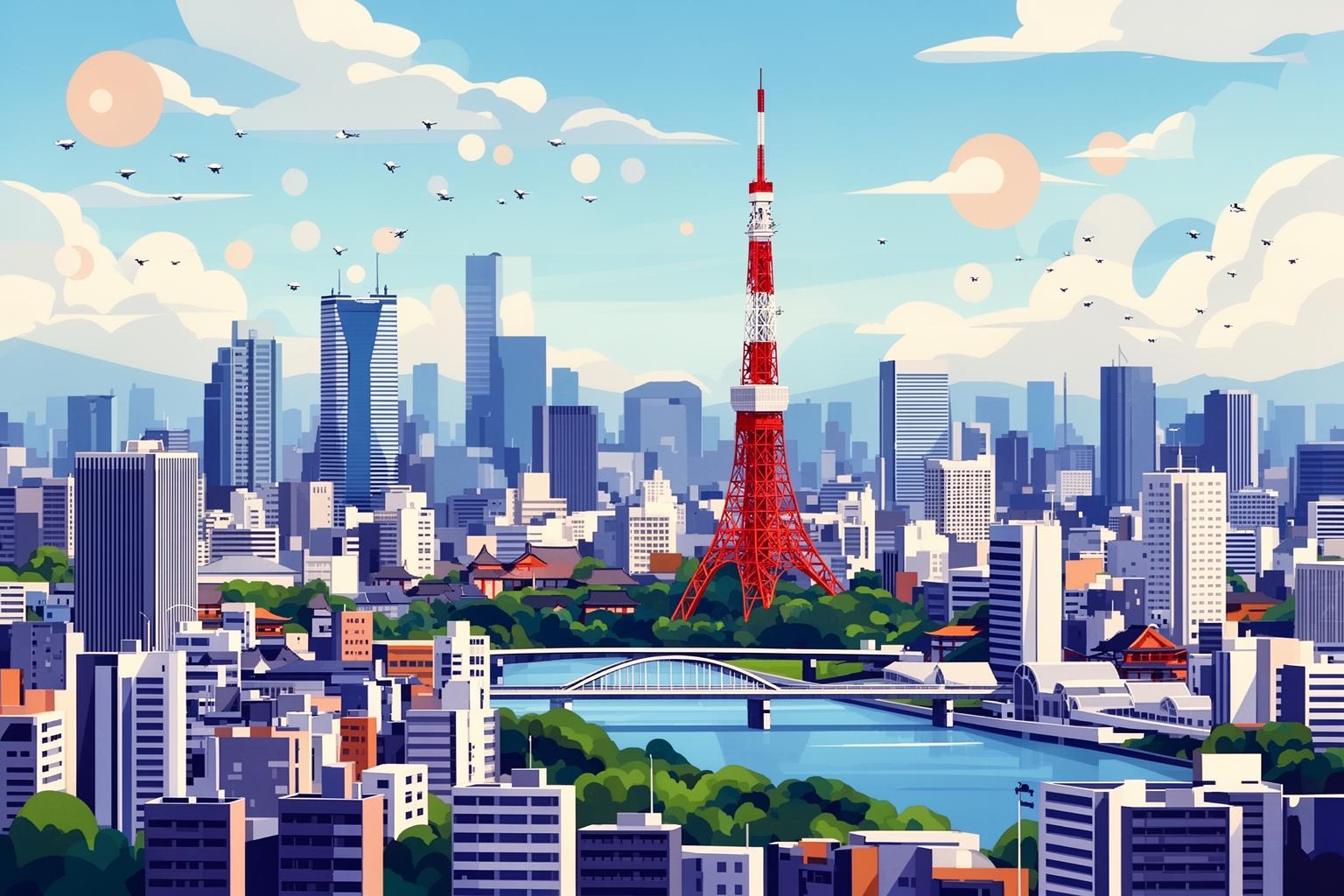
Completing a pilgrimage through the world of ‘Your Name.’ is more than merely a real-life location hunt. It is a profound and personal journey that strengthens your bond with a story you cherish. By walking in Taki’s footsteps, you start to perceive the city’s rhythm in a new light. The roar of a passing train becomes a soundtrack, the view from a skyscraper reveals a panorama of endless possibilities, and a simple set of stairs stands as a monument to hope and connection. You come to realize that Makoto Shinkai didn’t just use Tokyo as a backdrop; he captured its very soul. He discovered the magic in its ordinary corners and transformed it into a universal tale of longing. As you leave the quiet of Suga Shrine and step back into the vibrant pulse of the city, the world feels a bit more enchanted. The film’s themes of memory, distance, and fate linger in the air, serving as a beautiful reminder that even in a metropolis of millions, unseen, powerful threads can bind us all. You set out seeking the world of an anime, and along the way, found a fresh, more intimate perspective on one of the world’s greatest cities.