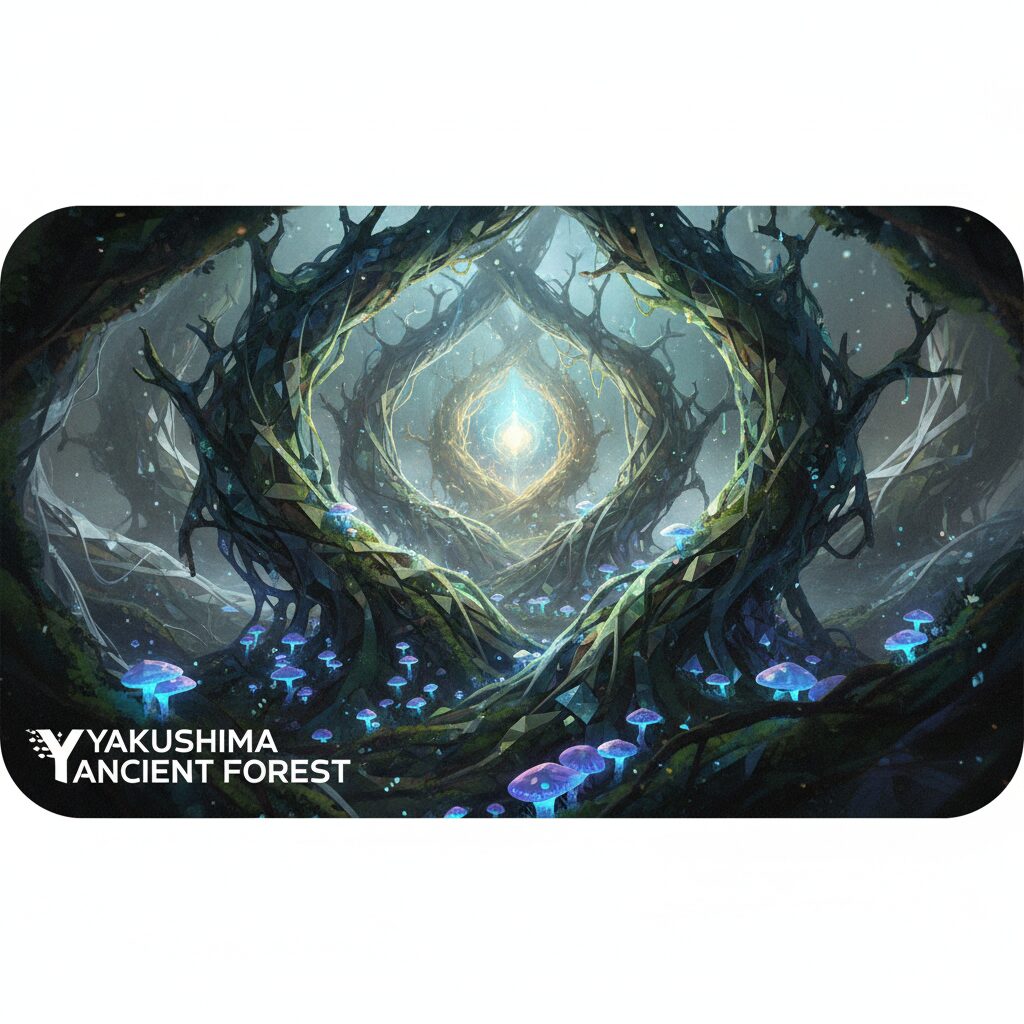
There are places on this planet that feel older than time itself, where the air hums with an energy that quiets the soul. Yakushima Island is one of those places. Floating in the waters south of Kyushu, this sublime chunk of rock is a UNESCO World Heritage site, a sanctuary of biodiversity, and a living, breathing testament to the power of nature. But for many, it holds another name, a whispered identity that draws them across oceans: the Forest of the Wolf God. This is the island that famously inspired Hayao Miyazaki and Studio Ghibli’s masterpiece, Princess Mononoke. To set foot on Yakushima is to step through the screen and into the very soul of that animated world, a realm where ancient cedars stand like silent gods and the ground is carpeted in a thousand shades of impossible green. It’s a pilgrimage not just for fans of the film, but for anyone who feels the call of the wild, a yearning to connect with something primal and profound. This journey isn’t just about seeing the sights; it’s about feeling the pulse of the earth under your feet, a rhythm that has beaten steadily for millennia.
Visitors can further immerse themselves in nature’s enchantment by exploring the ancient forest trails that echo the mystical essence of Princess Mononoke’s legacy.
The Soul of the Island: Shiratani Unsuikyo Ravine
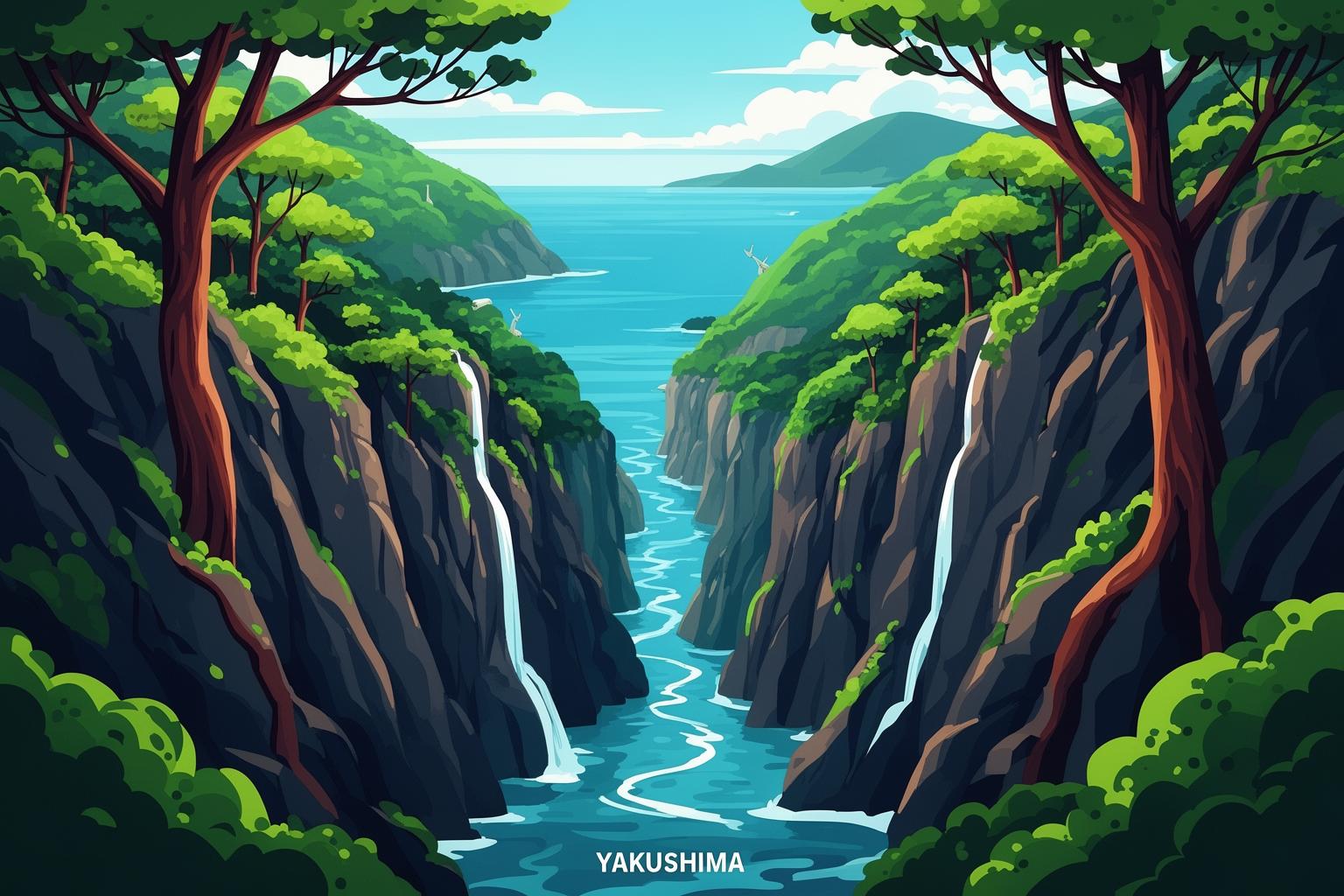
If there is one place on Yakushima that truly captures the essence of Princess Mononoke, it is Shiratani Unsuikyo. This vast, otherworldly nature park forms the core of the Ghibli pilgrimage. The moment you step onto the trail, the modern world fades away, replaced by a silence so profound it almost becomes a sound. The air turns cool and humid, filled with the scent of damp earth and decaying wood—the fragrance of life cycling through its endless phases. This is not a manicured park; it is a living wilderness, and you are its modest guest.
The Moss-Covered Forest
Deep within the ravine lies a section so iconic it has earned the formal nickname “Mononoke Hime no Mori,” or Princess Mononoke’s Forest. Here, reality and animation blur in the most stunning way. Everything—the gnarled roots of ancient Yakusugi cedars, the fallen logs, the very stones in the creek bed—is covered in a thick, velvety moss carpet. It’s not simply one shade of green but a rich tapestry of emerald, lime, and deep forest hues, shimmering with raindrops that catch the filtered sunlight like scattered jewels. Sunlight struggles to penetrate the dense canopy, and when it does, it streams down in ethereal beams, illuminating patches of the forest floor as if spotlighting the Kodama, the small tree spirits from the film. You can almost hear their gentle rattling as you pass. It’s an immersive, sensory experience that feels both deeply peaceful and vividly alive. You find yourself slowing your pace, breathing more deeply, trying to take in the overwhelming beauty surrounding you.
Choosing Your Path: Trails for Every Explorer
Shiratani Unsuikyo features a network of trails suited for all fitness levels, ensuring everyone can experience its magic. The shorter loops take just an hour or two, leading you through some of the most stunning mossy landscapes and past impressive trees like the Nidaiosugi cedar. These paths are well-maintained, with wooden walkways and stairs on steeper sections, making them accessible to most visitors. For the more adventurous, the trail continues upward to Taikoiwa Rock. This is a more challenging hike, requiring several hours, but the reward is one of the most spectacular views on the entire island. After a demanding climb through dense forest, you arrive at a massive granite boulder offering a panoramic vista of Yakushima’s mountainous interior. On a clear day, you can see the island’s tallest peaks piercing the sky, with a sea of green stretching out below. The view makes you feel as if you’re on top of the world—or at least on the shoulder of a forest deity. One crucial tip for exploring these trails: Yakushima’s weather is famously wet. Sturdy, waterproof hiking boots are not just recommended—they are essential. The rocks and roots are constantly slick, and a good grip will be your greatest ally.
In the Presence of Giants: The Jomon Sugi
While Shiratani Unsuikyo reflects the film’s visual beauty, the journey to the Jomon Sugi embodies its essence—the theme of endurance and ancient life surviving against all odds. The Jomon Sugi is a massive, twisted Yakusugi cedar, estimated to be between 2,000 and 7,200 years old. It stands as a true monarch of the forest, a living testament to the rise and fall of civilizations. Reaching it is no casual stroll; it is a pilgrimage, a strenuous trek that challenges your body and rewards your spirit.
The Pilgrimage to the Ancient Cedar
The hike to Jomon Sugi is a full-day undertaking, usually taking ten to twelve hours round trip. It begins before dawn, with your path lit by the beam of a headlamp. The first section follows the path of the Anbo Forest Railway, an old logging rail now used by hikers. Walking along these tracks as the sun rises and the forest gradually awakens around you is a surreal and beautiful experience. The flat railway trail then gives way to a steep, demanding climb through the mountains, navigating massive roots and wooden staircases. Along the way, you’ll see other majestic cedars, like Wilson’s Stump—the enormous, hollowed remains of a felled cedar so vast you can walk inside it. Looking up from within, the heart-shaped opening against the sky offers a moment of unexpected poetry. The final approach to Jomon Sugi builds anticipation. The tree is protected by a viewing platform, a necessary precaution to prevent root damage from the thousands who undertake this trek. This distance does not lessen its overwhelming presence. It feels like a mythical being, its bark a history book, its twisted branches like the arms of an ancient deity. Standing before something so incredibly old and resilient inspires deep humility and awe.
Preparing for the Great Trek
This hike should not be taken lightly. Physical fitness is crucial. You must start well before sunrise, usually between 4 and 5 AM, to ensure you complete the return trip during daylight. Hiring a local guide is highly recommended—not only for safety and pacing but also to greatly enrich the experience with stories about the island’s ecology, history, and folklore. They know the forest’s secrets. Essential gear includes a headlamp, at least two liters of water (there are refill spots with pure mountain spring water), a packed lunch, plenty of high-energy snacks, and reliable rain gear. Mountain weather can change rapidly; even if the day begins sunny, a sudden downpour can occur without warning. The best seasons for this hike are spring and autumn when temperatures are milder and weather generally more stable, but you should always be prepared for rain regardless of the time of year.
Beyond the Forests: Yakushima’s Other Wonders
Yakushima’s enchantment extends beyond its dense forests. The island showcases a stunning array of landscapes, from roaring waterfalls to tranquil beaches, all linked by a ring road that promises an unforgettable drive.
Waterfalls and Coastal Drives
The island is rich in water, resulting in breathtaking waterfalls. Along the southern coast, you’ll encounter Senpiro-no-taki and Oko-no-taki. Senpiro-no-taki is a powerful cascade that has carved through a massive granite monolith. Oko-no-taki, one of Japan’s most remarkable waterfalls, drops 88 meters with a thunderous force, allowing you to walk right up to its base and feel the powerful spray on your face. The drive around the island is an adventure itself, featuring a winding coastal road with stunning ocean views at every turn.
The Seibu Rindo Forest Path
The western section of this road, called the Seibu Rindo, is a standout. This narrow, winding path traverses a protected World Heritage site and is often inaccessible to larger vehicles. It’s also the prime spot on the island to observe wildlife. Here, Yakushika deer and Yakuzaru monkeys, smaller than those on the mainland, roam freely. It’s common to pause your car as a troop of monkeys leisurely crosses the road or a deer grazes just a few feet away. This serves as a gentle reminder that this is their habitat, and you are merely a visitor passing through.
Ocean Sanctuaries and Sandy Shores
Though the mountains draw the most attention, Yakushima’s coastline is equally captivating. Nagata Inakahama Beach boasts a beautiful stretch of golden sand, but its true importance emerges from May through July. It serves as the most vital nesting ground for loggerhead sea turtles in the North Pacific. Watching a female turtle drag herself from the surf to lay eggs under the cover of night is a deeply moving and unforgettable sight. To protect the turtles, the beach is off-limits at night, so it’s best to join a guided observation tour. The surrounding ocean also offers fantastic opportunities for sea kayaking, allowing exploration of hidden coves and viewing the island’s dramatic cliffs from a new angle, as well as snorkeling and diving in crystal-clear waters teeming with marine life.
Practical Magic: Planning Your Yakushima Journey
Reaching and navigating Yakushima requires some planning, but the effort adds to the adventure and is rewarded countless times over.
Getting There and Getting Around
Kagoshima, located on Kyushu’s mainland, serves as the main gateway to the island. From there, you have two primary options: a short flight to Yakushima’s small airport or a high-speed ferry (often called a toppy or rocket) to one of the two main ports, Miyanoura or Anbo. The ferry is a popular choice, offering breathtaking views as the island’s dramatic mountain peaks emerge from the ocean during approach. Once on the island, renting a car is almost indispensable. While there is a public bus system, it operates infrequently and doesn’t reach all trailheads and natural attractions. Having a car grants you the freedom to explore at your own pace, pull over at any stunning viewpoint, and follow favorable weather around the island. Be sure to book your car in advance, especially during peak seasons.
Where to Stay and What to Eat
The main towns of Miyanoura and Anbo provide the widest selection of accommodations, ranging from hotels to cozy guesthouses called minshuku. Staying in a minshuku offers an excellent way to experience Japanese hospitality; the hosts often share valuable local insights, and many serve delicious home-cooked meals featuring island specialties. Yakushima’s cuisine is a direct reflection of its environment. Make sure to try the local flying fish (tobiuo), frequently served fried whole, fins included, creating a striking presentation. The island is also renowned for its fruits, especially the sweet tankan and ponkan oranges. For a local spirit, sample Mitake, a shochu produced and sold exclusively on the island.
Yakushima’s Fickle Weather: A Packing Guide
There’s a local saying that it rains “35 days a month” in Yakushima, and that’s only a mild exaggeration. The island experiences some of the highest rainfall in the world, which is precisely what sustains its lush, moss-covered forests. Don’t let the forecast discourage you; the rain is part of the island’s charm. The forest is arguably at its most enchanting during a light rain or just after, when colors become deeply saturated and mist drifts through the trees, creating an almost magical atmosphere. The key is to be well prepared. High-quality waterproof gear—a jacket and pants—is essential, as are waterproof hiking boots. Pack layers since temperatures can vary greatly between the coast and mountain peaks. Quick-drying fabrics are highly recommended. Embrace the wet conditions, and you’ll uncover an even richer side of the island’s beauty.
A Land That Breathes
Leaving Yakushima feels like emerging from a vivid dream. It’s an island that seeps into your consciousness, a land of striking contrasts. It is challenging and wild, yet also profoundly healing and calm. The physical demands of its trails leave you exhausted but spiritually renewed. Whether you arrive seeking the world of Princess Mononoke or simply a refuge from the clamor of modern life, Yakushima offers something genuine and resonant. You depart with more than just photographs; you carry the sensation of moss beneath your fingertips, the sound of a mountain stream in your ears, and the humbling perspective gained from standing in the shadow of life that has endured for thousands of years. It’s a reminder that there are still places on this earth that remain truly enchanted, awaiting those willing to listen to their ancient, silent stories.