There’s a certain kind of magic that settles over our living room when a Studio Ghibli film is playing. It’s a quiet, wondrous spell, the kind that makes my children sit just a little bit closer, their eyes wide, completely absorbed in a world of friendly forest spirits, flying castles, and courageous young heroines. As a parent, you cherish these moments of shared awe. For years, we talked about a place where that magic wasn’t just confined to a screen, a place you could walk into and breathe. That place exists, tucked away not in a mystical forest, but in the peaceful Tokyo suburb of Mitaka. The Ghibli Museum is not a theme park of thrilling rides and costumed characters; it is something far more precious. It is an intricate, hand-crafted love letter to the art of animation, a whimsical labyrinth designed by the master storyteller Hayao Miyazaki himself, inviting you to simply get lost and rediscover a sense of childlike wonder. It’s a pilgrimage for fans, a delight for families, and a truly unique destination that captures the very soul of one of the world’s most beloved animation studios. Before you even begin your journey, finding your way there is part of the adventure.
Embark on a journey of wonder that extends beyond Mitaka, perhaps by exploring the enchanting Yakushima pilgrimage where nature and legend converge.
The Magic Begins Before You Arrive: Getting Your Golden Ticket
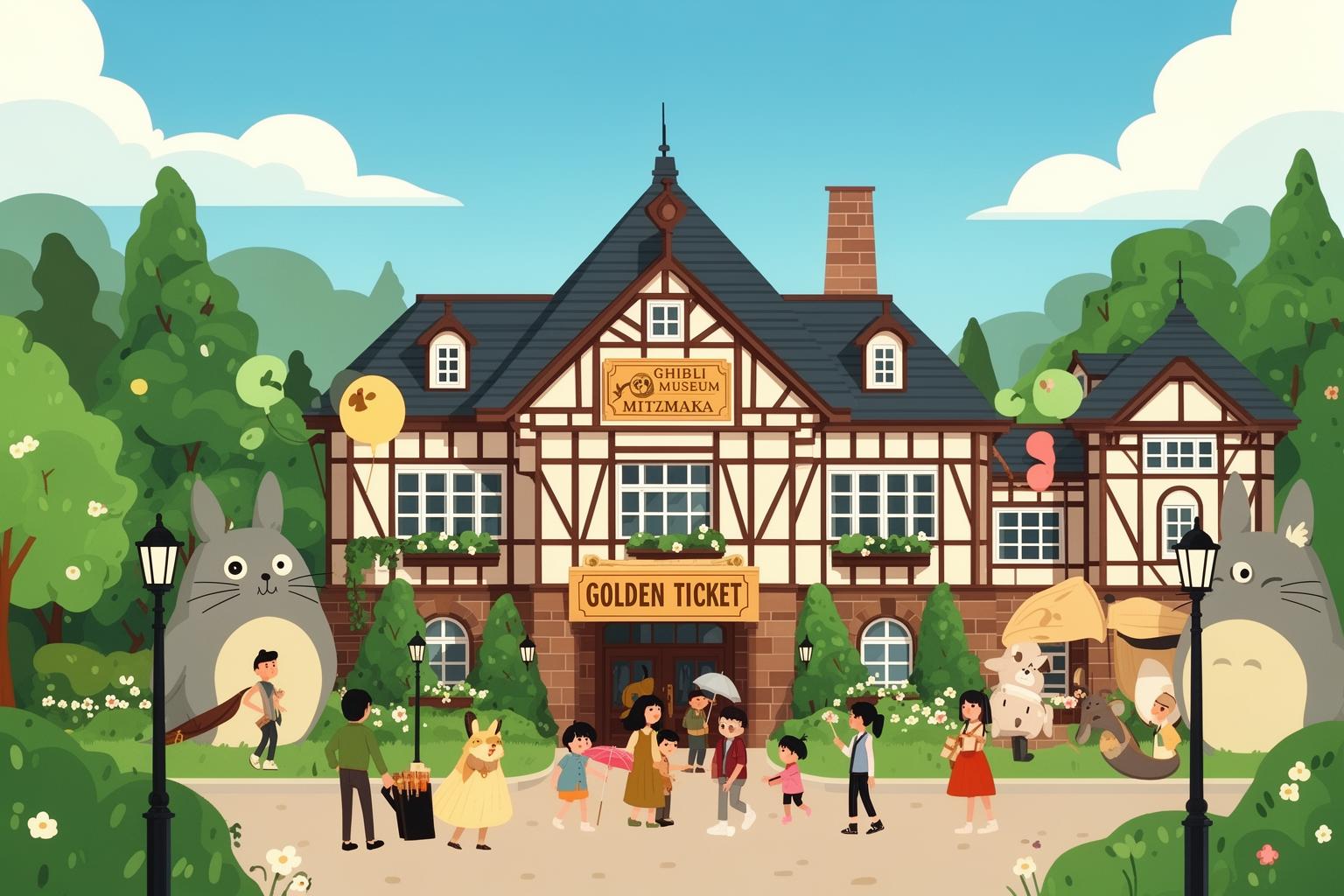
The journey to the Ghibli Museum doesn’t begin at the airport or even at Mitaka Station. It starts months in advance, in front of a computer screen, filled with a mix of hope and excitement. Securing tickets for this museum is famously difficult—and deliberately so. To maintain an intimate atmosphere, the museum limits the number of visitors, ensuring the experience never feels crowded or rushed. For international visitors, obtaining a ticket has become a rite of passage. Tickets are sold online through the official vendor, Lawson Ticket, at 10:00 AM Japan Standard Time on the 10th of each month for the entire following month. This means if you want to visit in May, you must be ready to book on April 10th. Demand is extremely high, and tickets for popular days can disappear within minutes. It feels less like booking museum entry and more like trying to get front-row seats to a legendary concert. Be sure to have your passport information ready, select several possible dates and time slots ahead of time, and prepare for the website to slow down due to heavy traffic. My best advice is to stay calm, be persistent, and if you succeed, savor the incredible satisfaction of having secured your own golden ticket. This initial hurdle only increases the anticipation, making the moment you finally enter the museum feel like a true achievement and a well-deserved reward.
“Let’s Get Lost, Together”: The Philosophy of the Museum
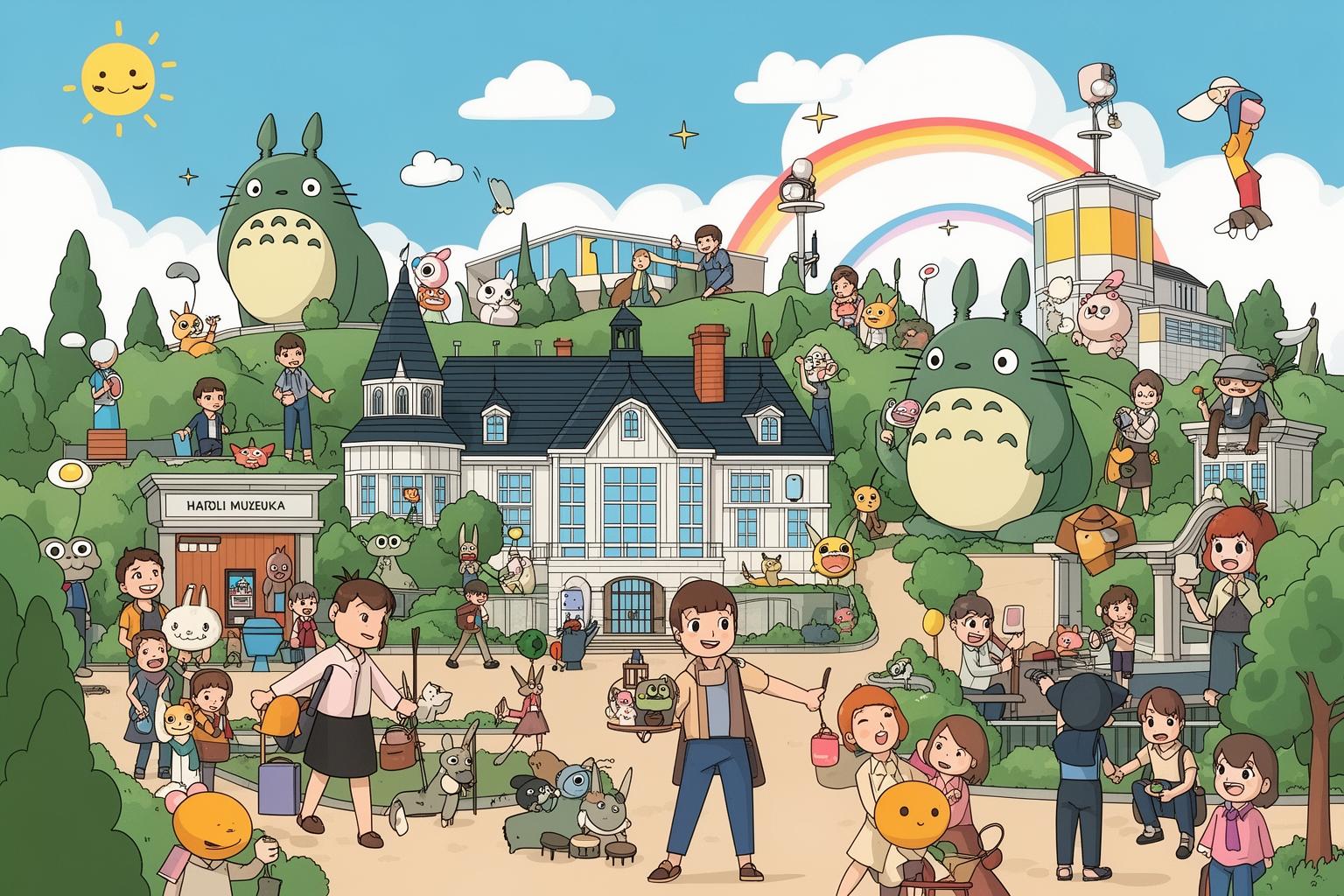
The official slogan of the Ghibli Museum is “Maigo ni narō yo, issho ni,” which translates to “Let’s get lost, together.” This phrase is more than just catchy; it embodies the core design philosophy of the entire building. From the moment you see the exterior—a whimsical structure of pastel stucco covered in creeping ivy—you realize this is no ordinary museum. There are no straight paths, no set routes, and no maps to follow. Instead, visitors are invited to wander, explore, and let their curiosity guide them down tiny spiral staircases, across aerial bridges, and into hidden corners. The building itself serves as a character within the Ghibli universe. Sunlight streams through stunning stained-glass windows that, instead of saints, depict scenes and characters from the films—Totoro holding his umbrella, Kiki on her broomstick, the determined gaze of Nausicaä. Pay close attention to the details: the hand-cranked elevators feel straight out of Howl’s Moving Castle, the water taps are shaped like whimsical creatures, and if you look carefully, hidden Soot Sprites peek out from the corners. The central hall is a breathtaking multi-story atrium—a dizzying and delightful maze of balconies, walkways, and a grand clock that comes alive with clanking, whirring figures. A magnificent glass dome floods the space with light, illuminating the controlled chaos below. This design philosophy beautifully encourages visitors to slow down, be present, and see the world through the eyes of a child on an adventure. Each corner turned reveals a new surprise, ensuring every visitor’s journey through the museum is uniquely their own.
A World in Miniature: The Permanent Exhibits
While the building itself is an exhibit, the rooms inside hold the secrets to Ghibli’s creative genius. They are not sterile galleries but vibrant, immersive spaces that celebrate the painstaking craft of animation with both playfulness and reverence.
Where a Film is Born
The permanent exhibition rooms on the first floor are collectively titled “Where a Film is Born.” These five connected rooms are designed to feel as if you’ve stepped directly into an animator’s mind. It’s a glorious, inspiring mess. One room recreates a Ghibli artist’s studio, so rich in detail you could spend an hour exploring it alone. Desks are cluttered with jars of pigment, well-worn pencils, and half-eaten snacks. The walls are covered with pinned-up inspiration: photographs, postcards, and books on everything from botany to vintage aircraft. Bookshelves sag under the weight of art books and reference materials from around the world. It’s a tangible representation of the extensive research and passion behind every frame. Other rooms feature original concept art, character sketches, and breathtaking watercolor storyboards that line the walls from floor to ceiling, showcasing the meticulous planning behind iconic scenes. The true highlight is the collection of three-dimensional zoetropes. One includes models of Totoro, Mei, and Satsuki arranged in a circle on a spinning platform. As the wheel turns and strobe lights flash, the static figures come to life, running, jumping, and bouncing in a seamless, magical loop. It’s a dazzling pre-cinema illusion that distills animation to its essence, demonstrating the magic of persistence of vision in the most enchanting way. It’s a pure moment of joy that draws gasps from both adults and children alike.
The Saturn Theater’s Secret Showing
Your entrance ticket to the museum is no ordinary piece of paper. It’s a small, precious strip of actual 35mm film print from one of Studio Ghibli’s features. Holding it up to the light to see which three frames you’ve received is the first of many small wonders. This unique ticket grants you admission to the Saturn Theater, a cozy cinema on the ground floor. The theater itself is charming, with a sky-blue ceiling painted with a smiling sun and moon, and windows that automatically shutter before the show begins. Here, you can watch one of several original animated shorts created exclusively by Hayao Miyazaki for the museum—films you cannot see anywhere else in the world. The lineup rotates, so the film you see will be a surprise. You might catch Mei and the Kittenbus, a delightful sequel to My Neighbor Totoro, or Boro the Caterpillar, a stunningly detailed look at the world from an insect’s perspective. These films are pure Ghibli—dialogue-free and universally understood through beautiful visuals and heartwarming stories. Sharing this hidden gem with a small audience of fellow fans forms a core memory of any visit—a secret shared among those who made the journey.
The Catbus Room: A Kid’s Dream Come True
For any child who has ever watched My Neighbor Totoro and dreamed of climbing inside the furry, purring Catbus, the Ghibli Museum makes that dream a reality. Located on the second floor is the Catbus Room, exactly what it sounds like. A huge, life-sized, and incredibly plush Catbus beckons, its multi-legged form ready for play. This is a children-only area, generally for those under 12, and it’s a space of pure, joyful chaos. When given the signal by staff, kids rush inside, bounce on its back, and pet its soft fur. The bus is filled with a pile of equally soft Soot Sprites, perfect for tossing around. Parents stand on the sidelines, but watching their children’s uninhibited delight is a pleasure all its own. It’s a wonderful, safe place for little ones to burn energy and interact physically with one of Ghibli’s most iconic creations. This space perfectly embodies the museum’s commitment to creating experiences that resonate deeply with its youngest visitors.
Beyond the Exhibits: Hidden Charms and Open Skies
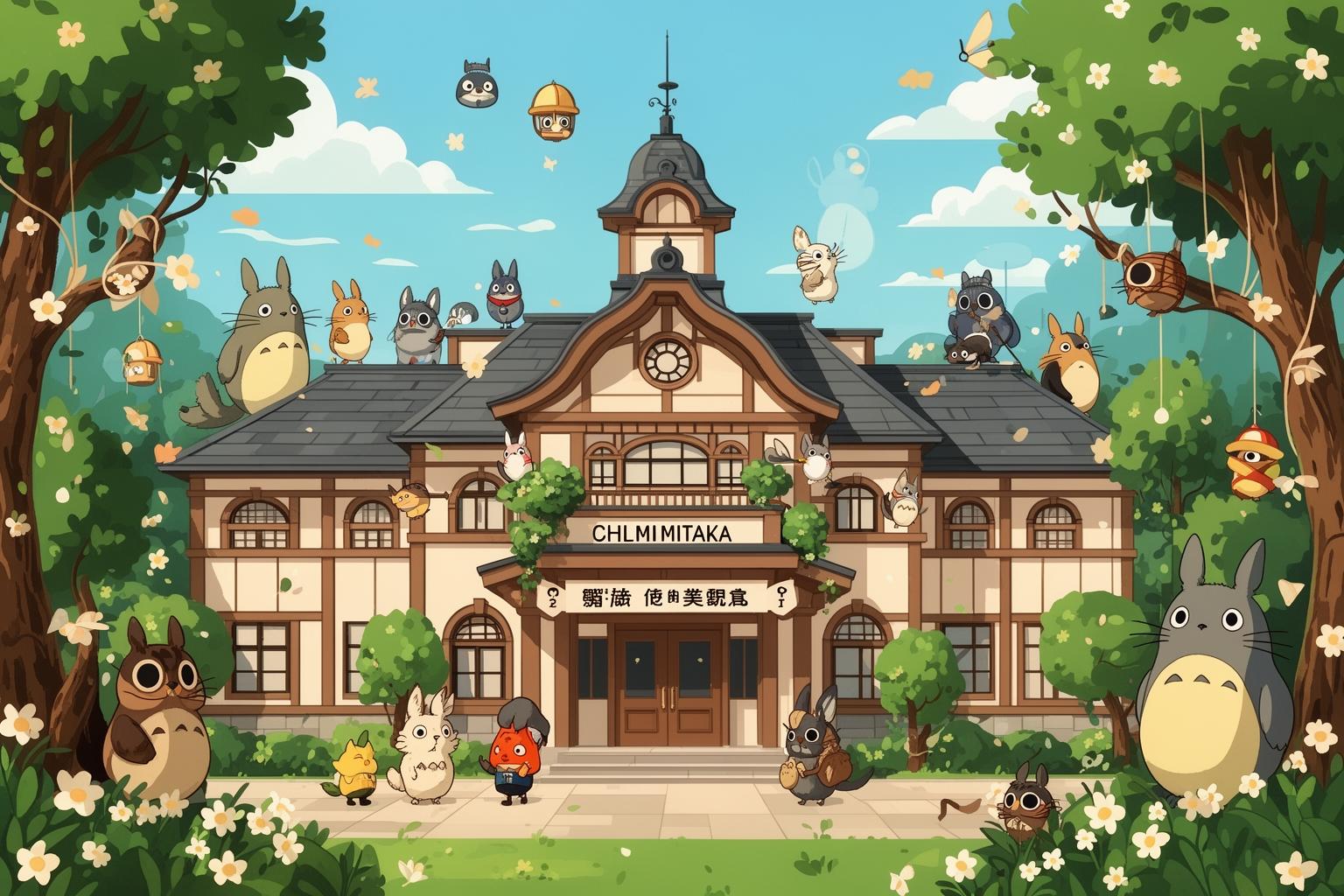
The magic of the Ghibli Museum extends far beyond its interior walls. The experience continues as you climb to the sky, where you can find moments of peaceful respite from the vibrant journey through the exhibits.
Ascending to the Rooftop Garden
To reach the rooftop, you first need to locate a narrow, caged spiral staircase winding upward. The ascent feels like an adventure, and as you step into the open air, you are welcomed by the museum’s most famous resident. A towering, five-meter-tall Robot Soldier from Castle in the Sky stands quietly amid a lush, overgrown garden. This gentle giant is not intimidating; its stance suggests a lonely guardian. Over time, nature has begun reclaiming it, with moss and vines creeping over its metallic limbs, giving it the appearance of an ancient artifact discovered in the wild. The rooftop offers a serene, contemplative atmosphere—a quiet retreat with a stunning view over the treetops of the surrounding Inokashira Park. Walking behind the robot reveals a replica of the mysterious black control cube from the film, adorned with the elegant Laputa script. This is one of the few places where photography is allowed, and visitors respectfully take turns capturing a moment with the iconic figure. Standing beside this tranquil robot, you feel a deep connection to the melancholic beauty that characterizes many of Ghibli’s stories.
The Straw Hat Café: A Taste of Ghibli
After hours of exploration, the Straw Hat Café provides a welcome opportunity to rest and recharge. True to Ghibli’s spirit, the café serves simple, wholesome, and delicious food made with care. It’s a popular spot, often with a line, so planning your mealtime is advisable. The setting is rustic and cozy, featuring wooden tables and details that reflect the museum’s charming aesthetic. The menu offers comforting dishes, such as a hearty fried pork cutlet sandwich, warming soups, and vibrant salads made with fresh vegetables. For dessert, the fluffy strawberry shortcake remains a staple favorite. Even the drinks carry a whimsical touch, with some lattes decorated with Ghibli character art. If the wait for a table is long, a nearby take-out stand offers hot dogs, ice cream, and a distinctive roasted barley soft-serve that is well worth trying. It’s more than just a museum café; it embodies the Ghibli philosophy that even a simple meal should be a joyful and nourishing experience.
Mamma Aiuto! The Treasure Trove Gift Shop
Named after the sky pirates from Porco Rosso, the Mamma Aiuto! gift shop is often the final stop for visitors. It’s a beautifully designed space that feels more like a curated boutique than a typical souvenir store. The shelves are stocked with exclusive merchandise unavailable anywhere else. Forget generic keychains; here you’ll find exquisite stained-glass-style window decals, bookmarks made from real film strips, intricate music boxes, and finely crafted models from the films. There are also art books, original soundtrack CDs, and a delightful selection of apparel and home goods. This treasure trove is a dream for fans, and it’s easy to get carried away. Setting a budget before entering is a practical tip I highly recommend. It’s the perfect place to find a meaningful memento of your visit—a little piece of Ghibli magic to bring home.
A Journey Through Mitaka: Exploring Around the Museum
The Ghibli Museum’s placement within the verdant Inokashira Park is intentional. The experience is designed to blend seamlessly with its natural environment, so be sure to set aside some time to explore the park either before or after your visit.
The Serenity of Inokashira Park
Inokashira Park is one of Tokyo’s most beloved green spaces, with the museum situated in its southwestern corner. This expansive and picturesque park centers around a large pond. Arriving early for your entry time allows for a peaceful walk along its trails. You can rent a swan-shaped paddle boat to glide across the water, visit the small but charming Benzaiten Shrine on an island within the pond, or simply sit on a bench to soak in the tranquil ambiance. The park is beautiful year-round, but it is especially stunning during spring’s cherry blossom season and autumn when the leaves turn vivid shades of red and gold. The fifteen- to twenty-minute walk from bustling Kichijoji Station to the museum passes directly through the park’s heart, offering a perfect, soothing transition from the city’s energy to the magical world of Ghibli.
From Mitaka Station: The Ghibli Bus Experience
For those who prefer a more straightforward option, the community bus from Mitaka Station provides a unique experience. From the station’s South Exit, head to bus stop number nine, which is unmistakably marked with Ghibli-themed signage. The special shuttle bus, painted bright yellow and adorned with images of beloved characters, takes about five minutes to reach the museum. The interior often features custom touches, making the short trip feel like the opening chapter of your Ghibli journey. Tickets can be purchased from a machine at the bus stop. While the walk through the park is lovely, riding the themed bus is a convenient and enjoyable choice, especially for families with young children or on rainy days.
Practical Magic: Tips for a Flawless Visit
A little planning can help your magical day at the Ghibli Museum go even more smoothly. Here are a few final tips to keep in mind for your visit.
The No-Photography Rule and Why It’s a Blessing
One of the first things you’ll notice upon entering is the strict no-photography and no-videography policy inside the museum. For some, this may feel like a frustrating limitation in today’s share-everything world. However, I encourage you to view it as a gift. Without the pressure to get the perfect shot, you’re free to be fully present. You’ll use your own eyes to absorb the details and your own memory to treasure the experience. This policy helps preserve the sense of discovery for future visitors and, most importantly, creates a calm and respectful atmosphere inside. You can put your phone away and truly immerse yourself in the world around you. As mentioned, the one exception is the rooftop garden, where photos with the Robot Soldier are allowed.
Timing Your Visit
The museum uses a timed-entry system with four admission slots per day: 10:00, 12:00, 14:00, and 16:00. You must arrive within thirty minutes of your designated time to gain entry. Once inside, however, you can stay as long as you wish until closing time at 18:00. To make the most of your visit, I recommend booking an earlier time slot if possible, as this provides the maximum time to explore without feeling rushed. Weekdays tend to be less crowded than weekends and public holidays, offering a more relaxed experience. Regardless of when you visit, the museum’s limited capacity ensures it never feels uncomfortably crowded.
For Families with Little Ones
The Ghibli Museum is very family-friendly, though a few tips can help. Strollers are not allowed inside the museum’s narrow, winding corridors, but there is a designated stroller parking area near the entrance. Using a baby carrier or sling is an excellent alternative for very young children. The restrooms are equipped with family-friendly amenities such as diaper-changing stations and lower sinks for little hands. Be sure to manage your children’s expectations about the Catbus Room by reminding them of the age limit if they’re too old to play. Remember, the museum is a stimulating environment, so finding a quiet corner or stepping outside to the café’s patio for a break can help prevent sensory overload.
More Than a Museum, A Memory
Leaving the Ghibli Museum feels like emerging from a beautiful dream. As you stroll back through Inokashira Park, with the setting sun casting light through the trees, you carry the essence of the place with you. It’s more than a mere collection of artifacts; it’s an experience that reaffirms the strength of imagination. You depart with a deeper appreciation for the artistry, patience, and genuine love poured into every frame of a Studio Ghibli film. The museum doesn’t just reveal how the magic is created; it allows you to feel that magic on a personal level. It encourages you to seek wonder in the small details, to appreciate beauty in imperfection, and to never fear getting a little lost. It stands as a place founded not only on nostalgia but on the lasting belief that animation can be a powerful and moving art form. For our family, it was the highlight of our trip to Japan, a shared memory we will cherish far more than any souvenir. It is a pilgrimage worth every bit of effort, a truly special place that will capture your heart and leave it spinning with wonder.