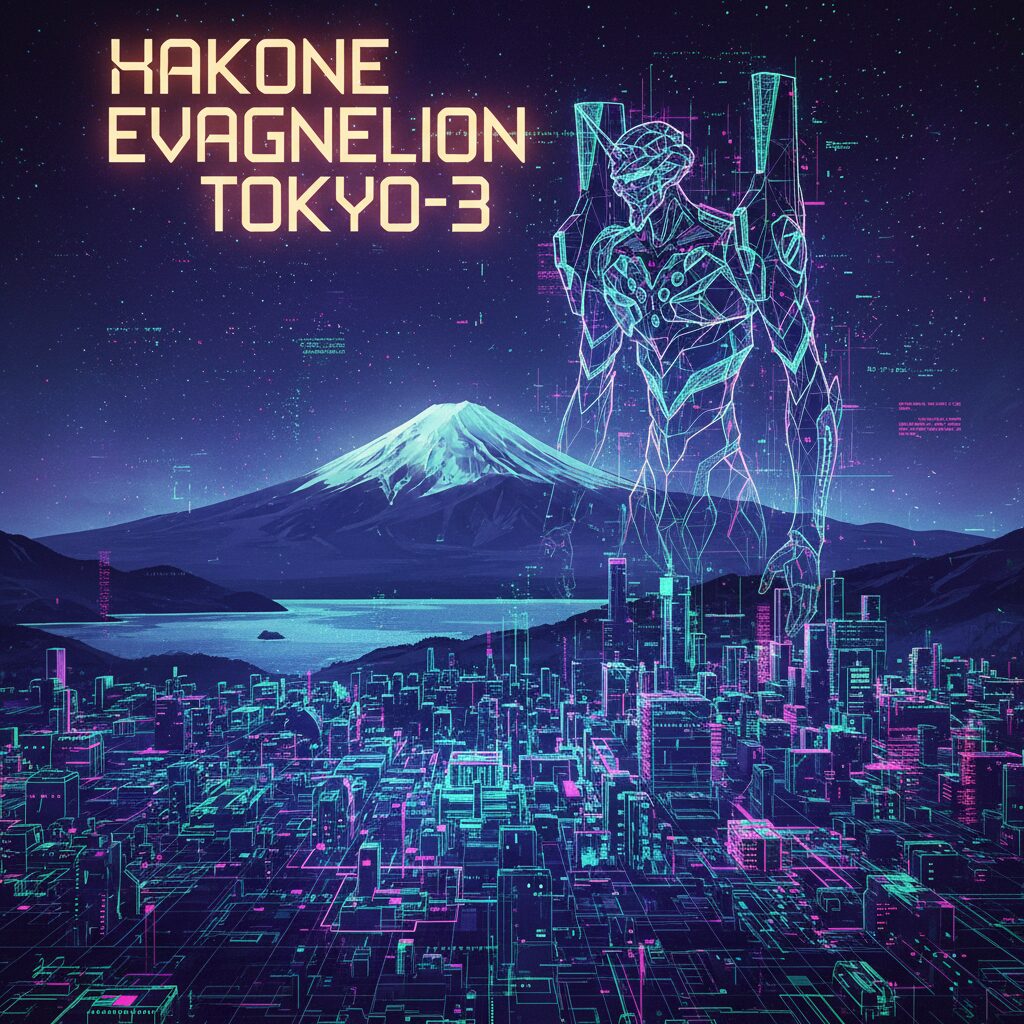
The train groans with a gentle, rhythmic protest as it zig-zags up the mountain. Below, a deep green valley unfolds, a landscape so quintessentially Japanese it feels plucked from a woodblock print. This is the first sensation of Hakone: a world away from the electric pulse of Tokyo, a realm of ancient forests, serene lakes, and steam rising from the very bones of the earth. For centuries, this has been a sanctuary for those seeking refuge in its therapeutic hot springs and breathtaking scenery. But for a generation of travelers, this peaceful mountain retreat holds a second, secret identity. It is the real-world stage for one of the most iconic and influential anime series of all time, Neon Genesis Evangelion. This is Tokyo-3, the fortress city built to withstand the apocalypse, and the site of humanity’s desperate battle against the celestial beings known as Angels. To walk these streets is to traverse a landscape haunted by giant robots and existential dread, where the mundane sight of a convenience store or a quiet lakeside view is charged with fictional history. It’s a pilgrimage that blurs the line between reality and animation, inviting you to step directly into the world that shaped Shinji, Rei, and Asuka. Our journey begins here, in the shadow of mountains that have seen both shoguns and cyborgs, to uncover the soul of a place that is simultaneously a tranquil paradise and the last bastion of mankind.
Bridging the timeless allure of ancient landscapes and futuristic urban energy, some travelers also embark on a Your Name pilgrimage that reveals the magic hidden in real-world cinematic settings.
The Ascent: Riding the Rails into NERV Territory
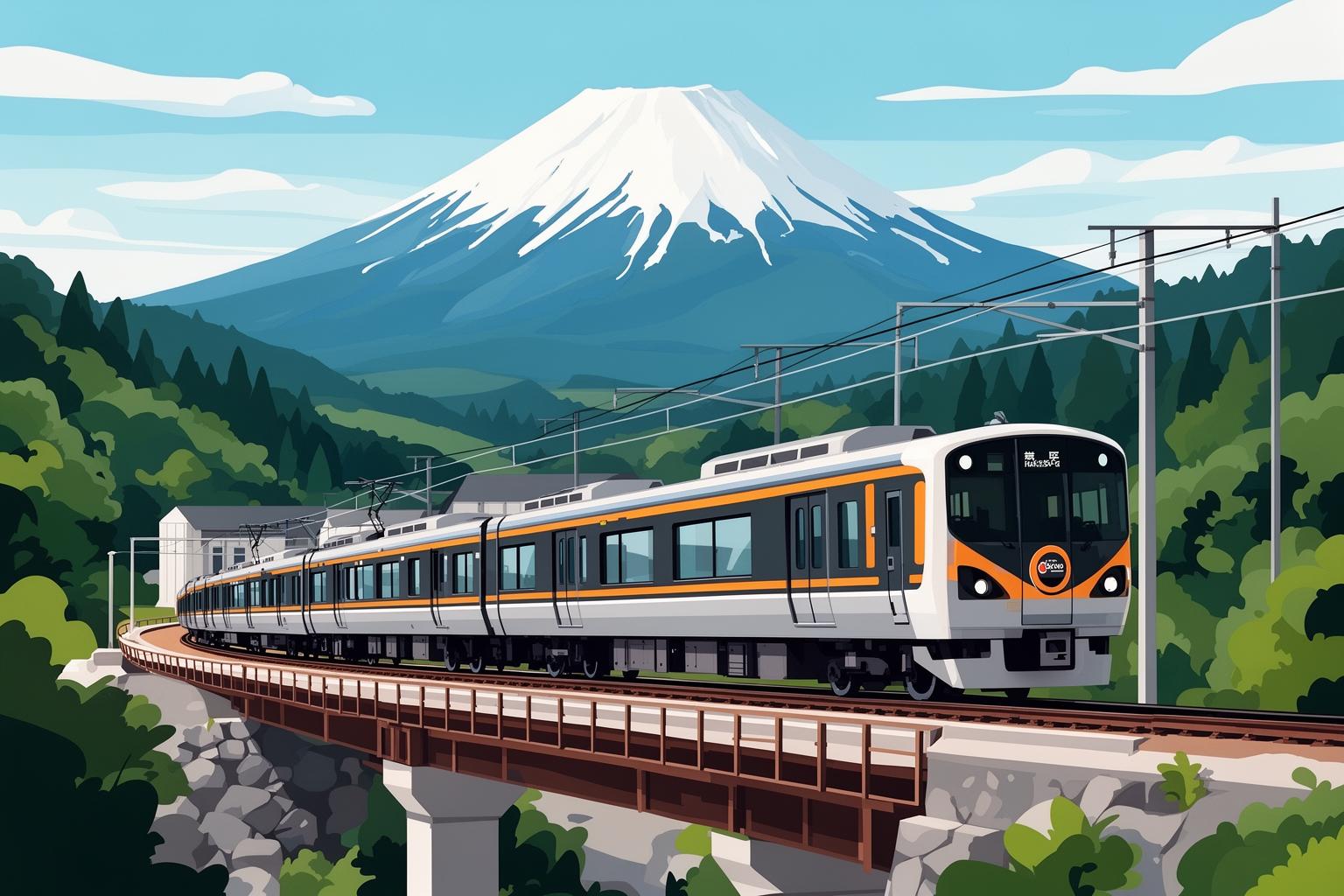
Your pilgrimage truly begins at Hakone-Yumoto Station, the vibrant gateway to the region. The atmosphere here already feels different—cooler, fresher, with a subtle earthy scent of sulfur and damp cedar in the air. Although the station is a modern hub, it’s the train departing from here that genuinely sets the mood. The Hakone Tozan Railway is an engineering marvel—a switchback line that ascends the steep mountainside. As the small, bright red train jerks forward and then reverses at a switchback, climbing steadily higher, there’s an undeniable sense of a purposeful, mechanical ascent. This feeling resonates strongly with Evangelion. This journey is not merely a commute; it’s an infiltration. You’re being drawn deeper into a secluded, fortified area, much like Shinji Ikari’s reluctant trek to NERV headquarters. The dense forests hem in on both sides of the tracks, forming a tunnel of green that separates you from the world left behind. Every click of the rails brings you closer to the heart of Tokyo-3.
As you reach higher elevations, the atmosphere transforms. The town of Gora, a crucial stop on the railway, serves as a hub for connections to the rest of the Hakone loop. Here, you might transfer to the cable car, another link in the intricate transportation network that defines this region. For the Evangelion pilgrim, this network is more than just a convenience—it’s a tangible expression of Tokyo-3’s intricate infrastructure. The series frequently portrays characters navigating the city via escalators, monorails, and elevators crisscrossing the underground GeoFront. Riding the Hakone Ropeway or the steep cable car gives you a palpable sense of this verticality—a city built in layers, some visible and others concealed deep beneath the earth.
The Official Outpost: EVA-YA Store
Before venturing too far from your starting point, a small but meaningful stop awaits in Hakone-Yumoto. Nestled in the main shopping street is the EVA-YA store, an official outpost dedicated to all things Evangelion. This is no ordinary merchandise shop; its design and goods are thoughtfully curated to blend with the traditional aesthetic of a Hakone souvenir store. You’ll discover items that merge iconic series imagery with local crafts—imagine Eva Unit-01 depicted on a hand towel or NERV-branded chopsticks. A particularly popular treat is the soft-serve ice cream, colored purple and green to mirror the famous Eva Unit-01. It’s a charming, slightly surreal moment to enjoy an ice cream cone paying homage to a giant biomechanical weapon while surrounded by the serene beauty of a hot spring town. This perfectly captures the spirit of the Hakone pilgrimage: a seamless, often playful fusion of fiction and reality. It’s a subtle acknowledgment from the town that it understands why so many of us have come—and it embraces this dual identity with open arms.
Lake Ashi: Beneath the Serene Surface Lies the GeoFront
The emotional and geographical heart of both Hakone and Tokyo-3 is Lake Ashi, known in Japanese as Ashinoko. As you emerge from the forested roads or descend via the ropeway, the view that unfolds is nothing less than breathtaking. The vast, serene caldera lake stretches out before you, its deep blue waters mirroring the surrounding mountains. On a clear day, the majestic, perfectly conical Mount Fuji presides over the entire scene. Near the shore, standing in the water, is the iconic red torii gate of the Hakone Shrine. This is one of the most famous vistas in all of Japan, a picture of profound peace and natural harmony. Yet, for an Evangelion fan, this tranquility is only a facade. You are standing on the ceiling of the GeoFront. Beneath the calm surface of the water lies the secret cavern that houses NERV headquarters and the entire subterranean city. Every panoramic photo you take holds this secret knowledge. The pirate-themed sightseeing ships that cross the lake become stand-ins for the naval vessels that often patrolled these waters, waiting for an Angel to appear. The Fifth Angel, Ramiel, the crystalline octahedron, descended toward NERV from this very area, its devastating particle beam boiling the lake’s surface. Standing on the shore, you can almost hear the warning sirens echoing across the water, a phantom sound overlaid on the gentle lapping of the waves.
Exploring the Battlefield
A ride on one of the Hakone Sightseeing Cruise ships is a must. As the vessel pulls away from the dock at Togendai or Moto-Hakone, the perspective shifts. You find yourself in the center of the arena. The surrounding mountains form a natural amphitheater, the perfect stage for a colossal battle. From the water, you can clearly see the locations of key scenes. The hillsides are where Misato set up her command post, where Eva units took defensive positions. The shoreline is where Shinji often sat in quiet contemplation, the tranquil water starkly contrasting his inner turmoil. The cruise offers a 360-degree view of the operational area, making it easy to imagine the vast scale of the conflict. The gentle mountains suddenly feel like strategic vantage points, and the open water seems exposed and vulnerable. It’s a powerful experience, transforming a simple tourist activity into an immersive piece of imaginative storytelling.
The Crimson Gate of Peace
Disembark at Moto-Hakone and take the shaded path through the woods to Hakone Shrine. The air grows still and heavy with the scent of ancient cedar trees. The shrine itself is a sacred, powerful place, rich in history and Shinto spirituality. But the main attraction for many is the Heiwa no Torii, the “Torii of Peace,” that stands in the water. Walking down the steps to the water’s edge, you can frame the perfect photograph of the gate, which appears to float on the lake’s surface. In the context of Evangelion, this gate takes on a new, poignant significance. It symbolizes peace and purity standing at the very center of so much conflict and destruction. It is a silent witness to the battles that raged above and below. The contrast is striking and beautiful, a reminder that even in a world shaped by war, moments of profound stillness and grace endure. For many pilgrims, this is a moment of quiet reflection—a place to connect not with the action of the series, but with its deeper, more philosophical themes of life, death, and coexistence.
Sengokuhara: The Quiet Streets of a Doomed City
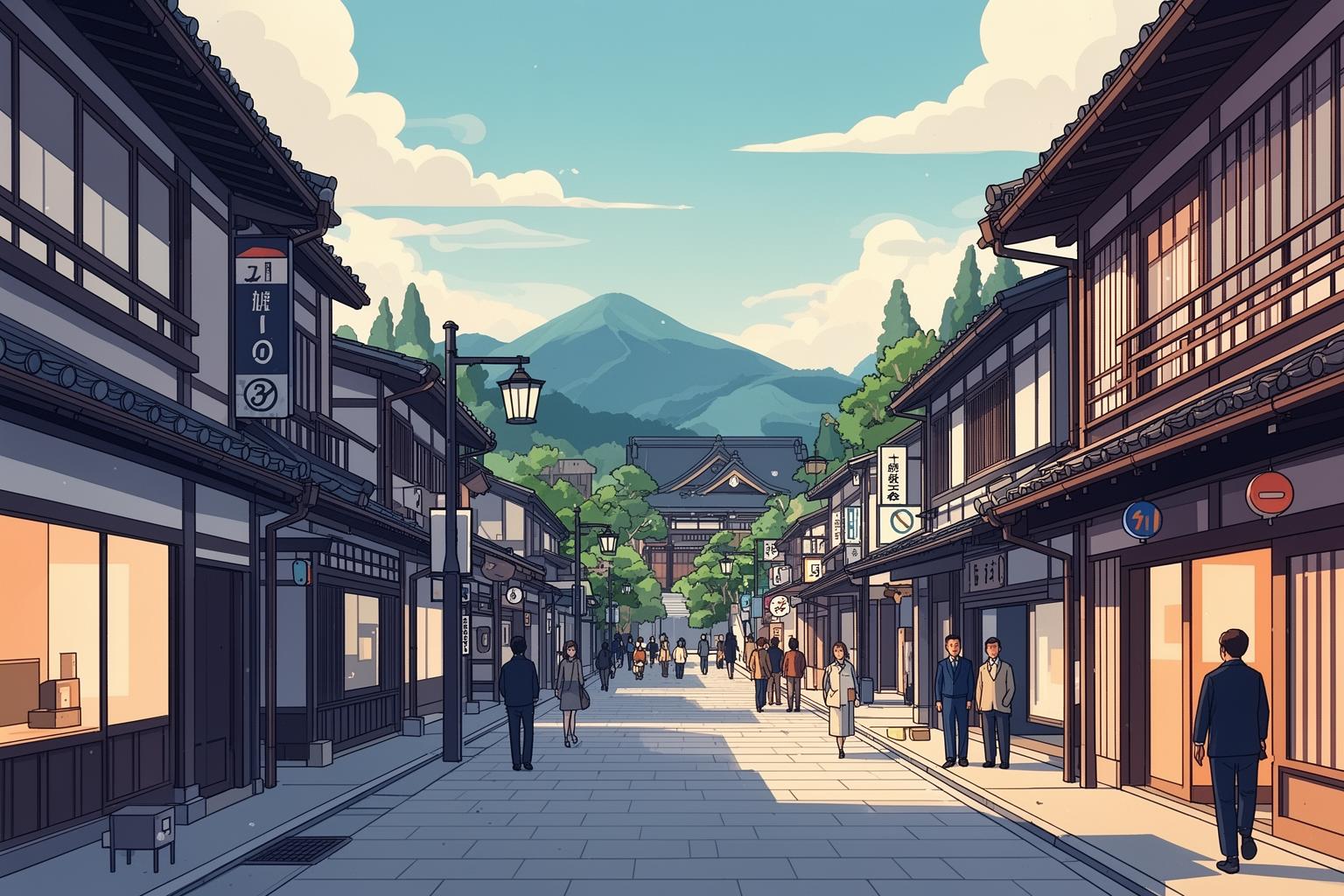
If Lake Ashi is the backdrop for epic battles, then the Sengokuhara district is where the characters of Evangelion lived their brief, delicate lives. This area—a broad plateau of marshland interspersed with quiet residential streets—served as the main setting for the slice-of-life moments that anchor the series in a relatable reality. To reach it, you’ll take a bus from the lake or Gora, and as you arrive, the atmosphere shifts once again. The grand, dramatic scenery fades into a calm, almost ordinary suburban environment. And that’s exactly the point. Here you’ll find the most intimate and relatable filming locations.
One of the most popular destinations is a particular branch of the Lawson convenience store. It is, undeniably, just a convenience store. But it is the convenience store. It served as the inspiration for the shop where Shinji, Asuka, and Misato would buy groceries, where the characters would linger under the fluorescent lights, sharing quiet moments between apocalyptic battles. Upon entering, the chime of the automatic door is immediately recognizable. The layout, the items on the shelves, the sterile yet comforting glow—it all feels eerily familiar. Purchasing a canned coffee or snack here feels like a meaningful ritual. You’re stepping into the daily routines of the characters, uncovering a piece of their world hidden in plain sight. It speaks to the power of the show that such an ordinary act can feel so significant.
Following the Steps of Misato and Shinji
From Lawson, a short walk brings you to an intersection instantly identifiable to fans as the location of Misato’s apartment building. While the building itself, as shown in the anime, doesn’t exist, the surrounding area is a near-perfect match. The telephone poles laden with wires, the distinctive curve of the road, the vending machines at the corner—it’s all there. You can stand where Shinji first arrived, suitcase in hand, waiting for Misato to pick him up. The sense of place is incredibly vivid. This isn’t a grand monument; it’s a quiet neighborhood street. It is precisely this ordinariness that makes the spot so powerful. It emphasizes the central tension of Evangelion: extraordinary, world-altering events happening to ordinary people in everyday settings. Here, they worried about school, argued over chores, and strove to build connections, all while carrying the fate of humanity on their shoulders.
The Golden Fields of Reflection
Nearby lie the Sengokuhara Susuki Grass Fields. For most of the year, these fields are a sea of green, but come autumn, they turn into a shimmering expanse of golden pampas grass, rustling in the breeze. This landscape is featured throughout the series and its films as a backdrop for introspective and often melancholic scenes. It’s a place of serene beauty, ideal for reflection. Walking along the path through the tall grasses, you sense a peaceful solitude. It’s easy to imagine a character standing here, grappling with inner turmoil against the vast, indifferent beauty of nature. The mood shifts with the weather—bright and hopeful under sunlight, somber and dramatic beneath a cloudy sky. Visiting in autumn is highly recommended to witness the fields in their full golden splendor, perfectly capturing the essence of the show’s most poignant moments.
Owakudani: The Great Boiling Valley and the GeoFront’s Power Source
No trip to Hakone is truly complete without visiting Owakudani, the “Great Boiling Valley.” Reached via the Hakone Ropeway, the journey itself is a marvel. Your gondola silently ascends the mountainside, and as you crest the ridge, the landscape suddenly drops away to reveal a startling, primeval scene. The mountainside is marked by yellow sulfurous deposits, with massive plumes of volcanic steam rising from fissures in the earth. The air is thick with the sharp, unmistakable scent of sulfur. It feels as if you’re hovering above the surface of an alien world. This is the raw, untamed geothermal core of Hakone, a constant reminder that the ground beneath you is alive.
For Evangelion pilgrims, Owakudani provides the most direct visual connection to the industrial and volatile nature of NERV and the GeoFront. The steam vents and geothermal plants scattered across the area serve as the real-world counterpart to the city’s power source. You can almost sense the vast energy being harnessed from the earth to operate the Magi supercomputers, the city’s defense systems, and the Eva launch sequences. The entire valley resembles a massive, barely contained power facility. The ropeway cabins, dangling on the brink above steaming chasms, evoke the sensation of descending into the deepest levels of NERV headquarters, a journey into the beast’s very core.
The Elixir of Life: Kuro-Tamago
Amid this apocalyptic scenery lies a curious local custom: the black eggs, or kuro-tamago. These are regular chicken eggs boiled in Owakudani’s naturally hot spring pools. Sulfur and other minerals in the water react with the eggshells, turning them a deep, matte black. According to local legend, eating one of these eggs grants you seven additional years of life. Whether you believe the legend or not, purchasing a bag of these warm, blackened eggs and peeling one to reveal a perfectly normal white and yellow interior is a distinctive and memorable part of any visit to Hakone. It’s a fun, tangible ritual that grounds the otherworldly experience of the valley. Enjoying a black egg while overlooking the steaming wasteland, you feel connected to the quirky, resilient spirit of a place that has learned to coexist with such powerful and destructive natural forces—a theme that resonates deeply with the world of Evangelion.
Beyond the Pilgrimage: Soaking in Hakone’s Deeper Charms
While the Evangelion locations serve as a major attraction, focusing solely on them means missing the deeper essence of Hakone. Above all, the town is one of Japan’s most esteemed hot spring destinations. After a long day of walking and exploring, nothing compares to immersing yourself in a traditional onsen. This experience is a ritual of purification and relaxation. Most ryokans (traditional inns) and numerous public bathhouses offer these baths, often featuring beautiful open-air sections (rotenburo) where you can soak in mineral-rich, geothermally heated water while gazing at a forest, mountain, or starry night sky. For first-time visitors, the etiquette is straightforward: wash thoroughly at the provided stations before entering the communal bath. Although the initial heat of the water may feel intense, as you settle in, the tension gradually melts away from your muscles and mind. It’s the perfect way to unwind and reflect on the day’s journey.
A Landscape of Art and Inspiration
Hakone’s natural beauty has also made it a sanctuary for art. The region boasts an impressive concentration of world-class museums. The Hakone Open-Air Museum is a must-see, featuring an extensive sculpture park with monumental works by artists like Henry Moore and Picasso set against the dramatic mountain backdrop. It’s an experience that harmoniously blends art and nature. Likewise, the Pola Museum of Art houses an outstanding collection of Impressionist and modern art within a stunning building designed to meld into the surrounding forest. Visiting these sites adds another dimension to your appreciation of Hakone. It becomes evident that this landscape, which inspired the creators of Evangelion to envision a futuristic fortress city, has also motivated countless artists to produce works of beauty and tranquility. Hakone embodies profound dualities: nature and technology, peace and conflict, creation and destruction. Grasping this helps you understand the very essence of the show you came here to celebrate.
A Practical Guide for Your Mission
Navigating Hakone might seem complicated at first, but with a bit of planning, it becomes easy. The key to exploring the entire area is the Hakone Free Pass. Valid for two or three days, this pass offers unlimited access to eight different types of transportation, including the Hakone Tozan train and cable car, the Hakone Ropeway, the sightseeing cruise on Lake Ashi, and the extensive bus network. It greatly simplifies travel and is almost always more economical than purchasing individual tickets. The most popular route from Tokyo involves taking the Odakyu Romancecar train from Shinjuku Station directly to Hakone-Yumoto—a scenic and comfortable journey.
Timing Your Visit to Tokyo-3
Hakone is an all-year destination, with each season showcasing its own distinct charm. Spring features cherry blossoms, painting the landscape in soft pinks and whites. Summer is lush and vividly green, though it can be rainy and humid. Autumn is perhaps the most breathtaking season, with brilliant red and gold foliage in the forests and the iconic golden pampas grass fields in Sengokuhara. This season most closely resembles the melancholic, beautiful aesthetic of Evangelion. Winter is quiet and cold, occasionally bringing snow that transforms the region into a peaceful, monochromatic wonderland. Soaking in an outdoor onsen as snow gently falls around you is an unforgettable experience.
A Final Piece of Advice
Bring reference images with you. While well-known spots like Lake Ashi and Owakudani are unmistakable, many of the more subtle locations in Sengokuhara can be difficult to locate. Having screenshots from the anime on your phone will turn your exploration into an enjoyable treasure hunt. However, don’t focus too much on replicating the exact camera angle for every shot. The true magic of the pilgrimage lies not in creating a perfect side-by-side comparison, but in absorbing the atmosphere—the sound of cicadas in summer, the scent of sulfur on the breeze, the quiet dignity of a residential street. The atmosphere is the genuine destination.
Leaving Hakone, But Not the World It Created
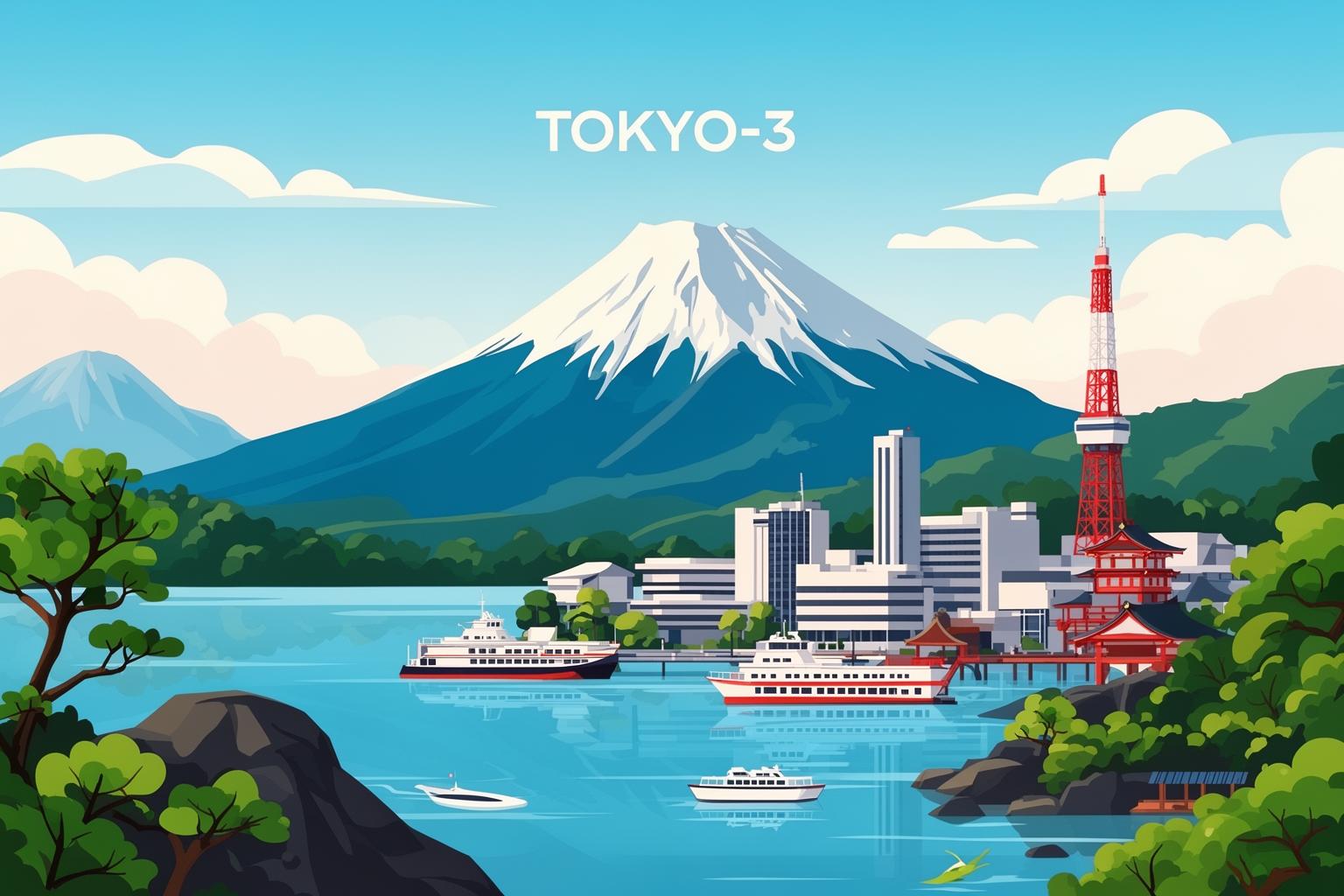
As your journey concludes and the train begins its descent back to everyday life, the images of Hakone linger with you. The serene lake concealing a secret city, the steaming valley buzzing with energy, the quiet suburban streets where humanity’s saviors once lived. You depart with more than just photographs; you leave with a deeper connection to a story that has captivated millions. Hakone is a rare and special place where the boundary between fiction and reality is delicate. Visiting is not merely about sightseeing; it is an act of engagement. You walk the same paths, breathe the same mountain air, and behold the same views that inspired a masterpiece. You come to understand, on a visceral level, how this peaceful, beautiful, and at times violent landscape became the perfect setting for a story about the fragility and resilience of the human heart. Though you may be leaving Hakone, the phantom city of Tokyo-3, with all its melancholy and hope, will stay with you for a long, long time.