
There’s a unique kind of nostalgia, a gentle ache for a time and place we’ve never truly known, that Hayao Miyazaki’s films awaken within us. It’s the scent of summer rain on dusty roads, the hum of cicadas in a deep green forest, the quiet comfort of an old wooden house. For millions around the world, this feeling is crystallized in the enchanting world of My Neighbor Totoro. It’s a world that feels both fantastical and profoundly real, a place we feel we could almost step into. What many don’t realize is that you can. Tucked away on the border of Tokyo and Saitama Prefecture lies the Sayama Hills, a sprawling tapestry of forests, fields, and reservoirs that whispered the story of Totoro into existence. This is not a theme park built in the film’s image; it is the very earth, the very trees, the very air that inspired Miyazaki himself. This is Totoro’s Forest, a place where the line between animation and reality blurs, inviting you on a pilgrimage not just to a filming location, but into the heart of a cherished memory. Our journey begins in the city of Tokorozawa, a place Miyazaki has long called home, and leads us to a special place where the magic feels most tangible: a charming, old Showa-era home affectionately known as Kurosuke’s House.
Discover an even deeper connection to Miyazaki’s legacy by venturing on a Sayama Hills pilgrimage that reveals the natural magic behind Totoro’s world.
The Whispers of the Forest: Discovering Sayama Hills
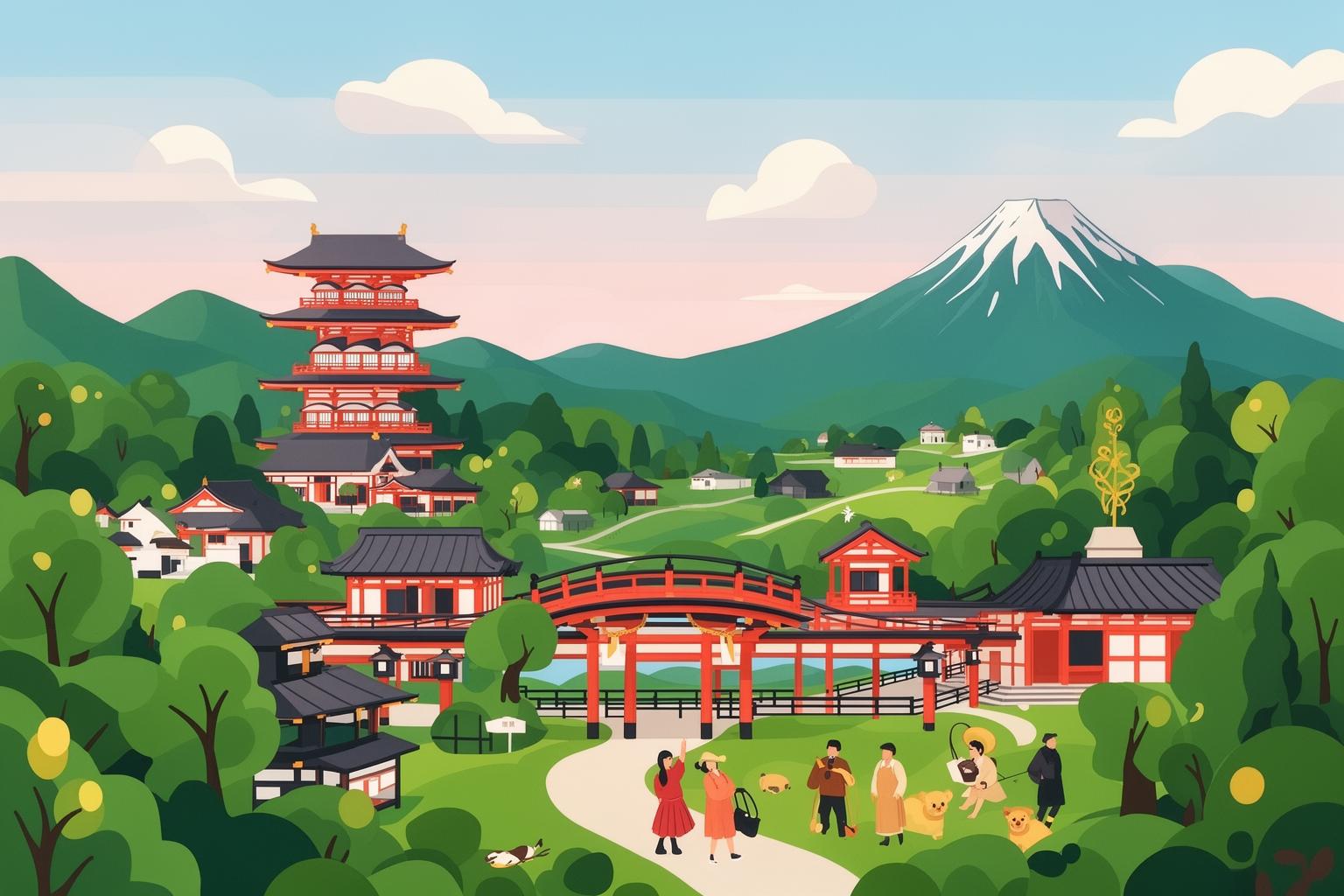
The moment you step off the train and start your walk toward the woods, the urban noise of Tokyo fades into a gentle, rhythmic heartbeat of nature. The Sayama Hills, locally called the Sayama Kyūryō, are not a dramatic mountain range but a rolling stretch of greenery—a cherished remnant of the traditional Japanese landscape known as satoyama. This concept, central to much of Miyazaki’s work, depicts a mosaic of managed woodlands, rice paddies, and reservoirs coexisting harmoniously with human settlements. It’s a landscape shaped by generations of careful stewardship, where nature and community are deeply connected. As you walk, the air cools, rich with the scent of damp earth and decomposing leaves, a primal fragrance that speaks of life, death, and renewal. Sunlight filters through the canopy of sawtooth oaks and Japanese maples, casting shifting patterns of light and shadow across the forest floor. You begin to see why this place served as the inspiration for My Neighbor Totoro. Every rustle in the underbrush, every twisted root crossing the path, every towering camphor tree seems to hold a secret. This forest invites you to slow down and listen. The soundtrack isn’t car horns but birdsong, the distant hum of a tractor, and the whisper of wind through bamboo groves. It’s the soundscape of Satsuki and Mei’s summer—a symphony of quiet moments that feel both timeless and deeply personal. The preservation of this area is a story in itself. In the late 20th century, as urban expansion threatened to engulf this green sanctuary, a strong conservation movement arose, driven by local residents and inspired by the release of Miyazaki’s film. The Totoro no Furusato Foundation, or Totoro’s Hometown Foundation, was created to purchase parcels of forest, securing them for future generations. Each area is affectionately named “Totoro’s Forest No. 1,” “No. 2,” and so forth—a network of protected sanctuaries linked by winding trails. Walking here is walking through a living testament to art’s power to inspire real-world change. You tread on ground saved by the very story it helped bring to life.
A Visit to Kurosuke’s House: Where Totoro’s World Comes to Life
After a peaceful stroll, you’ll reach a destination that feels like a dream come to life. Kurosuke’s House, or Kurosuke no Ie, isn’t a replica but an original Showa-era home, built over a century ago. It was carefully relocated and restored by the foundation to serve both as a visitor center and a tangible anchor for the spirit of the Totoro universe. The name itself is a tribute to the makkuro kurosuke, the tiny black soot sprites that darted through the attic in the film. The house stands modestly, its dark timber frame and white plaster walls radiating a quiet dignity. It’s the sort of house that once filled the Japanese countryside—a tangible piece of the nation’s architectural heritage.
Stepping into a Showa-Era Dream
Sliding open the wooden door and stepping inside feels like crossing a threshold into the past. You’re asked to remove your shoes, a simple gesture that immediately deepens your connection to the space. Your socks glide softly across the cool, smooth wooden floors of the entryway, or genkan. The interior is a charming maze of interconnected rooms with woven tatami mat floors, their grassy scent filling the air. Light filters through the delicate paper of the shoji screens, casting a soft, ethereal glow. The main room features a traditional sunken hearth, the irori, where families would have gathered for warmth and meals. You can almost hear the crackling fire and the murmur of evening conversations. The heart of the home, however, is the engawa, a wide wooden veranda running along one side, blurring the boundary between indoors and outdoors. Sitting here, dangling your feet just above the garden, you can gaze out at the greenery and feel the same simple joy that Satsuki and Mei must have known. This is not just a house; it’s a vessel of memory. It embodies the Showa period (1926–1989), the film’s setting—a time of rapid change in Japan often remembered with nostalgia for its simpler, community-centered life. The house is filled with period-appropriate details—a rotary phone, vintage clocks, old ceramic bowls—all contributing to the sense that its original inhabitants have only just stepped away for a while.
Meeting the Guardians of the Forest
While the house itself is a treasure, the true highlight for many visitors awaits in the main room. There, resting in a cozy alcove, is a magnificent, larger-than-life Totoro. This isn’t a shiny plastic mascot but a lovingly crafted figure with a soft, fuzzy texture that practically invites you to hug it. Children and adults alike light up with pure, unbridled joy upon seeing him. It’s a perfect, whimsical photo opportunity—a chance to capture a moment with the gentle forest king. But his presence is more than just a photo spot; it feels deeply symbolic. He is the guardian spirit of this house and, by extension, of all the Sayama Hills. Look closely around the rooms, in dusty corners and along high beams, and you’ll find them: the makkuro kurosuke. These tiny, black, fuzzy sprites are hidden throughout the house, a playful detail that invites exploration and rewards a keen eye. Finding them feels like being let in on a delightful secret. The volunteers who staff the house are local residents, their warmth and passion for the area evident. They are the human guardians of this place, eager to share stories about the house, the forest, and conservation efforts. They embody the community spirit so central to the film’s message. This place operates on goodwill and donations, and interacting with the volunteers is a heartwarming reminder of the collective effort that sustains this magic.
Practical Details for Your Pilgrimage
Visiting Kurosuke’s House requires a bit of planning, which only adds to its charm. It is not a commercial facility open year-round. It is generally open to the public on Tuesdays, Wednesdays, and Saturdays, from 10:00 AM to 3:00 PM. It’s always best to check the official Totoro no Furusato Foundation website for the latest schedule before you go, as hours may vary. There is no fixed admission fee; instead, the house relies on donations. A wooden box sits discreetly near the entrance, and visitors are encouraged to give what they can to support the upkeep of the house and the foundation’s vital conservation work in the surrounding forests. Getting there is part of the adventure. From Tokyo’s Ikebukuro Station, take the Seibu Ikebukuro Line to Nishi-Tokorozawa Station. From there, it’s about a 20-minute walk through a quiet residential neighborhood that gradually opens onto farmland and forest. Alternatively, you can take a train to Seibukyūjō-mae Station, which is closer to Sayama Lake and offers a different, more nature-focused walking route to the house. The walk itself is an essential part of the experience—a gentle decompression from the city and a gradual immersion into Totoro’s world.
Exploring the Totoro Forest Trails
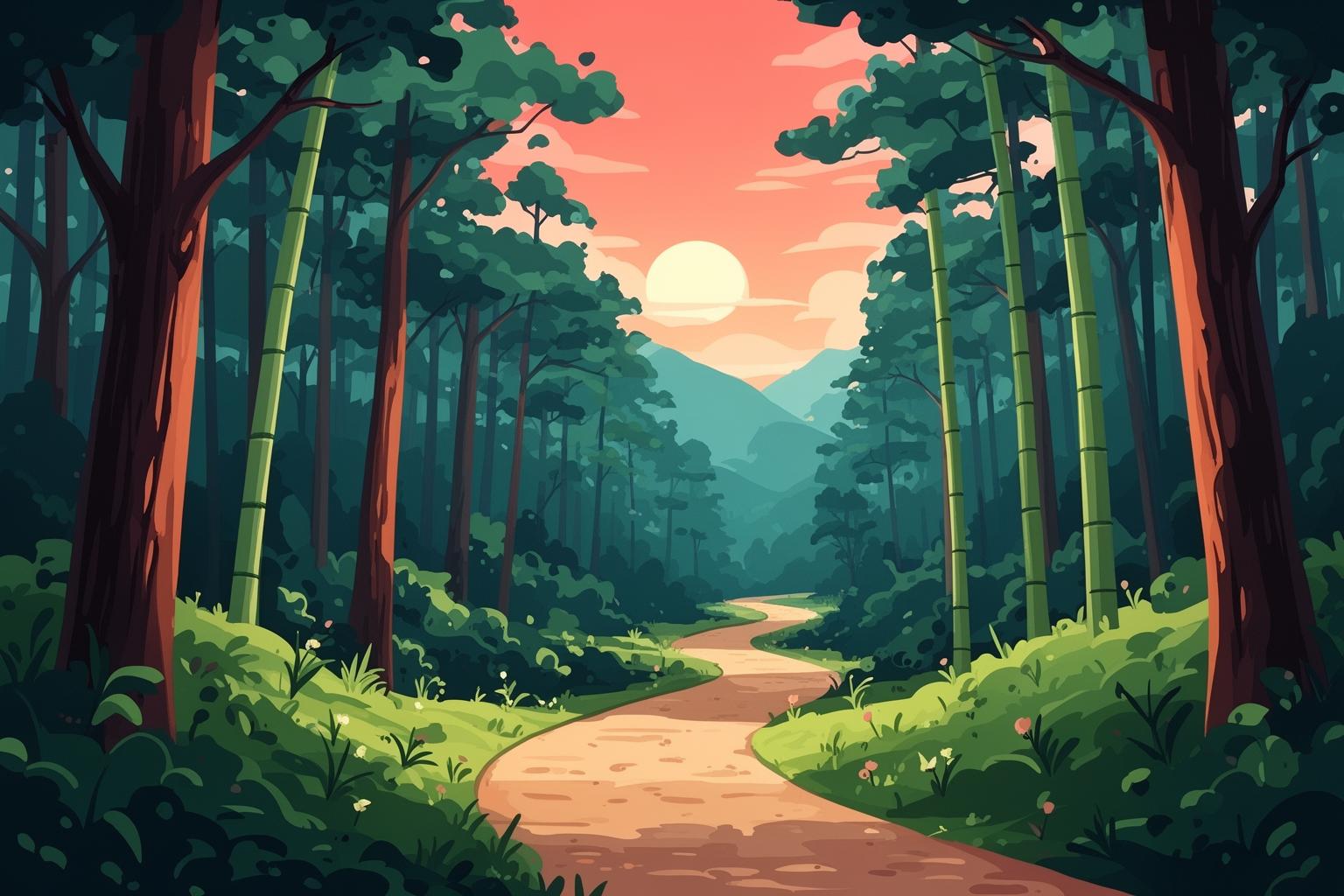
Kurosuke’s House serves as the heart, while the Totoro Forests embody the soul of this pilgrimage. The foundation has acquired and now safeguards more than 50 separate plots of land, all supported by donations from individuals and companies committed to preserving this inspiring landscape. These areas are not polished parks but portions of living, breathing woodland, interwoven with rustic footpaths that encourage quiet reflection.
Following the Footsteps of Satsuki and Mei
As you step away from the warmth of the house and onto the trails, you’ll begin to notice small, hand-carved wooden signs featuring Totoro’s iconic silhouette. These markers identify the official “Totoro no Mori” trails. They guide your journey and serve as a gentle reminder of the magic that fills this place. The paths are mostly unpaved, winding gently over the hillsides. You might find yourself walking along a narrow path bordered by dense bamboo that rustles and sighs in the wind, creating a soundscape both calming and mysterious. Another trail may lead you to a clearing overlooking a patchwork of vegetable fields, where you can watch local farmers tending their crops. You might even come across the entrance to what appears to be a tunnel of trees—a dark, inviting passage much like the one Satsuki and Mei traveled to reach Totoro’s lair. Here, your imagination is your best companion. Every ancient camphor tree, with its sprawling, moss-covered roots, could be the very spot where Totoro sleeps. Each small shrine hidden in the woods, dedicated to a local deity, feels like a gateway to the spirit world. The purpose of these trails isn’t to reach a specific destination quickly but to lose yourself in the journey. It’s an invitation to move at a child’s pace, to stop and examine an intriguing mushroom, listen to the frantic buzzing of a beetle, or feel the texture of bark beneath your fingertips.
The Rhythms of Nature Through the Seasons
The wonder of the Sayama Hills lies in the unique magic each season brings. Spring is a celebration of new life. The forest floor blooms with wildflowers, and the trees wear countless shades of fresh green. The air is vibrant with the songs of birds returning to build their nests. Summer offers a full sensory experience. Greens deepen into a lush, almost overwhelming canopy. The air thickens, filled with the constant, nostalgic hum of cicadas—the quintessential soundtrack of Japanese summer. It is a time of vigorous life, yet one that invites a slower, more deliberate pace to escape the heat. Autumn might be the most breathtaking season. Sawtooth oaks and maples set the hills ablaze with fiery reds, oranges, and golds. The crisp, cool air invites longer walks, while the forest floor is cushioned with crunchy fallen leaves. It is a season of harvest and reflection, a poignant and beautiful transition. Winter reveals a stark, quiet beauty with the leaves gone, exposing the elegant skeletons of the trees. The air is sharp and clear, and on sunny days, the views from the hilltops stretch farther than at any other time. The trails may be quieter, offering a more solitary, meditative experience. This ever-changing landscape ensures that no two visits to Totoro’s Forest are alike, inviting you to return and witness its shifting moods.
Beyond the Forest: The Landscape that Shaped Miyazaki
To truly appreciate the world of Totoro, it helps to zoom out from the forest trails and observe the broader landscape that surrounds them. The Sayama Hills are not an isolated natural pocket but part of a larger ecosystem encompassing city, suburb, and countryside—an environment that is distinctly Japanese and deeply intertwined with Hayao Miyazaki’s life and work.
The Charm of Tokorozawa and Sayama Lake
Tokorozawa, the city bordering the southern side of the hills, has been Miyazaki’s home for many years. His creative hub, Studio Ghibli, is located in the nearby city of Higashi-Koganei, but it is the landscapes of Tokorozawa that inspire him daily. Knowing that the master himself has walked these same paths, observed these same trees, and breathed this very air adds a special significance to your visit. Just north of the main forest area lie two large man-made reservoirs: Sayama Lake (officially the Yamaguchi Reservoir) and Tama Lake (the Murayama Reservoir). Built in the early 20th century to supply water to Tokyo, they have become cherished recreational sites. The wide, paved paths that encircle the lakes are ideal for strolls or cycling, offering breathtaking panoramic views. On a clear day, the distant silhouette of Mount Fuji can be seen rising majestically to the west. Standing on the shore of Sayama Lake, gazing across the vast water with dense forest rising behind it, you can easily imagine the scene where Satsuki and Mei wait for their father at the bus stop, the world around them both expansive and a bit mysterious. These lakes, and the contrast between their engineered scale and the forest’s natural wildness, are key elements in the film’s visual language.
The Spirit of Satoyama: A Cultural Heartbeat
The idea of satoyama forms the philosophical foundation of this entire region. It embodies a model of sustainability that predates modern environmentalism—a lifestyle where people are not separate from nature but are active participants in its cycles. The woodlands were managed for firewood and charcoal, fallen leaves were used to fertilize fields, and rice paddies and irrigation channels created rich habitats for frogs, dragonflies, and fish. This delicate balance, this co-creation of humanity and nature, gives the landscape its gentle, lived-in character. It is this spirit that Miyazaki so masterfully captures in My Neighbor Totoro. The Kusakabe family moves to the countryside not to dominate nature, but to live within it—respecting its rhythms and mysteries. They clean the house, tend the garden, and coexist with the forest spirits. Thus, the preservation of the Sayama Hills is not merely about protecting beautiful green space; it’s about safeguarding a cultural ideal. It is a struggle to maintain a place where the relationship between people and their environment is based on mutual respect and care—a message more urgent now than ever. As you explore, you’ll witness this spirit alive in the small, well-tended vegetable gardens, the historic farmhouses, and the community’s strong pride in its natural heritage.
A Traveler’s Guide to a Perfect Day in Totoro’s World
Planning a day trip to the Sayama Hills means embracing a slower rhythm and welcoming spontaneous discoveries. It offers a delightful break from the vibrant energy of central Tokyo, and with some foresight, you can craft a truly memorable experience.
Planning Your Journey from the City
Your adventure will most likely start on the Seibu Railway network, which provides a charming and somewhat more local train experience compared to the extensive JR lines. The main departure point is Ikebukuro Station. From there, the Seibu Ikebukuro Line gives direct access to stations like Nishi-Tokorozawa and Seibukyūjō-mae. The trip itself takes about 40 to 50 minutes and serves as a wonderful transition. Look out the window as Tokyo’s dense urban environment gradually fades into lower buildings, increasing greenery, and eventually the open skies of the suburbs. For your outfit, comfort is paramount. You’ll be walking quite a bit on unpaved trails, so sturdy, comfortable footwear is essential. Dress in layers, as the shaded forest can be cooler than the surrounding city. Don’t forget to bring a bottle of water, especially in warmer seasons. Although there are vending machines near the train stations and some shops, they become scarce once you enter the forest paths. A small bag with snacks, a camera to capture the scenery, and perhaps a small towel or tenugui will be all you need.
Local Flavors and Quiet Moments
While nature is the main draw, don’t miss the chance to enjoy some local flavors. Around the stations in Tokorozawa, you can find charming little restaurants specializing in udon and soba noodles, a perfect and comforting meal after a morning of hiking. The area is also famous for its Sayama tea, a rich and flavorful green tea. Seek out small cafes or shops where you can savor a cup or purchase some to bring home as a souvenir. One of the most enjoyable lunch options is to plan a picnic. You can pick up tasty rice balls (onigiri) and lunch boxes (bento) at a convenience store or supermarket near the station. Find a peaceful bench by the shore of Sayama Lake or a quiet clearing in the forest and enjoy your meal surrounded by nature’s sounds. This simple pleasure beautifully aligns with the spirit of the film. As you explore, remember to be a considerate visitor. The trails meander through and near private properties and tranquil residential areas. Keep your voice low, carry out all trash, and stay on marked paths to protect the fragile ecosystem.
A Gentle Reminder for First-Time Visitors
It is important to approach this pilgrimage with the proper mindset. Sayama Hills is not a theme park. There are no rides, no costumed characters (except the one in Kurosuke’s House), and no slickly produced attractions. The magic here is subtle, quiet, and deeply personal. It depends on your willingness to use your imagination and find wonder in small details. You won’t witness a literal Catbus rushing down the road, but you might sense its whimsical spirit in the wind rushing through the trees before a rainstorm. You won’t find Totoro’s giant tree with a sign pointing to it, but you will discover dozens of ancient, majestic trees that feel just as sacred and mysterious. The true gift of this place is the feeling it inspires—a sense of peace, a connection to nature, and a powerful wave of nostalgia for childhood’s purity. Support the magic by helping preserve it. Make a donation at Kurosuke’s House or purchase some charming, locally made merchandise such as postcards, keychains, or tea towels. Every yen directly supports conservation efforts to protect the forest that brought so much joy. Your visit becomes part of the ongoing story of preservation, a small gesture that helps ensure Satsuki and Mei’s world will endure for generations.
Your return journey to Tokyo at day’s end will feel different. The train will carry you back to concrete and crowds, but you will carry the forest within you. The peace of the Sayama Hills, the scent of the trees, the vision of a gentle giant sleeping in an old wooden house—these will linger. A pilgrimage to Totoro’s Forest is more than a fun day trip for an anime fan. It’s a profound reminder of the beauty of nature and the power of a simple story to protect it. It offers a chance to walk, even briefly, in a world where magic is real, where kindness is the greatest power, and where a friendly forest spirit might just be your neighbor. It is a journey home to a place you’ve always known deep in your heart.