
There are cities that shout their stories, and then there are cities that whisper them. Kanazawa is a whisper, a rustle of silk against a tatami mat, the gentle clink of a teacup on a lacquer tray. Tucked away on the coast of the Sea of Japan, this city feels like a secret kept safe from the relentless march of time. Often called “Little Kyoto,” Kanazawa managed to sidestep the destructive bombardments of World War II, leaving its historical heart not just intact, but vibrantly alive. It’s a place where samurai once walked dusty paths that are now pristine lanes, where geishas still glide through lantern-lit teahouse districts, and where artisans meticulously press impossibly thin sheets of gold leaf onto everything from delectable sweets to entire temple walls. But Kanazawa’s story isn’t confined to the past. It’s a city that breathes with a modern, artistic spirit, and for a dedicated few, it holds another layer of magic—a pilgrimage site for fans of a beloved anime series that captured the soul of this region. It’s a city of contrasts, a living museum where ancient traditions bloom alongside contemporary creativity and the fictional worlds of animation become tangible reality. This is a journey into the golden heart of Ishikawa Prefecture, a place that invites you to slow down, to look closer, and to listen to the whispers of history and imagination carried on the coastal breeze.
For travelers drawn to Kanazawa’s blend of historic grace and modern allure, exploring anime pilgrimage spots can reveal deeper layers of cultural enchantment.
The Echo of Tradition: Stepping into the Higashi Chaya District
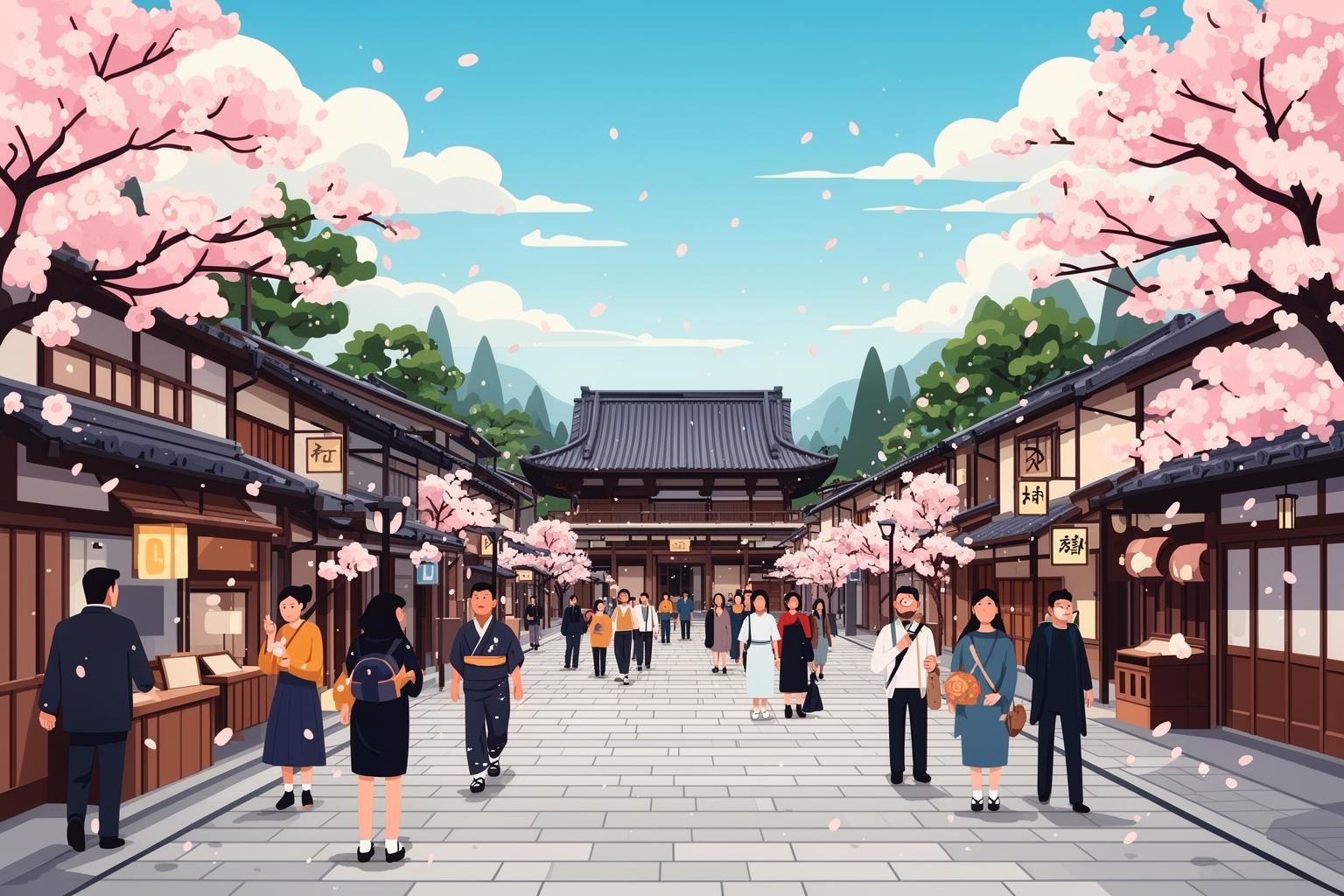
Stepping into the Higashi Chaya District feels like passing through a portal. The modern city fades away, replaced by an ensemble of dark wood, earthen walls, and the gentle scrape of geta sandals on stone-paved streets. Chaya, meaning teahouse, were the exclusive hubs of entertainment during the Edo period, where affluent patrons were entertained by geisha, or geigi as they are called in Kanazawa. The two-story wooden buildings, featuring distinctive slatted lattices known as kimusuko, line the streets in impeccable preservation. The atmosphere itself feels different here—heavier with history, infused with the scent of incense and the subtle, sweet aroma of brewing tea. During the day, sunlight streams through the lattices, casting a dance of light and shadow on the polished wooden floors of the shops and cafes that now inhabit many of these historic buildings. You can almost catch the ghostly notes of a shamisen, a three-stringed instrument, drifting from an upper window. It’s an intensely atmospheric experience, a tangible link to the Japan of woodblock prints and classic cinema. For those captivated by the aesthetics of historical anime or samurai films, this district is like a set brought to life. The attention to detail, the quiet dignity of the architecture, all contribute to a sense of reverence. This isn’t a theme park; it’s a living, breathing neighborhood where tradition is not only remembered but actively practiced. Many visitors come to simply stroll and soak in the ambiance, but the true magic lies inside. Several chaya are open to the public as museums, such as the Shima Teahouse, providing a glimpse into the opulent, secretive world of geisha entertainment. You can explore the performance rooms, delicate instruments, and ornate hairpins that once defined fashion. And then there’s the gold. Kanazawa produces 99% of Japan’s domestic gold leaf, and in Higashi Chaya, this legacy shines brilliantly. Shops like Hakuichi offer everything from gold-leaf cosmetics to intricate artworks. But for food lovers, the ultimate treat is the gold leaf ice cream. A simple vanilla soft-serve is ceremoniously wrapped in a shimmering, gossamer-thin sheet of edible gold. It doesn’t alter the flavor, but the experience of eating something so extravagant, surrounded by centuries of history, is pure Kanazawa.
A Gardener’s Dream, An Artist’s Muse: Kenrokuen Garden
Next to the imposing Kanazawa Castle lies a realm of tranquil, deliberate beauty: Kenrokuen Garden. It is consistently ranked among Japan’s three most beautiful landscape gardens, and the distinction is unquestionably well-earned. Kenrokuen is not merely a garden to stroll through; it is a space to be fully experienced. Its name translates to “Garden of the Six Sublimities,” referring to the six essential qualities of a perfect garden according to ancient Chinese landscape theory: spaciousness, seclusion, artificiality, antiquity, abundant water, and broad views. Achieving all six is rare, yet Kenrokuen masterfully embodies each one. As you wander along its winding paths, the scenery constantly shifts and unfolds. One moment you find yourself beside the expansive Kasumigaike Pond, its surface reflecting the sky and the ancient pine trees clinging to its banks. The next, you are immersed in a secluded mossy grove, where the gentle sound of a thoughtfully designed stream can be heard. Every rock, tree, and lantern appears placed with the precision of an artist and the intent of a philosopher. The garden’s most iconic feature is the Kotoji-toro, a stone lantern with two distinctly different legs—one resting on land and the other in the water—resembling the bridge of a koto, a traditional Japanese stringed instrument. It’s a picture-perfect scene, symbolizing the harmony between nature and craftsmanship that defines the garden’s spirit. Kenrokuen’s beauty is never fixed; it transforms strikingly with the seasons. In spring, plum and cherry blossoms burst into a riot of pink and white, attracting crowds for hanami, or flower viewing. Summer brings lush greenery and the hum of cicadas. Autumn ignites the maple trees in fiery reds and oranges, creating a spectacle rivaling any art gallery. Yet, it is perhaps in winter that the garden’s most unique character shines. To protect the branches of the magnificent karasaki pine trees from heavy, wet snow, gardeners erect intricate rope structures called yukitsuri. These conical webs of rope form stunning geometric patterns against the snow, a testament to the deep care and artistry devoted to preserving the garden’s beauty. Visiting Kenrokuen is like stepping into a living painting—a three-dimensional expression of the Japanese aesthetic wabi-sabi, which finds beauty in transience and imperfection—an inspiration for countless artists and animators through the generations.
Hanasaku Iroha: Finding Anime Footsteps in a Real-Life Hot Spring Town
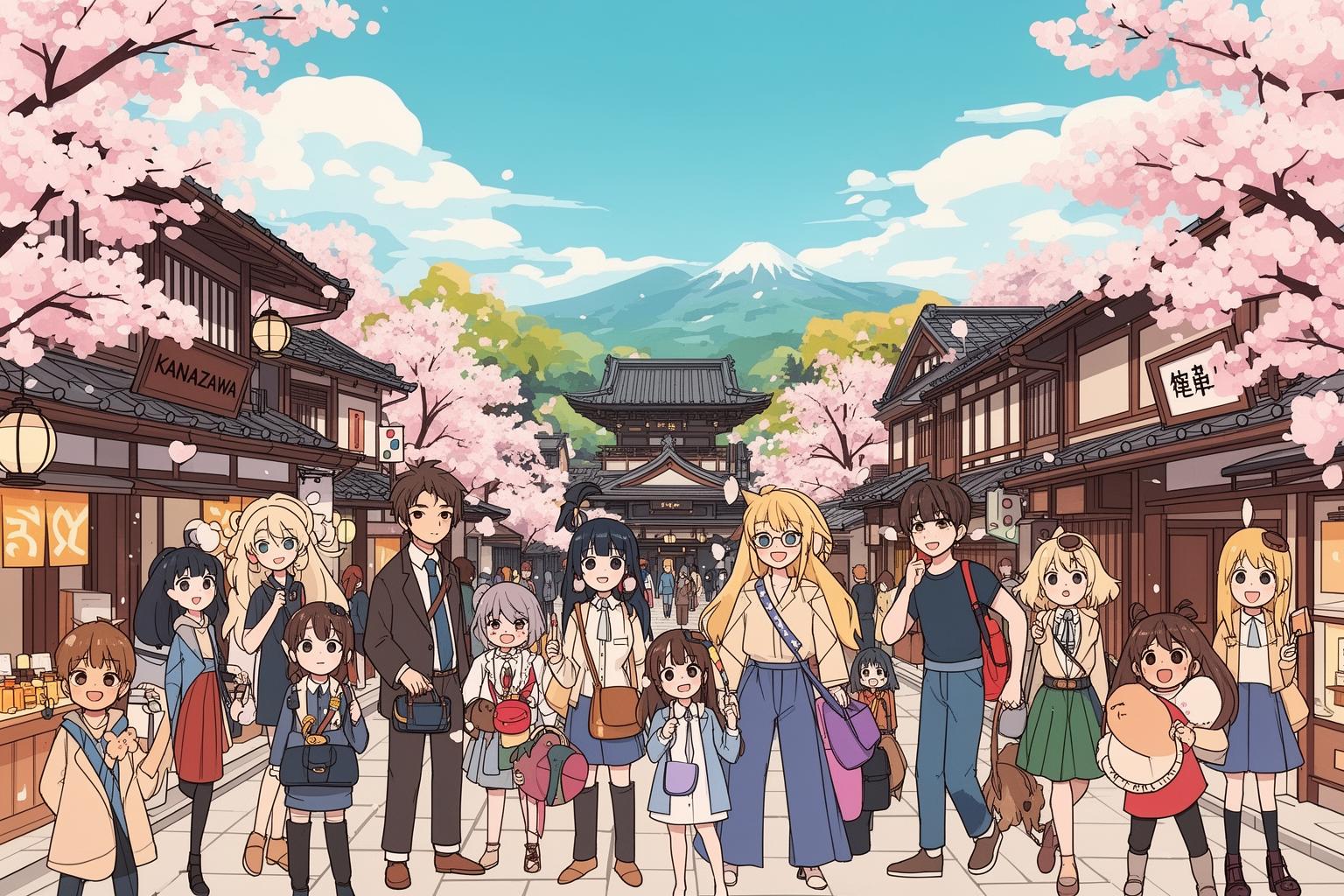
For many travelers, Kanazawa’s charm is rooted in its rich history. However, for an increasing number of visitors, the trip here has become a modern pilgrimage, an endeavor to connect fiction with reality. This pilgrimage centers on the 2011 anime series Hanasaku Iroha (translated as “The A-B-C’s of Blooming”), a beautifully crafted narrative from the animation studio P.A. Works. The series follows Ohana Matsumae, a lively Tokyo teenager abruptly sent to live with her estranged grandmother in the countryside. Her new residence is a traditional hot spring inn, or onsen ryokan, called Kissuiso. The anime is a heartfelt coming-of-age story about work, family, and self-discovery, all set against the breathtaking landscapes of Ishikawa Prefecture. Although the Kissuiso inn is fictional, the world it inhabits is grounded in reality. The anime’s setting is deeply inspired by the Yuwaku Onsen district, a tranquil and charming hot spring town nestled in the mountains, just a 30-minute bus ride from central Kanazawa. Fans of the series visit Yuwaku to follow the same trails as Ohana and her friends, recognizing the gentle curve of a bridge, the style of a particular storefront, and the peaceful ambiance of the small, secluded town. It’s a surreal and deeply fulfilling experience to see a place previously known only through animation come alive before your eyes. The true magic, however, lies in the story of the Bonbori Festival. In the anime, this fictional lantern festival is a key plot element, a beautiful ritual to guide the gods. The imagery struck such a chord with viewers that something remarkable occurred: the town of Yuwaku Onsen chose to bring it to life. Every October, the town now hosts the Yuwaku Bonbori Festival, attracting thousands of fans from Japan and beyond. Visitors write wishes on paper slips, hang them from lantern displays, and watch as a procession carries the lanterns through the town, culminating in a beautiful lakeside ceremony. It stands as a rare and moving example of fiction influencing reality, showcasing the power of storytelling. A visit to Yuwaku Onsen reveals a different facet of the Kanazawa experience—quieter, more intimate, offering the chance to enjoy a real hot spring and reflect on the connection between beloved stories and their inspirations. For first-timers, taking the local bus from Kanazawa Station is straightforward, and the journey winding through forested hills feels like the start of its own tale.
The Pulse of Modernity: Art, Samurai, and Culinary Delights
While Kanazawa’s identity is firmly anchored in its history, it is by no means a city frozen in time. A lively, modern energy pulses through its streets, creating an intriguing conversation between the old and the new. This dynamic is most apparent in its world-class museums, preserved samurai neighborhoods, and the delightfully bustling central market, each offering a unique perspective from which to appreciate this multifaceted city.
The 21st Century Museum of Contemporary Art
Just a short walk from the ancient grounds of Kenrokuen Garden stands a striking circular glass structure that seems almost futuristic. This is the 21st Century Museum of Contemporary Art, Kanazawa. Its design is intentionally open and inviting, lacking a formal main entrance and encouraging visitors to enter from any direction. The museum aims to be a public space, resembling a park rather than a conventional institution, and it achieves this beautifully. The collection is playful, interactive, and thought-provoking. The most famous and adored installation is Leandro Erlich’s “Swimming Pool.” From above, it appears to be an ordinary pool filled with sparkling water. But when you descend into a chamber beneath it, you find yourself in a dry, aquamarine-lit room, looking upward through the water at those above. Visitors can walk around, take photos, and enjoy the surreal feeling of being underwater without getting wet. It’s a charming piece of art that perfectly encapsulates the museum’s spirit of fun and engagement. Standing inside this cutting-edge art installation, while knowing the centuries-old castle walls lie just across the street, offers a quintessential Kanazawa experience. It underscores the city’s unique ability to honor its heritage while embracing avant-garde innovation harmoniously.
Echoes of the Warrior Class: The Nagamachi Samurai District
If Higashi Chaya is the domain of the geisha, Nagamachi represents the world of the samurai. This was the residential area for the samurai of the powerful Maeda clan and their families. While the teahouse district is marked by its vertical wooden lattices, Nagamachi is distinguished by its long, continuous earthen walls topped with tiles and punctuated by imposing wooden gates. These ochre-hued walls, called onawa, ensured the privacy and security of the homes within. A network of canals and waterways, originally part of the city’s defenses, still winds through the district, bringing a peaceful ambiance to the narrow streets. The atmosphere here is more austere and grounded than in the geisha district, evoking discipline, duty, and a quiet, dignified strength. The best way to experience Nagamachi is by visiting a preserved samurai residence, such as the Nomura-ke House. Inside, you gain an intimate glimpse into the life of a high-ranking samurai family. You can admire the intricate woodwork, painted screens, and a beautiful inner garden complete with a tiny waterfall and ancient stone lanterns. It’s a compact, meticulously designed space that shows the importance of nature and aesthetics even in a warrior’s home. Walking through Nagamachi feels like stepping back to feudal Japan, a quiet moment to reflect on the lives of the warriors who once served the lords of Kanazawa Castle.
A Foodie’s Paradise: Omicho Market
For an authentic taste of Kanazawa’s spirit, a visit to Omicho Market is essential. For over 300 years, this sprawling covered market has been known as “Kanazawa’s Kitchen.” It is a lively, colorful, and utterly delicious feast for the senses. The air buzzes with vendors’ calls, the salty scent of the sea from fresh fish, and the sizzle of grilled eel. More than 170 stalls fill the narrow aisles, offering everything from shimmering seafood and local Kaga vegetables to pickles, sake, and kitchenware. For food lovers, this place is paradise. The highlight is the extraordinary seafood, brought in fresh from the nearby Sea of Japan. Depending on the season, you’ll find massive snow crabs with spindly legs, plump oysters perfect for eating on the spot, and rows of beautiful, fatty nodoguro (blackthroat seaperch), a regional delicacy. The best way to experience Omicho is to dive right in. Many vendors sell ready-to-eat snacks like grilled scallops on a stick or fresh sea urchin served in its shell. The ultimate market meal, however, is a kaisendon—a bowl of pristine sushi rice topped with an abundant selection of fresh, raw seafood. Finding a small restaurant within the market and ordering a kaisendon for a late breakfast or early lunch is a cherished ritual for both locals and visitors. It’s the freshest, most direct way to savor the region’s bounty. Omicho Market is noisy, crowded, and a little messy, yet it remains the vibrant heart of the city’s culinary life, a place of pure, unpretentious delight.
Practical Guidance for the Kanazawa Pilgrim
Exploring a new city can be part of the adventure, but a few local tips can help make the experience smoother and more enjoyable. Kanazawa is an exceptionally welcoming city for travelers, featuring a well-designed infrastructure that simplifies getting around. Here is some practical advice to help you plan your visit to this golden city.
Getting There and Around
Thanks to the Hokuriku Shinkansen, traveling to Kanazawa has never been more convenient. The bullet train takes you from Tokyo to Kanazawa in around 2.5 to 3 hours, offering a scenic and efficient journey. Upon arrival at Kanazawa Station, you’ll be welcomed by the impressive Tsuzumi-mon Gate, a large wooden drum-shaped gate that beautifully combines traditional temple architecture with modern design. It’s a fitting introduction to a city that honors both heritage and innovation. Once in the city, the best way to explore the main attractions is by using the Kanazawa Loop Bus. There are both right-loop and left-loop buses running frequently, stopping at major tourist spots like Kenrokuen Garden, the Higashi Chaya District, and the 21st Century Museum. A day pass offers an economical and hassle-free option. However, Kanazawa’s city center is compact and very walkable, making it enjoyable to stroll between the Samurai District, the castle park, and the contemporary art museum, discovering hidden alleys and charming shops along the way.
When to Visit
Kanazawa is a city that shines in every season, each bringing its own character and unique beauty. Spring (late March to April) is peak season, with cherry and plum blossoms in Kenrokuen Garden and along the Asano River creating a stunning, though often crowded, spectacle. The weather is mild and ideal for walking. Autumn (October to November) is another favored time, as the gardens and castle grounds are ablaze with vibrant fall foliage. The air is crisp, and it’s also when the Yuwaku Bonbori Festival takes place—a must-see for anime enthusiasts. Winter (December to February) offers a serene, magical ambiance. Snow frequently blankets the traditional districts and gardens, creating a peaceful winter wonderland. This season is also prime time for seafood, especially the highly prized snow crab and yellowtail. Witnessing the yukitsuri rope supports in Kenrokuen covered with snow is an unforgettable sight. Summer can be hot and humid but brings lush greenery and lively local festivals. Ultimately, there’s no bad time to visit; it depends on the type of beauty you want to experience.
A Traveler’s Tip Sheet
To get the most out of your trip, keep a few tips in mind. First, wear comfortable shoes, as you’ll be walking extensively on stone streets and through large gardens. While Japan is becoming increasingly credit card-friendly, it’s still a good idea to carry some cash, particularly for small food stalls at Omicho Market or entrance fees at smaller temples and museums. When visiting traditional teahouses or samurai residences, you’ll likely be asked to remove your shoes, so wearing socks is recommended. Don’t hesitate to wander off the beaten path; some of Kanazawa’s most delightful discoveries lie along unnamed lanes. Lastly, take your time. Kanazawa’s greatest charm is its unhurried pace, so allow yourself to linger in a garden, sit quietly in a teahouse, and simply observe the world. This is a city to be savored, not rushed.
The Lasting Impression of Kanazawa
Kanazawa has a richness that lingers long after you’ve departed. It lives in the memory of shimmering gold on a lacquered box, the taste of incredibly fresh seafood, the serene silence of a samurai home, and the dreamlike glow of lanterns from a festival inspired by animation. This city doesn’t merely showcase its history; it welcomes you to become part of its ongoing story. Whether you seek the elegance of the geisha world, the calm of a flawless garden, or the unexpected delight of seeing an anime world come to life, Kanazawa delivers. It’s a place that demonstrates how the past and present, tradition and innovation, reality and fantasy, can not only coexist but beautifully enhance one another. It’s a whisper that turns into a treasured memory, a golden thread woven into the tapestry of your travels, inviting you to return and uncover more of its hidden secrets.