
Have you ever felt a connection to a place you’ve never been? A sense of profound nostalgia for a memory that isn’t yours? This phantom feeling, this beautiful, aching sense of searching for something—or someone—you can’t quite name, is the very soul of Makoto Shinkai’s animated masterpiece, Kimi no Na wa, or Your Name. The film captured the hearts of millions not just with its stunning story of two teenagers, Taki and Mitsuha, swapping bodies across time and space, but with its breathtakingly realistic depiction of Japan. Shinkai and his team didn’t just create a fantasy world; they painted a portrait of our own, rendering real-life locations with such loving detail that they became characters in their own right. This has inspired a modern-day pilgrimage, a journey known in Japan as seichi junrei, where fans travel to the real-world settings that brought their favorite stories to life.
The world of Your Name is a tale of two Japans, a vibrant dance between polar opposites. There’s the relentless, dazzling energy of Tokyo, a concrete and glass jungle where Taki lives his fast-paced urban life. And then there’s the serene, timeless beauty of the countryside, the inspiration for Mitsuha’s fictional town of Itomori, which finds its real-world counterpart in the charming mountain town of Hida, Gifu Prefecture. To journey through these places is to walk the same paths as the characters, to feel the emotional weight of their story under your feet, and to understand the invisible red string of fate that connects not just two people, but also the city to the country, tradition to modernity, and a dream to reality. This is more than just a tour; it’s an experience, a chance to find your own connection in the landscapes that shaped one of the most beloved anime films of all time.
For those enchanted by the film’s vibrant urban energy, a visit to Tokyo locations offers an immersive way to experience the city’s dynamic spirit.
Tokyo’s Concrete Dreamscape: In the Footsteps of Taki
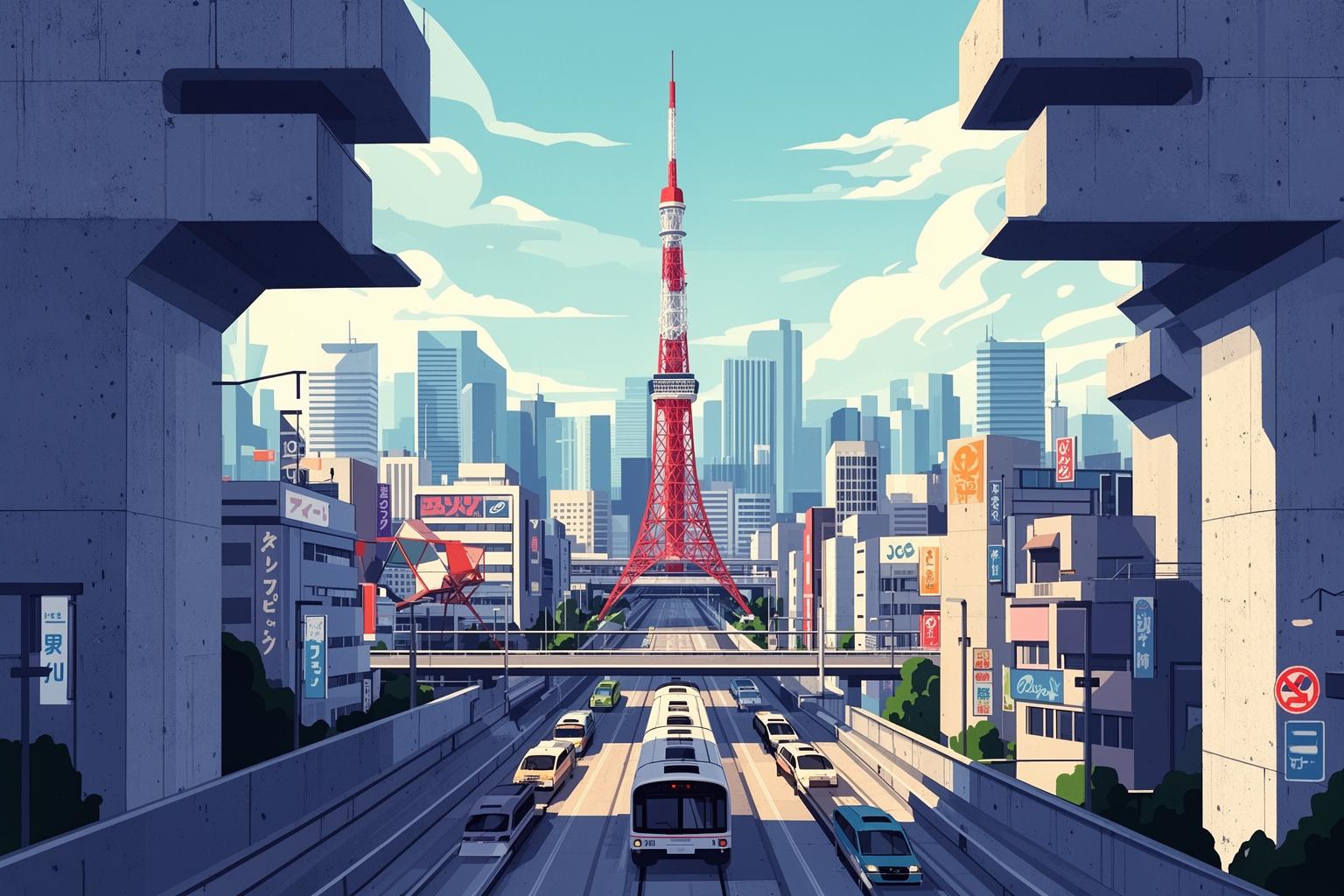
Tokyo is more than just a city; it’s a living entity, a vast network of light, sound, and movement pulsating with its own unique energy. This is Taki Tachibana’s world, and to fully grasp his part of the story, you must dive into its magnificent, organized chaos. The journey into the heart of the film’s Tokyo settings begins, as it does for millions of commuters daily, in the intricate maze of Shinjuku.
The Heart of Shinjuku: A Symphony of Light and Sound
Shinjuku is a vibrant assault on the senses in the most dazzling way imaginable. It’s a place where towering skyscrapers pierce the clouds, massive video screens bathe the streets in neon hues, and a sea of people moves with a purpose that’s hard to define but easy to feel. The moment you exit Shinjuku Station, one of the world’s busiest transport hubs, you step into a scene from the film. Look up, and you’ll spot the distinctive outline of the NTT Docomo Yoyogi Building, its clock tower a steady, comforting presence on the skyline, just as it was in the backdrop of Taki’s life.
The atmosphere here buzzes with endless possibility and a sense of anonymous connection. You are one among millions—just a single thread in a vast urban tapestry. It’s easy to picture Taki hurrying through these very crosswalks, his thoughts on school, friends, and his part-time job, all while navigating the strange and wondrous dreams of a mountain life. For the best experience, visit in the late afternoon. As the sun sets, the city performs its daily magic, shifting from a realm of steel and glass into a galaxy of artificial light. This is the “magic hour,” the tasogare-doki so central to the film’s theme, when the edges of the world blur and reality feels a bit more malleable. Find a place to stand and watch the flow of traffic and people—it’s a meditative moment that connects you directly to the film’s visual rhythm.
The Iconic Staircase: A Fated Encounter at Suga Shrine
After the exhilarating noise of Shinjuku, a brief train ride and a quiet stroll lead you to a place of deep emotional significance for Your Name fans. Nestled in a tranquil residential neighborhood in Yotsuya, you’ll find the Suga Shrine, and more importantly, the famous staircase leading to it. This is the spot—the location of the film’s heart-stopping, tear-jerking final scene where Taki and Mitsuha, years later, finally reunite.
Wandering through the peaceful streets builds anticipation perfectly. It feels like leaving behind the modern world and entering a sacred space, both literally and cinematically. Then, you see it: the stone steps, the vibrant red handrail on one side, the gentle curve of the path, and the Tokyo skyline peeking through the trees. It’s a strangely moving moment. The location is so impeccably preserved, exactly as it appeared in the film, that it feels like stepping through the screen. There’s a tangible energy here and a shared reverence among fans who have made the pilgrimage. You’ll see people quietly taking photos, trying to capture the same angle as the movie poster, each immersed in their own moment of connection to the story. The atmosphere isn’t touristy or noisy; it’s soft, nostalgic, and deeply respectful. Stand at the base and look up. Stand at the top and look down. In that simple act, you’ll sense the entire emotional journey of the film—the yearning, the near misses, and the final, hopeful reunion.
Taki’s Urban Life: Cafes and City Vistas
To complete the Tokyo experience, you can explore real-life inspirations for other key locations in Taki’s story. His part-time job at the upscale Italian restaurant was inspired by Cafe La Bohème Shinjuku Gyoen. With its elegant, vintage decor and park views, it’s the perfect place to sit, enjoy a meal, and imagine Taki balancing the demands of waiting tables while occasionally living Mitsuha’s dreams. It’s a moment of quiet sophistication amid the city’s rush.
Nearby, Shinjuku Gyoen National Garden offers a serene escape. This vast, beautiful park blends meticulously maintained Japanese gardens with expansive French lawns and lush English landscapes. It’s a place to breathe and reflect on the immense scale of the surrounding city—a green oasis representing moments of calm and introspection in Taki’s busy life. For a touch of art and architecture, visit The National Art Center, Tokyo, in Roppongi. This stunning, wave-like glass structure is where Taki goes on a date with his coworker, Okudera-senpai. The building itself is a masterpiece, symbolizing Tokyo’s creative, forward-thinking spirit that inspires a young, aspiring architect like Taki.
Hida’s Timeless Charm: Searching for Mitsuha
A journey on the Shinkansen (bullet train) followed by a transfer to a local line will carry you from Taki’s world to Mitsuha’s. As the dense cityscape transitions to sprawling suburbs, then to deep valleys and towering mountains, you’ll sense the shift in atmosphere. You’re heading to Hida, a region at the heart of Gifu Prefecture, where the air is cleaner, the pace slower, and the weight of tradition is palpable in every wooden beam and stone path. This is the world that shaped Mitsuha Miyamizu.
Arriving in Itomori’s Mirror: Hida-Furukawa Station
The town of Hida-Furukawa is widely believed to be a key inspiration for the fictional Itomori, and your pilgrimage begins the moment you step off the train at Hida-Furukawa Station. Fans of the film will experience an immediate moment of recognition. The charming wooden station building, the platform, the footbridge, even the small mascot character for Hida beef displayed inside—it’s all there, rendered with remarkable accuracy. This is where Taki and his friends arrived on their desperate search for Mitsuha, and standing on that very platform, surrounded by the majestic embrace of the mountains, you can feel the same mix of hope and uncertainty.
The atmosphere feels worlds apart from Tokyo. Silence is broken only by the gentle rumble of an occasional train and the distant calls of birds. The air carries scents of woodsmoke and damp earth. This is a place where time seems to move differently. A friendly reminder for travelers: this is the countryside, and trains on the Takayama Main Line run far less frequently than those in Tokyo. Be sure to check the schedule for your return journey or your trip onward to nearby Takayama, as missing a train could mean a long wait. But then again, being stranded a little while in a place this beautiful is hardly a punishment.
Wandering the Old Town: Canals, Carp, and Craftsmanship
A short walk from the station brings you to the historic heart of Hida-Furukawa, a beautifully preserved town that feels like a living museum. The most iconic area is Shirakabe Dozogai, a street running alongside a small canal. Here, traditional white-walled storehouses (kura) with their distinctive black-tiled roofs line the water, which is filled with hundreds of enormous, colorful koi fish. It’s a scene of perfect, tranquil beauty. This is the essence of the Itomori that Mitsuha both found comforting and constraining. It’s a world deeply rooted in history and tradition.
As you explore, you’ll discover that Hida is a town of artisans. You can visit sake breweries that have been operating for centuries, their entrances marked by large cedar balls called sugidama. You can watch craftsmen at work creating traditional Japanese candles (warousoku), a craft passed down through generations. This profound connection to heritage and craft forms the cultural backdrop of Mitsuha’s life as a shrine maiden, performing ancient rituals and making kuchikamizake as part of her family’s legacy. It’s a powerful reminder that her world, while seemingly quiet, is rich with meaning and history.
Echoes of Itomori: Sacred Sites and Local Flavors
No search for Mitsuha would be complete without visiting the places that represent her spiritual life and quest for knowledge. While the Miyamizu Shrine in the film is fictional, its design is heavily inspired by the Hida-Sannogu Hie Shrine, located in the nearby city of Takayama. A visit here involves climbing a steep flight of stone stairs, shaded by enormous, ancient cedar trees—a direct parallel to Mitsuha’s daily duties. At the top, you’ll find a serene and powerful Shinto shrine, a place that feels ancient and deeply connected to nature. It’s here, in the quiet reverence of the shrine grounds, that you can best understand the traditions Mitsuha yearned to escape, yet ultimately drew strength from to save her town.
Another must-see location is the Hida City Library, a near-perfect match for the library where Taki and his friends finally uncover the tragic history of Itomori. The library’s stunning interior, featuring beautiful wooden latticework and gentle natural light, is instantly recognizable. Visitors are welcome to quietly look around and even take photos in a designated area. Sitting in this space, surrounded by books and silence, you can almost hear the rustle of pages as Taki frantically searches for the truth. Finally, immerse yourself in the local flavors. Be sure to try Gohei Mochi, a grilled rice cake coated in a sweet and savory miso-based sauce. It’s the snack Mitsuha and her friends enjoy in the film, and tasting it here offers a direct sensory link to their world.
The Journey Between Worlds: Bridging Tokyo and Hida
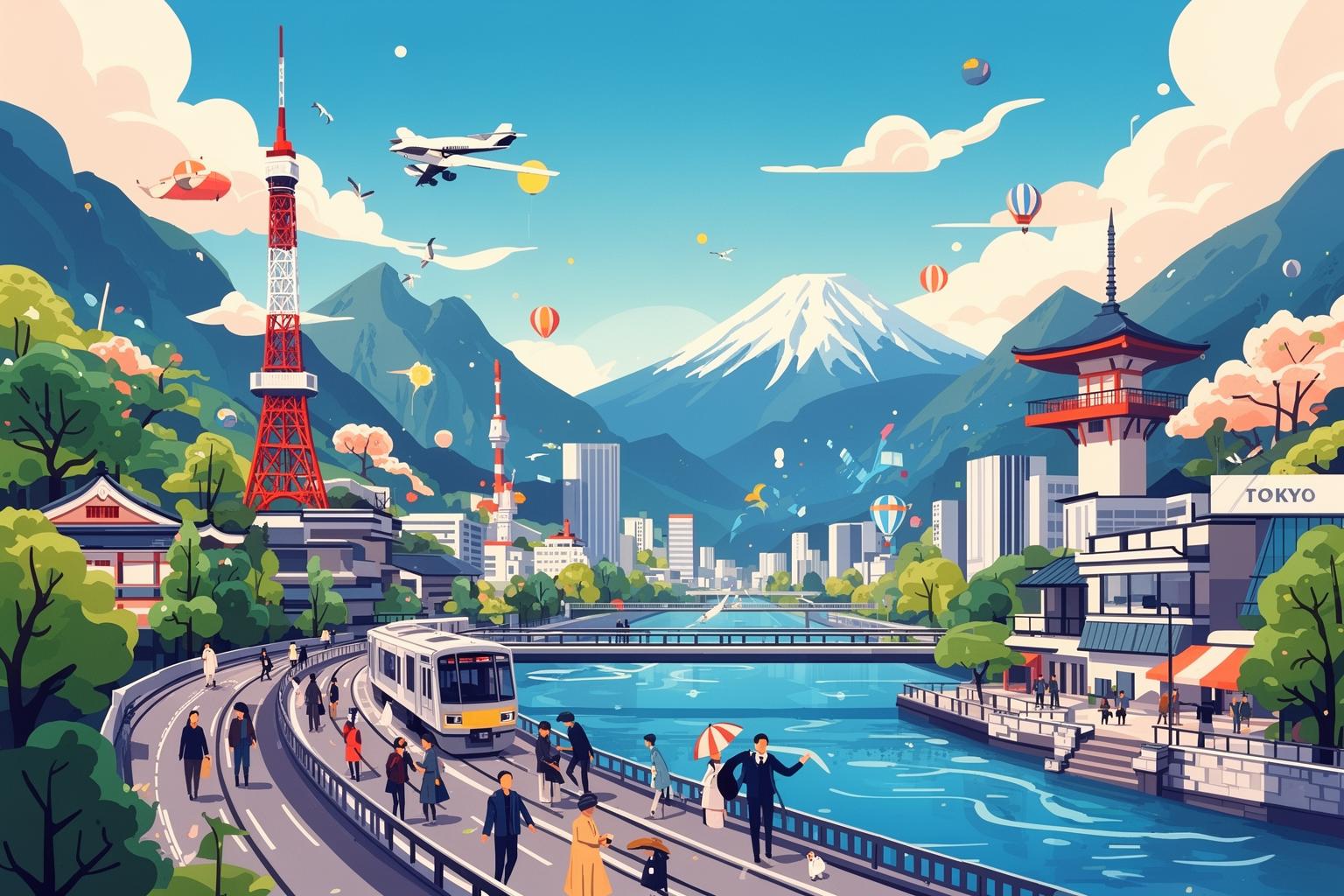
One of the most profound aspects of a Your Name pilgrimage isn’t merely visiting the locations but experiencing the journey between them. Traveling from Tokyo’s urban sprawl to the mountain valleys of Hida means physically crossing the divide that separated Taki and Mitsuha. The four-to-five-hour train trip tells its own story. On the sleek, futuristic Shinkansen, you’ll watch Japan’s dense urban corridor blur past your window at remarkable speeds. Then, after transferring at Toyama or Nagoya, you’ll board the scenic Hida Wide View Express. This train slows down, its large windows offering breathtaking views as it winds along emerald-green rivers and through deep, forested gorges.
This physical journey reflects the film’s central theme of connection. It serves as a tangible symbol of two distinct worlds gradually coming together. Notice the changing light. The way the morning sun glimmers on Tokyo skyscrapers contrasts sharply with how the evening light, the tasogare-doki, filters through cedar trees in Hida’s mountains. That “magic hour,” when day and night meet, is when the barrier between worlds grows thin in the film. By experiencing dusk in both city and countryside, you deepen your appreciation for this key motif. The journey itself becomes part of the pilgrimage—a time for reflection, listening to the film’s soundtrack, and watching the landscape transform, just like Taki and Mitsuha’s lives were transformed by their connection.
A Traveler’s Guide to Your Own Story
Embarking on this pilgrimage is a deeply personal journey, but a bit of practical knowledge can help make your experience smoother, more respectful, and even more enchanting.
When to Go and What to Pack
Japan showcases four distinct and beautiful seasons, each offering a unique perspective on the world of Your Name. Spring brings cherry blossoms, gently dusting the parks of Tokyo and the riverbanks of Hida in soft pink. Autumn is perhaps the most popular season, as the changing leaves ignite the mountains around Hida in fiery reds and golds, mirroring the dramatic hues of the comet in the film. Summer is lush and green, though it can be hot and humid, while winter covers Hida with a thick blanket of snow, creating a quiet and starkly beautiful landscape.
No matter when you visit, comfortable walking shoes are essential. In Tokyo, you’ll be walking and standing for long distances, navigating train stations and exploring neighborhoods. For Hida, layering your clothing is key—the mountain air can be cool, even in summer mornings and evenings. And of course, bring a good camera. You’re not merely documenting a trip; you’re capturing fragments of a dream, and you’ll want to preserve every moment.
Etiquette and Respect: A Mindful Pilgrimage
It’s important to remember that these are not movie sets but real places where people live, work, and worship. The foundation of a meaningful seichi junrei is respect. When visiting Suga Shrine or Hie Shrine, keep in mind that these are active places of worship. Speak softly, stay on the paths, and if you feel comfortable, observe the purification rituals at the entrance. A simple bow upon entering and leaving through the torii gate shows respect.
In the residential area around the Suga Shrine staircase and throughout the town of Hida-Furukawa, be a considerate guest. Keep your voice low, especially early in the morning or late at night. Avoid blocking streets or private driveways while taking photos. Do not litter and be aware of local customs. By approaching these sites with kindness and respect, you do more than just visit; you honor them, ensuring they remain special places for locals and future pilgrims for years to come.
The Red String of Fate: A Final Reflection

A journey to the real-world locations of Your Name is more than just a list of photo opportunities. It is an immersion into the film’s very essence. It’s about experiencing the electric loneliness of a crowd in Shinjuku and the comforting warmth of tradition in Hida. It’s about standing on a staircase in Tokyo and sensing a bond to a story of a boy and a girl, a comet, and a single red ribbon that connected them across all impossible distances.
You arrive seeking the world of Taki and Mitsuha, but you leave having discovered something more. You gain a deeper appreciation for the beauty of Japan, for the striking contrast between its vibrant cities and its tranquil landscapes. You find camaraderie with fellow travelers from around the world, all drawn to the same places by the same story. This pilgrimage offers your chance to step into the frame, to view the world through Makoto Shinkai’s eyes, and to feel the powerful, unseen threads that bind us all. It serves as a reminder that even when we are searching for something we cannot quite name, the journey itself can become the destination.