Step off the train at Kichijoji Station, and you can feel it instantly. The electric hum of central Tokyo, that relentless forward momentum of Shibuya and Shinjuku, softens into something different here. It’s a rhythmic exhale, a creative pulse that beats at a more human tempo. Located just a short ride west from the city’s frantic core, Kichijoji isn’t just a destination; it’s a lifestyle, a feeling, a pocket of Tokyo that has masterfully woven together the tranquility of nature with the vibrant energy of urban culture. For decades, this neighborhood has consistently topped the charts as one of the most desirable places to live in the entire metropolis, and once you spend a day wandering its streets, you’ll understand why. It’s a place where legendary animation springs to life, where vintage treasures hide in plain sight, and where the simple pleasure of sitting by a lake feels like the most important thing in the world. This is the Kichijoji I know and love, a bohemian daydream that serves as a sacred pilgrimage site for lovers of art, anime, and the authentic soul of Tokyo. It’s a canvas for creators and a sanctuary for wanderers, a place that invites you to get lost and, in doing so, find a little piece of yourself. Before we dive into the labyrinth of charming streets and sun-dappled park trails, let’s get our bearings.
Immerse yourself in Kichijoji’s creative vibe and consider exploring real-life ‘Your Name.’ locations that reveal another layer of Tokyo’s enchanting urban pulse.
The Verdant Soul of Kichijoji: Inokashira Park’s Enduring Charm
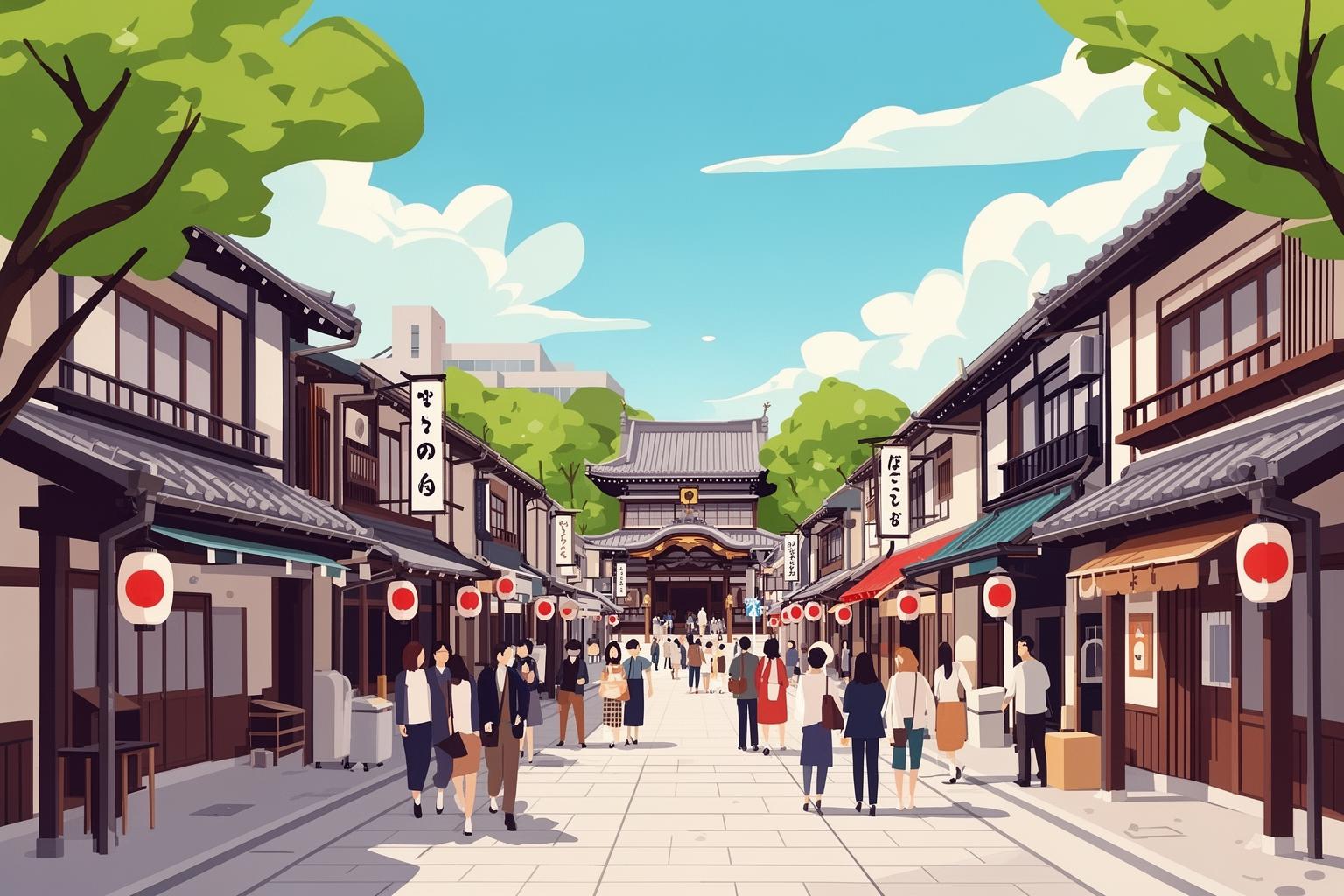
Your exploration of the heart of Kichijoji should always start with a stroll south from the station, where the structured city grid gives way to the expansive, natural charm of Inokashira Park. This is more than just a park; it serves as the neighborhood’s living room, its green lung, and its spiritual heart. The moment you walk beneath the tree canopy, city sounds fade into the gentle ripple of water, the rustling of leaves, and the distant melody of a street performer’s guitar. At the center of the park lies a magnificent pond, a tranquil body of water that mirrors the changing seasons with stunning clarity. In spring, it’s bordered by a burst of pale pink cherry blossoms, forming a dreamlike tunnel of petals over the water. In autumn, the maples and ginkgo trees set the scenery ablaze with fiery reds and radiant golds. It’s a place that feels alive, constantly shifting its mood and appearance.
One of the quintessential experiences here is renting one of the whimsical swan boats to paddle across the pond. As you glide over the water, you gain a unique view of the park’s lush greenery and the joyful hum of visitors enjoying its embrace. A well-known local legend claims couples who ride swan boats together are fated to break up—a quirky tale adding a playful touch of melodrama to the romantic setting. Whether you believe it or not, the experience is pure Kichijoji. Nestled on a small island in the pond, connected by an elegant arched bridge, stands the Benzaiten Shrine. Dedicated to the goddess of water, music, and fortune, this small, vibrant shrine provides a peaceful moment of reflection amidst the park’s gentle stir. It’s a reminder of the deep cultural roots grounding this otherwise modern and trendy neighborhood.
Weekends are when Inokashira Park truly bursts into life. The pathways become an open-air stage for a diverse cast of characters. You’ll find magicians captivating children, musicians filling the air with soulful melodies, artisans selling handcrafted jewelry, and portrait artists capturing the smiling faces of visitors. The atmosphere is communal, creative, and utterly contagious. It feels less like a performance and more like a shared celebration of art and life. This vibrant, free-spirited energy has long drawn artists, writers, and musicians to Kichijoji, making the park not only a place of natural beauty but also a hub of inspiration.
Chasing Totoro: The Ghibli Museum and Its Whimsical World
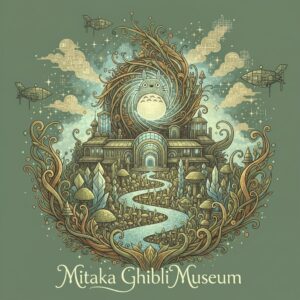
For many international visitors, Kichijoji is closely associated with a single name: Ghibli. Situated on the southwestern edge of Inokashira Park is the Ghibli Museum, Mitaka, a place that feels less like a typical museum and more like a storybook brought to life. It is a pilgrimage destination for fans of Hayao Miyazaki’s enchanting films—a whimsical ivy-covered building where the magic of animation is celebrated with unmatched love and attention to detail. The journey to the museum adds to the enchantment; a leisurely walk from Kichijoji Station through the park gradually builds anticipation, as if you are gently leaving the real world behind and stepping into a realm of fantasy.
Now, here’s the most important practical advice: you cannot simply turn up and purchase a ticket. Getting admission to the Ghibli Museum is a quest in itself. Tickets are released online once a month for the following month and sell out within minutes—this is no exaggeration. You must be prepared, logged in, and ready to book the moment they go on sale. Although challenging, this strict policy ensures the museum never becomes overcrowded, allowing every visitor to enjoy its magic without feeling rushed. It reflects their dedication to maintaining a high-quality experience.
Once inside, you’ll understand why. The museum’s motto is “Let’s get lost, together,” and the building is designed to encourage exactly that. There are no fixed routes or maps given at the entrance. Visitors are invited to wander freely, exploring winding staircases, tiny doorways, and hidden corridors at their own pace. One especially charming rule is the strict “no photography inside” policy. In an era of constant digital documentation, this feels like a gift. It requires you to be fully present, taking in the intricate details of the exhibits with your own eyes, creating memories far more vivid than any photo. Here, you can view original sketches from films like My Neighbor Totoro and Spirited Away, discover the mechanics of animation through impressive interactive displays, and sense the deep passion poured into every frame. A highlight of any visit is the Saturn Theater, where you can watch a short, original animated film screened exclusively at the museum. The film changes periodically, meaning each visit might offer a unique experience. And naturally, no trip is complete without ascending the spiral staircase to the rooftop garden to meet the life-sized, gentle-eyed Robot Soldier from Castle in the Sky, standing watch over the museum and the park below. It’s truly a magical place that perfectly captures the wonder that makes Studio Ghibli’s films so universally beloved.
A Labyrinth of Flavors and Finds: Harmonica Yokocho

Just steps from the north exit of Kichijoji Station lies a completely different world—a relic of a past era nestled within the sleek, modern cityscape. This is Harmonica Yokocho, a close-knit maze of narrow alleys named for the way its rows of tiny shops resemble the reeds of a harmonica. By day, it’s a quiet, atmospheric market. You’ll find traditional fishmongers displaying fresh catches, small stalls selling classic sweets like taiyaki (fish-shaped cakes filled with red bean paste), and tranquil shops that appear to have stood for generations. It offers a captivating glimpse into the Showa era, starkly contrasting the nearby trendy department stores.
As dusk falls, however, Harmonica Yokocho transforms dramatically. The quiet alleys glow warmly under paper lanterns and buzz with lively conversation. The air becomes thick with the tempting aromas of grilled meats, savory broths, and sizzling tempura. Tiny storefronts open to reveal bustling izakayas (Japanese pubs), crowded tachinomi bars (standing-only drinking spots), and specialized eateries, each offering just a few seats. Here, Kichijoji’s locals gather to relax, cramming shoulder-to-shoulder in cheerful, intimate spaces to enjoy food and drinks. The atmosphere is vibrant yet incredibly welcoming. As you navigate the maze-like passages, you might discover a bar focusing on craft sake, a gyoza shop with a line spilling into the alley, or a yakitori stall where skewers are carefully grilled over charcoal. It’s an immersive, sensory experience. Don’t hesitate to squeeze into a busy spot, order something fragrant, and strike up a conversation with your neighbor. It is in this wonderfully chaotic and authentic tangle of alleys that the true local flavor of Kichijoji can be savored.
The Shopper’s Paradise: From Sunroad to Daiyagai
Beyond the nostalgic charm of Harmonica Yokocho, Kichijoji stands out as a top shopping destination that still preserves a unique local flavor. The retail center’s main veins are the covered shopping arcades, or shotengai, extending from the station’s north exit. The most popular among these is Sunroad, a lively, extensive arcade bustling with a dynamic mix of chain stores, independent boutiques, drugstores, and eateries. It’s the neighborhood’s vibrant main street, always alive with shoppers going about their daily routines. Running parallel is Daiyagai, another appealing arcade with a slightly more vintage atmosphere.
A legendary highlight in the area is the butcher shop Satou. You’ll likely spot it before you reach it, drawn by the ever-present long line winding from its entrance. Everyone waits for the same thing: the genso no menchi-katsu, a “legendary” deep-fried minced meat cutlet. Crafted from premium domestic beef, these round, golden-brown cutlets are incredibly juicy and flavorful. Joining the line is a classic Kichijoji experience, and the payoff—a steaming hot, savory treat costing just a couple hundred yen—is well worth the wait. It’s the perfect snack to fuel an afternoon of exploration. These shotengai are the community’s heart, providing a cozy, all-weather spot to shop, eat, and connect.
Beyond the Arcades: Discovering Vintage Treasures
While the main arcades are wonderful, the true charm of shopping in Kichijoji lies in the streets branching off from them. Here, the neighborhood’s bohemian and artistic spirit truly comes alive. Kichijoji is famous for its remarkable concentration of secondhand and vintage clothing shops, known as furugi-ya. Wander down the smaller streets to the north and south of the station, and you’ll uncover a treasure trove of stores catering to every style imaginable. From carefully curated high-end vintage designer pieces to affordable, quirky finds from past decades, the range is extensive and thrilling. Each shop has its own distinct character, and the joy is in the hunt. You could easily spend an entire afternoon browsing racks of clothes, trying on unique jackets, and discovering one-of-a-kind items unavailable elsewhere. This culture of reuse and respect for the past is central to Kichijoji’s identity. Beyond fashion, you’ll also find a wealth of zakka stores—charming boutiques offering an eclectic mix of goods, from beautifully crafted stationery and ceramics to artisanal home decor and quirky accessories. Shopping here is not just about buying; it’s about discovery and curation, finding pieces that tell a story.
The Creative Pulse: Cafes, Bookstores, and Live Music

Kichijoji’s reputation as a creative hub is maintained by an ecosystem of spaces that nurture an artistic lifestyle. The neighborhood is filled with an incredible variety of cafes, each offering a unique atmosphere. You can find quiet, old-fashioned kissaten, where time seems to slow, run by elderly owners who carefully prepare coffee using siphons. These spots are perfect for sitting with a book and escaping the world for a while. At the other end of the spectrum are modern, third-wave coffee shops with minimalist decor, where skilled baristas craft flawless lattes and pour-overs. There are also themed cafes, cozy places with comfy sofas, and sunny terraces ideal for people-watching. The cafe culture here isn’t just about a caffeine fix; it’s about finding a “third place,” a comfortable environment between home and work to relax, reflect, and create. This is likely why so many manga artists and writers have either lived in or depicted Kichijoji in their work; it’s a place that inspires contemplation.
This creative spirit extends to its other cultural venues. The neighborhood is dotted with charming independent bookstores and record shops, havens for those who enjoy the tactile pleasure of flipping through book pages or browsing vinyl records. These shops are carefully curated by passionate owners and offer a more personal alternative to large chain stores. As day turns to night, you can also experience Kichijoji’s understated yet excellent live music scene. Numerous small venues, known as “live houses,” host a diverse range of local and touring bands, from jazz and folk to indie rock and punk. These intimate spaces foster a strong connection between artists and audiences, completing the neighborhood’s identity as a genuine sanctuary for the arts.
Practical Navigation for the Kichijoji Explorer
One of the greatest advantages of Kichijoji is its accessibility and ease of getting around. Although it feels like a world apart, it’s surprisingly easy to reach, making it an ideal day trip from central Tokyo.
Getting There and Getting Around
Your main access points to Kichijoji are two of Tokyo’s key train lines. The JR Chuo Line (Rapid service) will bring you directly here from major hubs like Tokyo Station and Shinjuku Station in about 15-20 minutes. Alternatively, the Keio Inokashira Line offers a direct and scenic route from Shibuya, with Kichijoji as its final stop. The trip from Shibuya also takes approximately 20 minutes, making it highly convenient. Once you arrive, the best way to explore is on foot. The area is very walkable, with most of the main attractions—the park, the Ghibli Museum, Harmonica Yokocho, and shopping arcades—all within a 15-minute walk from the station. In fact, wandering without a plan is the best way to discover the hidden gems and quiet residential streets that give the neighborhood its unique character.
A Perfect Day in Kichijoji: A Gentle Itinerary
Although having no plan is often best, a simple structure can help you maximize your time. Picture your day unfolding like this: begin your morning with a tranquil stroll through Inokashira Park, maybe renting a boat before the crowds arrive. As lunchtime nears, head back toward the station and wait in line for a famous Satou menchi-katsu, a delicious and iconic snack. Spend the early afternoon exploring the shopping arcades and delving into the vintage shops on the side streets. If you were fortunate enough to get tickets for the Ghibli Museum, this would be the perfect time for your visit. As evening falls, let the glowing lanterns of Harmonica Yokocho lead you into its lively maze for a memorable dinner at a cozy izakaya. It’s a day that offers a perfect mix of nature, culture, food, and discovery.
Insider Tips for a Flawless Visit
To ensure a smooth trip, keep a few things in mind. First and foremost, a reminder about the Ghibli Museum tickets: plan months ahead and prepare for a competitive booking process. This is the one part of your Kichijoji adventure that requires strict planning. For a more relaxed experience, try to visit on a weekday when the park and shops are much less crowded, allowing you to soak in the atmosphere at a slower pace. While most places accept credit cards, it’s wise to have some cash available, especially for smaller food stalls in Harmonica Yokocho and certain independent vintage shops. Lastly, wear your most comfortable walking shoes. You’ll be doing a lot of walking, and the best discoveries always happen on foot.
Kichijoji is more than just a collection of sights; it’s an experience. It’s the warmth of sunlight filtering through the trees in Inokashira Park, the savory burst of a freshly fried cutlet, the excitement of finding a perfect vintage coat, and the lively, intimate atmosphere of a tiny bar tucked away in an alley. It’s a neighborhood that manages to be effortlessly cool, balancing its rich history with a forward-thinking, creative spirit. It rewards curiosity and invites you to slow down, observe closely, and appreciate the small, beautiful details. Whether you’re a dedicated Ghibli enthusiast on a pilgrimage or simply a traveler seeking a different side of Tokyo, Kichijoji will welcome you with open arms and leave you with memories that feel both magical and genuinely real. Come and find your own rhythm in Tokyo’s bohemian heart.