
There’s a certain kind of magic that lingers long after the credits roll on a Studio Ghibli film. It’s a feeling woven from nostalgia for a childhood you may not have even lived, a deep, resonant hum of wonder that whispers of forest spirits, bathhouses for the gods, and the quiet courage of finding your way home. For millions around the world, the animated worlds crafted by the legendary Hayao Miyazaki are more than just stories; they are destinations for the soul. But what if I told you that you could physically walk through the very landscapes that sparked this magic? Here, on the sprawling, dynamic canvas of Tokyo and its serene outskirts, the tangible roots of Ghibli’s most beloved tales lie waiting. This isn’t about finding exact replicas, but about tracing the echoes of inspiration, about standing in a place and feeling the unmistakable ghost of a scene you know by heart. It’s a journey into the mind of a master, a pilgrimage to the real-world wellsprings of fantasy. We’re about to wander through the cobbled streets and wooden halls that breathed life into the bustling, chaotic world of Spirited Away, and then venture into the sun-dappled woodlands that hide the spirit of My Neighbor Totoro. This is your invitation to step through the screen and discover the quiet, profound beauty of the places that started it all.
As you trace the footsteps of Studio Ghibli’s creative genius, the vibrant pulse of Kichijoji reveals an urban sanctuary where art and history seamlessly converge.
The Echoes of Spirited Away: Exploring the Edo-Tokyo Open Air Architectural Museum
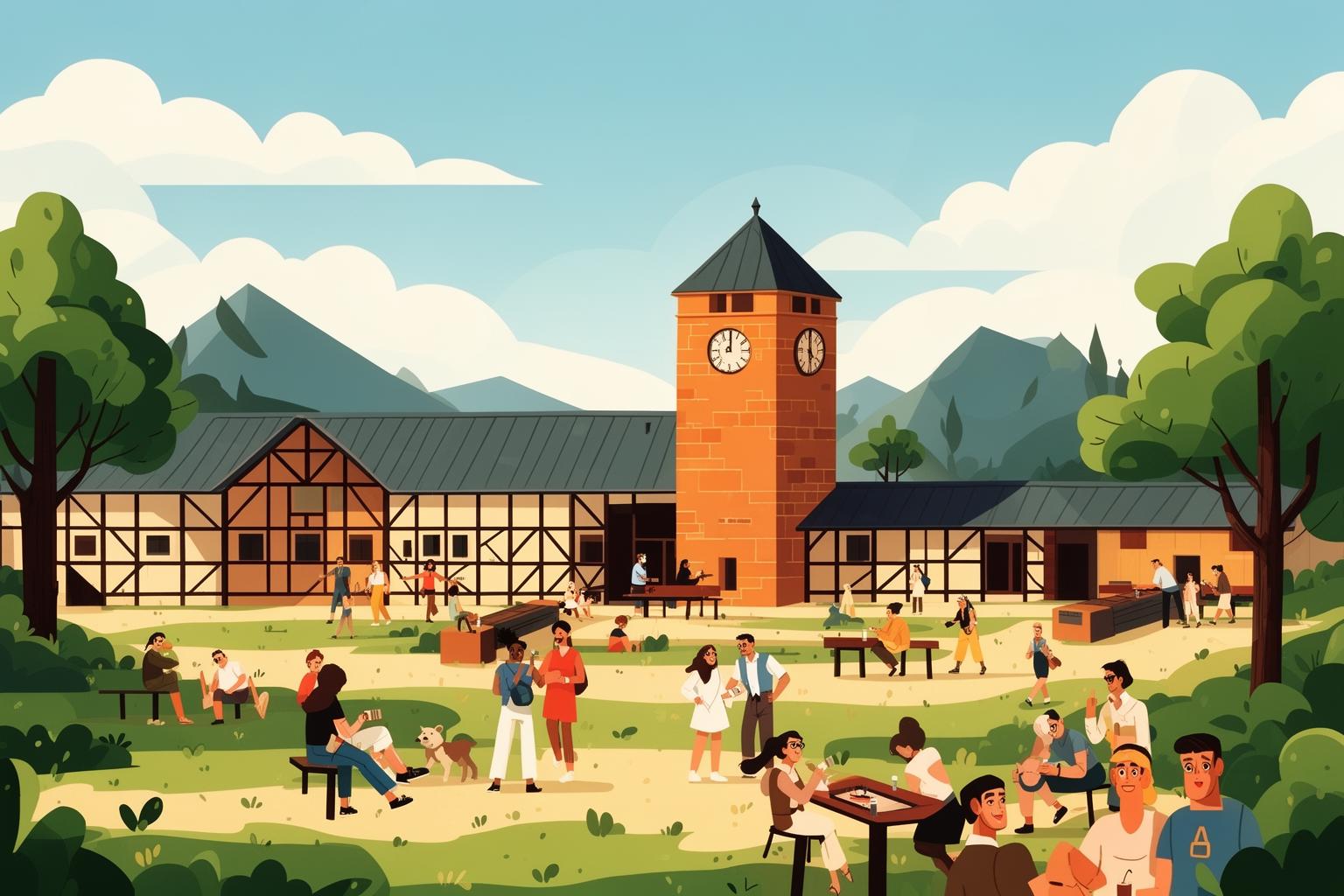
Our first destination feels like a beautifully preserved dream. Nestled within the lush expanse of Koganei Park in western Tokyo, the Edo-Tokyo Open Air Architectural Museum is far from a typical gallery of artifacts behind glass. It is a living, breathing village pieced together from history itself. Imagine a place where dozens of historic buildings, rescued from demolition and relocated from their original sites across Tokyo, are carefully reassembled and restored. To wander its seven hectares is to stroll through time—from the austere samurai residences of the Edo period to the charming, Western-influenced structures of the Meiji and Taisho eras, and finally to the nostalgic storefronts of the mid-century Showa period. The air here feels different—thicker with stories. The scent of aged hinoki cypress wood lingers, floorboards creak beneath a thousand forgotten footsteps, and sunlight filters through delicate paper screens, casting latticed shadows that dance like memories.
A Museum Unlike Any Other
The true brilliance of this place lies in its immersive quality. You aren’t just viewing buildings; you are stepping inside them, experiencing spaces as they were once lived in. You can slide open a heavy wooden door to a farmhouse, rest on the tatami-matted veranda of a politician’s mansion, or peer into the cluttered workshop of a Meiji-era artisan. Each structure is a complete world, preserved with astonishing attention to detail—from the pots and pans in a kitchen to the calligraphy brushes on a writer’s desk. This profound sense of lived-in history, this atmosphere of a world just recently vacated by its inhabitants, made it the perfect muse for Hayao Miyazaki. He frequented this place during the production of Spirited Away, sketching and absorbing the textures of a Japan that was rapidly vanishing, a Japan alive with the spirits and aesthetics he sought to capture on film.
Chasing Chihiro’s Shadow
For any Spirited Away fan, stepping onto the museum’s central street is a breathtaking moment of recognition. The sensations are immediate and uncanny. You feel as if you’ve wandered into the mysterious, deserted town where Chihiro’s parents feast and fall under a curse. The architecture, signage, and mood are a direct portal to the film’s opening act. Here, the line between reality and animation dissolves into a beautiful, thrilling haze.
The Boiler Room of Kamaji
Your first stop is a stationery shop, Takei Sanshodo, a handsome early Showa-era building. Upon entering, your eyes are instantly drawn to a towering wall filled with countless small, dark wooden drawers. The effect is startling and immediate. You’re in Kamaji’s boiler room. You can almost hear the clattering of soot sprites, the Susuwatari, as they carry coal, and see the six-armed boiler man carefully selecting herbs and salts from these very drawers to mix his magical bath concoctions. The scale and intricate detail of the cabinetry perfectly mirror the film. It’s a powerful, tangible connection to the inner workings of the Aburaya bathhouse—a moment where a simple real-world detail blossoms into a cornerstone of a fantastical realm. You can almost smell the medicinal steam and feel the frantic, rhythmic energy of Kamaji’s space.
The Façade of Aburaya
Venturing deeper into the museum, you’ll find the grand centerpiece for any Ghibli pilgrim: Kodakara-yu, a public bathhouse (sento) originally built in Tokyo’s Adachi Ward in 1929. Standing before its magnificent façade is a genuine, heart-stopping moment. This is it—this is the face of Aburaya, the grand, imposing bathhouse for the gods. The soaring, multi-tiered roof with intricate wooden carvings, the elegant curved gables known as karahafu, and the stunning paintings of Mount Fuji and the seven lucky gods at the entrance—each element screams Spirited Away. You can almost see the gods and spirits arriving by boat, Haku soaring overhead, and No-Face standing silently on the bridge. The building’s presence is overwhelming. It’s a masterpiece of traditional Japanese architecture, radiating both welcome and intimidation, a place of purification and mystery. Although the film’s bathhouse is an amalgamation of many inspirations, Kodakara-yu is undeniably its primary architectural soul.
The Mysterious Food Stalls
As you wander down the museum’s recreated downtown street, Shitamachi Naka-dori, you’ll pass old pubs and eateries, their interiors dimly lit and filled with period-appropriate bottles and posters. An old flower shop and a soy sauce store add to the ambiance. Within these storefronts, a more unsettling memory from the film emerges. This street powerfully evokes the eerie food district where Chihiro’s parents turn into pigs. The rows of silent, empty shops, filled with the ghosts of past commerce, perfectly capture the feeling of a place vibrant one moment and unnervingly still the next. You find yourself peering into the windows, half-expecting to see plates piled high with glistening, otherworldly food. It’s a testament to how Miyazaki didn’t simply borrow buildings; he absorbed their atmosphere and their capacity for both wonder and dread.
Practical Magic: Planning Your Visit
Reaching this portal to the past is an easy journey from central Tokyo. The best route is to take the JR Chuo Line from Shinjuku or Tokyo Station to Musashi-Koganei Station. From the station’s north exit, a short bus ride brings you directly to the entrance of Koganei Park. The museum itself is a pleasant walk through the park grounds. Be sure to check the official website for opening hours, as the museum is generally closed on Mondays, like many cultural institutions in Japan. My strongest advice is to dedicate ample time for your visit. A rushed trip only scratches the surface. Plan for at least four to five hours to truly explore—to enter every open building and to sit quietly on a veranda, absorbing the profound stillness. Wear comfortable shoes; the grounds are expansive, and you’ll be walking a great deal. Visiting on a weekday morning offers the best chance for a serene, less crowded experience, allowing the whispers of the past to reach you undisturbed.
In the Footsteps of Totoro: A Journey to Sayama Hills
If the Edo-Tokyo Museum is a meticulously curated archive of history, our next stop is history itself—wild and untamed. We leave the city behind and journey to the border of Tokyo and Saitama Prefecture, to an expansive greenbelt of forested hills and glistening reservoirs known as Sayama Kyuryo. To locals and Ghibli fans worldwide, this place holds a more enchanting name: Totoro no Mori, or Totoro’s Forest. This isn’t merely a location that resembles the setting of My Neighbor Totoro; it is the very backyard of Hayao Miyazaki—the landscape he has roamed for decades and fought to preserve. This is the ground from which the film’s gentle, pastoral magic blossomed. As soon as you step off the train and onto the trails, the urban buzz of Tokyo fades away, replaced by the rustling of leaves, the summer chorus of cicadas, and the deep, earthy aroma of the woods.
The Genuine Forest of Myth and Wonder
The atmosphere here is sheer, unfiltered nostalgia. It evokes the sensation of a childhood summer afternoon spent exploring, where every twisted tree root might hide a sleeping spirit, and every dense thicket could open onto a secret world. The forest isn’t a dramatic, towering wilderness but rather a soft, rolling landscape of mixed woodlands, bamboo groves, and small farm plots known as satoyama—a traditional Japanese agricultural landscape where people and nature live in harmony. This very harmony forms the heart of My Neighbor Totoro. As you stroll, you’ll find yourself instinctively scanning the canopy of the grand camphor trees, half-expecting to spot a giant, furry creature snoozing on a branch. The enchantment of Sayama Hills lies in its ability to convince you, even momentarily, that such a being could indeed exist.
Discovering the Magical Spots
Unlike the museum, the pilgrimage here centers less on specific buildings and more on immersing yourself in the entire environment. The whole forest is the destination. Still, there are a few key landmarks that serve as anchors for your journey into Totoro’s world.
Kurosuke’s House (The House of Totoro)
At the forest’s edge, you’ll find the heart of the pilgrimage: a carefully preserved Showa-era house lovingly known as Kurosuke no Ie, or Kurosuke’s House, named after the little black soot sprites. Managed by the Totoro no Furusato Foundation—an organization established with funds donated by Miyazaki to protect these woodlands—this house is a tangible piece of the world Mei and Satsuki call home. Although it’s not the exact house from the film, it perfectly captures its spirit. The dark wooden walls, sliding paper doors, and slightly overgrown garden all feel incredibly authentic. Stepping inside is like visiting a grandparent’s home. The highlight, of course, is a massive, life-sized Totoro figure waiting in the main room—a perfect photo opportunity that delights visitors of all ages. Volunteers invite you to seek out the hidden Makkuro Kurosuke scattered throughout the house, making the visit delightfully interactive. Please note that the house is generally open only on Tuesdays, Wednesdays, and Saturdays, so plan accordingly.
The Hiking Trails and Hidden Shrines
From Kurosuke’s House, the true adventure begins. A network of well-marked yet charmingly rustic hiking trails extends throughout the forest. This is where you genuinely connect with the film. Follow the paths as they meander through towering bamboo groves that filter sunlight into a soft, otherworldly green—just like the route the Totoros take to their giant camphor tree. Along the way, you’ll pass small, weathered Shinto shrines nestled among the trees—places that feel ancient and sacred, exactly the sort of spot where one might leave an offering to a forest spirit. The journey itself is the reward. It’s about feeling small in this vast, gentle forest, letting your imagination soar, and listening to the quiet symphony of nature that forms the film’s soundtrack.
Sayama Lake and Tama Lake
On the outskirts of the hills lie two large, man-made reservoirs: Sayama Lake and Tama Lake. The trails around them offer stunning, wide-open vistas that contrast beautifully with the enclosed forest. On a clear day, Mount Fuji is visible in the distance. These lakes and surrounding wetlands evoke the film’s expansive landscapes—the shimmering rice paddies, the sweeping views from the camphor tree, and the long country roads where Satsuki runs in pursuit of Mei. They’re perfect spots to rest, reflect, and absorb your journey through the forest.
A Countryside Day Trip: Getting There and Getting Around
Totoro’s Forest is conveniently accessible via a pleasant train ride from central Tokyo. The most common route is to take the Seibu-Ikebukuro Line from Ikebukuro Station to Nishi-Tokorozawa, then transfer to the Seibu-Sayama Line and disembark at the final stop, Seibukyujo-mae Station, which sits beside the baseball stadium and serves as an excellent entry point for the trails. Exploring is best done on foot, so be sure to wear comfortable shoes. The trails are generally gentle and suitable for most fitness levels. For a broader exploration, consider renting a bicycle near one of the stations. The forest offers year-round delights: spring brings delicate cherry blossoms and fresh greens; summer bursts with vibrant foliage and buzzing life, though insect repellent is advisable; autumn paints the hills in fiery reds and golds; and winter reveals a quiet, stark beauty with crisp air and unobstructed views through bare branches.
Beyond the Silver Screen: The Deeper Connection
Visiting these places means more than just ticking off a list of filming locations; it offers a profound understanding of Hayao Miyazaki’s heart and mind, as well as the cultural influences woven into his work. These sites are not merely attractive backdrops but are essential to his storytelling and worldview.
Miyazaki’s Conservation Message
Hayao Miyazaki’s bond with Sayama Hills is intensely personal. Having lived there for decades, he has witnessed urban development steadily encroach upon this treasured green space. My Neighbor Totoro serves, in many ways, as a love letter to this landscape and a subtle yet powerful piece of environmental advocacy. The film aimed to inspire people to cherish the satoyama countryside and recognize its importance before it vanished forever. The creation of the Totoro no Furusato Foundation brings this message into reality. Walking through Totoro’s Forest means traversing a landscape that was literally preserved through the influence of his art. This enriches the experience with a greater sense of purpose and appreciation for the fragile balance between humans and nature, a recurring theme in nearly all of his films.
Nostalgia for a Lost Japan
Likewise, the Edo-Tokyo Open Air Architectural Museum embodies more than just a collection of historical buildings. It taps into a profound Japanese cultural sentiment called natsukashisa—a deep, bittersweet nostalgia for a fading past. The Showa period (1926–1989), in particular, is often remembered as a simpler and more communal era, whose aesthetics bring comfort to many Japanese people. Miyazaki expertly channels this feeling. Despite its fantastical elements, Spirited Away is also a tale about a modern girl rediscovering the values, aesthetics, and spirituality of an older Japan. By preserving physical remnants of these times, the museum serves as a cultural touchstone, allowing visitors to step back into that natsukashisa, to experience the textures of an era when spirits might still linger in bathhouses and every neighborhood boasted a friendly stationery shop with countless tiny drawers. These places are not only inspirations for Ghibli; they form part of the same cultural soul.
A Pilgrim’s Guide: Tips for the Perfect Ghibli Day
Embarking on this pilgrimage is a deeply rewarding experience, and with a bit of planning, you can make it truly unforgettable. Think of it as creating your own Ghibli-inspired adventure, a day filled with exploration and small moments of wonder.
Crafting Your Itinerary
Although it’s technically possible for a highly determined traveler to visit both the Edo-Tokyo Open Air Architectural Museum and Sayama Hills in a single, very long day, I strongly advise against it. Doing so would turn a magical experience into a hectic rush. The best approach is to dedicate a full day to each. Allow yourself a leisurely morning and afternoon to get lost in the historical streets of the museum. Then, on a separate day, give yourself the freedom to wander without a strict schedule through the peaceful paths of Totoro’s Forest. This way, each location gets the time and mental space it deserves to work its magic on you. If you must combine them, start with the museum in the morning right when it opens, then head to Sayama Hills for a late afternoon stroll before dusk.
What to Bring and What to Wear
I cannot stress enough: comfortable footwear is your most essential gear. You’ll be on your feet for hours, walking on everything from polished wooden floors to uneven forest trails. For your visit to Sayama Hills, bring a bottle of water and some light snacks or a bento box. Though there are vending machines and a few shops near the train stations, amenities become scarce once you’re deep in the trails. Carrying a camera is a great idea, but also make a conscious effort to put it away for long stretches. The true beauty of these places lies in their atmosphere, sounds, and the emotions they evoke—things a lens can’t fully capture. Allow yourself to be fully present, just as a Ghibli protagonist would be.
Embracing the Spirit of Ghibli
Above all, approach your visit with a spirit of curiosity and open-hearted wonder. This is not a theme park with scheduled shows and costumed characters. It offers a more subtle and profound experience. The magic is in the details: the way light filters through the forest canopy, the intricate carvings on a temple roof, the faded advertisement on a Showa-era storefront. Before your trip, consider re-watching Spirited Away and My Neighbor Totoro. With those images and feelings fresh in your mind, the real-world connections will feel all the more meaningful and resonant. Finally, remember to be a respectful pilgrim. These are treasured places—a historical museum and a protected nature preserve. Walk gently, speak quietly, and leave nothing behind but your footprints. By respecting these locations, you honor the very spirit of community and nature that Miyazaki’s films so beautifully celebrate.
The Journey Home: Carrying the Magic With You
As you board the train back to the dazzling metropolis of modern Tokyo, the subtle magic of your Ghibli pilgrimage will stay with you. You’ll carry the scent of aged wood and moist earth, the memory of sunlight filtering through bamboo, and the uncanny sensation of having wandered through a living dream. This journey is more than mere sightseeing; it is a way to understand the creative process, connect with the cultural core of Japan, and view the world through the eyes of a master storyteller. You come to realize that the enchantment of Studio Ghibli doesn’t arise from nowhere. It is drawn from the beauty of the real world, from a profound love of history, nature, and the quiet moments of daily life. The greatest gift of this pilgrimage is the reminder that this magic isn’t confined to a museum or forest. It’s a way of seeing. It waits to be found in the twisted roots of a tree in your local park, in the nostalgic charm of an old building, and in the quiet bravery of your own journey, wherever it may lead.